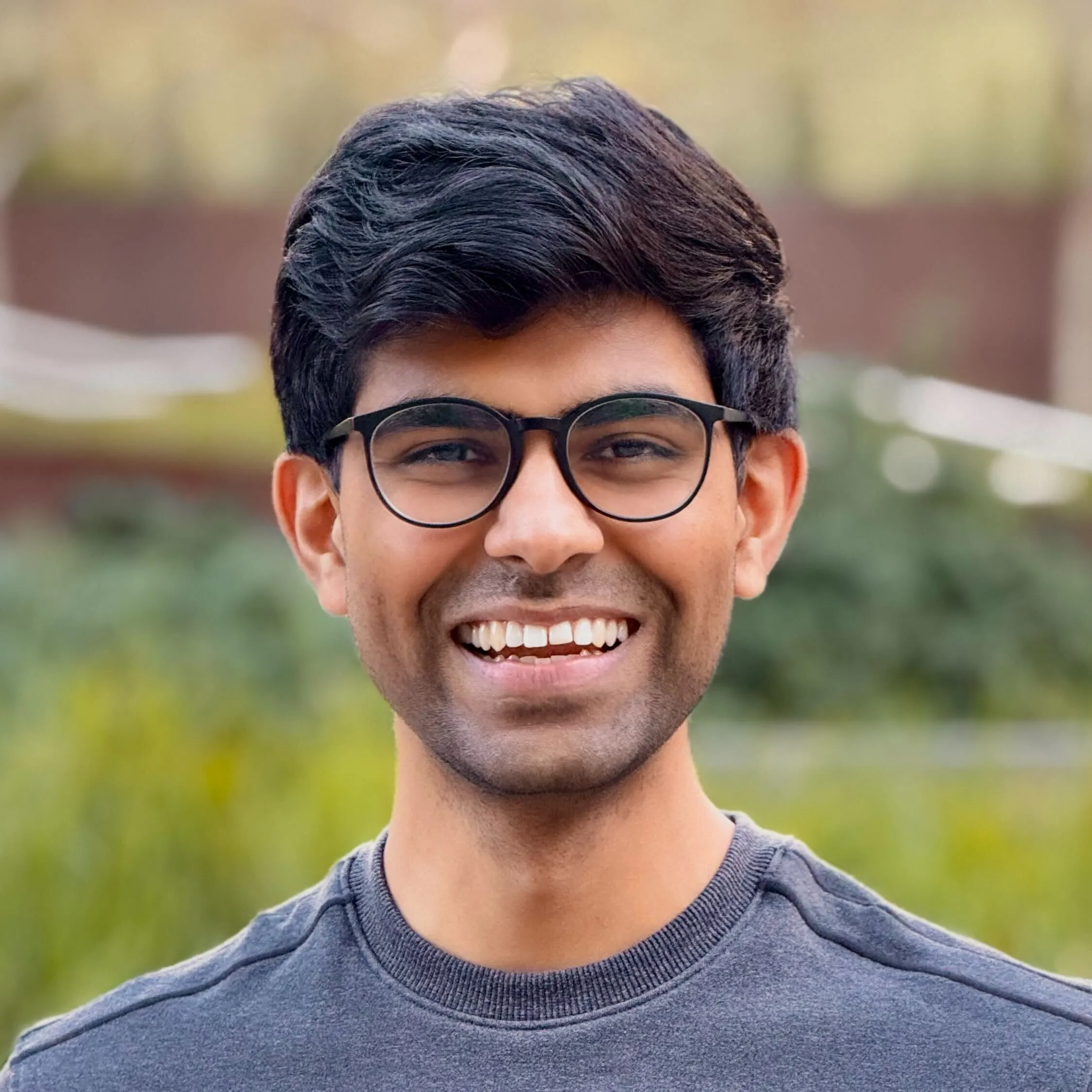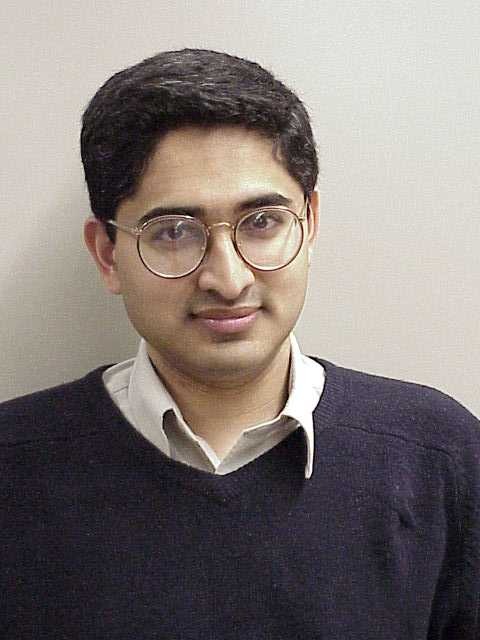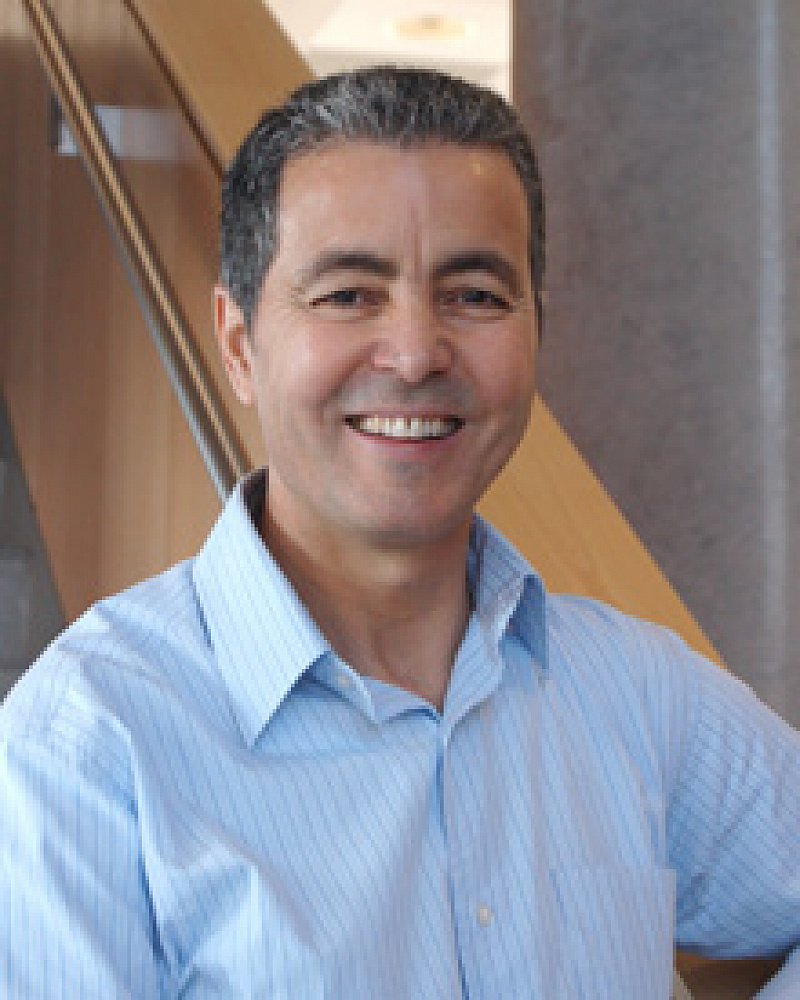
Dr. Thomas Trappenberg is a Professor in the Faculty of Computer Science at Dalhousie University. He is affiliated with the HAL Lab and the Big Data Analytics, AI & Machine Learning research cluster. His work bridges computational neuroscience and machine learning, contributing significantly to both research and education. PhD, Aachen University (1992) MSc, Aachen University (1989) Dr. Trappenberg's research focuses on computational neuroscience and machine learning , particularly in modeling neural systems and brain function. His work includes theoretical and applied aspects of neural computation, with implications for artificial intelligence and cognitive modeling. He is the author of the widely used textbook Fundamentals of Computational Neuroscience , now in its second edition, which integrates mathematical modeling with biological plausibility in neural systems. His recent publications center on foundational models in computational neuroscience, emphasizing neural dynamics, learning rules like Hebbian learning, and neural network architectures such as continuous attractor neural networks (CANN). These works span disciplines including neuroscience, artificial intelligence, and applied mathematics, with subfields such as neural modeling, synaptic plasticity, cognitive modeling, and neural dynamics. Funding: NSERC, CIHR Dr. Trappenberg has made significant contributions through his textbook and associated teaching resources, including MATLAB programs for neural simulations. He teaches undergraduate and graduate courses such as CSCI 1106: Animated Computing, CSCI 4150: Artificial Intelligence, CSCI 6508: Neural Computation, and NESC 4177: Theoretical Neuroscience. He advises students and supports research training through the HAL Lab, fostering interdisciplinary work in AI and neuroscience. He leads the HAL Lab, which is part of Dalhousie’s Big Data Analytics, AI & Machine Learning research cluster. The lab develops computational models of brain function and supports educational initiatives in neural computation.