Erik Ullian is a Professor at the University of California San Francisco (UCSF), with a focus on neuroscience. His research spans astrocyte biology, synaptic plasticity, and neurodegenerative diseases, supported by prestigious awards such as the NIH New Innovator Award and Allen Distinguished Investigator Award. Education: BA in Biological Science (University of Chicago, 1991), PhD in Neuroscience (UCSF, 1997), Postdoc in Neurobiology (Stanford, 2004) His work explores astrocyte-neuron interactions, neuroinflammation, and mechanisms in Alzheimer's disease, ALS, and glioblastoma. Key methodologies include CRISPRi screening, brain organoids, and transcriptomic analysis. Recent publications highlight TDP-43 pathology in ALS, glucose metabolism restoration in Alzheimer's, and astrocyte roles in cancer suppression. Earlier contributions include neurodevelopmental studies on synaptic mapping and SARS-CoV-2 tropism for astrocytes. Scientific Awards Epilepsy training grant award (2001) Zaffaroni research fellowship in addiction research (2002) Sandler Award (2004) Alfred P. Sloan Fellowship (2005) March of Dimes Basil O’Connor Award (2006) Research to Prevent Blindness- New Investigator Award (2009) NIH New Innovator Award (2014) Walt and Lilly Disney Award for Amblyopia Research (2015) Allen Distinguished Investigator Award (2015)
Meenakshisundaram Balasubramaniam serves as an Assistant Professor in the Department of Geriatrics within the College of Medicine at the University of Arkansas for Medical Sciences. His research is centered on neurodegenerative mechanisms with a focus on Alzheimer's disease pathology, protein aggregation dynamics, and autophagy regulation. As a key collaborator in the Shmookler Reis laboratory, he contributes to interdisciplinary investigations spanning computational biology, molecular pharmacology, and translational neuroscience. Dr. Balasubramaniam's research interests encompass: Protein aggregation mechanisms in Alzheimer's and related dementias Computational drug repurposing and target identification Autophagy-lysosomal pathway dysfunction in neurodegeneration Neuroinflammation and cytokine signaling cascades Structural modeling of neurodegenerative disease targets His work integrates advanced computational approaches with experimental validation to identify therapeutic interventions for age-related neurological disorders. Analysis of recent publications reveals strong thematic continuity in targeting protein aggregation pathways across neurodegenerative conditions. His research demonstrates particular innovation in repurposing existing drugs (e.g., ezetimibe, TDZD analogs) to modulate aggregation mechanisms, with consistent application of computational modeling to predict drug-target interactions. The work spans from fundamental molecular mechanisms to preclinical validation in diverse model systems. Scientific recognition includes: Outstanding doctoral student research award from the Engineering and Information Technology program at the University of Arkansas at Little Rock (2016) As Co-Investigator on multiple NIH-funded projects including R01AG084472 and P01AG012411, Dr. Balasubramaniam contributes to major initiatives investigating neuroinflammation, protein aggregates, ApoE4 drug targeting, and autophagy rescue in Alzheimer's pathogenesis. His collaborative approach extends across neuroscience, oncology, and computational biology domains. He operates within the Shmookler Reis laboratory environment, which maintains strong connections between computational modeling groups and experimental neuroscience teams. This integrated approach facilitates rapid translation of in silico predictions to in vitro and in vivo validation, particularly using C. elegans and mammalian cell models for neurodegenerative disease mechanisms.
Annemarie Docherty serves as a Clinical Associate Professor at the Centre for Medical Informatics within the Usher Institute, College of Medicine and Veterinary Medicine, University of Edinburgh, and concurrently holds a Consultant position in Critical Care at the Royal Infirmary Edinburgh. Her research pioneers data-driven innovation in intensive care through high-dimensional data integration and AI applications, with focus areas including myocardial infarction diagnosis and multimorbidity management. Her academic credentials include: PhD in Critical Care (2018), University of Edinburgh MPH in Public Health (2014), University of Edinburgh MBChB in Medicine (2003), University of Bristol Docherty's work addresses critical gaps in ICU data utilization by developing AI-driven approaches for myocardial infarction detection and time-varying risk prediction models. She explores clinical phenotypes and multi-organ dysfunction through interdisciplinary collaboration, emphasizing stakeholder engagement for real-world implementation of clinical decision-support systems. Her research spans critical care medicine, medical informatics, and clinical data science with direct translational impact. Analysis of her 2024-2025 publications reveals concentrated expertise in critical care outcomes, post-COVID rehabilitation, and longitudinal health impacts using large-scale cohort studies and randomized trials. These works consistently leverage routinely collected healthcare data to investigate multimorbidity patterns and AI-enhanced diagnostic frameworks in intensive care settings. Her major recognition includes: RSE Mary Somerville Medal (2023) Docherty leads the ICU-Heart collaboration and serves as data co-lead for the TRAITS trial. Her funded research portfolio features: Wellcome Career Development Award (2024-2030): Improving outcomes through multimodal data-driven innovation TRAITS Program (2022-2026): Time-critical precision medicine for critical illness RESULT-HF Trial (2021-2027): Transfusion strategies in hip fracture surgery PHOSP-COVID & HEAL-COVID: National COVID-19 longitudinal studies and adaptive platform trials She directs the ICU-Heart initiative and contributes to Scotland-wide critical care research infrastructure through the Scottish Intensive Care Society Audit Group (SICSAG), driving integration of data science innovations into clinical practice across multiple ICU networks.
Teppo Särkämö is an Associate Professor of Neuropsychology at the Department of Psychology and Logopedics , Faculty of Medicine , University of Helsinki. He serves as a Senior Scientist at the Cognitive Brain Research Unit (CBRU) and leads the Music, Ageing and Rehabilitation Team (MART) . His research focuses on the neural mechanisms of music and speech perception , their deficits ( aphasia, amusia ), and music-based rehabilitation in neurological disorders like stroke and Alzheimer's disease. Key research areas: Neuropsychology, Cognitive neuroscience, Music therapy, Aging, Neuroplasticity, Neurology His ERC-funded projects investigate singing in normal aging, music-evoked emotions in dementia, and structural brain connectivity in aphasia. Recent publications highlight music's role in enhancing neural plasticity and rehabilitation outcomes through longitudinal and clinical studies. Scientific honors: Cortex Prize (2017) Doctoral Thesis Prizes (2011) Göttinger Innovatiospreis (2009) Publication of the Year (2008) He supervises doctoral and master's theses, including work by Nella Moisseinen , and actively engages in public outreach through lectures and media interviews.
Eric M Morrow is a Mencoff Family Professor of Biology, Professor of Brain Science, Neuroscience, and Psychiatry and Human Behavior at Brown University. His research focuses on genetic and molecular mechanisms underlying neurodevelopmental disorders such as autism and intellectual disability, with a strong emphasis on rare syndromes like Christianson Syndrome and GPT2 Deficiency. Education: PhD in Genetics and Neurodevelopment (Harvard University), MD from MIT/Harvard Medical School. Research Interests include: Neurogenetic syndromes and their molecular pathways Neuronal organelles (endosomes, lysosomes, mitochondria) Neurometabolism and neurodegeneration Development of gene therapies for cognitive disorders Scientific Awards Psychiatry Research Mentor Award (2011-2012) Collaborations span Brown's Developmental Disorders Genetics Research Program (DDGRP), the Carney Institute for Brain Science, and partnerships with clinical and basic science researchers. His lab is located at the Laboratories for Molecular Medicine (70 Ship Street) and is funded by NIMH, NINDS, and NIA.
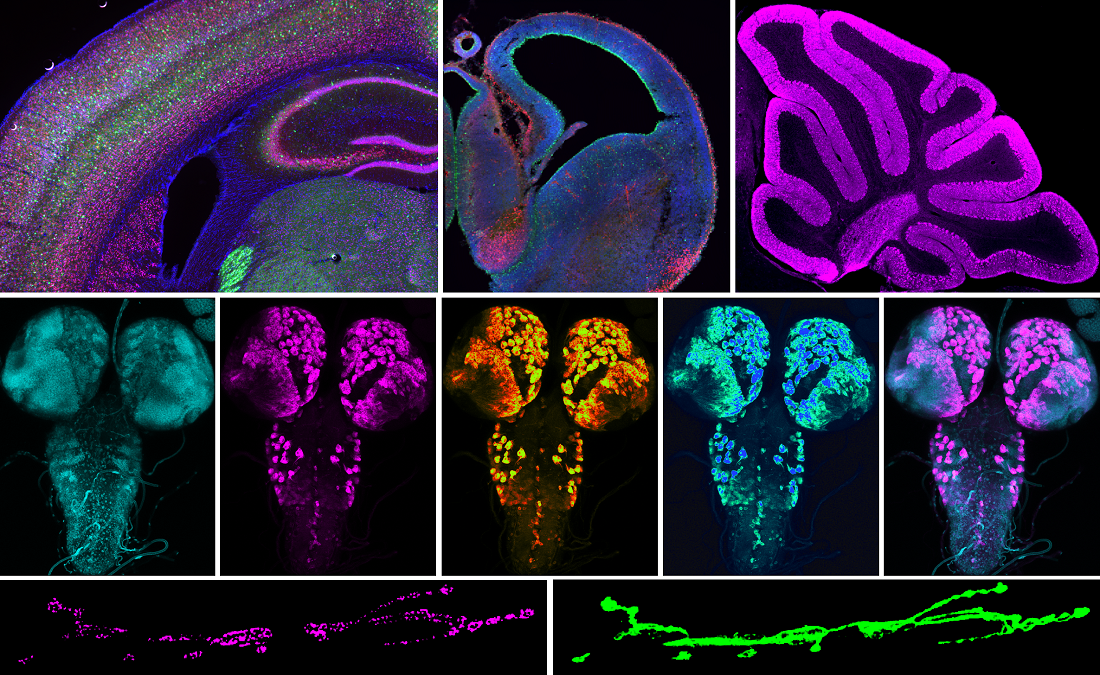
Dr. Hsiao-Tuan Chao is an Assistant Professor at Baylor College of Medicine with primary appointments in the Department of Pediatrics (Division of Neurology and Developmental Neuroscience), Department of Molecular and Human Genetics, and Department of Neuroscience. She serves as an Investigator at the Jan and Dan Duncan Neurological Research Institute and Texas Children's Hospital, and is a McNair Scholar at the McNair Medical Institute. Dr. Chao also holds leadership roles as Associate Program Director for the Basic Neuroscience Pathway in the Child Neurology Residency Training Program and as a Faculty Senator at Baylor College of Medicine. Dr. Chao's educational background includes: MD from Baylor College of Medicine (2012) PhD in Neuroscience from Baylor College of Medicine (2010) BS in Neuroscience and BA in Biochemistry (summa cum laude) from University of Texas at Austin (2002) Plan II Honors in Liberal Arts (summa cum laude) from University of Texas at Austin (2002) Her research focuses on understanding the genetic and neurophysiologic underpinnings of neurodevelopmental disorders including intellectual disability, epilepsy, autism, and schizophrenia. A central theme in her work is examining how disrupted inhibitory neuronal development and function contribute to these conditions. The Chao Lab integrates cross-species approaches using human genomics to uncover genetic etiologies, fruit flies to elucidate molecular pathways, and mice to explore consequences in the mammalian brain. Key research areas include EBF3-related disorders (HADDS syndrome), STXBP1 encephalopathy, EIF2AK variants (LEUDEN and LEMPSAD syndromes), and PPFIA3-related neurodevelopmental disorders. Analysis of Dr. Chao's recent publications reveals a strong focus on identifying novel disease genes and characterizing genotype-phenotype relationships in neurodevelopmental disorders. Her work spans multiple technical approaches including whole-genome sequencing, RNA sequencing, DNA methylation analysis, and functional validation using model organisms. A significant portion of her research examines how specific genetic variants impact protein function and neuronal development, with particular attention to transcriptional regulation, protein translation, and synaptic function. Dr. Chao has received numerous prestigious awards recognizing her contributions to neuroscience and neurology: 2022 "40 Under 40" List of Autism Researchers (Global Rising Stars in Autism Research) 2022 Young Investigator Award from Baylor College of Medicine Department of Pediatrics 2022 Induction to the Society for Pediatric Research 2020 Philip R. Dodge Young Investigator Award from the Child Neurology Society 2019 Health Care Heroes - Rising Star Award from Houston Business Journal 2017 STAT Wunderkind Award Dr. Chao actively mentors a large team of researchers including postdoctoral fellows, graduate students, medical students, and genetic counseling students. Her lab has secured significant funding including an NIH R01 grant (Molecular and Cellular Mechanisms of Cerebellar Dysfunction in Neurodevelopmental disorders), a DP5 Early Independence Award from NIH, and funding from the Burroughs Wellcome Fund. Current research initiatives include the Undiagnosed Epilepsy Genetics Initiative, EBF3-related disorders research study, and a Phase 1/2a clinical trial of CAP-002 Gene Therapy for STXBP1 Encephalopathy. The Chao Lab operates within the Jan and Dan Duncan Neurological Research Institute, leveraging multiple core facilities including the Microscopy Core, Rodent Neurobehavior Core, High Throughput Behavioral Screening Core, and Optogenetics and Viral Vectors Core. Her team collaborates extensively with the Undiagnosed Diseases Network and maintains active partnerships with clinicians at Texas Children's Hospital to translate research findings into clinical applications.
Irene Morae Kang, M.D., is an Assistant Professor in the Department of Medical Oncology & Therapeutics Research at City of Hope, Orange County, California, where she also serves as Medical Director of Women’s Health Medical Oncology. She specializes in breast cancer treatment and research, with clinical expertise extending to hematology-oncology. Dr. Kang joined City of Hope in 2022 after serving as Assistant Professor of Clinical Medicine at the University of Southern California (2017-2022). Education & Training: • M.D. from University of California San Francisco School of Medicine (2006-2011) • B.S. in Bioengineering and Premedicine from University of California Berkeley College of Engineering (2001-2006) • Hematology/Oncology Fellowship at University of Southern California (2014-2017) • Internal Medicine Residency at Santa Clara Valley Medical Center (2011-2014) Research Focus: Dr. Kang's research centers on molecular characterization of breast tumors, circulating tumor cell analysis, cancer treatment innovations, and health disparities in oncology. Her work explores exercise interventions during chemotherapy, liquid biopsy technologies, HER2-targeted therapies, and inflammatory breast cancer biology. She maintains active involvement in clinical trials investigating new therapeutic approaches for breast cancer. Publications: Her recent articles (2019-2021) demonstrate a strong focus on translational breast cancer research, particularly liquid biopsy applications, exercise oncology, treatment complications, and health disparities. She frequently publishes on molecular diagnostics, tumor microenvironment dynamics, and novel therapeutic strategies. Awards & Honors: USC Oncology Teaching Award (2020) USC Oncology Co-Chief Fellow (2016) Resident Clinical Vignette Competition: First Place (2012) Phi Beta Kappa (2006) Tau Beta Pi Engineering Honor Society (2004) Professional Leadership: Dr. Kang serves on multiple national committees including the American Society of Clinical Oncology (ASCO) Quality Oncology Practice Initiative. She holds memberships in ASCO, American Society of Hematology, and contributes to USC Clinical Investigations Support Office committees. Her leadership extends to cancer education programs and integrative health initiatives.
Jessica Filosa is a Professor in the Department of Physiology at the Medical College of Georgia, Augusta University. She holds a primary academic appointment in the Department of Physiology and a secondary appointment in The Graduate School. Dr. Filosa has been with Augusta University since 2008, progressing from Assistant Professor to Associate Professor and finally to her current position as Professor since 2019. Prior to this, she served as Assistant Professor and Research Assistant Professor in the Department of Psychiatry at the University of Cincinnati (2004-2008). Dr. Filosa earned her Ph.D. in Biomedical Sciences from Wright State University in 2002 and her M.S. in Biology from Emporia State University in 1997. Her educational background laid the foundation for her current research program focused on neurovascular communication. Dr. Filosa's research centers on understanding the signaling mechanisms governing bi-directional communication among various cell types within the brain, with particular emphasis on neuron-glial-vascular interactions. Her laboratory investigates three main areas: (1) characterizing the intrinsic properties of parenchymal arterioles in the brain, (2) examining neuron-glial-vascular communication in specialized brain regions including the somatosensory cortex, supraoptic nucleus, and hypothalamus, and (3) determining how disruptions in neuroglial-vascular crosstalk contribute to cerebrovascular disorders such as hypertension and stroke. Using advanced techniques including electrophysiological recordings, Ca 2+ imaging, and immunohistochemistry, her work bridges neuroscience with cardiovascular physiology to address pathologies involving both vascular and neuronal deterioration. Analysis of Dr. Filosa's recent publications reveals a strong focus on neurovascular coupling mechanisms, particularly how blood pressure variability affects cerebrovascular function and cognitive outcomes. Her research increasingly examines the role of specific molecular pathways (such as ADAM17) in Alzheimer's disease models and explores the connections between hypertension, cerebrovascular dysfunction, and cognitive impairment. The work demonstrates a progression from basic mechanisms of neurovascular communication toward translational applications for understanding and treating cerebrovascular disorders. Participant in an NIH Study (2023) Hamilton Scholar in Physiology, Department of Physiology, Augusta University (2017) Outstanding Young Research Scientist, Georgia Health Sciences University (2012) Multidisciplinary approaches for neurogenic hypertension research (2011) Functional Hyperemia in the Brain: APS Latin-American Initiative (2008) Dr. Filosa has mentored graduate students including Jennifer Iddings (2010-2015) and currently oversees a research team comprising Perenkita Mendiola (Postdoctoral Fellow) and Adriana Langer Gramer (Research Assistant). She serves on numerous grant review committees including the Intramural Grants Programs (2017-present) and Basic Science Advisory Council (2018-present). Her professional service includes NIH Study Section reviewing (2021), membership on the Scientific Advisory Committee for the International Symposium on Resistance Arteries (2020), and reviewing for the International Society for Cerebral Blood Flow & Metabolism. Dr. Filosa teaches multiple advanced physiology courses including Medical Neurophysiology, Medical Physiology II, and Neuroscience I, demonstrating her commitment to both research and education in the field of physiology.
Erich C. Dierdorff serves as a Professor and William E. Hay Leadership Fellow in the Department of Management & Entrepreneurship at DePaul University's Driehaus College of Business. An award-winning instructor across executive, graduate, and undergraduate business programs, he specializes in organizational behavior, human resource management, and data science applications. His research examines individual/team learning effectiveness, work analysis, and leadership practices with significant industry impact. Education: PhD in Industrial-Organizational Psychology, North Carolina State University MS in Industrial-Organizational Psychology, North Carolina State University BS in Psychology (Minor: Sociology), University of Florida Research Focus: Professor Dierdorff investigates job crafting dynamics, team resilience under stress, and data-driven work design. His work integrates multilevel analysis of psychological collectivism in teams, goal orientation variability, and reciprocity mechanisms in organizational citizenship behavior, often applying data science to human capital problems. Publication Trends: Recent articles (2017-2025) reveal consistent emphasis on team training evaluation, job crafting motives, and work design consequences. He frequently publishes in top-tier journals like Journal of Applied Psychology and Academy of Management Journal, with growing focus on contextual moderators and longitudinal team performance patterns. Scientific Awards: William E. Hay Leadership Fellow Advising and Grants: While specific students or grants aren't listed, his industry partnerships with General Electric, Amazon Web Services, Siemens, and the U.S. Department of Labor indicate substantial contract research funding. He contributes evidence-based interventions in leadership development, competency modeling, and selection system design across corporate, sports, and military sectors. Labs and Teams: Professor Dierdorff developed TeamMATE® for team training evaluation (2016) and works with cross-functional industry teams. His research on O*NET tools and the greening of occupations involves U.S. Department of Labor collaborations, focusing on real-world human capital analytics.
Hélène Girouard is a full professor in the Department of Pharmacology and Physiology at the Faculty of Medicine, Université de Montréal, and directs the Cerebrovascular Pharmacology Laboratory at CRIUGM. Her research explores neurovascular coupling mechanisms, vascular contributions to cognitive decline, and sex/gender differences in neurodegenerative diseases. PhD in Cardiovascular Physiology (Université de Montréal, 2002) Postdoctoral Training: Cornell University (2003-2006), University of Vermont (2006-2008) Research Focus: Investigates how arterial stiffness , hypertension , and neuroinflammation disrupt neurovascular coupling , accelerating cognitive decline and Alzheimer's pathology . Special emphasis on sex differences and menopausal transitions in vascular brain health. Key Techniques: Multi-photon microscopy, laser Doppler flowmetry, MRI biomarkers, and in vivo / in vitro cerebrovascular pharmacology. Scientific Awards: 2002: Top 5% PhD Theses, Université de Montréal 2004: CIHR Recognition Award 2012: Jacques de Champlain Prize (Heart & Stroke Foundation) 2015: Fellow of the American Heart Association Training & Grants: Over 20 years of continuous funding from CIHR , FRQS , FMCC , NSERC , and Brain Canada . Supervises students in neurovascular imaging , vascular dementia , and sex-specific brain aging .
Professor Alexej Verkhratsky is a leading scholar at the University of Manchester , holding the Professor of Neurophysiology position in the Division of Neuroscience. With over 400 peer-reviewed publications and an H-index of 86, he is a globally recognized expert in glial physiology and neurodegenerative diseases. Member of Academia Europaea (Vice-President, Life Sciences) Elected to German National Academy of Sciences Leopoldina (2013) Highly Cited Researcher (2023) His research focuses on neuroglial communication , pioneering discoveries in calcium and sodium signaling in astrocytes and microglia. Key contributions include: Foundational work on glial excitability via Ca²⁺/Na⁺ dynamics Development of the astroglial cradle concept for synaptic regulation Identification of astroglial atrophy as an early marker in Alzheimer's disease Characterization of glial paralysis in neurodegeneration Caffeine-induced Ca²⁺ release mechanisms Role of P2X receptors in gliotransmission Recent publications (2025-2026) highlight his work on: Mitochondrial responses in Alzheimer's and tauopathies Glial regulation of cerebrospinal fluid dynamics Neurodegenerative mechanisms in white matter pathology Scientific Awards include: Copernicus Gold Medal (2017) Dana Alliance for Brain Initiatives (2012) Multiple academy memberships (Slovenian Academy of Sciences, Real Academia Nacional de Farmacia, Poland National Academy of Sciences) As Editor-in-Chief of Cell Calcium and Deputy Editor of Cell Death and Disease , he shapes discourse in glial physiology and neurodegeneration research. His work contributes to UN Sustainable Development Goals for brain health research.
Aivi T. Nguyen, M.D., serves as a Clinical Assistant Professor in the Department of Laboratory Medicine and Pathology at Mayo Clinic Alix School of Medicine. As a board-certified neuropathologist and translational researcher, she spearheads investigations into neuroinflammation mechanisms in neurodegenerative diseases through the Alzheimer's Disease Research Center (ADRC) and Mayo Clinic Study of Aging (MCSA), integrating neuropathology with neuroimaging and biomarker analysis. Her educational trajectory includes: Post Doctoral Fellowship, Translational Neuropathology Research Laboratory (University of Pennsylvania, 2020) Neuropathology Fellowship (Hospital of the University of Pennsylvania, 2018) Anatomic Pathology Residency (Hospital of the University of Pennsylvania, 2016) M.D. (Jefferson Medical College, 2014) Research Fellowship (NIH Medical Research Scholars Program, 2013) B.S. in Cell and Molecular Biology, Genetics (University of Delaware, 2009) Dr. Nguyen's research centers on microglial heterogeneity in Alzheimer's disease, employing single-nuclei RNA sequencing and immunohistochemical validation to characterize distinct microglial subpopulations. She investigates how genetic risk variants (APOE E4, TREM2 R47H) modulate microglial responses to proteinopathies and explores microglia's role in cognitive resilience despite pathological burden. Her work bridges molecular mechanisms with clinical manifestations through multidisciplinary approaches. Analysis of her 2020-2025 publications reveals consistent focus on microglial biology across neurodegenerative conditions, with increasing emphasis on genetic determinants and translational applications. Recent work expands into TDP-43 proteinopathies and cerebral amyloid angiopathy while maintaining core investigation of microglial dynamics in Alzheimer's disease. Her accolades include: Two Diagnostic Slide Session Awards for Best Neurodegenerative Case (American Association of Neuropathology, 2021 & 2018) Neurodegenerative Disease Scholars Program Award and Robert Terry Award Honorable Mention (2020) Penn Cares Grant for 'Woodland Writers' Project (2015) Harold L. Stewart Prize in Pathology (2014) Dr. Nguyen actively shapes neuropathology standards through committee roles including the American Board of Pathology Test Development Advisory Committee and American Association of Neuropathologists Education Committee. Her research is supported by institutional resources within Mayo Clinic's ADRC infrastructure and collaborative multi-institutional grants. She operates within Mayo Clinic's integrated research ecosystem, contributing neuropathological expertise to the ADRC and MCSA teams while participating in national consortia studying neurodegenerative mechanisms. Her laboratory work focuses on human tissue analysis with emphasis on microglial transcriptomics and spatial pathology mapping.
Dr. Angelique Bordey is the Rothberg Professor of Neurosurgery and Vice Chair of Research at Yale School of Medicine. She holds secondary appointments in Cellular & Molecular Physiology and is affiliated with the Bordey Lab, Center for Brain & Mind Health, Interdepartmental Neuroscience Program, and Wu Tsai Institute. PhD in Neuroscience, Louis Pasteur University (1995) MS in Neurophysiology, University Louis Pasteur (1992) MS in Chemistry, National School of Engineering (1991) Her research focuses on mTOR signaling in neurological disorders like Tuberous Sclerosis Complex (TSC), autism, and epilepsy. Key projects include: (1) neural stem cell circuit formation in health and mTORopathies, (2) preventing brain malformations in TSC, and (3) molecular basis of autism in TSC using rodent models. She investigates synaptic dysfunction, cortical connectivity, and translational therapies targeting mTOR dysregulation. Recent publications highlight trends in mTOR-related epileptogenesis , Filamin A inhibition for seizure reduction, and 4E-BP1 expression to mitigate neuronal dysfunction. Awards include the Blavatnik Award (2022), Scientific Innovations Award (2022), NARSAD Distinguished Investigator Award (2015), and McKnight Neuroscience of Brain Disorder Award (2010). She has served on NIH study sections and secured federal/foundation grants for epilepsy research. Dr. Bordey leads the Bordey Lab, which explores neural stem cells, synaptic plasticity, and preclinical therapies for neurological disorders. The lab develops models for cortical malformations, autism, and glioma, with a focus on mTOR pathway targeting neurodevelopmental interventions translational neuroscience
Russell Morton is a Tenure track Assistant Professor in the Department of Neurosciences at the University of New Mexico Health Sciences Center. He established expertise in neurophysiology and mild traumatic brain injuries (mTBIs) through postdoctoral research at the University of New Mexico and leadership roles in the Center for Brain Recovery and Repair (CBRR). B.A. in Psychology from University of Colorado at Boulder (2003) Ph.D. in Neuroscience from George Washington University (2011) Postdoctoral fellowship at University of New Mexico (2016) His research focuses on identifying spreading depolarizations (SDs) as critical mechanisms in concussion-like injuries, linking them to postinjury behavioral deficits, post-traumatic headaches, and impaired cognitive recovery. Using a closed skull injury model, his lab investigates SD propagation, cortical activity suppression, and blood flow dynamics in repeated mTBIs. This work aligns with CBRR's mission to bridge clinical and preclinical brain injury research. Russell Morton's publications highlight SDs' role in mild injuries and cognitive dysfunction. Key collaborations with Drs. Bill Shuttlworth (cellular SD mechanisms) and KC Brennan (headache/migraine research) enhance his studies. His work has been recognized through keynote invitations, grant leadership (DoD collaborative grant), and active participation in international spreading depolarization conferences. UNM Graduate Student Retreat Keynote Speaker (2014, 2017) General Public Poster Finalist, UNM Neuroscience Day (2014) First Place Oral Presentation, GWU Research Day (2008) As Preclinical Core Manager for CBRR, he developed the closed skull injury model and serves as a project lead. His lab collaborates with the New Mexico Spreading Depolarization Consortium (NMSDC) and international experts, maintaining weekly lab meetings with Drs. Shuttlworth and Brennan. He also co-teaches graduate courses in Neurosciences Journal Club, Neurophysiology, Methods in Cell Biology, and Undergraduate Pipeline Network.
James J. Jakubow is a University Instructor in the Department of Psychology at Florida Atlantic University's Charles E. Schmidt College of Science. With over 30 years of academic experience, he has taught 30,000+ students across courses in general psychology, behavioral pharmacology, learning & memory, and MCAT behavioral sciences review. His research spans behavioral neuroscience, mathematical psychology, and neuropharmacology. Ph.D. in Learning Processes (Graduate Center/CUNY, 2000) M.Phil. in Learning Processes (Graduate Center/CUNY, 1997) M.A. in Experimental Analysis of Behavior (Western Michigan University, 1988) His research focuses on mathematical models of associative learning, drug tolerance mechanisms, and theoretical approaches to learning & memory. Publications include textbook authorship and book reviews addressing behavioral neuroscience, cognitive dysfunction, and dynamical systems in psychology.