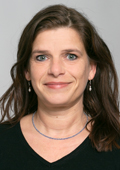
Prof. Dr. Sandra Pohl is a full Professor at the University Medical Center Hamburg-Eppendorf (UKE), affiliated with the Department of Osteology and Biomechanics. Her research focuses on lysosomal storage disorders, particularly mucolipidosis types II and III, and their systemic effects on bone, cartilage, kidney and the central nervous system. She employs mouse models, human genetic studies and translational approaches to dissect disease mechanisms and develop therapeutic strategies. Education & Training No specific educational details provided in the source material; only the academic title "Prof. Dr. (PhD)" is listed. Research Interests Prof. Pohl’s work centers on: Molecular pathology of mucolipidosis type II (I-cell disease) and type III (pseudo-Hurler polydystrophy). GlcNAc-1-phosphotransferase biology and its role in lysosomal enzyme targeting. Skeletal manifestations of lysosomal storage disorders, including osteopenia, cartilage degeneration and dysostosis multiplex. Neurocognitive outcomes and CNS imaging in mucolipidosis patients. Enzyme replacement therapy design and evaluation in pre-clinical mouse models. Proteostasis, autophagy and ubiquitin-proteasome system interactions in disease pathogenesis. Publication Trends Between 2020 and 2024, Prof. Pohl has published extensively on the intersection of lysosomal dysfunction and skeletal/renal/neurological pathology. Her recent articles emphasize: Genotype–phenotype correlations in GNPTAB/GNPTG variants. Translational mouse models recapitulating human mucolipidosis. Multi-omics profiling (proteomics, imaging, metabolomics) to uncover disease biomarkers. Interdisciplinary studies linking basic cell biology to clinical manifestations. Research Support & Collaborations Prof. Pohl currently leads or co-leads the following initiatives: SFB 877, Teilprojekt B03: “Proteolysis-ver” (exact title abbreviated in source) – a collaborative research center funded by the German Research Foundation (DFG). Cross-institutional consortia involving nephrologists, neurologists, geneticists and imaging specialists across Germany and internationally. Laboratory & Core Facilities Her team utilizes state-of-the-art core facilities provided by UKE, including: Transgenic mouse core Advanced imaging and microscopy Mass-spectrometry-based proteomics High-throughput sequencing and bioinformatics platforms