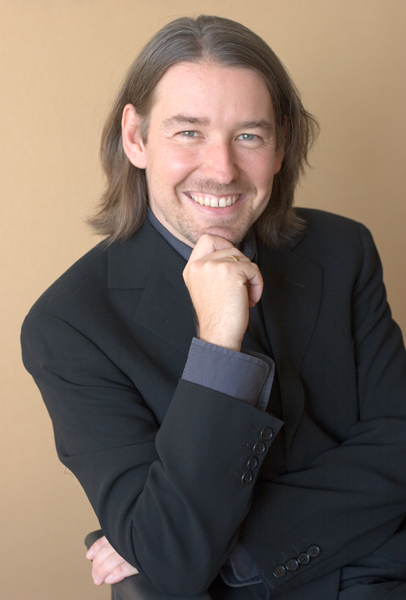
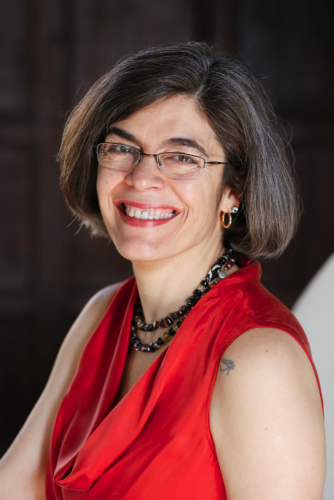
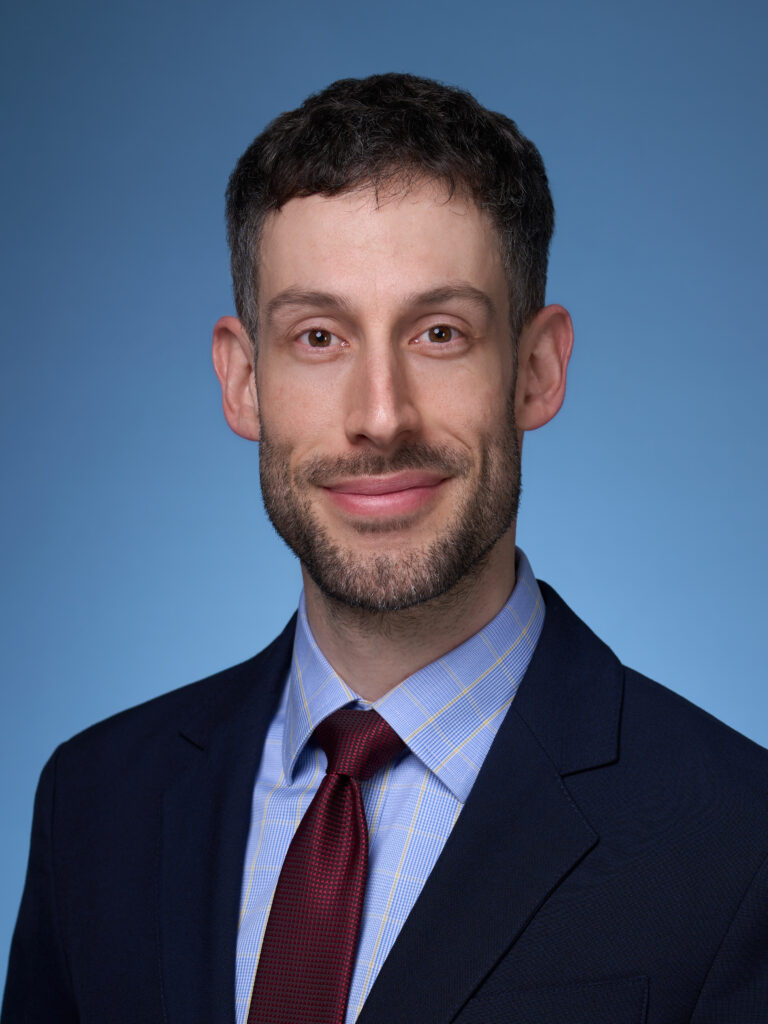
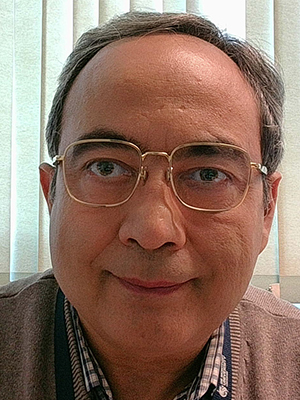
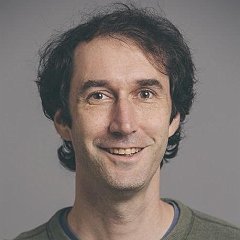
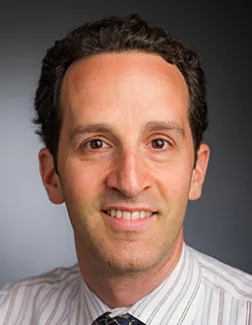
Mario Padula is a Professor of Economic Policy at the Università della Svizzera italiana, having joined in 2015 after previous positions at the University of Salerno and Ca' Foscari University of Venice. He earned his PhD from University College London in 2001. His research spans household finance, pension economics, and consumer behavior analysis. His primary research interests include: Economics of consumer behavior Applied econometrics for household decision-making Financial literacy's impact on portfolio choices Pension system analysis and reform Intergenerational transmission of economic behaviors Dr. Padula maintains an active research program focusing on microeconomic analysis of household financial decisions with implications for policy development.
Gabriele Floris is an Associate Research Scientist in the Department of Psychiatry at Yale University. His primary research focuses on neuropharmacology, addiction biology, and translational neuroscience with particular emphasis on mechanisms underlying drug-seeking behavior, neuroinflammation, and neuropsychopharmacological interventions. Dr. Floris uses rodent models to investigate how substances like heroin, psilocybin, and cannabis influence neural circuits involved in reward processing, stress responses, and decision-making. Key research areas include: 1) Neurosteroid modulation of addiction pathways, 2) Circular RNA and microRNA regulatory mechanisms in addiction, 3) Neuroimmune interactions in substance use disorders. His work bridges basic science and clinical applications, aiming to identify novel therapeutic targets for opioid use disorder and related neuropsychiatric conditions. Recent studies have explored the efficacy of psilocybin in reducing heroin relapse and the role of 5α-reductase inhibitors in modifying drug-seeking behavior. He has developed innovative behavioral paradigms like the sinking platform test to measure persistence in animal models. Collaborations with Mary Zanda and Stephen Daws highlight his network in translational addiction research.
Miguel González Herráez is a Professor in the Department of Electronics at the Universidad de Alcalá, affiliated with the GRIFO Grupo de Ingeniería Fotónica (Photonics Engineering Group). His research focuses on advanced optical fiber sensing technologies, including distributed acoustic sensing (DAS), phase-sensitive OTDR, and dual-comb spectroscopy. He holds a Ph.D. from the Universidad Politécnica de Madrid (2004) with a thesis on nonlinear techniques for measuring chromatic dispersion in optical fibers. His work emphasizes applications in environmental monitoring (e.g., climate change via submarine cables), seismology, and structural health assessment. Recent projects include high-resolution strain sensing, seismic wave analysis using dark fibers, and improving fiber-optic sensor performance through novel coding and signal processing techniques. He has pioneered time-expanded sensing methodologies to enhance spatial and temporal resolution in distributed systems. Key collaborations involve optimizing fiber-optic networks for geophysical studies and developing plugins like UniDam for composite material analysis. His contributions bridge fundamental photonics research with real-world applications in infrastructure monitoring and oceanography.
Usman Farooq is a Research Fellow at Yale School of Medicine, working in the Dragoi Lab. He holds a PhD in Neuroscience from Yale University (2020). His research focuses on hippocampal function, spatial memory, neural coding, and brain development. Key interests include how geometric experiences shape hippocampal activity and the role of the nucleus incertus in stress and motor behavior. His work spans neurophysiology, developmental neuroscience, and translational neuroplasticity. Education: PhD in Neuroscience, Yale University (2020) Research Interests: Farooq investigates how neural circuits encode spatial experiences, particularly the developmental origins of hippocampal memory systems. His studies on the nucleus incertus explore its role in stress modulation and synaptic plasticity. Using electrophysiological and behavioral approaches, he examines how early-life experiences sculpt neural representations. Publications: His work highlights themes in hippocampal dynamics, neural sequence formation, and the interplay between stress and brain circuitry. Recent studies emphasize the impact of Euclidean geometry on neural assembly development. Labs & Teams: Dragoi Lab (Yale School of Medicine).
Professor Teeven Soobaroyen holds a Professorship at the Aston Business School, part of the College of Business and Social Sciences at Aston University. He is currently the Co-Departmental Lead for Research and Enterprise in Accounting and Finance. His career spans over 25 years across institutions including the University of Mauritius, Aberystwyth University, University of Southampton, and University of Essex, where he previously held roles such as Deputy Dean for Academic Partnerships. He currently serves as an undergraduate external examiner at the Universite des Mascareignes and for postgraduate modules at the University of Bath's School of Management. Education: PhD in Management Control Systems (Aberystwyth University, 2008) MA in Accounting and Finance (Lancaster University, 1997) BSc in Accounting (University of Mauritius, 1995) Research Interests: Focuses on the interplay of accounting, accountability, and governance, particularly in developing/emerging economies (e.g., Kenya, Saudi Arabia), public sector, NGOs, and higher education institutions. His work emphasizes Africa-related projects, including corporate governance codes, ESG frameworks, and public financial management. Current collaborations include projects with the World Bank, Institute of Certified Secretaries (Kenya), and African Corporate Governance Network. Editorial Roles: Associate Editor at Journal of Accounting in Emerging Economies , Accounting Forum , and Journal of Accounting Literature . Editorial board member of multiple journals. Co-guest editor of special issues on governance in MENA and Africa. Professional Leadership: Former President of the British Accounting and Finance Association (2020–2022) and African Accounting and Finance Association (2019–2021). Member of the Association Francophone de Comptabilité executive committee. Advising & Grants: Supervised 19 completed PhDs (e.g., on management control in emerging economies, corporate governance in the UK/Mauritius). Examined over 40 international theses. Active in grant-funded research, including World Bank projects and UK Financial Reporting Council initiatives. Labs/Teams: Collaborates with institutions like the African Corporate Governance Network and Pan-African Federation of Accountants. Leads research projects on Kenyan state-owned corporations and African director development certifications.
Christian Keysers is a leading full professor of Social Neuroscience at the University of Amsterdam and head of the Social Brain Lab at the Netherlands Institute for Neuroscience (NIN). He has held tenured positions since 2000, focusing on the neural basis of empathy, mirror neurons, and social cognition across species. Department Head, Social Brain Lab, NIN (2010–now) Full Professor, Social Neuroscience, University of Amsterdam (2014–now) Full Professor, Social Brain, University of Groningen (2007–2014) His research explores how mirror neurons and embodied cognition underpin empathy, using neuroimaging, electrophysiology, and animal models. He has pioneered cross-species approaches, linking empathic mechanisms in humans and rodents to prosocial behavior and moral conflict. Recent publications highlight his work on predictive coding , altruism , and touch interventions . His findings have been published in Nature Neuroscience , Current Biology , and PLoS Biology . Scientific Awards: ERC Consolidator Grant (2012) VICI Grant (2016) Marie Curie Excellence Grant (2005) IPPY Prize for 'The Empathic Brain' (2012) Keysers actively shapes European research policy as a member of the Future and Emerging Technologies advisory board and the Young Academy of Europe. His book 'The Empathic Brain' won critical acclaim for science communication.
Anna Christina Nobre is the Wu Tsai Professor of Psychology at Yale University and Associate Director of the Wu Tsai Institute. She also holds roles as Director of the Center for Neurocognition and Behavior at Yale and retains affiliations at the University of Oxford, including Head of the Department of Experimental Psychology (2016–2023) and Director of the Oxford Centre for Human Brain Activity (OHBA). Her academic journey includes a PhD in Psychology from Yale (1993) and a BA from Williams College (1985). Her research focuses on cognitive neuroscience, particularly attention, temporal processing, memory, and large-scale neural networks, utilizing techniques like MEG, EEG, and fMRI. She leads the OHBA, equipped with advanced neuroimaging facilities, and has secured over £8M in research funding as principal or co-investigator. Professor Nobre has supervised numerous students and fellows, contributing to over 140 journal articles and receiving prestigious awards such as the Broadbent Prize and election to the Academia Europaea. Her work bridges fundamental cognitive research with translational applications in brain health.
Dr. Cristian Cuadra is an Assistant Professor in the Department of Rehabilitation Science at the University at Buffalo's School of Public Health and Health Professions. As co-director of the Rehabilitation Science PhD program and director of the Neuromodulation and Neural Control of Movement Lab, he investigates neural mechanisms of movement control, focusing on spinal reflex circuits and neuromodulatory interventions for neurological conditions like stroke, spinal cord injury, Multiple Sclerosis, Parkinson’s disease, and aging populations. PhD in Kinesiology (Motor Control), The Pennsylvania State University (2016) Postdoctoral Fellowship, Emory University (2020-2023) MS in Statistics, Pontificia Universidad Católica de Valparaíso, Chile (2015) BS in Physical Therapy, Universidad de Playa Ancha, Chile (2007) Machine Learning and Data Science Certificate, Pontificia Universidad Católica de Valparaíso, Chile (2021) His research bridges neurorehabilitation , movement disorders , and neuromodulation , with publications analyzing spinal reflex mechanisms , intermuscular feedback , Golgi tendon organ contributions , and motor synergy dynamics in both healthy and pathological populations. Current projects examine how neuromodulatory interventions can enhance motor function across the lifespan. Scientific awards include: Young Investigator Award in Neuroscience (2021) Trainee Development Award, Society for Neuroscience (2019) Chilean Graduate Scholarship (2016) Academic Excellence Award in Physical Therapy (2008) Dr. Cuadra's lab investigates neural circuits underlying goal-directed actions - grasping, prehension, reaching, posture, and walking - with applications in improving rehabilitation strategies for stroke survivors, Parkinson’s patients, and older adults. His work integrates principles from motor neuroscience , electrophysiology , and biomechanical modeling to develop novel neuromodulatory therapies.
Dr. Lino Bernard is a Research Fellow and Legal Advisor at the Johannes Gutenberg University Mainz, affiliated with the Faculty of Law. His expertise lies in European civil procedure law, private international law, and arbitration, with a focus on jurisdiction agreements and legal coordination within the EU. He has published extensively in leading legal journals and received the Alfred Teves Foundation Dissertation Prize for his work on procedural coordination and jurisdiction agreements. His research interests include the enforcement of judgments, arbitration awards, and cross-border litigation mechanisms. He has contributed analysis to high-profile cases such as the Federal Court of Justice’s 2024 suspension order and the ECJ’s 2022 CMR judgment. His teaching spans contractual obligations, private international law, and legal awareness modules for economics students. Awards: Alfred Teves Foundation Dissertation Prize Teaching Roles: Lecturer on Contractual Obligations at Jagiellonian University Course leader for Legally Aware Action at TeleLearn-Akademie-GmbH Academic Leadership: Heads working groups on General Civil Code, Obligations Law, and Property Law at Mainz University Bernard is actively involved in legal education through moot court programs like the Mainz Mini Course (MMP) and has collaborated on legal exam analyses, reflecting his dual focus on scholarly research and practical legal training.
Professor Tracy Warr is a leading neuro-oncology researcher at the University of Wolverhampton's Research Institute in Healthcare Science, with over 25 years of experience in experimental brain tumour research. Previously at University College London's Institute of Neurology, she established a research programme focused on glioma treatment outcomes since 2009. Her work spans genomic/epigenetic analysis, metabolic therapies, and tumour immunosuppression. PhD, University of Wales Swansea (1991) BSc, University of Leeds (1986) Research Themes: Therapeutic target validation in paediatric/adult gliomas Metabolic dysregulation and repositioned drugs Epigenetic mechanisms in brain metastases Tumour-mediated immunosuppression in GBM Pre-clinical model development Dietary modulation of cancer progression Publication Trends: Recent work focuses on non-coding RNA methylation patterns in metastatic breast cancer, hexokinase 2's epigenetic regulation in glioblastoma, and arginine biosynthesis pathway inactivation in paediatric high-grade gliomas. Earlier studies explored PDE1C's role in tumour proliferation, flavonoid effects on invasion, and p53 dynamics in chromosomal instability. Scientific Recognition: Honorary Professor, Third Military Medical University (2012) Advising & Grants: Supervised numerous PhD projects on topics like metformin therapy, miRNA roles in angiogenesis, and secretomic analysis of GBM immunosuppression. Current research funded by grants including "Unravelling T cell immunosuppression" (Headcase Cancer Trust) and "Role of miR-133a" (Royal Wolverhampton NHS Trust).
Vincenzo Galdi is a Full Professor at the Department of Engineering , University of Sannio , Italy. His research focuses on Electromagnetics , Metamaterials , and Wave Propagation in complex structures. He leads the Fields & Waves Lab , contributing to advancements in photonic time crystals, reconfigurable intelligent surfaces, and electromagnetic chaos. Scientific activities include collaborations with international groups (e.g., Southeast University, Peking University) and publications in journals like Nature Communications , Advanced Functional Materials , and Physical Review Applied . Recent work explores space-time modulation , chaotic secure communication , and non-Hermitian optics . 2025 : Invited talk at META 2025 on space-time modulation 2025 : IEEE-APS/URSI presentations on aperiodic photonic crystals and RIS optimization 2025 : Paper in AdFM on RIS diagnostics
Dr. Jason Mikiel-Hunter is a Postdoctoral Fellow at Macquarie University's Linguistics Hearing Research Centre . His work combines auditory neuroscience with computational modeling to investigate sound localization mechanisms in mammals. Education: Completed BSc, MSc, and PhD at University College London. Prior Affiliation: Postdoctoral research at New York University with Prof. John Rinzel. His research focuses on auditory brainstem neurons , examining their biophysical properties and computational strategies for sound localization. Key areas include: Sound Localization: Analyzing interaural timing differences and amplitude-modulated envelope encoding. Computational Modeling: Simulating neural responses to sound cues. Clinical Applications: Investigating hidden hearing loss and tinnitus measurement. Recent work explores prefrontal cortex involvement in acoustic learning and Doppler effect exploitation for biological system analysis. Current projects include the MQRIS S 2023 (Doppler effect dynamics) and MQRAS 21 R2 (tinnitus diagnostics). Collaboration network spans auditory neuroscience, computational modeling, and clinical diagnostics.
Peyman Kabiri is a Senior Lecturer in Cyber Security at the De Montfort University School of Computer Science and Informatics , Faculty of Computing, Engineering and Media. His research spans interdisciplinary domains including Network and Cybersecurity (Intrusion Detection/Response) Remote Sensing and Acoustic Emission Analysis Many-Valued Logic and Robotics Sound Analysis and Music Information Retrieval Peyman's academic contributions focus on adaptive error compensation in mechanical systems and security frameworks for cyber-physical environments. His recent publications highlight innovations in Monocular SLAM algorithms for indoor navigation Wavelet packet transform for image processing Signal strength-based wireless intrusion detection Trust modeling in virtualized systems As an educator, he teaches Practical Host & Network Security (PG) Secure Coding (UG) Endpoint Security (UG) with extensive experience in microprocessor design, robotics, and network security modules. Professional memberships include BCS (2024) IEEE (1997-2002, 2012) ACM (2010-2013) SPIE (2005) ISMVIP (2010-2019) ISAV (2017)
Chris Hawblitzel is a Senior Principal Researcher at Microsoft Research's Systems Research Group . His work spans programming languages, operating systems, formal verification, and security, with a focus on integrating systems concepts into safe language environments. Research Themes : Systems verification, security, concurrent programming, and type systems Awards : Distinguished Artifact Awards (2025, 2024), Jay Lepreau Best Paper Award (2024), Best Paper Awards (PLDI 2010, EuroSys 2006) His recent publications (2025-2022) focus on Rust verification ( Verus ), storage/distributed systems verification ( PoWER , IronFleet ), and cryptographic systems ( EverCrypt ). He contributes to foundational work in linear types, ghost state, and automated proof generation for systems code. Notable collaborations include work with Bryan Parno , Jon Howell , and Jay Lorch on verification frameworks and security modules for modern computing environments.
Daniel Bauer is a faculty member at Boston Children's Hospital and Dana-Farber Cancer and Blood Disorders Center, affiliated with Harvard Medical School in the Department of Hematology and Oncology. His research is centered on developing gene-editing therapies for blood disorders, particularly sickle cell disease and thalassemia. University: Boston Children's Hospital School: Harvard Medical School Department: Department of Hematology and Oncology Dr. Bauer’s research focuses on leveraging CRISPR and base editing technologies to reactivate fetal hemoglobin and correct genetic defects in hematopoietic stem cells. His work spans from mechanistic studies of hemoglobin switching regulators like BCL11A to translational applications in non-human primates and human cells. He has pioneered methods to improve editing efficiency, reduce genotoxicity, and develop safer delivery systems. His recent publications highlight a strong trend in refining gene-editing tools for clinical use—emphasizing in vivo delivery, off-target assessment, prime editing optimization, and culture-free editing to preserve stem cell function. These studies demonstrate a clear trajectory toward curative therapies for hemoglobinopathies. Dr. Bauer has mentored trainees and led a productive research program, though specific student names and awards are not listed in the provided text. He has secured research funding to support his lab’s work in genome editing and therapeutic development. He leads a research team focused on genetic medicine for blood disorders, integrating molecular biology, genomics, and preclinical models to advance gene therapy. His lab is actively involved in both basic and translational research, aiming to bridge the gap between bench discoveries and clinical applications.