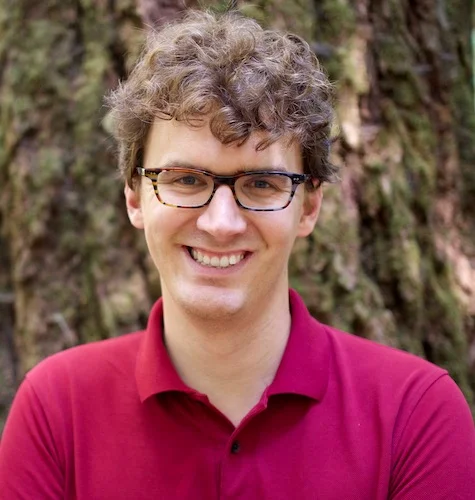
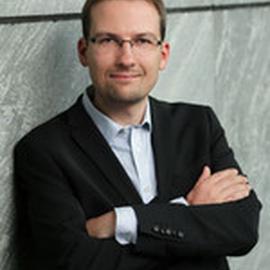
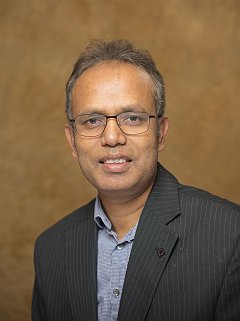
Carl Vondrick is a Professor in the Department of Computer Science at Columbia University. His research focuses on creating robust and versatile perception systems that leverage video and interaction with the natural world, with applications in 3D reconstruction, visual question answering, and robot manipulation. Former research scientist at Google Visiting researcher at Cruise Education: PhD (2017) from MIT, advised by Antonio Torralba BS (2011) from UC Irvine, advised by Deva Ramanan His research explores multimodal approaches for cross-task and cross-modal transfer, scene dynamics, audiovisual perception, interpretable models, and spatial awareness systems. The lab emphasizes zero-shot generalization and neuro-symbolic methods while addressing safety and robustness in AI systems. Key publication trends include: 2025: Video generation for robotics 2024: Differentiable rendering and cross-modal reasoning 2023: Robust perception and 3D modeling Scientific Awards: 2024 PAMI Young Researcher Award 2021 NSF CAREER Award Teaching Roles: Teaching Computer Vision II (2021-2025), Computer Vision I (2018-2019), and Representation Learning (2020-2022). Advising: Advises 8 current PhD students and has mentored 5 graduated students now at institutions like MBZUAI and UMD. The lab recruits 1-2 PhD students annually through Columbia’s PhD program. Grants and Collaborations: Funded by NSF, DARPA, Toyota Research Institute, Amazon Research, and Google.
Belkis Ezgi Arikan is a researcher at Justus Liebig University Giessen , affiliated with the Department of Psychology and Sports Science . Her work focuses on sensorimotor integration, tactile suppression, and neural mechanisms underlying action-outcome monitoring. She collaborates with Prof. Dr. Fiehler and Dr. Voudouris on project A4 (Predictive somatosensory processing during voluntary movements). Department: Psychology and Sports Science Collaborators: Dr. Dimitris Voudouris, Prof. Dr. Katja Fiehler Her research investigates: How the brain processes self-generated vs. externally generated sensory feedback Neural correlates of tactile suppression networks Role of cerebellum and angular gyrus in temporal recalibration Modulation of BOLD responses during action monitoring Recent publications reveal trends in predictive coding , sensorimotor recalibration , and neural suppression mechanisms across tactile, visual, and multisensory domains. Her work employs neuroimaging techniques like fMRI and behavioral paradigms to study self-motion perception and feedback processing. She contributes to understanding how the brain distinguishes self-initiated from external sensory events, with implications for motor learning and perceptual timing mechanisms.
Prof. Matthias Nießner is a Professor at the Technical University of Munich , where he leads the Visual Computing Lab . Prior to this, he held a Visiting Assistant Professor position at Stanford University . His work bridges computer vision , graphics , and machine learning , focusing on 3D reconstruction , semantic scene understanding , and AI-driven video synthesis . Prof. Nießner has published over 150 works in top venues like SIGGRAPH , CVPR , and ECCV , with several receiving best paper awards (SIGCHI’14, HPG’15, SPG’18, SIGGRAPH’16 Emerging Tech). His research has garnered international media attention, including features in the New York Times , Wall Street Journal , and MIT Technological Review , as well as TV demonstrations (e.g., Jimmy Kimmel Live for Face2Face technology). Awards : TUM-IAS Rudolph Moessbauer Fellowship (2017–ongoing) Google Faculty Award (2017) Nvidia Professor Partnership Award (2018) ERC Starting Grant (2018, €1.5M) Eurographics Young Researcher Award (2019) Research Trends : 3D Gaussian Splatting for real-time rendering Neural Radiance Fields (NeRF) with mesh supervision Audio-driven facial animation via diffusion models Latent space diffusion for 3D scenes Self-supervised and zero-shot methods for 3D and image analysis As a co-founder and director of Synthesia Inc. , he drives democratization of synthetic media. His YouTube channel has over 5 million views, reflecting his impact beyond academia.
Julian McAuley is a Professor in the Department of Computer Science and Engineering at the University of California, San Diego's Jacobs School of Engineering. His research spans recommender systems, machine learning, natural language processing, music information retrieval, and multimodal learning. He maintains an active research group with numerous PhD students and postdocs working on cutting-edge AI problems. His research interests focus on developing advanced algorithms for personalized recommendation systems, with particular emphasis on sequential recommendation, multimodal learning, and integrating large language models with traditional recommendation approaches. His work bridges the gap between theoretical machine learning and practical applications across multiple domains including e-commerce, music, and healthcare. McAuley has published extensively in top-tier conferences including NeurIPS, ICML, KDD, SIGIR, and ACL, with his most recent work exploring the intersection of large language models and recommendation systems. His publications reveal a strong trend toward multimodal approaches that combine text, vision, and audio for more comprehensive understanding and recommendation. He has received significant research funding from major technology companies including Google, Amazon, Facebook, Adobe, and Samsung, as well as government agencies like the National Science Foundation and Department of Defense. His work has practical applications across multiple industries, with a focus on improving user experience through better personalization. McAuley advises numerous PhD students who have gone on to successful careers at leading technology companies and academic institutions. His former students include Wang-Cheng Kang and Jianmo Ni at Google DeepMind, Chris Donahue and Zachary Lipton as assistant professors at CMU, and Ruining He at Google Deepmind.
Toby Jia-Jun Li is an Assistant Professor in the Department of Computer Science and Engineering at the University of Notre Dame, where he leads the SaNDwich Lab. He also serves as the Director of the Human-Centered Responsible AI Lab in the Lucy Family Institute for Data & Society and is a Faculty Fellow at the Institute for Educational Initiatives (IEI). Previously, he was affiliated with Carnegie Mellon University's Human-Computer Interaction Institute (HCII) and GroupLens Research. Dr. Li's research spans the intersection of Human-Computer Interaction (HCI), End-User Software Engineering, Machine Learning (ML), and Natural Language Processing (NLP), with recent work focusing on addressing societal challenges in the future of work through human-AI collaborative approaches. His work has resulted in over 40 publications at premier venues including CHI, UIST, CSCW, ACL, and ICSE, with 8 papers winning Best Paper or Honorable Mention awards. His recent publications demonstrate a strong focus on human-AI collaboration across various domains, including code understanding, privacy, accessibility, and creative tools. The work shows a trajectory toward increasingly sophisticated integration of human-centered design with AI capabilities, particularly using large language models to enhance human productivity and address societal challenges. Google Research Scholar Award recipient Recipient of Yahoo! Fellowship ($100,000/year) Best Paper Award at UIST 2020 Best Paper Honorable Mention Award at CHI 2021 Best Paper Award at CSCW 2024 Best Paper Award at CHI 2025 Dr. Li actively mentors Ph.D. students and has established collaborations with Google, Microsoft Research, IBM Research, Adobe, Verizon, and J.P. Morgan. His research has been supported by NSF, Google Research Scholar Program, AnalytiXIN Initiative, Yahoo! InMind project, and J.P. Morgan. He is currently recruiting Ph.D. students and undergraduate researchers for his SaNDwich Lab, which focuses on developing interactive systems to empower individuals to create, configure, and extend AI-powered computing systems.
Dr. Sabine Krabbe is a Group Leader at the German Center for Neurodegenerative Diseases (DZNE) in Bonn, Germany, where she leads research on neural circuit mechanisms underlying adaptive learning and state-dependent decision-making. Her work integrates neuroscience, molecular biology, and behavioral approaches to understand how internal states influence behavior and how these processes are disrupted in neurological disorders. Dr. Krabbe's research focuses on the interactions between midbrain circuits of the substantia nigra and ventral tegmental area with their output structures such as the striatum and amygdala. She investigates how these networks integrate internal states with environmental cues to produce appropriate behavioral responses. Her laboratory employs state-of-the-art techniques including deep-brain calcium imaging at single-cell resolution in mice, opto- and pharmacogenetic manipulations, anatomical tracings, and molecular approaches to characterize neural circuit elements in detail. Her recent publications reveal significant insights into amygdala interneuron plasticity during fear learning, brain-wide representational drift in memory consolidation, and the molecular mechanisms underlying Parkinson's disease progression. Her work demonstrates how activity patterns within specific neural circuits change in early stages of neurodegenerative diseases and how this dysfunction contributes to cognitive deficits and emotional disturbances. Dr. Krabbe is actively involved in the neuroscience community, organizing the BonnBrain Conference 2026 and sharing research through social media platforms. She has established herself as an emerging leader in the field of systems neuroscience with a particular focus on the neural basis of emotional states and decision-making processes.
Yangruibo Ding is an incoming Assistant Professor in the Department of Computer Science at the University of California, Los Angeles (UCLA), and currently serves as a Postdoctoral Scientist at AWS Agentic AI. He has held significant research positions at Google DeepMind, Amazon AWS AI Labs, and IBM Research, establishing himself as a leading researcher in software engineering with a focus on large language models for code. His research focuses on developing large language models (LLMs) and agentic systems for software engineering. He specializes in training LLMs with advanced symbolic reasoning capabilities for debugging, testing, program analysis, and verification. His work aims to build efficient, collaborative agentic systems for complex software development and maintenance tasks, with particular emphasis on code generation, vulnerability detection, and execution-aware pre-training techniques. Dr. Ding's publication record reveals a strong trajectory toward enhancing code intelligence through comprehensive semantics reasoning and self-refinement approaches. His research spans multiple dimensions of software engineering including code completion, vulnerability detection, model evaluation, and cross-file context understanding, with applications across various programming languages and development environments. Dr. Ding has received numerous prestigious awards recognizing his contributions to the field: IBM Ph.D. Fellowship Award (2022-2024) ACM SIGSOFT Distinguished Paper Award (2023) IEEE TSE Best Paper Award Runner-up (2022) Ph.D. Service Award, Columbia CS (2025) NSF Student Travel Award for ESEC/FSE'23 (2023) ACM SIGSOFT CAPS Travel Grant (2023) NSF Travel Award for ICSE'22 (2022) As he establishes his research group at UCLA, Dr. Ding is actively seeking students with strong coding skills and experience in large language models, program analysis, verification, or security. He serves on program committees for major conferences including ICSE (2026), ASE (2024, 2025), and ESEC/FSE Artifacts Track (2023), and regularly reviews for top-tier conferences and journals in AI and software engineering. His research is conducted through collaborations with leading industry teams including AWS Agentic AI, Google DeepMind's Learning4Code team, and IBM Research's AI for Code team, creating a robust network of industry-academia partnerships that drive innovation in software engineering research.
Uwe Flick is a Seniorprofessor in the Department of Education and Psychology at Freie Universität Berlin, specializing in Qualitative Social and Education Research. He has held professorships at Alice Salomon University and Hannover Medical School and is internationally recognized for his contributions to qualitative methodology. Education: Dr. phil. from Freie Universität Berlin (1988), Habilitation in Psychology from Technical University of Berlin (1994). Professional Affiliations: Freie Universität Berlin (2013–present, Seniorprofessor since 2022), Alice Salomon University (2004–2013), Hannover Medical School (1996–1997). His research centers on qualitative methods , social representations of health and illness , chronic illness , migration , and vulnerability . He investigates the lived experiences of marginalized groups, including chronically ill youth, homeless adolescents, and refugees, often employing triangulation and mixed methods to deepen understanding. The 15 most recent publications highlight his sustained focus on advancing qualitative research methodology—editing handbooks, writing foundational texts, and refining concepts of research quality, triangulation, and design. Simultaneously, his empirical work explores health communication, peer relationships, and integration challenges among vulnerable populations, demonstrating a powerful integration of methodological innovation with socially relevant inquiry. Scientific Awards: Lifetime Achievement Award in Qualitative Inquiry, ICQI (2019) Flick actively advises doctoral students through his Promotionskolloquium and has secured substantial research funding for projects on refugee integration, sleep disorders, and chronic illness. His editorial roles in journals like Qualitative Research , Journal of Health Psychology , and Sozialer Sinn , and his leadership in book series such as Qualitative Sozialforschung , underscore his influence in shaping the field. He is a central figure in qualitative research communities, frequently engaging as a visiting scholar and professor across Europe and globally. He leads a research team at Freie Universität Berlin, supervising master’s and doctoral projects on topics like peer relations, health concepts, and migration, fostering the next generation of qualitative researchers.
Dieter Braun is a Professor in the Faculty of Physics at Ludwig Maximilian University of Munich (LMU), leading the Functional NanoSystems research group. He serves as speaker of the CRC 235 Emergence of Life and coordinates the Molecular Origins component of the Origins Cluster. Dr. Braun holds an ERC Synergy Grant (starting April 2025), leads the CRC 392 Molecular Evolution (starting April 2024), and is a Fellow in the Max Planck School Matter to Life (since October 2023). His research focuses on understanding the physical mechanisms that could have led to the emergence of Darwinian evolution from prebiotic molecules on early Earth. Braun's laboratory investigates non-equilibrium settings, particularly asymmetrically heated open cracks in rocks, which create intricate wet-dry cycles, temperature gradients, and fluidic effects that could drive molecular evolution. His work bridges physics, chemistry, and biology to explore how dead molecules might combine through physical forces into autonomous mechanisms of evolution. Analysis of Braun's recent publications reveals a strong focus on thermal gradients and non-equilibrium physics in prebiotic environments. His research demonstrates how heat flows can concentrate molecules, drive polymerization, create pH gradients, and enable non-enzymatic replication of nucleic acids. The publications span high-impact journals including Nature, Nature Physics, and Nature Chemistry, showing interdisciplinary work connecting physics, chemistry, geology, and biology in the context of life's origins. Klung-Wilhelmy Weberbank Price (2011) Technology Transfer Price of the DPG (with LMU and NanoTemper) Deutscher Innovationspreis (2012) Step Award (2012) Dr. Braun has successfully mentored numerous PhD students, including Stefan Duhr and Philipp Baaske who founded the award-winning startup NanoTemper Technologies. His research is supported by multiple prestigious grants including ERC Starting, Advanced, and Synergy Grants, as well as funding from the Simons Collaboration on the Origins of Life. His laboratory collaborates extensively with other researchers across disciplines and institutions, particularly with Hannes Mutschler in the new ERC Synergy project. The Braun laboratory operates within the CRC 235 Emergence of Life and the Origins Cluster at LMU Munich, with strong connections to the Max Planck Society through the Max Planck School Matter to Life. The research group maintains active collaborations with geochemists, biophysicists, and molecular biologists to create comprehensive experimental models of prebiotic environments.
Anna Levina is an Assistant Professor for Computational Neuroscience at the University of Tübingen , affiliated with the Department of Computer Science under the Faculty of Science. Her research focuses on the self-organization of neuronal activity, critical dynamics in neural networks, and the excitation/inhibition balance in cortical circuits. Current positions: Assistant Professor (since 2018), Group Leader (2017-2018), Equality Officer (Computer Science) Previous roles: IST Fellow (2015-2017), Associated Researcher (2011-2015), Postdoc/PI (2011-2015), Postdoc (2008-2011) Her research integrates mathematical modeling , statistical physics , and computational neuroscience to study criticality phenomena, neural avalanches, and adaptive network dynamics. Key interests include: Self-organized criticality in neural systems Excitation/Inhibition balance mechanisms Network topology and dynamics Timescale analysis in neural processing Stochastic modeling of neural activity Recent publications reveal trends in understanding critical dynamics across biological and artificial networks, with applications to memory systems, sensorimotor integration, and disease modeling. She has received recognition as an IST Fellow .
Jishen Zhao is an Assistant Professor in the Department of Computer Science and Engineering at the University of California, San Diego (Jacobs School of Engineering). His research focuses on computer architecture, non-volatile memory systems, and deep learning acceleration. Dr. Zhao has published extensively in top venues including ISCA, MICRO, ASPLOS, and IEEE Transactions. He collaborates with researchers at UCSD and beyond to advance systems for emerging applications in AI and autonomous vehicles. Dr. Zhao's primary research areas include persistent memory systems, hardware/software co-design for deep learning, and safety-critical computing. He develops techniques for crash consistency, memory disaggregation, and efficient neural network deployment. His work on autonomous vehicles addresses scenario generation and perception-aware system design. Recent projects explore LLM applications for software engineering and hardware verification. Analysis of Dr. Zhao's 2024-2025 publications reveals a strong shift toward AI-integrated systems research. He applies large language models to tasks like RTL verification and software issue localization while continuing to innovate in memory systems for serverless computing. There is growing emphasis on safety-critical systems for autonomous vehicles and energy-efficient neural network training using novel hardware architectures. Information about Dr. Zhao's scientific awards, advising activities, grants, and laboratory facilities was not available in the provided documentation.
Prof. Dr. Kai Cieliebak is a Professor of Mathematics at the University of Augsburg, where he holds the Chair of Analysis and Geometry within the Institute of Mathematics under the Faculty of Mathematics, Natural Sciences, and Materials Engineering. He has been at Augsburg University since 2012, following a professorship at Ludwig-Maximilians-Universität München from 2001-2012. His research group includes several researchers and postdocs working on symplectic geometry and related fields. Dr. Cieliebak earned his Diplom in mathematics summa cum laude from Ruhruniversität Bochum in 1992, with thesis on "Pseudo-holomorphe Kurven und periodische Orbits auf Cotangential Bündeln" under advisor H. Hofer. He completed his PhD in mathematics at ETH Zürich in 1996, with thesis "Symplectic boundaries: closed characteristics and action spectra," also advised by H. Hofer. His academic journey included positions at Harvard University, Stanford University, and research at IBM Zürich before his professorships in Munich and Augsburg. Prof. Cieliebak's research focuses on symplectic and contact geometry , with significant contributions to understanding symplectic manifolds, Lagrangian and Legendrian knots, Stein manifolds, and string topology. His work in Hamiltonian dynamics explores variational methods, periodic orbits, and celestial mechanics problems, particularly the restricted three-body problem. In global analysis , he investigates solution spaces of elliptic PDEs and symplectic field theory. His approach often bridges differential geometry, topology, and dynamical systems, with applications to mathematical physics. Over the past decade, Prof. Cieliebak's publications reveal a consistent focus on symplectic homology, Floer theory, and their applications to geometric problems. His work shows increasing integration of algebraic structures with geometric methods, particularly in cyclic homology and string topology. Recent research demonstrates strong collaboration with Urs Frauenfelder on celestial mechanics problems, applying symplectic techniques to the restricted three-body problem and related orbital dynamics. Prof. Cieliebak has secured significant research funding throughout his career, including multiple DFG grants under project codes CI 45/1 through CI 45/12, NSF grants, and participation in European Science Foundation networking programs. His most notable grants include "Foundations of Symplectic Field Theory" (2009-2015) and the current "Rabinowitz Floer Homology" project (since 2023), both in collaboration with U. Frauenfelder. He has mentored numerous researchers and maintains an active research group at Augsburg University, including postdocs and collaborators working on symplectic geometry problems. His team includes researchers such as Dr. Filip Broćić, Zhen Gao, Dr. Hanna Häußler, Emilia Konrad, Shuaipeng Liu, Dominik Meidert, Dr. Airi Takeuchi, Dr. Evgeny Volkov, Milan Zerbin, and PD Dr. Lei Zhao. Prof. Cieliebak has also organized numerous workshops on symplectic geometry, including the annual "Symplectic Field Theory" workshop series.
Oliver Hohlfeld is a Professor at the University of Kassel, where he leads the Distributed Systems group. He previously held academic positions at Brandenburg University of Technology and RWTH Aachen University, and was a visiting scholar at the University of Wisconsin–Madison. His research focuses on network security, Internet measurements, and Quality of Experience (QoE). He completed his Ph.D. in Computer Science at TU Berlin under Anja Feldmann and holds a B.Sc. and M.Sc. from Darmstadt University of Technology. He also worked at Fraunhofer IGD on telemedical network architectures. His research adopts a data-driven approach, combining large-scale Internet measurements, user studies, and machine learning to understand and improve Internet performance and security. Key areas include DDoS detection, QUIC, HTTP/2, TLS deployment, and BGP analysis. He investigates how protocols like QUIC and HTTP/2 impact user experience and network efficiency, often through empirical studies of real-world deployments. His recent publications highlight a strong trend in network security and protocol analysis, with significant work on DDoS attacks, traffic ingress detection, and web consolidation. He also explores social media dynamics and censorship circumvention through user reviews. 2022 IETF/IRTF Applied Networking Research Prize Best of CCR (2021) for TLS 1.3 deployment study ACM Senior Member (2020) IEEE QoMEX 2019 Best Reviewer Award ACM IMC Community Contribution Award (2018) He has advised numerous Master’s and Bachelor’s students, primarily at RWTH Aachen, and has been a principal investigator in major projects such as AIDOS (AI-based DDoS mitigation), DFG SFB MAKI, COMTEX, and the EU-funded SSICLOPS. He actively serves on the technical program committees of top-tier conferences including SIGCOMM, NSDI, IMC, and CoNEXT, and is a frequent reviewer for leading journals in networking and systems. He leads the Distributed Systems group at the University of Kassel, which conducts research on Internet observability, secure infrastructures, and scalable networking solutions.
Chanchal K. Roy is Professor of Software Engineering/Computer Science at the University of Saskatchewan and Co-Director of the Software Research Lab. He leads an NSERC CREATE graduate program on Software Analytics Research and co-leads the Data Management group for an NSERC CFREF project on Food Security, with over 170 publications cited 6,000+ times. His research centers on software clone detection using the widely adopted NICAD system, software evolution, empirical studies, and AI-driven software analytics. Recent work integrates large language models for code generation, clone detection in the AI era, and developer interactions with tools like ChatGPT, emphasizing practical applications in maintenance and analytics. Analysis of his 15 most recent publications reveals a strong trend toward AI/ML integration in software engineering: 12 of 15 articles (2025) explore LLMs, quantum computing, or deep learning for tasks like bug localization, code snippet generation, and feature-toggle analysis. Key themes include empirical validation of AI tools, Stack Overflow data mining, and cross-domain frameworks for Society 5.0. His scientific awards include: Most Influential Paper Awards (SANER 2018, ICPC 2018) Outstanding Young Computer Science Researcher Award (CS-Can/Info-Can, 2018) New Researcher Award (University of Saskatchewan, 2019) New Scientist Research Award (College of Arts and Science, 2019) As lead of the NSERC CREATE program and CFREF data group, he mentors graduate students in software analytics while securing major grants. He actively serves on program committees for ASE, ICSE, and FSE, reviewing journals and organizing workshops on clone detection and empirical methods. His lab focuses on real-world applications in food security data management and software evolution. The Software Research Lab, co-directed by Roy, drives projects like NICAD and the NSERC CREATE initiative, emphasizing open-source contributions and industry collaboration. Current efforts include quantum-SE integration and AI-augmented maintenance tools under the CFREF food security mandate.
Ruben Portugues is a Professor of Brain Circuit Function and Dysfunction at the Institute of Neuroscience, Technical University of Munich (TUM). He is a full member of the Graduate School of Systemic Neurosciences (GSN), an associate and advisory board member of the Munich Center for Neurosciences (MCN), and leads a research group focused on understanding the neural basis of behavior. His lab uses larval zebrafish as a model organism to investigate sensorimotor control, decision-making, and motor learning through whole-brain imaging and circuit analysis. His research interests lie at the intersection of systems neuroscience and behavior. He investigates how brain circuits process sensory information, integrate it with motor output, and enable adaptive and flexible behavior. Key areas include the function of the cerebellum, heading direction networks, sensorimotor transformations, and the neural mechanisms of decision-making. His lab employs cutting-edge techniques including custom-built microscopes, behavioral assays, and computational analysis. The recent publications and preprints from his lab demonstrate a strong trend in decoding distributed neural circuits underlying navigation and decision-making in zebrafish. There is a clear focus on identifying specific brain regions (e.g., interpeduncular nucleus, cerebellum) and cell types involved in processing visual, motor, and spatial information. The work increasingly emphasizes whole-brain functional imaging and the emergence of cognitive-like representations such as allocentric heading direction. FENS-Kavli Network of Excellence (FKNE) PhD Thesis Prize (awarded to student Luigi Petrucco) Ruben Portugues actively mentors PhD students, including current advisees Luigi Petrucco, Ot Prat, and Shuhong Huang, and has successfully graduated Dr. Elena Dragomir and Dr. Vilim Štih. His lab engages in extensive collaborations, hosts visiting researchers, participates in teaching (e.g., CSHL Imaging Course, Cajal Course), and secures resources for advanced research. The lab is known for building its own microscopes and software, fostering technical innovation. The Portugues Lab operates as a dynamic, interdisciplinary team that combines experimental neuroscience with computational and engineering approaches. They regularly hold retreats, participate in scientific events, and contribute to community initiatives like the Munich Brain Day. The lab is preparing to relocate to the Department of Neurobiology and Behavior at Cornell University, marking a new phase in its research trajectory.