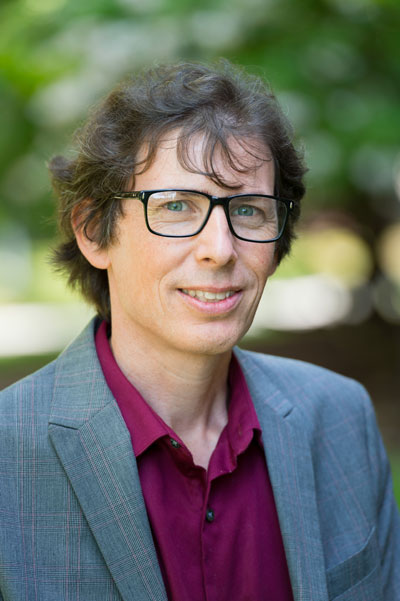
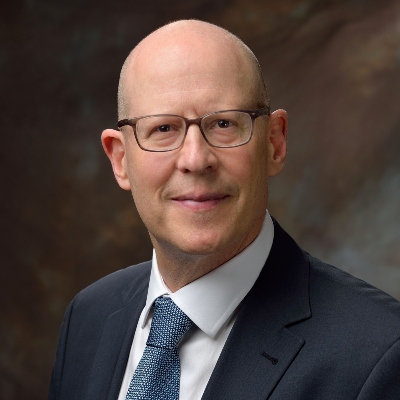
Steven Rogak is a Professor in the Department of Mechanical Engineering at the University of British Columbia's Faculty of Applied Science. He holds a P.Eng. license and degrees including a B.A.Sc. in Mechanical Engineering from UBC, and M.Sc. and Ph.D. from Caltech. P.Eng., University of British Columbia B.A.Sc., University of British Columbia M.Sc., Ph.D., California Institute of Technology His research focuses on aerosol science, particularly solid nanoparticles from combustion processes, their climate and health impacts, and mitigation strategies. Key areas include: Soot morphology and transport properties Engine emission reduction via fuel injectors Indoor air filtration systems Membrane-based energy exchangers Atmospheric particulate analysis The 15 most recent articles span experimental and theoretical studies on soot characterization, membrane technologies, and aerosol dynamics, with applications in climate modeling, healthcare ventilation, and sustainable materials. Collaborations include Westport Innovations and interdisciplinary teams. Rogak leads the Aerosol Laboratory at UBC, where he applies fluid mechanics and heat transfer fundamentals to address environmental and health challenges. He emphasizes experimental rigor and welcomes graduate students with expertise in these areas.
Scott L. Diamond is the Arthur E. Humphrey Professor of Chemical and Biomolecular Engineering and Bioengineering at the University of Pennsylvania's School of Engineering and Applied Sciences. He serves as Director of the Penn Center for Molecular Discovery, Director of the Penn Biotechnology Masters Program (one of the largest in the country with over 130 students), and Associate Director of the Institute for Medicine and Engineering (IME). His laboratory is located in the Roy and Diana Vagelos Laboratories at 3340 Smith Walk, 1020 Vagelos Research Laboratories, Philadelphia, PA. Diamond's research spans multiple interconnected fields in blood biology and biotechnology. His work focuses on mechanobiology, thrombolysis, coagulation, bioadhesion, gene therapy, drug/device development, proteomics, drug discovery, systems biology, and microfluidics. His laboratory has developed numerous specialized microfluidic devices for studying blood clotting under various flow conditions, including 8-channel devices for high-throughput clotting assays, side-view devices for clot structure analysis, stenosis devices for high shear clotting assays, and impingement-post devices for studying von Willebrand factor fibers. Diamond's research group has pioneered approaches to model and predict blood function using systems biology principles. His team has developed computational models that integrate reaction-transport phenomena with platelet signaling networks to predict thrombus formation under flow. These models have enabled the development of 'virtual blood' computer simulations that can predict the effectiveness of anticoagulation drugs for individual patients, contributing significantly to personalized medicine approaches in hemostasis and thrombosis. His extensive publication record demonstrates a consistent focus on understanding the fundamental mechanisms of blood clot formation and dissolution. Recent work has emphasized microfluidic approaches for point-of-care diagnostics, patient-specific modeling of platelet function, and the development of novel therapeutic strategies for thrombotic disorders. His research bridges engineering principles with clinical hematology to address significant challenges in cardiovascular medicine. NSF National Young Investigator Award NIH FIRST Award American Heart Association Established Investigator Award AIChE Allan P. Colburn Award George Heilmeier Excellence in Research Award Elected Fellow of the Biomedical Engineering Society (BMES) Diamond has secured significant research funding, including a $2.8 million NIH grant for 'Blood Systems Biology' and a $9.5 million NIH grant for the Penn Center for Molecular Discovery. His laboratory has developed numerous microfluidic devices for blood analysis and has collaborated extensively with clinicians and industry partners. Diamond has served on advisory committees for NSF, NIH, AHA, and NASA, and has consulted extensively for industry and government. With over 180 publications and patents, his work has significantly advanced the understanding of blood clotting mechanisms and the development of diagnostic and therapeutic approaches for thrombotic disorders.
David Latulippe is a Professor in the Department of Chemical Engineering at McMaster University. He joined McMaster in 2012 after postdoctoral work at Cornell University and a PhD at Penn State University, focusing on membrane filtration for DNA purification. His industrial experience includes roles at ZENON Environmental (now GE Water) in hollow-fiber membrane design for water treatment. Research interests include Membrane science and technology Bioprocessing of therapeutic viruses Microscale systems for biological applications Environmental engineering solutions for water treatment Current projects involve collaborations with industry partners like Ceapro and Aevitas, and the development of a biomanufacturing automation lab with Sartorius. Recent publications highlight advancements in Nanofiltration and microfiltration for viral vectors Conductive membranes for electrochemical applications Microfluidic systems for DNA analysis Environmental monitoring of biocides and microplastics Scientific recognition includes the Young Membrane Scientist Award (2014). Teaching activities focus on Fluid Mechanics (CHEMENG 2O04) and Industrial Separation Processes (CHEMENG 4M03).
Anne-Mette Hvas is Professor and Dean at the Faculty of Health, Aarhus University, Denmark, where she leads academic and administrative initiatives in health sciences. Her role places her at the forefront of institutional strategy, research development, and interdisciplinary collaboration within clinical and translational medicine. Research Interests: Her work spans hematology, coagulation, platelet biology, neonatal hemostasis, and endocrinology. She investigates thrombotic and bleeding disorders in clinical contexts such as nephrotic syndrome, pregnancy, cancer surgery, and stroke. Her research integrates physiological, pharmacological, and clinical perspectives to improve patient outcomes. The recent publications reflect a strong focus on thrombin generation, platelet reactivity, endothelial dysfunction, and red blood cell behavior in acute and chronic conditions. These studies often involve multicenter collaborations and contribute to evidence-based practices in thromboprophylaxis, surgical safety, and stroke management. Scientific Contributions: Active research in hemostasis and thrombosis across diverse patient populations Leadership in clinical studies on anticoagulation, HIPEC, and neonatal platelet function Investigations into hormonal and cardiovascular aspects of Turner syndrome Advising and Grants: While specific advisees are not listed, her leadership in multiple funded research projects suggests mentorship of junior researchers and clinicians. She has led projects on platelet function in preterm neonates and coagulation in surgical oncology, indicating grant acquisition and team coordination capabilities. Labs and Teams: Though specific lab names are not mentioned, her work implies collaboration with clinical research teams in hematology, neonatology, oncology, and obstetrics at Aarhus University Hospital and affiliated centers.
Xiaoyu Che is an Assistant Professor of Biostatistics at Columbia University's Mailman School of Public Health, where he serves as the principal biostatistician in the Center for Infection and Immunity (CII) at Columbia University Irving Medical Center. His work bridges statistical methodology with biomedical research, focusing on complex disease mechanisms through advanced data analysis approaches. Dr. Che received his academic training at prestigious institutions: BS in Mathematics from Zhejiang University (2006) PhD in Mathematics from Claremont Graduate University (2013) Dr. Che's research program centers on the development and application of statistical methods for multi-omics analyses, with particular focus on understanding the pathogenesis of chronic and neurodevelopmental conditions. His work spans multiple domains including Autism Spectrum Disorder (ASD), Myalgic Encephalomyelitis/Chronic Fatigue Syndrome (ME/CFS), and Gulf War Illness (GWI). He employs sophisticated biostatistical approaches to integrate diverse biological data types, revealing novel insights into disease mechanisms. His methodological expertise includes Bayesian statistics, metabolomic analysis, immune signature identification, and microbiome characterization, all aimed at translating complex biological data into meaningful clinical insights. Analysis of Dr. Che's publication record reveals a strong thematic focus on applying advanced statistical methods to understand complex disease mechanisms. His work consistently bridges biostatistical innovation with biomedical discovery, particularly in the areas of neurodevelopmental disorders and chronic fatigue conditions. The publications demonstrate progression from foundational methodological work to increasingly sophisticated multi-omics integration approaches, reflecting both technical growth and expanding research impact. His collaborative approach is evident through numerous high-impact publications with interdisciplinary teams across Columbia University and beyond. Dr. Che teaches BIST P8104: Probability in the Biostatistics MS degree program at Columbia, demonstrating his commitment to training the next generation of biostatisticians. While specific grant information isn't detailed in the provided materials, his extensive publication record across multiple high-impact journals suggests successful grant funding supporting his research program. As principal biostatistician in the Center for Infection and Immunity, Dr. Che plays a critical role in the analytical framework of the center's research initiatives. His work supports the center's mission to understand the relationship between infectious agents and human health through rigorous quantitative analysis. The collaborative nature of his research is evident in the diverse range of co-authors spanning immunology, virology, microbiology, and clinical medicine.
Stuart Allan is Professor of Neuroscience at the University of Manchester's Faculty of Life Sciences, Division of Neuroscience. His research focuses on neuroinflammation mechanisms in stroke and neurodegenerative diseases, with particular expertise in cytokine signaling (especially IL-1) and neuronal injury pathways. He leads projects targeting interleukin-1 for acute brain injury treatment and investigates stroke-immune mediated pathways in cognitive trajectory. Research Interests: Neuroinflammatory responses, cytokine-mediated neuronal injury, stroke pathophysiology, Alzheimer's disease mechanisms, and neurovascular coupling. His work bridges experimental paradigms (in vitro and in vivo) with clinical applications. Education: PhD Biomedical Sciences (University of Aberdeen, 1990-1993) BSc Pharmacology (University of Dundee, 1986-1990) Professional Appointments: Professor of Neuroscience (2012-present) Senior Lecturer (2008-2012) Lecturer (2002-2008) Postdoctoral Research Associate (1993-2002) Research Beacons & Institutes: Dementia@Manchester, Manchester Regenerative Medicine Network, Lydia Becker Institute, Christabel Pankhurst Institute, Manchester Institute for Collaborative Research on Ageing. Scientific Output: 179 research outputs including articles on cerebrovascular health, neurovascular coupling, and cytokine mechanisms in stroke models. Research demonstrates consistent focus on translational neuroscience and neuroinflammatory pathways.
Associate Professor Freda Passam is a Clinical Academic Haematologist at Royal Prince Alfred Hospital, University of Sydney, specializing in thrombosis and haemostasis. She leads the Haematology Research Group at the Charles Perkins Centre, focusing on platelet biology, endothelial cell dysfunction, and translational research in cardiovascular diseases. Her work integrates basic science with clinical applications, including developing microfluidic technologies like the Endo-chip for thrombosis diagnosis and therapy screening. Education: MD and PhD in Greece (angiogenesis in Hodgkin’s lymphoma), postdoctoral training at UNSW and Harvard University. Research spans platelet hyperactivity in diabetes, immune thrombosis (e.g., HIT), and thiol isomerase inhibitors as antithrombotics. Collaborates globally with institutions like Harvard and the University of Utah. Research Interests: 1) Platelet biomarkers in diabetes-related cardiovascular risk; 2) Immune thrombosis diagnostics/therapies (e.g., Endo-chip); 3) Bone marrow-on-chip models for thrombopoiesis. Current projects include SEC61B regulation of calcium flux, endothelial thromboinflammation, and ERp5/ERp57 roles in platelet production. Grants: Over $6M in funding from NHMRC, MRFF, NSW Health, and industry partnerships. Notable awards include Sydney Nano Grand Challenge Award (2022) and SLHD VTE Stewardship Award (2020). Advising: Mentors over 6 PhD/master’s students in thrombosis research, emphasizing clinical/research integration. Teaching includes Sydney Medicine curriculum, bedside tutorials, and student engagement in lab activities. Labs/Teams: Haematology Research Group (Charles Perkins Centre), collaborations with Sydney Health Partners, Harvard, and international haematology groups. Develops technologies like the Endo-chip and bone marrow-on-chip models.
Dr. Ai-ris Yonekura Collier serves as Assistant Professor in Obstetrics, Gynecology, and Reproductive Biology at Harvard Medical School and Staff Physician in the Department of Obstetrics and Gynecology at Beth Israel Deaconess Medical Center (BIDMC). She concurrently holds a Physician-Scientist position at BIDMC's Center for Virology and Vaccine Research (CVVR) and co-directs the Clinical Trials Unit within CVVR, establishing a critical bridge between maternal-fetal medicine and virology research. Her academic foundation includes: B.S. in Biology (Minor: Chemistry) from Massachusetts Institute of Technology (2005) M.D. from Harvard Medical School through Harvard-MIT Health Sciences & Technology Program (2011) Obstetrics & Gynecology Residency at UCLA (2011-2015) Maternal-Fetal Medicine Fellowship at BIDMC (2015-2018) Dr. Collier's research centers on maternal immune tolerance mechanisms in placental development, with dual investigative tracks: (1) Characterizing cellular immune phenotypes in pregnancy disorders like preeclampsia and fetal growth restriction, and (2) Analyzing infectious disease impacts including Zika virus and SARS-CoV-2. Her translational approach integrates longitudinal biospecimen repositories with clinical observations, emphasizing the inclusion of pregnant populations in vaccine trials. As an educator, she actively mentors trainees and advocates for policy changes in clinical trial design. Recent publications demonstrate a pronounced focus on viral immunology during the pandemic era, with 7 of 9 recent papers addressing SARS-CoV-2 variants, vaccine responses, and Mpox immunity. These works reveal consistent methodological themes: neutralization assays against emerging variants, analysis of coagulation-inflammation pathways in vaccine complications, and sensitive diagnostic approaches for prior infections. Concurrently, she maintains her foundational research in placental immunology, exemplified by cytokine studies in preeclampsia. Her scientific recognition includes: NIH Loan Repayment Program (2018-2020) Mentor Award from ACOG District I (2021) Translational Research Hubs Spark Grant Award (2022) Rookie of the Year Award at BIDMC (2016) Multiple research presentation awards from perinatal societies As Principal Investigator of the Yonekura Collier Laboratory and Co-Director of the Clinical Trials Unit, she manages substantial grant funding including NIH/NICHD support and institutional translational grants. Her leadership extends to hospital-wide initiatives like the BIDMC COVID-19 Biorepository, while her advocacy focuses on rectifying historical exclusions of pregnant individuals from clinical research. She maintains active collaborations across Harvard's immunology and virology departments. The Yonekura Collier Laboratory operates within CVVR's collaborative ecosystem, integrating with Dan Barouch's research group and the broader Harvard Medical School community. Her team combines clinical obstetric expertise with advanced immunological techniques to investigate fetal-maternal interface biology, creating a unique interdisciplinary hub for perinatal infectious disease research.
Prof. A.C.G. (Toine) Egberts is a Professor of Clinical Pharmacoepidemiology and Clinical Pharmacy at Utrecht University's Faculty of Medicine. He leads the Department of Pharmacoepidemiology & Clinical Pharmacology and serves as Director of Doctoral Education at the Graduate School of Life Sciences. His career includes roles as Chief Pharmacist at UMC Utrecht and Board Member of Pharmacy Division. He earned a PharmD from the University of Groningen and a PhD from Utrecht University, specializing in clinical epidemiology. Egberts focuses on reducing drug-related harm through research in adverse effects, sustainable pharmacy practices, and optimizing medication use. With over 500 publications, he sits on editorial boards and committees like CCMO and EPHOR. His work bridges drug development and patient outcomes, emphasizing translational research. Research interests include clinical pharmacology, pharmacoepidemiology, drug sustainability ('green pharmacy'), and innovations in prescribing/monitoring. Key projects like the ROAD study address medication waste reduction, published in JAMA Oncology . Awards include the Senior Jan Glerum Award (2016) and Huizinga Penning for clinical pharmacy contributions. Teaching and mentorship are central: guided over 70 PhD students, emphasizing education in hospital pharmacy. Grants and collaborations span clinical trials, adverse event detection, and AI applications in healthcare. Active in Dutch medicines policy through advisory roles and public media engagement.
Colm O'Donnell is a Full Professor at the School of Biosystems and Food Engineering, University College Dublin (UCD). He leads the Food Quality and Processing Pillar at UCD's Institute of Food & Health and has held roles including Head of the School and Vice-Principal for Teaching & Learning in the College of Engineering & Architecture. His research focuses on Process Analytical Technology (PAT), bioprocessing, and dairy technology, with emphasis on spectroscopy, bioactive compound extraction, and food safety. He coordinates EU-funded projects like DiTECT and FreshProof, and leads the UCD team in the Dairy Processing Technology Centre (DPTC). O'Donnell is a Fellow of the Irish Academy of Engineering and has been recognized as a Thomson Reuters Highly Cited Researcher. Education: BE and PhD from University College Dublin, Chartered Engineer (CEng). Research Interests: PAT for food/bioproducts, dairy processing innovations, and bioactive extraction from seaweeds. His group develops non-destructive technologies like NIR-HSI and acoustic sensors for real-time quality monitoring in food production. Grants: Over 40 grants including EU Horizon 2020, Marie Sklodowska-Curie, and industry partnerships. Recent projects include acoustic sensor development for milk protein concentrate (2020-2022) and seaweed biorefinery processes (2018-2023). Awards: Irish Academy of Engineering Fellowship (2022), EU Comett Fellowship, and editorial roles at International Journal of Food Properties and Food Engineering Reviews . Labs/Teams: Leads the PAT-focused research group at UCD's Institute of Food & Health, collaborating with industry partners like DPTC and global academic networks.
Joseph van Batenburg-Sherwood is a Lecturer in Biofluid Mechanics at Imperial College London's Department of Bioengineering (Faculty of Engineering). He leads the vBS Lab and holds a Royal Academy of Engineering Research Fellowship (2017–2022). His research focuses on biofluid dynamics, particularly in microvascular diseases, intraocular pressure regulation, and ventilator design for resource-limited settings. Education: MEng in Mechanical Engineering, King’s College London (2005–2009) PhD in Biofluid Dynamics, University College London (2009–2013) Research interests include experimental techniques for microscale biological flow analysis, with specializations in: Red blood cell dynamics in microvascular diseases Aqueous humor flow mechanics in glaucoma Ventilator design optimization Benchtop perfusion systems (e.g., iPerfusion) Publications emphasize translational research in ocular fluid dynamics and medical device innovation. Notable contributions include consensus guidelines for outflow facility measurement protocols and MMP-3-based glaucoma therapies. Advising: No listed advisees. Grants: Unspecified in provided text. Labs: vBS Lab at Imperial College London's White City Campus.
Jean-Michel Dogné is a full Professor at the Faculty of Medicine, University of Namur, where he leads research in clinical pharmacology and toxicology. He is affiliated with several key research centers including the Namur Medicine & Drug Innovation Center, the Namur Thrombosis and Hemostasis Center, and the Namur Nanosafety Center. His work is integral to the Namur Research Institute for Life Sciences and he actively contributes to EU-level pharmacovigilance through his role in the EMA's PRAC committee. Education: Doctor of Pharmacy, Université de Liège (2000), Thesis: Drug design and development His research focuses on anticoagulant therapy, thrombosis, drug safety, and personalized medicine , with strong emphasis on clinical applications in cancer and infectious diseases. He has led major projects such as COVILAB (on COVID-19) and studies on BCR-ABL inhibitors in leukemia. His work often involves systematic reviews, meta-analyses, and biomarker discovery, contributing to evidence-based medicine. The 15 most recent publications reflect a sustained focus on thrombosis in oncology, pharmacovigilance, anticoagulants, and pandemic research , with increasing integration of regulatory science and model-informed drug development. His work spans clinical trials, laboratory investigations, crystallography, and public health policy , demonstrating a multidisciplinary approach to pharmaceutical innovation. Scientific Awards: Prix Léo Pharma Cancer & Thrombosis (2017) Jean-Michel Dogné has supervised over 40 students and researchers, contributing significantly to training the next generation of clinical pharmacologists. He has secured numerous national and international grants, particularly in the areas of drug safety and thrombosis. His collaborative network is extensive, involving institutions across Europe and participation in EU-level regulatory bodies. He is a key member of the Clinical Pharmacology Research Group and leads major initiatives such as the MP-EMA project. His team operates within state-of-the-art facilities at the University of Namur, focusing on translational research from bench to bedside.
Dr. M Reza Kholghy is an Associate Professor and Canada Research Chair in Particle Technology and Combustion Engineering at Carleton University's Department of Mechanical and Aerospace Engineering. He directs the Energy and Particle Technology Laboratory (EPTL) where he focuses on sustainable industrial solutions. His academic credentials include a BASc in Aerospace Engineering from Sharif University of Technology, and MASc/PhD degrees in Mechanical Engineering from the University of Toronto, followed by postdoctoral work at ETH Zurich. Research interests center on: Industrial decarbonization through metal fuel combustion (aluminum/iron) and carbon management Hydrogen production via methane pyrolysis and metal-water reactions Advanced material synthesis including flame spray pyrolysis for catalytic films and alumina production Nanoparticle engineering with focus on soot formation dynamics and optical properties His publications predominantly explore nanoparticle synthesis mechanisms, soot formation modeling, and sustainable fuel technologies, with recent emphasis on hydrogen cogeneration and metal combustion. Experimental and computational approaches are equally represented across combustion diagnostics, reactor design, and molecular dynamics simulations. Major scientific recognitions include: Canada Research Chair (Tier 2) Vanier Canada Graduate Scholarship NSERC Postdoctoral Fellowship He leads the Energy and Particle Technology Laboratory with industry partnerships focused on sustainable technology development. The lab specializes in flame spray pyrolysis reactors, nanoparticle characterization (surface area, porosity, composition), and high-pressure reaction systems. Dr. Kholghy actively mentors students through capstone projects and research positions, though specific PhD/Master's advisees aren't named in available sources.
Takeharu Nagai is a Professor at Hokkaido University's Research Institute for Electronic Science, leading the Nagai Laboratory in the Department of Biomolecular Science and Engineering. His research integrates bioimaging technologies with molecular biology to explore fundamental questions about life and develop practical applications. Ph.D. from The University of Tokyo (1998) Professor, Hokkaido University (2022-present) Visiting Professor, Nara Institute of Science and Technology (2022) Vice Director, Osaka University SANKEN (2020-2022) Research Interests: Focus on Singularity Biology to study outlier cells' impact on biological systems, trans-scale imaging technologies (e.g., AMATERAS 3.0), and autoluminescent plants for sustainable lighting. Key methodologies include fluorescent/bioluminescent protein development and super-resolution imaging. Publication Trends: Recent works span cellular thermodynamics , water quality monitoring , synaptic plasticity , and trans-scale analytical systems . Collaborative projects address kidney injury mechanisms, plant biotechnology, and medical diagnostics. Scientific Recognition: 44th Shimadzu Prize (2024) 15th Nakatani Award Grand Prize (2023) Japanese Society of Microscopy Award (2020) 38th Japanese Society for Bioimaging Research Paper Award (2023) Grants & Collaborations: Recipient of JST ERATO grants and a Takeda Science Foundation grant (2021) for trans-scale life imaging. Collaborates with RIKEN, JST PRESTO, Health Sciences University of Hokkaido, and Kyushu Institute of Technology. Lab Overview: The Nagai Lab maintains active international partnerships (Indonesia University, Emory University) and hosts students through Osaka University's Frontier Bio program. Technical staff and research associates support projects in bioluminescent reporter systems and cellular logic.
Prof Arun Arjunan is a Professor in Research at the University of Wolverhampton , affiliated with the Faculty of Science and Engineering and the School of Engineering . He serves as the Director of the Centre for Engineering Innovation and Research (CEIR) and leads the Additive Manufacturing of Functional Materials (AMFM) research group. His roles span academic leadership, research, and teaching in advanced manufacturing and materials science. PhD in Structural Mechanics and Vibro-Acoustics (University of Wolverhampton, 2014) PgCert in Higher Education (2014) Senior Fellow of the Higher Education Academy (SFHEA, 2015) His research focuses on additive manufacturing of metamaterials , including auxetic structures, meta-biomaterials for tissue regeneration, infection-resistant implants, and acoustic metamaterials for noise control. He has pioneered the development of Herschel Quincke-Arjunan waveguides for passive noise cancellation. His work integrates numerical modeling, mechanical testing, and advanced fabrication techniques. His recent publications span biomedical engineering , sustainable materials , environmental technology , and energy systems , with a strong emphasis on 3D printing applications. Themes include personalized implants, water purification using natural coagulants, and sustainable manufacturing. His work demonstrates a multidisciplinary approach bridging engineering, biology, and environmental science. Vice Chancellor’s Award for Outstanding Contribution to Research (2020) UK Engineering Innovation Award (2021) THE ENGINEER UK Collaborate to Innovate Finalist (2021) Nominated for Blavatnik Awards (2019, 2020) GKN Award (2011) Senior Fellow, Higher Education Academy (2015) Arun actively supervises PhD students and has secured research grants from the UK Department of Transport (DfT) , Innovate UK , European Union (ERASMUS+) , and industrial partners. He previously served as Course Leader for Mechanical Engineering (BEng/MEng) and led TEF and NSS enhancements in the School of Engineering. He teaches advanced modules such as Advanced FEA and Applied Stress Analysis . He leads the AMFM Research Group and CEIR , fostering interdisciplinary collaboration with post-docs, research technicians, and PhD students. He is also a member of the BSI AMT/8 Additive Manufacturing standards committee and has served as an external examiner for the University of Greenwich.