معرفی
Takeharu Nagai is a Professor at Hokkaido University's Research Institute for Electronic Science, leading the Nagai Laboratory in the Department of Biomolecular Science and Engineering. His research integrates bioimaging technologies with molecular biology to explore fundamental questions about life and develop practical applications.
- Ph.D. from The University of Tokyo (1998)
- Professor, Hokkaido University (2022-present)
- Visiting Professor, Nara Institute of Science and Technology (2022)
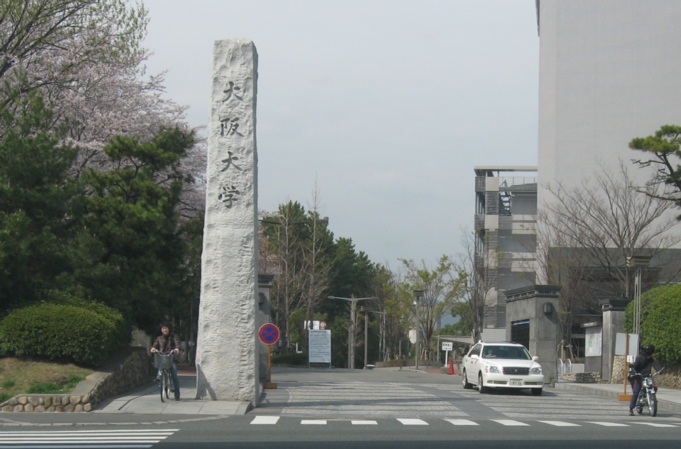
- Vice Director, Osaka University SANKEN (2020-2022)
Research Interests:
Focus on Singularity Biology to study outlier cells' impact on biological systems, trans-scale imaging technologies (e.g., AMATERAS 3.0), and autoluminescent plants for sustainable lighting. Key methodologies include fluorescent/bioluminescent protein development and super-resolution imaging.
Publication Trends:
Recent works span cellular thermodynamics, water quality monitoring, synaptic plasticity, and trans-scale analytical systems. Collaborative projects address kidney injury mechanisms, plant biotechnology, and medical diagnostics.
Scientific Recognition:
- 44th Shimadzu Prize (2024)
- 15th Nakatani Award Grand Prize (2023)
- Japanese Society of Microscopy Award (2020)
- 38th Japanese Society for Bioimaging Research Paper Award (2023)
Grants & Collaborations:
Recipient of JST ERATO grants and a Takeda Science Foundation grant (2021) for trans-scale life imaging. Collaborates with RIKEN, JST PRESTO, Health Sciences University of Hokkaido, and Kyushu Institute of Technology.
Lab Overview:
The Nagai Lab maintains active international partnerships (Indonesia University, Emory University) and hosts students through Osaka University's Frontier Bio program. Technical staff and research associates support projects in bioluminescent reporter systems and cellular logic.