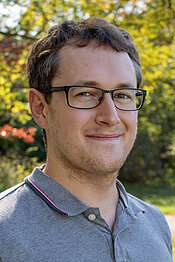
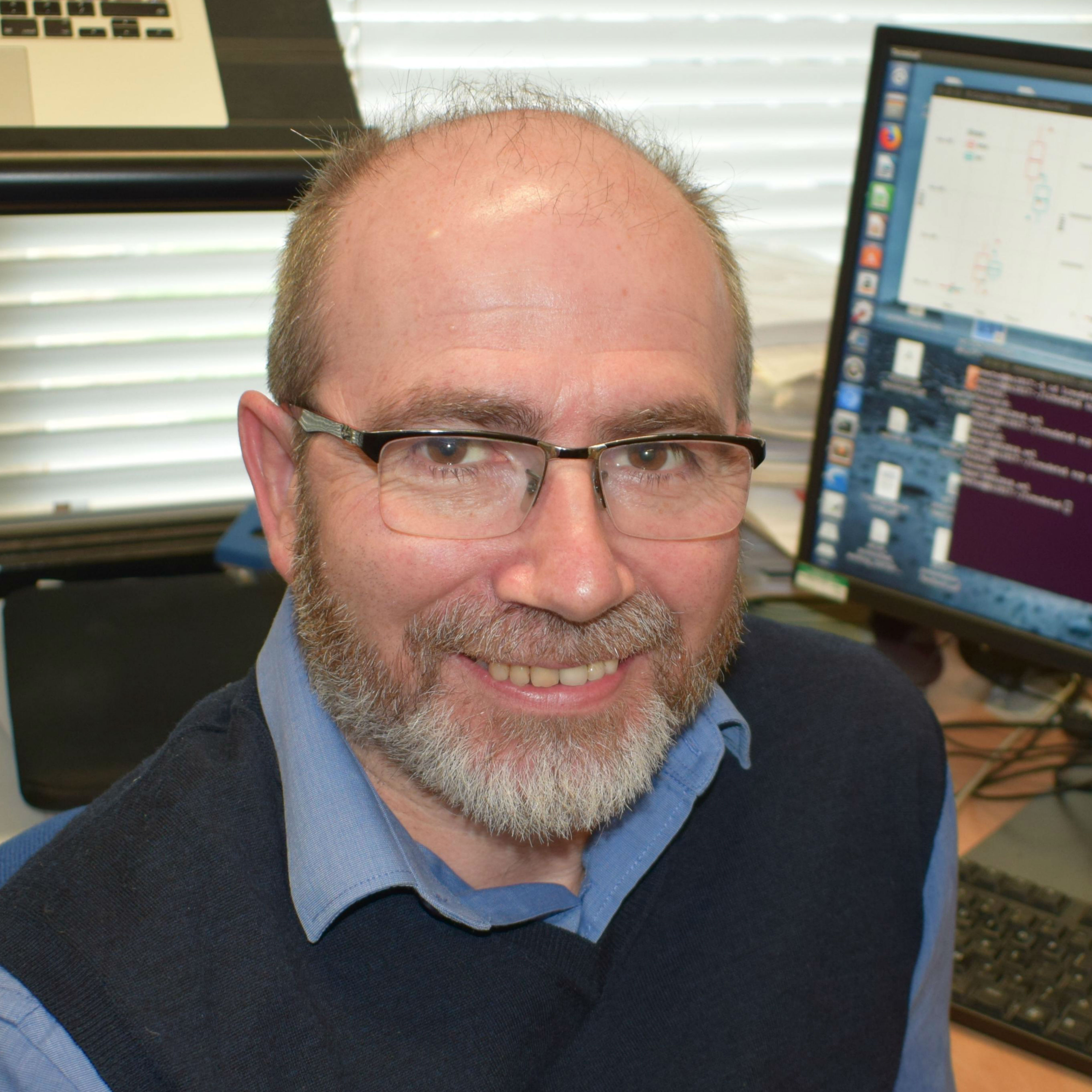
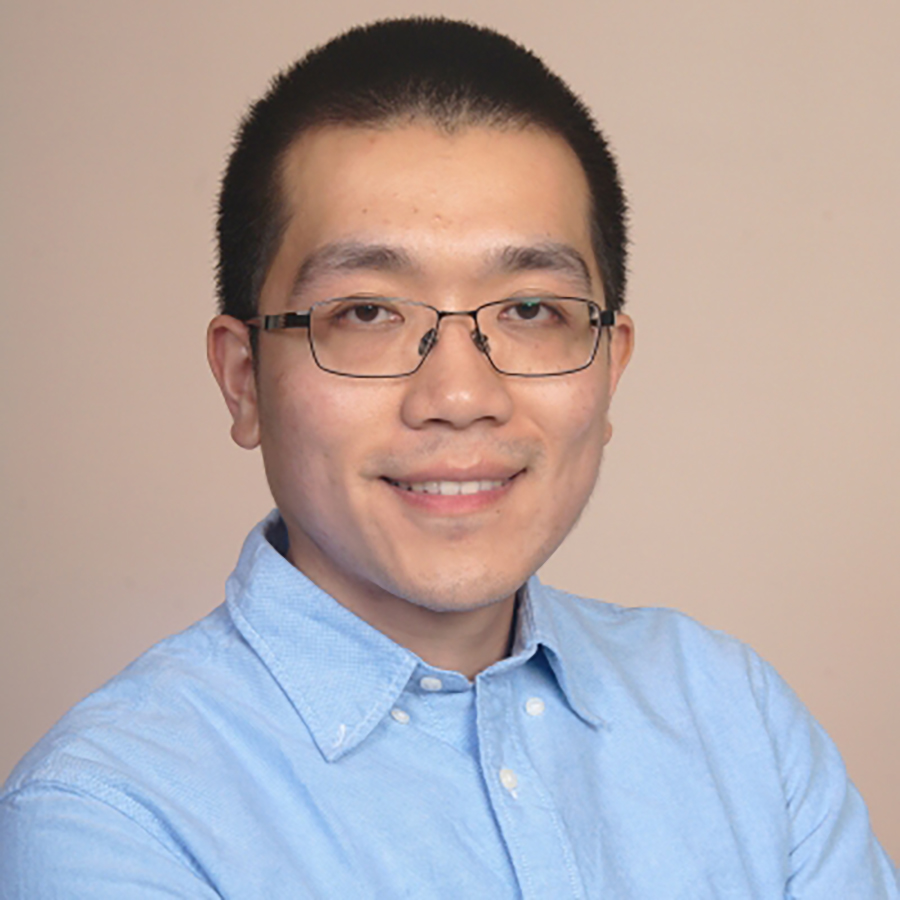
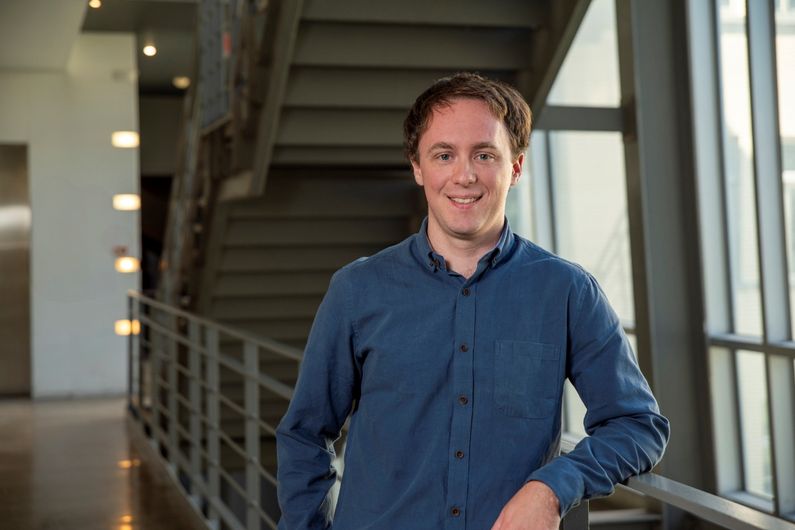
Dr. Holger Hennig is a Researcher in the Department of Systems Biology and Bioinformatics at the University of Rostock , Germany, with affiliations at the Imaging Platform (Broad Institute of MIT and Harvard) , USA. His work bridges machine learning and biomedical imaging to develop label-free diagnostic tools for diseases like leukemia and cardiovascular conditions. Research Focus: High-throughput imaging flow cytometry (IFC) , deep learning for cell cycle analysis, and precision medicine applications in clinical studies. Scientific Contributions: Pioneered open-source analysis pipelines for IFC data, advanced computer vision in hematology, and developed multi-omics integration methods. Awards: Amnis Travel Stipend (2016) DFG Postdoctoral Fellowships (2011, 2012) Research stipend from Boston University (2008) Otto-Haxel Award for Master's thesis (2004) Collaborations: Works with Prof. Anne Carpenter (Broad Institute), Prof. Paul Rees (Swansea University), and Prof. Fabian Theis (Helmholtz Center Munich) on machine learning and single-cell analysis projects.
Paola Lecca is an Assistant Professor at the Free University of Bozen-Bolzano's Faculty of Engineering, specializing in theoretical and applied research on graph theory, dynamical networks, control theory, and causal inference. She is a Senior Professional Member of the Association for Computing Machinery and leads projects at the Smart Data Factory laboratory, focusing on technology transfer to industry. Her research integrates mathematical methods for complex systems in biological contexts, including systems biology, biophysics, and biochemistry. She develops computational approaches for network dynamics, simulation, and analysis, aiming to understand emergent properties in multi-agent systems. Courses taught include Mathematics and Statistics for Data Science and Preparatory Mathematics. She actively contributes to conferences and editorial boards, including Frontiers in Bioinformatics and Big Data Analysis for Medical Sciences.
Dr Mark Goss-Sampson is a Professor in Human Movement and Sport Science at the University of Greenwich, affiliated with the School of Human Sciences and the Faculty of Education, Health and Human Sciences. He holds advanced degrees including a PhD in neurophysiology and a PGDip in Clinical Gait Analysis. His career spans roles as a Senior Lecturer and Principal Lecturer, with prior research at the Institute of Child Health. Dr Goss-Sampson’s research focuses on biomechanics, exercise physiology, injury prevention, and statistical methodologies in sports science. Key areas include neuromuscular responses during resistance training, the efficacy of injury prevention programs for athletes, and the application of technologies like optoelectronic devices for movement analysis. He has also explored the physiological impacts of whole-body vibration and ergometry on postural control. His publications emphasize practical applications, such as Bayesian statistical guides for students and pedagogical strategies in mathematics education. Notable works address hamstring injury mechanisms, blood pressure regulation via isometric exercises, and ergonomic concerns related to police body armor. His research bridges theoretical insights with real-world interventions, particularly in sports medicine and clinical gait analysis. While no explicit awards are listed, his extensive publication record and academic roles reflect sustained contributions to his field. He has advised on various exercise protocols and collaborated on studies involving athletes, elderly populations, and ergonomic safety. His work often integrates quantitative methods with biomechanical principles to enhance human performance and health outcomes.
Balu Bhasuran is a Visiting Assistant Professor at the School of Information (iSchool), Florida State University (FSU), within the College of Communication & Information. He holds a PhD in Computational Biology from Bharathiar University, India, and has extensive postdoctoral experience at UCSF and FSU. His research focuses on Clinical NLP, Machine Learning, and Generative AI applied to healthcare, with expertise in EHR analysis, knowledge graphs, and causal inference. Education: PhD in Computational Biology (Bharathiar University, 2020) MCA in Computer Applications (Mahatma Gandhi University, 2013) Research Interests: Dr. Bhasuran specializes in developing machine learning models for biomedical data, including clinical NLP for disease diagnosis, EHR-based prediction systems, and LLM applications in healthcare. He has contributed to projects like NASHDetection (NLP for liver disease identification) and Lab-AI (LLM-driven lab test interpretation). Publications & Awards: He has over 40 peer-reviewed publications, including work in npj Digital Medicine , JAMIA , and Biomedicines . Notable awards include the 2024 American Transplant Congress Pediatric Poster Award and best paper/poster awards at ICICC and BioIndica conferences. He holds Indian copyrights for software tools like D-NER, DisGeReExT, and GDMiner. Grants & Collaborations: He leads NIH- and FDA-funded grants on transplant rejection prediction, adverse event detection in IBD, and lab test interpretation tools. Collaborations include UCSF’s Real-World Evidence Lab and Merck/Alnylam on NASH research. Labs & Teams: He is part of FSU’s eHealth Lab, UCSF’s Real-World Evidence Lab, and the DRDO-BU Computational Biology Division. His work bridges clinical informatics, text mining, and AI for healthcare innovation.
Professor Elisa Martinez-Marroquin holds a prestigious position at the University of Canberra as a Professor and Associate Dean Education within the Faculty of Education, Science, Technology and Mathematics. She has a multidisciplinary academic background, including degrees in Telecommunications Engineering, Electronic Engineering (PhD), and specialized training in Project Management, Entrepreneurship, and Computer Vision. Her career includes roles as Assistant Professor (1996–2001), Associate Professor (2001–2011), and leadership positions such as Head of Discipline, Director of Master’s programs, and Academic Director of Entrepreneurship initiatives. Educations: B.Eng in Telecommunications Engineering M.Eng and PhD in Electronic Engineering Executive Program on Management Skills (ESADE Business School) MSc in Computer Vision Master in Project Management Her research focuses on Learning Analytics , Computer Vision , Robotics , and Machine Learning , with applications in healthcare robotics, cybersecurity, and engineering education. She leads projects like the A Local Navigation Tool for Mental Health Care (MChart) (2022–2025), emphasizing technology transfer and innovation. Her recent publications highlight advancements in AI-driven medical interventions, rehabilitation robotics control systems, and ethical frameworks in engineering education. She has authored over 48 research outputs, including patents and peer-reviewed articles, and serves as an expert evaluator for EU ICT projects. Professor Martinez-Marroquin actively contributes to academic leadership, having directed degree programs such as the MSc in Entrepreneurship and Innovation and the Master of Research in Information Technology and Management. Her work bridges technical innovation with societal impact, emphasizing interdisciplinary collaboration and educational reform.
Dr. Roger A. Pierson is a University Distinguished Professor in Obstetrics and Gynecology at the University of Saskatchewan's College of Medicine. He holds advanced degrees from Purdue University and the University of Wisconsin-Madison, specializing in Reproductive Endocrinology/Physiology. His research focuses on ovarian physiology, endometrial receptivity, and AI-driven diagnostic tools in women's healthcare. Dr. Pierson pioneered ultrasonography visualization of human ovulation (1990) and contributed groundbreaking studies recognized as one of Discover Magazine's Top 100 scientific discoveries (2004). His laboratory develops imaging technologies for ovarian function assessment and endometrial analysis, with applications in infertility treatment and breast mass evaluation. He founded the Synergyne Group, commercializing Matris™ endometrial assessment software. Professional achievements include Fellowships in the European Academy of Sciences and Canadian Academy of Health Sciences, plus leadership roles such as CFAS President (1999–2000). Over 650 scientific publications and 50+ patented software solutions reflect his prolific output. Awards span clinical teaching excellence to national recognition for advancing women’s health. Research interests span follicular dynamics, hormonal contraception, and AI applications in reproductive medicine. His work bridges clinical practice with technological innovation, particularly in improving assisted reproductive technologies through imaging advancements.
Leila Kosseim is a Professor in the Department of Computer Science and Software Engineering at Concordia University, co-directing the CLaC (Computational Linguistics @Concordia) lab. She holds a PhD from the University of Montreal (1995) and has conducted postdoctoral research at Druide informatique inc. and the RALI group. Her academic leadership roles include Vice-President (2017-2019), President (2019-2021), and Past-President (2021-2023) of the Canadian AI Association (CAIAC), and current Graduate Program Director for the PhD Programs in CSSE. Her research focuses on Natural Language Processing (NLP) and Artificial Intelligence , with particular emphasis on discourse analysis, computational linguistics, and text generation. Notable projects include automated analysis of argumentative essays, clinical trial inference, and meme persuasion detection. Her work integrates deep learning, neural networks, and transformer models to address challenges in text coherence, discourse parsing, and multilingual NLP. Leila has supervised 8 PhD and over 20 Master’s students, contributing to the next generation of computational linguists. Her CLaC lab has participated in multiple international challenges (SemEval, TREC, DEFT) and produced influential tools like TIMBERT and the Concordia NLG Surface Realizer.
Philip R. Troyk is a Professor of Biomedical Engineering and Executive Director of the Pritzker Institute of Biomedical Science and Engineering at Illinois Institute of Technology (IIT), with an affiliate appointment at the Stuart School of Business. He holds the Robert A. Pritzker Endowed Chair in Engineering. His research focuses on neuroprosthetic devices, particularly intracortical visual prostheses and implantable neural interfaces for restoring sensory and motor functions. Troyk leads a multi-institutional team developing visual prosthetics for the blind and has pioneered technologies like Implantable Myoelectric Sensors (IMES) for prosthetic limb control. He is also CEO of Sigenics, Inc., a microelectronics firm supplying custom chips for aerospace and medical applications. Education: Ph.D., M.S. (Bioengineering), University of Illinois, Chicago; B.S. (Electrical Engineering), University of Illinois, Urbana Affiliations: University of Chicago (Neurosurgery), International Functional Stimulation Society, IEEE, and others Research Interests: Cross-disciplinary design of neural interfaces, bioelectronic medicine, and adaptive project management methodologies. Notable projects include the Intracortical Visual Prosthesis (ICVP) and IMES sensors for limb control. His work integrates customer-centric design with advanced engineering to address neuromuscular deficits. Publications & Awards: Over 50 peer-reviewed articles, 20+ patents, and honors such as Fellowships from AIMBE and the Institute of Physics. His IEE Zworkin Premium recognizes contributions to biomedical engineering. Labs & Teams: Leads the Pritzker Institute’s neural engineering initiatives and collaborates with industry (e.g., Boeing/Airbus) and academic partners in neurotechnology. His team’s ICVP research has been featured in WIRED and Ophthalmology Times.
Robert Leppich is a Researcher at the Chair of Computer Science II (Software Engineering) at the University of Würzburg, part of the Faculty of Mathematics and Computer Science. His work focuses on Software Engineering for Applied Data Analytics and Artificial Intelligence, with a particular emphasis on Time Series Analysis, Medical Informatics, and Sport Informatics. He coordinates teaching activities such as the master's lecture 'Advanced Programming' and the practical course 'Softwarepraktikum,' both led by Prof. Samuel Kounev. Additionally, he supervises Bachelor and Master theses and provides topics for the 'Seminar Software Engineering.' Leppich's research spans interdisciplinary domains, including the development of digital therapeutics (e.g., the Axia app for managing axial spondyloarthritis), machine learning applications in healthcare (e.g., ECG classification and biomarker profiling), and wearable sensor data analysis in sports performance. His work also explores synthetic data generation, evaluation metrics for time series synthesis, and lightweight neural network architectures for forecasting. His recent publications emphasize AI-driven solutions for healthcare challenges, such as improving disease management through mobile applications and enhancing predictive analytics in sports and medicine. He has collaborated with departments like Medical Informatics at the Universitätsklinikum Würzburg and the Data Science Group, reflecting his cross-disciplinary approach to research. Leppich holds a Master's and Bachelor's degree in Computer Science from the University of Würzburg, with prior research roles at the Intex group and the Data Science research unit. His contributions bridge software engineering principles with real-world applications in medicine and sports, aiming to improve clinical outcomes and athlete performance through technological innovation.
Dr. Metodi Metodiev is a Senior Lecturer at the School of Life Sciences, Department of Biological Sciences, University of Essex. He has been in this role since October 2011, following previous positions as Lecturer (2004–2011) at the same institution and as Research Assistant Professor (1999–2004) at the University of Illinois at Chicago's Laboratory for Molecular Biology. His research focuses on translational and basic cancer biology, combining computational proteogenomics with experimental techniques to identify diagnostic biomarkers and drug targets. He also uses CRISPR/Cas9 to study molecular mechanisms of signal transduction in cancer, particularly the tumor suppressor SCRIB, integrating these methods into student research projects. Metodi holds a PhD in Biological Sciences from the Bulgarian Academy of Sciences (1994), an MSc in Biology from Sofia University St Kliment Ohridsky (1989), and a Post-graduate certificate in C programming for Bioinformatics from the University of Manchester (2004). His academic support hours are on Fridays from 14:00–16:00. His research interests span cancer biology, proteogenomics, signal transduction pathways, CRISPR/Cas9 gene editing, biomarker discovery, and computational bioinformatics. He explores the molecular basis of tumor progression, particularly in breast and cervical cancers, and investigates microbial proteome dynamics in response to environmental stressors. His work bridges computational models with lab experiments, emphasizing personalized therapy and microbial adaptation mechanisms. His publications reflect a focus on cancer biomarkers, proteomic tools, and microbial physiology. Recent studies highlight advancements in breast cancer prognosis using national registries, cervical cancer progression via ROMO1, and CRISPR-based exploration of tumor suppressors. Earlier work includes proteomic profiling of marine microbes under environmental changes and yeast signaling pathways. Metodi has supervised multiple PhD students, including Dr. Nikos Parisis, Dr. Fahri Hejazi, Dr. Esther Adewuyi, and Dr. Samson Adoki. Current advisees are Mrs. Makarim Al-Zubaidi and Ms. Nosheen Faiz (co-supervised). No specific grants are detailed in the provided texts, but his research is supported through institutional and collaborative efforts. His research group operates within the University of Essex's Life Sciences facilities, continuing work initiated at the University of Illinois at Chicago's Laboratory for Molecular Biology. They integrate computational tools with experimental biology to address translational challenges in cancer therapy and microbial adaptation.
Ran Xu is an Assistant Professor in the Department of Allied Health Sciences at the University of Connecticut, within the College of Agriculture, Health and Natural Resources. His expertise lies in applied statistics, computational social science, and systems science methodologies. Dr. Xu holds a PhD in Measurement and Quantitative Methods from Michigan State University (2016) and completed postdoctoral training in Industrial & System Engineering at Virginia Tech (2019). His research focuses on two primary streams: (1) applying systems science tools like social network analysis, agent-based modeling, and system dynamics to address health-related challenges such as behavior change, disease prevention, and policy evaluation; and (2) developing novel statistical methods and technological tools (e.g., konfound sensitivity analysis package) to enhance causal inference and data-driven decision-making in health sciences. Key areas of application include food environment policy analysis, health disparities, and the integration of digital technologies (e.g., AI-based image recognition) into health behavior research. His work bridges methodological innovation with substantive health issues, addressing topics like obesity, HIV prevention, and pandemic response through interdisciplinary lenses. Dr. Xu teaches quantitative methods at undergraduate and graduate levels and actively mentors students in research and applied projects. His publications span high-impact journals in public health, statistics, and social sciences, reflecting his commitment to advancing both theoretical and applied research.
Mari Nakamura, MD, MPH, is an Associate Professor of Pediatrics at Harvard Medical School and Medical Director of the Antimicrobial Stewardship Program at Boston Children’s Hospital. Her roles include Senior Associate Physician in Pediatrics, Division of Infectious Diseases. She specializes in optimizing antimicrobial use and improving infectious diseases care through quality improvement and health IT integration. Dr. Nakamura holds a medical degree from Washington University School of Medicine (1999), completed pediatric residency at Vanderbilt Children’s Hospital (2002), and pediatric infectious diseases fellowship at Stanford University (2006). She earned an MPH from Harvard School of Public Health (2008) during her health services research fellowship at Boston Children’s Hospital. Education: Washington University School of Medicine (MD, 1999), Harvard School of Public Health (MPH, 2008) Fellowships: Pediatric Infectious Diseases (Stanford), Health Services Research (Boston Children’s) Her research focuses on pediatric antimicrobial stewardship, antibiotic prescribing practices, and outcomes of infectious diseases in children. Key interests include diagnostic stewardship, electronic health records optimization, and medical education. Recent work analyzes trends in pediatric antibiotic use, SARS-CoV-2 coinfections, and guideline-concordant therapy for pneumonia. Publications (2022–2025) emphasize antimicrobial stewardship strategies, SARS-Cov-2 pathogenesis in children, and clinical decision support systems. She mentors clinical fellows in antimicrobial stewardship and quality improvement methodologies. No awards are explicitly listed in the provided texts.
Dr. Utkarsh Dang is an Associate Professor at Carleton University with a cross-appointment in the Department of Health Sciences. A biostatistician and data scientist by training, he leads an interdisciplinary program that fuses advanced statistical methodology with pressing clinical questions in neuromuscular disease, precision medicine, and health-outcomes research. Education PhD – University of Guelph Research Interests Dr. Dang’s scholarship is organized around four synergistic pillars: Health-outcomes & precision medicine: Quantifying phenotypic, genotypic, and treatment-response variability in Duchenne and Becker muscular dystrophy. Clinical-trial innovation: Design and analysis of Phase II/III trials (notably the vamorolone program) with focus on biomarker-integrated endpoints. Statistical learning & clustering: Development of novel mixture-model and change-point methodologies for high-dimensional biological data. Bioinformatics & phylogenetics: Algorithmic advances for evolutionary tree inference and large-scale omics integration. Recent Research Trajectory (2020-2025) Across 40+ publications, Dr. Dang has concentrated on translational studies in Duchenne muscular dystrophy, dissecting therapeutic effects of dissociative steroids (vamorolone), gene-therapy interactions, and robust biomarker signatures derived from 1,018-plex serum proteomics. Methodologically, his group has delivered open-source R packages ( mixSPE , markophylo ) that extend multivariate count-data modeling and phylogenetic Markov-chain Monte Carlo techniques. Funding & Scientific Awards Current research is continuously funded by competitive grants including: Natural Sciences and Engineering Research Council of Canada (NSERC) U.S. National Institutes of Health (NIH) U.S. Department of Defense (DOD) Foundation to Eradicate Duchenne Student & Team Mentorship Dr. Dang welcomes graduate trainees (Master’s & PhD) and post-doctoral fellows with interests in biostatistics, clinical-trial analytics, and computational biology. His lab integrates expertise from statistics, health sciences, and computational biology to tackle high-impact problems in precision neurology.
Dr. Marc-André Legault is an Assistant Professor in the Faculty of Pharmacy at Université de Montréal and researcher at CHU Sainte-Justine. His work integrates bioinformatics, genetic epidemiology, and machine learning to predict drug responses and advance personalized medicine. Using multi-omics data from biobanks (e.g., UK Biobank), he models drug effects through genetic proxies and develops AI tools for drug repositioning. Current projects include predicting pediatric drug efficacy and validating therapeutic targets via Mendelian randomization. He teaches bioinformatics methods including Mendelian randomization techniques.
Rig Das is an Assistant Professor in the Computer Science and Computer Engineering Department at the University of Wisconsin-La Crosse (UWL), USA. His research focuses on Brain-Computer Interfaces (BCI), Biometrics, EEG Signal Processing, and AI, with applications in neurorehabilitation and medical diagnostics. He holds a Ph.D. in Applied Electronics Engineering from Roma Tre University, Italy, and has held roles including Research Scientist at the University of Nebraska Medical Center and Postdoctoral Researcher at Technical University of Denmark and the University of Luxembourg. Education: Ph.D. in Applied Electronics Engineering (2018) – Roma Tre University, Italy M.Tech. in Computer Science & Engineering (2012) – NERIST, India B.Tech. in Computer Science & Engineering (2007) – WBUT, India Research Interests: EEG Signal Processing for Parkinson’s Disease and Sleep Studies BCI Systems for Neurorehabilitation and Assistive Technologies Deep Learning in Biometric Identification (e.g., Finger-Vein, Facial Recognition) Medical Image and Signal Processing Grants & Projects: NIH BRAIN Initiative Grant (UH3 NS113769) – Research Scientist, UNMC (2020–25) EU H2020-ENCASE Project – Biometric Privacy Research (2016–19) UWL Faculty Research Grant ($12,200) – Parkinson’s Disease Study (2024–25) Awards: 2018 European Biometrics Research Award for PhD Thesis 2017 EUSIPCO 3MT Presentation Finalist Teaching and Advising: Current Courses: Digital Signal Processing, Programming Language Concepts, Software Design Past Roles: Instructor at UNMC Neurosurgery Dept., Assistant Professor at Assam Don Bosco University Labs & Collaboration: Developed the “Brainy Home” BCI system for smart home control Collaborates with institutions like GN Audio (Denmark) and Bar-Ilan University (Israel)