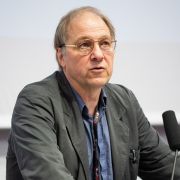
Professor Jon Gibbins is a faculty member at the University of Sheffield within the School of Mechanical, Aerospace and Civil Engineering . He serves as the Centre Director of the UK Carbon Capture and Storage Research Centre and is a Research Area Champion for Solvent Post-Combustion . With over 30 years of experience in coal/biomass gasification and CCS since 2002, his work spans academic, industrial, and policy domains. He contributes to global CCS initiatives, including the SaskPower CCS Global Consortium Advisory Committee , and advises on energy system balancing, economics, and regulation. Research Interests: Carbon Capture and Storage (CCS) Power Plant Engineering Coal and Biomass Combustion Hydrogen Production with CCS Techno-economic Analysis Flexible Power Plant Operation Recent Article Trends focus on CCS integration, solvent optimization, hydrogen decarbonization, and combustion dynamics. His work emphasizes partnerships with industry and governments, particularly in China and the UK, addressing climate policy, energy security, and technology deployment.
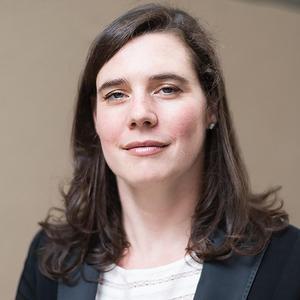
Katie Kedward is a Senior Research Fellow at the University College London Institute for Innovation and Public Purpose (IIPP), specializing in sustainable finance and ecological economics. With prior experience in capital markets at Royal Bank of Canada and green banking at ShareAction, she combines post-Keynesian, political economy, and ecological economics perspectives in her research. Her work focuses on aligning financial systems with environmental goals, particularly addressing biodiversity loss and climate change. Education: MSc in Ecological Economics (University of Leeds, 2019), BA in Economics (University of Cambridge, First Class) Advisory Roles: Member of Positive Money UK’s advisory panel Collaborations: Network for Greening the Financial System (NGFS), Dasgupta Review Katie’s research examines financial stability risks from biodiversity loss, green credit policy reforms, and systemic uncertainty in climate-related financial regulation. Her work has been cited by central banks (Banque de France, Bank Negara Malaysia) and featured in major outlets like The Guardian and BBC News. Recent publications focus on nature-economy modeling, biodiversity financing gaps, and financial policy coordination for climate action. She advocates for increased public investment as a complement to private finance in achieving conservation goals. Scientific Awards Sally Macgill Memorial Prize for Best Masters Thesis (2019) Katie contributes to policy discussions through publications in FT Sustainable Views, LSE Business Review, and Nature Ecology & Evolution. She actively reviews for journals including New Political Economy and Conservation Letters.
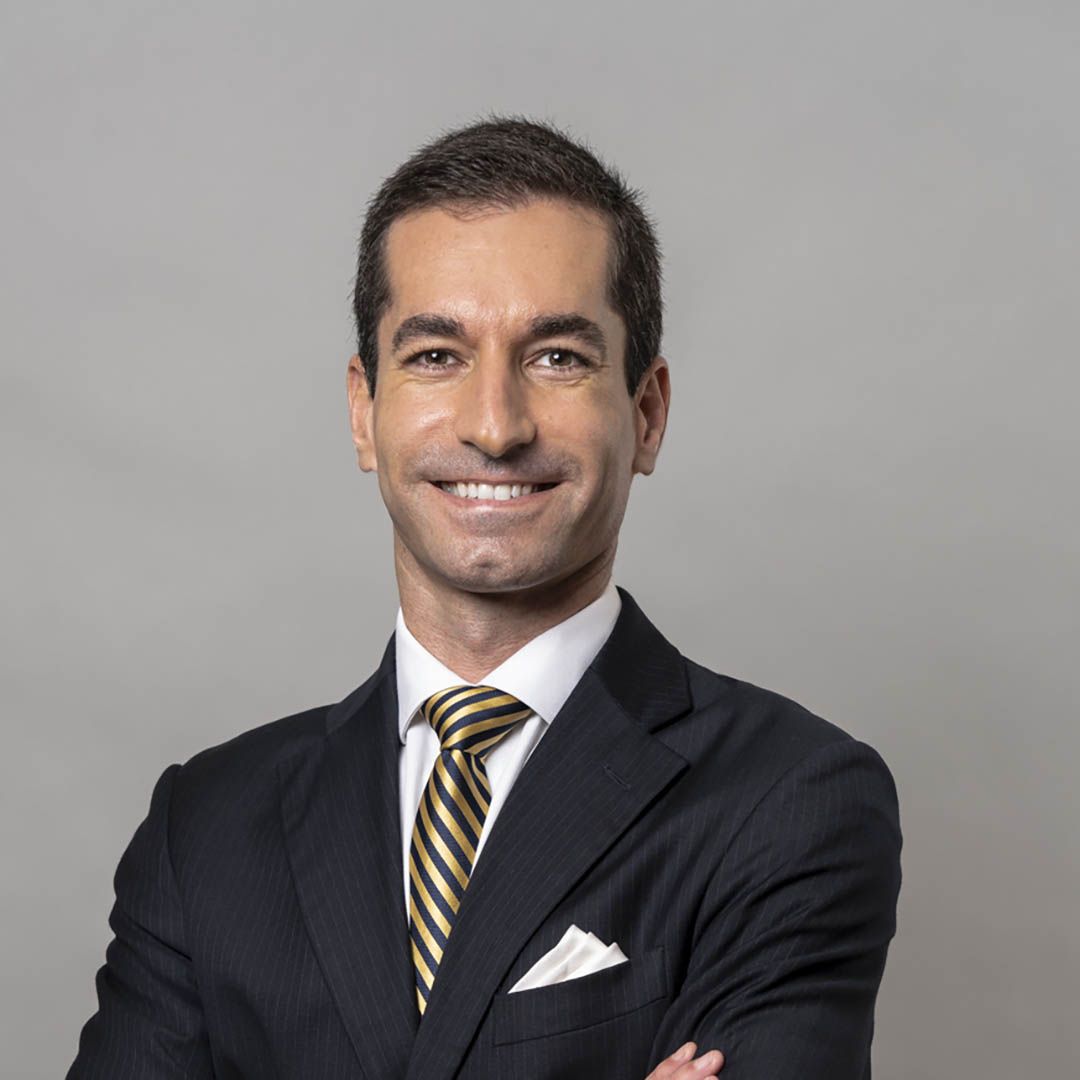
João Tovar Jalles serves as a Senior Associate Professor of Economics at the University of Lisbon's Lisbon School of Economics and Management (ISEG), with over 15 years of expertise spanning macroeconomics, public finance, and applied econometrics. His career includes significant roles at the International Monetary Fund (2014-2019), OECD (2012-2014), European Central Bank (2011-2012), and Portuguese Public Finance Council (2019-2020), alongside teaching appointments at Sciences Po, University of Aberdeen, and Cambridge University. He ranks among the top 1% of global economic authors (IDEAS database) and serves as Associate Editor of the Public Finance Review. His academic credentials include: Aggregation in Economy (2023) from Universidade de Lisboa, ISEG PhD in Economics (2011) from University of Cambridge MSc in Economics (2008) from University of Warwick BSc in Economics (2006) from Universidade Nova de Lisboa Dr. Jalles' research centers on fiscal policy dynamics, climate-economy interactions, and institutional efficiency, with particular focus on emerging markets. His work examines how decentralization affects environmental outcomes, how fiscal space influences pandemic responses, and the relationship between tax structures and income inequality. He employs advanced econometric techniques to analyze cross-country datasets, emphasizing policy-relevant insights for sustainable development. Recent publications (2024-2025) reveal a pronounced shift toward integrating climate risk into macroeconomic modeling, with 60% of his work now addressing environmental-fiscal linkages. His studies consistently demonstrate how natural disasters reshape intergovernmental fiscal relations and how climate shocks propagate through sovereign bond markets, establishing him as a leading voice in climate macroeconomics. Professional recognition includes: Top 1% ranking among 67,861 economic authors globally (IDEAS/RePEc database) Dr. Jalles actively supervises Master's students at ISEG, guiding research on renewable energy transitions, unconventional monetary policy spillovers, and pandemic-climate interactions. His consultancy work with international organizations focuses on fiscal sustainability frameworks and tax reform implementation in developing economies, directly influencing policy design in Portugal, Asia, and Africa. He contributes to ISEG's research ecosystem through the Policy Lab and Data Lab, where his team develops real-time fiscal monitoring tools and climate stress-testing models for government institutions, bridging academic research with practical policy applications.
Karine Gagné is an Associate Professor in the Department of Sociology and Anthropology at the University of Guelph. Her research, primarily conducted in the Indian Himalayas (Ladakh and Zanskar), addresses the political and cultural dimensions of human-environment interactions, with a focus on climate change, ethics of care, and citizenship. Her educational background: PhD in Anthropology, Université de Montréal, 2015 Professor Gagné's research explores how marginalized communities in the Himalayas develop technical expertise to address climate change and state abandonment. She examines the constitution of environmental knowledge, human-animal relations, and the infrastructure of citizenship. Her work bridges anthropology, environmental studies, and political ecology, emphasizing the ethics of care and the temporal dimensions of climate change. Analysis of her recent publications reveals a consistent focus on the Himalayas, addressing glacier retreat, infrastructure development, and human-animal relations. Her work shows a progression from local ethics of care to the intersection of state infrastructure and climate adaptation, with increasing attention to citizen expertise and temporalities of environmental change. Professor Gagné has secured multiple competitive research grants, including: SSHRC Insight Development Grant (2022-2024): Domesticating Wildness: Snow Leopard Conservation in the Himalayan Anthropocene ($70,981) SSHRC Insight Grant (2022-2027): Coping with Infrastructural Curves: Marginalized Citizens Challenging State Plans in India and Vietnam ($84,584) SSHRC Insight Grant (2020-2025): Decolonizing Climate Knowledge: An Ethnographic Study of Travel and Mobility in The Indian Himalayas in An Era of Climate Change ($99,643) SSHRC Insight Development Grant (2019-2022): Connecting People Positively? The Infrastructure of Mobility in Democratic India and Socialist Vietnam ($64,670) SSHRC Insight Development Grant (2018-2021): Amid Icy Ruins and Insecure Futures: Climate Change, Expertise, and The Infrastructure of Citizenship in Zanskar ($61,287) She actively supervises graduate students (Nigel Marimuthu, Tenzing Palmo, Tehzeeb Bano, and Alejandra Valentina Gonzalez Rodriguez) and offers fellowships for projects on infrastructures of mobility and snow leopard conservation. Her research team, operating within the Department of Sociology and Anthropology at the University of Guelph, engages in interdisciplinary fieldwork in the Himalayas, focusing on climate change adaptation, infrastructure, and human-animal relations. Current projects include studies on snow leopard conservation through tourism and citizen science, and the impact of infrastructural development on marginalized communities.
Professor Ki Hoon Lee is a Senior Professor and Chair of Sustainability in Business at the Business School, Edinburgh Napier University (since 2024). Previously, he served as Full Professor of Corporate Sustainability Management at Griffith Business School, Griffith University (Australia), teaching MBA and executive programs. He holds visiting professorships at Vienna University of Economics and Business (Austria) and Seoul National University (South Korea). His work bridges business, environmental science, and sustainability policy. Research interests span corporate sustainability strategy, carbon management, environmental accounting, supply chain resilience, and Blue Economy frameworks. He investigates how institutional pressures shape sustainability practices, emphasizing stakeholder engagement, regulatory compliance, and cross-sector collaboration. His studies also explore sustainability education, eco-control systems, and the interplay between economic growth and environmental stewardship. Key article trends include: Corporate sustainability integration (17% of publications) Carbon accounting and net-zero strategies (15% of publications) Supply chain ethics and resilience (13% of publications) Blue Economy and marine ecosystems (11% of publications) Environmental Management Accounting (EMA) applications (9% of publications) Recognitions: Top 2% World Scientist by Stanford University and Elsevier (2021-2024) Top Scholar by ScholarGPS (Top 0.5%, 2024) Board Committee Member, EMAN Europe (2024) As Chairman of the Environmental and Sustainability Management Accounting Network (EMAN) Asia Pacific, he fosters global academia-industry collaboration. His work addresses the United Nations Sustainable Development Goals (SDGs) 7, 8, 9, 12, 13, 14, and 17. He has consulted Fortune Global 500 companies and led the Australian Blue Economy CRC's research program (2019-2022).
Joseph Trainor is the Interim Dean and Professor at the Joseph R. Biden, Jr. School of Public Policy and Administration, University of Delaware. He is a core faculty member of the Disaster Research Center, renowned for expertise in Disaster Science and Emergency Management. His research integrates behavioral and organizational dimensions of disasters, focusing on risk perception, warnings, equity, and policy integration. Trainor holds a PhD in Sociology from the University of Delaware (2009), with earlier degrees from the same institution and Millersville University. Education: Ph.D., Philosophy in Sociology, University of Delaware (2009) MA, Sociology, University of Delaware (2004) B.A., Double Major in Sociology and Psychology, Millersville University (2002) Research Interests: Trainor’s work spans risk communication, organizational management in crises, disaster mitigation, and equity. Key themes include household decision-making around insurance and retrofitting, multi-organizational response systems, and pandemic workforce dynamics. He emphasizes bridging academic research with practitioner needs, with a focus on policy applications. Public Service & Collaboration: Trainor collaborates with agencies like FEMA, DHS, and state emergency management offices. His projects address land-use policies, hurricane risk reduction, and pandemic response strategies. He frequently chairs doctoral committees and teaches at all academic levels. Labs & Teams: As part of the Disaster Research Center, he contributes to interdisciplinary teams advancing disaster science through mixed-methods approaches, including computational frameworks and community resilience models.
Leigh S. Raymond is an Adjunct Professor in the Department of Political Science at Purdue University. His research focuses on environmental policy, particularly market-based approaches and the role of social norms in policy development. He holds affiliations with the Purdue Policy Research Institute, Purdue Climate Change Research Center, and Purdue Center for the Environment. Education: Ph.D. and M.S. in Political Science, University of California at Berkeley B.A. (Summa Cum Laude), Yale University His research explores how fairness, ownership, and environmental values influence policy creation and implementation. Key areas include climate change, renewable energy, and biodiversity protection. Raymond has received notable awards such as the 2017 Lynton Keith Caldwell Award for his book on emissions trading. Grants & Collaborations: Co-PI on a $3.58M NSF grant (2017-21) for energy-aware communities Co-PI on a $2.5M Canadian Greening Growth Partnership Grant (2018-24) Labs/Teams: Engaged with interdisciplinary research centers addressing environmental policy challenges.
Theodoros Zachariadis is a Professor and Interim Director of the Energy, Environment and Water Research Center (EEWRC) and the Science and Technology Driven Policy and Innovation Research Centre (STeDI-RC) at The Cyprus Institute. He previously served as Dean of the Faculty of Geotechnical Sciences and Environmental Management at the Cyprus University of Technology (2015–2020), and as Assistant/Associate Professor there (2009–2020). His expertise spans energy and environmental policy, climate change mitigation, and environmental taxation. He holds a Doctorate in Mechanical Engineering from Aristotle University of Thessaloniki. **Research Interests:** Techno-economic analysis of energy, environmental, and transport policies; environmental taxation; climate policy integration with Sustainable Development Goals (SDGs); decarbonization strategies; and green tax reforms. His work emphasizes cost-effective climate policies and equitable transitions. **Awards:** 2009 Research Prize of Cyprus (Republic of Cyprus) and 2019 Environmental Prize (President of Cyprus). He has been ranked in the top 2% of globally cited academics in Energy (2020s). **Affiliations:** Vice Chair of the Scientific Committee of the European Environment Agency, Manager of SDSN Europe, Leadership Council member of SDSN Cyprus, and former Visiting Professor at Aarhus University. He advises on EU climate policies and sustainable development. **Grants & Projects:** Extensive research on Cyprus’ energy policies, EU climate frameworks, and decarbonization pathways. Key outputs include analyses of the EU’s 'Fit for 55' package, green recovery strategies post-pandemic, and cross-border energy cooperation in the Eastern Mediterranean. **Labs/Teams:** Leads research teams at EEWRC and STeDI-RC focusing on policy design, climate adaptation, and techno-economic modeling. Collaborates with international networks like Green Budget Europe and the Journal *Energy Economics* (associate editor).
Hilary J. Allen is a Professor of Law at American University Washington College of Law, where she teaches Banking Law, Securities Regulation, and Business Associations. She is an internationally recognized expert on financial stability regulation and new financial technologies, regularly sharing her expertise with regulatory bodies across the United States, EU, UK, Canada, and Australia, as well as with international institutions including the IMF, World Bank, and Financial Stability Board. Allen earned her LL.M. from Georgetown University Law Center in 2010 (where she received the Thomas Bradbury Chetwood, S.J. Plaque for graduating first in her class), her Bachelor of Laws from the University of Sydney in 2003, and her Bachelor of Arts from the University of Sydney in 2001. Prior to entering academia, she spent seven years working in financial services groups of prominent law firms in London, Sydney, and New York, and in 2010 worked with the Financial Crisis Inquiry Commission. Professor Allen's research focuses on critical intersections between financial regulation, emerging technologies, and systemic risk. Her work examines how artificial intelligence, blockchain, and cryptocurrency create new challenges for financial stability, while also addressing traditional regulatory concerns through modern lenses. She has published extensively on regulatory sandboxes, precautionary approaches to financial product approval, and the relationship between climate change and financial stability. Her book Driverless Finance: Fintech's Impact on Financial Stability (Oxford University Press, 2022) has become a significant contribution to understanding how emerging financial technologies introduce systemic risks requiring new regulatory tools. Analysis of her recent publications reveals a consistent focus on how technological innovation in finance requires corresponding innovation in regulation. Her work spans from practical regulatory mechanisms like sandboxes to broader conceptual frameworks for understanding financial stability in the digital age. She has particularly emphasized the need for common language in international financial regulation and the importance of addressing emerging threats from crypto, AI, and climate change. Professor Allen has testified before both the House Financial Services Committee and the Senate Banking Committee, demonstrating the practical impact of her scholarship on real-world policy. She is regularly quoted in the popular press and actively participates in scholarly conferences worldwide. Her research has been supported through invitations to present at roundtables with central banks and international regulatory bodies, reflecting her standing in the global financial regulation community. As an educator, Allen brings her deep practical experience from the financial services industry to the classroom, connecting theoretical concepts with real-world applications. Her expertise in both traditional banking law and emerging fintech issues provides students with a comprehensive understanding of the evolving financial regulatory landscape.
Professor John Dumay is a leading academic in accounting and finance at Macquarie University, Sydney. His research focuses on modern slavery, intellectual capital, non-financial accounting, and sustainability. He holds a PhD from Sydney University (2008), alongside qualifications in management research and education. Recognized globally, he ranks in the top 2% of scientists and was Australia's Top Researcher in Accounting & Taxation (2020, 2022, 2023). He has authored/co-authored over 120 peer-reviewed articles, with collaborations spanning 15 countries. As an editorial leader, he serves as Associate Editor for Accounting Auditing and Accountability Journal and Meditari Accountancy Research , and Deputy Editor for Accounting & Finance . Education PhD in Intellectual Capital in Action: Australian Studies (Sydney University, 2008) Graduate Certificate in Educational Studies (Higher Education), University of Sydney (2011) Master of Arts in Management Research Methods, Macquarie Graduate School of Management (2006) Master of Business Administration, Australian Graduate School of Management (2004) Research Interests Professor Dumay explores modern slavery legislation, intellectual capital measurement, corporate sustainability reporting, and research methodologies. His work bridges accounting practices with societal challenges, particularly in supply chain accountability and ethical governance. Recent studies include critical analyses of chocolate industry sustainability and climate-related investor behavior. Awards & Recognition Emerald/EFMD Outstanding Doctoral Research Award (2008) Top 2% World Scientist by Stanford/Elsevier (2019–2022, Lifetime) Highly Commended Paper Awards across multiple journals Grants & Projects Projects include measuring innovation in Sydney, intellectual capital in universities, and knowledge economy scorecards Collaborations in Australia, China, Scandinavia, and Europe Labs & Teams He leads interdisciplinary teams addressing wicked problems through critical intellectual capital frameworks. Notable initiatives include the Chocolate Scorecard project evaluating sustainability in cocoa supply chains.
Rosalind Cornforth is a Professor of Climate and Development and Director of the Walker Institute at the University of Reading, Department of Meteorology. She holds a PhD in Tropical Meteorology and has over 15 years of experience collaborating with governments and NGOs in developing nations. As Walker Institute Director, she leads strategic vision, operations, and interdisciplinary projects in climate resilience. Her roles include Senior Research Scientist at the National Centre for Atmospheric Science (NCAS) and Ambassador for the TAMSAT group. Her research focuses on African weather systems, climate early warning systems, rainfall variability, knowledge exchange, and governance for adaptation. Key projects include the Africa Climate Exchange (AfClix), AfClix Early Warning System for Sudan, and BRAVE groundwater studies. She advises on UN initiatives, including WHO/WMO, UNDP, and the African Union. Recent publications (2020–2024) address climate adaptation, flood early warning, heat stress, and transboundary resilience. She supervises postgraduate students and leads NERC-funded projects. Her work bridges science and policy, emphasizing actionable solutions for vulnerable regions.
Don Butler is a Professor at the ANU College of Law, Governance and Policy within the ANU Law School. He holds a BSc (hons 1) and PhD from the University of Queensland. His research focuses on climate change mitigation, carbon sequestration, biodiversity conservation, and environmental policy. He leads projects addressing carbon offset integrity, forest regeneration, and policy reform. His work spans savanna ecosystems, forest management, and the impacts of climate policy on land-use practices. Education: BSc (hons 1) and PhD (University of Queensland). Research Interests: Climate Change, Carbon Offsets, Biodiversity Conservation, Environmental Policy, Vegetation Dynamics, and Sustainable Agriculture. Collaborations include analyses of carbon projects in Australia, policy evaluations for the Clean Energy Regulator, and studies on groundwater-vegetation interactions. Projects: Includes developing improved carbon accounting methods for native regrowth, analyzing the National Stewardship Trading Platform, and investigating maladaptation risks in savanna carbon projects. His work emphasizes policy integrity and ecological outcomes. Advocacy and Grants: Focuses on policy reforms to enhance carbon market integrity and biodiversity co-benefits. Engages with government agencies and NGOs to shape climate and land management policies. Labs/Teams: Collaborates with the ANU Climate Change Institute and interdisciplinary teams on carbon offset methodologies and environmental governance.
Davin Wallace is an Associate Professor at the University of Southern Mississippi's School of Ocean Science and Engineering, where he investigates coastal and marine system responses to storms, sea-level rise, and sediment dynamics across timescales ranging from days to millennia. His research employs field observations, laboratory analyses, and numerical modeling, with active sites across the Gulf of Mexico, Bermuda, and the Philippines. Education: Ph.D. in Earth Science, Rice University (2007-2010) B.S. in Geology and German, Tulane University (2003-2006) Research Focus: Dr. Wallace's work bridges paleotempestology, coastal geomorphology, and sedimentary processes. His research examines hurricane impacts on sediment structures, barrier island resilience under sea-level rise, and Holocene coastal evolution. He specializes in reconstructing historical storm patterns using geologic proxies and assessing anthropogenic influences on coastal erosion. Publication Trends: His recent articles demonstrate interdisciplinary approaches to coastal vulnerability, combining geophysical data, machine learning, and multiproxy sediment analysis. Work consistently addresses climate change impacts, with emphasis on sedimentation mechanisms during extreme events and Quaternary landscape evolution. Scientific Recognition: No major awards documented in provided sources. Academic Leadership: Leads the USM Coastal Evolution and Hazards Research Lab, supervising field campaigns and collaborative projects. Secured grants for Gulf Coast studies from NSF and NOAA. Mentors graduate students in geological oceanography programs and coordinates international research teams across field sites.
Catherine Peters is the George J. Magee Professor of Geosciences and Geological Engineering, and Professor of Civil and Environmental Engineering at Princeton University. She serves as Director of the Program in Geological Engineering and holds associated faculty roles in the High Meadows Environmental Institute (HMEI), Princeton Institute for the Science and Technology of Materials (PRISM), and the Andlinger Center for Energy and the Environment. Her work focuses on environmental chemistry, geochemical reactions, and subsurface energy technologies, including carbon sequestration, geothermal energy, and shale gas extraction. Education: PhD (Joint degree in Civil Engineering and Engineering & Public Policy), Carnegie Mellon University, 1992 MS in Civil Engineering, Carnegie Mellon University, 1987 BSE in Chemical Engineering, University of Michigan, 1985 Research Interests: Dr. Peters explores environmental challenges of subsurface energy systems through experimental, imaging, and modeling approaches. Key areas include CO2 storage in saline aquifers, geochemical reaction kinetics, and remediation of organic pollutants. Her lab uses synchrotron-based techniques and reactive transport simulations to study processes at nanometer to basin scales. She emphasizes collaborative research with national labs and universities. Recent Article Trends: Her publications (2023-2025) highlight advancements in carbon mineralization, hydrogen storage security, microbial geochemical interactions, and multi-scale material characterization. These works bridge environmental engineering, geochemistry, and data science to address decarbonization challenges. Awards & Leadership: Fellow, Association of Environmental Engineering and Science Professors (AEESP) since 2016 2012 EPA P3 Award for the 'Power-in-a-Box TM' sustainable design project Princeton Commendation List for Outstanding Teaching Grants & Collaborations: Funded by NSF, DOE, and EPA, her projects address subsurface energy systems and climate mitigation. She collaborates with national labs via synchrotron facilities and leads initiatives like the Grand Challenges Program. Courses taught include environmental engineering, statistical methods, and geochemical kinetics modeling. Labs & Teams: Affiliated with HMEI, PRISM, and the Andlinger Center, she integrates interdisciplinary teams to advance sustainable energy and environmental solutions. Her group’s work often intersects with global sustainability and equity goals.
Megan Steele is an Honorary Senior Research Fellow at the University of Queensland's School of Public Health. Her research focuses on public health interventions, mental health in forensic settings, cancer survivorship, and Indigenous health equity. She contributes to initiatives like the Aboriginal and Torres Strait Islander Impact Strategy and collaborates with law enforcement and healthcare agencies to improve crisis response and patient outcomes. Key research areas include forensic mental health patients' physical activity, suicide crisis interventions, and substance use among justice-involved youth. Her work integrates data linkage studies and systematic reviews to address healthcare gaps in vulnerable populations. She has co-authored over 70 publications spanning oncology, neuroprotection, and public health policy. Her recent studies highlight innovative methods like bioimpedance spectroscopy for lymphedema diagnosis and explore exercise safety in cancer survivors. Collaborations with German oncology centers inform integrative therapy approaches. While no formal awards are listed, her extensive publication record demonstrates significant scholarly impact. Advising and grant details are not explicitly stated, but her involvement in multi-disciplinary projects suggests active team-based research. She contributes to initiatives like the Mental Health and Climate Change Research Network and Public Health Connect platform, fostering cross-sectoral partnerships.