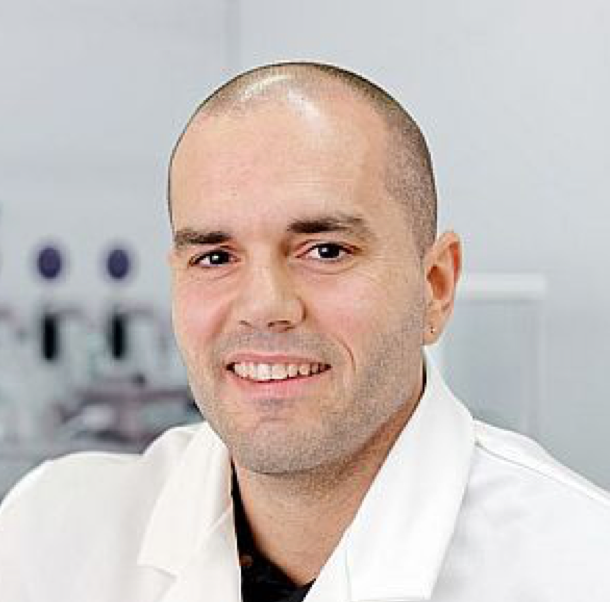
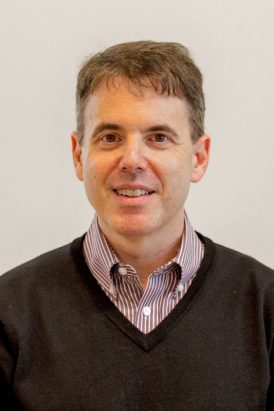
Prof. Li LU is a Professor at the Department of Mechanical Engineering, National University of Singapore (NUS). His research focuses on energy storage materials, ferroelectric systems, and advanced battery technologies. He holds editorial roles at Functional Materials Letters and Materials Technology – Advanced Functional Materials . Education: PhD from KU Leuven (Belgium), M.Eng and B.Eng from Tsinghua University (China). Research interests include thin film deposition, nanostructured materials, and solid-state electrolytes. His work addresses challenges in lithium/ sodium-ion batteries, solid-state interfaces, and high-performance energy storage systems. Recent studies emphasize aerosol deposition techniques, composite electrolytes, and interfacial stability. Publications highlight advancements in battery materials and electrolyte design. Notable contributions include ultra-stable sodium-ion batteries, ferroelectric-engineered electrolytes, and optimizing lithium metal anodes. His research bridges fundamental material science with practical energy solutions.
Youngjae You is a Professor of Empire Innovation in the Department of Pharmaceutical Sciences at the University at Buffalo School of Pharmacy. His research focuses on Antibody-Drug Conjugates, Cancer Chemotherapy, Medicinal Chemistry, and Targeted Drug Delivery. He holds adjunct roles at the University of Oklahoma Health Sciences Center and has led numerous grants totaling over $10 million in funding. Key awards include the 2019 Professor of Empire Innovation title and multiple DoD/CDMRP grants. His work emphasizes prodrug design, photodynamic therapy, and combination therapies. Education : PhD in Pharmaceutical Chemistry, Chungnam National University (2001) MS in Pharmaceutical Chemistry, Chungnam National University (2000) BPharm, Chungnam National University (1994) Research Interests : Dr. You specializes in developing light-activatable prodrugs for targeted cancer therapies, including far-red/NIR light-activated delivery systems. His work integrates quantitative pharmacokinetic modeling, singlet oxygen dynamics, and receptor-targeted drug conjugation to enhance therapeutic efficacy while minimizing off-target effects. Key applications include bladder, breast, and ovarian cancers. Funding Highlights : NIH/NIGMS: $1.37M (2023-2027) for light-responsive drug delivery National Cancer Institute: $2.1M (2022-2027) for bladder cancer treatments DoD/CDMRP/PRCRP: $392K (2017-2020) for photodynamic-chemotherapy combinations Awards : PHF Presidential Professorship (2018) American Cancer Society Research Scholar Grant (2013) Multiple DoD/CDMRP Idea Awards Service & Grants : Serves as Principal Investigator on 8 major grants. Active reviewer for Wellcome Trust, NIH, and international funding agencies. Holds patents on BODIPY derivatives and singlet oxygen-labile linkers. Lab & Collaborations : Leads the You Lab at UB, collaborating with bioengineers and clinicians to advance photomedicine and targeted drug delivery systems. Engaged in multidisciplinary teams addressing spatiotemporal control in cancer treatments.
Bradley D. Olsen is a full professor in the Department of Chemical Engineering at the Massachusetts Institute of Technology (MIT), where he leads research at the intersection of polymer science, soft matter physics, and bioengineering. His work focuses on designing materials for critical applications in biotechnology, hemostasis, and sustainable polymer development while advancing fundamental understanding of polymer network mechanics and self-assembly. Education: Ph.D. in Chemical Engineering, University of California Berkeley (2007) S.B. in Chemical Engineering, Massachusetts Institute of Technology (2003) Olsen's research spans protein-based materials, block copolymer phase behavior, and mechanochemical hydrogels. He has pioneered methods for quantifying polymer network topology, developing hemostatic nanoparticles, and creating bio-inspired materials for selective biomolecular transport and medical applications. His recent publications emphasize data-driven approaches to polymer characterization and educational outreach in materials science. Scientific Awards: American Physical Society (APS) Fellow (2023) Fulbright Amazonia Scholar (2023) Alexander and I. Michael Kasser Chair in Chemical Engineering (2021) ACS Macro Letters Young Investigator Award (2021) MIT Committed to Caring Honor (2019) AIChE Owens Corning Early Career Award (2019) APS Dillon Medal (2018) Kavli Emerging Leader in Chemistry (2017) ACS Polymer Division Fellow (2016) Camille Dreyfus-Teacher Scholar (2015) Alfred P. Sloan Research Fellow (2014) NSF Career Grant (2013) NIH Postdoctoral Fellowship (2008-2009) Hertz Fellow (2003-2007) Barry M. Goldwater Scholarship (2002) Olsen has received significant grant support including NSF Career (2013) and AFOSR (2012) awards. His teaching activities include innovative international outreach like the 2025 soccer-themed science camp in Brazil. The Olsen Group at MIT explores advanced materials with applications ranging from trauma care to sustainable polymers.
Cherie Kagan serves as the Stephen J. Angello Professor at the University of Pennsylvania, holding primary appointment in the Department of Electrical and Systems Engineering within the School of Engineering and Applied Science, with secondary appointments in Chemistry and Materials Science and Engineering. Her interdisciplinary research bridges chemistry, materials science, and electrical engineering to develop novel functional materials and devices that integrate optical, electrical, magnetic, mechanical, and thermal properties. Professor Kagan's research group combines the flexibility of chemical synthesis and bottom-up assembly with top-down fabrication techniques to design innovative nanomaterials. They employ advanced characterization methods including spatially- and temporally-resolved optical spectroscopies, AC/DC electrical measurements, electrochemistry, and various microscopy techniques. Her recent work demonstrates particular strength in colloidal nanocrystals and quantum dots for applications in quantum information science, sensing technologies, and energy conversion devices. Scientific Recognition Induction to the American Academy of Arts and Sciences (2025) IEEE Fellow (2024) for contributions to colloidal nanocrystals and their integration in optical and electronic devices George H. Heilmeier Faculty Award for Excellence in Engineering (2024-25) Humboldt Research Award Fellowship (2024) MRS Fellow for distinguished research accomplishments in materials science National Academy of Inventors Fellow for innovation in nanomaterials Professor Kagan actively mentors PhD students across multiple departments, with recent graduates including Gary Chen, Chavez Lawrence, and Shobhita Kramadhati. Her research is supported by significant grants including the IoT4Ag project focused on precision agriculture sensing systems. She maintains active collaborations with Nobel Laureate Moungi Bawendi, her former PhD advisor at MIT, and works with institutions including the Max-Planck Institute for Chemical Physics of Solids through her Humboldt Fellowship. The Kagan Research Group operates comprehensive facilities for nanomaterials synthesis, characterization, and device fabrication, combining expertise across chemistry, physics, and engineering disciplines. Current team members include PhD students from Electrical and Systems Engineering and Chemistry departments, postdoctoral researchers like Anamika Singh and Akhila Mallavarapu, and undergraduate researchers supported through programs like CURF.
John E. Moses is a Professor at Cold Spring Harbor Laboratory (CSHL), where he leads the Moses Laboratory and serves as Faculty Head of the Mass Spectrometry Shared Resource for the Cancer Center. He is also a Cancer Center Member focusing on developing chemical tools for biological discovery, particularly in cancer research. Dr. Moses earned his D.Phil. in Synthetic Organic Chemistry from the University of Oxford in 2004. His academic journey includes positions as Professor of Organic Chemistry at La Trobe University (2017-2020), Level 6 Future Fellow at the Australian Research Council (2017-2021), and Reader & Associate Professor in Organic Chemistry at the University of Nottingham (2007-2017). Moses' research focuses on click chemistry, a powerful discovery method that uses robust chemical reactions to synthesize functional molecules. His lab specializes in developing and exploiting bond-forming click reactions for rapid synthesis of small functional molecules, including cancer drugs and chemical probes. They apply these molecular tools in multidisciplinary projects spanning biology and chemistry. His recent work has led to significant advances in click chemistry methodologies, including Diversity Oriented Clicking (DOC) and Phosphorus Fluoride Exchange (PFEx). These approaches have enabled the discovery of new cancer therapeutics and antibiotics effective against multidrug-resistant bacteria like MRSA. Dr. Moses has received numerous honors including the 2021 Organic Division Horizon Prize: Robert Robinson Award in Synthetic Organic Chemistry, Fellow of the Royal Society of Chemistry (2015), Thieme Chemistry Award (2011), and UK & ROI Lilly Award for Excellence in Organic Chemistry (2011). Through his work at CSHL, Moses mentors students and postdoctoral researchers while collaborating with biologists to develop Chemistry For Biology. His lab's innovative approaches have been supported by multiple grants, including those from the National Cancer Institute. The Moses Laboratory is at the forefront of click chemistry research, developing new methodologies while applying them to solve critical problems in cancer biology and antibiotic resistance.
Kathrin Lang is a Full Professor at the Department of Chemistry and Applied Biosciences, ETH Zurich, and Head of the Organic Chemistry Laboratory. Her research focuses on chemical biology, particularly the development of tools for genetic code expansion to incorporate non-canonical amino acids into proteins and advance bioorthogonal chemistries for studying biological processes. Keywords: Genetic Code Expansion, Bioorthogonal Chemistry, Protein Engineering, Ubiquitylation Networks, Post-Translational Modifications. Lang’s work emphasizes proximity-triggered crosslinking reactions, bioorthogonal labeling, and in vivo chemistries to address challenges in protein interaction mapping and structural elucidation. Her group’s recent publications highlight methodologies for dual protein labeling, deciphering ubiquitin code, and enhancing cycloaddition reactivity. Current projects include exploring cyclopropene-fused dibenzocyclooctynes for improved labeling and investigating methylated lysine as a conformational regulator in Hsp90. Funding sources include the ERC (Ubl-tool), DFG (SFB1035, SPP1926), and ETH Zurich. She contributes to education through courses like Genetic Code Expansion for Studying Posttranslational Modifications and Chemical Biology and Synthetic Biochemistry . Collaborative efforts span structural biology, microbiology, and synthetic biochemistry, with applications in ubiquitin research and cellular imaging.
Prof. Dr. rer. nat. Lothar Elling is a University Professor and director at the Helmholtz Institute for Biomedical Engineering, RWTH Aachen University, Germany. His research focuses on biomaterials, glycoengineering, and enzymatic synthesis of carbohydrates and glycoconjugates. Institution: RWTH Aachen University Research Unit: Helmholtz Institute for Biomedical Engineering Academic Rank: Full Professor Prof. Elling's research interests include: Glycoengineering of biomaterials Enzymatic synthesis of glycans Glycosyltransferase immobilization Glycan-protein interactions Biocatalytic cascade reactions Biomedical applications of glycomaterials His recent publications demonstrate strong expertise in: - Automated enzymatic glycan synthesis - Multi-enzyme cascade systems for nucleotide sugar production - Glycosyltransferase engineering - Galectin-targeted glycomaterials - Microgel-based biosensors
Matthew R. Jones is an Associate Professor in the Department of Chemistry at Rice University and holds the Gene and Norman Hackerman Junior Chair and Norman Hackerman-Welch Young Investigator titles. He joined Rice in 2017 after postdoctoral research at UC Berkeley under Paul Alivisatos and a PhD at Northwestern University under Chad Mirkin. His research focuses on systems-level nanoparticle assembly, plasmonics, and metamaterials, with applications in energy storage and biomedicine. Jones has pioneered techniques like 4D-STEM for catalytic nanoparticles and developed adaptive materials via strain-controlled synthesis. Education: B.S. in Materials Science and Biomedical Engineering (Carnegie Mellon University), Ph.D. in Chemistry (Northwestern University as an NSF Fellow). Key awards include the Packard Fellowship (2018) and NSF CAREER Award (2022). His lab hosts over 20 graduate students and postdocs, with notable advisees including Bukky, Zhihua Cheng, and Saxton. Research emphasizes interdisciplinary approaches: combining in-situ microscopy, ligand engineering, and computational modeling to control nanoparticle behavior. Recent studies include strain-preserved nanocatalysts (2024) and chiral superlattices (2024). Collaborations span Rice’s Center for Nanoscale Imaging Sciences and the Electrochemical Society. Lab: Jones Research Group Grants: NSF CAREER, Packard Fellowship, Rice Seed Award Publications: Over 50 peer-reviewed articles, including Science Advances (2024) and Nature Communications (2023)
Fabian Pfrengle is a full Professor of Organic Chemistry at the Institute of Organic Chemistry , Department of Natural Sciences and Sustainable Resources , University of Natural Resources and Life Sciences Vienna (BOKU). He previously led research groups at the Max Planck Institute of Colloids and Interfaces (2013-2020) and worked at The Scripps Research Institute (2010-2013). Research Focus: His work bridges carbohydrate chemistry and plant biology , specializing in plant cell wall glycans and glycosyltransferases . He develops synthetic glycan arrays for enzyme characterization and investigates immune response triggering mechanisms in plants through oligosaccharide fragments . His projects include automated polysaccharide synthesis and liposome-based immune tolerance applications. Publication Trends: His 15 most recent articles emphasize chemical synthesis of sugar nucleotides , plant glycan arrays , and enzyme specificity analysis , reflecting his focus on carbohydrate engineering and plant immunity . Key subfields include UDP-sugar derivatization , Xylan structure-function relationships , and Glycosyltransferase profiling . Grants & Projects: Currently leads 5 major projects including Automated Algal Polysaccharide Synthesis (EU-funded, 2023-2028) and Synthetic Glycan Ligands for Plant Immune Receptors (FWF-funded, 2022-2026). His research also explores thrombocyte biology and Rhamnogalacturonan-II fragments with support from FWF and City of Vienna . Community Service: Serves on editorial boards ( Monatshefte für Chemie , 2021-present) and as reviewer for 12 journals including JACS Au , Nature Communications , and Angewandte Chemie . Member of professional societies: Gesellschaft Österreichischer Chemiker (2020), Deutscher Hochschulverband (2019), and Gesellschaft Deutscher Chemiker (2008).
Prof. Josep Puigmartí-Luis is a Research Professor at the University of Barcelona (UB) since 2020, following an ERC Starting Grant in 2015 and an ICREA Research Professorship in 2019. He holds a master’s in Chemistry and Food Engineering from IQS (2003) and a PhD in Materials Science from ICMAB. His research focuses on functional materials synthesis, microfluidic technologies, and self-assembly processes, with applications in nanotechnology and biomedical engineering. Key awards include the Premi Antoni de Martí (2009), St. Jordi Award (2006), and ETH Fellowship (2008). His group, ChemInFlow, develops magnetic microrobots and piezoelectric catalytic systems for targeted therapies and environmental remediation. Educations: PhD in Materials Science, Institut de Ciència de Materials de Barcelona (ICMAB) Master in Chemistry and Food Engineering, Institut Químic de Sarrià (IQS), 2003 Research Interests: Synthesis of functional materials in solution/surfaces, microfluidic technologies, non-equilibrium assemblies, magnetic microrobotics, and piezoelectric catalysis. Articles Trends: Recent work emphasizes microfluidics-driven material synthesis, magnetic microrobot navigation, and piezoelectric catalysis for biomedical and environmental applications. Key themes include nanoreactors, targeted drug delivery, and functional MOF/COF materials. Awards: Premi Antoni de Martí i Franquès de Ciències Químiques (2009) ERC Starting Grant (2015) Rising Star Award (IEEE 3M-NANO 2023) Grants & Labs: ERC Starting Grant (2015), ICREA Professorship (2019). The ChemInFlow Group pioneers interdisciplinary approaches in materials synthesis and robotics, with collaborations spanning Europe and Asia. Labs/Teams: Leads the ChemInFlow Group at UB, focusing on microfluidic technologies and biomedical microrobotics.
Michael S. Eberhart is an Assistant Professor in the Department of Chemistry and Environmental Science at New Jersey Institute of Technology (NJIT). His research focuses on solar energy conversion, specifically photoexcited charge transfer reactions and biomimetic strategies for artificial photosynthesis. He holds a Ph.D. in Chemistry from Columbia University (2016) and a B.S. in Chemistry from New Mexico State University (2010). His work integrates electrochemistry, electrocatalysis, and photoelectrocatalysis to develop sustainable solutions for energy and environmental challenges. Eberhart’s lab, eberhartlab.com , explores molecular functionalization of electrodes for water remediation and solar fuel generation. His recent studies highlight innovations in mesoporous metal oxide photoanodes and surface-bound molecular complexes for enhanced catalytic efficiency. Major research themes include stabilizing chromophores on nanostructured materials, designing bifunctional chromophore assemblies, and optimizing charge transport pathways. His articles from 2017–2021 emphasize advancements in photoelectrochemical systems, with a focus on water oxidation catalysis and plasmon-enhanced light utilization. The lab’s interdisciplinary approach bridges inorganic chemistry, materials science, and renewable energy applications.
Apurba Dutta is an Associate Professor and Interim Chair in the Department of Medicinal Chemistry at the University of Kansas School of Pharmacy. His research focuses on asymmetric synthesis of bioactive molecules, development of synthetic methodologies, and natural product-based drug discovery. He holds a Ph.D. in Chemistry from North-Eastern Hill University (1989) and completed postdoctoral research at the University of Kansas (1994) and a Humboldt Fellowship at the University of Konstanz (1992). Research Overview : Dr. Dutta’s work includes total synthesis of antifungal peptidyl nucleosides (e.g., polyoxins, nikkomycins), proteasome inhibitors like salinosporamide A, and cytotoxic marine natural products. He also explores combinatorial libraries of biomimetic compounds (nucleosides, azacarbohydrates) for high-throughput screening. Key Projects : His lab investigates antifungal agents targeting chitin synthase, endotoxin sequestration for septic shock, and proteasome inhibition for cancer therapy. Notable contributions include synthetic routes to Jaspine B and structural studies of polyoxamic acid. Publications : Recent work includes stereoselective iminosugar synthesis (2025), SAR analyses of lipopeptides (2010), and neurochemical studies of enantiomers (2016). Over 100 publications span medicinal chemistry, organic synthesis, and drug discovery. Awards & Recognition : While no specific awards are listed, his contributions to antibiotic design and synthetic methodology reflect sustained excellence in the field. Current Activity : Not currently accepting students/postdoctoral fellows, but actively engaged in grant-funded research projects focused on antifungal agents and combinatorial chemistry.
Dr. Martin Fascione is a Reader in Chemistry at the University of York. He leads research at the interface of chemistry and biology, focusing on chemical glycobiology and glycomedicine. His work employs synthetic chemistry, enzymology, and bioconjugation to study carbohydrate roles in disease and develop therapeutic tools. Research interests include the chemical glycobiology of nonulosonic/sialic acids, synthetic and enzymatic carbohydrate chemistry, and protein bioconjugation. His group investigates bacterial pathogen recognition, tumor metastasis, and immunological responses mediated by glycans. Recent publications demonstrate a focus on bacterial glycans, enzyme mechanisms, glycoconjugate therapeutics, and diagnostic tools. Trends include structural enzymology, chemoenzymatic synthesis, glycan-based sensors, and bioorthogonal chemistry applications. Awards: ERC Consolidator Grant (2022) Marie Curie International Outgoing Fellowship (2012-2014) Dr. Fascione directs an interdisciplinary lab collaborating with structural biologists and clinicians. His ERC grant supports research on pseudaminic acid sugars in infectious diseases.
Prof. Dr. Norbert Sewald, Chair of Organic and Bioorganic Chemistry at Bielefeld University, is a leading figure in Bioorganic Chemistry , Chemical Biology , and Enzymatic Halogenation . As head of the Organic and Bioorganic Chemistry Group at the Center for Biotechnology (CeBiTec), he drives research on natural products and drug conjugates. Full Professor, Bielefeld University (since 1999) Founding Coordinator, International Graduate School of Chemistry and Biochemistry (2001-2003) Chairman, Institute of Biochemistry and Bioengineering at CeBiTec (2006-2008) Dean, Department of Chemistry (2008-2011) Chairman, Max-Bergmann-Kreis e.V. (since 2010) Coordinator, Marie Skłodowska-Curie Training Networks (MAGICBULLET, 2015-2018; Magicbullet::reloaded, 2020-2023) His research focuses on halogenases for mild peptide bromination, cryptophycin-based tumor targeting , and bioactive natural products from African flora. Collaborative projects span antiplasmodial agents , antibacterial compounds , and neurodegenerative disease inhibitors . Recent work highlights include: Enzymatic halogenation cascades Click-to-release drug conjugates Fluorescent probes for amyloid detection Key affiliations: Faculty of Chemistry Center for Biotechnology (CeBiTec) European Peptide Society (Scientific Affairs Officer, 2016-) Leibniz Institute of Plant Biochemistry (Scientific Advisory Board, 2010-2017)
Fred Feinberg is the Joseph and Sally Handleman Professor of Marketing and Professor of Statistics (by courtesy) at the University of Michigan, where he is also an Affiliated Faculty member of the Center for the Study of Complex Systems. His work integrates advanced Bayesian methods with large-scale marketing data to illuminate how people make choices under uncertainty. Education Ph.D., Sloan School of Management, Massachusetts Institute of Technology (1989) Doctoral program in Mathematics, Cornell University (1983–84) S.B. Mathematics & S.B. Philosophy, Massachusetts Institute of Technology (1983) Research Focus Feinberg’s scholarship centers on discrete choice models that leverage real-world decisions to infer latent attributes such as demographics, product appeal, and socioeconomic status. Methodologically, he employs Hierarchical Bayes (HB) models and cutting-edge MCMC algorithms to handle massive data sets, while theoretically he advances dyadic utility theory and optimal search under uncertainty. Applications span click-through behavior, menu-based choice, online dating preferences, spatial marketing, and consumer reactions to intangible or aesthetic product features. Recent empirical studies explore the wearout versus weariness effects of online advertising, the impact of data breaches on consumer behavior, and dynamic pricing for digital media subscriptions. Across these projects, Feinberg couples rigorous statistical innovation with actionable managerial insights, bridging marketing science, operations, and engineering. Scientific Awards & Leadership Joseph and Sally Handleman Endowed Professorship Past President, INFORMS Society for Marketing Science Departmental Editor, Production and Operations Management Former Co-Editor, Marketing Science Co-author (with T. Kinnear & J. Taylor) of the textbook Modern Marketing Research: Concepts, Methods, and Cases Grants & Collaborations While explicit grant lists are not provided, Feinberg’s prolific publication record in top-tier journals (e.g., Journal of Marketing Research , Marketing Science , Management Science ) and editorial board service imply sustained external funding and interdisciplinary partnerships, particularly with operations, engineering, and computer-science groups. Laboratories & Teams Feinberg is formally affiliated with the Center for the Study of Complex Systems (CSCS) at the University of Michigan, where he collaborates on network-based choice frameworks and large-scale behavioral data analytics. He maintains active ties to the Ross Marketing faculty and the Department of Statistics, fostering joint workshops and doctoral training initiatives.