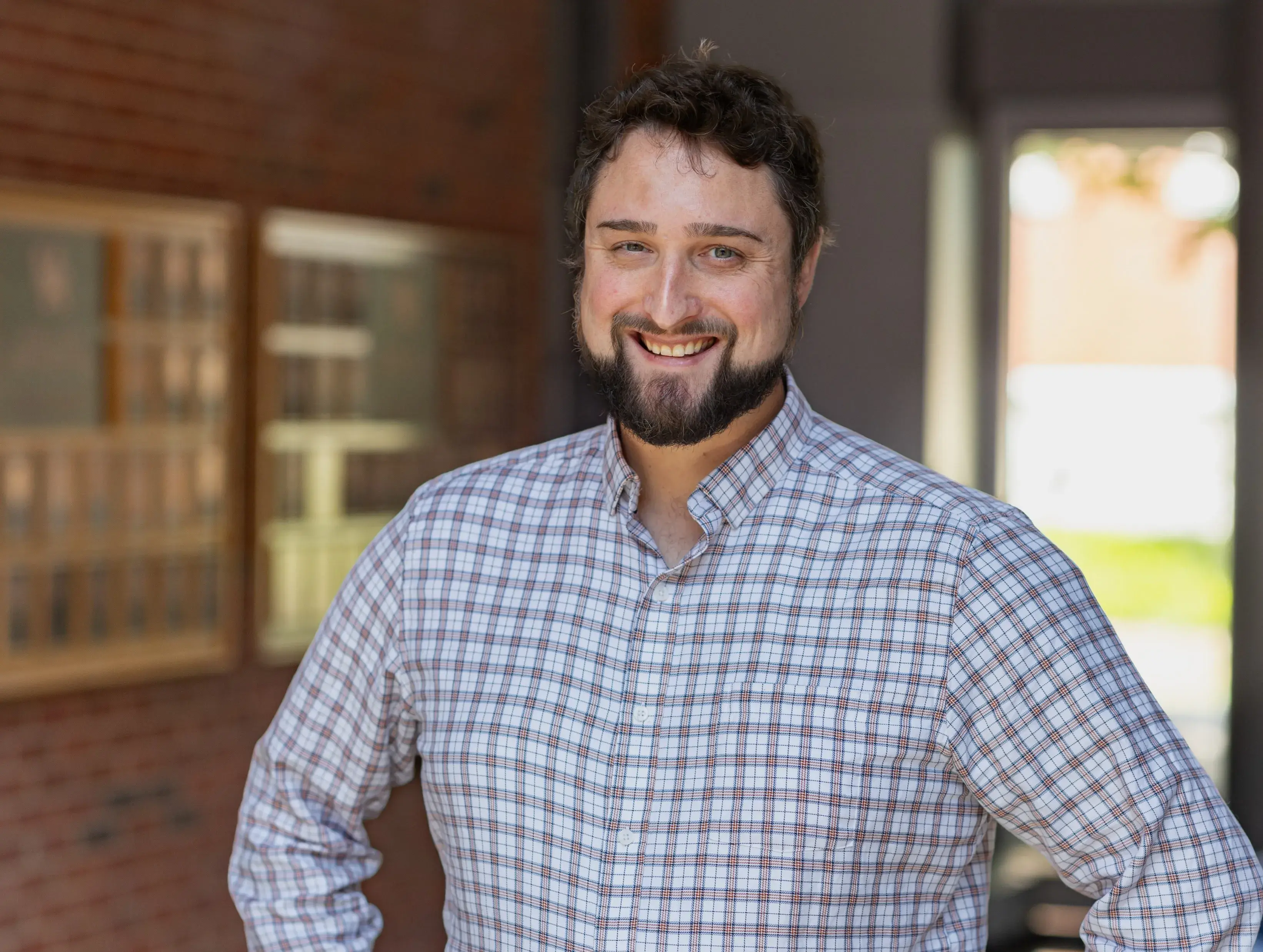
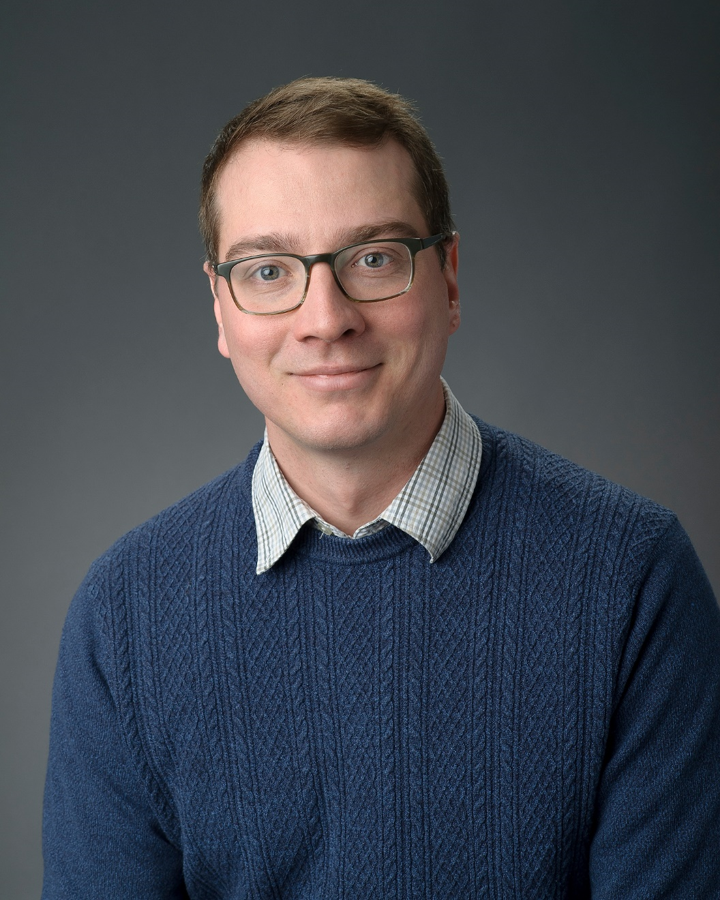
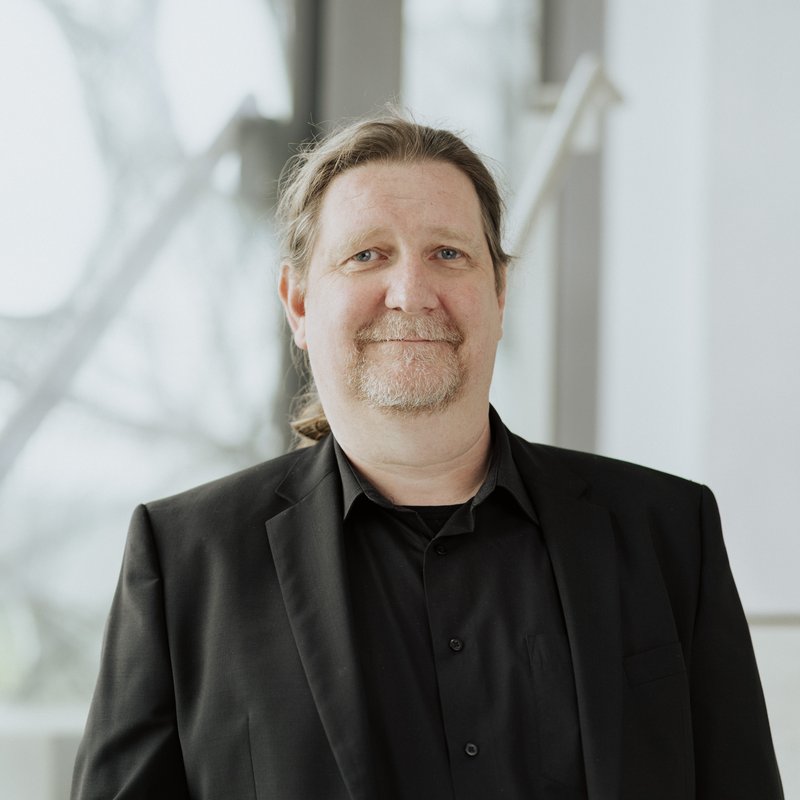
Helmut Eichlseder is a Professor at Graz University of Technology , directing the Institute of Thermodynamics and Sustainable Propulsion Systems . His research focuses on hydrogen combustion engines, fuel cell systems, and thermal management optimization. Key research areas include: Hydrogen engine emission aftertreatment NOx reduction strategies Thermal management co-simulation for BEVs and FCEVs Piston-bore interface optimization Efficiency enhancement in sustainable propulsion systems Recent publications highlight trends in hydrogen engine efficiency (50% BTE), catalyst deactivation mechanisms, and advanced cooling designs using water spray injection. His work addresses both automotive and non-road mobile machinery applications. He maintains a teaching authorization in internal combustion engines and operates from the institute's premises at Inffeldgasse 19/III, Graz. Contact: helmut.eichlseder@tugraz.at
Christine Lancelot is a Lecturer at Lille University , affiliated with the Unit of Catalysis and Solid State Chemistry (UCCS, UMR CNRS 8181) . She has been active since 1991, with a focus on heterogeneous catalysis for clean fuel production and advanced nanomaterials characterization. Research Interests: Her work centers on developing and characterizing innovative catalysts for hydrodesulfurization (HDS), oxidative desulfurization (ODS), and hydrotreating processes. Key areas include mesoporous aluminas and zeolites , Transmission Electron Microscopy (TEM, HRTEM, EELS) , and collaborations with institutions like CP2M (Marseille) and LPS (Orsay). Education & Teaching: She teaches Advanced Nanomaterials Characterization at the master's level and supervises practical work in General Chemistry and Spectroscopy . Recent Publications: Her 2020–2024 studies highlight advancements in gas-phase sulfidation , ultrasound-assisted ODS , and mixed MoWS2 phases for enhanced catalytic activity. These works appear in journals like Applied Catalysis B: Environmental and ACS Catalysis . Collaborations: Christine is a member of the LIA (Associate International Laboratory) on sustainable environmental catalysis and works with industrial partners on hydrotreating and fuel processing projects.
Michael Hovish is an Assistant Professor in Materials Engineering at the University of Kentucky's Stanley and Karen Pigman College of Engineering. His research focuses on nanomaterials, functional thin films, environmental barrier coatings, and metal hydrides. PhD in Materials Science & Engineering from Stanford University MS in Materials Science & Engineering from Stanford University BS in Nanoscale Science from SUNY Albany Dr. Hovish's work centers on plasma-assisted material synthesis and energy storage solutions. He has pioneered techniques for open-air fabrication of perovskite solar cells and barrier films for flexible electronics, while also exploring hydrogen storage mechanisms in palladium and resistive memory technologies in oxide materials. Research trends across his publications reveal expertise in atmospheric plasma deposition, perovskite crystallization kinetics, and nanomaterials engineering for photovoltaic and electronic applications. His work addresses critical challenges in material durability, energy efficiency, and scalable manufacturing processes.
Omar M. Yaghi is the James and Neeltje Tretter Chair Professor of Chemistry at the University of California, Berkeley. He is Founding Director of the Berkeley Global Science Institute and Co-Director of the Kavli Energy NanoSciences Institute, California Research Alliance by BASF, and Bakar Institute of Digital Materials for the Planet. His research pioneered Reticular Chemistry , enabling the design of ultra-porous materials like Metal-Organic Frameworks (MOFs), Covalent Organic Frameworks (COFs), and Zeolitic Imidazolate Frameworks (ZIFs). His work spans clean energy storage , water harvesting from desert air , carbon capture , and molecular weaving . Recent articles highlight AI-driven digital discovery cycles and polymer entanglement using COFs. He has received over 20 major awards, including the Wolf Prize in Chemistry and BBVA Foundation Frontiers of Knowledge Award . Key Research Programs : Reticular Chemistry, Water Harvesting, Carbon Dioxide Capture, Molecular Weaving, AI-Driven Materials Discovery Collaborations : BASF, Kavli ENSI, Bakar BIDMaP Students : Not explicitly listed, but his group trains students in reticular materials, catalysis, and biomedical applications. With over 300 publications and 250,000 citations, Yaghi’s work bridges fundamental chemistry and climate solutions . His lab’s supercapacitors and thermal batteries demonstrate practical applications of MOFs and COFs.
John Chew is a Professor at the University of Bath , serving as Deputy Dean of the Faculty of Engineering and Design . He leads research at the Water Innovation and Research Centre (WIRC) and the IAAPS , focusing on sustainable chemical engineering solutions. PhD in Chemical Engineering (University of Cambridge, 2005) His research spans five core areas: Air Purification : Developing novel adsorbent structures (hollow fibres, polymeric foams) to reduce pressure drop while capturing toxic species, integrating heat-absorbing phase change materials for fire scenarios. Sustainable Membranes : 3D-printed asymmetric membranes with anti-fouling properties, coupled with the Fluid Dynamic Gauging (FDG) technique for real-time fouling measurement. Water/Wastewater Treatment : Microbubble-based microplastic removal and membrane separation of nanoplastics, studying gas-liquid hydrodynamics and interfacial interactions. Hydrogen Storage : Computational analysis of cryogenic tank thermodynamics to address boil-off and thermal stratification challenges in aviation/automotive sectors. AI/ML Applications : Co-developing AI-guided catalyst discovery and physics-informed neural networks for industrial process modeling. Current projects include: GKN Prosperity Partnership (EPSRC, 2023-2028): Hydrogen storage solutions for aircraft. AI/ML Book (2023-present): Application in chemical engineering workflows. KTP with ioMosaic (2025-2028): Industry-academia knowledge transfer in sustainable systems.
Ryan Anderson is an Associate Professor in the Chemical & Biological Engineering Department at Montana State University's College of Engineering. His research focuses on heat transfer and fluid flow applications in clean energy systems. Dr. Anderson's educational background includes a Ph.D. in Chemical and Biological Engineering from the University of British Columbia (2012), a B.S. in Chemical Engineering and B.A. in History from Bucknell University (2007), and post-doctoral research at City College of New York. He also serves as an Affiliate Professor at the Norman B. Keevil Institute of Mining Engineering, University of British Columbia since 2020. His primary research interests span across several key areas of thermal engineering and energy systems: Heat transfer applications including coupled heat transfer/fluid flow in packed beds Supercritical and transcritical phenomena in energy systems Phase change materials for thermal energy storage Transcritical $$\text{CO}_2$$ ore processing for energy-efficient rock fracturing PEM fuel cell engineering with emphasis on water management Engineering education research to make engineering more effective and equitable Dr. Anderson leads the Heat Transfer Lab at Montana State University, which conducts experimental and numerical studies focusing on porous media such as packed beds used in Thermal Energy Storage. His research spans from microscale (pore scale analysis) to macroscale (lab scale analysis). His lab utilizes advanced techniques including magnetic resonance microscopy to non-invasively measure velocity and heat transfer behavior in packed beds. Among his notable research contributions are: Development of radial flow approaches for packed bed thermal energy storage Studies on transcritical $$\text{CO}_2$$ processing for rock fracturing in mining applications Visualization techniques for water management in PEM fuel cells using synchrotron x-ray radiography Analysis of heat transfer in supercritical and near-critical fluids in porous media Dr. Anderson has received significant research funding including NSF Award 1511045 and DOE Award DE-EE0009384 for his work on thermal energy storage and heat transfer systems. His research has strong industry connections, particularly with Rockburst Technologies for transcritical $$\text{CO}_2$$ ore processing. As an educator, Dr. Anderson teaches several core chemical engineering courses including: ECHM 307: Chem Engin Thermodynamics I ECHM 321: Chemical Engineering Fluid Mechanics ECHM 411 & 412: Senior Design I & II ECHM 443: Unit Operations Lab HONR 201: Texts and Critics ECHM 490: Undergraduate Research His engineering education research efforts focus on bringing societal topics into engineering classrooms, peer mentoring, and developing modular experiments for classroom use.
Dr. Yiji Lu is an Assistant Professor (UK Lecturer) of Energy Conversion & Storage Systems in the James Watt School of Engineering at the University of Glasgow. He focuses on technological development of Low-Carbon Technologies including Renewable and Clean Energy Conversion, Energy Storage, and Cleaner/Alternative Fuels to tackle Climate Change challenges. He is a researcher in the £20m EPSRC National Centre for Energy Systems Integration and a co-investigator of the CESI-funded Case Study on Integrated Zero-Carbon Hub. He leads the Royal Academy of Engineering Transforming Systems through Partnership Scheme to develop clean energy technologies for transport decarbonisation. Dr. Lu's research interests span Alternative Fuels, Energy Conversion, Energy Storage, Energy Systems, Hydrogen Economy, Renewable Energy, and Thermal Energy Engineering. His work focuses on practical applications of energy technologies with emphasis on system integration, efficiency improvements, and decarbonization of energy systems. He has particular expertise in heat pump systems, thermal energy storage, fuel cell integration, and alternative fuel technologies. His publication record shows a strong focus on practical energy system integration, with recent work emphasizing heat pump technology, thermal energy storage, and transport decarbonization. His research demonstrates a progression from fundamental thermal engineering principles to integrated system solutions addressing climate change challenges. The publications reveal a consistent focus on practical implementation of energy technologies across multiple domains including building energy systems, renewable integration, and transportation applications. Outstanding Research Award for PhD project Member of EPSRC Peer Review College Associate Editor at Energy Reports Editorial Member at Scientific Reports (Nature Research) Editorial Member at Thermal Science and Engineering Progress (Elsevier) Guest Editor for Special Issues on 'Energy Storage', 'Organic Rankine Cycle', 'Hydrogen Economy', 'Cleaner Fuels in Future Energy Systems', and 'Fuels of the Future' Dr. Lu supervises multiple PhD students working on energy conversion and storage technologies. He has secured research funding including a Joint PhD studentship Research Reinvigoration fund with Prof. Duncan Gregory from the School of Chemistry. His research has strong industry and policy relevance, particularly in the areas of transport decarbonization and integrated zero-carbon energy systems. He maintains active collaborations across multiple institutions and research centers. Dr. Lu is actively involved in the EPSRC National Centre for Energy Systems Integration and leads initiatives focused on developing clean energy technologies for transport decarbonisation through the Royal Academy of Engineering Transforming Systems through Partnership Scheme. His work bridges fundamental research with practical implementation of energy technologies in real-world applications.
Henk Jan Bergveld is a part-time Full Professor in Embedded Control in Energy Management at Eindhoven University of Technology (TU/e) and Technical Director at NXP Semiconductors' AMS IP department. He specializes in battery management systems for electric vehicles and power electronics design. Education: MSc (1994) and PhD (2001) in Electrical Engineering from University of Twente Research Interests: Focuses on battery management systems, DC/DC converters, and power electronics for automotive applications. His work integrates industry challenges with academic research to improve energy efficiency and battery performance. Publications: Recent work emphasizes advanced battery modeling, transient response optimization in converters, and sustainable energy storage solutions. Over 115 publications span journals like IEEE Transactions and patents in power electronics. Affiliations: Collaborates with NXP Semiconductors, VDL Cleantron, and industry partners on projects aligned with UN Sustainable Development Goals for clean energy.
Maria Fyta serves as a Professor of Biotechnology at RWTH Aachen University's Faculty of Biology, leading research in the Department of Biotechnology from her lab in the Biology Building (Worringerweg 3, Aachen). Her work bridges computational physics, nanotechnology, and molecular biology to develop next-generation biosensing platforms. Her research focuses on nanopore-based DNA/protein sequencing , utilizing 2D materials (graphene, MoS 2 , h-BN) and nanodiamond functionalization for single-molecule detection. Key projects include ionic liquid catalysis systems , computational alloy design , and molecular dynamics simulations of biomolecular translocation. Recent work emphasizes machine learning integration for signal analysis and materials discovery. Analysis of her 15 most recent publications reveals dominant trends in Nanopore engineering for biomolecular sensing Computational materials design of 2D systems and alloys Machine learning applications in nanofluidics While no specific scientific awards are documented in the provided materials, her extensive publication record demonstrates significant contributions to nanotechnology and biophysics. Professor Fyta's group develops advanced simulation frameworks for biomolecular translocation and collaborates on experimental validation of nanoscale devices. Current efforts focus on enhancing read-out capabilities in functionalized nanopores and designing bio-mimetic sequencing platforms.
Samira Siahrostami is an Adjunct Professor in the Department of Physics at Simon Fraser University (SFU), with an associated role in the Chemistry department. Her research focuses on computational catalysis, physical and theoretical chemistry, particularly in designing sustainable energy materials for electrochemical reactions. She leads a lab (www.siahrostamilab.com) exploring catalysts for CO2 reduction, hydrogen peroxide synthesis, and environmental remediation. Key contributions include machine learning-driven catalyst discovery and mechanistic studies of electrochemical reactions under varying conditions. Her work bridges computational modeling with experimental validation, emphasizing descriptors for reaction selectivity and stability. Recent studies highlight innovations in nanostructured materials for energy applications, such as gold-modified nanoporous silicon and iridium oxide sites on carbon nitride. Collaborative efforts with industry and academic partners aim to translate fundamental insights into scalable technologies for clean energy and waste-to-resource processes. Dr. Siahrostami's research portfolio includes over 50 peer-reviewed articles, with a focus on electrocatalysis for CO2 conversion, nitrate reduction, and hydrogen production. Her lab actively engages in interdisciplinary projects, combining materials informatics with advanced characterization techniques to optimize catalytic performance.
Sheida Faraji is an Assistant Professor at Istanbul Technical University , Faculty of Electrical and Electronics Engineering. Her research focuses on organic electronics, with an emphasis on organic field-effect transistors (OFETs), dielectric materials, and sensor technologies. She specializes in developing sustainable, low-voltage electronic systems using eco-friendly polymers and functional materials. Her work contributes to UN Sustainable Development Goals , particularly in advancing affordable and clean energy (SDG 7) and industry innovation (SDG 9). She has collaborated internationally, with notable contributions to hybrid organic/metal-oxide sensor systems and fluorescent ion sensors. Recent publications highlight advancements in nanocomposite dielectrics for OFETs, gas sensors operating at room temperature, and optoelectronic applications like artificial synapses. Her research bridges material science and electronics, addressing challenges in low-power devices and environmental monitoring.
Dr. Renjie Gu is a Research Fellow at the University of Western Australia (UWA), affiliated with the Microelectronic Research Group (MRG) in the School of Electrical, Electronic and Computer Engineering. He holds an ARC Super Science Fellowship and specializes in molecular beam epitaxy (MBE) growth of semiconductor materials for infrared detectors, lasers, and solar cells. His work contributes to UN Sustainable Development Goals related to affordable and clean energy. Education: PhD in Semiconductor Materials (Chinese Academy of Sciences, 2012). Research focuses on MBE epitaxial growth, thin film characterization, and applications in optoelectronic devices. His recent publications (2024) highlight advancements in HgCdTe film growth, terahertz spectroscopy for carrier mobility analysis, and infrared sensing technologies. Awards: ARC Super Science Fellow (Microelectronic Research Group) Collaborations: Active research networks in Australia and globally, focusing on infrared materials and sensor technologies. Labs/Teams: Core member of UWA's Microelectronic Research Group (MRG), leading MBE-based semiconductor research initiatives.
Andreas Baumgartner is a leading researcher in quantum electronics and nanoelectronics at the University of Basel. He currently serves as a Group Leader and Head of the SNI PhD School, with prior roles as Senior Scientist (since 2014) and Postdoctoral Fellow. His work focuses on quantum transport, superconductivity, spintronics, and topological materials, leveraging advanced nanofabrication and cryogenic techniques. Key projects include Cooper pair splitting, Majorana bound states, and quantum dot-based qubits. Education: PhD in Physics (ETH Zurich, 2005), Diploma in Interdisciplinary Science (ETH Zurich, 2000). Awards include EPSRC and Swiss National Science Foundation support. His lab develops ultra-clean carbon nanotube and semiconductor nanowire devices, with contributions to quantum computing hardware and graphene spintronics. Research emphasizes experimental probes of quantum phenomena: high-resolution electrical measurements, cryogenics down to 10 mK, and strain engineering. Recent advancements include long-distance qubit coupling, twisted trilayer graphene superlattices, and photon-mediated qubit interactions. Collaborative efforts with institutions like Kavli Institute and CERN highlight his interdisciplinary impact.
Prof. Dr. Torsten Textor is a Professor of Surface Modification & Finishing at Reutlingen University's TEXOVERSUM Faculty of Textiles. He serves as Vice Dean of Research and Head of the Teaching and Research Centre for Interactive Materials (IMAT). His research focuses on nanotechnology, functional coatings, and textile surface modifications. He holds a PhD in Chemistry from Duisburg-Essen University and has been recognized with the 1999 Clear&Clean Technology Award. Education: PhD in Chemistry (1997–2002) at the German Textile Research Centre under Prof. Eckhard Schollmeyer Diplom-Chemiker (1990–1997) from Gerhard-Mercator-Gesamthochschule, Duisburg Research Interests: Torsten Textor’s work centers on advancing textile functionality through nanomaterials, antimicrobial coatings, flame retardants, and self-healing materials. His projects address practical applications like protective clothing, energy storage textiles, and sustainable materials. He leads interdisciplinary initiatives such as InBiO (interactive, bio-based car interiors) and MoTraScha (adaptive seat covers for disabled individuals). Publications & Awards: Over 50 peer-reviewed articles in journals like Molecules , Cellulose , and Gels . Recipient of the 1999 Clear&Clean Technology Award for innovative textile finishing. Labs & Teams: He oversees the IMAT Centre, specializing in interactive materials, and collaborates with industry partners like the Deutsches Textilforschungszentrum Nord-West (DTNW) on projects like flame-retardant fabrics and supercapacitor textiles.
Magnus Hellström is a Professor at the Faculty of Science and Engineering, Åbo Akademi University, within the Department of Industrial Management. He leads the Laboratory of Industrial Management and is affiliated with the Sea Technologies for a Sustainable Future initiative. His research focuses on sustainable business models, circular economy strategies, and decarbonization in the maritime sector.hellström holds a PhD in Industrial Management from Åbo Akademi University (2006) and a docent title. Previously, he worked at Aalto University, Pöyry, and PBI Research Institute. Research Interests: Hellström’s work centers on adapting industries (e.g., maritime) to sustainability demands through circular economy principles and servitization. Key areas include business model shifts toward smart solutions, emission reduction in shipping, and innovation management. His research integrates disciplines like industrial marketing, technology management, and operations. Projects: He leads or co-leads projects such as L2C (circular management approaches), FOR-BLEND (carbon-neutral fuels), and SOS (Sustainable Ocean Science). These initiatives address decarbonization, clean propulsion, and sustainable ocean technologies. He also collaborates internationally, including at the University of Agder since 2017. Teaching: Offers courses like Advanced Project-based Management and Industrial Value Creation & Sustainability. His educational contributions emphasize experiential learning in maritime autonomous systems and project governance. Grants & Supervision: Supervised doctoral student Iisa Eikaas. His projects are funded by entities like Business Finland and the Åbo Akademi Foundation. Activities include organizing conferences (e.g., Green Maritime Corridors) and serving as an opponent in doctoral examinations. Labs/Teams: Active in the SOS Centre of Excellence, focusing on ocean sustainability. His work bridges academia and industry, addressing challenges in maritime decarbonization and smart port-city integration.