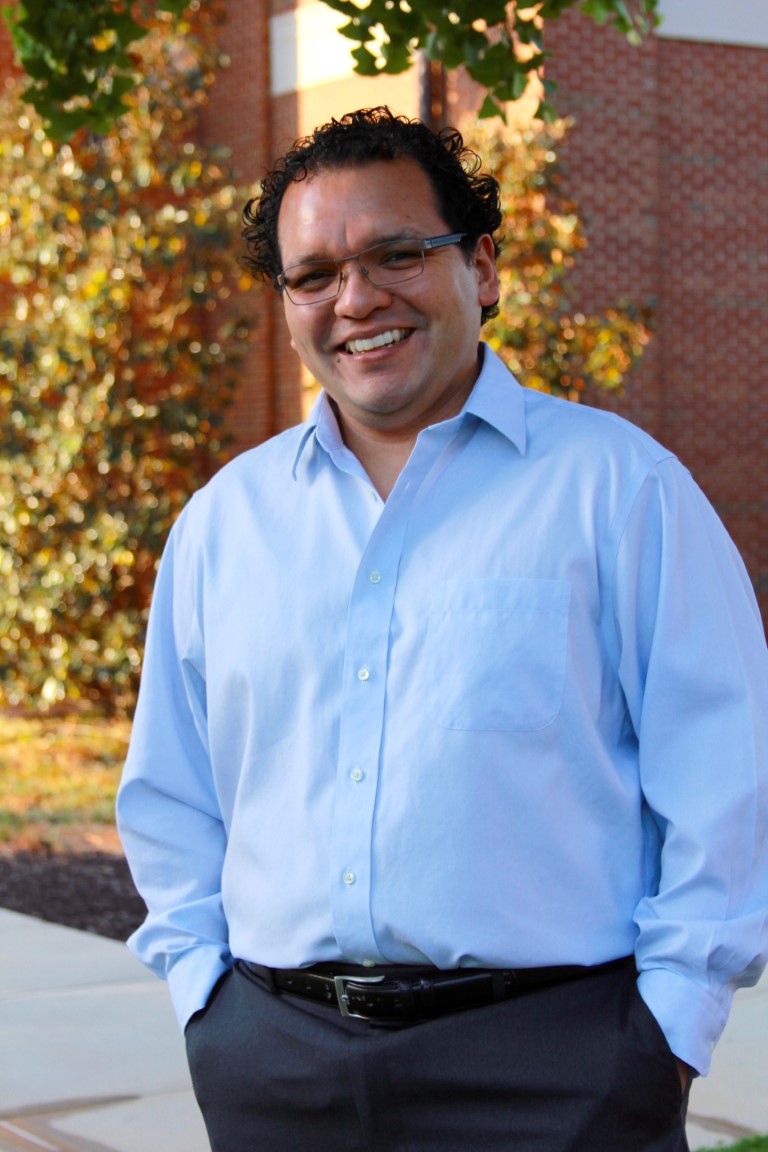
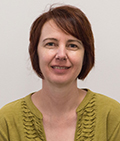
Dario Chavez is an Associate Professor in the Horticulture department at the University of Georgia's College of Agricultural and Environmental Sciences. His research focuses on peach and citrus breeding through the Institute of Plant Breeding, Genetics and Genomics (IPBGG) and Institute for Integrative Precision Agriculture. With 75% research, 20% extension, and 5% service appointments , Dr. Chavez develops cultivars with improved traits for Southeast US production. Education: Ph.D. in Horticulture (University of Florida, 2013) MS in Horticulture (University of Florida, 2008) BS in Agricultural Sciences (El Zamorano, 2005) Research interests span plant breeding, genetics, and climate adaptation in fruit crops. Recent publications demonstrate expertise in: 3D phenotyping of tree architecture Postharvest quality optimization Nanocellulose-based freeze protection Phenological modeling Rootstock performance evaluation His work addresses agricultural challenges through: Genetic improvement for cold hardiness Smart irrigation technologies Pest and disease resistance breeding Consumer-driven quality traits
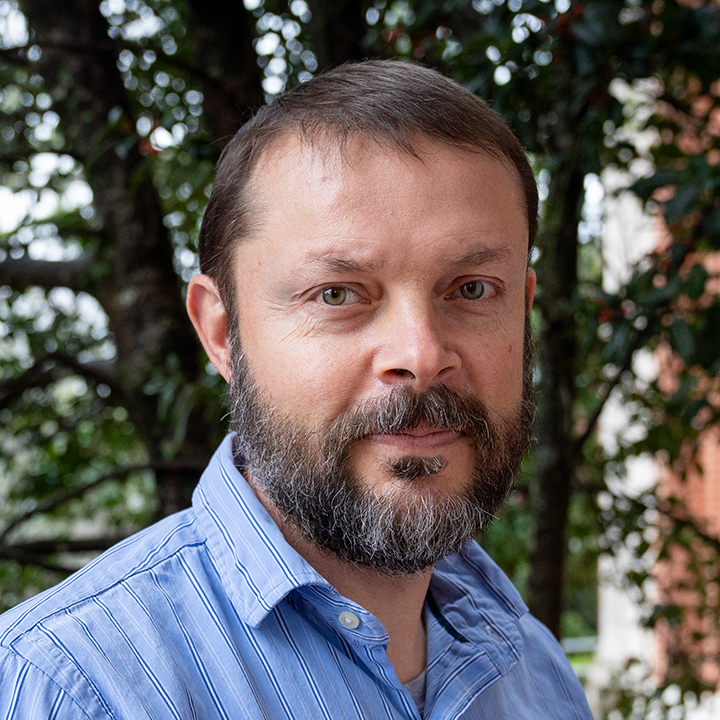
James D. Spiers is an Associate Professor in the Department of Horticulture at Auburn University, College of Agriculture. His research focuses on improving sustainability and efficiency of fruit production systems in Alabama and the southeastern U.S., with emphases on satsuma mandarin, kiwifruit, and blueberry. He teaches courses including HORT 2010, HORT 2020, HORT 5110/6110, and HORT 5120/6120. PhD: Horticultural Sciences, Texas A&M University (2007) MS: Horticulture, Mississippi State University (2002) BS: Horticulture, Mississippi State University (2000) Research interests include evaluating rootstock/scion selections for citrus cold tolerance, fertilizer effects on fruit yield, blueberry cultivar performance under high soil pH, and kiwifruit management practices. Recent work explores post-harvest and consumer acceptance of ‘AU Golden Sunshine’ and ‘AU Golden Dragon’ kiwifruit varieties. Publications highlight advances in kiwifruit pollination timing, disease-resistant grape varieties, and mulch effects on blueberry root systems. His work is published in journals like Journal of the American Pomological Society and Acta Horticulturae . Received the 2016 J. Creighton Miller, Jr. Distinguished Educator Award 2011 Auburn University College of Agriculture Dean’s Award for Grantsmanship His grant portfolio supports fruit crop research, including project leadership on citrus and kiwifruit systems. Collaborations involve Auburn’s Department of Horticulture and external institutions like the University of Florida. Current lab efforts focus on expanding Alabama’s fruit industry through small-acreage farming optimization and local market integration strategies.
William T. Crow is a Professor in the Department of Entomology and Nematology at the University of Florida. His work focuses on plant-parasitic nematodes, particularly their impact on turfgrasses, agricultural crops, and ornamental plants. He collaborates with the UF/IFAS Extension and the Florida Plant Diagnostic Network to advance nematode management strategies. Research Interests: Crow’s research spans nematode biology, host-parasite interactions, and sustainable management practices. Key areas include nematode diagnostics in sandy soils, species differentiation via DNA sequencing, and integrated pest control for grasses and woody plants. Publications: His peer-reviewed work addresses nematode species like Meloidogyne graminis (grass root-knot), Bursaphelenchus cocophilus (red ring), and Mesocriconema species (ring nematodes). He emphasizes practical management for golf courses, lawns, and agricultural systems. Labs & Teams: Crow leads the University of Florida Nematode Assay Lab, providing diagnostic services and advancing soil nematode detection methods. His team includes collaborators like A. S. Brammer and Hannah Talton.
Dr. Petros A. Roussos is an Associate Professor at the Arboriculture Laboratory within the Department of Plant Production at the Agricultural University of Athens. He specializes in in vitro propagation of fruit trees, stress physiology (drought, salinity, cold), and organic cultivation of fruit trees and strawberries. Research Interests : In vitro propagation, organogenesis, asexual propagation, stress physiology, fruit quality assessment, and intercropping techniques. Courses : Teaches Arboriculture, Specialized Arboriculture, and Propagation of Fruit Trees and Shrubs, including postgraduate lectures on plant propagation. His work emphasizes the impact of cultivation techniques on fruit quality and the use of biotechnology to enhance plant stress tolerance. Recent articles focus on salinity, drought, and agricultural practices affecting fruit composition. In 2022, Dr. Roussos was recognized as one of the Top Scientists at the Global Level . He supervises numerous MSc students, including Nikoleta-Kleio Denaxa and Theodoros Damvakaris, and collaborates on diverse projects from olive physiology to cherry rootstock propagation.
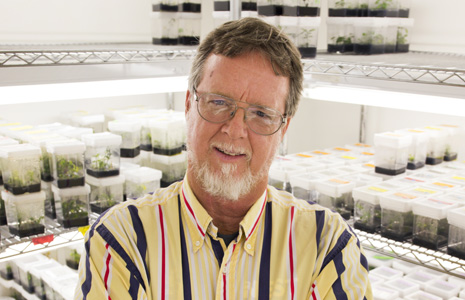
David R. Gang is a Professor in the Institute of Biological Chemistry at Washington State University (WSU), where he also serves as Director of WSU's Center for Cannabis Policy, Research and Outreach (CCPRO) and Director of the Tissue Imaging and Proteomics Laboratory (TIMPL). He previously served as Assistant Director of the CAHNRS Office of Research in the College of Agricultural, Human and Natural Resource Sciences. Dr. Gang has been affiliated with WSU since 2009, following his faculty position at the University of Arizona's Department of Plant Sciences and BIO5 Institute. Dr. Gang's primary research interests focus on plant specialized metabolism, with particular emphasis on medicinal plants, aromatic plants, and hemp/cannabis research. His laboratory employs a multidisciplinary approach combining chemistry, biochemistry, molecular biology, and omics technologies to elucidate biosynthetic pathways of specialized metabolites. His work spans seven major research areas: 1) medicinal compound production in plants, 2) metabolic regulation in plants, 3) invasive plant species biology, 4) plant disease control (particularly citrus greening), 5) drug target identification from natural sources, 6) ancient residue analysis in archeometry, and 7) hemp for economic development. His research often involves field collection of biological samples from diverse global locations including Hawaii, Puerto Rico, Mexico, Korea, and Thailand. Dr. Gang's recent publications demonstrate strong trends in cannabis/hemp research, ancient biomolecular analysis, plant-pathogen interactions, and specialized metabolite biosynthesis. His work increasingly focuses on the intersection of traditional plant knowledge with modern analytical techniques, particularly in the context of human health applications and agricultural sustainability. The research shows growing emphasis on translational applications of basic plant biochemistry findings to address contemporary challenges in agriculture, medicine, and environmental science. Benson Presidential Scholarship at BYU Loyal H. Davis Graduate Student Fellowship at WSU Sokol Post-Doctoral Fellowship in the Sciences from the Rackham Graduate School, UM Arthur Neish Young Investigator Award, PSNA Young Investigator Award in Plant Genome Research from the United States National Science Foundation President of the Phytochemical Society of North America Executive Board Member of the Groupe Polyphenols Dr. Gang has supervised 18 post-doctoral researchers, a dozen graduate students, and over two dozen undergraduate students in his laboratory. His research is supported by diverse funding sources including USDA NIFA SAS Grants for hemp research in the western US and tribal lands, a DOE RACIPAC project on biochar formulations in hemp-based crop rotation systems, and Washington State Department of Ecology funding for pesticide uptake studies in cannabis plants. His laboratory collaborates extensively with partners at Oregon State University, UC Davis, University of Nevada, Reno, and tribal communities. Dr. Gang leads the Laboratory for Cellular Metabolism and Engineering (LCME), which houses the Tissue Imaging and Proteomics Laboratory (TIMPL). His research group includes postdoctoral researchers, PhD students, and undergraduate interns working across multiple projects. The lab maintains specialized facilities for metabolomics, proteomics, and mass spectrometry imaging, supporting research on plant specialized metabolism, rhizome biology, and cannabis science. Current major initiatives include the Center for Cannabis Policy, Research and Outreach and the DOE-funded RACIPAC project investigating biochar applications in agricultural systems.
Dr. Jude Grosser is a Professor in Plant Cell Genetics at the University of Florida , based at the Citrus Research and Education Center (CREC) within the College of Agricultural and Life Sciences . His program emphasizes citrus variety improvement through somatic hybridization, cybridization, and transgenic approaches to address production challenges like disease resistance, soil adaptation, and seedlessness. Research Focus: Citrus biotechnology, somatic hybridization, triploid breeding, and genome editing for disease resistance. Collaborators: F. G. Gmitter, J. H. Graham, C. W. McCoy, W. S. Castle, and W. O. Dawson. Key Achievements: World’s most successful citrus somatic hybridization program, development of transgene-free canker-resistant citrus, and creation of superior tetraploid rootstocks ('Tetrazygs'). Scientific Contributions: The program has produced over 150 somatic hybrids, established the largest field study on somaclonal variation in woody fruit trees, and pioneered a GFP-based transformation system eliminating bacterial resistance genes. Recent work includes CRISPR-Cas12a editing for canker resistance and CMS gene transfer for seedless cultivars. Publications: 15 most recent articles highlight advancements in genome editing, rootstock development, and stress tolerance. Partnerships with teams in plant pathology and nutrient management drive practical applications for Florida’s citrus industry.
Dr. Amit Levy is an Associate Professor in Plant Pathology at the University of Florida's Citrus Research and Education Center. His research focuses on the molecular biology of pathogen-host interactions, particularly examining Citrus Tristeza Virus (CTV) and Candidatus Liberibacter asiaticus , the causative agent of Huanglongbing (citrus greening). Key areas of investigation include the systemic movement of phloem-restricted pathogens, insect vector transmission, and callose deposition as a defense mechanism. Research Themes: Pathogen-Host Interactions, Phloem-Limited Pathogens, Insect-Transmitted Diseases Techniques Used: Gene Editing, Transcriptomics, Immuno-Ultrastructural Localization Collaborations: Diann Achor (Lab Specialist), Ozgur Batuman (Plant Pathologist), Tripti Vashisth (Citrus Physiology) Students: Jorge Santiago Vazquez (Masters Student) Dr. Levy's recent publications highlight molecular mechanisms of CTV stem-pitting, Liberibacter immune evasion strategies, and canopy density as a predictor of citrus yield. His work explores novel disease control approaches through CRISPR-Cas9-mediated gene editing and transcriptomic profiling of infected tissues. Collaborative studies emphasize the interplay between phloem/xylem responses in HLB-tolerant cultivars and the role of synaptotagmin proteins in plant virus movement. Key trends in his research include: 2024: Development of multiplexed gene editing tools for citrus 2023: Transcriptomic analysis of defense trade-offs in HLB-affected trees 2022: Characterization of Liberibacter gut colonization and phloem occlusion 2021: Stress-inducible promoters for transgenic flowering
Dr. Fernando Alferez is an Associate Professor in the Department of Horticultural Sciences at the University of Florida's Southwest Florida Research and Education Center (SWFREC). His primary role is Citrus Horticulturist, focusing on citrus production, disease management, and sustainable agricultural practices. He earned his Ph.D. in Plant Biology from the University of Valencia, Spain, with graduate studies on fruit development and quality regulation. Research Interests: Alferez specializes in citrus horticulture, Huanglongbing (HLB) control, soil pH management, and the application of Individual Protective Covers (IPCs) to protect young trees from pests and diseases. His work integrates plant physiology, pest exclusion, and rootstock development to enhance citrus productivity and sustainability. Key Projects: Alferez leads studies on IPC efficacy in reducing HLB transmission, optimizing citrus rootstock-scion combinations, and improving fruit yield under HLB pressures. His research also explores brassinosteroids' role in disease resistance and growth promotion in citrus. Publications: Over 30 peer-reviewed articles, including seminal works on IPCs, CUPS (Citrus Under Protective Screens), and HLB management strategies. Awards: Recognized for contributions to citrus sustainability but no specific awards listed in texts. Grants: Active in securing funding for HLB research and agricultural innovation projects. Futuristic Work: Continuing development of IPC technologies, exploring hormonal treatments for HLB, and advancing citrus nursery practices. Collaborates with UF/IFAS Extension to disseminate practical solutions to growers.
Ioanna Chinou is a Professor of Pharmacognosy and Chemistry of Natural Products at the National and Kapodistrian University of Athens, where she serves as Head of the Lab of Pharmacognosy within the Faculty of Pharmacy. With over 280 publications and more than 70,000 reads on ResearchGate, she is a leading expert in natural product research with significant contributions to the understanding of Greek medicinal plants and their bioactive compounds. Professor Chinou's research focuses on the phytochemical analysis of Mediterranean plants, particularly those from the Boraginaceae family, with emphasis on bioactive compounds like naphthoquinones, phenolic derivatives, and essential oils. Her work spans natural product chemistry, pharmacognosy, and analytical techniques including UHPLC-ESI-Q-TOF-MS/MS, molecular networking, and qNMR spectroscopy. She has extensively studied Greek endemic species such as Alkanna, Cistus, and Heliotropium, examining their antioxidant, antimicrobial, and other biological activities. Analysis of Professor Chinou's recent publications reveals a strong emphasis on sustainable extraction methods, metabolomic profiling of medicinal plants, and the development of natural products for pharmaceutical and cosmeceutical applications. Her research often focuses on Greek endemic species and traditional medicinal plants, with particular attention to their chemical composition, bioactivity, and potential therapeutic applications. Current trends in her work include hydroponic cultivation of medicinal plants, analysis of traditional Greek beverages, and the investigation of propolis and other bee products. As Head of the Lab of Pharmacognosy, Professor Chinou leads a research team that investigates the chemical and biological properties of Mediterranean flora, with special focus on Greek endemic species. Her laboratory employs advanced analytical techniques to characterize plant metabolites and evaluate their potential applications in medicine, food science, and cosmetics.
Alberto Continella is an Associate Professor of General Arboriculture and Tree Crops (AGR/03) at the Department of Agriculture, Food and Environment (Di3A) of the University of Catania, Italy. His research and teaching focus on arboriculture and fruitculture, with special emphasis on citrus cultivation, rootstock evaluation, and fruit tree ecophysiology in Mediterranean environments. Education: 1998: Graduated in Agricultural Science at University of Catania with full marks and laude 1998-1999: Master of Science in Citriculture at Universidad Politecnica of Valencia 2002: PhD in "Productivity of cultivated plants" at University of Catania Dr. Continella's primary research interests include genetic improvement and rootstock evaluation in citrus crops, conservation and valorization of fruit germplasm (particularly for cherry, pear, apple, and olive), qualitative characterization of fruit products, post-harvest management, ecophysiology of fruit tree crops, and irrigation management in Mediterranean environments. His work addresses critical challenges in sustainable fruit production under climate change conditions, with a focus on water stress adaptation and quality optimization. His extensive publication record demonstrates a consistent focus on citrus physiology, rootstock-scion interactions, and sustainable management practices for Mediterranean fruit crops. The research shows a progression from fundamental physiological studies toward applied solutions for water conservation and quality enhancement in commercial fruit production, with recent emphasis on molecular mechanisms, metabolite analysis, and innovative agricultural technologies. Scientific Awards: FFABR - Financing Fund of basic research activities (2017) Dr. Continella has supervised multiple PhD students and served on the teaching board of the Doctorate in "Productivity of cultivated plants in Mediterranean environment" since 2009. He has been involved in numerous national and international research projects focused on fruit tree crops, supported by various Italian and foreign institutions. His expertise is recognized through his service as a referee for international scientific journals and for national research evaluation (VQR 2011-2014 and SIR 2014 calls). He has held significant administrative roles including membership in the Academic Senate of the University of Catania (2016-2020), Director of the Experimental Field Station of Catania University (2010-2013), and member of the Management Board (2013-2022). He serves as Academic Correspondent of Accademia dei Georgofili of Florence since 2013 and was Delegate for Sicily of the fruit section of the Italian Society of Horticulture (2014-2023).
Loredana Abbate is a Researcher at the National Research Council of Italy (CNR), specifically within the Institute of Biosciences and BioResources (IBBR-CNR), Division of Palermo. Her primary role involves plant biotechnology and genetic improvement, focusing on citrus, grapevine, and ornamental plants. She holds a PhD in Agricultural Science from the University of Palermo and has extensive experience in plant tissue culture, mutagenesis, and cytology. Her research interests include somatic hybridization, flow cytometry, and the application of biotechnological methods to enhance plant resistance to pathogens. She has led projects on genetic stability assessment, endophytic microbiota analysis, and volatile profile studies in citrus and other crops. Abbate has supervised initiatives in germplasm conservation, including Sicilian manna ash and rosemary collections. Over 200 published articles demonstrate her expertise in plant genetics, with recent work exploring omics approaches, biofertilizers, and polyploid plant morphology. Her contributions bridge fundamental research and applied agriculture, addressing challenges like disease resistance and climate resilience.
Ioannis E. Papadakis is an Associate Professor in the Laboratory of Pomology at the Agricultural University of Athens (AUA), within the Faculty of Crop Science. His research focuses on plant nutrition, abiotic stress tolerance, fruit tree propagation, and cultivar evaluation across various species including citrus, olive, avocado, and pomegranate. He actively contributes to sustainable agricultural practices through studies on organic vs. inorganic fertilization, rootstock selection, and stress mitigation strategies. His work spans over two decades with significant contributions to understanding mineral nutrient interactions, boron toxicity mechanisms, and drought/salinity tolerance in horticultural crops. Recent studies emphasize olive and avocado cultivation optimization under environmental constraints. Papadakis collaborates internationally and publishes in high-impact journals like Applied Sciences , Plant Physiology , and Agronomy . Research themes include: Mineral nutrition dynamics and fertilization strategies Abiotic stress physiology (drought, salinity, boron/manganese toxicity) Cultivar and rootstock performance evaluation Agroecological solutions using organic amendments and mycorrhizal symbiosis His lab investigates physiological responses at cellular, tissue, and whole-plant levels, integrating biochemical, morphological, and molecular approaches. Current projects address climate-smart agriculture challenges in Mediterranean and subtropical cropping systems.
Dr. Fred Gmitter is a Professor in the Department of Horticultural Sciences at the University of Florida's Institute of Food and Agricultural Sciences (IFAS), based at the Citrus Research and Education Center. He leads an active research program focused on citrus breeding and genetics for variety improvement. His research interests span citrus breeding and genetics for variety improvement, genomic research to develop efficient selection methods, seedless variety development through mutation breeding and tissue culture, citrus germplasm acquisition and characterization, and applied genetic transformation research. Dr. Gmitter's work has increasingly focused on developing Huanglongbing (HLB)-tolerant citrus varieties and rootstocks, addressing one of the most significant challenges facing the citrus industry. Analysis of his recent publications shows a strong emphasis on genomics, metabolomics, and molecular approaches to citrus improvement. His research spans fundamental genetic studies, practical breeding applications, and postharvest quality evaluation, with a clear focus on addressing HLB-related challenges in citrus production. Dr. Gmitter mentors graduate students and postdocs in citrus research, including Ph.D. student Yuanzhi "Zimmy" Wang and postdoc Ronald Tapia. His laboratory team includes researchers, technicians, and students working collaboratively on citrus improvement projects. His research group at the Citrus Research and Education Center maintains active breeding programs, germplasm collections, and molecular laboratories focused on advancing citrus genetics and breeding for industry needs.
Dr. Ahmad Omar is a Research Assistant Scientist at the Citrus Research and Education Center (CREC), University of Florida, specializing in horticultural sciences and plant biotechnology. His work focuses on advancing citrus disease resistance and stress tolerance through cutting-edge genetic engineering techniques. Current Affiliation: Citrus Research and Education Center, University of Florida Research Focus: Citrus canker and HLB resistance, CRISPR/Cas9 genome editing, somatic hybridization, and nanomaterial applications in agriculture. Dr. Omar's research integrates molecular biology, biotechnology, and field evaluations to develop non-transgenic disease-resistant citrus cultivars. His recent publications highlight innovations in Cas12a/CBE co-editing, somatic hybridization, and stress tolerance mechanisms using nanomaterials and phytohormones. His work has been cited in numerous peer-reviewed journals and book chapters, emphasizing applications of nanotechnology in plant stress management and bioremediation. Dr. Omar also contributes to edited volumes on climate-resilient agriculture and sustainable practices.
Dr. Nian Wang is the Mr. and Mrs. J. R. (Rip) Graves Eminent Scholar Endowed Chair in the Microbiology & Cell Science Department at the University of Florida's Citrus Research and Education Center (CREC). His research focuses on understanding and mitigating citrus diseases such as Huanglongbing (HLB) and citrus canker through molecular, genetic, and microbiological approaches. Key areas include CRISPR/Cas9 genome editing for disease resistance, bacterial effector protein analysis, and microbial community dynamics in citrus crops. His work emphasizes translational solutions, including non-transgenic disease-resistant citrus varieties and innovative genetic transformation systems like high-pressure propagation breeding (HPPB). Dr. Wang collaborates extensively with industry and academic partners to address global citrus disease challenges, particularly in the Mediterranean region. His lab employs cutting-edge techniques such as transcriptomics, metabolomics, and proteomics to uncover disease mechanisms and develop sustainable management strategies. Dr. Wang supervises a team of PhD and Master’s students, postdoctoral researchers, and technicians, fostering interdisciplinary research in plant pathology, microbiology, and agricultural biotechnology. His contributions span from fundamental pathogen-host interaction studies to applied technologies for citrus disease control.