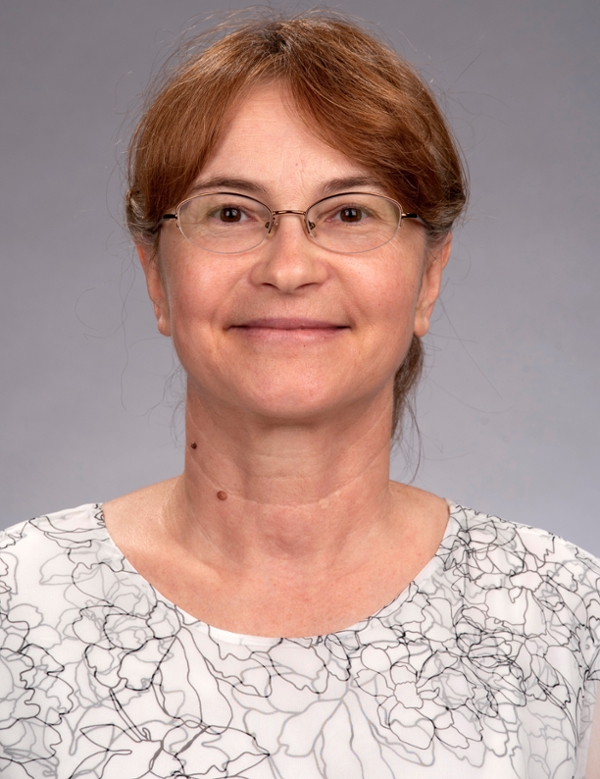
Steven Erik Jacobsen is a Professor in the Molecular, Cell and Developmental Biology and Biological Chemistry departments at the University of California Los Angeles (UCLA) . His research focuses on epigenetics , particularly DNA methylation , gene regulation , and chromatin dynamics in Arabidopsis thaliana and other plant systems. Dr. Jacobsen's lab investigates how RNA-mediated pathways establish and maintain epigenetic marks, with applications in plant genomics , CRISPR-based editing , and transposable element silencing . His work spans molecular mechanisms, structural biology, and translational efforts in agricultural biotechnology. Recent publications highlight innovations in transgene-free genome editing , epigenetic disease resistance , and small RNA pathways in plants. His lab employs next-generation sequencing , biochemical assays , and structural modeling to dissect epigenetic regulation. Funded by the W. M. Keck Foundation , Jacobsen's team includes graduate students and postdoctoral researchers working on projects related to chromatin structure , RNA polymerases , and epigenetic inheritance . The lab actively recruits motivated researchers through UCLA's MBIDP , BioSciences , and Bioinformatics programs.
Dr. Aakash Basu is an Assistant Professor of Biochemistry and Royal Society University Research Fellow at Durham University's Department of Biosciences. He holds a PhD in Applied Physics from Stanford University (2013) and has conducted postdoctoral research at The Rockefeller University, Johns Hopkins University School of Medicine, and the University of Illinois. His research focuses on genomic methods development, DNA structure/mechanics, and protein-DNA interactions using high-throughput assays and single-molecule biophysics. Key research interests include understanding the 'mechanical code' of DNA, how sequence-dependent properties regulate biological processes, and the role of mechanical forces in genome evolution. His lab develops novel sequencing-based methods and employs machine learning for predictive modeling of DNA mechanics. Recent work explores epigenetic modifications and their impact on DNA mechanics. Awards: Royal Society University Research Fellowship Lab Focus: Integration of computational, biochemical, and biophysical approaches to study DNA mechanics Current Projects: High-throughput analysis of DNA flexibility, nucleosome stability, and mechanotransduction in biological systems Publications span topics from bacteriophage applications in agriculture to nucleosome dynamics, demonstrating interdisciplinary research bridging physics and molecular biology.
Professor Martin Goldberg holds the position of Professor and Head of Electron Microscopy in the Department of Biosciences at Durham University, within the School of Biological and Biomedical Sciences. His career spans academic roles including Lecturer (2002-2010), Senior Lecturer/Associate Professor (2010-2022), and current Professor (2022-present). He has held positions at the Paterson Institute for Cancer Research in Manchester from 1988 to 2002. Education: BSc in Genetics from Leeds University (1985), PhD in Biophysics from Liverpool Polytechnic and UC Davis (1989). Research focuses on nuclear envelope structure, microscopy techniques (electron and scanning), and cellular processes like nuclear pore complex dynamics, cytoskeletal interactions, and cancer cell biology. His work bridges structural biology and functional mechanisms, employing advanced imaging methods. Recent studies address LINC complex proteins in breast cancer invasiveness, tardigrade heat shock proteins, and keratinocyte culture models. Esteem indicators include organizing sessions at the SEB Annual Meeting (2011), invitations as an invited speaker at multiple conferences, and contributions to book chapters. He advises three PhD/MSc students and has contributed to over 150 publications since 1985. His lab specializes in ultra-high-resolution microscopy and nuclear envelope research.
Douglas Lyne Black is a Professor in the Department of Molecular, Cell and Developmental Biology (MIMG) at the University of California, Los Angeles (UCLA), affiliated with the School of Medicine. He holds a BA in Chemistry from the University of California, Santa Cruz (1982) and a PhD in Molecular Biophysics and Biochemistry from Yale University (1987). His research focuses on RNA splicing regulation and its role in cellular differentiation, disease, and gene expression. Dr. Black's work explores how alternative splicing contributes to neuronal diversity and dysfunction in cancer, neurodegeneration, and inherited disorders. His research is supported by multiple NIH grants, including principal investigator roles on projects studying PTB and Rbfox proteins' roles in gene regulation (R35GM136426), Myc-driven splicing in prostate cancer (R01CA220238), and sexually dimorphic splicing in the brain (R01MH109166). Collaborative work includes ribonomic studies of innate immune responses (U01HG007912) and genomic splicing measurements (R24GM070857). Key research interests include RNA metabolism, RNA-binding protein structures, and posttranscriptional regulation in neurons. His lab investigates how splicing regulators like PTB, Rbfox, and XIST influence gene expression programs, with applications to human health. Notable contributions include discoveries on splicing mechanisms in cancer, neurobiology, and stem cell differentiation.
Stephen T. Smale is a Distinguished Professor at UCLA, holding dual appointments in the Department of Microbiology, Immunology, and Molecular Genetics (MIMG) and the David Geffen School of Medicine. He joined UCLA in 1990 as an Assistant Professor, became a full Professor in 1999, and was named Distinguished Professor in 2014. His research focuses on molecular mechanisms of pro-inflammatory gene regulation, chromatin structure, and innate immunity. Smale has held leadership roles, including Vice Dean for Research in the David Geffen School of Medicine (2015–2021) and Senior Director-Scientific Officer at the Howard Hughes Medical Institute (2021–2025). Education: Ph.D. in Biochemistry, University of California, Berkeley (1986) A.B. in Chemistry, Cornell University (1981) Research Interests: Smale’s lab explores gene regulation in inflammation, molecular immunology, stem cell biology, and leukemogenesis. Key areas include transcription factor networks (e.g., NF-κB), chromatin dynamics, and signaling pathways that govern immune responses to pathogens. His work bridges basic science and translational research, including roles in cancer and stem cell biology. Awards: AAAS Fellow (2020) Howard Hughes Medical Institute Investigator (1990–2007) Helen Hay Whitney Postdoctoral Fellowship (1986–1989) Sherie L. and Donald G. Morrison Chair in Molecular Immunology (2014) Grants & Leadership: Smale directed initiatives such as the UCLA Jonsson Comprehensive Cancer Center’s Basic and Translational Research program and the UCLA-Caltech Medical Scientist Training Program. He currently serves on editorial boards for Immunity , Genes & Development , and Trends in Immunology .
JJ Miranda is an Associate Professor of Biological Sciences at Barnard College, where he leads the Miranda Lab. His research focuses on virology, cancer biology, and infectious disease surveillance, particularly the role of viral infections in oncogenesis and environmental virus monitoring. He is affiliated with the New York Genome Center and serves as Senior Editor of the journal Microbiology Spectrum. BA in Biochemistry and Molecular Biology from Reed College PhD in Biochemistry from Harvard University His lab investigates how viruses like Epstein-Barr virus (EBV) and Kaposi sarcoma-associated herpesvirus (KSHV) contribute to cancer development, supported by grants from the National Science Foundation and Leukemia & Lymphoma Society. Additionally, his team pioneers wastewater surveillance techniques for respiratory viruses such as SARS-CoV-2 and influenza, collaborating with experts in virology, environmental science, and public health. Recent publications highlight advancements in single-cell transcriptomics, viral reactivation mechanisms, and practical applications of wastewater analysis. The lab also explores thermal stress effects on honey bee digestion and molecular structures related to viral gene regulation. These studies span molecular genetics, environmental monitoring, and translational medicine, aiming to define new paradigms for perturbing viral infections and cancer progression. Advisees and team members include undergraduate researchers Abigail Schreier, Nicole Rondeau, and Lina Ariyan, who have contributed to wastewater surveillance projects and cancer virology research. The lab emphasizes undergraduate education through novel discovery in a supportive environment, with active involvement in campus health initiatives during the pandemic. Labs and teams : The Miranda Lab is based in Milbank Hall at Barnard College, with lab spaces in rooms 416E, 416F, 416M, and 418E. The lab collaborates closely with the Mailloux Lab, Barnard’s Environmental Science Department, and Columbia University’s Morningside campus.
Dr. Andrew Lewis is a Senior Lecturer in Chemical Biology at Manchester Metropolitan University (MMU), where he leads research into molecular tools for addressing fundamental biological questions. His work focuses on chemical biology approaches to study protein-protein interactions, epigenetic signaling, and drug target identification for diseases like cancer. Lewis holds a PhD from the University of Cambridge (2013) under Prof. Sir Shankar Balasubramanian, followed by postdoctoral research at the University of Toronto and the University of Oxford’s Target Discovery Institute. Education: PhD in Medicinal Chemistry, University of Cambridge (2008-2012) MSci Chemistry, University of Cambridge (2007-2008) Research Interests: Lewis designs small molecules and chemical probes to study biological systems, with a focus on epigenetic regulators (e.g., protein methyltransferases), cancer drug targets (e.g., STAT5, UBA5), and protein-protein interactions. His lab develops tools to elucidate mechanisms underlying cellular processes and identify novel therapeutic avenues. Professional Roles: Elected Member of EPSRC Peer Review College (2024–present) External Examiner for MRes Biomedical Research at the University of Brighton (2024–present) Chair of the Royal Society of Chemistry (RSC) Local Section Network for Greater Manchester (2021–present) Teaching & Supervision: Lewis directs MMU’s MChem program and teaches organic chemistry/chemical biology. His lab currently supervises PhD students Anam Khan and Charlotte Pearson, alongside MChem students Isabel Clegg and Marti Hall. Past trainees include Keziah Cobain, Oliver Harrison, and others. Labs & Collaborations: The Lewis Lab collaborates on chemoproteomics and drug discovery, leveraging interdisciplinary approaches to advance chemical biology methodologies and their biomedical applications.
Srinivas Somarowthu is an Associate Professor in the Department of Biochemistry & Molecular Biology at Drexel University College of Medicine. He serves as Director of the Biochemistry of Health and Disease graduate program, leading interdisciplinary research that combines biochemistry , molecular biology , and computational biology to study RNA mechanisms in cellular pathways. Postdoctoral Fellowship – Yale University (2016) PhD – Northeastern University (2011) MS – Indian Institute of Technology Delhi (2007) BS – Andhra Loyola College (2005) His research focuses on long non-coding RNAs (lncRNAs) and viral non-coding RNAs , particularly their roles in gene regulation, disease mechanisms, and RNA-protein interactions. His lab develops computational tools for modeling large RNA (>200 nts) structures, addressing limitations in experimental RNA structure determination. Recent publications highlight his group's work on structural characterization of lncRNAs like HOTAIR and lncTCF7 , RNA modeling pipelines, and viral RNA-host protein interactions. Notably, his lab received a 2023 CURE Program grant from the Commonwealth of Pennsylvania for hepatitis B virus research. Scientific Awards Commonwealth Universal Research Enhancement (CURE) Program Grant Recipient (2023) His laboratory provides critical resources for RNA structural analysis through webservers and plugins, while collaborating with investigators like Michael J. Bouchard and Joris Beld on liver cancer studies involving Fam99 gene family regulation.
Elena Harris is an Associate Professor in the Computer Science Department at California State University, Chico. Her research focuses on bioinformatics, data mining, and algorithms, with specializations in malaria parasite genomics, DNA methylation analysis, and computational tools for genomic data. She holds a Ph.D. in Computer Science from the University of California, Riverside, and completed postdoctoral work at the University of Southern California studying gene expression and methylation in mammalian cells. Education: Ph.D. in Computer Science, University of California, Riverside Research Interests: Dr. Harris develops bioinformatics tools like BRAT and BRAT-BW for analyzing bisulfite-treated sequencing data. Her projects include nucleosome positioning studies, transcription factor binding site prediction, and genome-wide methylation mapping. She has contributed to malaria parasite research, revealing epigenetic mechanisms in Plasmodium falciparum. Recent work explores computational efficiency in large-scale genome analysis via FM-index construction. Grants & Advising: Collaborates on interdisciplinary bioinformatics education frameworks and teaches CSCI 581 (Artificial Intelligence) and CSCI 582 (Bioinformatics). Active in mentoring students through projects involving next-generation sequencing technologies. Labs & Teams: Former lab collaborations include Dr. Stefano Lonardi (UCR) for malaria genomics and Dr. Andrew Smith (USC) for mammalian epigenetics. Engaged in hardware acceleration research for genomic data processing.
Dr. Mathew J. Thayer is a Professor in the Department of Biochemistry and Molecular Biology at the University of Southern California, specializing in chromosome dynamics and epigenetic regulation. His research focuses on replication timing control, non-coding RNA interactions, and genomic stability mechanisms. California State University, Chico (BA: Microbiology & Chemistry, 1982) University of Southern California (PhD: Microbiology, 1988; Advisor: Dr. R.E.K. Fournier) Dr. Thayer's work has pioneered understanding of cis-acting elements that regulate DNA replication timing and chromosomal stability. He discovered ASAR lncRNA genes controlling replication patterns and identified chromosome-wide instability mechanisms linked to cancer. His recent publications demonstrate how heterogeneous nuclear ribonucleoproteins interact with ASAR RNAs to orchestrate replication timing, with implications for epigenetic inheritance and cancer genome evolution . Collaborations span cancer biology, developmental genetics, and chromatin research fields. Scientific recognition includes: John A. Resko Faculty Research Achievement and Mentoring Award (2017) Dr. Thayer has contributed to training students through publications and collaborative research, with ongoing work exploring RNA-based chromatin regulation and its role in disease states.
Montserrat Corominas Guiu is a Full Professor at the University of Barcelona , affiliated with the Department of Genetics, Microbiology and Statistics within the Faculty of Biology . Her research focuses on genetics , particularly regeneration , epigenetics , and developmental biology . She leads the REGnetREG research group , exploring molecular mechanisms in tissue repair and stress responses in Drosophila . Education : PhD in Biology (1986), University of Barcelona Licenciatura in Biology (1982), University of Barcelona Research Interests : Dr. Corominas studies chromatin dynamics , stress signaling pathways , and regenerative processes , with a focus on transcriptional regulation and epigenetic control. Her work integrates functional genomics and comparative genomics to understand regeneration in model organisms like Drosophila . Grants & Leadership : Principal Investigator (PI) of multiple grants, including REGnetREG (2018–2020), funded by AGAUR. ICREA Acadèmia 2015 award recipient. President of the Societat Catalana de Biologia . Labs/Teams : Head of the REGnetREG Group , focusing on regenerative biology and systems biology approaches to regeneration.
Mingyi Chen is a Professor in the Department of Pathology at the University of Texas Southwestern Medical Center. His academic background includes a Medical Degree from Peking University Health Science Center (1992), postgraduate training in Pharmacology at Kyoto University (2001), and a postdoctoral fellowship at UCLA/Howard Hughes Medical Institute (2005). He has expertise in Hematopathology, with a focus on tumor suppression mechanisms, molecular oncology, and the integration of artificial intelligence in diagnostic pathology. His research explores the bone marrow microenvironment's role in multiple myeloma drug resistance, TP73 isoform functions in tumor suppression, and ferredoxin-driven lipid metabolism pathways. Notable contributions include advancements in AI-driven flow cytometry and digital pathology for hematologic malignancy diagnosis. Publications emphasize AI applications in diagnostics, molecular evaluation of myeloproliferative disorders, and therapeutic resistance mechanisms. He has authored over 111 papers, with recent work on Ferredoxin proteins' roles in tumor suppression and CAR-T therapy-associated hepatic lymphoma. His work bridges basic science and clinical translation, addressing challenges in hematologic malignancies and therapeutic innovation.
Dr. Jocelyne Vreede is a Researcher at the Van 't Hoff Institute for Molecular Sciences within the Faculty of Science at the University of Amsterdam. Her work focuses on molecular simulations and structural studies of biological systems, particularly exploring protein-DNA interactions, molecular dynamics, and computational biophysics. She is affiliated with the University’s advanced research facilities and contributes to interdisciplinary projects in biophysics and structural biology. Her research interests include the development of enhanced sampling techniques for molecular simulations, the structural basis of DNA compaction by histone-like proteins, and the mechanistic understanding of protein conformational changes in disease contexts such as oncogenic mutations in KRas. She has also contributed to educational studies on academic career development in STEM fields. Dr. Vreede’s publications reflect a strong emphasis on computational approaches applied to biological problems, with recent work exploring novel algorithms for protein-DNA architecture design and the dynamics of transient DNA base pairing states. While no formal awards are listed, her extensive publication record underscores her active role in advancing computational and experimental biophysical research. Her advising activities are not detailed in the provided information, and no ancillary professional roles are explicitly mentioned beyond her primary academic affiliation.
Prof. Maria-Elena Torres-Padilla is a prominent academic leading research in epigenetics and stem cell biology. She holds the position of Professor for Stem Cell Biology at Ludwig-Maximilians-University Munich (LMU) and is Director of multiple institutes, including the Institute for Epigenetics and Stem Cells and the Stem Cell Center at Helmholtz Munich. Her work focuses on understanding the epigenetic mechanisms underlying cellular reprogramming, totipotency, and early embryonic development. Education: Maria-Elena earned her undergraduate degree in Biology from the National University of Mexico (UNAM), followed by a PhD in Molecular Biology at the Institut Pasteur in Paris. She completed her postdoctoral training at the Gurdon Institute, University of Cambridge, before establishing her independent research group in 2008. Research Interests: Her lab investigates how chromatin dynamics and epigenetic regulation shape cell fate decisions in early embryos. Key areas include the role of histone modifications, nuclear organization, and transposable elements in maintaining totipotency and driving cellular plasticity. Her work aims to engineer cells for regenerative therapies targeting neurodegenerative diseases and brain injuries. Publications: Recent work highlights discoveries in nuclear architecture, epigenetic pathways, and transposable element regulation during embryogenesis. These studies underscore the importance of chromatin dynamics in developmental processes and therapeutic applications. Awards: She has received prestigious accolades, including the 2025 Leibniz Prize (Germany’s highest scientific honor), membership in the German Academy of Sciences Leopoldina, and recognition by the World Economic Forum as a Young Scientist. Advising & Grants: She mentors a multidisciplinary team of postdocs and doctoral researchers, fostering a diverse and collaborative environment. Her lab’s funding includes ERC grants and initiatives like the LifeTime European Initiative, supporting her vision to bridge basic and translational research. Labs & Teams: The Torres-Padilla Lab at Helmholtz Munich integrates microscopy, genomics, and computational biology to study epigenetic principles in development. Collaborations span disciplines, including the Epigenetics@HelmholtzMunich network, to advance cell-based therapies. Her future work aims to leverage epigenetic insights to create ‘cells à la carte’ for regenerative medicine, emphasizing ethical and societal impacts of scientific innovation.
Archa Fox is a Professor in the School of Human Sciences and the School of Molecular Sciences at the University of Western Australia, and an Honorary Research Fellow at the UWA Medical School and UWA Centre for Medical Research (affiliated with the Harry Perkins Institute of Medical Research). She is also part of the Australian Centre for RNA Therapeutics in Cancer and serves as Chair of the RNA Network of Australia since 2015. Her research has significantly advanced the understanding of nuclear architecture and RNA biology. Professor Fox earned her Bachelor of Science at the University of New South Wales, majoring in molecular genetics, followed by her PhD at the University of Sydney (awarded in 2000). She completed postdoctoral research in Dundee, Scotland, where she integrated cell biology, microscopy, and molecular biology techniques. In 2006, she established her research group at the Western Australian Institute for Medical Research (now the Harry Perkins Institute), and in 2015, she transitioned to an academic position at the University of Western Australia. Her research centers on paraspeckles, nuclear bodies she discovered in 2002 that play crucial roles in gene expression regulation. Her work has revealed how paraspeckles malfunction in diseases like cancer. In 2009, she identified NEAT1 as the first long noncoding RNA that scaffolds a nuclear body, and in 2015, she demonstrated how intrinsically disordered protein regions contribute to paraspeckle formation. Her current research investigates paraspeckles as a model for understanding gene regulation through long noncoding RNAs and protein aggregation, with collaborations across multiple scientific disciplines. Analysis of Professor Fox's recent publications (2022-2025) reveals a strong focus on nuclear architecture, RNA-binding proteins, and the molecular mechanisms of paraspeckle formation and function. Her work spans structural biology, cancer research, and the emerging field of biomolecular condensates, with particular emphasis on DBHS family proteins (SFPQ, NONO, PSPC1) and their roles in phase separation and nuclear organization. Scientific Awards: Marshall Medal of the Harry Perkins Institute (2012) Emerging Leader Award of the Australian/NZ Society for Cell and Developmental Biology (2017) School of Human Sciences Senior Research Award (2023) Vice Chancellor's Senior Research Award (2023) UWA Student Guild's Students' Choice Awards (2018) Professor Fox has been actively involved in mentoring and research leadership, with 8 supervised works documented. She has secured significant research funding, including 48 grants such as the 'STUNNER for RNA encapsulation quality and deliver' project funded by The Ian Potter Foundation (2024-2025) and the 'WA RNA Salon' project funded by The RNA Society (2024-2025). Her collaborative approach is evident in multi-investigator projects like the 'Broadening assay capabilities with CLARIOstar Plus multimode platereader' (2025-2035). Her laboratory forms part of the Australian Centre for RNA Therapeutics in Cancer and maintains strong affiliations with the Harry Perkins Institute of Medical Research. Professor Fox has also been instrumental in community engagement, participating in the Wembley Primary School Community STEAM program and Pint of Science presentations, demonstrating her commitment to science communication and public outreach.