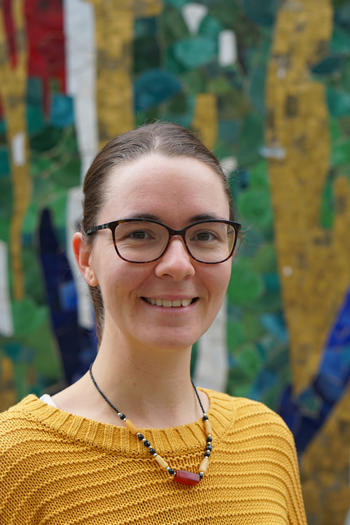
Jürg Müllerمشاهده پروفایل
پژوهشگر
- Chromatin Biology
- Epigenetics
- Drosophila Genetics
- +۲ مورد دیگر
Jürg Müller is a Group Leader at the Max Planck Institute of Biochemistry in Martinsried, Germany, leading the Chromatin Biology research group. He also serves as Project Leader for A15 in the Collaborative Research Center (CRC) 1064 hosted by LMU Munich, investigating histone H2A modifications in Drosophila. With over 25 years of independent research leadership, Müller has established himself as a prominent figure in epigenetics using Drosophila models to dissect chromatin regulation mechanisms. Academic background: 1983–1988: Diploma in Zoology and Molecular Biology, University of Zürich 1991: PhD in Zoology, University of Zürich (Supervisor: Prof. Mariann Bienz) Müller's research centers on epigenetic regulation through histone modifications. His lab investigates how monoubiquitylation, methylation, and acetylation control chromatin states during development, with emphasis on Polycomb/Trithorax group proteins, dosage compensation, and quantitative aspects of chromatin assembly. The group employs Drosophila genetics combined with biochemical, proteomic, and genomic approaches to uncover fundamental principles of epigenetic inheritance. Analysis of recent publications (2017-2019) reveals a strong focus on mechanistic dissection of specific histone modifications. Key trends include quantitative measurements of chromatin components in embryos, propagation mechanisms of repressive chromatin domains, and the critical role of specific lysine modifications (H4K16ac, H3K36me) in developmental regulation. This work bridges molecular biochemistry with functional genetics to establish causal relationships in epigenetic control. Awards and recognition: Elected Member of EMBO (2011) Müller supervises a dynamic research group within the Max Planck system, mentoring PhD students and postdocs through structured training programs. Current funding is anchored in CRC 1064 Project A15, while past support enabled foundational work on histone modifiers since the 1990s. The lab maintains strong collaborative ties with EMBL, LMU Munich, and international partners through consortium-based research initiatives. The Chromatin Biology group operates within the Max Planck Institute's Department of Molecular Biology, utilizing state-of-the-art facilities for biochemical and genomic analyses. The team collaborates extensively within the CRC 1064 network and maintains active partnerships with European research institutions, fostering an environment that combines rigorous molecular genetics with innovative quantitative approaches to epigenetic questions.