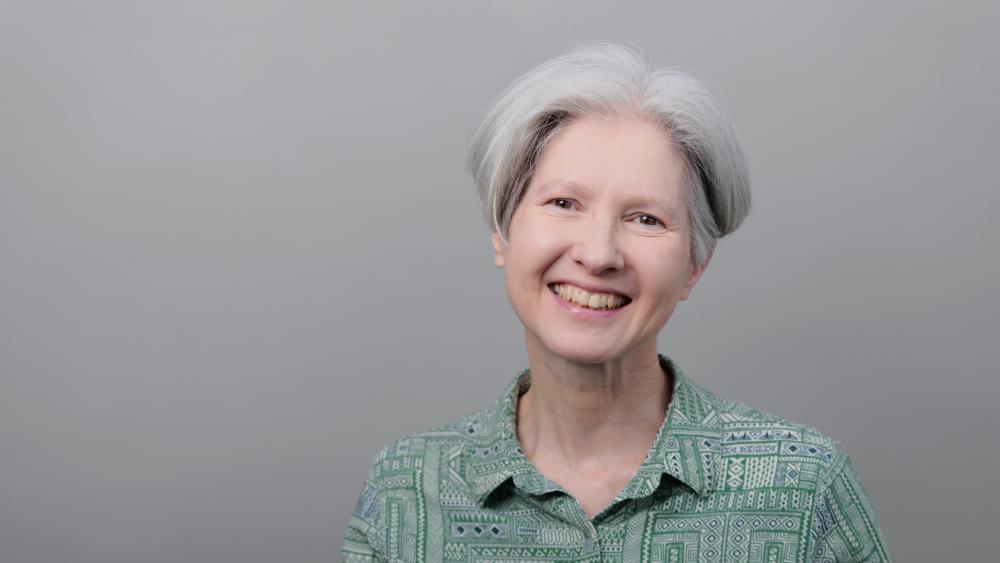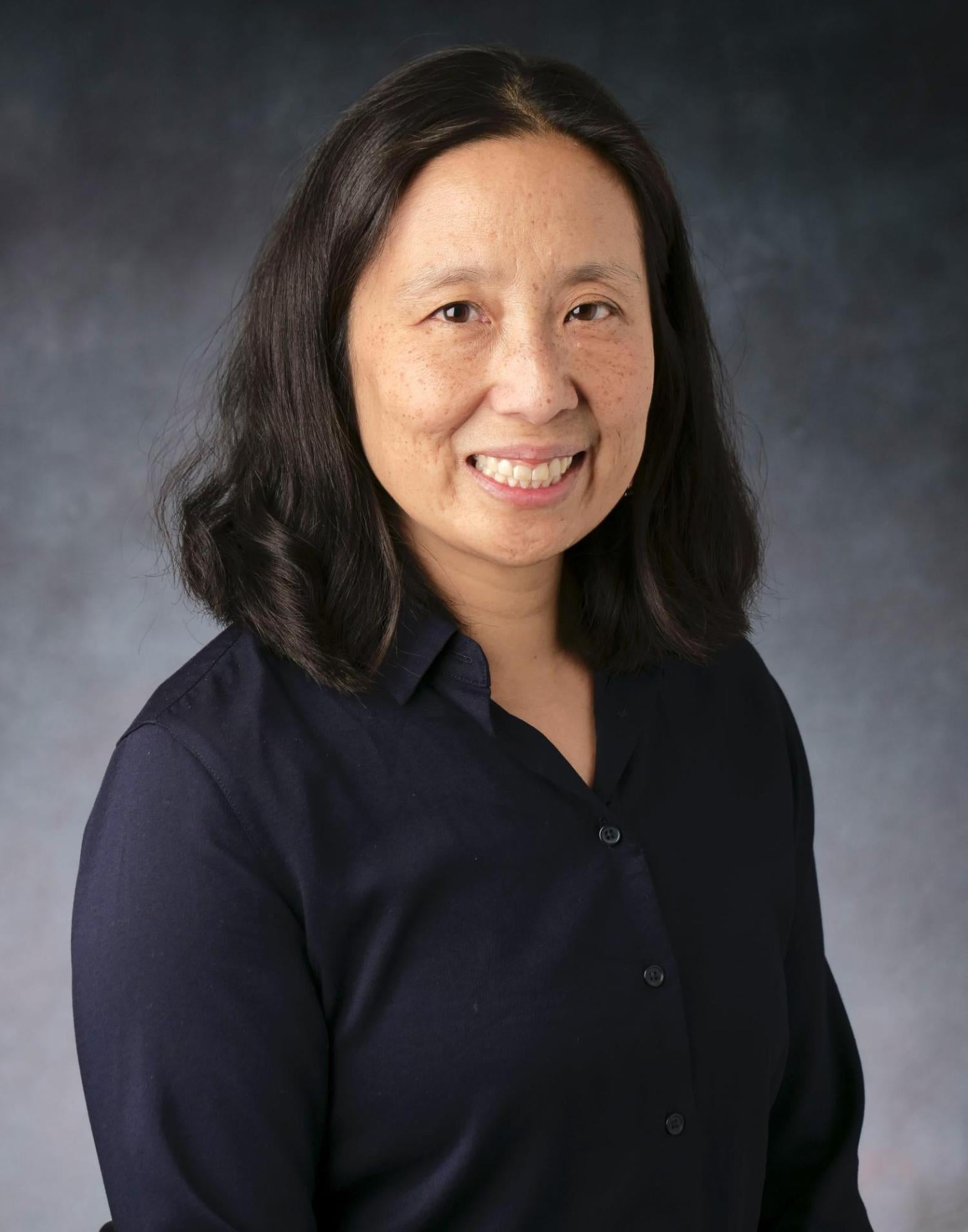
Emily T. Yeh serves as Professor of Geography at the University of Colorado within the College of Arts and Sciences, holding Faculty Affiliate status with the Center for Asian Studies, CNAIS, and C3BC. A 2024 Guggenheim Fellow and past-president of the American Association of Geographers (2021-2022), she is recognized as a College of Arts and Sciences Professor of Distinction for her transformative work in human geography. Her educational foundation includes a Ph.D. from the University of California, Berkeley (2003), establishing her scholarly trajectory in critical geographical inquiry. Professor Yeh's research interrogates power dynamics within nature-society relationships through ethnographic methodologies , with seminal contributions to political ecology and cultural geography . Her work centers on Tibetan Plateau environmental transformations, examining natural resource conflicts, pastoralist livelihoods, and state-led development. Recent expansions address weather modification in anthropogenic climate contexts and decarbonization politics in Indonesia, revealing her evolving engagement with planetary-scale environmental challenges. This trajectory demonstrates consistent methodological rigor while adapting to emergent global ecological crises. Analysis of her 15 most recent publications reveals a decisive pivot toward climate intervention technologies and energy transition justice since 2022, while maintaining deep regional expertise in Asian contexts. The geographical scope has broadened from Tibet/China to include Indonesia, reflecting growing attention to Global South climate politics. Her scientific recognition includes: Guggenheim Fellowship (2024) Phi Beta Kappa Visiting Scholar (2023-2024) Professor Yeh actively mentors graduate researchers including Drolma Gadou, Tsering Lhamo, Emma Loizeaux, and Tenzin Yangkey. Her research program is substantially supported by National Science Foundation funding for interdisciplinary projects on Tibetan Plateau rangeland dynamics and climate vulnerability, alongside her foundational CAREER award for transnational environmentalism research. Current work integrates capoeira philosophy with environmental justice frameworks, reflecting embodied scholarly practice. She contributes to interdisciplinary knowledge production through the Center for Asian Studies and C3BC, fostering collaborative approaches to environmental challenges that bridge geographical scales from local Tibetan communities to global climate governance structures.