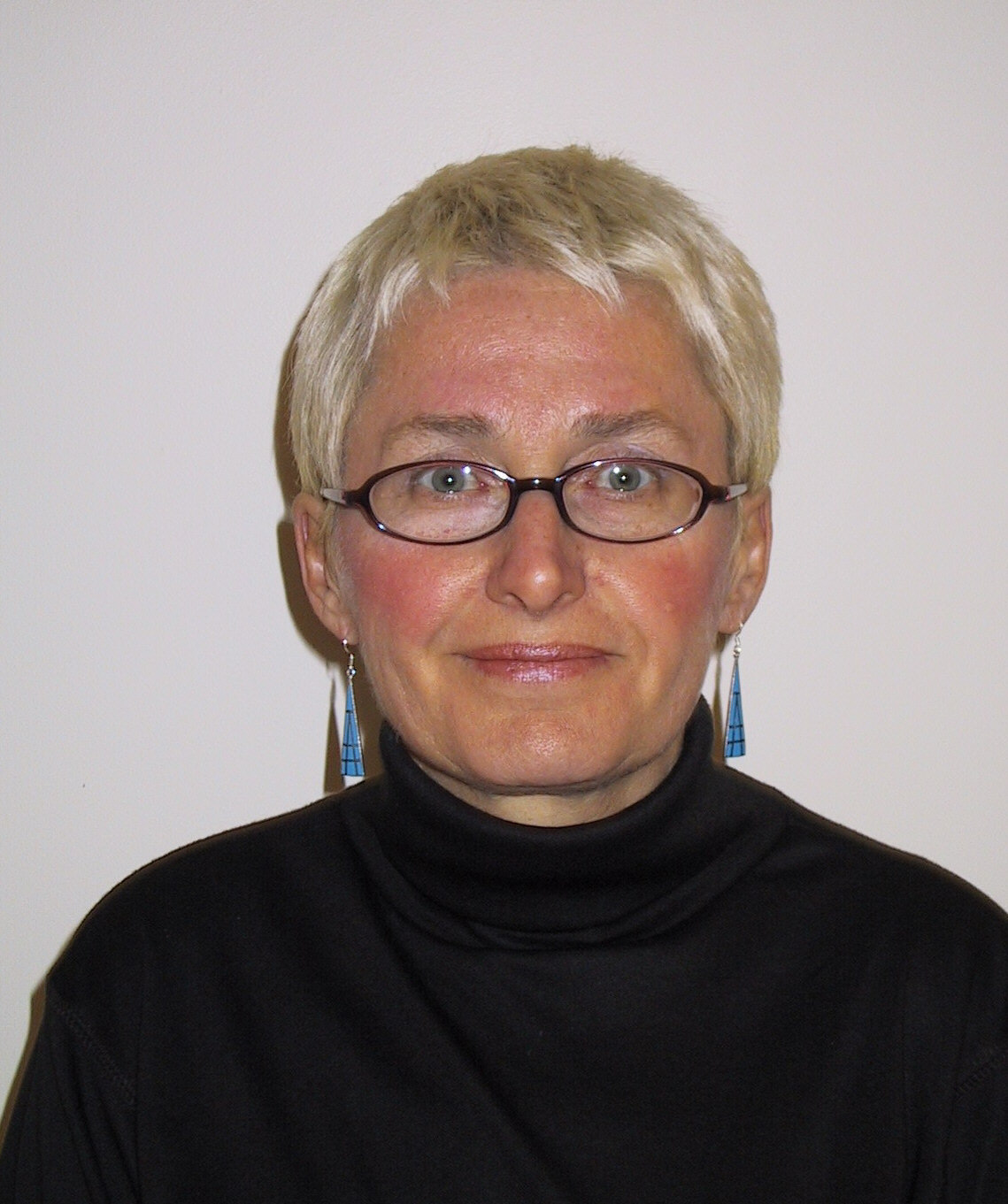
Dr. Mary Fidler is a Professor in the Department of Oncology at Rush University Medical College. Her work focuses on clinical oncology, particularly lung cancer therapies, immunotherapy outcomes, and biomarker-driven treatment strategies. She has contributed to studies evaluating the impact of cachexia, chemotherapy, and immune checkpoint inhibitors in advanced cancers. Her research spans clinical trials, molecular profiling, and translational oncology. Key areas include NSCLC treatment optimization, biomarker development (e.g., neutrophil-to-lymphocyte ratio), and the effects of comorbidities like cachexia. Dr. Fidler collaborates widely, with notable contributions to the TERAVOLT registry analyzing thoracic malignancies during the pandemic. Publications highlight her work in J Thorac Oncol , Cancer , and Lancet , focusing on treatment efficacy, patient outcomes, and quality-of-life metrics. Her studies often address disparities in care, elderly populations, and immune-related adverse events.
Dr. Lesley Seymour is a Professor in the Department of Oncology at Queen's University and serves as Director of the Investigational New Drug Program at the Canadian Cancer Trials Group (CCTG). Her research focuses on cancer clinical trials and therapeutic drug development, with particular expertise in biomarker-driven approaches and precision oncology. She leads initiatives such as the PC_BETS platform study, which integrates ctDNA analysis for treatment selection in prostate cancer. Dr. Seymour has contributed to guidelines on early phase trial design (SPIRIT-DEFINE/CONSORT-DEFINE) and has advanced understanding of drug resistance mechanisms, including CDK4/6 inhibitor-resistant breast cancer. Her work spans immunotherapy, targeted therapies, and global cooperative trials, emphasizing patient-centric methodologies. Notably, she co-led the phase III trial of pembrolizumab in malignant pleural mesothelioma, demonstrating improved outcomes with combination therapy. Key Roles: Director, Investigational New Drug Program (CCTG); Professor, Department of Oncology (Queen's University) Research Themes: Liquid biopsy applications, biomarker development, clinical trial innovation
Martine Lamfers is an Associate Professor in the Department of Neurosurgery at Erasmus MC, a leading university medical center in the Netherlands. Her research is centered on advancing therapies for malignant brain tumors, particularly glioblastoma, through innovative approaches in oncolytic virotherapy, drug repurposing, and gene editing. She is actively involved in translational neuroscience and cancer immunology, contributing to both preclinical and clinical advancements in neuro-oncology. Her research interests span a wide range of topics in neuro-oncology and molecular therapeutics. Dr. Lamfers focuses on glioblastoma biology , oncolytic virus therapy , immune modulation in the tumor microenvironment , and strategies to overcome therapy resistance . She also explores CRISPR-based gene editing to target oncogenic mutations like IDH1 R132H , and develops computational models to predict drug responses. Her work integrates wet-lab experimentation with bioinformatics and clinical data analysis. The recent articles highlight a strong trend toward translational and interdisciplinary research , combining virology, immunology, pharmacology, and artificial intelligence. There is a consistent focus on improving treatment efficacy for glioblastoma by addressing challenges such as immune suppression, blood-brain barrier penetration, and tumor heterogeneity. Collaborative efforts are evident across multiple institutions and disciplines. Dr. Lamfers has supervised at least 8 research projects, indicating an active role in mentoring students and junior researchers. While no specific grants are mentioned in the provided text, her publication output suggests involvement in funded research programs. She is part of a robust research network with national and international collaborations, particularly in the field of oncolytic virotherapy and neuro-oncology. She leads or participates in a research team focused on brain tumor therapeutics, likely within a dedicated neuro-oncology or virotherapy lab at Erasmus MC. The team engages in both experimental and computational research, aiming to bridge the gap between basic science and clinical application in neuro-oncology.
John Teijaro, PhD is a Professor in the Department of Immunology and Microbiology at The Scripps Research Institute. His research focuses on persistent viral infections (LCMV) and acute influenza pathogenesis, with emphasis on type 1 interferon's role in immunity and cytokine-driven pathology. He holds a B.S. in Molecular & Cell Biology (Millersville University, 2004) and a Ph.D. in Microbiology & Immunology (University of Maryland, 2009). Research interests include viral immunology, innate immune responses, cytokine amplification mechanisms, and tissue-resident memory T cells. His work has demonstrated that endothelial cells drive cytokine storms during influenza and that blocking IFN-I signaling enhances LCMV clearance via CD4 T cell activation. Notable awards include the 2014 Baxter Foundation Faculty Scholar award and multiple travel/abstract awards. His recent studies explore SARS-CoV-2 antivirals, therapeutic antibodies, and immunomodulatory drug candidates targeting JAK/STAT pathways and glycan checkpoints. Key collaborations include work on SLC15A4 inhibitors (Nature Chemical Biology 2024), CD28-sialic acid interactions (ACS Central Science 2021), and STING pathway modulation (Science 2020). Current projects aim to dissect pulmonary immune cell networks and develop novel therapies for viral infections and cancer.
Kjersti Flatmark is a Professor in the Department of Gastrointestinal and Children Surgery at the University of Oslo. She specializes in oncological research, particularly focusing on colorectal cancer, peritoneal metastasis, and immunotherapy. Her work integrates surgical oncology, molecular biology, and translational medicine to improve treatment strategies for gastrointestinal malignancies. Research Interests: Colorectal cancer biology and metastasis mechanisms Hyperthermic intraperitoneal chemotherapy (HIPEC) and cytoreductive surgery Immunotherapy targeting tumor microenvironment and immune checkpoints Drug resistance mechanisms in metastatic cancers Her recent studies highlight advancements in multimodal therapies for peritoneal metastasis, biomarker-driven treatment strategies, and nanoparticle-based drug delivery systems. Collaborations with international teams have expanded her research into clinical trial design and precision medicine applications. Grants and Advising: While specific grant details are not listed, her participation in large clinical trials (e.g., METIMMOX) and translational studies indicates active grant-funded research. She advises on clinical trials and molecular diagnostics in oncology. Labs/Teams: Active in the Department’s surgical oncology and translational research groups, focusing on experimental models of metastasis and immune response modulation.
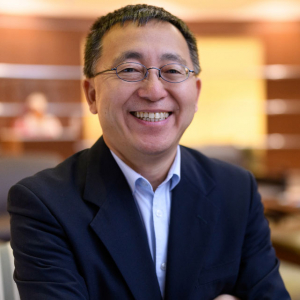
Xiaoqi Liu, PhD, is a Professor and Chair in the Department of Toxicology and Cancer Biology at the University of Kentucky, where he also holds the Lucille P. Markey Endowed Chair in Oncology Research. His research focuses on understanding the molecular basis of cancer to develop novel targeted therapies. Research Interests: Molecular mechanisms of oncogenesis Polo-like kinase 1 (Plk1) signaling in cancer Chemoresistance and DNA damage response Targeted therapy for prostate, pancreatic, lung cancers, and melanoma Combination therapies involving kinase inhibitors and epigenetic drugs His recent publications highlight a strong focus on Plk1’s role in regulating tumor suppressors (PTEN, TSC1, Numb), DNA repair proteins (Mre11, MDC1), and its potential to enhance the efficacy of PARP, BET, and mTOR inhibitors. The work spans molecular oncology, cell signaling, and preclinical therapeutic development. Scientific Awards and Honors: Lucille P. Markey Endowed Chair in Oncology Research Xiaoqi Liu leads an active research laboratory investigating Plk1 as a therapeutic target. While specific grant details and student mentorship are not listed, his extensive publication record and leadership role suggest a well-funded and productive research program. The LIU Research Lab uses biochemistry, cell biology, and mouse genetics to explore cancer mechanisms and treatment strategies.
Frank Ward is a Lecturer at the University of Aberdeen, affiliated with the School of Medicine, Medical Sciences and Nutrition. His research focuses on immunological tolerance and its applications in cancer immunotherapy, particularly targeting the soluble isoform of CTLA-4 (sCTLA-4). He collaborates with Dr. Lekh N. Dahal and Dr. Rasha Abu-Eid on antibody development for checkpoint inhibitor therapies. Ward teaches courses in the MSc Immunology & Immunotherapy program, including modules on Biologic Drug Discovery and Honours Immunology. Research interests include immune checkpoint modulation, autoimmune disease mechanisms, and translational therapies for cancers like melanoma and head/neck tumors. He has developed a panel of high-affinity antibodies targeting sCTLA-4, currently seeking IND funding for clinical trials. His work integrates molecular biology, immunology, and clinical applications, with over 20 peer-reviewed publications since 2000. Notable contributions include elucidating sCTLA-4’s role in tumor immune evasion and autoimmune conditions like systemic lupus erythematosus. He co-edited the textbook Systemic Lupus Erythematosus: Methods and Protocols (2014) and holds global patents on sCTLA-4 antibody technologies.
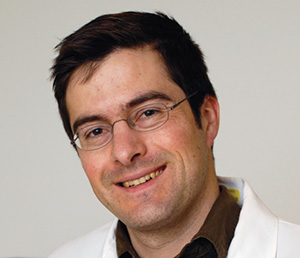
Nicolas Guillot is an Assistant Professor in the Biosciences Department at INSA Lyon, where he also serves as deputy director of the department and director of the Animal Facility. His academic journey began with a PhD in vascular biology from University Lyon 1 in 2008, followed by postdoctoral training in New York City focusing on vascular inflammation and angiogenesis in sickle cell disease. Institution: INSA Lyon Department: Biosciences Position: Assistant Professor Leadership Roles: Deputy Director of Biosciences Department, Director of Animal Facility His research centers on vascular biology, particularly the endothelial response to mechanical stress and red blood cell-endothelium interactions in sickle cell disease. He also investigates blood rheology, vascular inflammation, and the impact of metabolic conditions on vascular function. His work has important implications for understanding thrombosis, microvascular complications, and cardiovascular pathologies in chronic diseases. The trends in his recent publications (2016–2025) reveal a consistent focus on vascular and hematological pathologies, particularly sickle cell disease, blood viscosity, microvascular dysfunction, and related conditions such as diabetes and CKD. His collaborative, interdisciplinary research spans physiology, hematology, cardiology, and molecular biology, often involving international teams and appearing in high-impact journals like The Lancet Regional Health - Americas , Blood , and Frontiers in Physiology . Nicolas Guillot has made significant contributions to understanding: The role of omega-3 fatty acids in reducing platelet activity and thrombosis risk The involvement of the TGFbeta/BAMBI pathway in vascular restenosis and angiogenesis How shear forces alter endothelial lipid metabolism Increased vascular risk in diabetic patients with sickle-cell trait He teaches cardiovascular physiology and pharmacokinetics and leads research supported by multiple grants, collaborating with institutions in the USA, Germany, and the UK. He supervises research within the [VBRBC] team at INSA Lyon and oversees animal research facilities, ensuring ethical and scientific rigor in experimental models.
Parisa Malekzadeh, M.D. serves as Assistant Clinical Professor in the Department of Surgery at City of Hope, with clinical locations in Corona and Upland, California. She specializes in surgical oncology with expertise in skin cancer, stomach cancer, gastrointestinal cancers, and breast cancers, emphasizing minimally invasive techniques and patient-centered collaborative care. Her educational background includes: M.D. from University of Arizona College of Medicine (2013) Complex General Surgical Oncology Fellowship at Memorial Sloan Kettering Cancer Center (2024) Surgical Oncology Fellowship in Tumor Immunobiology at National Cancer Institute (2019) Surgery Residency at Eastern Virginia Medical School (2015-2022) Dr. Malekzadeh's research focuses on advancing cancer immunotherapy through T cell therapies and novel clinical trial designs. Her work bridges surgical oncology with tumor immunobiology, particularly investigating neoantigen recognition and adoptive cellular therapies for solid tumors. She maintains active clinical research in gastrointestinal malignancies and breast cancer. Her publication portfolio demonstrates significant contributions to immunotherapy mechanisms, with recurring themes in p53 neoantigen targeting, T cell engineering, and biomarker discovery across gastrointestinal, breast, and neuroendocrine cancers. The research spans translational studies from bench to clinical application. Awards and professional recognition include: Society of Surgical Oncology 2019 Award Harvey Baker Traveling Fellow Award Multiple academic scholarships and leadership awards during medical training Ongoing membership in Association of Women Surgeons and Society of Surgical Oncology Dr. Malekzadeh actively participates in clinical teams for Breast Cancer, Stomach Cancer, and Gastrointestinal Cancers at City of Hope. Her clinical practice integrates cutting-edge surgical techniques with participation in immunotherapy trials, maintaining strong connections to research institutions like Memorial Sloan Kettering and National Cancer Institute where she completed advanced training.
Nathanael Gray is the Nancy Lurie Marks Professor of Biological Chemistry and Molecular Pharmacology at Harvard Medical School and an Investigator at the Dana-Farber Cancer Institute, where he leads the Gray Lab. His work bridges chemical biology, medicinal chemistry, and cancer biology to develop novel therapeutic strategies. Research Interests: Chemical biology and small molecule drug discovery Design of kinase inhibitors targeting oncogenic drivers Overcoming drug resistance in cancer therapy Development of covalent and allosteric inhibitors Targeting transcriptional dependencies in cancer Inhibitors for recalcitrant targets like KRAS, HER3, and CDK families His recent publications highlight a strong focus on covalent inhibition (especially KRAS G12C), transcriptional regulation via CDKs, and innovative therapeutic strategies such as targeted protein degradation and reprogramming apoptosis. His work consistently appears in top-tier journals including Cell , Nature , and Science , reflecting broad impact in oncology and chemical biology. Scientific Contributions: Contributed to the development of Ceritinib for non-small cell lung cancer Co-developed NVP-BAF312 (Siponimod), now approved for multiple sclerosis Pioneered discovery of first-in-class inhibitors for Bcr-Abl (GNF-2/5), T790M EGFR (WZ4002), JNK (JNK-IN-8), LRRK2, and CDK7 (THZ1) Advising and Research Leadership: Dr. Gray leads a vibrant research group focused on discovery chemistry and mechanism of action studies. His lab has trained numerous scientists and contributed to multiple clinical-stage compounds. He collaborates widely across academia and industry to translate chemical discoveries into therapeutic advances. Laboratory and Research Environment: The Gray Lab at Dana-Farber Cancer Institute is a hub for chemical biology and drug discovery, integrating synthetic chemistry, biochemical assays, and cancer models to identify and validate new therapeutic targets and compounds.
Carlos A. Gongora is a physician scientist affiliated with Montefiore Medical Center. His contact details include a phone number (718-920-5949) and email (cgongora1@montefiore.org). Research Interests: Cardio-Oncology Cardiotoxicity Anthracyclines Immune Checkpoint Inhibitors Atherosclerosis Oncology Recent Research Trends: Dr. Gongora’s recent publications focus on cardio-oncology, including SGLT2 inhibitors in cancer care, multimodal imaging for myocarditis, CT angiography for aortic valve stenosis, and social determinants of health affecting anthracycline cardiotoxicity. His work integrates clinical research with cardiovascular and oncologic applications. Collaborations: Dr. Gongora collaborates with researchers like Leonardo Lopez, Javier A. Slipczuk, and Juan M. Rivera on cardio-oncology, imaging modalities, and valvular heart diseases.
Antonio Topete Camacho is a Ramón y Cajal researcher at the University of Santiago de Compostela, affiliated with the Department of Particle Physics and the Materials Institute (iMATUS). His research focuses on developing nanoplatforms for theranostic applications, including targeted drug delivery systems for cancer treatment, photothermal therapy, and biomedical nanotools. He holds a PhD from the University of Santiago de Compostela (2013), with a thesis on hybrid nanoplatforms for medical applications. Key research areas include: nanoparticle design for cancer therapy, gold nanoshell-based multimodal therapies, and surface functionalization strategies for biomaterials. He also explores genetic risk factors in oncology and translational aspects of precision medicine. His work bridges material science with clinical applications, emphasizing drug delivery mechanisms and biocompatibility studies.
Omer H. Yilmaz is an Associate Professor of Biology and Intramural Faculty at the Koch Institute for Integrative Cancer Research at the Massachusetts Institute of Technology (MIT). His research focuses on understanding how dietary interventions influence intestinal stem cell function, cancer initiation, and regeneration. He holds a PhD and MD from the University of Michigan and a BS in Biochemistry and Physics. Affiliations: Koch Institute for Integrative Cancer Research, MIT School of Science Education: PhD, 2008, University of Michigan MD, 2008, University of Michigan Medical School BS, 1999, Biochemistry and Physics, University of Michigan His research explores the molecular mechanisms linking diet, stem cell behavior, and cancer. Key areas include the role of dietary fats in enhancing tumorigenicity, the impact of fasting on stem cell metabolism, and immune evasion mechanisms in early colorectal cancers. His lab uses organoid models and genomic tools to study intestinal regeneration and tumor formation. Awards: AAAS Martin and Rose Wachtel Cancer Research Award (2018) Pew-Stewart Trust Scholar (2016-2020) Sidney Kimmel Scholar (2016-2020) Harold M. Weintraub Award (2007) Advising & Grants: He mentors numerous students and researchers, with former trainees now at institutions like the University of Rhode Island and Harvard. His lab has received funding for projects on cancer metabolism, immune evasion, and stem cell biology. Labs & Teams: The Yilmaz Lab collaborates widely, focusing on translational research to develop dietary and metabolic strategies for cancer prevention and treatment.
Dr. Analiz Rodriguez is an Associate Professor in the Department of Neurosurgery at the University of Arkansas for Medical Sciences , focusing on translational research in brain tumors and immunotherapy. Her work bridges clinical neurosurgery with cutting-edge laboratory innovations. Institutional Affiliation : University of Arkansas for Medical Sciences, College of Medicine Research Interests : Glioblastoma, Brain Metastases, Organoid Modeling, CAR-T Cell Therapy, Biomaterials Dr. Rodriguez leads NIH-funded projects like Development of immunocompetent melanoma brain metastases organoids , emphasizing precision medicine. Her clinical trials, including DCVax-L for glioblastoma, highlight her commitment to novel therapies. Collaborative efforts span projects on neurosurgical techniques, tumor heterogeneity, and immune checkpoint inhibitors. Grants : NIH/National Cancer Institute R03CA289645 UAMS Internal Research Awards Seeds of Science FY18 National Aeronautics & Space Administration NNX16A069A Her publications address topics like zebrafish cancer avatars, neurosurgical education, and T-cell interactions with biomaterials. Dr. Rodriguez collaborates with researchers in genomics, immunology, and neurosurgical innovation.
James Petrik is a Part-Time Professor in the Department of Obstetrics & Gynecology within the Faculty of Health Sciences at McMaster University. His academic career spans over three decades with continuous scholarly activity from 1989 through 2025, demonstrating sustained research productivity and engagement in his field. Dr. Petrik's research primarily focuses on ovarian cancer biology, with particular emphasis on tumor angiogenesis, the role of thrombospondin-1 in cancer progression, and the tumor microenvironment. His work explores how vascular normalization can enhance therapeutic effectiveness in ovarian cancer treatment. Additional significant research areas include reproductive toxicology, examining how substances like nicotine and cannabinoids affect reproductive function and fetal development, as well as investigating the developmental origins of health and disease. Analysis of his most recent publications (2023-2025) reveals a continued focus on ovarian cancer mechanisms, with increasing attention to tumor metabolism, cachexia, and the intersection between cancer and cardiovascular health (cardio-oncology). His work has evolved to incorporate advanced techniques including oncolytic viral therapy, molecular targeting strategies, and detailed characterization of tumor-immune interactions. The research demonstrates a strong translational focus, with many studies utilizing sophisticated mouse models to develop potential therapeutic approaches. Dr. Petrik maintains active collaborations across multiple disciplines, working with researchers in immunology, virology, metabolism, and cardiovascular science. His scholarly impact is evidenced by numerous publications, citations, and attention from news outlets and social media platforms as indicated in the profile metrics.