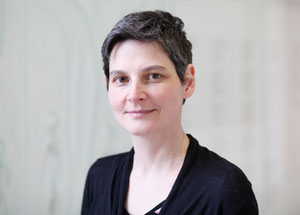
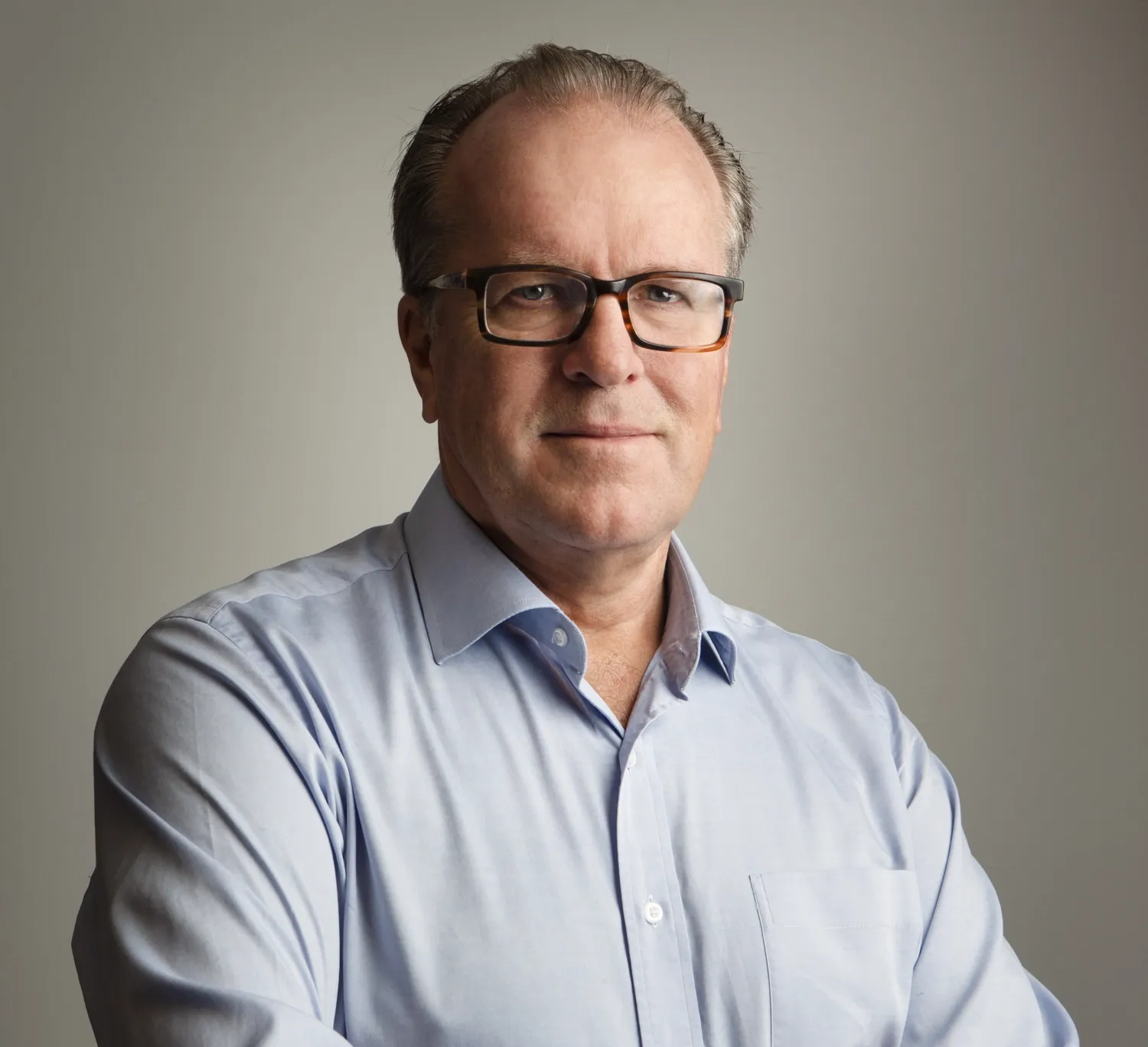
Rik Crutzen is a Full Professor at the Faculty of Health, Medicine and Life Sciences, Maastricht University, specializing in health promotion and digital interventions. His research focuses on leveraging technology to improve health behaviors across diverse populations, including adolescents, older adults, and immigrant communities. He leads projects in the CAPHRI research group for Promoting Health & Personalised Care. Research trends include: Digital health innovations (e.g., helplines, apps, algorithms) Chronic disease management (post-COVID-19, dementia risk) Health equity in immigrant populations (cervical cancer, maternal care) Behavioral interventions (physical activity, sleep, STI prevention) Systematic reviews and mixed-methods studies He has supervised 22 academic works and contributed to datasets on activity patterns and sleep-activity correlations. His work spans public health policy, health education, and technology integration.
Jeppe Bennekou Schroll serves as a Clinical Associate Professor in the Department of Clinical Medicine at the University of Copenhagen's Faculty of Health and Medical Sciences, based at Blegdamsvej 3, 2200 Copenhagen N, Denmark. His research expertise spans: Gynecology and Obstetrics Cervical Cancer Screening methodologies HPV Vaccination impact assessment Women's Urological Health Elderly Women's Gynecological Care Population-based Medical Research Dr. Schroll's 2025 publications demonstrate a concentrated focus on evidence-based gynecological interventions using Danish population data. His work bridges clinical practice and public health through cohort studies on HPV vaccination efficacy, surgical outcomes in elderly patients, and innovative non-surgical treatments for urinary incontinence. The research consistently employs robust methodologies including population registries and randomized controlled trials, with significant media coverage across 14 news outlets and social platforms.
Lindsey Draper, MD serves as an Adjunct Instructor in the Roybal Laboratory within the Department of Medicine, Division of Hematology and Oncology at the University of California San Francisco School of Medicine. Her clinical practice focuses on the treatment of patients with recurrent ovarian cancer using systemic therapies including chemotherapy and immunotherapy, with a commitment to evaluating and offering clinical trial opportunities as part of individualized patient care. Dr. Draper completed her educational training with a B.S. in Biology from Juniata College (2010), an M.D. from the University of Maryland School of Medicine (2017), an Internal Medicine Residency at The Mount Sinai Hospital (2022), and is currently completing a Medical Oncology Fellowship at UCSF (2025-2027). Her research interests center on cancer immunotherapy, particularly T cell-based approaches for HPV-associated cancers and ovarian cancer. She investigates engineered T cell therapies targeting viral antigens in cervical and other HPV-related cancers, with a focus on overcoming treatment resistance and improving clinical outcomes through novel immunotherapeutic strategies. Her work bridges fundamental immunological mechanisms with clinical applications, emphasizing the translation of laboratory discoveries into patient treatments. Dr. Draper's publication record demonstrates consistent contributions to the field of cancer immunotherapy, with recent work focusing on TCR-engineered T cells for leukemia and HPV-associated malignancies. Her research trajectory shows increasing sophistication in T cell engineering approaches and a growing emphasis on addressing inflammatory responses and treatment resistance mechanisms. Parker Institute for Cancer Immunotherapy Early Career Research Award: Parker Scholar (2024) Gladstone-UCSF Institute of Genomic Immunology Symbiont Seed Grant for 'Antigen Discovery for Ovarian Cancer' (2024) Conquer Cancer Young Investigator Award, American Society of Clinical Oncology (2024) Women in Cancer Immunotherapy Network Leadership Institute Selected Participant, Society for Immunotherapy of Cancer (2024) Physician-Scientist Fellow, Chan Zuckerberg Biohub - San Francisco (2023-2025) As a physician-scientist, Dr. Draper maintains an active research program while providing clinical care, with particular emphasis on developing novel immunotherapies for gynecologic cancers. Her current fellowship at UCSF and multiple early-career awards indicate strong potential for continued contributions to the field of cancer immunotherapy. Dr. Draper works within the Roybal Laboratory at UCSF, which focuses on innovative approaches to cancer immunotherapy and T cell engineering. Her research intersects with multiple collaborative initiatives at UCSF, including the Parker Institute for Cancer Immunotherapy and the Gladstone-UCSF Institute of Genomic Immunology.
Vanessa Samouëlian, MD, PhD, serves as an Associate Clinical Professor in the Department of Obstetrics and Gynecology at the University of Montreal. Based at the Montreal University Hospital Center (CHUM), she specializes in gynecological oncology within the Gynecological Oncology division. Her institutional roles include leading Tumor Board meetings and serving as a service representative on CHUM's medical act evaluation committee and the University of Montreal externship committee. Her educational background includes: MD from University of Montpellier 1, France (1992-1998) Certificate of Clinical and Therapeutic Synthesis and Master's in Biological/Medical Sciences (1998) IUD in Colposcopy and Cervicovaginal Pathology (1999) DES in Gynecology-Obstetrics from University of Lille 2, France (2005) PhD from Biology-Health Doctoral School, University of Lille 2 (2007) Clinical Fellowship in Gynecology Oncology at CHUM (2009-2011) Dr. Samouëlian's research centers on gynecological malignancies with emphasis on cervical, endometrial, and vulvar cancers. She investigates molecular biomarkers for nodal metastasis, treatment outcomes in high-risk endometrial carcinoma, and surgical innovation including robotic techniques. Her work bridges clinical oncology, cancer pathology, and HPV vaccination strategies through national collaborations. Her 2015-2016 publications reveal a cohesive research trajectory focused on endometrial cancer through the Canadian High Risk Endometrial Cancer (CHREC) Consortium. Key themes include adjuvant therapy optimization, pathological pattern analysis (MELF invasion), and surgical training innovation using virtual reality simulation. These works demonstrate integration of clinical practice, molecular diagnostics, and surgical education within gynecologic oncology. Within CHUM's organizational structure, Dr. Samouëlian contributes to the Historical Assignment Team and Gynecological Oncology division. She co-developed the Contemporary Clinical Questions on HPV-Related Diseases and Vaccination booklet with Gynecologic Oncology Canada and Merck Canada, endorsed by major Canadian gynecological societies including the Society of Obstetricians and Gynaecologists of Canada.
Lars Engstrand is a Professor in infection control at Karolinska Institutet, heading the Translational Microbiome Research and Pandemic Preparedness group within the Department of Microbiology, Tumor and Cell Biology. His research spans multiple disciplines with a focus on translational microbiome research and pandemic preparedness. Engstrand's research interests center on understanding the human microbiome's role in health and disease, particularly in women's reproductive health and gastroenterology. His group has established multiple large-scale clinical studies including SweMaMi (Swedish Maternal Microbiome project), BASIC (associations between microbiota and preterm birth), VaMiGyn (Vaginal Microbiota in Gynaecological health), and several others investigating the vaginal microbiome's relationship to pregnancy outcomes, HPV infection, and cervical cancer. His team also conducts significant research on gut microbiome in inflammatory bowel disease and colorectal conditions through projects like PopCol and KOLBIBAKT. Analysis of Engstrand's most recent publications reveals a strong focus on the relationship between microbiome composition and women's health outcomes. His research consistently examines how vaginal, gut, and oral microbiomes influence pregnancy complications, preterm birth, HPV infection, and mental health during pregnancy. The work often employs large cohort studies with comprehensive sampling strategies across multiple body sites and time points, providing robust data for understanding microbiome dynamics in health and disease. Engstrand leads the Microbiome Exploration and Development for Intervention (MEDI) initiative and the National Pandemic Center (NPC) at Karolinska Institutet. The NPC conducted large-scale sequencing during the COVID-19 pandemic and has amassed over 1.5 million samples. His research group includes multiple specialized teams focusing on culturomics, bioinformatics, labcore operations, women's health research, and pandemic preparedness.
Todd A. Alonzo is a Professor of Research in the Department of Preventive Medicine at the University of Southern California . As Group Statistician for the Children's Oncology Group , he focuses on statistical methods for biomarker analysis, medical diagnostic testing, and clinical trial design in pediatric acute myeloid leukemia (AML). Education: B.S. in Statistics, California State Polytechnic University (1994) MS and PhD in Biostatistics, University of Washington (1997, 2000) Research Interests include: Development of statistical frameworks for diagnostic accuracy Genomic and proteomic profiling in AML Pharmacogenomic score systems for chemotherapy response Non-inferiority trial design in low-event-rate settings Health disparities in pediatric oncology Scientific Awards : Fellow, American Statistical Association (2018) Outstanding Teacher Award, International Society for Magnetic Resonance in Medicine (2017) NIH Predoctoral Cardiovascular Biostatistics Training Grant (1995) ENAR Biometrics Society Distinguished Student Paper Award (1999) WNAR Biometrics Society Best Student Oral Presentation (1999) Leadership & Service includes editorial board memberships (Biometrics, Pediatric Blood & Cancer, Biometrical Journal), reviewer for 30+ scientific journals, and roles on multiple Data Safety and Monitoring Boards. He served as President of the International Biometric Society Western Northern America Region (WNAR) in 2009.
Dr. Laila Ingrid Muderspach is a Clinical Professor of Obstetrics & Gynecology at the University of Southern California (USC) on a part-time basis. She specializes in the diagnosis and treatment of gynecologic malignancies, emphasizing patient-centered care that addresses physical, emotional, and socioeconomic needs. Her clinical expertise spans surgical and medical interventions for cancers of the female reproductive system, with a focus on improving outcomes through advanced techniques like Enhanced Recovery After Surgery (ERAS) pathways and sentinel lymph node biopsies. Dr. Muderspach’s research spans epidemiological trends in gynecologic cancers, including adolescent and young adult (AYA) populations, and the optimization of surgical and chemotherapy protocols. She has contributed to pivotal studies on endometrial and cervical cancer staging, palliative care utilization, and the management of complications in vulvar cancer surgery. Her work also addresses healthcare disparities, such as accessibility to obstetric care and adherence to cancer treatment in underserved communities. Education: Medical degree from an unspecified institution, with training at USC and UCLA. Awards: Over 30 awards including Best Doctors recognition (2009–2014), National Faculty Award (2007), and multiple teaching accolades. Labs/Teams: Active in multidisciplinary gynecologic oncology teams at LAC+USC Medical Center, focusing on surgical innovation and patient safety. Her publications (over 150 listed) reflect a commitment to translational research, including clinical trials for novel therapies like eribulin for cervical cancer and investigations into HPV vaccine impact on cervical lesions.
Dr. Jacques Archambault is a Professor in the Department of Microbiology and Immunology at McGill University , and an associate member of the Division of Experimental Medicine since 2016. His research focuses on the molecular biology and pathogenesis of human papillomaviruses (HPVs) and polyomaviruses (HPyVs), with an emphasis on their replication mechanisms as episomes in host cells. The Archambault laboratory employs functional genomics, proteomics, and chemical biology approaches to identify cellular pathways exploited by these viruses and develop high-throughput assays for screening small molecule inhibitors of viral replication. Analysis of his recent publications reveals a strong focus on HPV and HPyV replication machinery, including studies on the E1 helicase, UAF1-USP1 interactions, and structural characterization of viral proteins involved in DNA replication. His work bridges virology, oncology, and drug discovery, particularly targeting oncogenic HPV types implicated in anogenital and oropharyngeal cancers, as well as HPyVs like BKPyV and JCPyV that cause pathologies in immunosuppressed patients. Current efforts in the lab aim to elucidate the molecular mechanisms by which HPVs and HPyVs replicate their genomes and to develop antiviral therapies targeting these processes. Techniques such as fluorescence anisotropy, NMR spectroscopy, and crystallography are frequently employed to study protein-DNA and protein-protein interactions critical to viral replication.
Adane Tilahun Getachew serves as an Associate Professor at the National Food Institute, Technical University of Denmark (DTU), specializing in bioactive compounds analysis and application within food science. His research integrates green extraction technologies with sustainable food processing to valorize marine and agricultural byproducts. His primary research interests focus on antioxidant mechanisms , bioactive compound recovery , and advanced extraction methodologies including supercritical fluids and subcritical water processing. Key application areas include marine lipid extraction from invasive species like starfish and round goby, plant protein isolation from legumes and lupin seeds, and stabilization of omega-3 enriched food products. His work directly contributes to UN Sustainable Development Goals through waste reduction and sustainable resource utilization. Analysis of his 15 most recent publications reveals a strong emphasis on extraction optimization (particularly supercritical CO 2 and pressurized liquid methods), marine bioactives (seaweed, starfish, shrimp waste), and food product development (mayonnaise, packaging films, protein concentrates). Dominant themes include response surface methodology applications, seasonal variation impacts on bioactive yields, and techno-functional properties of extracted compounds. His collaborative projects demonstrate extensive interdisciplinary work across European research initiatives: SUSTAINABLE JET FUELS (2024-2027): Micro-algal cell factories for zero-waste aviation fuel GrExOmega (2022-2025): Green extraction of omega-3 from invasive marine species AlgaeVita (2025-2027): Biofortified algae ingredients rich in vitamin D3 and omega-3 SBbioact (2019-2022): Biorefinery of Nordic brown algae bioactives Dr. Getachew leads research on sustainable food systems with emphasis on waste valorization and green processing technologies, maintaining active collaborations with multiple European institutions through DTU's National Food Institute infrastructure.
Joseph Kangmennaang is an Assistant Professor and Queen's National Scholar in Black Health & Social Change at Queen's University. He holds a PhD from the University of Waterloo, an MA from Western University, and a B.A. from the University of Ghana. His research focuses on the interplay between environment and wellbeing, particularly in sub-Saharan Africa and among Black immigrant communities in North America. He employs social theories, participatory methods, and mixed approaches to address health disparities, with a focus on non-communicable diseases, food/water security, and the impact of racism and social change. His courses include HLTH 397 (Globalization and Black Health) and HLTH 495 (Racism and Health). Research areas include immigrant health equity, syndemics, and the role of place in healthcare access. Collaborations with marginalized communities emphasize participatory action and civic engagement. He has published extensively on topics such as climate change impacts on health, HIV/AIDS knowledge among women in Malawi, and the social determinants of wellbeing in Ghana. His work bridges global health challenges with localized solutions, addressing systemic inequities through interdisciplinary partnerships. Notably, he explores how structural factors like migration, remittances, and agroecology affect household welfare and food security in Malawi and Ghana. His recent studies highlight the mental health implications of discrimination among minoritized Canadians during the pandemic and the spatial distribution of diseases like cholera in Tanzania. He advocates for community-driven interventions to promote wellbeing in resource-limited settings.
Professor Ananya Choudhury serves as Chair and Honorary Consultant in Clinical Oncology at the University of Manchester, where she is also Co-Group Leader of the Translational Radiobiology Group within the Division of Cancer Sciences. She joined The Christie NHS Foundation Trust in 2008, specializing in urology and sarcoma, and has since focused on radiotherapy-related research in prostate and bladder cancers. Professor Choudhury is clinical lead for advanced radiotherapy, including the groundbreaking MRLinac project, and plays a key role in national radiotherapy research initiatives. Professor Choudhury earned her BA (Hons) in 1993, MB. BChir (Cantab) in 1995, and MA (Cantab) in 1997 from Trinity College, Cambridge. She completed her Clinical Oncology training at the Yorkshire Deanery from 2000-2008, during which she earned her MRCP in 2000 and F.R.C.R in 2004. She completed her PhD in 2008 through the University of Leeds and Princess Margaret Hospital in Toronto, Canada, where she studied the molecular epidemiology of DNA double strand break repair in bladder cancer. Professor Choudhury's research program focuses on optimizing and personalizing radiotherapy using advanced imaging technology to deliver high doses while minimizing side effects. Her work centers on prostate and bladder cancers, with particular interest in predictive biomarkers, hypoxia, and the integration of magnetic resonance imaging to improve treatment precision. She has pioneered research in radiotherapy dose optimization, biomarker development, and the identification of patients who would benefit most from different treatment approaches. Her extensive publication record demonstrates a strong focus on radiation therapy, particularly in genitourinary cancers. Recent work explores MRI-guided radiotherapy, hypoxia biomarkers, and personalized treatment approaches across multiple cancer types. She has made significant contributions to understanding how imaging technology can improve radiotherapy precision and effectiveness while reducing side effects, with several publications appearing in top journals through 2025. Professor Choudhury has received multiple prestigious awards recognizing her contributions to the field: Cancer Research-UK/Royal College of Radiologists Clinical Training Fellowship (2005) Fellowship for the 10th ECCO-AACR-ASCO Workshop on Methods in Clinical Cancer Research (2007) Outstanding Contribution, Greater Manchester Clinical Research Awards (2017) RCR Research Fellowship (2005) Research Fellowship, Princess Margaret Hospital, Toronto (2004) Professor Choudhury has supervised numerous doctoral and master's students across multiple cancer types, with current students expected to complete through 2024. She is Principal Investigator on multiple research grants, including 'Measuring tumour radioresistance to improve radiotherapy outcomes' and the 'MAESTRO Programme' as part of CRUK RadNet. Her research program is supported by significant funding from NIHR Manchester Biomedical Research Centre and other major funding bodies. As Co-Group Leader of the Translational Radiobiology Group, Professor Choudhury collaborates extensively with leading researchers including Peter Hoskin, Catharine West, Corinne Faivre-Finn, and Marcel van Herk. Her team is at the forefront of integrating advanced imaging with radiotherapy to improve cancer treatment outcomes, with active projects spanning from basic radiobiology to clinical implementation of novel radiotherapy techniques.
Associate Professor Ernest Ekpo is affiliated with the University of Sydney's Sydney School of Health Sciences, within the Discipline of Medical Imaging Sciences. He holds academic roles as a Scholarly Teaching Fellow and Co-Director of the Medical Image Optimisation and Perception Group (MIOPeG). He is also an Associate Editor of the Journal of Medical Imaging and Radiation Sciences and a member of the Sydney Southeast Asia Centre and Cancer Research Network. Education: Earned BSc (Hons) in Radiography/Sonography from the University of Calabar, Nigeria, and a PhD from the University of Sydney. His research focuses on breast density, cancer biomarkers, medical image perception, radiation dose optimization, and radiology education. He explores applications in low-resource settings and emerging technologies like AI for diagnostic accuracy. Research interests include breast cancer treatment outcomes, image-based phenotypes, and improving imaging pathways for acute abdominal pain. Key themes are Cancer and Medical Imaging, with an emphasis on Women's Health and Chronic Disease. His work combines clinical practice, public health strategies, and technological advancements to enhance diagnostic efficacy and reduce unnecessary procedures. Articles from 2021–2024 highlight his contributions in mammography optimization, radiographer training, and AI-driven diagnostic tools. Recent grants include a 2024 project on CT examination education and a 2023 initiative to streamline breast cancer screening pathways. His awards recognize peer review excellence, early-career teaching, and research leadership. He supervises multiple students investigating breast density biomarkers, imaging modalities for dense breasts, and radiation dose management. His educational efforts aim to improve radiographers' capabilities in identifying urgent findings across CT and X-ray modalities, leveraging blended learning approaches.
Dr. Charlotte Kuperwasser is a distinguished Professor in the Department of Developmental, Molecular, and Chemical Biology at Tufts University School of Medicine . She directs the Tufts Convergence Laboratory and focuses on molecular mechanisms governing breast tissue development, cancer prevention, and organoid technologies. Her work integrates stem cell biology, epigenetics, and environmental influences such as endocrine disruptors. Education: Bachelor of Science (1997), University of Massachusetts Amherst PhD (2000), University of Massachusetts Amherst Jane Coffin Childs Postdoctoral Fellow (MIT/Whitehead Institute) Research Interests: Her lab develops 3D breast organoid models to study cancer initiation, microenvironmental interactions, and BRCA1-related mechanisms. Recent efforts include analyzing HPV-driven cancers via circulating tumor DNA and studying fibroblast signaling (e.g., DDR1) in tumor progression. Grants & Awards: Howard Hughes Fellowship, Merck Fellowship COG/Aventis Young Investigator Award Natalie V. Zucker Award NIH grants on V-ATPases and obesity-cancer links Professional Contributions: She chairs Tufts’ Sackler Convergence Laboratory and serves on AACR committees. Teaching includes courses on Molecular Cell Biology of Development and Cancer Genetics . Labs/Teams: Leads the Kuperwasser Lab, focusing on translational cancer research with cross-disciplinary collaborations in organoid engineering and clinical diagnostics.
Terje Andreas Eikemo is a Professor at the Department of Sociology and Political Science , Norwegian University of Science and Technology (NTNU) , and Head of the CHAIN research center . His work focuses on the intersection of social inequality , public health , and global policy , emphasizing how socioeconomic factors like education , income , and welfare systems influence mortality , chronic diseases , and mental health . He combines theories from sociology , epidemiology , and medicine to address health disparities across diverse contexts, including pandemics , climate change , and migration . 2009: Prize for Young Researchers in the Humanities 2010: SINTEF Prize for Outstanding Research 2014: NTNU Star Program Eikemo has published extensively in top journals like The Lancet and BMJ Open , with research themes spanning social determinants of health , policy interventions , and global health equity . His work includes GBD studies , European Social Survey analyses , and refugee health assessments. He serves as Editor-in-Chief of the Scandinavian Journal of Public Health and collaborates with international bodies like WHO and UNESCO .
Robert L. Murphy is the John Philip Phair Professor of Infectious Diseases and Professor of Biomedical Engineering at Northwestern University. He directs the Institute for Global Health within the Institute for Public Health and Medicine. His roles include leadership in global health research, infectious disease management, and biomedical engineering. Murphy holds appointments in the Feinberg School of Medicine and McCormick School of Engineering. Education: MD from Loyola University Stritch School of Medicine (1978), Fellowship, Residency, and Board Certification in Internal Medicine at Northwestern University (1981–1984). Research focuses on HIV/AIDS, viral hepatitis, antiviral therapies, and global health disparities. He leads projects in Nigeria, Mali, and other regions, addressing liver fibrosis in HIV/HBV co-infection, cervical cancer in HIV-positive women, and SARS-CoV-2 diagnostics. His work emphasizes point-of-care technologies and epigenetic biomarkers for cancer and liver disease. Publications span over 40 years, with recent emphasis on Omicron variant dynamics, HPV screening in resource-limited settings, and microbiome impacts of antiretroviral therapy. He collaborates globally, co-leading studies on tuberculosis treatment and HIV/drug resistance patterns. Grants and collaborations include the BRAINS faculty development program in Africa, the Test Us Bank (TUB) biorepository for SARS-CoV-2 samples, and partnerships with institutions like the University of Lagos and the Robert H. Lurie Comprehensive Cancer Center.