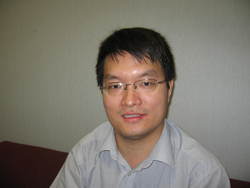
Xiaoqiang Wang is a Professor in the Department of Scientific Computing at Florida State University (FSU). His research focuses on numerical analysis, applied partial differential equations, mathematical biology, image processing, and scientific computing. He holds a Ph.D. from Pennsylvania State University (2005). His work emphasizes phase-field modeling for elastic bending energy, biological microstructures, and computational methods for complex systems. Notable contributions include advancements in centroidal Voronoi tessellation algorithms for image segmentation and high-performance computing techniques for scientific visualization. Recent publications highlight innovations in topology-preserving phase-field models, neural network-based energy minimization, and stochastic resource competition models. His research bridges theoretical mathematics with practical applications in biophysics, materials science, and biomedical engineering. Wang collaborates actively with interdisciplinary teams, contributing to FSU's computational science initiatives. His lab focuses on developing novel numerical methods and simulations for biological and physical systems, reflecting a commitment to both foundational and applied research.
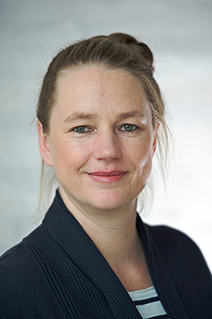
Rui Chang is an Associate Professor at Yale University School of Medicine , jointly appointed in the Department of Neuroscience and Department of Cellular and Molecular Physiology . His research focuses on organ-to-brain circuits and neurocardiology with specific interest in Parkinson's disease . He completed his B.S. in Biological Sciences at Tsinghua University (2005) Ph.D. in Neuroscience at University of Southern California (2011) Postdoctoral training in the lab of Stephen Liberles at Harvard Medical School (2017) Research Highlights: The Chang lab employs single-cell gene expression profiling , virus-based anatomical mapping , and optogenetics to investigate vagal interoceptive systems and their roles in cardiovascular regulation and gut-brain axis dysfunction in neurodegenerative diseases. Their work has revealed a multidimensional coding architecture for visceral sensory signals. Notable Scientific Awards: McKnight Neurobiology of Brain Disorders Award (2021) NIH Director’s New Innovator Award (2019) Kavli Faculty Innovative Research Award (2019) NIH K01 Mentored Research Scientist Award (2017) Keystone Symposia Future of Science Scholarship (2016) Collaborative Network: Chang collaborates with experts in neurodegeneration (David A. Hafler, MD), biostatistics (Hongyu Zhao, PhD), and neural imaging (Le Zhang, PhD). His work intersects with the Stephen & Denise Adams Center for Parkinson’s Disease Research and Kavli Institute for Neuroscience .
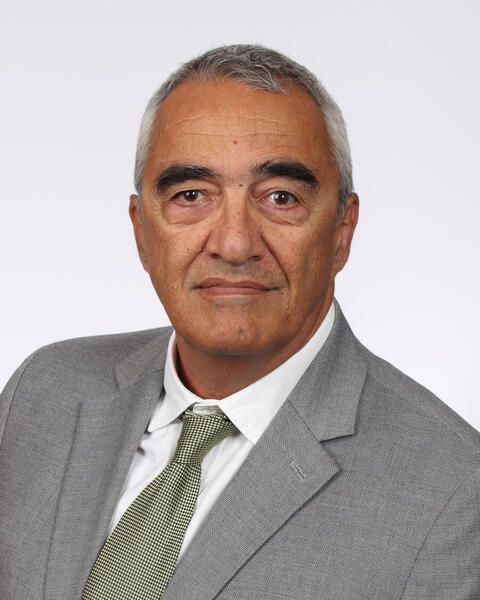
Ulrike Kutay is a Full Professor of Biochemistry at ETH Zurich, Switzerland, with a research focus on nuclear biology and dynamics. Her work investigates nuclear envelope structure/function, ribosome biogenesis, and nucleo-cytoplasmic transport. Diploma in Biochemistry (Free University Berlin, 1992) PhD in Natural Sciences (Humboldt University Berlin, 1996) Research interests center on nuclear compartmentalization, including mitotic nuclear envelope breakdown and reassembly, ribosome assembly pathways, and the molecular mechanisms governing nuclear transport. Her lab explores how nuclear dysfunction contributes to diseases like ribosomopathies and cancer. Recent publications highlight her work on SUN/KASH proteins in nuclear envelope dynamics, ribosome biogenesis steps, and nuclear pore complex regulation. Collaborations with groups like the Spahn lab in Berlin underscore her interdisciplinary approach. EMBO Member (2010) Leopoldina Member (2012) ERC Advanced Grant (2012) As a mentor, she has supervised PhD students including Chiara and Roja. She actively participates in editorial boards, grant review panels (e.g., ERC, DFG), and institutional leadership roles at ETH Zurich and the Biochemistry Center Heidelberg. The Kutay Group at ETH Zurich combines proteomics, functional analyses, and structural studies to unravel nuclear processes, fostering a collaborative environment with recent achievements in mitotic nuclear disassembly and ribosome maturation research.
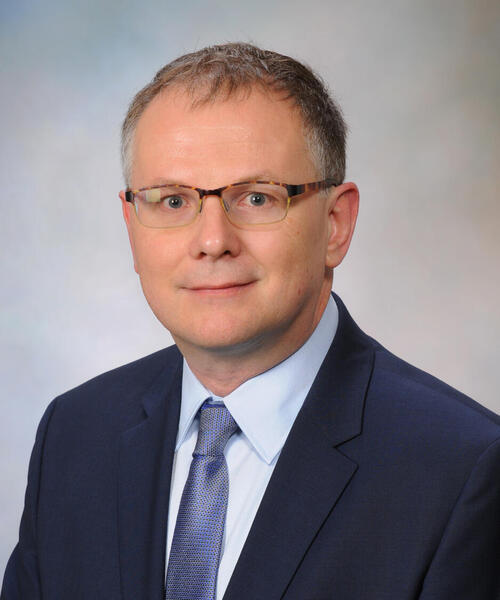
Khashayarsha Khazaie, Ph.D., is a Professor of Immunology at Mayo Clinic in Phoenix, Arizona, with a primary appointment as a Consultant in the Department of Immunology and a joint appointment in Cancer Biology, Department of Research. He leads a research laboratory focused on cancer immunology, inflammation, and the tumor-microbiota-immune axis, with emphasis on gastrointestinal and gynecological malignancies. Education: Ph.D. in Genetics/Senescence, MRC, National Institute for Medical Research Doctor of Science, University of Paris V, René Descartes BSc (Hons) in Chemistry, Biology, Physics, University of Surrey Postdoctoral Research, CNRS; EMBL; National Institute for Medical Research Research Interests: Dr. Khazaie’s lab investigates regulatory T cells (Tregs), mast cells, circadian rhythms, fibrosis, and microbial-based cancer vaccines. His work explores how immune suppression and chronic inflammation promote tumor growth, particularly in colorectal and endometrial cancers. Key areas include Treg plasticity, epigenetic reprogramming, microbiota-driven carcinogenesis, and the immunology of metastasis. Recent Research Trends: His most recent publications highlight the role of circadian disruption in colon cancer, the therapeutic potential of biomaterial-enhanced Treg immunotherapy, and the use of single-cell and spatial-omics to dissect immune-related diseases. His studies integrate molecular, cellular, and systems-level approaches to understand immune dysregulation in cancer and chronic inflammation. Scientific Leadership: Director, Federation of Clinical Immunology Societies, Mayo Clinic Center of Excellence (2018–present) Associate Editor, Journal for ImmunoTherapy of Cancer (2013–present) Editorial Board, Cancer Immunology Research (2012–present) Associate Editor, Tumor Immunity, Frontiers in Immunology and Oncology (2011–present) Visiting Professor, University of Regensburg (2016); Université Paris-Est Créteil (2016) Grants and Advising: Dr. Khazaie has led multiple NIH-funded projects, including studies on Parvimonas micra-induced carcinogenesis, β-catenin in Treg expansion, and circadian disruption in colon cancer. He mentors researchers and contributes to the education of future physicians and scientists in immunology and cancer biology. His lab collaborates with Biomed Valley Discoveries and MD Anderson on clinical trials of bacterial vaccines for metastatic cancer. Laboratory and Collaborations: His laboratory operates at the interface of basic and translational science, using mouse models, clinical specimens, and multi-omics technologies. He is deeply involved in collaborative research networks, particularly in cancer immunology and microbiota studies.
Wilfried O. Rossoll, Ph.D., is an Associate Professor of Neuroscience at Mayo Clinic in Jacksonville, Florida, and serves as Assistant Dean at the Mayo Clinic Graduate School of Biomedical Sciences. He leads the Translational Neuroproteomics Laboratory and is Director of the Multi-Omics Mass Spectrometry Core Laboratory. His research focuses on the molecular mechanisms of protein aggregation in neurodegenerative diseases such as ALS, frontotemporal dementia, and Alzheimer's disease. Ph.D., University of Vienna, Austria Master of Science, University of Vienna, Austria (with research at IMP) Dr. Rossoll's research interests center on understanding proteinopathies—diseases defined by abnormal aggregation of proteins like TDP-43 and tau. His lab uses advanced proteomics, mass spectrometry, and fluorescence microscopy to analyze neuropathological aggregates in human brain tissue and disease models. Key areas include spatial proteomics, molecular profiling of aggregates, mechanisms of protein misfolding, and identifying therapeutic modifiers of aggregation. His work bridges basic science and translational applications, aiming to develop novel therapies for neurodegenerative disorders. The recent publications highlight a strong focus on TDP-43 and tau pathology, phase transitions, stress granule dynamics, and the discovery of nuclear import receptors and other modifiers as therapeutic targets. Techniques such as proximity labeling and spatial proteomics are central to uncovering disease mechanisms and biomarkers. Standing member, Cellular and Molecular Biology of Neurodegeneration Study Section, NIH (2024–present) Associate Editor, Molecular Neurodegeneration (2020–present) Dr. Rossoll has secured multiple research grants from the National Institute on Aging and the U.S. Army, serving as Principal Investigator on projects related to TDP-43 and tau pathology, neuron-glia interactions in Alzheimer's disease, and development of CNTF receptor agonists for ALS therapy. He has mentored postdoctoral fellows and graduate students, contributing to training in neuroscience and proteomics. His laboratory collaborates extensively with the Mayo Clinic Brain Bank and neuropathology teams to validate findings in human tissues. The Translational Neuroproteomics Laboratory operates at the intersection of molecular neuroscience and proteomics, utilizing cutting-edge technologies to decode the composition and dynamics of pathological aggregates. The lab’s work is integral to Mayo Clinic’s broader research mission in neurodegenerative diseases, with a strong emphasis on translating discoveries into clinical applications.
Gordana Wozniak-Knopp is a researcher at the University of Natural Resources and Life Sciences, Vienna (BOKU), affiliated with the Institute of Molecular Biotechnology under the Department of Biotechnology and Food Science. Her work focuses on antibody engineering, molecular biotechnology, and protein stability optimization. Key research areas include Development of multispecific antibodies using controlled Fab-arm exchange and SEED technology Engineering antigen-binding sites in Fc regions Stabilization of antibody fragments via disulfide bonds and domain exchange Extracellular vesicle functionalization for targeted drug delivery Design of diagnostic antibody microarrays and SARS-CoV-2 antigen platforms Between 2020–2024, she led an FWF-funded project on therapeutic antibodies for birch pollinosis and a 2016–2023 CD Laboratory for Innovative Immunotherapeutics. Her recent publications (2022–2023) emphasize trispecific antibody design, SARS-CoV-2 diagnostics, and CD81-based delivery systems. Scientific contributions include peer-review activities for journals like Protein Science , Nature Communications , and Scientific Reports , along with organizing events such as the Lange Nacht Der Forschung 2024 . She actively participates in international conferences and project evaluations for organizations like Poland’s National Science Centre.
Prof. Chris Meier is a distinguished Professor of Organic Chemistry at the University of Hamburg, Germany, where he leads the research group AG Meier within the Institute of Organic Chemistry, Department of Chemistry, Faculty of Mathematics, Informatics and Natural Sciences (MIN Faculty). With over two decades of academic leadership, he serves as Co-Speaker of Collaborative Research Center 1648 "Emerging Infections" and has held significant roles including Scientific Director of the Centre for Structural Systems Biology (CSSB) and President of the International Society for Nucleosides, Nucleotides and Nucleic Acids (IS3NA). Dr. Meier's educational background includes a Chemistry degree (Dipl. Chem.) from the University of Marburg/Lahn (1982-1987), followed by his doctorate in Organic Chemistry from the same institution (1987-1989). He completed postdoctoral research at the Pasteur Institute in Paris (1990-1991) and habilitated at Goethe University Frankfurt (1996) before his appointment as C4/W3 Professor at the University of Hamburg in 1999. Professor Meier's research program focuses on nucleoside and nucleotide chemistry, with particular emphasis on pronucleotide development, antisense oligonucleotide chemistry, and stereoselective synthesis of carbocyclic nucleoside analogs. His laboratory investigates molecular mechanisms of chemical carcinogenesis through synthesis of arylamine-modified oligonucleotides and develops innovative organic synthesis methods based on solid support. The group's work bridges fundamental organic chemistry with biomedical applications, particularly in antiviral and anticancer drug development. Recent publications highlight advancements in TriPPP ro -technology for nucleoside triphosphate delivery and metabolic labeling applications. 2018: Antonín Holý Memorial Award from the International Society for Antiviral Research (ISAR) 2007: William Prusoff Award from ISAR 1995: Adolf-Messer Prize for Interdisciplinary Research 1992-1996: Habilitation Scholarship from the German Research Foundation (DFG) 1990-1992: Liebig Postdoctoral Fellowship Professor Meier has successfully mentored numerous doctoral students and postdoctoral researchers, many of whom have gone on to establish independent research careers. His laboratory maintains active collaborations with virology and immunology groups across Europe, particularly with institutions in France (Pasteur Institute, University of Aix-Marseille) and Belgium (KU Leuven). The group has secured substantial funding through multiple Collaborative Research Centers (SFBs) and has developed several patented technologies related to pronucleotide delivery systems. The Meier laboratory operates state-of-the-art organic synthesis facilities within the Institute of Organic Chemistry and maintains close ties with the Centre for Structural Systems Biology (CSSB), where they utilize advanced imaging and structural biology techniques to characterize their compounds. The research group actively participates in the International Society for Antiviral Research and contributes to the development of novel antiviral strategies through both basic research and translational applications.
Christian Freund is Professor of Protein Biochemistry at the Institute for Chemistry & Biochemistry, Freie Universität Berlin, holding this W2 professorship since 2011. He serves as Coordinator of the FU Berlin-UCSF Collaborative Initiative and Founding Member/Vice-chair of the DFG Collaborative Research Centre SFB/TRR 186 on Molecular Switches in Cellular Signal Transmission, leading interdisciplinary research across Berlin and Heidelberg institutions. His academic foundation includes Chemistry studies at Heinrich-Heine-Universität Düsseldorf (1983-1986) and Ludwig-Maximilians-Universität München (1986-1989), followed by a PhD in Structural Biology at the Max-Planck-Institute of Biochemistry (1994) and Habilitation in Biochemistry at Freie Universität Berlin (2005). Freund's research integrates structural biology, biophysics, and immunology to investigate molecular mechanisms of antigen presentation and cellular signaling. His work centers on MHC class II dynamics, protein conformational switches, and nanoscale organization of signaling complexes, employing NMR spectroscopy, quantitative proteomics, and molecular engineering to dissect immune recognition pathways and neuronal signaling mechanisms. Analysis of his 2010-2019 publications reveals consistent focus on MHC-mediated antigen presentation (60% of works), with significant contributions to understanding peptide exchange dynamics and HLA-DM editing functions. Secondary research streams explore synaptic protein networks (25%) and T cell signaling machinery (15%), demonstrating methodological breadth across structural biology, proteomics, and cell biological approaches. His scientific recognition includes: Biofuture award from the German Ministry of Education and Research (1999) Swiss National Funds Post-doctoral Scholarship (1997) Innovationswettbewerb Medizintechnik grant (2009) As research group leader at Leibniz-Institute of Molecular Pharmacology (2000-2011) and current FU Berlin professor, Freund has secured major collaborative funding through DFG SFB/TRR 186 and the UCSF partnership. His mentorship spans postdoctoral fellows at Harvard/Dana-Farber and Leibniz-Institute, with current supervision of graduate students in the Berlin biochemistry program. Freund directs a research group within FU Berlin's Institute for Chemistry & Biochemistry, operating as core component of SFB/TRR 186. His laboratory maintains active collaborations with UCSF's QBI (Nevan Krogan) and Heidelberg-based structural biology teams, utilizing advanced NMR, cryo-EM, and single-molecule imaging facilities across the Berlin-Heidelberg research alliance.
Dr Astrid Hauge Evans is a Senior Lecturer at the School of Life and Health Sciences, University of Roehampton. Her research focuses on diabetes, particularly the regulation of insulin production from pancreatic beta cells and intercellular communication within pancreatic islets. She is actively involved in PhD student supervision and holds external positions as a Visiting Researcher at King's College London. BSc in Biology from University of Copenhagen, Denmark MSc in Biomedical Sciences from King's College London PhD in Physiology from King's College London Her research explores: Mechanisms of beta cell dysfunction in diabetes Intra-islet communication dynamics Neuroendocrine regulation of insulin secretion Gut microbiota interactions in metabolic disease Wholegrain polyphenols' impact on islet function Sex-specific roles of peptides like LEAP2 Recent article trends show expertise in Diabetes type-specific therapies Cross-disciplinary studies combining nutrition and endocrinology Peptide hormone interactions in islet regulation Microbiome-diet-islet function relationships 3D cell culture models for diabetes research Neuroendocrine modulation of metabolic processes Scientific recognition includes Diabetes UK RD Lawrence Fellowship (2010) University of Roehampton Academic Staff Award (2025) Supervision and funding highlights Primary supervisor for multiple PhD projects on diabetes mechanisms Lead PI on grants from Diabetes Research and Wellness Foundation, Diabetes UK, Society for Endocrinology Collaborations with institutions across UK, Belgium, and Denmark
Dr. Jae Ho Lee is a research scientist at Newcastle University specializing in stem cell biology and cancer research, with significant publications between 2006-2010 primarily in collaboration with Professor Karim Nayernia and colleagues including Dr. Ingrid Ehrmann and Professor David Elliott. His work bridges molecular oncology, reproductive biology, and regenerative medicine through investigation of stem cell mechanisms in germ cell development and tumorigenesis. His core research examines stem cell plasticity in cancer and reproduction, focusing on Piwil2 protein functions in breast cancer stem cell proliferation/antiapoptosis, derivation of germ cells from bone marrow stem cells, and spermatogonial stem cell regulation. Key contributions include demonstrating Piwil2's role in Stat3/Bcl-XL-mediated tumor survival, in vitro production of functional male gametes from embryonic stem cells, and transdifferentiation pathways between somatic and germ cells. Analysis of his 2006-2010 publications reveals consistent exploration of molecular intersections between stem cell self-renewal and oncogenesis, with emphasis on Piwil2 as a regulatory hub. His work demonstrates translational potential for infertility treatments through germ cell derivation techniques and identifies apoptosis pathways as therapeutic targets in breast cancer. No scientific awards were documented in the source materials. While specific student mentorship isn't listed, his collaborative publications with senior researchers indicate active laboratory leadership in stem cell projects. The consistent co-authorship with Professor Nayernia suggests participation in grant-funded research programs focused on germ cell biology and cancer stem cells, though exact funding sources remain unspecified.
Erik C. Johnson is Professor and Chair of the Department of Biology at Wake Forest University, College of Arts and Sciences. He holds a Ph.D. and B.A. from the University of Maine and leads a research program focused on neurobiology, molecular signaling, and physiology in Drosophila melanogaster . His work bridges molecular mechanisms with organismal behavior and metabolic regulation. B.A., University of Maine, 1992 Ph.D., University of Maine, 2000 Dr. Johnson's research centers on the neural control of physiology and behavior, with emphasis on neurotransmitter and neuropeptide signaling, biological oscillators, and stress responses. He investigates how G-protein-coupled receptors (GPCRs) regulate neuronal physiology and shape behaviors through receptor desensitization and signaling dynamics. His lab uses Drosophila due to its powerful genetic tools and relevance to conserved biological mechanisms. The recent publications (2010–2023) reflect a strong focus on metabolic regulation, circadian control, neuroendocrine signaling, and sensory biology. Key themes include adipokinetic hormone signaling, AMPK-mediated energy sensing, TRP channel function, and GPCR dimerization. These studies integrate molecular, cellular, and behavioral approaches to dissect conserved physiological pathways. Dr. Johnson has contributed to major reference works such as Hormones, Brain and Behavior and has published in high-impact journals including Cell , PLoS ONE , Journal of Experimental Biology , and Frontiers in Physiology . While no formal awards are listed, his sustained publication record and leadership role indicate significant scholarly recognition. He has mentored numerous students and collaborators, including J.T. Braco, M.J. Rizzo, C.J. Saunders, and others who appear as co-authors on key studies. His research has been supported by internal and external grants, though specific funding sources are not detailed in the text. His lab continues to explore the intersection of neural signaling, metabolism, and behavior. The research is conducted in a molecular and cellular physiology lab within the Department of Biology, utilizing Drosophila genetics, biochemical assays, and behavioral analyses. The team investigates conserved mechanisms of neuronal signaling with implications for human metabolic and neurological disorders.
Elin Nyman is the Head of the Department of Biomedical Engineering (IMT) and an Associate Professor at Linköping University. She leads the department, fostering an environment of trust and collaboration. Her research focuses on systems biology and e-health, integrating mathematical models with experimental data to advance drug development and clinical tools. She supervises students in both the Faculty of Science and Engineering and the Faculty of Medicine and Health Sciences, examining courses like TMBI28 and 8BKG45. Her research interests include systems biology, particularly in drug development and AI applications in healthcare. Key projects involve robust metabolic measurements, AI-driven diagnostic tools (M4-health), and knowledge-driven drug development with AstraZeneca. Recent publications highlight liver steatosis dynamics, IL-10 feedback mechanisms, and insulin resistance modeling. Her work bridges interdisciplinary collaboration, such as a course combining medical and engineering students to develop digital health solutions. She contributed to a SEK 13 million grant for AI-based crime-solving using detailed analyses and AI. Current affiliations include the Division of Biomedical Engineering (MT) and IMT department.
Silvia Muro is a Group Leader and ICREA Research Professor at the Institute for Bioengineering of Catalonia (IBEC), affiliated with the University of Barcelona. Her research focuses on developing advanced drug delivery systems using nanotechnology to overcome biological barriers and improve therapeutic outcomes. She leads the Targeted Therapeutics and Nanodevices research group, which investigates how to precisely deliver therapeutic agents to specific disease sites within the body. Dr. Muro's laboratory specializes in understanding the biological mechanisms that regulate cellular transport of therapeutic agents. Her team has pioneered approaches to control biological events beyond receptor binding, enabling precise drug delivery through modulation of nanocarrier properties. The research focuses on three main areas: Biologically-Controlled Transport of Drug Carriers - studying how size, shape, targeting valency, receptor epitopes, and signaling molecules affect transport Transport Across Physiological Barriers - particularly the blood-brain barrier and epithelial barriers for neurological and gastrointestinal drug delivery Treatment of Lysosomal Disorders - applying nanotechnology to enzyme replacement therapy for diseases like Niemann-Pick, Fabry, and Gaucher Analysis of Dr. Muro's recent publications reveals a strong emphasis on ICAM-1 targeted nanocarriers for overcoming biological barriers. Her work demonstrates how nanocarrier properties can be engineered to control transport kinetics and destinations. A significant portion of her research addresses neurological disease treatment and lysosomal storage disorders through innovative DNA-built nanocarriers that enable cellular uptake and endosomal escape. While specific awards aren't detailed in available information, Dr. Muro's position as an ICREA Research Professor represents a prestigious recognition of research excellence in Catalonia. Her publications in high-impact journals demonstrate significant research funding and international collaborations. Dr. Muro leads an active research laboratory investigating drug delivery challenges for neurological diseases and genetic disorders. Current projects include developing nanocarriers that cross the blood-brain barrier and designing systems for enzyme replacement therapy in lysosomal storage disorders, with considerable translational potential for treating conditions that currently lack effective therapies.
Rick Dobrowsky is a Professor and Director of the Graduate Program in Neuroscience at the University of Kansas School of Pharmacy , Department of Pharmacology & Toxicology. His research focuses on diabetic peripheral neuropathy, molecular chaperones, and sphingolipid signaling in neuronal degeneration. Location: Malott Hall, Room 5064, Lawrence, KS Contact: dobrowsky@ku.edu | 785-864-3531 Research Overview : The Dobrowsky Lab investigates how hyperglycemia alters neurotrophin signaling and mitochondrial proteomes in diabetic neuropathy. Key projects include: Hyperglycemia and IGF-1 signaling effects on superoxide generation Neuregulinism's role in segmental demyelination Development of HSP90 inhibitors for neuroprotection Publications (15 Most Recent): 2025: PERK signaling and Cemdomespib therapy in Charcot-Marie-Tooth disease 2024: Demyelination progression in R75W-Connexin 32 models 2023: Biphenyl amides as HSP90/HSP70 modulators 2022: Cyclohexyl noviomimetics and mitochondrial function 2021: HSP70/thioredoxin interactions in diabetic neurons 2020: HSP90 inhibition and c-Jun proteasomal clearance 2019: Mitochondrial superoxide reduction with KU-596 2018: HSP70 targeting for demyelination 2016: Cemdomespib and neurotrophin receptor dynamics 2015: Molecular chaperones and mitochondrial bioenergetics 2014: KU-32 and heat shock protein mechanisms 2013: Neuregulin-1 isoforms in diabetic neuropathy 2012: C-terminal HSP90 inhibitors in sensory neuron protection 2011: Mitochondrial proteome changes in diabetes 2010: P35/CDK5 in beta-amyloid toxicity
Professor Ewa Goldys is a distinguished academic at the University of New South Wales (UNSW), serving as a Professor in the School of Engineering with a focus on Biomedical Engineering. She holds the prestigious position of Deputy Director at the ARC Centre of Excellence for Nanoscale Biophotonics (CNBP), where she leads partnerships, knowledge transfer, and research commercialization efforts. Her work spans interdisciplinary research connecting engineering, medicine, and biology, with significant contributions to biophotonics and nanotechnology applications in healthcare. Professor Goldys' research interests center around advanced imaging techniques, particularly autofluorescence characterization, which provides a non-invasive metabolic 'fingerprint' for distinguishing healthy from diseased cells. Her work has significant applications in cancer, diabetes, and neurodegenerative diseases. She has pioneered research in fluorescent and luminescent nanomaterials for biological applications, developing innovative approaches for high-contrast, background-free imaging using time-gating techniques. Her research portfolio also includes significant contributions to CRISPR-based biosensing, stem cell characterization, and non-invasive diagnostic approaches using multispectral imaging. Her publication record demonstrates a clear trend toward increasingly sophisticated applications of autofluorescence imaging combined with machine learning and molecular techniques. Recent work integrates hyperspectral imaging with transcriptomics, develops CRISPR-based point-of-care diagnostics, and applies autofluorescence techniques to diverse medical challenges from kidney disease diagnosis to immune cell characterization. The interdisciplinary nature of her work spans oncology, immunology, nephrology, and regenerative medicine. Professor Goldys has received notable recognition for her work, including: Eureka award in 2016 for Innovative Use of Technology Her research leadership has secured substantial funding, including directing the $23 million ARC investment in the CNBP (matched by $17 million from partners), establishing the $2 million ARC/NHMRC Network 'Fluorescence Applications in Biotechnology and Life Sciences,' and leading research that leveraged an additional $155 million in external funding. She has founded the Optical Characterisation Facility at Macquarie University and has been instrumental in establishing international research networks in biophotonics. Professor Goldys has made significant contributions to the international biophotonics community through conference organization, having chaired 11 conferences including SPIE 'Biophotonics Australasia' and serving as Track Chair for Nanobiophotonics at BIOS, the world's largest biomedical optics meeting. Her work has established foundational methodologies in autofluorescence characterization that continue to drive innovation in label-free medical diagnostics.