معرفی
Erik C. Johnson is Professor and Chair of the Department of Biology at Wake Forest University, College of Arts and Sciences. He holds a Ph.D. and B.A. from the University of Maine and leads a research program focused on neurobiology, molecular signaling, and physiology in Drosophila melanogaster. His work bridges molecular mechanisms with organismal behavior and metabolic regulation.
- B.A., University of Maine, 1992
- Ph.D., University of Maine, 2000
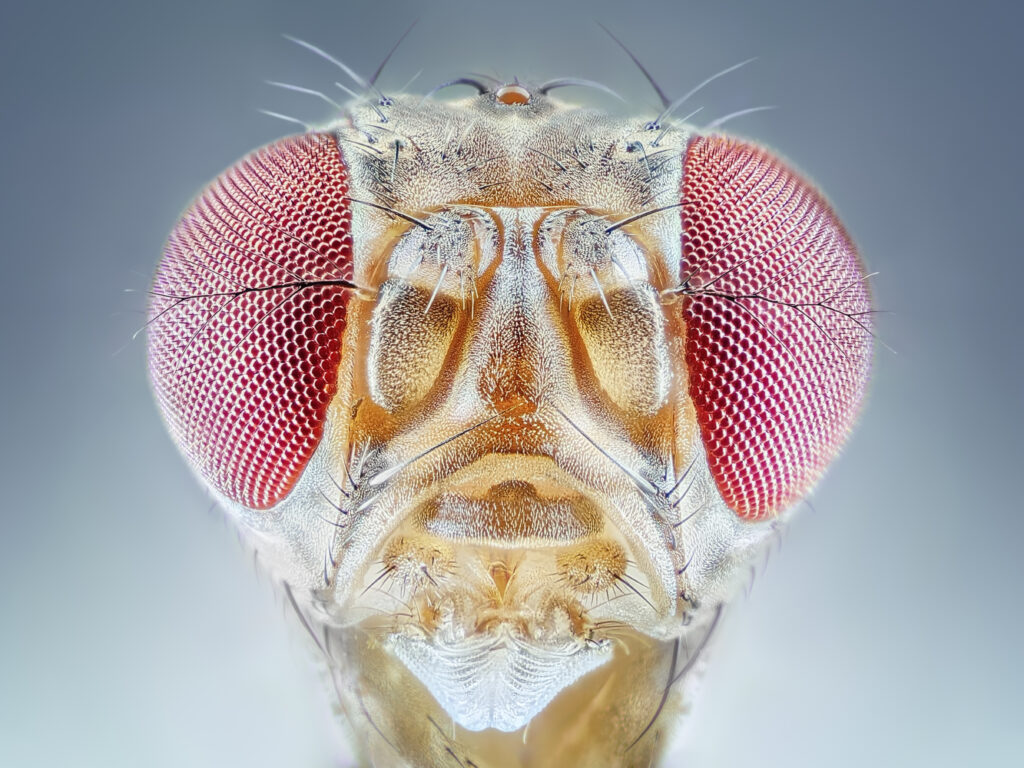
Dr. Johnson's research centers on the neural control of physiology and behavior, with emphasis on neurotransmitter and neuropeptide signaling, biological oscillators, and stress responses. He investigates how G-protein-coupled receptors (GPCRs) regulate neuronal physiology and shape behaviors through receptor desensitization and signaling dynamics. His lab uses Drosophila due to its powerful genetic tools and relevance to conserved biological mechanisms.
The recent publications (2010–2023) reflect a strong focus on metabolic regulation, circadian control, neuroendocrine signaling, and sensory biology. Key themes include adipokinetic hormone signaling, AMPK-mediated energy sensing, TRP channel function, and GPCR dimerization. These studies integrate molecular, cellular, and behavioral approaches to dissect conserved physiological pathways.
Dr. Johnson has contributed to major reference works such as Hormones, Brain and Behavior and has published in high-impact journals including Cell, PLoS ONE, Journal of Experimental Biology, and Frontiers in Physiology. While no formal awards are listed, his sustained publication record and leadership role indicate significant scholarly recognition.
He has mentored numerous students and collaborators, including J.T. Braco, M.J. Rizzo, C.J. Saunders, and others who appear as co-authors on key studies. His research has been supported by internal and external grants, though specific funding sources are not detailed in the text. His lab continues to explore the intersection of neural signaling, metabolism, and behavior.
The research is conducted in a molecular and cellular physiology lab within the Department of Biology, utilizing Drosophila genetics, biochemical assays, and behavioral analyses. The team investigates conserved mechanisms of neuronal signaling with implications for human metabolic and neurological disorders.