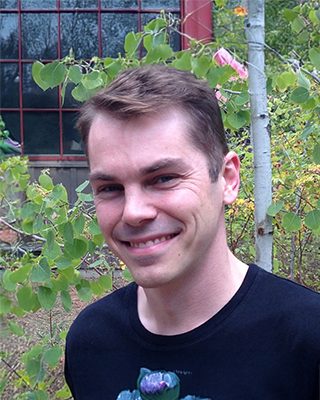
Prof. Ram Oren is a Principal Investigator at the Hebrew University of Jerusalem's Department of Epigenomics Biological Chemistry. His research focuses on chromatin dynamics and epigenomic mechanisms during cellular differentiation, leveraging single-cell technologies. He holds a Professorship and leads a multidisciplinary team integrating microfluidics, computational biology, and molecular biology. Research interests include enhancer regulation, cellular heterogeneity, and chromatin-cell cycle interactions. Notable achievements include ERC grants (Consolidator 2024, Starting 2016) and advancing single-cell epigenomic tools for cancer research. His lab's recent work revealed DNA methylation's role in enhancer heterogeneity during stem cell differentiation. Awards include the 2024 University Award of Excellence for group member Adi Alajem Melcer. Current projects aim to develop technologies for detecting drug-resistant cancer cell mutations at single-cell resolution.
Professor Ben Simons is a faculty member at the University of Cambridge, affiliated with the Department of Applied Mathematics and Theoretical Physics and serving as a Senior Group Leader at the Wellcome Trust-CRUK Gurdon Institute. With a background in theoretical condensed matter physics, he has pioneered the application of non-equilibrium statistical physics and mathematical modeling to stem cell biology. His research focuses on stem cell fate dynamics in tissue development, maintenance, and disease, particularly in epithelial tissues like brain, epidermis, intestine, lung, and testis. He has developed innovative lineage tracing methodologies and single-cell analysis frameworks to understand stochastic renewal programs and cellular reprogramming in cancer. Key publications reveal trends in computational stem cell biology , clonal competition , and mechanistic modeling of tissue architecture . His group collaborates extensively across developmental biology , cancer research , and regenerative medicine . Scientific accolades include: Royal Society EP Abraham Professorship Wellcome Trust Investigator Award Royal Society Research Fellowship Herchel Smith Chair in Physics The Simons Group includes researchers like Lemonia Chatzeli (Research Assistant) and Yanbo Yin (PhD Student), working at the Gurdon Institute on projects spanning stem cell homeostasis, tumor initiation, and human epithelial development using 3D organoid models .
Professor Mark A Febbraio is a Senior Principal Research Fellow at Monash Institute of Pharmaceutical Sciences, Monash University, Australia. He heads the Cellular and Molecular Metabolism Laboratory within the Drug Discovery Program. His research focuses on exercise physiology, obesity, type 2 diabetes, and cancer, with a goal to develop novel pharmaceutical therapies for lifestyle-related diseases. He also serves as CSO of N-Gene Research Laboratories (USA) and founder/CSO of Kinomedica. Research Interests His work spans cellular metabolism, drug discovery targeting metabolic pathways, and mechanisms linking exercise to healthspan extension. Key areas include: Exercise-induced signaling molecules (myokines/exerkines) Metabolic reprogramming in obesity-related cancers Role of extracellular vesicles in inter-organ communication Ceramide-driven insulin resistance and NASH progression Notable Achievements Over 260 peer-reviewed publications (H-index 105) 35,000+ career citations Awarded prestigious prizes including the A K McIntyre Prize (1999), ESA/ADS Plenary Lecture (2009), and Kellion Award (2017) Current Projects Development of GPCR-targeted therapeutics for heart failure Targeting gut ceramides to improve insulin sensitivity Mapping inter-organ cross-talk during exercise Collaborations & Industry He collaborates internationally and leads industry partnerships through his roles in biotech companies, focusing on translating lab discoveries into clinical treatments for metabolic disorders.
Kirk Personius, PT, PhD, is a Clinical Associate Professor and Director of the Doctor of Physical Therapy Program in the Department of Rehabilitation Science at the University at Buffalo's School of Public Health and Health Professions. His research explores neuromuscular development, regeneration, and disorders, with active investigations into NANOG-mediated nerve recovery and diabetic neuropathy. He teaches Foundations in Physical Therapy and Integumentary courses. Education: Postdoctoral Training: Neuroscience, University of Pennsylvania School of Medicine PhD: Physiology, University of Arizona (1998) BS: Physical Therapy, Northeastern University (1989) Research Focus: Dr. Personius leads a lab studying how motor neuron-muscle communication guides neuromuscular junction development and repairs after injury/disease. Key areas include: NANOG reprogramming to extend nerve regeneration windows, glutamatergic signaling in neuropathy, sarcopenia mechanisms, and muscle stem cell therapies. His work integrates molecular biology, animal models, and translational rehabilitation approaches. Publication Trends: Recent articles (2022-2025) highlight innovations in skeletal muscle reprogramming, metabolic interventions for aging muscles, and engineered reinnervation strategies. Earlier works (2010s) established foundational insights into NMDA receptor roles in synapse elimination, exercise benefits for frailty, and dystrophy treatments. Awards: Paper selected by Faculty of 1000 Neuroscience (Proc. Natl. Acad. Sci.) Lab Leadership: Directs research on neuromuscular repair using murine models, focusing on extending critical periods for functional recovery post-injury through cellular reprogramming and metabolic modulation.
Itsaso Garcia-Arcos is a Research Assistant Professor at SUNY Downstate Health Sciences University in the Department of Cell Biology under the College of Medicine. Her research focuses on lipid metabolism, surfactant lipid homeostasis, and cellular lipid dynamics in pulmonary and cardiovascular diseases. Postdoctoral Fellowships: Cardiovascular lipid metabolism (Columbia University, 2010-2014); Pulmonary metabolism in smoke-related disease (Icahn School of Medicine at Mount Sinai, 2014-2015) Doctoral Research: Hepatic lipid metabolism (University of the Basque Country, 2004-2009); Peroxisomal proteomics (Uppsala University, 2004); Protein interactions in pancreatic cells (University of Bordeaux, 2007) Her lab investigates how lipid metabolic imbalances affect surfactant function and lung performance, particularly in diseases like COPD. Using cell culture and in vivo models, they explore molecular mechanisms in surfactant synthesis, secretion, and degradation. Recent publications highlight her work on ANGPTL3/ASGR1 interactions, glucose-induced epithelial reprogramming, LRP1's role in smoke damage, and surfactant lipid correlations with COPD. Research spans lipid metabolism, surfactant biology, and pulmonary-cardiovascular interconnections. Scientific Awards: NHLBI R01 (2021-2026), NHLBI R56 (2019-2021), American Heart Association Grant-in-Aid (2017-2019), Flight Attendant Medical Research Institute Award (2014-2020) Dr. Garcia-Arcos leads the Garcia-Arcos Lab (www.garciaarcoslab.com), utilizing molecular biology, biochemistry, and physiology techniques to study disease mechanisms. She has received multiple grants from NHLBI and AHA, covering pulmonary lipid metabolism and cardiovascular impacts.
Dr. Wai-Foong Hong is a Professor of Biological Sciences at Sterling College. She holds a Ph.D. in Biological Sciences (Genetics and Developmental Biology) from Monash University, with prior degrees from National Chung-Hsing University in Taiwan. Education: Ph.D., Monash University M.S., National Chung-Hsing University B.S., National Chung-Hsing University Her research focuses on plant molecular biology and microbiology , particularly investigating: Genetic responses to environmental stresses in rice (BWMK1 kinase pathways) Auxin-regulated cell dedifferentiation in Arabidopsis Genetic variation in Pelagonium species Host-pathogen interactions in Ralstonia solanacearum At Sterling College, Dr. Hong conducts applied research on wheat genetics, studying how changing local weather patterns impact wheat variety selection to benefit local farmers. Her teaching philosophy emphasizes conceptual understanding, critical analysis, and practical application through hands-on experiments.
Dr. Mireille Ouimet is an Associate Professor at the Department of Biochemistry, Microbiology and Immunology within the Faculty of Medicine at the University of Ottawa. Her research focuses on cardiovascular diseases, particularly atherosclerosis, integrating immunometabolism and autophagy pathways to develop novel therapeutic strategies. BSc Biochemistry, University of Ottawa PhD Biochemistry, University of Ottawa Postdoctoral Fellowship, New York University Dr. Ouimet's work explores autophagy-mediated lipid droplet degradation (lipophagy) as a mechanism to reverse atherosclerotic plaques, with emphasis on cholesterol homeostasis, miRNA regulation, and macrophage metabolism. Her laboratory investigates the molecular components of lipophagy for therapeutic manipulation. Recent publications highlight her contributions to understanding miRNA-controlled lipid metabolism, autophagy in atherosclerosis, and mitochondrial energy status in macrophage polarization. Collaborative studies involve nanoparticle-based imaging and immunometabolic reprogramming in cardiovascular disease.
Carolina Escobar Lucas is a Full Professor at the University of Castilla-La Mancha, specifically in the School of Environmental Sciences. She has held this position since 2021, following her appointment as Catedrática (Full Professor) in Environmental Sciences in December 2020. Her academic career spans over two decades with significant contributions to plant pathology and nematology. She has also served as an Associate Professor at Kumamoto University (2018-2022) and as a Visiting Professor at Durham University (2011). Dr. Escobar received her PhD in Biology from the University of East Anglia in 1999, conducting her research at the John Innes Institute. She completed her Master's degree (Degree in Biology) at Universidad Autónoma de Madrid in 1995. Her early career included predoctoral fellowships at John Innes Centre (1995-1998) and Hospital Ramón y Cajal (1993-1994). Dr. Escobar's research focuses on the molecular mechanisms underlying plant-nematode interactions, particularly root-knot nematodes. Her work explores how these parasites manipulate plant developmental pathways to establish feeding sites, with emphasis on hormonal regulation, epigenetic modifications, and plant defense responses. She has made significant contributions to understanding how plants can be engineered for enhanced resistance to nematode infections through biotechnological approaches. Her recent publications demonstrate a shift toward more applied research, exploring sustainable agricultural solutions including biopesticides derived from plant compounds, biochar applications for nematode control, and biological control methods using beneficial fungi. Her work bridges fundamental molecular biology with practical agricultural applications for sustainable nematode management. Dr. Escobar serves as an Editor for Frontiers in Plant Science and holds leadership positions in the National Society of Phytopathology, where she currently serves as Vice-chancellor. She has been actively involved in numerous research grants funded by Spanish national agencies and regional governments, focusing on sustainable agriculture and plant protection. Her research has been supported by multiple grants from MICIN, Junta de Comunidades de Castilla-La Mancha, and other funding bodies. Current projects include "New treatments for biological control of phytoparasitic nematodes with application in sustainable agriculture" (2022-2024) and "REBIOIDENEMA Study of the reproducibility of grape pomace biochar..." (2022-2024). She has supervised numerous research projects investigating molecular aspects of plant-nematode interactions and sustainable control methods. Dr. Escobar leads a research group focused on plant-nematode interactions at the University of Castilla-La Mancha. Her team employs molecular, cellular, and omics approaches to understand the mechanisms of plant susceptibility and resistance to nematodes. The group collaborates with international researchers and has established partnerships with agricultural companies seeking sustainable solutions for nematode control in crops.
Cole Trapnell is a Professor in the Department of Genome Sciences at the University of Washington . His research focuses on advancing single-cell genomic technologies to study gene regulation and cell-cell communication during development and disease. He leads a laboratory that has pioneered methods like sci-ATAC-seq and Cicero for chromatin accessibility analysis and co-accessibility network mapping. Education : PhD in Computer Science from the University of Maryland, co-advised by Steven Salzberg and Lior Pachter; postdoctoral training under John Rinn at Harvard’s Stem Cell and Regenerative Biology Department. Cole’s work spans diverse organisms, including Drosophila , zebrafish , mice , and plants , with applications in developmental biology, disease modeling, and regenerative medicine. His recent publications highlight innovations in single-nucleus isolation , CRISPR-based genetic screens , and trajectory analysis of cellular differentiation. He has also contributed to computational tools like TopHat , Cufflinks , and Monocle . Collaborations : Cole frequently collaborates with researchers like Jay Shendure, John Rinn, and Thomas Reh. He co-founded or consults for biotech companies including Algen Biotechnologies , Altius Therapeutics , and Scale Biosciences . His software and methods are widely used in the field of single-cell genomics.
Joery De Kock is a researcher at the Vrije Universiteit Brussel, affiliated with the College of Pharmaceutical and Pharmacological Sciences and the In Vitro Toxicology and Dermato-Cosmetology department. His work focuses on developing in vitro models for studying liver diseases and metabolic disorders. Education: Not explicitly mentioned in the text. De Kock's research spans multiple domains including Stem Cells , Hepatocytes , Liver , Fatty Liver , In Vitro Techniques , Skin , and Alkaptonuria . His recent publications highlight work on enzyme engineering for aminoacidopathy treatment and genetic predispositions affecting drug response. Notable projects include B-LIVER 2.0 for liver research and BacTyriAL for developing bacterial enzyme therapies for tyrosinemia. He has contributed to datasets on gene expression in enzyme-deficient mouse livers and participated in conferences on metabolic disease research. Awards: Forschungspreis (2014) for methodological work reducing animal testing FixAKUre (2022) for high-throughput screening in alkaptonuria De Kock has supervised master's theses on topics including CRISPR-based liver disease models , hepatocyte reprogramming , and enzyme mutagenesis . His work emphasizes translational research and collaboration across biomedical disciplines.
Dr Paul Robert Pryor is a Senior Lecturer in Cellular Microbiology at the Department of Biology, University of York, affiliated with the Hull York Medical School. He leads research projects on lysosome biogenesis, pathogen manipulation of lysosomes, and membrane trafficking mechanisms. Member of Experimental Medicine and Biomedicine research group Current funding from Horse Race Betting Levy Board and Wellcome Trust Teaching responsibilities in Cell Biology, Ageing & Regenerative Medicine, and Image Analysis His research focuses on lysosomal function in cellular homeostasis and immunity, with specific projects analyzing how pathogens like Salmonella , Chlamydia , and Mycobacteria evade lysosomal degradation through protein interactions with host trafficking machinery. Recent research outputs examine lysosome signaling hubs, virulence protein targets in Rhodococcus equi , and membrane dynamics in insulin-responsive pathways. Techniques include yeast protein screening, proteomics, fluorescent microscopy, and affinity chromatography. Scientific recognition includes: VC Teaching Award (2020) YUSU Excellence Award (2017) Active in PhD supervision and laboratory research, his work bridges basic cell biology with translational biomedical applications.
Ali Mortazavi is a Professor at the University of California, Irvine, specializing in genomics, computational biology, and transcriptional regulation during development. His research focuses on comparative analysis of gene regulatory networks in human and mouse models, particularly in hematopoietic, skeletal muscle, and embryonic stem cells, using advanced sequencing technologies like ChIP-seq, ATAC-seq, and single-cell RNA-seq. Key research areas: transcriptional regulation, gene network conservation, and developmental genomics Active ENCODE Consortium member since 2008 Primary model systems: human/mouse mammalian cells and Steinernema nematodes Recent publications highlight his work on T-cell fate determination , nematode parasitism mechanisms , myeloid differentiation networks , and single-cell resolution of gene expression dynamics , demonstrating expertise in integrating functional sequencing assays with computational modeling.
Dr. Qingqing Wei is an Associate Professor in the Department of Cellular Biology and Anatomy at Augusta University's Medical College of Georgia. She earned her BS from Nanjing University (1996) and PhD from the Shanghai Institute of Physiology, Chinese Academy of Sciences (2001), followed by postdoctoral training at Augusta University and the University of Virginia. Her research focuses on pathophysiological mechanisms of kidney diseases, with emphasis on: Epigenetic regulation in acute/chronic kidney injury (AKI/CKD) Roles of non-coding RNAs (e.g., GSTM3P1, microRNAs) Mitochondrial dynamics in ischemic injury Tubular repair and fibrosis mechanisms Dr. Wei's publications predominantly explore molecular pathways in nephrotoxicity, ischemia-reperfusion injury, and renal fibrosis, utilizing in vitro and murine models. Her work integrates transcriptomics, epigenetics, and cellular biology to identify therapeutic targets. She mentors graduate students and researchers in Dr. Zheng Dong's laboratory, investigating renal pathophysiology and regeneration. Current projects emphasize pseudogene-derived RNAs and their regulatory roles in kidney disease progression.
Dr. Ziwei Dai is an Assistant Professor at the Department of Biology, Southern University of Science and Technology, where she leads interdisciplinary research bridging computational and systems biology. She completed her PhD in Physical Chemistry at Peking University's Center for Quantitative Biology in 2016 and conducted postdoctoral training at Duke University's Department of Pharmacology and Cancer Biology (2016-2020). Research Focus: Cancer metabolism (glucose & amino acid dysregulation) Metabolic regulation of epigenetics/gene expression Biological network modeling Multi-omics data analysis Publication Trends: Her 15 most recent works (2018-2021) demonstrate expertise in metabolic network modeling, cancer epigenetics, and computational approaches to nutrient metabolism. Common subfields include flux analysis, chromatin biology, and tumor microenvironment characterization. Scientific Recognition: Robert J. Fitzgerald Scholar Award (2018) National Graduate Scholarship (2014) President Scholarship, Peking University (2014) Her research has achieved over 1,200 citations by 2021 and includes multiple cover articles in journals like Nature , Cell Metabolism , and Science Advances .
Yuliang Feng is an Associate Professor and doctoral supervisor in the Department of Pharmacology, School of Medicine, Southern University of Science and Technology (SUSTech), China. He also serves as Vice-Chair of the Pan-Vascular Committee of the Guangdong Medical Education Association and holds editorial/reviewer roles for more than 25 international journals. Education Ph.D. in Molecular & Cellular Medicine, University of Oxford, UK (2019-2022) M.D. in Cardiovascular Pharmacology, Joint Ph.D. program, Southern Medical University & University of Cincinnati (2008-2014) B.M. in Preventive Medicine, Sun Yat-sen University, China (2003-2008) Research Interests Dr. Feng integrates 3-D genomics , epigenomics and computational biology to decode how higher-order chromatin organization governs transcriptional programs in human disease, with a focus on cardiovascular disease and cancer . His laboratory maps enhancer–promoter interactions using Hi-C, ChIA-PET and HiChIP, and develops multi-omics databases (e.g., EXPRESSO) to uncover therapeutic targets that reprogram pathological gene networks. Recent work reveals shared genetic architectures among major cardiovascular diseases, telomere-length contributions to disease onset, BRD9–SMAD2/3-mediated stemness in pancreatic cancer, and 3-D chromatin rewiring during dilated cardiomyopathy. These studies highlight his expertise in translating genome topology findings into diagnostic and precision-medicine strategies. Scientific Awards & Honors National Science Foundation of China Distinguished Young Scholar (Overseas), 2023 Guangdong Distinguished Young Scholar, 2023 Shenzhen Pengcheng Peacock Talent (Category C), 2023 Clarendon Scholar, University of Oxford, 2019-2022 ISHR Richard J. Bing Young Investigator Award Finalist, 2022 Multiple ISHR Young Investigator & Travel Awards (2010-2016) Grants & Leadership Dr. Feng currently leads projects funded by the National Natural Science Foundation of China and Guangdong Province, and participates in international consortia such as ENCODE, 4DN and BLUEPRINT. He mentors graduate students and postdocs, while coordinating collaborative teams across SUSTech, Oxford, and industry partners to develop next-generation epigenomic therapeutics. Laboratory & Teams The Feng lab operates within the SUSTech Medical Research Platform with access to state-of-the-art sequencing, single-cell and high-performance computing cores. The group maintains active collaborations with cardiac surgeons, oncologists and AI scientists to accelerate bench-to-bedside translation of 3-D genome-based interventions.