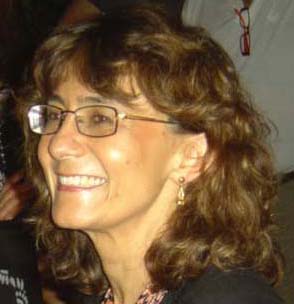
Prof. Valeria Poli is a Full Professor of Molecular Biology at the Faculty of Medicine, University of Torino, Italy. Her academic career includes roles as PI and Director of the Transg. Facility at the Wellcome Trust Centre, University of Dundee (1997–2001), and prior positions at Columbia University and EMBL. She specializes in STAT transcription factors, inflammation, and cancer molecular mechanisms. Research focuses on STAT3 signaling pathways in cancer, inflammation, and myocarditis. Key achievements include identifying STAT3’s role in tumor transformation and myocardial disease progression. Awards include EMBO membership (1998) and a Wellcome Trust Senior Research Fellowship (1997). Over 110 peer-reviewed publications with an H-index of 47. Key contributions in Nature Immunology , Proc. Natl. Acad. Sci. , and Cancer Research . Her work bridges molecular biology and clinical implications, emphasizing translational research in oncology and cardiovascular diseases.
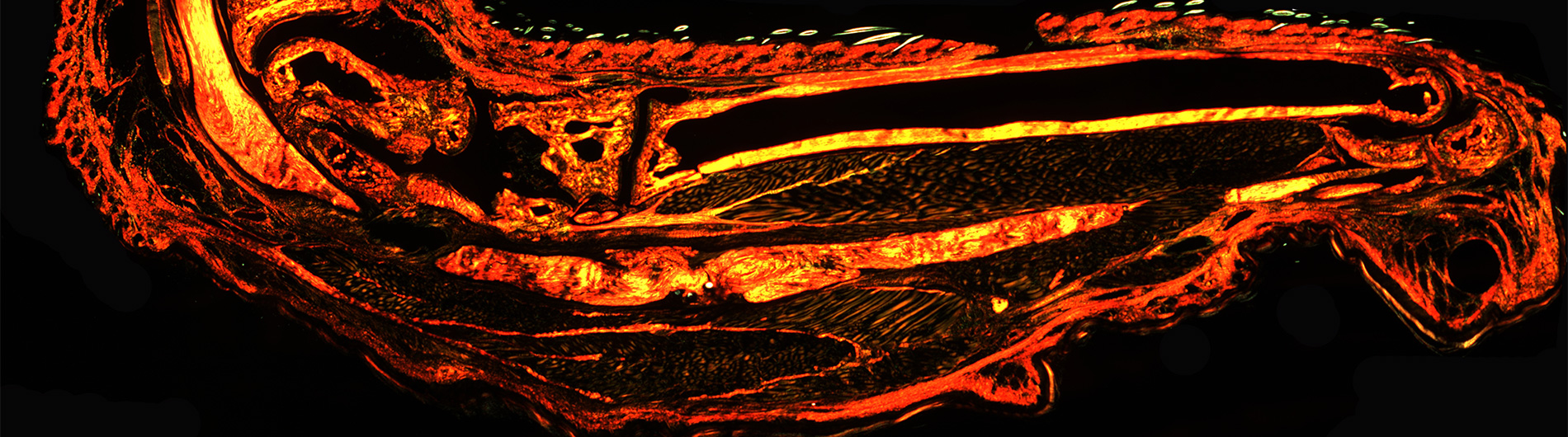
Alayna E. Loiselle, Ph.D., is a Professor in the Department of Orthopaedics and holds joint appointments in Biomedical Engineering and Pathology & Laboratory Medicine at the University of Rochester School of Medicine and Dentistry (SMD). She leads the Musculoskeletal and Soft Tissue Fibrosis and Regeneration Lab, focusing on tendon healing mechanisms, fibrosis, and aging-related degeneration. Her work integrates molecular, cellular, and biomechanical approaches to identify therapeutic targets for tendon injuries. Dr. Loiselle's research has been recognized with awards such as the 2022 Kappa Delta Young Investigator Award and the Goldner Pioneer Award (2014). Education includes a PhD from the University of Rochester School of Medicine & Dentistry (2009), a BS in Biology from Niagara University (2004), and postdoctoral training at Penn State College of Medicine (2013). Her lab investigates cellular lineages (e.g., Scleraxis/S100a4) driving fibrotic responses, age-related tendon dysfunction, and diabetes-induced healing impairments. Recent studies highlight macrophage-myofibroblast interactions and spatial transcriptomics in tendon healing. Key projects include tendon regeneration strategies, lifespan maintenance of tendon structure, and soft tissue fibrosis mechanisms. Dr. Loiselle advises graduate students like Katherine Best and Jess Ackerman, and collaborates with institutions like the Center for Musculoskeletal Research. Her lab actively seeks candidates for PhD and postdoctoral positions in musculoskeletal biology. Scientific contributions span over 50 peer-reviewed articles, including work on NF-κB signaling in tendon fibrosis and partial reprogramming to combat aging-related degeneration. Grants support investigations into biologic factors in tendon healing and translational therapies. Lab affiliations include the BME PhD Program and Cell Biology of Disease PhD Program at URMC.
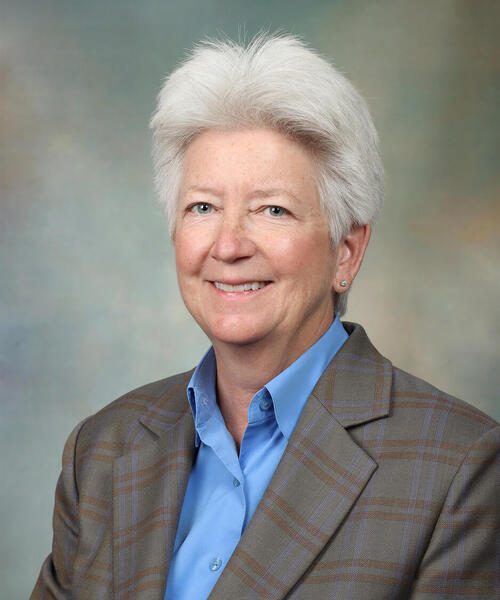
Diane F. Jelinek, Ph.D., is a Professor of Immunology at Mayo Clinic, with appointments in the Department of Research (Division of Cellular Immunology) and the Department of Internal Medicine (Division of Hematology). She is based in Phoenix, Arizona, and leads a research laboratory focused on B cell and plasma cell biology and their roles in malignancies such as chronic lymphocytic leukemia (CLL), multiple myeloma (MM), and primary amyloidosis. She previously served as Dean of Research at Mayo Clinic in Arizona from 2015 to 2022 and holds the Gene and Mary Lou Kurtz Professorship in Multiple Myeloma Research. Her research explores the molecular mechanisms of B cell survival, differentiation, and oncogenesis. Key areas include B cell receptor signaling, activation-induced cytidine deaminase (AID), toll-like receptors, cytokine receptors, and CD40 ligand interactions. Her lab uses next-generation sequencing to analyze antibody gene repertoires and studies metabolic reprogramming in premalignant plasma cell disorders like monoclonal gammopathy of undetermined significance (MGUS). She has characterized B cell antigen receptors in over 2,000 CLL patients and investigates gene expression profiles to understand disease heterogeneity. The recent publications highlight a strong trend in genomic and molecular analysis of B cell cancers, particularly focusing on CLL and myeloma. Her work integrates clinical data with molecular profiling, emphasizing biomarker discovery, metabolic changes, and immune microenvironment dynamics. She is actively involved in translational research with implications for therapeutic targeting. Gene and Mary Lou Kurtz Professor of Multiple Myeloma Research (2008) Diane F. Jelinek has led multiple NIH-funded research projects, including the Mayo Clinic Multiple Myeloma SPORE as a Co-Principal Investigator and several NCI-funded grants as Principal Investigator. Her lab has trained numerous researchers and collaborates extensively within the Mayo Clinic Comprehensive Cancer Center and David F. and Margaret T. Grohne Cancer Immunology and Immunotherapeutics Program. She has not advised any named students in the provided text, but her leadership in large collaborative studies indicates significant mentorship roles. Her laboratory is integral to the Immunology Research program at Mayo Clinic and contributes to the Robert and Arlene Kogod Center on Aging. The lab utilizes patient-derived tumor cells and established myeloma cell lines to study disease progression and therapeutic responses. She is actively engaged in both basic and clinical research teams focused on cancer immunology and hematologic malignancies.
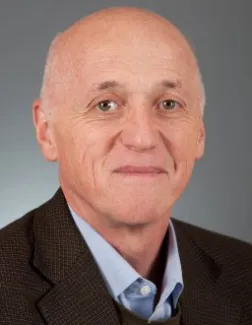
Alexandre G. Maia, Ph.D., is an Associate Professor in the Department of Laboratory Medicine and Pathology and Assistant Professor of Pharmacology at Mayo Clinic in Rochester, Minnesota. He serves as Senior Associate Consultant II-Research in the Division of Experimental Pathology and Laboratory Medicine and is the Associate Director of the Epigenomics Program at the Center for Individualized Medicine. Dr. Maia leads the Functional Epigenomics Laboratory, focusing on cutting-edge research in cancer and stem cell biology. Education: Postdoctoral Fellowship in Chromatin Biology, Icahn School of Medicine at Mount Sinai Ph.D. in Molecular Biology, University of Coimbra Predoctoral Research Fellow, University of California at San Francisco (UCSF) B.S. in Aquatic Sciences, ICBAS, University of Porto Undergraduate Studies, University of Rome (La Sapienza) Dr. Maia's research is centered on understanding the epigenomic regulation of cancer stem cells, particularly in ovarian cancer. His work integrates single-cell sequencing technologies such as ATAC-seq and RNA-seq to profile enhancer elements and transcriptional dependencies. He employs advanced model systems including 3D organoids, patient-derived xenografts, and liquid biopsies to study tumor heterogeneity. His lab utilizes CRISPR/Cas9 for functional validation and microfluidic devices for drug combination testing. Bioinformatic analysis of multi-omics data is a key component of his research. The recent publications reflect a strong trend in functional genomics, epigenetics, and personalized cancer therapy. His work spans multiple myeloma, clonal hematopoiesis, post-translational modifications, CAR T cell exhaustion, and personalized drug testing in pancreatic cancer. The recurring themes include single-cell multiomics, enhancer biology, and translational applications in oncology. Scientific Awards and Honors: Career Enhancement Program Award, Breast SPORE, Mayo Clinic (2022–2024) Early-Career Investigator, Ovarian Cancer Academy, U.S. Department of Defense (2021–2025) Regenerative Sciences Curriculum Development Award, Mayo Clinic (2020) Career Enhancement Program Award, Ovarian SPORE, Mayo Clinic (2019–2020) Career Development Award, Department of Laboratory Medicine and Pathology (2018) NYSCF-Druckenmiller Fellowship (2014–2017) Postdoctoral Recognition Award, Icahn School of Medicine (2014) Ph.D. Fellowship, Science and Technology Foundation, Portugal (2003–2007) Dr. Maia has received substantial grant support from prestigious programs including the Department of Defense Breast and Ovarian Cancer SPOREs, and has been recognized with multiple early-career awards. He mentors research trainees and contributes to curriculum development in regenerative sciences. His laboratory actively collaborates across disciplines to advance epigenomic technologies and their clinical applications. Dr. Maia leads the Functional Epigenomics Laboratory and plays a key role in the Epigenomics Program at the Center for Individualized Medicine. His team integrates wet-lab experimentation with computational biology to develop novel approaches for cancer diagnosis and therapy.
Dr. Carlo Brugnara is a Professor in the Department of Laboratory Medicine at Boston Children's Hospital and Harvard Medical School. He serves as Director of the Hematology Laboratory and is Editor-in-Chief of the American Journal of Hematology. His research spans red blood cell physiology, sickle cell disease, thalassemia, and iron metabolism. Research Interests: Dr. Brugnara's work focuses on ion transport in erythrocytes, particularly the role of transport proteins in sickle cell dehydration and novel therapeutic strategies. His research integrates molecular mechanisms, genetic determinants of red cell hydration, and clinical applications in pediatric hematology. He has pioneered the use of reticulocyte parameters for diagnosing iron deficiency and monitoring erythropoiesis. Recent Research Trends: His recent publications highlight therapeutic innovations in hemoglobinopathies, including mitapivat for thalassemia and spherocytosis, omega-3 fatty acids for sickle cell vasculopathy, and resolvins for inflammatory cardiomyopathy. His work also extends to healthcare economics, digital hematology, and genetic modifiers of disease severity. Scientific Awards and Recognition: Fellow, American Society of Clinical Investigation Fellow, Association of American Physicians Fellow, Academy of Clinical Laboratory Physicians and Scientists Editor-in-Chief, American Journal of Hematology (since 2007) Advising and Grants: While specific students and grants are not listed, Dr. Brugnara has led extensive research programs funded by NIH and other agencies, mentoring numerous trainees in hematology and laboratory medicine. His editorial leadership has significantly shaped the field of hematology publishing. Labs and Research Units: He leads research in the Hematology and Oncology Research Unit at Boston Children's Hospital, focusing on translational studies in red cell disorders and diagnostic innovation.
Philipp Berger is a Scientist at the Paul Scherrer Institute (PSI) in Switzerland, affiliated with the Center for Life Sciences and leading the Laboratory for Multiscale Bioimaging . His position as a research group head involves developing advanced tools for cellular engineering and microscopy while investigating receptor signaling mechanisms in biomedical contexts. Research focuses on receptor trafficking and signaling pathways , particularly VEGFR-2 and GPCRs. Berger's group demonstrated how VEGF-A isoforms alter coreceptor recruitment and signaling (Ballmer-Hofer et al., 2011), identified TBC1D10 as a VEGFR2 signaling regulator (Xie et al., 2019), and pioneered split nanoluciferase assays to study time-resolved adapter protein recruitment for GPCRs (Romantini et al., 2021). Core expertise spans molecular engineering of cellular processes and quantitative microscopy. Recent publications (2021-2023) reveal diversification into diagnostic applications (polymer brush diagnostics, SARS-CoV-2 nanofluidic devices) and neurodegenerative disease mechanisms (Apolipoprotein E-amyloid interactions), while maintaining foundational work on receptor trafficking. The lab's signature tools—Squassh for image analysis and baculovirus systems for multigene delivery—underpin most studies. Scientific Awards: No awards mentioned in source materials Advising and Grants: Berger leads a research group with active publications indicating supervision of junior scientists, though specific students aren't listed. Extensive tool development and cross-disciplinary collaborations (e.g., nuclear medicine, virology) imply sustained grant funding, though specific grants aren't documented in the provided text. Labs and Teams: He directs the Laboratory for Multiscale Bioimaging at PSI. His team developed the MultiLabel/MultiPrime cre/LoxP-based multigene expression system (Kriz et al., 2010; Mansouri et al., 2016), Squassh image segmentation tools (Rizk et al., 2014, 2015), and split nanoluciferase GPCR assays (Spillmann et al., 2020; Romantini et al., 2021). All tools are publicly available via download packages with manuals.
Rushita Bagchi is an Assistant Professor in the Department of Physiology & Cell Biology at the University of Arkansas for Medical Sciences College of Medicine, specializing in Cardiovascular Medicine. Her research focuses on the intersection of cardiovascular and metabolic diseases with particular emphasis on epigenetic regulation. Dr. Bagchi's research interests span multiple areas of cardiovascular pathophysiology: Cardiovascular Diseases and Metabolic Disorders Epigenetic mechanisms including Histone Deacetylases (HDACs) Cardiac fibrosis and tissue remodeling Cell plasticity and gene expression regulation Cardio-adipose tissue crosstalk in metabolic disease Her laboratory investigates how epigenetic modifications, particularly those involving histone deacetylases, regulate cardiac function in metabolic disease states such as diabetes and obesity. Recent work has focused on HDAC11's role in diabetic cardiomyopathy and how it regulates lipid metabolism in the heart. Dr. Bagchi has secured significant research funding including an American Heart Association Career Development Award and multiple institutional endowment grants focused on cardiovascular and diabetes research. Her work bridges basic molecular mechanisms with potential therapeutic applications for cardiometabolic diseases. Her scientific contributions have been recognized through several competitive awards: American Physiological Society Research Career Enhancement Award (2024-2025) American Heart Association Career Development Award (2023-2026) Brunson Endowment Grant for Cardiovascular Diseases Research (2023) Sturgis Endowment Grant for Diabetes Research (2022-2023) Canadian Institutes of Health Research Postdoctoral Research Fellowship (2017-2020) Canadian Institutes of Health Research Predoctoral Research Award (2012-2015) Dr. Bagchi's educational background includes a Ph.D. in Molecular Cardiovascular Pathophysiology from the University of Manitoba, Canada (2016), an M.S. in Zoology from The Maharaja Sayajirao University of Baroda, India (2005), and a B.S. in Zoology from the same institution (2003).
Dr Yuliangzi Sun serves as a Postdoctoral Research Fellow at the Institute for Molecular Bioscience within The University of Queensland, where she also completed her Doctor of Philosophy. Her research bridges molecular bioscience and genomic regulation with direct applications in disease pathology. Education: Doctor of Philosophy, The University of Queensland Dr Sun's research program investigates how metabolic reprogramming and cellular senescence drive fibrosis progression in metabolic liver disease (MASLD), utilizing spatial transcriptomics to map genomic signatures at tissue level. Her work on "Building tools to predict how the genome controls cells" develops computational frameworks for deciphering regulatory networks in cellular processes, with implications for therapeutic targeting in fibrotic diseases. Current efforts integrate multi-omics approaches to understand disease mechanisms at single-cell resolution. Analysis of her 2025 publication reveals a methodological shift toward spatially resolved transcriptomics in human disease models, moving beyond bulk sequencing to capture microenvironmental heterogeneity in fibrosis progression. This approach connects genomic regulation with tissue-level pathology across metabolic disorders. Dr Sun actively participates in the Institute for Molecular Bioscience's collaborative ecosystem and is available for research supervision in molecular bioscience and genomics, contributing to training the next generation of researchers in advanced genomic techniques.
Omer H. Yilmaz is an Associate Professor of Biology and Intramural Faculty at the Koch Institute for Integrative Cancer Research at the Massachusetts Institute of Technology (MIT). His research focuses on understanding how dietary interventions influence intestinal stem cell function, cancer initiation, and regeneration. He holds a PhD and MD from the University of Michigan and a BS in Biochemistry and Physics. Affiliations: Koch Institute for Integrative Cancer Research, MIT School of Science Education: PhD, 2008, University of Michigan MD, 2008, University of Michigan Medical School BS, 1999, Biochemistry and Physics, University of Michigan His research explores the molecular mechanisms linking diet, stem cell behavior, and cancer. Key areas include the role of dietary fats in enhancing tumorigenicity, the impact of fasting on stem cell metabolism, and immune evasion mechanisms in early colorectal cancers. His lab uses organoid models and genomic tools to study intestinal regeneration and tumor formation. Awards: AAAS Martin and Rose Wachtel Cancer Research Award (2018) Pew-Stewart Trust Scholar (2016-2020) Sidney Kimmel Scholar (2016-2020) Harold M. Weintraub Award (2007) Advising & Grants: He mentors numerous students and researchers, with former trainees now at institutions like the University of Rhode Island and Harvard. His lab has received funding for projects on cancer metabolism, immune evasion, and stem cell biology. Labs & Teams: The Yilmaz Lab collaborates widely, focusing on translational research to develop dietary and metabolic strategies for cancer prevention and treatment.
Jose Lozano Torres serves as Assistant Professor at the Laboratory of Nematology, Wageningen University & Research, where he investigates molecular mechanisms of plant-nematode interactions with emphasis on effector proteins and plant immune responses. His work bridges agricultural science and molecular biology to develop sustainable nematode management strategies. Research focuses on root-knot and cyst nematodes (Meloidogyne and Heterodera species), utilizing Arabidopsis thaliana as a model system to dissect transcriptional reprogramming during infection. Key areas include nematode effector function, plant immune evasion tactics, spatial dynamics of feeding site formation, and microbiome-mediated nematode suppression. Recent work employs cutting-edge spatial transcriptomics to map infection-induced gene expression at cellular resolution. His 2024-2025 publications reveal emerging trends in nematode genomics and plant defense, particularly how soil microbiota modulates nematode virulence and the evolutionary conservation of effector-targeted plant pathways. This integrates molecular plant-microbe interactions with agricultural applications for crop protection. Scientific recognition includes: Ambassador of Agriculture and Environment (2020) He currently supervises four PhD candidates across major collaborative projects. Advisees include J. Pacheco Díaz (nematode-virus synergism), S. de Graauw (belowground pathobiome dynamics), Y. Wang, and A. Pijnacker (spatial transcriptomics of nematode parasitism). Research is funded through projects like SMART UP and NEM-EMERGE, focusing on transcriptomic mapping and microbiome engineering for nematode resistance. Based in the Laboratory of Nematology, his team operates at the forefront of nematode genomics, maintaining active collaborations across European research networks. The lab leverages genome sequencing, spatial transcriptomics, and molecular genetics to translate basic discoveries into crop breeding solutions, with strong industry and policy engagement reflected in media coverage and conference keynotes.
Dr. Melanie R. McReynolds serves as Assistant Professor of Biochemistry and Molecular Biology at Pennsylvania State University, holding the Dorothy Foehr Huck and J. Lloyd Huck Early Career Chair. She maintains dual affiliations with the Department of Biochemistry and Molecular Biology and the Molecular, Cellular, and Integrative Biosciences Program. Her academic foundation includes: B.S. in Chemistry and Physics from Alcorn State University M.S. in Biological Sciences via Penn State's NIH-funded Bridges to the Doctorate Program Ph.D. in Biochemistry, Microbiology and Molecular Biology from Penn State University Dr. McReynolds' research centers on metabolic decline during aging, with emphasis on NAD+ homeostasis and stress response mechanisms. Her laboratory employs high-resolution liquid-chromatography mass spectrometry coupled with in vivo isotope tracing to investigate how metabolism adapts to acute and chronic stress in age-related disease models. This work aims to identify targetable molecular pathways for restoring youthful metabolism through therapeutics and nutraceuticals. Analysis of her 14 most recent publications (2014-2021) reveals three dominant research trajectories: NAD+ flux dynamics in aging models, CD38-mediated NAD+ depletion during senescence, and metabolic adaptations in stress-induced aging. Her work spans model organisms from C. elegans to mammals, with increasing focus on translational applications in cancer and neurodegenerative disorders since 2020. Her scientific contributions have been recognized through: HHMI Hanna H. Gray Fellows Program (2018) Burroughs Wellcome Fund Postdoctoral Research Enrichment Program (2018) Inaugural Intersections Science Fellowship (2021) University of Utah Rising Stars in Metabolism (2021) Dr. McReynolds actively mentors trainees across career stages while securing research funding through her HHMI Hanna H. Gray award and pursuing additional external grants. Her lab operates with structured goals to answer fundamental questions about metabolic aging, attract sustained funding, and provide comprehensive training opportunities that emphasize diversity in science. The McReynolds Laboratory in Huck Life Sciences Building maintains three core research thrusts: NAD+ Homeostasis, Whole-Body Mass Balance, and Stress-Induced Aging and Disease. The lab culture prioritizes showcasing excellence through diverse scientific perspectives while developing therapeutic strategies for age-related metabolic disorders.
Zemfira N. Karamysheva is an Associate Professor in the Department of Cell Biology and Biochemistry at the Texas Tech University Health Sciences Center School of Medicine. Her research focuses on translational control mechanisms in protozoan parasites and human diseases, with particular emphasis on ribosome specialization and drug resistance in Leishmania parasites. Ph.D. in Molecular Biology from Moscow State University Current projects include ribosome specialization in parasites and translational reprogramming in drug resistance Research Interests span gene expression regulation, mRNA translation control, ribosome specialization, protein/mRNA quality control, and environmental stress responses. Her work explores how Leishmania parasites adapt to host transitions through translational reprogramming and ribosomal changes. Recent Publications (2023-2023) highlight translational control in drug resistance, ribosome specialization, and stress-induced adaptation. These studies integrate polysome profiling, CRISPR-Cas9 screens, and omics approaches. Scientific Recognition includes: Nature Communications Editors’ Highlights selection Featured in Texas Tech Today and TTUHSC Daily Dose Faculty of 1000 selections Journal feature in Trends in Biochemical Sciences Laboratory maintains a dedicated research page at karamysheva-s-lab , welcoming graduate students interested in translational biology and parasite adaptation.
Dr. Jack Leslie is a researcher at Newcastle University specializing in hepatocellular carcinoma (HCC), liver fibrosis, and immunotherapy. His work spans lipid metabolism, neutrophil biology, and precision medicine approaches to liver disease. Research Interests : Hepatocellular carcinoma, liver fibrosis, neutrophil-mediated immunotherapy, lipidomics, metabolic remodeling, and precision medicine. Article Trends : Recent work focuses on spatial lipidomics for fibrosis targets, CXCR2 inhibition in NASH-HCC immunotherapy, neutrophil roles in tumor microenvironments, and metabolic pathways like mTOR-Plin3 in liver health. Collaborators/Students : Amy Collins, Erik Ramon Gil, Daniel Geh, Zosia Johnson, Jeremy French, Saimir Luli, and Jill Hunter. Labs/Teams : Collaborates on bioreactor technology for liver fibrosis modeling and near-infrared imaging techniques for inflammatory response monitoring.
Lena Elise Høyland is a Postdoctoral Fellow at the Department of Biomedicine, University of Bergen, Norway. Her research is conducted within multiple collaborative groups including Systems Biology and Translational Cell Signaling, Molecular Signaling and Bioenergetics, and Translational Cell Signaling and Metabolism. Her work investigates the intricate relationship between cellular metabolism, mitochondrial function, and neurological disorders through advanced stem cell models and metabolomic approaches. Dr. Høyland's research program centers on NAD + metabolism and its critical role in cellular homeostasis. She examines how subcellular NAD + pools are regulated, particularly focusing on mitochondrial function and how disruptions contribute to neurological disorders. Her work employs induced pluripotent stem cells (iPSCs) with POLG mutations to study mitochondrial dysfunction in neural development and neurodegeneration, while also extending to cancer metabolism through investigations of NAD + dynamics in breast cancer models. Her publication record reveals consistent focus on mitochondrial biology across multiple model systems. Recent work has demonstrated how mitochondrial NAD + acts as a buffer for subcellular pools, providing insights into cellular adaptation to metabolic stress. Her research on POLG mutations has uncovered specific defects in mitochondrial remodeling during neural differentiation, connecting these findings to potential mechanisms in neurodegenerative disorders. This body of work spans fundamental biochemistry to translational applications. As an academic supervisor, Dr. Høyland has mentored graduate students, including guiding Synne Emilia Tveide Johnsen's 2022 Master's thesis on NAD metabolome characterization in breast cancer cell models treated with fulvestrant. Her collaborative approach is evident through numerous co-authorships with researchers across different institutions and disciplines. She conducts her research within the Department of Biomedicine at the University of Bergen, working closely with teams focused on molecular signaling, bioenergetics, and translational cell biology. Her laboratory integrates advanced metabolomics, stem cell differentiation protocols, and molecular biology techniques to investigate fundamental questions in cellular metabolism and its dysregulation in disease.
Nathaniel Vacanti is an Assistant Professor of Molecular Nutrition in the Division of Nutritional Sciences at Cornell University's College of Agriculture and Life Sciences. He joined the faculty in autumn 2018 after completing his postdoctoral work at Karolinska Institutet. His research sits at the interface of molecular nutrition, metabolic engineering, systems biology, and bioinformatics, focusing on understanding metabolic regulation in health and disease. Dr. Vacanti's educational background includes: BS in Chemical Engineering from the University of Connecticut (2008) MS in Chemical Engineering from MIT (2010) PhD in Bioengineering from UC San Diego (2015) Postdoctoral Training in Department of Oncology-Pathology at Karolinska Institute His research program combines high-throughput proteomics, metabolomics, and bioinformatic analyses with targeted metabolic investigative methods including stable-isotope tracing and respirometry measurements. Current projects focus on identifying targetable mechanisms regulating differential metabolism across breast cancer cell lines, computationally predicting drug targets or nutrient interventions to exploit or correct metabolic dysfunctions, and mapping the proteomic response to nutrient availability in developing skeletal muscle cells. His lab trains PhD students in Nutrition and Biomedical Engineering and offers the course 'Big Data in Molecular Nutrition: Proteins, Transcripts, and Metabolism' in the College of Human Ecology. Dr. Vacanti's publications demonstrate his expertise in metabolic analysis across diverse biological contexts, from cancer metabolism to stem cell biology and tissue regeneration. His work in Nature Communications (2019) on breast cancer proteomics and his development of computational tools like PolyMID for stable-isotope tracing experiments highlight his contributions to methodological advancements in the field. Through the Vacanti Lab, he mentors PhD students and contributes to the academic community by making large-scale molecular data analysis more accessible to traditional approaches in molecular nutrition.