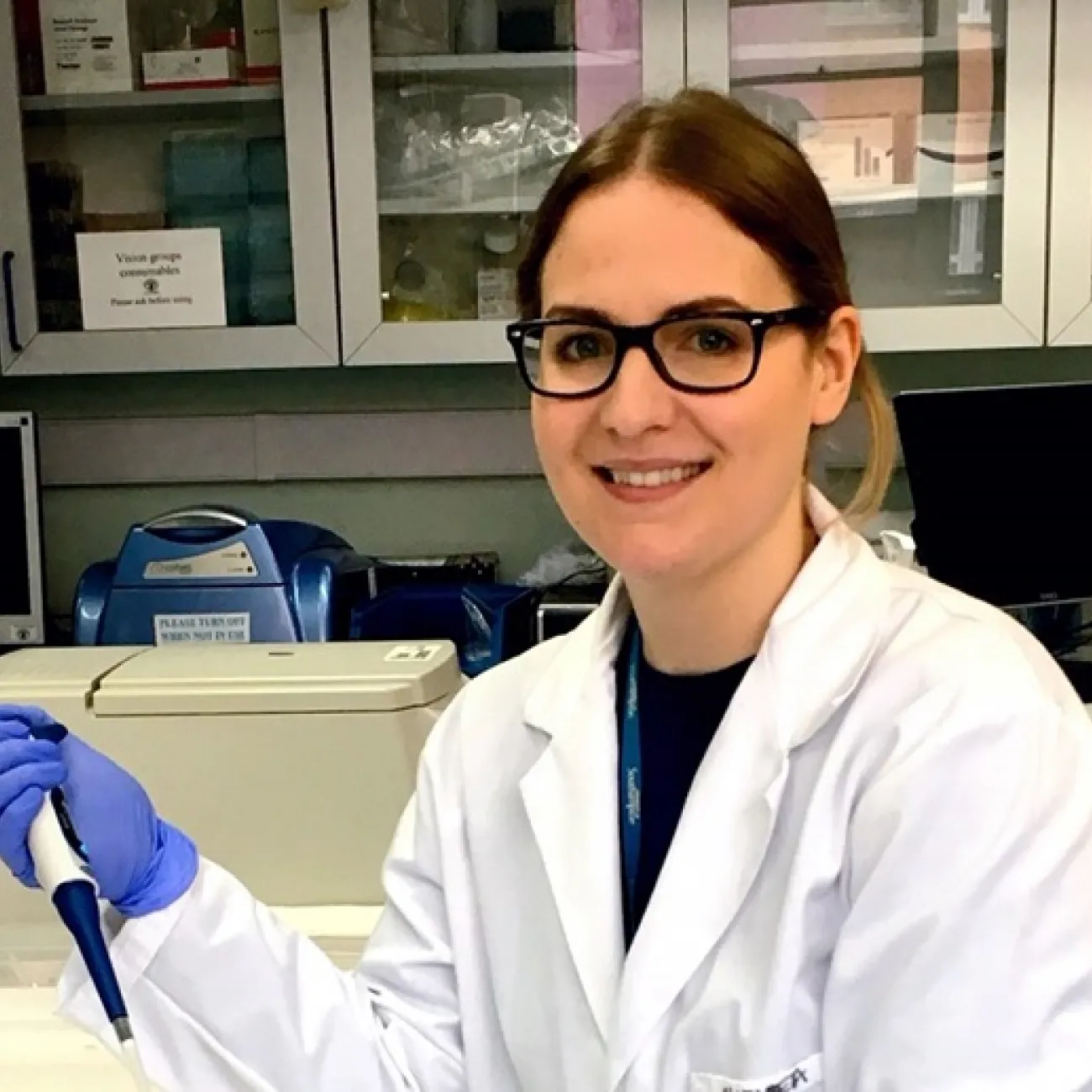
Dr Jennifer Dewing is a Research Fellow in Clinical Neuroanatomy at the University of Southampton. Her work focuses on neurodegenerative diseases, particularly investigating TIMP-3 proteinopathy mechanisms and retinal/brain degeneration. She has contributed to studies on fetal heart development, autism-related synaptic dysfunction, and stem cell models of Sorsby Fundus Dystrophy. Her research bridges molecular biology, clinical pathology, and developmental biology. Notable awards include the British Neuropathological Society's best oral presentation (2025) and recognition for her TIMP-3 proteinopathy work (2023). Dr Dewing collaborates across disciplines, with publications in high-impact journals like PLoS ONE and The Journal of Pathology. Her current projects include exploring age-associated neurodegenerative mechanisms and cardiac cell composition in early fetal development.
Professor Heike Laman is the Head of the Department of Pathology and Professor of Cellular and Molecular Biology at the University of Cambridge , leading research on ubiquitin ligases and their roles in disease. Her work bridges molecular mechanisms to therapeutic applications, focusing on cancer, neurodegeneration, and protein homeostasis. Current affiliation: Department of Pathology, School of the Biological Sciences Resident at Clare College since 2014 (Fellow and Graduate Admissions Tutor) Research Interests: Ubiquitin ligases orchestrate diverse cellular signals beyond protein degradation, influencing activity, localization, and interactions. Key areas include: Cancer: Investigating SCF-Fbxw7 networks in epithelial cancers and cyclin E1 accumulation Neurodegeneration: Fbxo7's role in Parkinson's disease and dopaminergic neuron survival Therapeutic Innovation: Developing PROTACs and nanobodies to target ubiquitin ligases Publication Trends: Recent work spans ubiquitin signaling in cancer metabolism, neuroprotective pathways in Parkinson's, and structure-based design of degraders. Collaborations with AstraZeneca and academic experts highlight translational focus. Scientific Awards: Recognized for academic leadership, including election to Clare College Fellowship (2014) and early career Imperial Cancer Research Fund Fellowship. Advising: Mentors PhD students in projects on ubiquitin ligases, Parkinson's, cancer metabolism, and targeted protein degradation, with lab members working in 3D organoids , mouse models , and hiPSC-derived systems . Labs & Teams: Based at the Department of Pathology (Downing Site, Cambridge), the lab collaborates across Genetics , Pharmacology , and Clinical Neurosciences , with access to the Microscopy Bioscience Platform and Cambridge Stem Cell Institute .
Dr. Mekayla A Storer is a Group Leader at the Wellcome-MRC Cambridge Stem Cell Institute and an affiliate of the University of Cambridge's Physiology, Development and Neuroscience department. Her research focuses on the cellular and molecular mechanisms of blastema formation during mammalian digit tip regeneration, combining single-cell transcriptomics , genetic lineage tracing , and in vitro blastema cultures . Education : PhD from Centre for Genomic Regulation (Barcelona, Spain), supervised by Dr. Bill Keyes Postdoctoral Training : Drs. Freda Miller and David Kaplan at Hospital for Sick Children (Toronto, Canada) Her work explores how stem cells and senescence contribute to regeneration, with implications for therapies targeting broader tissue repair. Key publications include studies on blastema dynamics (2020), digit regeneration (2022), and a human embryonic limb cell atlas (2023). Laboratory Members : PhD Student: Jia Hua Wang Research Associates: Camille Dumas, Kentaro Hirose, Joseph Wong Biomedical Research Technician: Evelina Sliauteryte Postgraduate Student: Lauren Connolly
Dr David Gershlick is a Sir Henry Dale Fellow and Principal Investigator at the Cambridge Institute for Medical Research (CIMR), University of Cambridge, specializing in secretory pathway machinery within the Department of Clinical Biochemistry. His research investigates cellular compartmentalization mechanisms and their critical role in neurodegenerative disorders. His work centers on Membrane Trafficking , Organelle Biology , and Rare Genetic Diseases , examining how protein sorting defects cause Parkinson's and Alzheimer's diseases. Utilizing subcellular proteomics, single-molecule tracking, and genetic models, his lab explores vesicular trafficking, lysosomal dynamics, and adaptor complex functions across cancer, metabolic disorders, and neurodegeneration. Analysis of recent publications reveals dominant themes in Rab GTPase regulation, amyloid processing, and phase separation in secretory granule formation. His research bridges fundamental cell biology with translational insights into disease mechanisms, particularly highlighting trafficking defects in prostate cancer and leptin secretion deficiencies. Dr Gershlick holds the prestigious Sir Henry Dale Fellowship and receives major funding from the Wellcome Trust and Royal Society. Sir Henry Dale Fellowship He supervises PhD students and leads a research team including Eleanor Fox, Marie Pereira, Daniele Stalder, and Georgia Miller. His laboratory at CIMR leverages advanced microscopy and proteomics facilities to investigate membrane trafficking pathways, with consultancy services available for industry partnerships. Based at the Cambridge Institute for Medical Research, his group operates within CIMR's strategic themes of Membrane Trafficking and Organelle Biology, utilizing core facilities for flow cytometry, super-resolution microscopy, and structural biology to advance understanding of cellular organization in health and disease.
Dr. Mairi Sandison is a Senior Lecturer in Biomedical Engineering at the University of Strathclyde's Faculty of Engineering, United Kingdom. Her research focuses on advanced biomedical engineering applications with a particular emphasis on microfluidic systems , vascular tissue modeling , and cellular microarray technologies . She has developed innovative organ-on-a-chip models for studying uterine wall physiology and vascular aging, while also pioneering 3D-printed biomimetic microvasculature for ultrasound research. Her laboratory work has produced significant advancements in: Phenotypic heterogeneity analysis of vascular smooth muscle cells Microbubble acoustic backscattering measurement techniques Antimicrobial surface engineering using metal oxide-doped elastomers Cell preservation methods for single-cell analysis Biofilm formation dynamics in polymicrobial environments
Professor Owen J Sansom serves as the Director of the Institute of Cancer Sciences at the CRUK Scotland Institute, affiliated with the University of Glasgow. His research primarily focuses on colorectal cancer, particularly the role of the Apc gene and Wnt signalling in intestinal tumorigenesis. He employs inducible mouse models to study early neoplastic changes, aiming to identify novel therapeutic targets and biomarkers. Key research interests include: colorectal cancer mechanisms, Wnt pathway dysregulation, tumor suppressor functions, pancreatic and liver malignancies, cancer metabolism, and the tumor microenvironment. His work integrates molecular biology, genetics, and preclinical modeling to address therapy resistance and metastasis. Professor Sansom leads several research groups at the Beatson Institute, specializing in Pancreatic, Colorectal/Lower GI/Intestinal/Gut Microbiome, and Liver cancers. His team collaborates extensively on projects involving cancer heterogeneity, immune modulation, and precision oncology.
Dr. Ahmed Salman is a Senior Immunologist-Vaccinologist and Research Group Leader at the Jenner Institute, University of Oxford, affiliated with Kellogg College. He specializes in developing vaccines against infectious and cancerous diseases, focusing on malaria, COVID-19, and veterinary pathogens. His work employs advanced technologies like viral vectors, viral-like particles (VLPs), and CRISPR-based approaches. He holds a DPhil in Clinical Medicine from the University of Oxford, following degrees from Ain Shams University and collaborations with institutions like the Statens Serum Institut. Research Interests: Dr. Salman’s research centers on identifying vaccine antigens, optimizing vaccine platforms, and advancing gene therapy for retinal diseases. His contributions include patents for malaria vaccines and pivotal roles in the Oxford-AstraZeneca COVID-19 vaccine development. He leads projects funded by the Bill & Melinda Gates Foundation and MRC, focusing on antigen selection for clinical trials. Grants & Awards: His work has been supported by major funders, and he holds patents for malaria vaccine candidates. He is a member of the British Society for Immunology and American Society of Tropical Medicine and Hygiene. Publications: His recent work spans malaria vaccine mechanisms, retinal immunology, and cybersecurity applications of AI. Contributions include studies on CRISPR delivery to the retina and AI frameworks for cybersecurity education.
Professor Nullin Divecha is a faculty member at the University of Southampton, specializing in Cellular Signalling research. His work focuses on phosphoinositide biology, nuclear functions, and their roles in immunology, cancer, and neurodegenerative diseases. He leads projects funded by the Biotechnology & Biological Sciences Research Council (BBSRC) and Alzheimer’s Research UK, investigating mechanisms such as nuclear phosphoinositide regulation, mechanoresponsive signaling pathways, and tau protein secretion. Current PhD students under his supervision include Sonakshi Gehlot and Lee Morgan. His research explores interdisciplinary areas including epigenetic signaling, T-cell regulation, and viral inactivation strategies. Recent studies highlight contributions to understanding SARS-CoV-2 inactivation via UVC laser radiation, tau protein dynamics in Alzheimer’s, and mechanoresponsive nuclear softening. Divecha collaborates with international teams and publishes in top journals like Nature Communications , PNAS , and Biomolecules . Research interests span from basic molecular mechanisms to translational applications in disease treatment, with active projects targeting acute myeloid leukemia and immunotherapy advancements. His lab integrates proteomics, biophysics, and pharmacology to uncover novel therapeutic strategies.
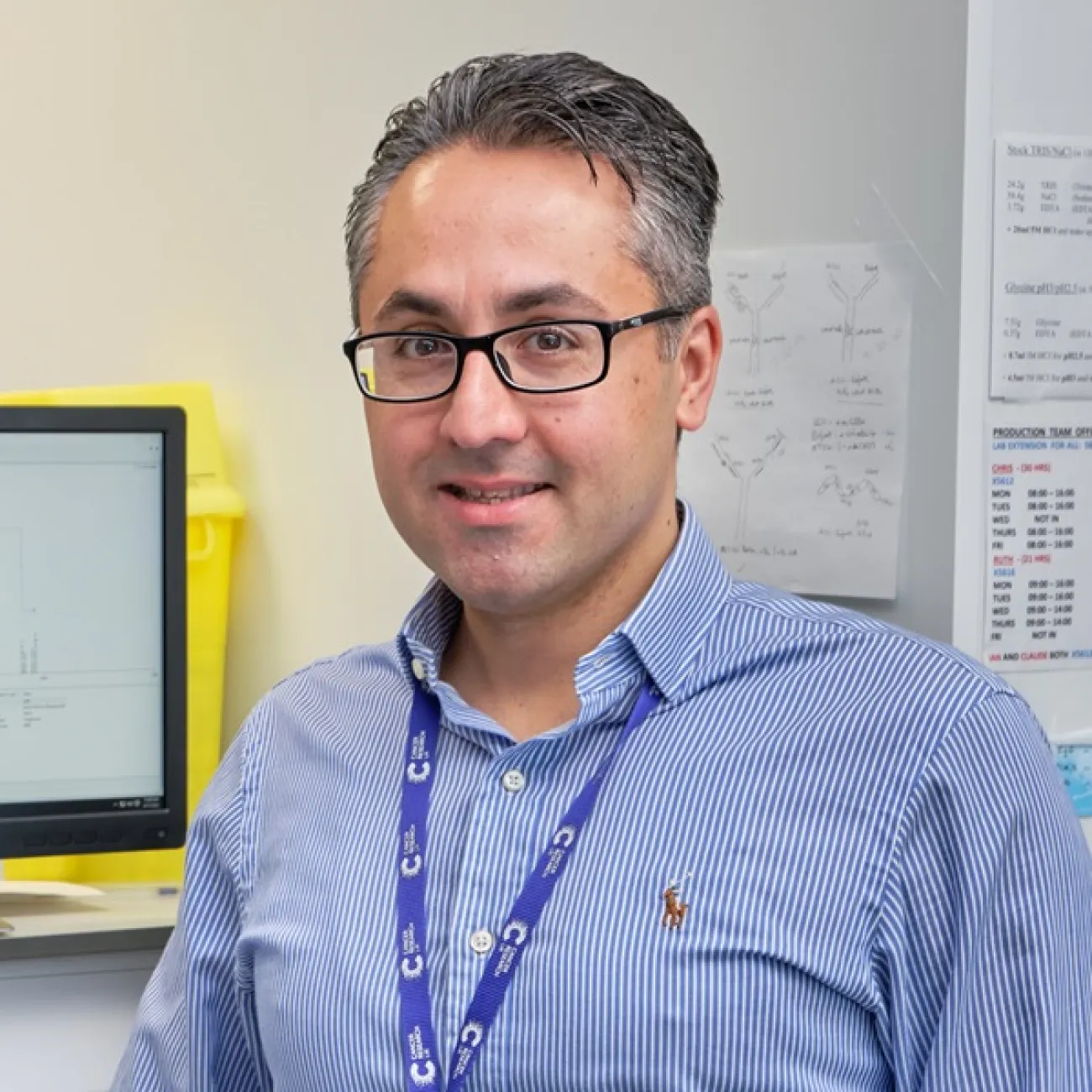
Dr. Ali Roghanian is an Associate Professor at the University of Southampton's Centre for Cancer Immunology. He leads research on cancer immunotherapy, focusing on targeting immunoinhibitory receptors (e.g., LILRBs, FcγRIIB) and developing cellular therapies like CAR T and iNKT cells. His work combines preclinical models (PDX, humanized systems) with monoclonal antibodies to enhance anti-tumor immunity. He collaborates with biotechnology/pharmaceutical sectors and academic institutions to translate basic research into clinical therapies. Education: PhD from the University of Edinburgh Medical School, postdoctoral research at the University of Cambridge and University of Southampton. Awarded a Blood Cancer UK Visiting Fellowship (2015) to conduct research at MIT's Koch Institute. Established his independent research group at Southampton's Centre for Cancer Immunology in 2018. Research interests include overcoming therapy resistance via inhibitory receptor modulation and developing therapies for 'hard-to-treat' cancers. Current projects involve immunostimulatory antibodies, NK cell therapy optimization, and CAR T cell engineering. Awards include the Koch Institute Image Award (2016) and multiple Faculty of Medicine recognitions. Teaching roles include co-leading the MSc Cancer Biology and Immunology module, supervising undergraduate and postgraduate research projects, and lecturing on biomedical technology and cellular pathology. External roles include chairing committees for the Irish and Norwegian Cancer Societies. Labs/Teams: His group actively collaborates with industry partners, focusing on preclinical-to-clinical translation of immunotherapies. Key collaborations include Cancer Research UK-funded projects on FcγRIIB targeting and natural killer cell therapies.
Professor Will Fuller is a Professor of Molecular Physiology and Director of Research at the University of Glasgow's School of Cardiovascular & Metabolic Health. He holds a formal academic role within the Department of Molecular Physiology. His research focuses on cardiac membrane proteins and microdomains, particularly palmitoylation processes and their impact on ion transporters, channels, and signaling pathways in cardiovascular diseases. He has advised students Samuel Adu and Eleanor Dickson-Murray and collaborates with Dr. David France in the School of Chemistry. Fuller completed his undergraduate and postgraduate degrees in Pharmacology at the University of Cambridge. After 8 years of postdoctoral training in the Cardiovascular Division at King’s College London, he established his research lab at the University of Dundee in 2006 before transferring to the University of Glasgow’s School of Cardiovascular & Metabolic Health (SCMH) in 2017. His work integrates subcellular fractionation, imaging, and biochemical techniques to study molecular physiology and therapeutic strategies. His research interests include palmitoylation regulation of Na+/Ca2+ exchangers (NCX1), voltage-sensitive potassium channels, NADPH oxidase, and zDHHC palmitoyl acyltransferases. Recent grants (2025–2030) from the BBSRC and British Heart Foundation fund studies on palmitoylation dynamics, Ca(v)1.2 channel regulation, and targeted degradation of palmitoylating enzymes. He also leads projects on insulin-induced NCX1 palmitoylation and SUMOylation impacts on cardiac relaxation. Notable achievements include pioneering studies on phospholemman’s role in cardiac Na/K-ATPase regulation and developing methods to study protein S-glutathiolation. His lab investigates therapeutic applications of palmitoylation modulation, such as PROTAC-mediated enzyme degradation and NCKX regulation. Key collaborators include Dr. Caglar Gök, Dr. David France, and teams in the Arrhythmias, Cardiac Remodelling, and Heart Failure research groups. His office is Room 415a in the Sir James Black Building on the Gilmorehill Campus, and he can be reached via Will.Fuller@glasgow.ac.uk (ORCID: 0000-0002-5883-4433).
Dr. Alexandre De Mendoza Soler is a Senior Lecturer in Bioinformatics at Queen Mary University of London, affiliated with the School of Biological and Chemical Sciences. His research focuses on comparative and evolutionary epigenomics, exploring genome regulation in eukaryotes ranging from unicellular protists to animals. He holds a PhD in Biology from the University of Barcelona and conducted postdoctoral work at The University of Western Australia before joining Queen Mary in 2020. Education Bachelor's Degree in Biology, University of Barcelona PhD in Evolution of Animal Multicellularity, University of Barcelona Postdoctoral Research at The University of Western Australia (2014–2020) Research Interests Dr. Mendoza’s work integrates molecular evolutionary biology and epigenetic mechanisms to understand how gene regulation evolves across eukaryotes. Key projects include studying DNA methylation dynamics in protists, transposable element activity, and the origins of transcription factors critical for animal development. His lab uses cutting-edge genomic and epigenomic approaches, supported by grants such as the ERC Starting Grant (METHYLEVOL) and Royal Society funding. Grants & Awards ERC Starting Grant - METHYLEVOL (€1,213,073, 2021–2026) Royal Society Grant - Assessing DNA Methylation in Sea Anemones (£42,696, 2024–2025) Supervision He currently supervises PhD students Luke Sarre, Pedro Romero, and Benjamin Tapon, focusing on topics like viral endogenization and epigenetic regulation in eukaryotes. Labs & Collaborations His lab, the de Mendoza Lab , collaborates on projects involving confocal microscopy and epigenetic dynamics. The lab is also part of the Centre for Evolutionary and Functional Genomics at Queen Mary.
Professor Tracy Warr is a leading neuro-oncology researcher at the University of Wolverhampton's Research Institute in Healthcare Science, with over 25 years of experience in experimental brain tumour research. Previously at University College London's Institute of Neurology, she established a research programme focused on glioma treatment outcomes since 2009. Her work spans genomic/epigenetic analysis, metabolic therapies, and tumour immunosuppression. PhD, University of Wales Swansea (1991) BSc, University of Leeds (1986) Research Themes: Therapeutic target validation in paediatric/adult gliomas Metabolic dysregulation and repositioned drugs Epigenetic mechanisms in brain metastases Tumour-mediated immunosuppression in GBM Pre-clinical model development Dietary modulation of cancer progression Publication Trends: Recent work focuses on non-coding RNA methylation patterns in metastatic breast cancer, hexokinase 2's epigenetic regulation in glioblastoma, and arginine biosynthesis pathway inactivation in paediatric high-grade gliomas. Earlier studies explored PDE1C's role in tumour proliferation, flavonoid effects on invasion, and p53 dynamics in chromosomal instability. Scientific Recognition: Honorary Professor, Third Military Medical University (2012) Advising & Grants: Supervised numerous PhD projects on topics like metformin therapy, miRNA roles in angiogenesis, and secretomic analysis of GBM immunosuppression. Current research funded by grants including "Unravelling T cell immunosuppression" (Headcase Cancer Trust) and "Role of miR-133a" (Royal Wolverhampton NHS Trust).
Dr Richard Hayward serves as a University Associate Professor in the Microbiology Division of the Department of Pathology at the University of Cambridge and holds the position of Director of Studies and Fellow in Medical Sciences at Trinity College. His research focuses on the molecular mechanisms of bacterial infections, particularly obligate intracellular pathogens. His work centers on Chlamydia trachomatis , the leading bacterial cause of sexually transmitted diseases globally and trachoma-induced blindness in developing nations. Key research areas include: Intracellular biology of pathogen-host interactions Type III secretion system (T3SS) effector proteins Inclusion biogenesis and membrane compartment reprogramming Structural mimicry of eukaryotic functions by bacterial effectors Cellular processes subverted during infection (cytoskeletal dynamics, intracellular trafficking) Hayward employs biochemical, cell biology, and advanced bio-imaging approaches alongside emerging genetic techniques to investigate these processes. His laboratory operates within the Microbiology and Parasitology Division, with active research on Chlamydia 's virulence mechanisms involving >50 putative effector proteins. No scientific awards were explicitly documented in the source materials. As Director of Studies at Trinity College, Hayward supervises PhD students and contributes to undergraduate medical sciences education. His group maintains active research collaborations within the Department of Pathology's specialized facilities including the Pathogen Cryo-Imaging Facility (PaCIFiC). Current research priorities include deciphering effector protein functions and identifying novel therapeutic targets against neglected tropical diseases. The Hayward Group operates within the Department of Pathology's Microbiology and Parasitology Division, utilizing advanced imaging and genomic facilities. Current research focuses on characterizing anonymous chlamydial proteins (comprising ~35% of the genome with no homology to known proteins) and their role in pathogenesis.
Kristian Bowles is Professor of Haematology and Dean of Norwich Medical School at the University of East Anglia. He is a member of the Cancer Studies department and an active Consultant Haematologist at Norfolk and Norwich University Hospital. His academic leadership and research are central to the medical school's mission in advancing haematological science and clinical practice. University: University of East Anglia School: Norwich Medical School Department: Cancer Studies Academic Rank: Professor He earned his medical degree from Guy's and St Thomas' Hospitals Medical School, London, completed specialist training in haematology in Cambridge and Norwich, and obtained his PhD from the University of Cambridge, focusing on haematopoietic stem cell self-renewal. His research interests lie at the intersection of haematology, cancer biology, and ageing. He investigates the metabolic and mitochondrial regulation of haematopoietic stem cells, senescence in the bone marrow niche, and the progression of pre-malignant conditions like MGUS to myeloma. His work integrates molecular biology, genomics, and immunology to understand blood cancers and stem cell dynamics. His recent publications (2023–2024) reveal a strong focus on mitochondrial fate, metabolic reprogramming, and immune interactions in haematological malignancies. Key themes include BCL2 regulation in AML, mtDAMP-mediated macrophage activation in myeloma, and the role of fatty acid oxidation in stem cell function. These studies are published in leading journals such as Blood , Genome Biology , and Blood Advances . Kristian Bowles leads multiple funded research projects, including those supported by the Medical Research Council, Royal Society, and Academy of Medical Sciences. These projects explore glutamine synthetase in aged stem cells, NAMPT in myeloma progression, and the health impacts of climate change. Investigating the role of NAMPT and age-related macrophage changes in MGUS-to-myeloma progression (British Society of Haematology) Role of glutamine synthetase in aged haematopoietic stem cells (Academy of Medical Sciences) Comprehensive assessment of climate change health risks (Royal Society) Mitochondrial fate in normal and malignant haematopoiesis (Medical Research Council) He collaborates extensively with Dr. Stuart Rushworth and other researchers, supervises students, and leads a dynamic research group. His lab, referenced at www.rushworthlab.com, is a hub for innovation in haematological research.
Prof Paul Kirkham is a Professor of Cell Biology at the University of Wolverhampton , within the Faculty of Science and Engineering and the Department of Biomedical Sciences & Physiology . He has over 30 years of research experience, with a focus on respiratory disease since 1998. Education: PhD in Biochemistry (University of Surrey, 1989) Key Affiliations: Imperial College London (Senior Research Fellow, 2008–2013), Novartis (1998–2008), University of Messina (Visiting Professor, 2019) Research Interests: His work explores how oxidative and carbonyl stress modulate cellular and immune responses in respiratory diseases like COPD and fibrosis. Specific projects include: Carbonyl stress and macrophage plasticity Mechanisms of mitochondrial dysfunction in airway inflammation Linking COPD to cardiovascular comorbidities via biomarkers Therapeutic strategies for fibrosis and autoimmunity Publications highlight his contributions to understanding oxidative stress in COPD, autoimmune biomarkers, and metabolic reprogramming in airway smooth muscle cells. He has over 79 publications, including high-impact journals like Chest , European Respiratory Journal , and Journal of Allergy and Clinical Immunology . Scientific Awards & Roles: Royal Society Industry Fellowship (2008) Fellow of the Royal Society of Biologists (2020) Editor-in-Chief, Journal of Inflammation (2008–present) Secretary of Section 5.1, European Respiratory Society (2015–2018) Founder & Director, DykoMed Ltd (2015) Teaching and Mentorship: He has led modules on respiratory anatomy, molecular pathology, and mitochondrial dysfunction, mentoring PhD and DBMS students since 2001. His funded postdoc grant (2019–2025) reflects ongoing research support.