Dr. Mark Levasseur is an academic researcher affiliated with Newcastle University, focusing on cellular mechanisms governing meiosis and mitosis. His work emphasizes the molecular regulation of chromosome segregation, aneuploidy prevention, and calcium signaling during oocyte maturation. He has contributed extensively to understanding the roles of the Anaphase Promoting Complex (APC/C), CDK1 activity, and phosphatase systems in ensuring proper meiotic progression. His research spans from fundamental cell biology to clinical implications in fertility and cancer biology. Key research interests include: Meiotic and mitotic checkpoint mechanisms Cyclin B1 and securin regulation Calcium signaling in fertilization APC/C substrate specificity Aneuploidy causes in oocytes His publications reveal a focus on mouse and ascidian models to study developmental biology and reproductive processes. Recent work highlights novel insights into histone regulation during mitosis and the role of Aurora B in kinetochore stability. Dr. Levasseur collaborates with leading researchers in cell biology and reproductive medicine, contributing to both basic science and translational research.
Dr. Julia Sanchez Garrido is a Research Associate at the Department of Life Sciences, Faculty of Natural Sciences, Imperial College London. She leads research in the Gad Frankel Lab within the Centre for Bacterial Resistance Biology (formerly Centre for Molecular Bacteriology and Infection). Her work focuses on mucosal host-pathogen interactions in intestinal and pulmonary infections, using Citrobacter rodentium and Klebsiella pneumoniae models to study virulence mechanisms, immune responses, and antimicrobial resistance. She holds a PhD from Imperial College London under Dr. Avinash Shenoy, with prior expertise in inflammasome biology and cell death pathways. Her research integrates molecular/cellular techniques with in vivo models to explore bacterial effectors' roles in immune subversion. Key contributions include elucidating Klebsiella 's carbapenem resistance mechanisms via OmpK36 regulation and defining how bacterial effector networks shape inflammation outcomes. She is a Fellow of the Higher Education Academy (FHEA) and actively contributes to science outreach, coordinating Imperial's Great Exhibition Road Festival since 2018. She serves as Chair of the London Infection Network for Early Career Researchers (LINE) and has held postdoc representation roles in the Department of Life Sciences, advocating for researcher development and interdisciplinary collaboration. Key Affiliations: Centre for Bacterial Resistance Biology London Infection Network for ECRs (LINE) CMBI Postdoc Association (2020-2023) Research Themes: Type III secretion system effector networks Antimicrobial resistance evolution Mucosal immunity and inflammation Inflammasome regulation in infection Her publications (n=15+) span high-impact journals like Science, Mucosal Immunology, and Cell Reports, with a focus on bacterial virulence strategies and host immune defenses. She has pioneered platforms like citrOgen for antigen presentation and developed novel insights into Klebsiella's polysaccharide-based resistance mechanisms.
Professor Andriana Margariti is a globally recognized leader in vascular biology and regenerative medicine at Queen's University Belfast's School of Medicine, Dentistry and Biomedical Sciences. She serves as Director of the iPSC facilities within the Wellcome-Wolfson Institute for Experimental Medicine (WWIEM), where she leads one of the UK's most advanced induced pluripotent stem cell programmes. Appointed Lecturer in 2013, she progressed to Senior Lecturer in 2017 and Professor in Vascular and Regenerative Medicine in 2020. Her laboratory generates human iPSCs differentiated into endothelial cells, smooth muscle cells, cardiomyocytes, and other cell types for disease modeling and therapy development. Her research focuses on stem cell biology , endothelial cell function , direct cell reprogramming , chromatin remodelling , and translational cardiovascular science . Key areas include vascular reprogramming, diabetic vascular complications, RNA binding proteins (particularly QKI family), and epigenetic mechanisms in disease. She pioneered the generation of fully functional human blood vessels from diabetic patient-derived iPSCs using single-cell RNA sequencing to reveal diabetic vascular dysfunction mechanisms. Professor Margariti's publication trends show consistent output in vascular organoid technology (2022-2025), with increasing integration of AI and digital twin technologies. Her work spans vascular biology , diabetes complications , organoid engineering , and epigenetic therapeutics , with strong translational focus toward clinical applications in regenerative medicine. PAPANIKOLAOU Prize from Hellenic Medical Society for outstanding medical research contribution Scientific Research Award from King's College London Inclusion in Ulster Transport Museum's Museum of Innovation (2022) BBSRC NEW INVESTIGATOR AWARD (2014) First Contact Initiative Grant from European Society of Cardiology (2013) Numerous student awards including ISSCR attendance grants and best presentation prizes She supervises 12 PhD students and numerous MSc/MSci students, with current projects spanning patient-specific iPSC models of vascular disease, next-generation vascularized organoids, direct reprogramming for vascular regeneration, in vivo cell-based therapeutics, and AI-enhanced digital twins. Her lab has secured major grants including BBSRC New Investigator Award and multiple BHF-funded projects. Professor Margariti collaborates globally with institutions including Harvard Medical School, UCSF, and King's College London, and serves on editorial boards for Circulation Research and other high-impact journals. Her laboratory maintains advanced iPSC facilities generating vascularized cardiac tissues and disease-specific organoids, with current research focusing on diabetic retinopathy models, next-generation vascularized cardiac organoids, and AI-integrated digital twin technology for personalized clinical applications.
Dr. Hojjat Naderi-Meshkin is a Research Fellow affiliated with the Wellcome Wolfson Institute for Experimental Medicine within the School of Medicine, Dentistry and Biomedical Sciences at Queen's University Belfast. His research bridges stem cell biology, vascular pathophysiology, and diabetic complications, focusing on organoid-based disease modeling and regenerative therapies. Research interests center on: Mechanisms of endothelial dysfunction in diabetes Angiogenic repair using stem cell-derived approaches Development of vascular organoids for disease modeling Extracellular matrix remodeling in tissue regeneration Hypoxia-responsive signaling pathways in vascular cells Recent publications demonstrate strong emphasis on diabetic vasculopathy, with 2023-2024 studies examining NOX4 signaling in hypoxia, cellular heterogeneity in vascular organoids, and amniotic membrane applications in wound healing. Collaborative work frequently involves multi-omics approaches and patient-derived models. Laboratory activities focus on advanced cell culture systems including induced pluripotent stem cells and 3D organoid platforms to investigate therapeutic strategies for vascular complications.
Dr. Owen Rackham is an Associate Professor in Systems Biology at the University of Southampton, jointly appointed since 2020. He holds a PhD in Complexity Sciences and previously served as an MRC Career Development Fellow at Imperial College London (2012–2015) and Senior Research Fellow at Duke-NUS Medical School (2015–2016). He co-founded Mogrify Ltd., a cell therapy spin-out company commercializing his computational tools for cell reprogramming. His research focuses on integrating computational approaches with experimental biology to understand cellular reprogramming and disease mechanisms. Key areas include: Cell fate control via computational modeling High-throughput sequencing analysis Data-driven drug discovery Current projects involve: AI-driven cell-type expansion (BBSRC-funded) Epigenetic mechanisms in early-life adversity Multidisciplinary spatial biology platforms He leads the Cell and Molecular Medicine theme at the Alan Turing Institute and has published extensively in top journals like Nature and Nature Machine Intelligence. His work has led to patent applications and licensing partnerships.
Dr. Yanghee Kim is a Senior Research Fellow (Anni Fellowship) at the University of Southampton's Faculty of Medicine. Her research focuses on biomaterials for tissue regeneration, particularly scaffolds and hydrogels for bone repair. She holds a PhD from Kyoto University, where she studied immune cell recruitment via drug delivery systems. Since 2016, she has contributed to the Bone and Joint Research Group, developing nanoclay-based therapies and collaborating with Kyoto University on macrophage-stem cell interactions. She is an editorial board member for journals like BMC Medical Research Methodology and Frontiers in Biomaterials Science. Awards include the University of Southampton Anniversary Fellowship (2023) and the Outstanding Researcher award (2022). Her work spans biomaterial design, stem cell biology, and immunomodulation. Recent projects include hydrogel stabilization with nanofillers and 3D bioprinted bone tissue. She supervises three PhD students and teaches modules like MSc Biomedical Science and BM Research Projects. Current funding includes the MRC-AMED grant for macrophage-biomaterial interactions.
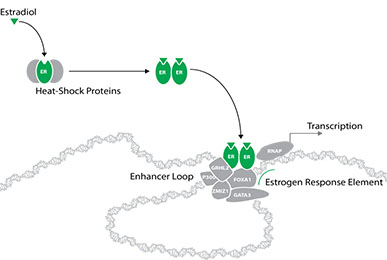
Dr. Andrew Holding is a Senior Lecturer in Biomedical Science within the Department of Biology at the University of York. His research program centers on steroid hormone receptor dynamics across healthy tissues and cancer pathologies, with particular emphasis on glucocorticoid and estrogen receptors in breast cancer mechanisms. Methodologically, he employs CRISPR/Cas9 genome editing, single-cell RNA sequencing, and machine learning to characterize co-regulator proteins and their roles in treatment resistance. His core research examines: Cellular response mechanisms to steroid hormones Computational modeling of receptor interaction networks CRISPR-based functional genomics in cancer models Machine learning integration of multi-omics data Evolution of drug resistance in hormone-driven cancers Publications show consistent focus on chromatin dynamics, transcriptional regulation in cancer (particularly breast cancer and leukemia), and development of computational tools for genomic analysis. Recent work emphasizes hypoxia pathways, metabolic reprogramming in metastasis, and epigenetic drivers of tumor microenvironments. Active grants include: BBSRC IAA: Establishing tissue differentiation models of human breast epithelium MRC-funded project on sodium signaling in tumor hypoxia Deep learning integration of interactome data for protein-protein interaction prediction He leads laboratory investigations into steroid receptor co-regulators and maintains collaborations across computational biology and clinical oncology domains.
Professor Dianne Ford is the Pro Vice-Chancellor of the Faculty of Health and Life Sciences at Northumbria University, leading a faculty of ~12,000 students and 600 staff. Previously, she held leadership roles at Newcastle University, including Associate Dean for Taught Postgraduate Studies. She earned a PhD in Biochemistry from the University of Bristol (1991). Her research focuses on zinc homeostasis, dietary polyphenols, and epigenetic mechanisms in aging. She has secured £2.55M in BBSRC grants and currently collaborates internationally on NAD+ restoration projects. Dianne is a Fellow of the Royal Society of Biology and Physiological Society, with over a decade on UKRI advisory panels. Research interests include dietary interventions to extend healthspan, human intervention studies, and molecular aging pathways. Notable funding includes grants from Unilever and Nuchido Ltd. She has published widely on topics like zinc transporters, epigenetic modifications, and microbiome-drug interactions. Awards highlight her contributions to gender equality in STEM through Athena SWAN initiatives. Education: BSc (Hons) Biochemistry (University of Bristol, 1988), PhD Biochemistry (University of Bristol, 1991) Awards: Fellow of the Royal Society of Biology, Fellow of the Physiological Society Grants: £2.55M BBSRC grants (2000–2018), £95K Nuchido Ltd (2023–present) Her work aligns with UN SDG targets for good health and well-being, emphasizing translational research to combat age-related diseases. Collaborations span institutions in Italy, Australia, and beyond, reflecting her global impact in nutritional and aging sciences.
Ruchi Shukla is a Researcher at Northumbria University, specializing in cancer biology with a focus on retrotransposon-driven mechanisms in hepatocellular carcinoma (HCC) and autoimmune diseases. She holds a PhD in Biological Sciences (2007) and has led groundbreaking studies on L1 retrotransposon activation in cancer initiation and progression. Her work bridges molecular oncology, immunology, and genetic instability, with key contributions to understanding HCV-induced carcinogenesis and synthetic lethality targets in HCC. Research Interests: Retrotransposon mobilization in cancer development Molecular pathways in hepatocellular carcinoma Autoimmune mechanisms and cytokine networks Tumor microenvironment dynamics Therapeutic targets for non-cirrhotic HCC Publications Highlight: Her most recent work (2025) links retroelement activation to anti-CCP antibodies in rheumatoid arthritis, while her 2023 studies identify TIAM1 as a synthetic-lethal target in HCC. Over 20 peer-reviewed articles span retrotransposon biology, cancer genetics, and viral oncogenesis. Advising & Collaboration: Supervises Ayodeji Olushola Awotula (PhD student since 2024). Collaborates with global teams on projects involving epigenetic regulation, biomarker discovery, and translational oncology. Labs/Teams: Conducts research within Northumbria's interdisciplinary cancer biology group, focusing on genomic instability and tumor biology.
Yaser Atlasi is a Senior Lecturer at Queen's University Belfast's School of Medicine, Dentistry and Biomedical Sciences, affiliated with the Patrick G Johnston Centre for Cancer Research. His research focuses on epigenetic regulation in health and disease, particularly using embryonic stem cells and organoids to explore parallels between embryonic, adult, and cancer stem cells. He employs advanced genomic and proteomic techniques combined with computational biology to address societal health challenges. Key research interests include epigenetic mechanisms, stem cell differentiation, cancer biology, and drug resistance. He leads projects funded by Queen’s Catalyst and other grants, investigating topics like USP7-PRC1.6 regulation in cancer, enhancer SNPs in breast cancer, and drug-resistant lymphomas. His lab (www.atlasilab.com) emphasizes translational research, bridging basic science and clinical applications. Atlasi has received awards including the EMBO Travel Award (2023), Queen’s CATALYST award (2021), and Young Investigator Award (2016). He actively participates in academic activities, including invited talks at the Crick Institute and joint BSDB/Genetics Society conferences. His research spans collaborations in the UK and internationally, addressing stem cell plasticity, epigenetic pathways, and therapeutic targets in cancer. Atlasi supervises doctoral students and contributes to editorial activities, peer review, and academic outreach. His work intersects multiple disciplines, including computational biology, drug development, and regenerative medicine, reflecting his commitment to interdisciplinary approaches in science.
Dr. Nicholas Rattray is an Associate Professor and Reader at the University of Strathclyde’s Strathclyde Institute Of Pharmacy And Biomedical Sciences. His research focuses on metabolic changes across the human life course, particularly energy metabolism, biomarker detection, and clinical applications in pregnancy, frailty, aging, and cancer. He leads projects funded by EPSRC and NHS Lanarkshire, including the DTP 2224 PhD Studentship and frailty-focused studies. His lab specializes in metabolomics, mass spectrometry-based pipelines, and cellular models to study metabolic pathways and their role in disease. Collaborations span international institutions, with recent work addressing sex differences in cancer metabolism and biomarker validation for aging. Dr. Rattray supervises students like Mohammad Almawazini and utilizes advanced equipment such as the Genius SQ Nitrogen Generator and LCMS-2050 for high-throughput analysis. Research Interests: - Investigating metabolic dynamics in aging and disease - Development of analytical tools for biomarker discovery - Metabolomics applications in oncology and geriatrics Grants & Projects: - DTP 2224 Research Studentship (EPSRC) - Frailty (eFI JARSS NHS Monies) (NHS Lanarkshire) Key Contributions: - Over 105 publications, including peer-reviewed articles on senescence, diabetes, and cancer metabolism - Pioneering work on spatial lipidomics and protein corona analysis in nanomedicine
Zahra Rattray is a Reader in Translational Pharmaceutics at the University of Strathclyde's Strathclyde Institute of Pharmacy and Biomedical Sciences. She serves as Director of the EPSRC Multiscale Metrology Suite for Next-Generation Health Nanotechnologies and leads a research team focused on drug delivery systems and cancer therapeutics. Her affiliations include roles in the Royal Pharmaceutical Society, Academy of Pharmaceutical Sciences, and RSE Young Academy of Scotland. Education: Master of Pharmacy (University of Manchester, 2008) PhD in Pharmaceutical Image Analysis (University of Strathclyde, 2013) Postgraduate Certificate in Academic Practice (University of Strathclyde, 2021) Research Interests: Zahra’s work spans two core areas: (1) Characterization of nanomedicines and parenteral formulations using advanced techniques like field flow fractionation, and (2) Development of DNA repair agents and nuclear import pathway inhibitors for cancer treatment. Her lab employs cutting-edge tools such as the NanoSight NS300 and LCMS-2050 for particle analysis and metabolomics. Publications & Awards: With 108 peer-reviewed articles and 21 awards, her contributions include the Academy of Pharmaceutical Sciences Emerging Scientist Award (2023) and recognition in the Saltire Scotland 40 Under 40 List. She chairs the Advanced Therapy Medicinal Products focus group and serves on EPSRC peer review panels. Grants & Outreach: Zahra leads 49 research projects, including EPSRC-funded initiatives on nanoparticle delivery and metabolomics. She collaborates with NHS Lanarkshire on patient engagement programs and champions diversity in STEM through outreach activities.
Professor David Carling is a Professor of Biochemistry at the Institute of Clinical Sciences within Imperial College London's Faculty of Medicine. He leads the Cellular Stress Group at the MRC London Institute of Medical Sciences and has held this position since 1990. His research focuses on the role of AMP-activated protein kinase (AMPK) in metabolic regulation, particularly its implications for obesity, cancer, and metabolic diseases. Affiliations include the Centre for Translational Nutrition and Food Research, the Immuno-Pathology Network, and the Vascular Science Network. David Carling holds a PhD from the University of Dundee (1987) and a BSc from the University of Bristol (1984). His work combines molecular, cellular, and systems approaches to investigate how metabolic dysregulation drives disease. Key research themes include AMPK's role in inflammation, fibrosis, and cancer, as well as its potential as a therapeutic target. His publications span mechanisms of AMPK activation, metabolic pathways in cancer, and the interplay between energy sensing and immune responses. Notable studies explore how AMPK modulates macrophage function, suppresses tumor growth, and corrects non-alcoholic fatty liver disease. His findings highlight AMPK's versatility as a regulator of diverse biological processes. Carling’s research has contributed to drug development targeting metabolic pathways, with implications for diabetes, atherosclerosis, and neuroblastoma. His interdisciplinary approach bridges basic science and translational medicine, emphasizing the clinical relevance of metabolic mechanisms.
Prof. Aylin Hanyaloglu is a Professor in Molecular Medicine at the Department of Metabolism, Digestion and Reproduction, Faculty of Medicine, Imperial College London. She leads the G protein-coupled receptor (GPCR) Signalling Group, established in 2007. Her work focuses on understanding fundamental mechanisms of GPCR signal transduction, with applications in reproductive health, metabolic disorders, and cancer. Affiliations include the Chemical Biology CDT, Centre for Translational Nutrition and Food Research, and the Membrane Receptor Network. Education: PhD in Molecular Endocrinology (2002, University of Western Australia), Postdoctoral training at UCSF (2002–2007). Research interests span GPCR dimerization, receptor trafficking, and their roles in physiological systems like pregnancy, labor, and metabolic regulation. Major projects include studying hormone receptors in ovarian physiology, prostaglandin signaling in myometrium, and short-chain fatty acid effects on gut function. Funded by Wellcome Trust, BBSRC, MRC, and Genesis Research Trust, her work bridges basic science and clinical translation. Key research themes include spatial control of gonadotrophin receptors, GPCR oligomerization dynamics, and targeting kisspeptin receptors for reproductive health. Collaborates widely across disciplines, from chemical biology to clinical studies. No listed students or awards, though her contributions are evident in high-impact publications.
Yaoyong Li serves as a Research Fellow in the Division of Molecular & Cellular Function, focusing on advanced molecular genetics research. His work intersects with multiple UN Sustainable Development Goals, particularly those related to health and well-being through biomedical research. Dr. Li's research interests center on molecular mechanisms of gene regulation , with particular expertise in enhancer regions, transcription processes, and transposable element control. His fingerprint analysis reveals significant contributions to understanding Enhancer Region biology (100%) Transcription mechanisms (94%) Transposable Element regulation (88%) Retrotransposon dynamics (88%) Gene Expression control (80%) LSD1-related pathways (74%) His work spans cancer cell biology, cellular reprogramming, and epigenetic regulation. Analysis of Dr. Li's recent publications shows a strong trend toward understanding transcriptional regulation in disease contexts, particularly cancer. His research combines advanced genomic techniques with molecular biology approaches to unravel complex regulatory networks. The work on ZMYM2 and enhancer landscapes demonstrates innovative approaches to mapping gene regulatory elements and their dysregulation in disease states. Dr. Li's collaborative network extends across multiple institutions, with significant contributions to high-impact journals including eLife and Nucleic Acids Research . His research outputs demonstrate consistent productivity with multiple publications appearing in rapid succession, indicating active engagement in cutting-edge molecular biology research.