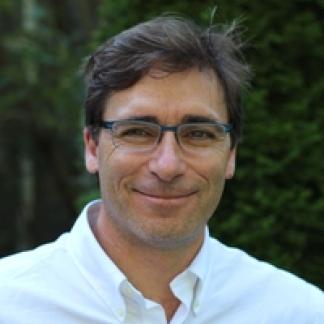
Marc Schmidt is a Professor of Biology at the University of Pennsylvania's School of Arts & Sciences, co-directing the Biological Basis of Behavior Program. He holds a B.A. in Biology from Swarthmore College (1986) and a Ph.D. in Neuroscience from Colorado State University (1993), followed by postdoctoral work at the California Institute of Technology in Neuroethology (1993–1999). His research focuses on neural mechanisms underlying courtship behaviors in songbirds, particularly the brown-headed cowbird, integrating neurobiology, computational methods, and engineering to study vocal and social displays. Key projects include analyzing neural circuits for vocal production, respiratory control, and female mate choice using a 'smart aviary' equipped with computer vision and wireless neural recording systems. Collaborations span engineering, physics, and other disciplines to track social behavior dynamics and neural activity in naturalistic settings. Research highlights include unraveling the role of the 'song system' in coordinating non-vocal courtship behaviors and linking brain activity to social context. Schmidt's work bridges neural circuitry with behavioral outcomes, emphasizing interdisciplinary approaches to understand complex social interactions. His lab employs advanced tracking systems and computational models to quantify group behavior across breeding seasons, aiming to predict and explain social network dynamics. He teaches courses in cellular/molecular neurobiology and animal behavior, contributing to both undergraduate and graduate education. Publications span vocal motor control, norepinephrine modulation, and social network analysis. His NSF-funded 'smart aviary' project exemplifies translational research, merging engineering and biology to study avian social behavior. Schmidt's contributions advance our understanding of neural mechanisms behind social communication and the evolution of courtship displays in vertebrates.
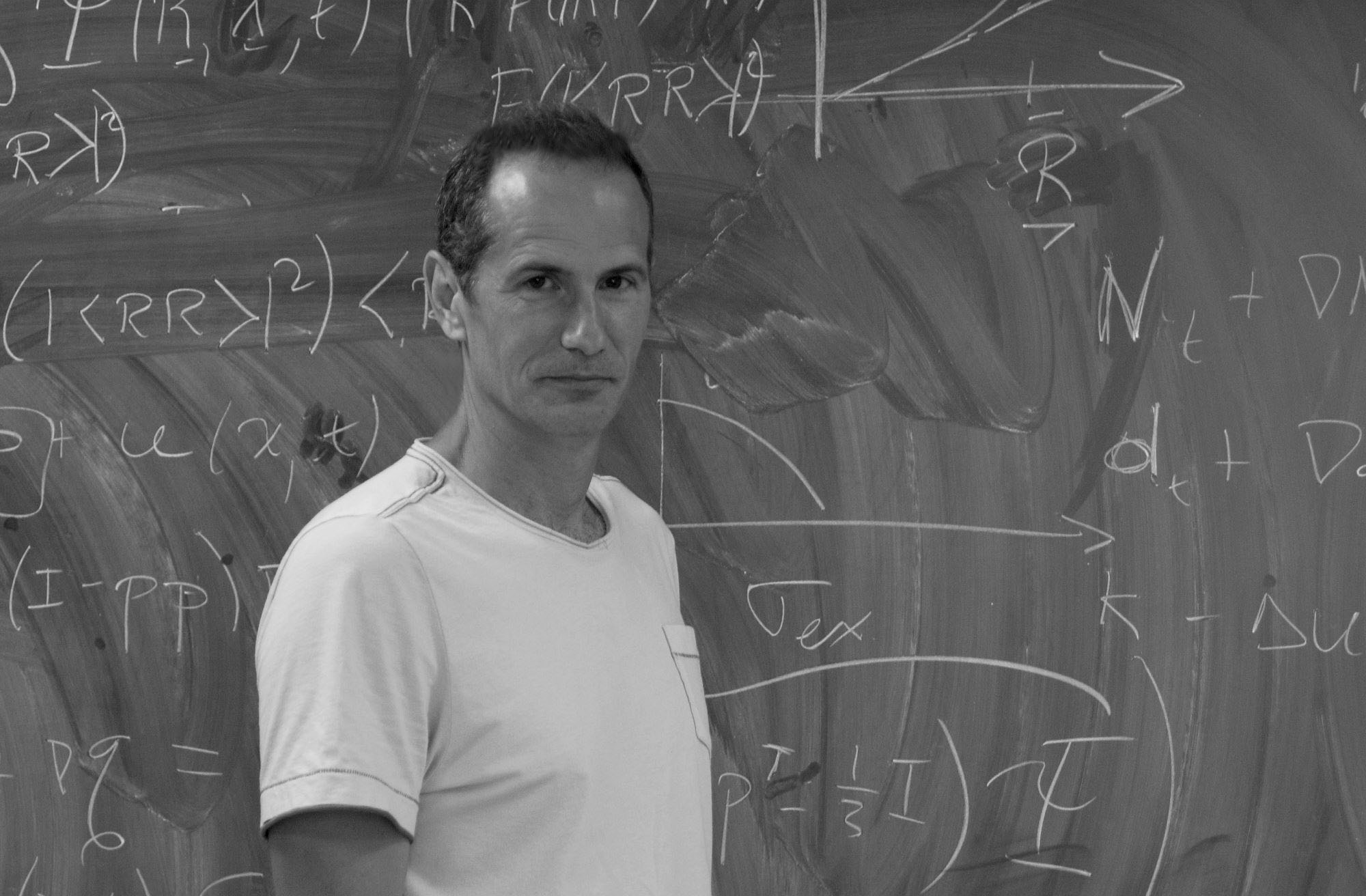
Michael Shelley is the Lilian and George Lyttle Professor of Applied Mathematics at New York University's Courant Institute of Mathematical Sciences. He holds additional roles as Professor of Mathematics, Neural Science, and Mechanical Engineering. His research focuses on fluid dynamics, active matter, and biophysical systems, with notable contributions to microswimmer dynamics, cytoplasmic flows, and fluid-structure interactions. Shelley leads the Applied Mathematics Laboratory at Courant and directs the Center for Computational Biology at the Flatiron Institute. His work bridges theoretical, computational, and experimental approaches to understand complex biological and physical phenomena. Research interests include nonlinear dynamics of fluids, collective behavior in active matter systems, and biomechanical processes such as mitosis and cellular transport. Recent studies involve modeling microtubule networks, cytoplasmic stirring, and spindle positioning in cells. His publications span topics like fluid-structure interactions, viscoelastic flows, and the mechanics of swimming organisms. Key projects include the dynamics of erodible bodies in fluid flows, optimization of microswimmer designs, and the rheology of active suspensions. Shelley collaborates across disciplines, integrating applied mathematics with biology, physics, and engineering. His work has advanced understanding of self-organization in living systems and fluid-driven morphological changes.
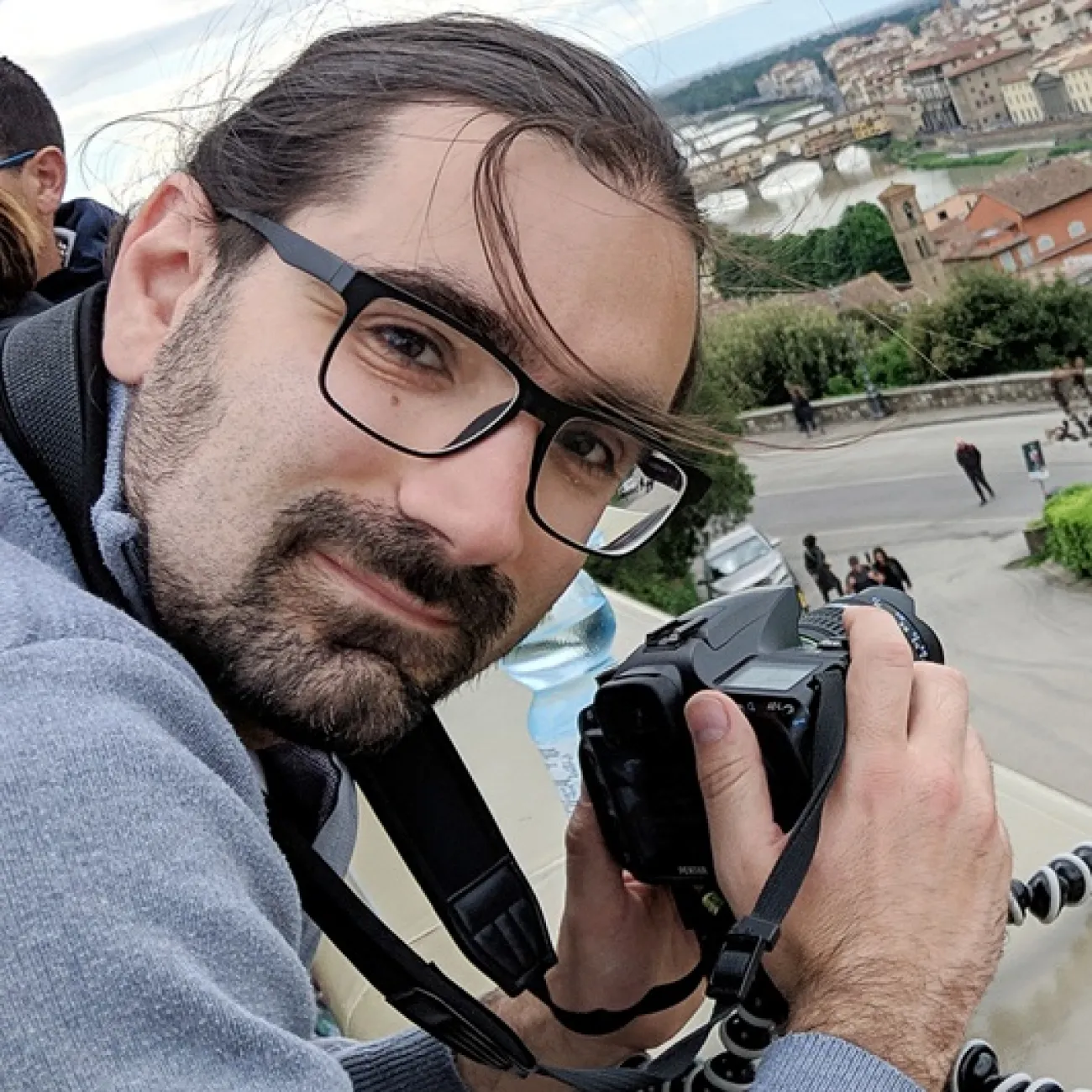
Dr Orestis L. Katsamenis is a Lecturer in Biomedical Imaging at the University of Southampton , affiliated with the Faculty of Engineering and Physical Sciences (FEPS) and the Faculty of Medicine (FoM) . He leads the 3D X-ray Histology and Biomedical Imaging Theme at the μ-VIS X-ray Imaging Centre and holds a visiting position at the University Hospital Southampton NHS Foundation Trust in the Biomedical Imaging Unit of Cellular Pathology and Child Health. Education: BSc in Materials Science (University of Patras, 2007), MSc in Materials Science (University of Patras, 2009), PhD in Bioengineering (University of Southampton, 2012). His research focuses on 3D X-ray Histology (XRH) and Microfocus Computed Tomography (μCT) applied to biological and clinical imaging , pharmaceutical technology , and bone nanostructure . He has pioneered μCT protocols for clinical histology and developed advanced 3D imaging tools for applications in drug delivery , tissue engineering , and evolutionary biology . His work spans multidisciplinary collaborations with engineers, medical professionals, and paleontologists. Recent publications highlight his contributions to 3D imaging of bone , microneedle design , 4D-printed polypills , and paleontological studies . He has received awards including the EPSRC Doctoral Prize Award (2012) and multiple scientific presentation honors (2018) . Dr Katsamenis supervises PhD student Ayesha Mohiud Din and collaborates with research groups like the Engineering Materials and Surface Engineering Group and the Institute for Life Sciences . His Google Scholar profile lists over 20 recent articles, showing his prolific and diverse research output.
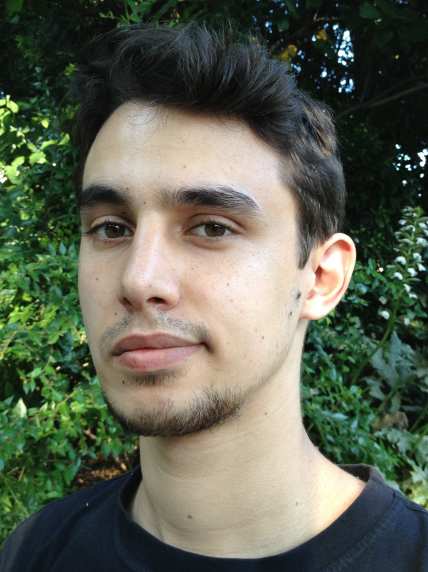
Dr. Antoine Cully is the director of the Adaptive and Intelligent Robotics Lab at Imperial College London. He previously served as a Research Associate in the Personal Robotics Lab (2016–present) and earned his PhD in Robotics and Artificial Intelligence from UPMC (Paris), focusing on algorithms enabling robots to adapt to mechanical damage swiftly. His work has been internationally recognized, including a Nature cover publication and awards for his PhD thesis. His research interests span evolutionary robotics, stochastic optimization, and quality-diversity algorithms, with current projects involving the EU H2020 'PAL' initiative to develop adaptive robotics for user preferences. Education: M.Sc. in Intelligent Systems and Robotics (UPMC, 2012), Engineer degree in Robotics (Polytech-Paris UPMC, 2012), PhD in Robotics and AI (UPMC, 2015). Research emphasizes adaptive robotics, damage recovery, and autonomous learning. Notable contributions include the T-Resilience algorithm and MAP-Elites optimization framework. Awards include the 'Outstanding Paper 2015' and 'Best Thesis' accolades. His lab focuses on advancing AI-driven robotics for real-world applications.
Dr. Luke Allsopp is an Associate Professor in Molecular Bacteriology at the National Heart & Lung Institute (NHLI), part of the Faculty of Medicine at Imperial College London. His research focuses on bacterial secretion systems, antimicrobial resistance, and biofilm formation in pathogens like Pseudomonas aeruginosa. He leads a team within the Respiratory Infections Section at the NHLI, located at the Royal Brompton Campus. Dr. Allsopp holds affiliations with the Centre for Bacterial Resistance Biology, Institute of Infection, and Microbiome Network. He has secured funding from organizations including the BBSRC, Cystic Fibrosis Trust, and LifeArc. His lab explores how bacteria adapt to environmental challenges through secretion systems and biofilm programs, with a special emphasis on chronic respiratory pathogens in cystic fibrosis patients. Research interests include: Gram-negative bacterial secretion systems (e.g., Type VI) Regulation of virulence factors and biofilm dynamics Mechanisms of antibiotic resistance and persistence Host-pathogen interactions in respiratory infections Recent work highlights synergistic drug combinations (e.g., glatiramer acetate with tobramycin) and innovative models predicting CFTR gene therapy impacts on Pseudomonas biofilms. His team collaborates on the UK Cystic Fibrosis Infection Biorepository (UKCFIB) to accelerate antimicrobial development. Advising and grants: Supervises competitive PhD candidates via Presidents Scholarship programs. Major funders include the Academy of Medical Sciences and ESCMID. Lab/Team: Based in the Emmanuel Kaye Building, his group combines functional genomics, metabolomics, and structural biology to dissect bacterial pathogenesis mechanisms.
Joshua Rabinowitz is a Professor of Chemistry and Director of the Ludwig Princeton Branch at Princeton University. His research focuses on quantitative analysis of cellular metabolism, leveraging advanced mass spectrometry and computational modeling. Key areas include metabolic regulation in microbes (E. coli, yeast), cancer cell metabolism, viral infection impacts, and biofuel production. His lab has pioneered methods to measure metabolites and fluxes, leading to discoveries like novel cancer metabolites and antiviral strategies via fatty acid inhibition. Notable honors include the NIH Pioneer Award and Agilent Thought Leader Award. Research emphasizes systems-level understanding, with projects combining biological experiments, metabolomics, and computation. Recent work explores metabolic heterogeneity in humans, immunotherapy enhancements through metabolic modulation, and metabolic vulnerabilities in cancers like rhabdomyosarcoma. Collaborations include engineering yeast for biofuel production and developing therapeutics targeting metabolic pathways. Lab Website: Rabinowitz Lab Affiliations: Lewis-Sigler Institute for Integrative Genomics, Princeton University Major contributions include identifying metabolic shifts in viral infections, modeling microbial nutrient responses, and advancing technologies for metabolite quantification. Current efforts aim to integrate metabolomic data with enzyme regulation dynamics to predict metabolic networks across organisms.
Noel Crespi is a Professor and Director of Studies at Telecom SudParis, part of Institut Polytechnique de Paris. He leads research in the NeSS group and is affiliated with SAMOVAR, a prominent research laboratory focusing on networks, systems, and services. His work spans multiple domains in telecommunications, networking, and smart systems. His primary research interests include digital twins for smart cities, blockchain technologies, Internet of Things (IoT) security and applications, 5G/6G networking, and machine learning applications in network management. He has published extensively on these topics, with over 100 publications in top-tier journals and conferences. His recent work shows a strong focus on digital twin applications for urban management, particularly in traffic and air quality monitoring. He has developed modular frameworks for smart city digital twins that integrate real-time data from multiple sources. His research also explores blockchain applications for network security, access control, and service provisioning in next-generation cellular networks. Dr. Crespi has received significant recognition for his work on digital twins, with his 2020 paper "Digital twin in the IoT context" in Proceedings of the IEEE being highly cited. His current research explores the integration of AI with digital twin technologies for sustainable urban development. He has supervised numerous PhD students and collaborates extensively with researchers across Europe and internationally. His work often involves interdisciplinary approaches, bringing together computer science, networking, urban planning, and environmental science. Dr. Crespi has been instrumental in developing frameworks for network digital twins, with applications in traffic management, air quality monitoring, and resource allocation in smart cities. His research demonstrates practical implementations in cities like Madrid, showing measurable improvements in urban management.
Lect. dr. Alina Cristiana Gavriluţ is a faculty member at the Faculty of Mathematics, Al. I. Cuza University of Iaşi, Romania. Her research focuses on advanced topics in mathematical analysis, including set multifunctions, non-additive measures, fuzzy integrals, and their applications in physics and complex systems. She has authored/co-authored multiple books and over 30 peer-reviewed papers in journals like Fuzzy Sets and Systems , Entropy , and Reports on Mathematical Physics . Her work explores regularity properties of set multifunctions, integrability in non-additive settings, and interdisciplinary applications in areas like fractal information, quantum mechanics, and neurosciences. She has also contributed to theoretical frameworks connecting mathematical physics with complex systems, including studies on non-differentiable entropy and spacetime manifolds. Dr. Gavriluţ collaborates extensively with researchers in mathematics and physics, notably Maricel Agop and Anca Croitoru. Her research has implications for diverse fields, from image processing to neuronal network modeling. She actively participates in international conferences, presenting findings on set-valued integration, fractal systems, and transdisciplinary approaches to complex phenomena. Education: PhD in Mathematics from Al. I. Cuza University (year not specified). Key Areas: Mathematical analysis, measure theory, fuzzy set theory, complex systems, non-differentiable dynamics. Grants/Awards: Not explicitly listed in the provided texts, but her prolific publication record indicates sustained academic engagement. Labs/Teams: Affiliated with the Mathematics department at Al. I. Cuza University, contributing to research groups in functional analysis and mathematical physics.
Andrew Gordus is an Assistant Professor in the Department of Biology at Johns Hopkins University, with affiliations in the Neuroscience Training Program and the Cellular, Molecular, Developmental and Biophysics (CMDB) Graduate Program. He leads an active research laboratory focused on the neural and genetic basis of behavior using model organisms such as C. elegans and the spider Uloborus diversus . His research centers on understanding how neural circuits generate both novel and innate behaviors in response to environmental variability. Using genetic, imaging, and behavioral tools, his lab investigates decision-making, motor control, and sensory integration in these organisms. Notably, they study the precise movement sequences in spider web-building and stochastic foraging behaviors in worms. The lab's recent publications reveal a strong emphasis on neural circuit dynamics , behavioral algorithms , genetic tools development , and systems neuroscience , often combining molecular genetics with quantitative behavioral analysis. Their work appears in high-impact journals such as Current Biology , eLife , and PNAS . NSF Division of Physics grant (2023) NIGMS R35 grant renewal (2023) JHU Catalyst Award (2022) Buck Institute Nathan Shock Center grant (2022) NSF Postdoctoral Fellowship (mentored awardee) Gordus mentors a diverse group of graduate students, postdocs, and undergraduates, and supports their professional development. His lab culture emphasizes diversity, equity, and inclusion, welcoming scientists from immigrant, LGBTQ+, Black, Jewish, Latino, and Asian backgrounds. The lab is supported by multiple competitive grants and actively contributes to advancing the understanding of how brains generate complex behaviors.
Yasir Zaki is an Assistant Professor of Computer Science at New York University Abu Dhabi and a Global Network Assistant Professor at the Courant Institute of Mathematical Sciences, NYU. He leads the Communication Networks Lab, focusing on next-generation communication systems, performance optimization, and digital equity. University: New York University Abu Dhabi School: Courant Institute of Mathematical Sciences Department: Department of Computer Science Academic Rank: Assistant Professor Email: yz48@nyu.edu Dr. Zaki holds an MSc and PhD in Communication and Information Technology from the University of Bremen, graduating with honors. His research centers on communication and wireless networks, cellular systems, congestion control, and enhancing internet access in developing regions. His work bridges theory and real-world impact, especially in digital inclusion and AI's role in education. His recent publications span top venues like PNAS, IEEE TCSS, and ACM IMC, covering topics such as satellite network performance, digital inequality (Lite-Web), AI in education, and Big Tech's global influence. These works reveal a strong trend toward socially impactful computing, network measurement at scale, and algorithmic transparency. Big Tech Dominance Despite Global Mistrust Perception of AI in Education YouTube's Political Bias Lite-Web for Digital Equity Satellite Network Analysis His research has been recognized through high-profile media coverage in Nature and The National , and his PhD student Hazem Ibrahim received the MIT Technology Review Arabia’s Innovators Under 35 MENA 2023 award. This reflects the lab's excellence in computational social science and AI policy. Dr. Zaki mentors students in the Capstone and Research Seminar courses and actively advises PhD and research assistants. He has secured research funding through NYUAD and collaborative projects, enabling field deployments in 56 countries. His lab, the Communication Networks Lab, fosters interdisciplinary work, involving researchers from computer science, social sciences, and policy.
Sravan Perla is an Associate Research Scientist in the Department of Pharmacology at Yale School of Medicine, where he conducts research under the mentorship of Dr. Anton Bennett. His work focuses on elucidating the molecular mechanisms of Protein Tyrosine Phosphatases (PTPs) in congenital heart diseases and metabolic regulation. Education: Ph.D. in Molecular Medicine and Pathology from New York Medical College and the University of Toledo; M.Sc. in Medical Biochemistry from JIPMER, India; B.Sc. in Biochemistry from Silver Jubilee Govt. Degree College. His primary research interests include cardiovascular signaling pathways , particularly the PZR/Shp2/Irx3/Irx5/BMP10 axis in Noonan Syndrome and related disorders. He investigates epigenetic regulation of genes like angiotensinogen and explores therapeutic interventions such as low-dose dasatinib and recombinant BMP10 for hypertrophic cardiomyopathy. His work bridges molecular pharmacology and translational medicine. The recent publications highlight a strong trend in signal transduction , cardiovascular pathophysiology , and therapeutic repurposing , with a focus on tyrosine phosphatases and TGF-β pathways. His research also extends into neurological applications, as seen in his co-authored work on post-stroke seizures. Best Poster Presentation , Yale Center for Molecular and Systems Metabolism (YMSM), 2024 Armed Forces Medical College Quiz Award , Association of Clinical Biochemists of India, 2010 Sravan Perla actively contributes to peer review for journals including Frontiers , Healthcare-MDPI , and International Journal of Environmental Research and Public Health . He is a key member of the Bennett Laboratory , where he advances research on PTP signaling and its implications for human disease. His work is supported by institutional affiliations at Yale and collaborative networks across neuroscience and cardiology.
Hani Goodarzi, PhD , is an Associate Professor in the Department of Biochemistry and Biophysics at the University of California, San Francisco (UCSF), with dual affiliation to the Arc Institute and Helen Diller Cancer Center. His laboratory employs a systems biological framework integrating computational and experimental approaches to investigate metastatic progression in cancer and neurodegenerative diseases. Princeton University PhD in Quantitative & Computational Biology Postdoctoral Fellow, Rockefeller University (Cancer Systems Biology) NIH R01 Grants (2016–2026) Research Themes : Machine learning for in silico functional genomics Evolutionary dynamics of oncRNA regulatory modules in cancer Post-transcriptional control via tiRNA fragments and RNA methylation RNA structural element discovery using pyPAGE algorithms Scientific Recognition : Vilcek Prize for Creative Promise (2022) NIH K99/R00 Award (2015) Tri-Institutional Breakout Prize (2014) Blavatnik Regional Award (2015) Laboratory Impact : Developed Deep Generative AI for early-stage lung cancer detection Identified ENPP1 as innate immune checkpoint in breast cancer Created pyPAGE framework for gene-set enrichment analysis
Dr. Edmund Chung is a Clinical Senior Lecturer at Sydney Medical School, University of Sydney, affiliated with the Children's Hospital at Westmead and the Faculty of Medicine and Health. He works as a staff specialist nephrologist at Royal North Shore Hospital and conducts postdoctoral research at the Centre for Kidney Research at The Children's Hospital at Westmead. His primary clinical and research focus is on autoimmune kidney diseases, particularly membranous nephropathy and chronic kidney disease. Dr. Chung's educational background includes: Bachelor of Medicine (BMed) Doctor of Medicine (MD) Master of Medicine in Clinical Epidemiology (MMed (Clin Epi)) - completed in 2015 Doctor of Philosophy (PhD) - completed in 2025, supported by the NHMRC Postgraduate Research Scholarship Fellow of the Royal Australasian College of Physicians (FRACP) Dr. Chung's research focuses on glomerulonephritis, chronic kidney disease, and translational research , with particular emphasis on immunological mechanisms and novel therapies. His work bridges basic science and clinical practice, exploring cellular and molecular approaches to understand and treat autoimmune kidney diseases. His laboratory investigates autoreactive T-cells and B-cells in membranous nephropathy while developing innovative treatments like CAR T-cell therapies. Dr. Chung's research program is driven by patient perspectives, as evidenced by his qualitative studies on living with membranous nephropathy, ensuring his scientific inquiries address real clinical needs and patient experiences. Dr. Chung's recent publications demonstrate a strong focus on immunological mechanisms in kidney disease, particularly membranous nephropathy. His work spans basic science investigations using animal models, clinical studies of patient cohorts, and systematic reviews that inform international guidelines. A notable trend is his exploration of cellular therapies, especially CAR T-cell approaches, for treating autoimmune kidney diseases. His research also encompasses epidemiological studies of kidney diseases in Australian populations and the development of predictive models for disease recurrence after transplantation. The interdisciplinary nature of his work is evident in collaborations spanning nephrology, immunology, oncology, and transplantation medicine. Dr. Chung has received several prestigious awards and honors: Asian Pacific Society of Nephrology/Japanese Society of Nephrology Joint Symposium Invited Talk (2024) for "Membranous nephropathy: clearer immunopathogenesis and therapeutic implications" NHMRC Postgraduate Research Scholarship (2022) for research on "Treatments to expand regulatory T cells +/- deplete autoantibody production in membranous nephropathy" American Journal of Kidney Diseases Editor's Choice Award (2022) for "Incidence and outcomes of COVID-19 in people with CKD: a systematic review and meta-analysis" Dr. Chung serves as the Knowledge Translation and Dissemination Editor for the Cochrane Kidney and Transplant Group, where he creates educational content including webinars and podcasts with the International Society of Nephrology. He is actively involved in clinical trial networks through his position on the Australasian Kidney Trial Network Glomerulonephritis Working Group, supporting investigator-initiated trials in glomerulonephritis. Additionally, he contributes to the ClinGen Glomerulopathy Working Group as a Biocurator, working to understand the genetic basis of glomerulonephritis. His research is supported by collaborations across multiple institutions and his leadership in establishing the Australian glomerulonephritis cohort (PEACH) to facilitate patient-focused research in membranous nephropathy. Dr. Chung leads research at the Centre for Kidney Research at The Children's Hospital at Westmead, where his team investigates autoreactive T-cells and B-cells in patients with membranous nephropathy. He has established the PEACH cohort (Patient Experience in Autoimmune Chronic Kidney Disease) to study membranous nephropathy, the most common form of nephrotic syndrome in adults. His laboratory work focuses on developing novel CAR T-cell therapies for autoimmune kidney diseases. Dr. Chung collaborates with immunologists, basic scientists, and clinicians across multiple institutions to advance understanding and treatment of glomerulonephritis.
Markus Jokela is a Professor at the University of Helsinki, Faculty of Medicine, Department of Psychology and Logopedics. His research spans psychology, public health, and behavioral epidemiology, with a focus on personality traits, mental health, and their interplay with physical health and societal factors. Field of Science: Psychology, Public health care science, Environmental and occupational health Projects: Social networks and demographic resilience, Teacher wellbeing, Fertility behavior, Genetic and environmental influences Research interests include mental health epidemiology , personality-health associations , fertility determinants , and psychosocial interventions . Recent work examines proteomic ageing signatures, depression-anxiety dynamics in digital therapy, and obesity-depression causality. Key article trends show cross-disciplinary engagement with depression subtyping , fertility intentions , entrepreneurial stress , and neighborhood effects . Subfields span from psychotherapy outcomes to metabolically healthy obesity . Scientific recognition includes: Young Researcher Award (PsykoNet, 2010) University of Helsinki Ph.D. thesis awards (2007) Honorary Research Associate, UCL (2008-) As a supervisor, he has guided doctoral candidates Venla Berg, Heini Väisänen, and Tom Rosenström, among others. His projects like NetResilience (2024-2027) and FTProWell (2016-2019) demonstrate sustained funding from the Strategic Research Council and other bodies.
Prof John Achermann is a Clinical Professor of Paediatric Endocrinology at the Genetics & Genomic Medicine Department , University College London (UCL), with an active role at the UCL GOS Institute of Child Health since 2023. His career spans clinical and research expertise in adrenal and sex development , genetic mechanisms of disease , and nuclear receptor biology , highlighted by over 200 publications and an h-index of 67. Education: Bachelor of Arts (Honours), University of Cambridge (1988) Bachelor of Medicine, University of Cambridge (1990) Master of Arts, University of Cambridge (1992) Doctor of Medicine (MD), University of Cambridge (1997) Doctor of Philosophy (PhD), University of Cambridge (2011) His research focuses on molecular genetics of adrenal and reproductive development , integrating transcriptomics and genomic medicine to understand disorders like Turner syndrome, Disorders of Sex Development (DSD), and adrenal insufficiency. Recent work includes single-cell analyses of fetal gonads , exome sequencing for DSD/POI , and NR5A1/SRY regulatory mechanisms . Key awards include the 2025 ESPE Research Award , 2023 Henning Andersen Prize , and 2016 Clinical Endocrinology Trust Lecturer Medal . Scientific Awards: ESPE Research Award (2025) Henning Andersen Prize (2023, 2007) Clinical Endocrinology Trust Lecturer Medal (2016) SPARKS/RCPCH Young Investigator (2007) ESPE Young Investigator (2002) Noble Prize for MD Thesis (1998) As Head of the Molecular Basis of Rare Disease Section and Deputy Head of Genetics & Genomic Medicine at UCL GOS Institute of Child Health, he bridges clinical practice with translational research. He contributes to undergraduate and postgraduate medical education , supervises MSc projects, and serves on the ESPE Local Organising Committee for 2024. His work aligns with UN Sustainable Development Goals for Good Health & Well-Being and Gender Equality .