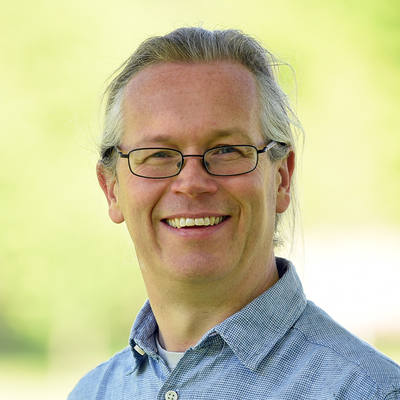
Igor Jurisica is a Professor at the University of Toronto and a Senior Scientist at the Krembil Research Institute’s Data Science Discovery Centre for Chronic Diseases. He also serves as Visiting Scientist at IBM CAS, Scientific Director of the World Community Grid, and Chief Scientist at the Creative Destruction Lab (Rotman School of Management). His research focuses on integrative computational biology, data mining, and AI-driven models for cancer mechanisms, drug discovery, and chronic disease management. Key affiliations include the Osteoarthritis Research Program, Schroeder Arthritis Institute, and leadership roles in open science initiatives like the World Community Grid, a global distributed computing platform with 810,000+ volunteers. Jurisica’s work bridges computational tools (e.g., NAViGaTOR visualization platform, MirDIP databases) and clinical applications, emphasizing explainable AI in healthcare. Research interests span proteomics, microRNA regulation, systems vaccinology, and multi-omics integration for disease stratification. Notable contributions include identifying prognostic signatures in cancer and osteoarthritis, machine learning models for drug repurposing, and sportomics analyses of athletic biomarkers. He has been recognized as a Thomson Reuters Highly Cited Researcher (2014-2016) and ranked among the Top 100 AI Leaders in Oncology (2023). His labs develop open-access tools like PathDIP, OsteoDIP, and miRAnno to advance translational research.
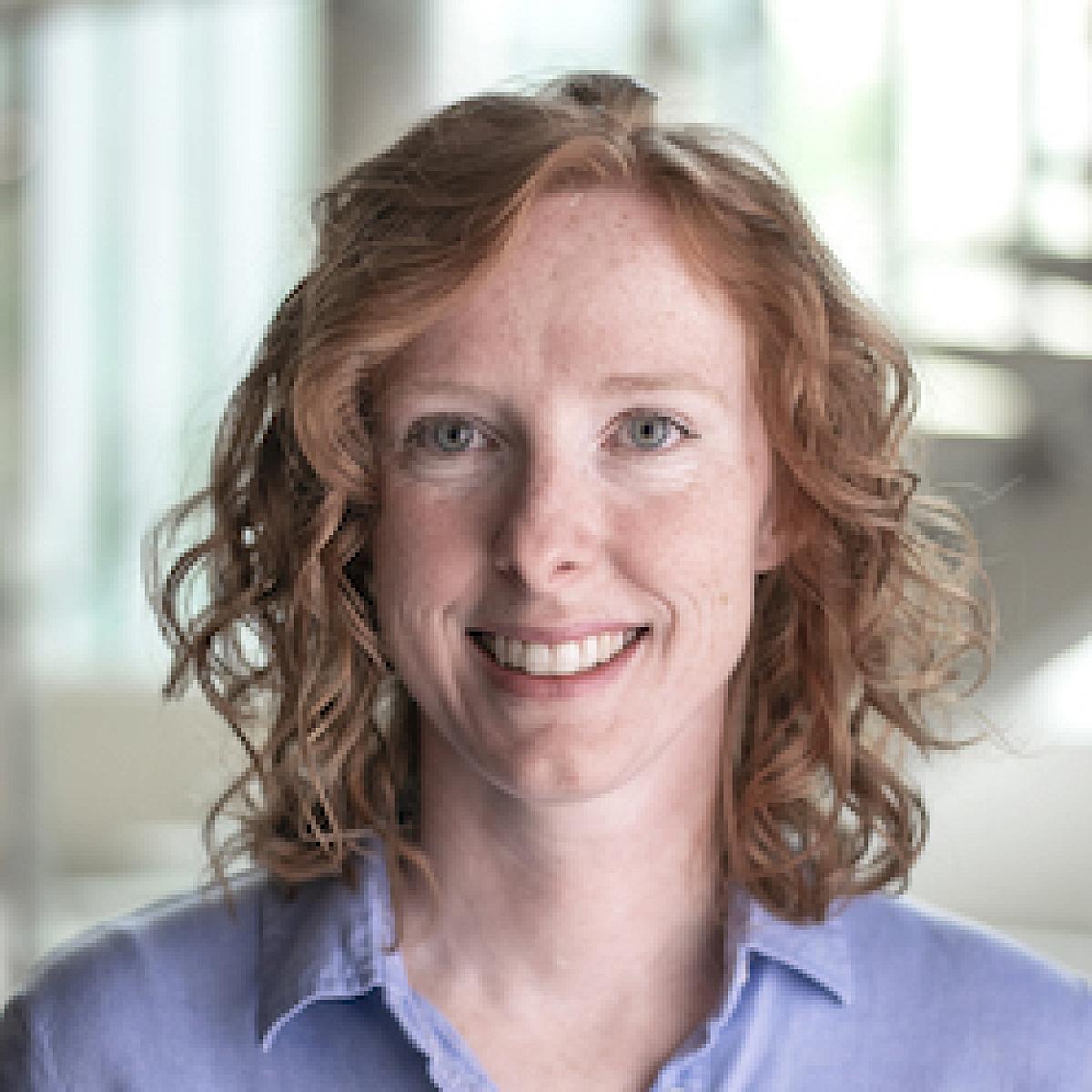
Kara McKinley is an Assistant Professor of Stem Cell and Regenerative Biology at Harvard University , joining the department in 2021. She is a Principal Faculty member at the Harvard Stem Cell Institute , an Associate member of the Broad Institute of MIT and Harvard , and a Freeman Hrabowski Scholar at the Howard Hughes Medical Institute . Her research focuses on the regenerative capacity of the human uterus , particularly the endometrium, which undergoes ~400 cycles of tissue remodeling, shedding, and repair during the reproductive lifespan. Using rodent models , genetic, molecular, and live microscopy tools, her lab investigates cellular and molecular mechanisms of regeneration, defects leading to diseases like endometriosis, and applications in regenerative medicine . Her work also explores cell division , centromere biology , and CRISPR genome engineering . Current research trends in her publications include epithelial zonation in the small intestine , mechanisms of endometrial regeneration , macropinocytosis in Hydra , and academic mentorship strategies . Her studies span cellular biomechanics , mitotic regulation , and translational approaches for tissue repair. NIH Director’s New Innovator Award (terminated in 2025 litigation with federal government) Freeman Hrabowski Scholar (Broad Institute) Kara mentors Harvard undergraduates, graduate students, and postdoctoral fellows through rotations and research opportunities. Her lab is based at Harvard’s Bauer 306 and advocates for gender equity in life sciences faculty via the Leading Edge initiative. Funding includes a now-terminated NIH New Innovator grant aimed at menstrual health research.
Kai Mesa is an Assistant Professor in the Department of Molecular Biology at Princeton University, where he leads the Laboratory of Macrophage Dynamics. His research integrates immunology, stem cell biology, and advanced imaging to study macrophage behavior in tissue regeneration and aging, primarily using mouse skin models. Education: Ph.D., Yale University B.S., University of California, Berkeley Dr. Mesa's research focuses on understanding how macrophages establish niche-specific identities, influence wound healing outcomes, and contribute to age-related tissue dysfunction. By combining multiphoton intravital microscopy with spatial transcriptomics, his lab investigates the molecular and cellular dynamics governing immune cell integration, tissue regeneration, and aging. His work has significant implications for regenerative medicine and immunosenescence. The recent publications highlight a consistent trend in studying cellular dynamics in vivo, particularly in skin and immune systems. The research spans stem cell regulation, macrophage function, and immune-microenvironment interactions, with increasing focus on aging and spatial organization. Key methodologies include intravital imaging, lineage tracing, and single-cell spatial analysis. Scientific Awards: Charles H. Revson Senior Fellowship in Biomedical Science (2021) Jane Coffin Childs Postdoctoral Fellowship (2017) Carolyn Slayman Prize in Genetics, Yale University (2017) ASCB Beckman Coulter Distinguished Graduate Student Achievement Prize (2015) National Science Foundation Graduate Research Fellowship (2014) Dr. Mesa has been supported by competitive fellowships during his graduate and postdoctoral training. He mentors research in a dynamic lab environment and is actively recruiting new members. His advising focuses on interdisciplinary approaches combining imaging, molecular biology, and systems-level analysis of tissue-immune interactions. The Mesa Lab, also known as the Laboratory of Macrophage Dynamics, utilizes cutting-edge techniques such as multiphoton intravital microscopy and spatial transcriptomics to study macrophage behavior in living tissues. The lab explores fundamental questions about immune cell niche establishment, wound-induced immune dynamics, and age-related immune dysfunction in mammalian skin.
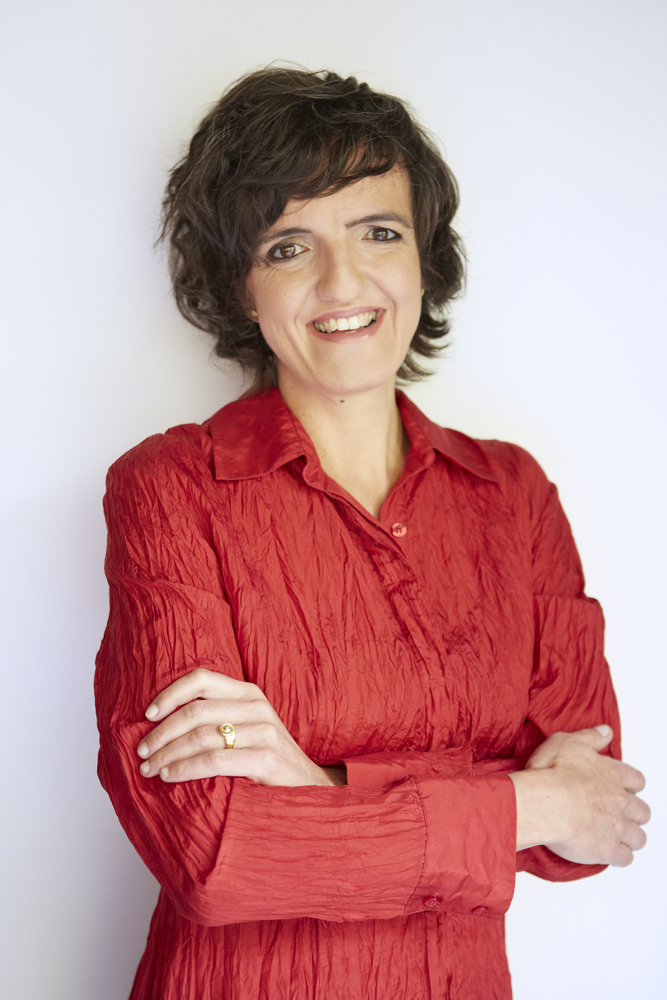
Yukiko Gotoh is a Professor at the Department of Pharmaceutical Sciences, Graduate School of Pharmaceutical Sciences, The University of Tokyo. She serves as the Deputy Director and Principal Investigator at the International Research Center for Neurointelligence (IRCN). Her research focuses on understanding the mechanisms that regulate neural stem/progenitor cell fate during embryonic brain development and in the adult brain. Dr. Gotoh's research interests include: Genetic and epigenetic regulation of neural stem/progenitor cell fate Neuronal maturation processes Genesis and maintenance of adult neural stem cells Relevance of neural stem/progenitor cell dysregulation in neurodevelopmental disorders such as autism spectrum disorders Investigation of mechanisms regulating neural stem-progenitor cell fate during neocortical development Genetic and epigenetic regulation of neuronal activation Analysis of Dr. Gotoh's recent publications reveals a strong focus on neural stem cell biology, epigenetic regulation, and neurodevelopmental disorders. Her work demonstrates how chromatin modifiers like Polycomb group proteins and HMGA proteins regulate neural stem cell fate decisions during brain development. A significant portion of her research explores the embryonic origins of adult neural stem cells and how dysregulation of these processes contributes to conditions like autism spectrum disorders and schizophrenia. Her laboratory also investigates the basic mechanisms of cellular responses to viral infection in the brain and their relevance to neurodevelopmental disorders. Dr. Gotoh has made significant contributions to understanding: The role of Polycomb group proteins in neural development How chromatin modifiers regulate neurogenic potential Cell cycle regulation in neural stem cells The PDK1-Akt pathway in neuronal migration Layer-specific heterogeneity of astrocytes Mechanisms underlying schizophrenia-related abnormalities Dr. Gotoh's laboratory conducts research on multiple fronts related to neural development and stem cell biology. Her team investigates: Mechanisms regulating neural stem-progenitor cell fate during neocortical development Genetic and epigenetic regulation of neuronal activation The embryonic origin of adult neural stem cells Dysregulation of neural stem-progenitor cell and neuronal fate in neurodevelopmental disorders Innate immune responses in the brain
Jude M. Phillip, PhD, is an Assistant Professor in the Departments of Biomedical Engineering and Chemical and Biomolecular Engineering at Johns Hopkins University. His research integrates engineering principles with aging and cancer biology to develop cell-based biomarkers and mechanistic insights into age-related diseases. He leads the Phillip tiME Lab, which focuses on aging dynamics, tumor microenvironment interactions, and translational technologies. Education : PhD, Chemical and Biomolecular Engineering, Johns Hopkins University, 2015 Postdoctoral Research, Melnick/Cerchietti Labs, Weill Cornell Medicine, 2016-2020 B.Eng, Chemical Engineering, City College of New York, 2010 Research Interests : Dr. Phillip’s work spans aging mechanisms, cancer biology, and mechanobiology. Key areas include: Cell-based biomarkers for aging and disease Scale-dependent aging pathways Lymphoma tumor-immune microenvironment (tiME) Single-cell profiling of senescence subtypes ECM mechanoregulation of stem cell fate His lab employs longitudinal cell profiling, data science, and clinical measures to bridge biological aging research with translational medicine. Recent Highlights : 2025: NIH R35 MIRA Award for lymphoma microenvironment research 2024: Johns Hopkins Catalyst Award for aging biomarker studies 2023: AFAR-Glenn Foundation Award for senescence subtype classification Lab & Collaborations : The Phillip Lab collaborates with the Institute for NanoBioTechnology and maintains a living patient-derived tumor biorepository for lymphoma studies. Current projects include ovarian aging organoid models and immune-mechanical interactions in cancer progression.
Dr. Andrew Bassett serves as Head of the Cellular and Gene Editing Research group at the Wellcome Sanger Institute, where he develops cutting-edge genome engineering techniques using human pluripotent stem cells to investigate neurodegenerative diseases including Alzheimer's and Parkinson's. His work focuses on scaling genetic screening approaches and improving CRISPR specificity for modeling complex disease mechanisms. His academic training includes: PhD at the MRC Laboratory of Molecular Biology (MRC-LMB) with Andrew Travers on chromatin remodelling in heterochromatin formation Postdoctoral research with David Baulcombe at the University of Cambridge studying small RNA roles in chromatin modification Additional postdoctoral work with Chris Ponting at the MRC Functional Genomics Unit (MRC-FGU) in Oxford, where he pioneered CRISPR applications in Drosophila Bassett's research program centers on developing advanced genome engineering methodologies for precise modulation of gene expression networks during development and neurodegeneration. His group specializes in creating complex editing events (SNPs, paired knockouts, enhancer perturbations) within iPSC-derived models, with particular emphasis on epigenetic regulation and transcriptional control. Current projects integrate single-cell 'omics and phenotypic assays to decode genetic causes of neurodegenerative disorders through the OpenTargets consortium. Analysis of his 15 most recent publications reveals dominant trends in CRISPR technology development (35%), neurodegenerative disease modeling (30%), and single-cell functional genomics (25%). His work consistently bridges methodological innovation with disease mechanism studies, increasingly incorporating multi-omics approaches and expanding into cancer immunology and infectious disease applications since 2022. As group leader, Bassett mentors postdoctoral researchers and PhD students while securing major funding for genome engineering initiatives. His team operates within the Sanger Institute's Cellular Operations division and maintains critical partnerships with the OpenTargets consortium for therapeutic target validation. The laboratory specializes in high-throughput screening platforms using iPSC-derived neural and microglial models, with recent methodological advances including scSNV-seq and ONE-STEP tagging systems that significantly enhance precision genome editing capabilities.
Benjamin Simons is the Royal Society EP Abraham Professor and Herchel Smith Professor of Physics at the University of Cambridge. He serves as Director of the Gurdon Institute, Senior Group Leader at the Gurdon Institute, Principal Investigator at the Cambridge Stem Cell Institute, and member of the Theory of Condensed Matter physics group. He is also a Fellow of St. John's College, Cambridge. His research integrates quantitative approaches from physics and mathematics with experimental biology to investigate stem cell fate regulation in tissue development, maintenance, and cancer pathogenesis. Research focuses on: Stochastic cell fate decisions in epithelial tissues Self-organization principles in tissue morphogenesis Single-cell lineage tracing and gene expression analysis Mathematical modeling of stem cell dynamics Cancer initiation through stem cell reprogramming Publication analysis reveals consistent themes: spatial dynamics of stem cell niches, mechanical regulation of cell fate, computational modeling of tissue organization, and evolutionary principles in cancer development. Recent work emphasizes in vivo lineage tracing, single-cell omics, and interdisciplinary approaches bridging physics and biology. Scientific Awards: Fellow of the Royal Society (FRS) Fellow of the Academy of Medical Sciences (FMedSci) Leads an interdisciplinary research group combining wet-lab experiments (lineage tracing, single-cell genomics) with theoretical modeling. Research supported by EPSRC, MRC, Wellcome Trust, Cancer Research UK, and Royal Society grants. Current projects include gliomagenesis mechanisms, spermatogenic wave regulation, and injury response pathways co-opted in cancer.
Katherine E. Varley, PhD is a Huntsman Cancer Institute Investigator and Associate Professor in the Department of Oncological Sciences at the University of Utah. She leads the Varley Lab and is a member of the Nuclear Control of Cell Growth and Differentiation Program, focusing on breast cancer genomics, epigenetics, and biomarker discovery. Her work bridges computational biology with clinical applications to improve breast cancer diagnosis and treatment. Dr. Varley earned her BS in Biology with a concentration in Computational Biology from Cornell University in 2003, followed by a PhD in Computational Biology from Washington University School of Medicine in 2009 under Dr. Robi Mitra. Her postdoctoral training was conducted in Dr. Richard M. Myers' laboratory at the HudsonAlpha Institute for Biotechnology, where she participated in the ENCODE Project Consortium. Her research focuses on using next-generation sequencing and computational analysis to study gene expression, transcription factor binding, and DNA methylation patterns in breast cancer. The Varley Lab investigates epigenetic gene regulation, develops novel molecular methods and bioinformatics approaches, and translates discoveries into clinical tools. Key research areas include Clinical Trial Genomics, Epigenome Engineering, Detecting Circulating Tumor DNA, and identifying Transcription Factors Driving Metastasis, with particular emphasis on triple-negative breast cancer. Analysis of Dr. Varley's publications reveals a consistent trajectory from fundamental genomic mechanisms to clinical translation, with recent work emphasizing biomarker discovery, tumor heterogeneity, and the development of genomic tools for precision oncology. Her research spans cancer biology, genomics, and computational analysis to address critical challenges in breast cancer treatment. Dr. Varley holds multiple patents related to cancer diagnostics and genomic technologies, including targeted sequencing methods, multigene assays for recurrence risk, and biomarkers for triple-negative breast cancer. These inventions reflect her commitment to translating basic research into clinical applications. She actively collaborates with clinical investigators in breast cancer trials and works closely with the Breast and Gynecologic Cancers Disease Center at Huntsman Cancer Institute. Her lab maintains four main research thrusts that collectively address breast cancer from molecular mechanisms to clinical applications, demonstrating a comprehensive approach to improving patient outcomes through genomic technologies.
Silvia Arber holds a joint appointment as Full Professor for Neurobiology/Cell Biology at the Biozentrum, University of Basel, and serves as Senior Group Leader at the Friedrich Miescher Institute (FMI) in Basel, Switzerland. Her laboratory investigates the organization, function, and development of neuronal circuits controlling motor behavior, with a particular focus on how these circuits enable precise movement control. Arber obtained her PhD in 1996 from the Friedrich Miescher Institute under Pico Caroni, followed by postdoctoral training with Thomas Jessell at Columbia University (1996-2000), where she studied transcription factors in spinal cord neuronal differentiation. Her educational background includes Biology II studies at the Biozentrum of the University of Basel with graduation in Cell Biology (1987), a diploma thesis at the FMI (1990), and graduate work at the FMI (1992). Her research program centers on elucidating how neuronal circuits orchestrate accurate motor behavior in response to sensory cues and voluntary movement initiation. Using mouse as a model system, her laboratory employs multi-faceted approaches including advanced mouse genetics, viral technologies for transsynaptic circuit tracing, optogenetics and pharmacogenetics for functional manipulation, quantitative behavioral analysis, electrophysiology, and gene expression profiling. Her work has revealed precise synaptic interactions within dedicated motor circuit modules throughout the nervous system and how these impact function, with implications for understanding diseases causing motor deficits and spinal cord injury. Analysis of Arber's publication record shows a consistent focus on motor circuit organization, with particular emphasis on transcriptional control mechanisms, circuit connectivity mapping, and the relationship between developmental processes and functional circuit organization. Her work bridges molecular, cellular, and systems neuroscience, providing fundamental insights into how the nervous system controls movement. The Brain Prize (2022) Elected to the National Academy of Sciences of the United States (2020) Physiological Society Annual Review Prize Lecture (2019) Pradel Research Award (2018) W. Alden Spencer Award (2018) Louis-Jeantet Prize for Medicine (2017) ERC Advanced Grant (2010-2015) EMBO Member (2005) EMBO Young Investigator Award (2001) While specific students are not listed in the provided materials, Arber's laboratory has received significant research funding including an ERC Advanced Grant (2010-2015) and multiple prestigious awards supporting her research program. Her laboratory at the Biozentrum (Room 11.038) collaborates closely with the Friedrich Miescher Institute, where she serves as Senior Group Leader. The research group employs cutting-edge technologies for neural circuit analysis and has contributed fundamental insights into motor circuit organization, with implications for understanding and potentially treating movement disorders and spinal cord injuries.
Nikolaus (Nik) Fortelny is a Group Leader in Computational Biology at the University of Salzburg, Austria, where he leads the Computational Systems Biology research group within the Department of Biological Sciences & Medical Biology. His research focuses on understanding biological systems at the molecular level through advanced computational approaches. Dr. Fortelny's research interests include: Computational Systems Biology Multi-omics data integration and analysis Single-cell and spatial biology Machine learning applications in biology Network science approaches to biological regulation Immune system modeling His recent publications demonstrate a strong focus on applying computational approaches to understand complex biological systems, particularly in immunology and cellular regulation. His work often involves collaboration with experimental biologists to generate and analyze large-scale datasets from multi-omics experiments collected at single-cell or spatial resolution. Dr. Fortelny is actively involved in research recruitment and is currently hiring for professor positions in Medical Systems Biology and Animal Physiology at the University of Salzburg, with an application deadline of April 19th, 2025. His group regularly seeks students, PhD candidates, postdocs, and staff scientists to join their team.
Michelle Chan serves as an Assistant Professor in the Department of Molecular Biology and the Lewis-Sigler Institute for Integrative Genomics at Princeton University. Her research program integrates computational and experimental approaches to study mammalian development and cell fate decisions, positioning her at the forefront of integrative genomics. Her laboratory investigates two primary research thrusts: (1) mapping differentiation pathways during mammalian development in both natural and stem cell-derived contexts, and (2) deciphering molecular factors that govern cellular decisions between self-renewal and differentiation. These investigations leverage CRISPR-based lineage tracing, high-throughput genomic profiling, and sophisticated computational modeling to generate comprehensive developmental maps. Analysis of her 2024 publications reveals a cohesive research trajectory centered on advancing genomic technologies for developmental biology. Key contributions include novel computational methods for lineage tracing data, embryoid models for axial patterning, and enhancements to prime editing systems—demonstrating consistent innovation at the intersection of genome engineering and developmental dynamics. Professor Chan's scientific achievements have been recognized with the prestigious NIH Director's New Innovator Award, which supports exceptionally creative early-career investigators pursuing transformative research. NIH Director's New Innovator Award As a faculty member, she actively mentors graduate students through Princeton's Quantitative and Computational Biology (QCB) Graduate Program and participates in the NIH NHGRI Training Program. Her research program receives substantial funding from the NIH New Innovator Award, enabling high-impact investigations into genomic technologies with potential therapeutic applications. The Chan Research Lab operates as a dynamic interdisciplinary hub within Princeton's Lewis-Sigler Institute, bringing together molecular biologists, computational scientists, and bioengineers to develop and apply cutting-edge genomic tools for understanding developmental processes.
Cristina R. Antonescu, MD is the Director of Soft Tissue and Bone Pathology at Memorial Sloan Kettering Cancer Center , affiliated with the Gerstner Sloan Kettering Graduate School of Biomedical Sciences. Her research focuses on the genomic investigation of pediatric and young adult mesenchymal tumors , particularly Novel gene fusion discovery Translocation-associated sarcoma pathogenesis CRISPR-Cas9 engineered models Molecular characterization of kinase fusions Her publications from 2018-2020 highlight breakthroughs in undifferentiated sarcomas , epithelioid hemangioendothelioma , and lipofibromatosis-like neural tumors , revealing key relationships between genetic drivers and clinical outcomes. Research grants include SPORE in Soft Tissue Sarcoma (2018-2023) and Cycle for Survival funding (2018-2021). Contact: antonesc@mskcc.org | Office: 212-639-5721
Ashley Moseman serves as an Assistant Professor of Integrative Immunobiology and Assistant Professor of Cell Biology at Duke University School of Medicine. She holds significant affiliations as a Faculty Network Member of the Duke Institute for Brain Sciences and a Member of the Duke Cancer Institute. Her pioneering research examines the delicate balance between neuronal function and immune protection at the olfactory neuroepithelial barrier, where sensory neurons directly interface with the external environment while protecting the central nervous system from pathogens. Dr. Moseman completed her Ph.D. at Harvard University in 2011, establishing the foundation for her interdisciplinary career at the intersection of immunology and neuroscience. Her research program focuses on understanding how immunological surveillance operates at the unique olfactory barrier, where neurons must contact the external environment to perform chemosensory functions while preventing pathogens from entering the CNS. The Moseman Lab employs cutting-edge multiphoton intravital imaging to visualize immune responses in vivo, revealing dynamic cellular interactions during viral infections and responses to pathogens like Naegleria fowleri. Current projects investigate olfactory barrier mechanisms, neuroimmune crosstalk, host-pathogen dynamics, and immune responses to deadly neurotropic pathogens. Analysis of Dr. Moseman's publication record demonstrates a cohesive research trajectory centered on neuroimmunology and mucosal defense mechanisms. Her work spans fundamental immunological processes, host-pathogen interactions at neural interfaces, and translational applications for understanding neurological complications of infections. A significant portion of her recent research addresses SARS-CoV-2-related olfactory dysfunction and the immunological basis of pathogen invasion through the olfactory system into the central nervous system. Dr. Moseman has secured substantial research funding including 'Using tissue-specific Naegleria opportunism to dissect olfactory immunity' (2025-2030), 'Characterizing olfactory plasma cell dynamics and survival niche within the upper airway' (2024-2029), and the 'Advanced Immunobiology Training Program for Surgeons' (2019-2029). She actively contributes to graduate education through the Medical Scientist Training Program (2022-2027) and teaches advanced immunology courses including IMMUNOL 736 and IMMUNOL 494. The Moseman Lab represents a leading center for neuroimmunology research, utilizing in vivo imaging to visualize immune responses within the central nervous system. Their work has significant implications for understanding how pathogens breach neurological barriers and how the immune system protects the brain while preserving essential sensory functions, with potential applications for treating neurological infections and inflammatory conditions.
Jonathan Weissman is a Professor of Biology at the Massachusetts Institute of Technology (MIT) and a Member of the Whitehead Institute. He is also an Investigator of the Howard Hughes Medical Institute and the Landon T. Clay Professor of Biology. His research spans protein folding mechanisms, ribosome profiling, CRISPR-based tools (CRISPRi/a), and genetic interaction mapping. Whitehead Institute Member MIT Professor HHMI Investigator Co-founder, Maze Therapeutics & KSQ Therapeutics Research Interests focus on: Protein folding in cellular contexts Endoplasmic reticulum (ER) function and stress responses Genome-wide CRISPR screening for gene regulation High-density genetic interaction maps in mammals Mitochondrial protein targeting and quality control Epigenomic engineering with synthetic tools Scientific Awards include: Protein Society Irving Sigal Young Investigator Award (2004) Raymond & Beverly Sackler Prize (2008) National Academy of Sciences election (2009) NAS Award for Scientific Discovery (2015) Genetics Society of America Ira Herskowitz Award (2020) Labs & Collaborations : Leads the Weissman Lab at MIT/Whitehead Institute, co-leads the Laboratory for Genomic Research with GlaxoSmithKline, and chairs the Stowers Institute Scientific Advisory Board.
Ben Larson is an Assistant Professor in the Department of Biological Sciences at Rensselaer Polytechnic Institute (RPI), affiliated with the Center for Biotechnology and Interdisciplinary Studies (CBIS). His research bridges biological physics, cell biology, and evolutionary principles to study complex cellular behaviors without nervous systems. BA in Physics, Reed College (2012) Postbaccalaureate Research Fellow, NIH NHLBI (2012-2014) PhD in Biophysics, UC Berkeley (2019) Postdoctoral Scholar, UCSF (2019-2024) Research Focus: The Larson Lab applies interdisciplinary tools from physics and computation to investigate sensorimotor activity in unicellular organisms like Euplotes , exploring how cells achieve sophisticated behaviors through cytoskeletal dynamics and finite-state mechanisms. Key themes include cellular decision-making, evolutionary biophysics, and multicellular morphogenesis. Scientific Awards: 2013 Orloff Science Award 2016-2019 NSF Graduate Research Fellowship 2016 Society of General Physiology Scholar 2020-2023 Merck Postdoctoral Fellowship 2022 Porter Prize for Research Excellence (ASCB)