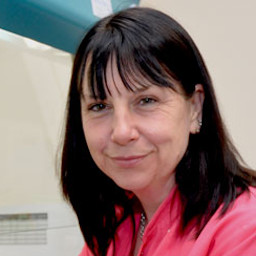
Prof. Elisabeth Engel López leads the Biomaterials for Regenerative Therapies group at the Institute for Bioengineering of Catalonia (IBEC) and serves as a Professor at the Technical University of Catalonia. With over 80 publications in JCR journals, her work focuses on designing biomaterials and scaffolds for in vitro/in vivo regenerative medicine, emphasizing cellular response mechanisms and translational applications. Developing lactate-releasing systems for metabolic modulation Advancing 3D bioprinting for tissue-specific models Engineering angiogenic and osteogenic biomaterials Her research bridges fundamental studies with industrial partnerships, including pharmaceutical and biomedical device companies, and contributes to European collaborative projects. She received the Barcelona City Award for technological research and has delivered numerous invited lectures. Her group explores substrate stiffness, ion release, and microenvironmental cues to control cell behavior in cardiac, neural, and bone regeneration contexts.
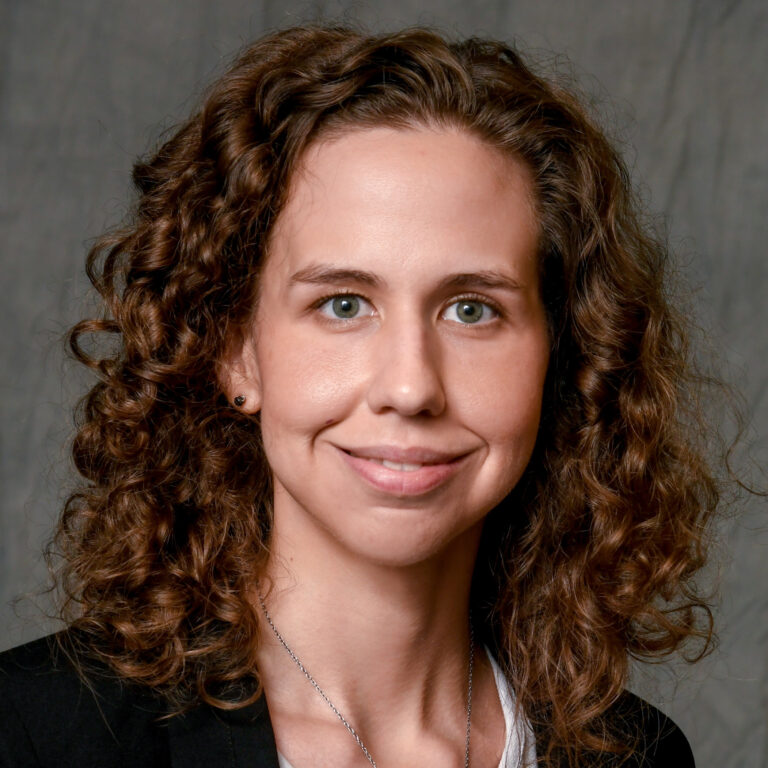
Dr. Sarah Jones is an Associate Professor in Thrombosis and Haemostasis at Manchester Metropolitan University, serving as Deputy Director of Research for the Department of Life Sciences. She leads the Thrombosis Group and holds an honorary Reader position at the University of Manchester. Academic Affiliation: Manchester Metropolitan University Secondary Appointment: University of Manchester (Honorary Reader) Over 20 years, Dr. Jones has pioneered research on platelet signaling pathways and their role in thrombosis. Her current work focuses on platelet-endothelial crosstalk in disease states, with emphasis on in vitro thrombosis modeling to replace animal testing. This research, funded by BBSRC, NC3Rs, and BHF, addresses cardiovascular disease mechanisms and translational antithrombotic testing. Her scientific publications demonstrate expertise in platelet biology (Pim kinase signaling, SIRT1 regulation, proteoglycan interactions) and thrombosis modeling. Recent work includes placental perfusion studies for pregnancy-related cardiovascular complications. Grants & Projects: UKRI (NC3Rs) Partnership and Impact Award (2025-2026) UKRI BBSRC/NC3Rs grant for human haemostasis models (2023-2025) British Heart Foundation collaborations (2021-2025) Dr. Jones supervises PhD students (Mishaal Reyman, Poppy White, etc.) and teaches on Biomedical Science, Cellular Science, and Clinical Haematology programs. She has developed innovative endothelialised in-vitro thrombosis models that reduce animal usage in cardiovascular research.
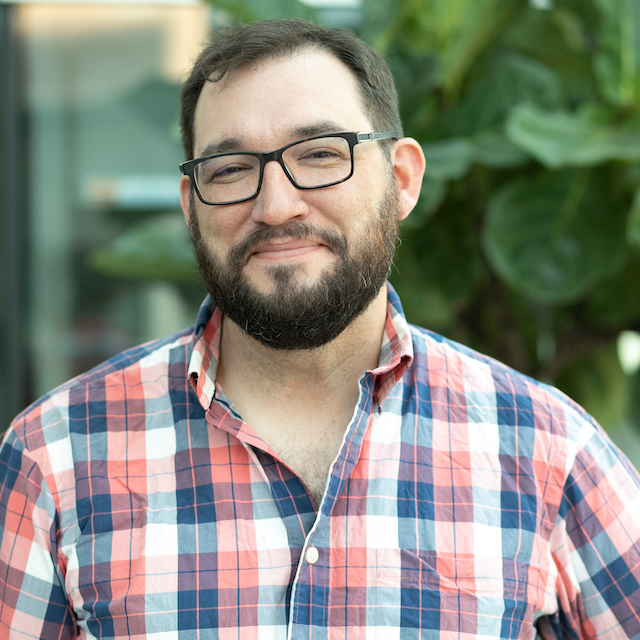
Professor Susan Brooks is a faculty member at Oxford Brookes University in the School of Biological and Medical Sciences . Her research focuses on glycobiology , cancer progression , and the role of extracellular vesicles in metastasis. Professor of Cell Biology Director of Researcher Development Focus on breast and ovarian cancer Specialized in glycosylation mechanisms Research Interests : Dr. Brooks' work explores how aberrant glycosylation of proteins and glycans influences cancer cell behavior, including metastasis and drug resistance . Her recent studies examine extracellular vesicles as diagnostic tools and therapeutic targets. Article Trends : Over 25 years, Dr. Brooks has published 15+ articles on glycosylation patterns in breast and ovarian cancer. Key areas include lectin binding , miRNA regulation , and radiation-induced metastatic changes . Her work bridges cell biology and clinical applications .
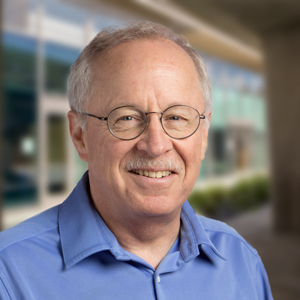
Audrey Fikes is an Assistant Teaching Professor in the Department of Chemistry at North Carolina State University (NC State), affiliated with the Integrative Sciences Initiative (ISI). She focuses on inorganic and bioinorganic chemistry, particularly iron homeostasis mechanisms and metalloprotein interactions. Her research also explores osmium-based clusters, coordination polymers, and chemical probe development for cellular studies. Her affiliations include the College of Sciences and the ISI, with an office in Dabney Hall 840. While no awards or grants are explicitly listed, her work emphasizes interdisciplinary approaches to chemical tool design and materials synthesis. She is part of NC State's Department of Chemistry faculty, contributing to undergraduate and graduate education in chemistry. Research interests span synthetic inorganic chemistry, redox-active systems, and applications in biochemistry. Her publications highlight advancements in ligand behavior analysis, cluster reactivity, and microwave-assisted synthesis techniques.
Justin English serves as Assistant Professor of Biochemistry at the University of Utah School of Medicine, where he develops molecular tools to investigate human health and disease mechanisms through directed evolution and protein engineering approaches. Education: B.A. from Cornell University Ph.D. from University of North Carolina at Chapel Hill Research Focus: Dr. English's laboratory specializes in Directed Evolution and Protein Engineering to create molecular tools for studying G-protein Coupled Receptors (GPCRs) , cell signaling pathways , and neuroscience applications . His work integrates synthetic biology with classical pharmacology to develop innovative platforms like VEGAS for mammalian cell evolution and TRUPATH for GPCR transducerome analysis, with significant implications for drug discovery and therapeutic development. Publication Trends: Analysis of his 2019-2025 publications reveals consistent focus on GPCR biology, featuring breakthroughs in biosensor development (nanobody-based receptor monitoring), chemogenetic tools (BioTAC system), and high-throughput screening platforms. His research demonstrates strong translational potential in neuroscience, particularly through engineered mouse models for psychedelic drug studies and molecular tools for mapping small-molecule interactomes. Research Environment: Dr. English leads an active laboratory within the University of Utah's Department of Biochemistry, leveraging institutional core facilities for biochemical and molecular studies. His research program maintains strong collaborative ties with neuroscience and pharmacology groups, with ongoing projects focused on advancing molecular engineering techniques for biomedical applications as detailed on his lab website.
William Balch, PhD, is a Professor in the Department of Molecular and Cellular Biology at Scripps Research. His research focuses on linking genetic variation in human populations to protein function using machine learning tools like Gaussian Process (GP) modeling. He pioneered concepts in proteostasis and spatial covariance, exploring how genetic and environmental factors influence protein folding and disease. Education: Ph.D. in Microbiology from University of Illinois (1979) Research interests include inherited diseases (e.g., CFTR, AATD, NPC1), aging-related proteostasis collapse, and host-pathogen interactions in SARS-CoV-2. His lab develops computational platforms to model protein design and discover therapeutic interventions. Key projects involve GP-based analysis of genetic diversity, small molecule therapeutics targeting chaperone systems, and understanding viral evolution via spatial covariance. His work bridges genomics and phenomics to address disease mechanisms at atomic resolution. Grants and collaborations focus on protein-folding correction, with applications in precision medicine and climate change mitigation through RuBisCo optimization in plants.
Xin Lu is the John M. and Mary Jo Boler Collegiate Associate Professor in the Department of Biological Sciences at the University of Notre Dame. She is a full member of the Harper Cancer Research Institute (HCRI), the Boler-Parseghian Center for Rare and Neglected Diseases (CRND), and the Tumor Microenvironment and Metastasis Program at the Indiana University Simon Comprehensive Cancer Center. Her research spans tumor immunology, immunotherapy, metastasis, and multi-omics, with a focus on prostate, breast, and rare cancers. Ph.D. in Molecular Biology, Princeton University (2004–2010) B.S. in Biological Sciences, Tsinghua University, China (2000–2004) Postdoctoral Fellow, Dana-Farber Cancer Institute and M.D. Anderson Cancer Center (2010–2016) Assistant to Associate Professor, University of Notre Dame (2017–Present) Dr. Lu's research investigates the molecular and cellular mechanisms of tumor-immune crosstalk, particularly the role of myeloid-derived suppressor cells (MDSCs) and neutrophils in promoting immunotherapy resistance. Her lab uses genetically engineered mouse models, functional genomics, single-cell and spatial transcriptomics, and high-throughput screening to uncover novel therapeutic targets. A major focus is on how cancer-cell-intrinsic oncogenic signaling shapes the immunosuppressive tumor microenvironment. Her recent publications reveal mechanisms such as Acod1-mediated ferroptosis resistance in neutrophils, Pygo2-driven immunosuppression in prostate cancer, and the efficacy of ketogenic diets in overcoming checkpoint blockade resistance. These studies span multiple disciplines including cancer biology, immunology, metabolism, epigenetics, and bioengineering, reflecting a highly integrative approach to immuno-oncology. Jane Coffin Childs Postdoctoral Fellow John M. and Mary Jo Boler Faculty Appointment Cluster Chair, Cellular & Molecular Biology, IBMS PhD Program Junior Chair, Boler-Parseghian Center for Rare and Neglected Diseases Dr. Lu mentors a diverse team of graduate students, postdoctoral fellows, and undergraduates. Her lab is actively recruiting and has secured funding from federal agencies and private foundations. She collaborates with chemists, bioengineers, and bioinformaticians to develop novel therapeutics, including antibody-drug conjugates, CAR-NK cells, and small-molecule inhibitors. Her lab also develops innovative platforms like mini-tumor chips for immunotherapy evaluation. Her lab maintains affiliations with multiple interdisciplinary centers including the Warren Family Center for Drug Discovery, Eck Institute for Global Health, and Berthiaume Institute for Precision Health, underscoring her collaborative and translational research vision.
PD Dr. Michael Veit is an Associate Professor (Privatdozent) at the Institute of Virology, School of Veterinary Medicine, Freie Universität Berlin , where he heads the independent Research Group Veit – Cell Biology of Viral Infections . He is a faculty member of the Center for Infection Medicine and participates in the Berlin Equine Virus Lab (BEVL). Education & Training Doctorate (Dr. rer. nat.) in Virology/Biochemistry – exact institution not stated in text. Post-doctoral qualification (Privatdozent) awarded by Freie Universität Berlin. Research Focus Veit’s laboratory investigates the molecular and cellular biology of enveloped RNA viruses , with emphasis on virus–host membrane interactions and post-translational lipid modifications (S-acylation/palmitoylation). His group combines reverse genetics, live-cell imaging, mass spectrometry and structural approaches to dissect how viral glycoproteins are modified, trafficked and assembled into infectious particles. Model pathogens include influenza A, B, C and D viruses, coronaviruses (SARS-CoV-2, MERS-like CoVs, PHEV, PDCoV), arteriviruses (PRRSV, EAV), alphaviruses (Getah, CHIKV-like), and other emerging zoonotic agents. Publication Trends From 2020 to 2025 Veit has published >30 high-impact articles that cluster around four major themes: (i) coronavirus surveillance and zoonotic risk assessment , (ii) mechanistic dissection of protein acylation in influenza and arteriviruses , (iii) structure-function analysis of viral entry receptors (ACE2, LDLR), and (iv) development of reverse-genetic tools and reporter viruses for antiviral screening. Grants & Collaborative Networks Ongoing third-party funded projects coordinated by Veit are not explicitly listed in the text, but the continuous publication output and mention of “Current Collaborations” imply active grant support. He collaborates closely with other FU Berlin groups (Osterrieder, Kaufer, Azab) and international partners on coronavirus and influenza consortia. Laboratory & Teams The Research Group Veit comprises post-docs, PhD students and technicians working in BSL-2 and BSL-3 facilities at the Institute of Virology. Core platforms include confocal & FLIM microscopy, quantitative proteomics, and reverse-genetics suites for segmented RNA viruses.
Blanka Sharma, Ph.D., is an Associate Professor in the J. Crayton Pruitt Family Department of Biomedical Engineering at the University of Florida's Herbert Wertheim College of Engineering. Her research focuses on nanomedicine, stem cells, biomaterials, and targeted delivery systems for regenerative medicine and cancer therapy. She holds a B.A.Sc. in Chemical Engineering from the University of Waterloo (1999), a Ph.D. in Biomedical Engineering from Johns Hopkins University (2005), and completed a postdoctoral fellowship at the Cleveland Clinic (2005–2008). Dr. Sharma’s work explores material-cell interactions to develop therapies addressing inflammatory mechanisms in diseases like osteoarthritis and cancer. Notable achievements include pioneering biomaterials for cartilage repair and nanoparticle-based drug delivery systems. She has received prestigious awards, including the NSF CAREER Award (2019) and the UF Pramod P. Khargonekar Junior Faculty Award (2019–2020). Her research spans nanomedicine, tumor microenvironment engineering, and immunotherapy optimization. Recent studies include ROS-scavenging manganese dioxide nanoparticles for osteoarthritis and NK cell mechanosensing in tumors. She leads the Sharma Laboratory, advancing translational research in regenerative medicine and oncology.
Paula Mendes is a Professor of Advanced Materials and Nanotechnology at the University of Birmingham's School of Chemical Engineering. She leads the interdisciplinary Mendes Research Group, focusing on nanoscience, biosensors, and nanotechnology applications in healthcare. Her work bridges engineering, chemistry, and biology to address challenges in biofouling, molecular diagnostics, and medical technologies. She is affiliated with the Healthcare Technologies Institute (HTI), advancing translational research in regenerative medicine and diagnostics. Education: MSc (1997) and PhD (2002) in Chemical Engineering from the University of Porto. Postdoctoral research at the University of Birmingham and UCLA under Fraser Stoddart. Academic career at Birmingham since 2006, promoted to Professor in 2013. Research Interests: Development of electrically switchable surfaces for on-demand biosensing Nanomaterials for cancer diagnostics and molecular imprinting Anti-biofouling materials and nanoelectrocatalysts for fuel cells Integration of nanotechnology with biological systems Awards: ERC Advanced Grant (2024), IChemE Global Award (2016), Women in Tech Academic Award (2019), and over 100 published manuscripts. Advising & Grants: Supervises doctoral students in molecular diagnostics and biosensor development. Holds grants including EPSRC Leadership Fellowship and ERC Consolidator/Advanced Grants. Her group collaborates across disciplines to translate nanotechnology into clinical applications. Labs/Teams: Mendes Research Group at the University of Birmingham, part of the HTI network. Active in editorial roles for journals like Responsive Materials and ChemBioEng Reviews .
Doron Betel serves as an Assistant Professor at Weill Cornell Medicine's Graduate School of Medical Sciences, with affiliations in both the Physiology, Biophysics & Systems Biology and Computational Biology programs. He directs the Applied Bioinformatics Core (ABC), a central service group providing specialized computational and analytical support for biomedical research across multiple institutions. Dr. Betel's research focuses on developing computational genomic tools for studying human diseases and cellular development, with emphasis on integrative analyses of genomic and epigenomic data from high-throughput assays. His work addresses specific questions related to disease progression, treatment response, stem cell differentiation, and neurological processes through two closely interacting research groups: the Applied Bioinformatics Core and his independent research lab. The analysis of his recent publications reveals a strong emphasis on single-cell and spatial genomics, cross-species data integration, and machine learning applications in cancer immunology and neurodegenerative disease modeling. His research spans multiple high-impact areas including cancer immunotherapy, stem cell biology, diabetes research, and cardiovascular regeneration, with numerous publications in top journals like Nature, Cell, and Nature Immunology. Through the Applied Bioinformatics Core, Dr. Betel provides extensive analytical support across various genomic platforms including single-cell RNA-seq, spatial transcriptomics, ChIP-seq, ATAC-seq, and variant calling. The Core serves as a vital resource for researchers at Weill Cornell Medicine and the broader Tri-Institutional network, offering specialized analysis, computational pipelines, and training services. Dr. Betel maintains extensive collaborations with leading researchers including Lorenz Studer at MSKCC for stem cell and neurodegenerative disease research, Tuomas Tammela for cancer genomics, and multiple immunology researchers studying T cell function in autoimmunity and cancer. His work bridges computational methodology development with direct biomedical applications across multiple disease areas.
Lori Passmore is a Research Fellow at the Medical Research Council Laboratory of Molecular Biology (MRC-LMB), part of the University of Cambridge's School of Clinical Medicine. Her work focuses on understanding the molecular mechanisms of multi-protein complexes involved in gene expression regulation and DNA repair. Studied pre-mRNA 3′-end processing via the Cleavage and Polyadenylation Factor (CPF) complex Investigated DNA crosslink repair through the Fanconi Anemia pathway Developed cryo-EM methodologies for structural analysis Her laboratory employs a hybrid approach combining electron cryo-microscopy , X-ray crystallography, biochemical assays, and genetic techniques to elucidate complex architectures and functional dynamics. Notable discoveries include structural insights into the FANCD2-FANCI complex and mechanisms of poly(A) tail length regulation. Current research spans topics such as: 3′-end processing coordination mRNA deadenylation pathways DNA replication stress responses Protein complex assembly principles Lori Passmore's group includes trainees and staff studying these fundamental biological processes. Their work contributes to understanding gene regulation, RNA metabolism, and DNA repair mechanisms critical for preventing diseases like cancer.
Dr. Julie Liu is an Associate Professor of Chemical Engineering at Purdue University, with a courtesy appointment in Biomedical Engineering. She is affiliated with the Global Engineering Program and serves on the Engineering Leadership Team. Her research focuses on biomaterials science, tissue engineering, and regenerative medicine, particularly in developing collagen-based hydrogels, protein-inspired adhesives, and bioelastomers for clinical applications. Recent work emphasizes tunable biomaterials that modulate cellular behavior in inflammatory environments and enhance tissue repair. Dr. Liu also contributes to STEM education outreach, promoting chemical engineering identity among young women through hands-on polymer activities. Her research interests include: Design of bioadhesives mimicking natural proteins Development of chondrogenic hydrogels for cartilage repair Controlled macromolecular transport in biomaterials Integration of stem cells with engineered matrices Redox-responsive and pH-sensitive hydrogels Recent publications highlight advancements in mussel-inspired adhesives, elastin-based bioelastomers, and chondroitin sulfate-modified scaffolds. These materials address challenges in cartilage regeneration, inflammation suppression, and tissue mimicry. Dr. Liu's work bridges chemical engineering principles with biomedical applications, emphasizing both material innovation and clinical translation.
Dr Michael Boemo is an Assistant Professor at the University of Cambridge, holding dual appointments in the Department of Pathology and Department of Genetics. He leads research at the intersection of computational biology, DNA replication, and cancer genomics, developing machine learning tools to analyze replication stress and genomic instability. Academic Background: BA in Mathematics (Rutgers University), PhD in Physics (University of Oxford) Research Focus: Genomic instability in cancer, DNA replication/repair defects, computational modeling using machine learning and high-performance simulations Teaching: Lectures in Natural Sciences Tripos (mathematical biology, genetics, systems biology), module organizer for cancer biology and biological modeling His research group leverages nanopore sequencing and AI to map replication fork dynamics, revealing how stalled forks generate mutations in cancer cells and pathogens. Recent work examines extrachromosomal DNA replication vulnerabilities and transcription-replication conflicts. Dr Boemo collaborates across computational biology and cancer research domains, with publications spanning journals like Nature Methods, Cell, and PLoS Computational Biology. His lab develops tools such as DNAscent for replication fork analysis and explores therapeutic targeting of replication stress.
Sergio Burgos, PhD is an Associate Professor in the Department of Animal Science at McGill University's Faculty of Agricultural and Environmental Sciences, and a Scientist at the Research Institute of the McGill University Health Centre (RI-MUHC). He leads an interdisciplinary research program integrating animal nutrition, human health, and environmental sustainability. Pan-American School of Agriculture, Zamorano, Honduras (Agrónomo) University of Florida (BSc Animal Science) University of California, Davis (MSc Animal Science) University of Guelph (PhD Animal Science, 2009) Research Focus examines protein foods' roles in: Human Nutrition & Cardiometabolic Health Dairy Production Systems & Rumen Microbiome Milk Metabolomics & Bioactive Compounds Climate Impact Reduction through Dietary Transitions Publication Trends demonstrate: 2024-2025: Prioritization of plant-animal protein substitutions for climate & health 2020-2023: Mechanistic studies on amino acid regulation of mammary cell function 2016-2020: Foundational work on insulin resistance and dairy nutrition Awards Richard and Edith Strauss Postdoctoral Fellowship (2010-12) Professional Affiliations Regroupement OptiLAIT (2015-present) American Society for Nutrition (2015-present) Canadian Diabetes Association (2012-present) Teaches core courses in animal nutrition, protein metabolism, and computational ration balancing.