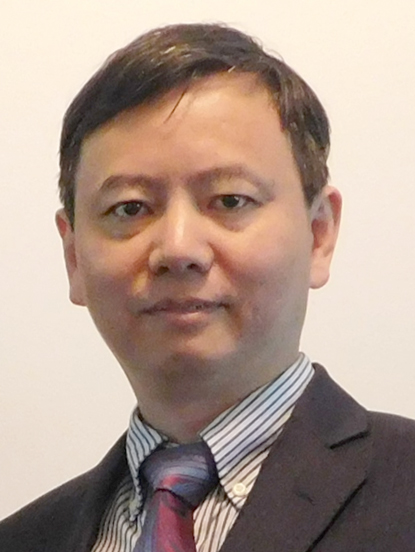
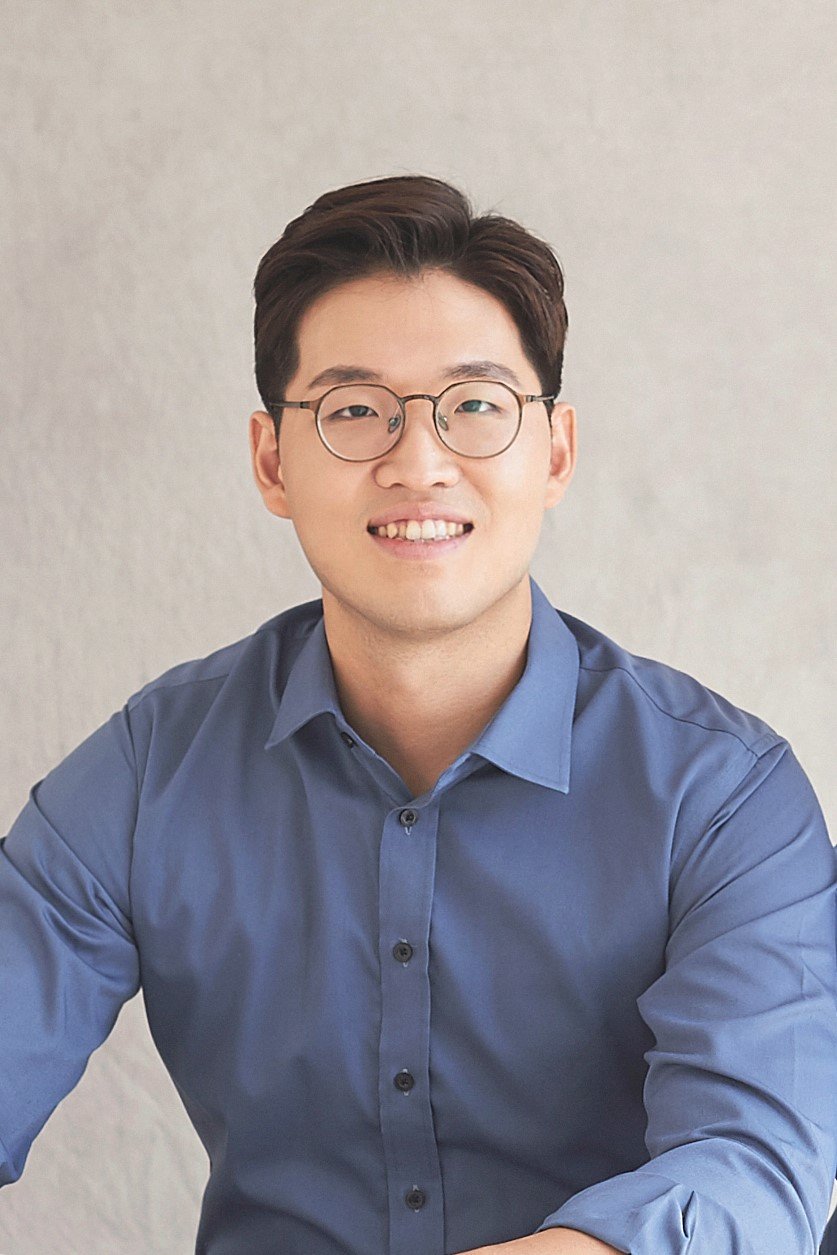
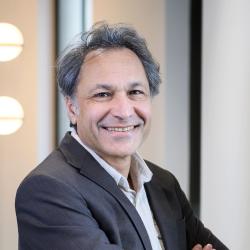
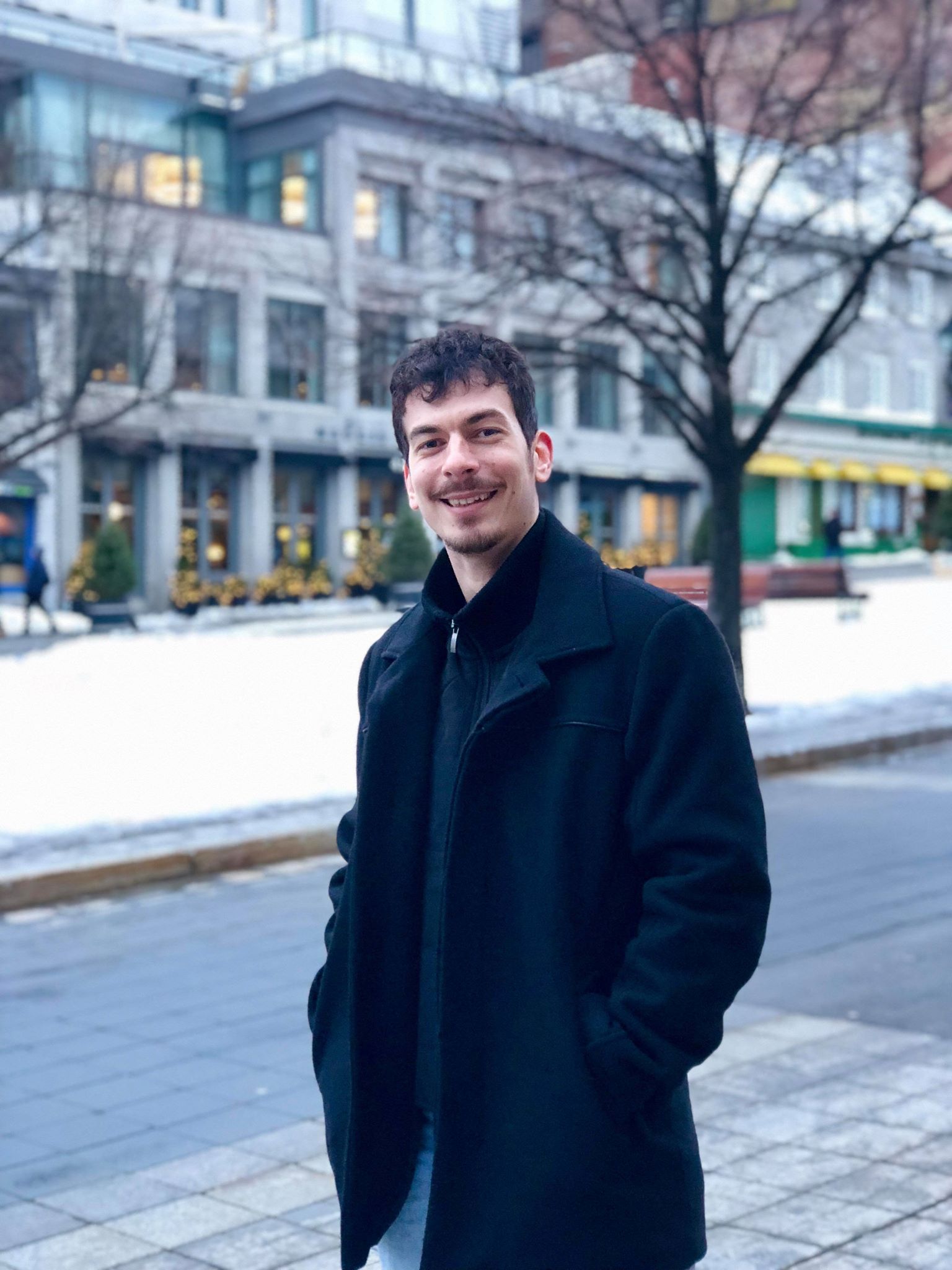
Jean-François Masson is a Full Professor in the Department of Chemistry at the Faculty of Arts and Sciences, Université de Montréal. He directs research in instrumentation, surface chemistry, and plasmonic materials, developing innovative biosensors for medical diagnostics and analysis. His work bridges analytical chemistry, nanotechnology, and artificial intelligence to create portable diagnostic devices. Position: Full Professor, Department of Chemistry Institution: Université de Montréal Research Focus: Plasmonic biosensors, surface chemistry, medical diagnostics Contact: jf.masson@umontreal.ca | 514 343-7342 Masson earned his BSc in Chemistry from Université de Sherbrooke in 2001, followed by a PhD in Analytical Chemistry from Arizona State University in 2005. He completed postdoctoral training at Georgia Tech before joining Université de Montréal's Chemistry Department in 2007. His research focuses on developing spectroscopic instruments for biomolecule analysis in medical samples through biosensors. He studies nano- and microstructure properties to enhance instrument sensitivity and surface chemistries to improve analysis selectivity in biological fluids. His plasmonic technology uses surface plasmon resonance at the intersection of analytical chemistry, nanotechnology, and artificial intelligence, employing gold thin films on chips that change color to detect the presence of antibodies like those for COVID-19. His publication trends show a consistent focus on surface plasmon resonance applications, with increasing emphasis on portable diagnostic devices, clinical applications, and integration with artificial intelligence. His work spans fundamental plasmonic material science to practical medical diagnostics, particularly in chemotherapy monitoring and infectious disease detection. 7 patents filed or granted for innovations in instrumentation, surface chemistry, and plasmonic materials License granted to Rose Street Labs (2005) Numerous research grants from NSERC, FRQNT, CIHR, and other major funding agencies Professor Masson has supervised over 20 graduate students (PhD and MSc) since joining Université de Montréal. His research has attracted significant funding, including multiple NSERC Discovery Grants, FRQNT team projects, and collaborations with hospitals for clinical validation of his diagnostic technologies. He leads several major research initiatives including projects on plasmonic optophysiology, chemical biology of sugars, and portable sensors for inflammation markers. His research is conducted through multiple units including the Thin Film Physics and Technology Research Group (GCM), the Neural Signaling and Circuitry Research Group (SNC), and the Interdisciplinary Research Center on Brain and Learning (CIRCA). He also contributes to the Oncopole, a research, development, and investment hub accelerating cancer fight efforts.