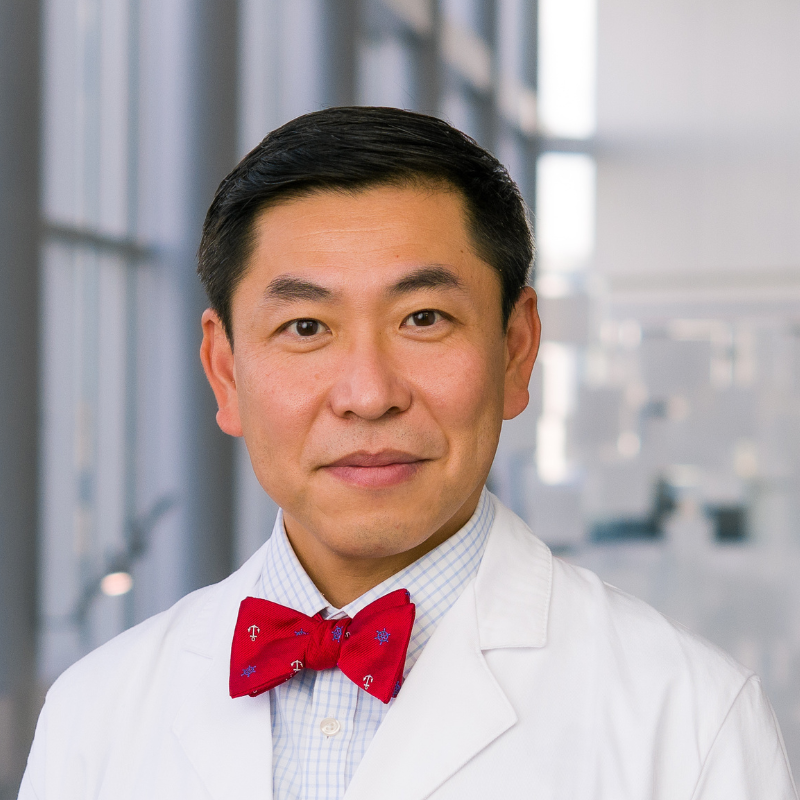
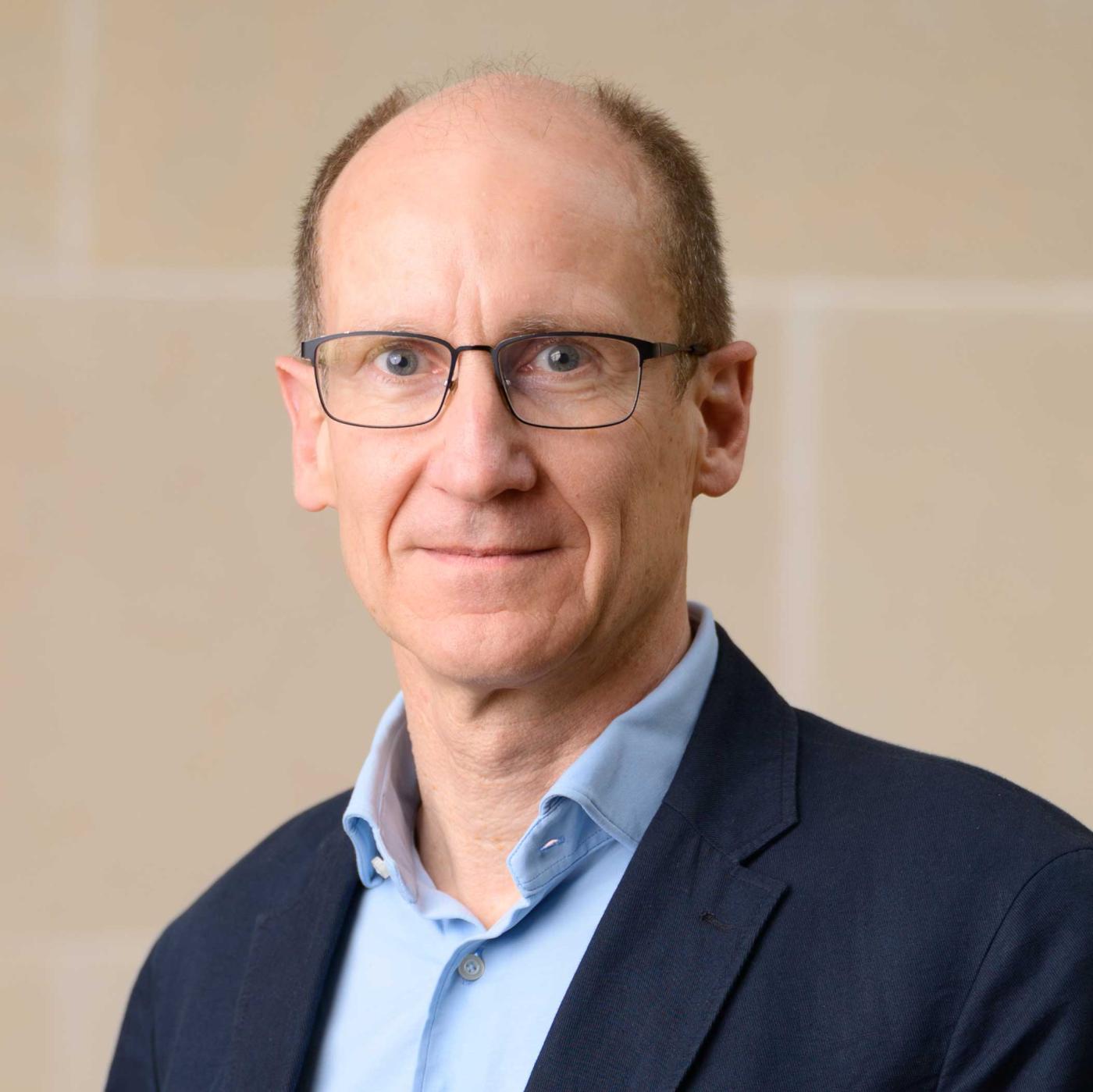
Andrew Z. Wang, M.D., is a tenured Professor and holds the A. Kenneth Pye Professorship in Cancer Research at the University of Texas Southwestern. He serves as Vice Chair for Translational Research and Commercialization in the Department of Radiation Oncology, having joined UTSW in August 2021. Previously, he held faculty positions at the University of North Carolina, where he rose from Assistant to Tenured Professor. Dr. Wang's research integrates biomedical engineering with oncology to develop innovative cancer diagnostics and therapeutics. His work focuses on: Nanotechnology-enabled drug delivery systems Cancer immunotherapy and vaccine development Biomaterial applications in oncology Liquid biopsy technologies for treatment monitoring Radiotherapy-enhancing strategies His 128+ publications demonstrate consistent focus on translational nanomedicine, with recent works advancing combination therapies (chemoradiation-immunotherapy), 3D-printed medical devices, and machine learning applications in oncology. Clinical publications emphasize optimizing radiation techniques for genitourinary/gastrointestinal cancers. Major scientific recognitions include: Fellow of the American Association for the Advancement of Science (AAAS) Fellow of the American Institute for Medical and Biological Engineering (AIMBE) Fellow of the American Society for Clinical Investigation (ASCI) A. Kenneth Pye Professorship in Cancer Research Dr. Wang leads a prolific research program generating 38 patents and founding three biotechnology startups. Clinically, he specializes in advanced radiation techniques (IMRT, SBRT, brachytherapy) for genitourinary and gastrointestinal malignancies.
Professor Graham Ogg is a leading academic at the University of Oxford, where he serves as Professor of Dermatology and leads the Skin Immunology Group. His research focuses on cutaneous immunity, particularly the role of CD1a-restricted T cells in inflammatory skin diseases. He is affiliated with the MRC Human Immunology Unit and MRC Weatherall Institute of Molecular Medicine, driving translational research on lipid antigen presentation and skin immune responses. Professor Ogg's investigations center on molecular mechanisms of skin inflammation, with emphasis on CD1a-mediated T cell activation and its implications for atopic dermatitis, psoriasis, and vaccine development. His work bridges fundamental immunology with clinical applications, exploring how lipid metabolism influences immune pathways in barrier tissues. Research themes include: CD1a-lipid interactions in cutaneous inflammation Therapeutic modulation of skin-specific T cell responses Translational models for dermatological drug delivery Immune mechanisms in allergic skin disorders Analysis of his recent publications (2024-2025) reveals dominant research streams: 1) Clinical dermatology focusing on systemic therapies for atopic eczema, 2) Immunological studies of dengue pathogenesis and metabolic interactions, 3) COVID-19 sequelae and immunity dynamics, and 4) Fundamental T cell biology in autoimmune/inflammatory contexts. This corpus demonstrates interdisciplinary integration of dermatology, virology, and immunometabolism. His scientific recognition includes: Fellowship of the Academy of Medical Sciences (FMedSci) Professor Ogg directs the Skin Immunology Group at the MRC Weatherall Institute, coordinating translational projects that investigate cutaneous immune circuits. The team employs single-cell analysis, spatial transcriptomics, and immunological profiling to dissect skin-specific immune responses, with ongoing work exploring CD1a-targeted therapeutic strategies.
Associate Professor Christopher Marquis is a biochemical engineer at the School of Biotechnology & Biomolecular Sciences at the University of New South Wales (UNSW). He specializes in interdisciplinary research at the intersection of protein biotechnology and bio-nanotechnology, with projects focused on organohalide bioremediation, therapeutic protein production, and recombinant spider silk generation. His research encompasses bioprocess development for therapeutic bacteriophage and plasmid DNA production. He directs the Recombinant Products Facility , which provides fermentation and protein purification infrastructure for academic and industrial partners. Key keywords from his recent publications include biochemistry, biotechnology, nanotechnology, and environmental science. Marquis has over 30 years of academic experience at UNSW, progressing from Lecturer (1994) to Associate Professor (2016). His teaching includes convening the Biotechnology Program (3053) and instructing BABS3031 Biotechnology and Bioengineering. His work has been supported by grants in bioprocessing, nanotoxicology, and biomedical applications.
Julie K. Schwarz, MD, PhD, FASTRO is a tenured Professor of Radiation Oncology at Washington University School of Medicine, where she serves as Vice-Chair of Research and Director of the Cancer Biology Division. She also holds appointments as Professor of Cell Biology and Physiology and is affiliated with the Roy and Diana Vagelos Division of Biology & Biomedical Sciences, specifically within the Cancer Biology and Molecular Cell Biology programs. Dr. Schwarz is a key member of the Siteman Cancer Center and co-leads one of only five centers comprising the NIH's Radiation Oncology-Biology Integration Network (ROBIN). Dr. Schwarz completed her BS in Biology at Duke University (1995) followed by an MD/PhD in Cell and Molecular Biology at Washington University School of Medicine (2004) through the Medical Scientist Training Program. She completed her Internal Medicine internship (2005) and Radiation Oncology residency (2009) at Barnes-Jewish Hospital, becoming board-certified by the American Board of Radiology in Radiation Oncology (2010). Her research program focuses on translational studies of gynecologic cancers, particularly cervical cancer, with emphasis on tumor metabolism, biomarker discovery, and treatment resistance mechanisms. Dr. Schwarz's laboratory maintains one of the largest tumor repositories for cervical cancer, which includes specimens collected before and during chemoradiation treatment. Her work has demonstrated the critical role of pretreatment and post-treatment FDG-PET scanning for cervical cancer patients and has identified alterations in PI3K/Akt pathway genes associated with treatment response. Recent research directions include studying obesity's paradoxical favorable impact on cervical cancer outcomes, glucose and glutamine metabolism as targets for cancer therapy, and the role of tumor immunology in therapy resistance. Analysis of Dr. Schwarz's most recent publications reveals a strong focus on cervical cancer biology, tumor metabolism, and novel therapeutic approaches. Her work integrates clinical data with laboratory research to identify biomarkers and develop improved treatment strategies. Current research emphasizes the interface between tumor metabolism, the microenvironment, and response to therapy, with particular attention to HPV-related cancers, tumor imaging, and metabolic targets for radiosensitization. Fellow of American Society for Radiation Oncology (ASTRO) (2024) Danforth WashU Physician-Scientist Scholar Award (2024) Elected into American Society for Clinical Investigation (2022) Michael Fry Research Award for Outstanding Junior Investigator: Radiation Research Society (2012) Fellow: National Cancer Care Network (2008) RSNA Roentgen Resident/Fellow Research Award (2008) As a dedicated mentor, Dr. Schwarz has guided numerous trainees across all levels including undergraduates, graduate students, medical students, residents, fellows, and postdoctoral researchers. Her Schwarz Lab is highly collaborative and actively recruits students and researchers, with recent successes including Leahan Castillo receiving an Honorable Mention at AACR and Brett Tortelli developing significant research on the vaginal microbiome's relationship to cervical cancer treatment response. Dr. Schwarz is R01-funded and leads multiple research projects, including work on the TARGET Center which focuses on understanding the biologic effects of radiation therapy in cancer treatment. She actively participates in national organizations including the ASTRO/NCI Radiobiology Consensus Workshop, AACR Radiation Oncology Think Tank, and the ASTRO Community of Radiation Oncology Physician Scientists. Dr. Schwarz directs the Schwarz Lab, which is growing and actively recruiting postdocs, staff scientists, and graduate students. The lab employs a multidisciplinary approach combining well-annotated clinical databases, prospectively collected patient tumor banks, and state-of-the-art sequencing technologies. Current research directions include single-cell sequencing approaches to study treatment effects on tumor cells and immune cells within the tumor microenvironment, glucose and glutamine metabolism as targets for cancer therapy, and targeting myeloid-derived cells to improve anti-tumor immunity. The lab is highly collaborative and studies multiple tumor types including cervical, pancreatic, and ovarian cancers.
Brenda L Bohnsack, MD, PhD is Associate Professor of Ophthalmology (Pediatric Ophthalmology) and Pediatrics at Northwestern University Feinberg School of Medicine, where she serves as Chief of Pediatric Ophthalmology in the Department of Ophthalmology. She also holds the Lillian Sherman Cowen Reiger and Harold L.S. Cowen Research Professorship of Pediatric Ophthalmology. Dr. Bohnsack practices at Ann & Robert H. Lurie Children's Hospital of Chicago. Her educational background includes: BA from Northwestern University (1999) PhD from Baylor College of Medicine (2004) MD from Baylor College of Medicine (2006) Transitional Year Intern at Oakwood Hospital (2007) Residency in Ophthalmology at University of Michigan (2010) Chief Residency in Ophthalmology at University of Michigan (2010) Postdoctoral Fellowship in Orbital and Ocular Development at University of Michigan (2011) Fellowship in Pediatric Ophthalmology and Adult Strabismus at Duke University (2012) As an academic pediatric ophthalmologist and developmental biologist, Dr. Bohnsack focuses on the clinical aspects and underlying basic science of congenital eye diseases. Her clinical expertise includes the medical and surgical management of complex pediatric eye conditions such as primary congenital glaucoma, Peters Anomaly, Axenfeld-Rieger syndrome, aniridia, microphthalmia, and congenital ectropion uvea. Her research spans both clinical and basic science domains, with clinical research concentrating on identifying new genes associated with congenital eye diseases and outcomes in affected individuals, while her basic science research utilizes zebrafish and human embryonic stem cell models to study ocular neural crest cells and their role in eye development. Analysis of Dr. Bohnsack's most recent publications reveals a strong focus on pediatric ocular conditions with particular emphasis on Stickler syndrome, pediatric glaucoma management, and complications of systemic treatments in children. Her work spans clinical studies, surgical technique evaluations, systematic reviews, and investigations into the genetic basis of pediatric eye diseases. The publications demonstrate her commitment to improving diagnostic approaches, surgical outcomes, and understanding the molecular mechanisms underlying congenital eye disorders. Dr. Bohnsack has received numerous scientific awards and honors throughout her career: Honor Award, American Association of Pediatric Ophthalmology and Strabismus (2025) Secretariat Award, American Academy of Ophthalmology (2024) Academic Leadership Development Program, Association of University Professors of Ophthalmology (2024) Alpha Omega Alpha (2023) Gunter von Noorden Young Investigator Award (2022) Dr. Bohnsack actively participates in multi-center research collaborations focusing on the genetics of childhood glaucomas, long-term outcomes of myopia control, socioeconomic influences on eye disease outcomes, and health disparities in global myopia management. Her laboratory research focuses on molecular regulation of neural crest migration and differentiation in the anterior segment of the eye, with applications for understanding and potentially treating congenital eye disorders. She leads research efforts utilizing both in vivo (zebrafish) and in vitro (human embryonic stem cells) systems to model eye diseases, with particular attention to ocular neural crest cells and their contribution to corneal, iris, and aqueous humor drainage system development. Her work bridges basic science discoveries with clinical applications to improve understanding and treatment of blinding diseases in children.
Jonathan Freund is Professor of Mechanical Science and Engineering and Aerospace Engineering at the University of Illinois at Urbana-Champaign, holding the Donald Biggar Willett Professorship since 2016. He serves as Head of Aerospace Engineering (2020-present) and is Co-Director of the Center for Exascale-enabled Scramjet Design (CEESD). His academic journey began with all three degrees in Mechanical Engineering from Stanford University (B.S. 1991, M.S. 1992, Ph.D. 1998), followed by faculty positions at UCLA (1997-2001) before joining UIUC. Freund's research spans fluid mechanics with applications in biomedical systems, aeroacoustics, and materials science. His work focuses on computational modeling of cellular blood flow, jet noise control, plasma-coupled combustion, uncertainty quantification, and nanoscale material processing. He develops advanced simulation tools to investigate phenomena ranging from atomically thin liquid films to spacecraft propulsion systems. His laboratory leverages high-performance computing to solve complex multiphysics problems requiring exascale capabilities. Analysis of his recent publications reveals a strong emphasis on computational fluid dynamics applied to biological systems (35%), aeroacoustics and jet noise (25%), materials processing at nanoscale (20%), and uncertainty quantification methods (20%). His work consistently bridges fundamental fluid mechanics with practical engineering applications, particularly in medical technologies and advanced propulsion systems. Donald Biggar Willett Professor (2016-present) Kritzer Faculty Scholar (2011-2016) Fellow of the American Physical Society (2011) Campus Excellence in Faculty Mentoring Award (2017) APS DFD Gallery of Fluid Motion Winner (2000) Associate Fellow of AIAA (2012) Freund has advised numerous graduate students and received multiple teaching honors including the Engineering Council Award for Excellence in Advising (2008, 2012) and repeated recognition on the List of Excellent Teachers. His research has been supported by agencies including the Department of Energy's National Nuclear Security Administration. He leads the CEESD center which develops physics-faithful predictive simulations for scramjet design using advanced high-temperature composite materials.
Andreas Matouschek is a Professor in the Department of Molecular Biosciences at the University of Texas at Austin, where he served as Associate Dean for Research and Facilities from 2020-2024. He oversees research support for the College of Natural Sciences, managing over 1 million square feet of research space across multiple campuses. Prior to joining UT Austin in 2012, he spent 15 years at Northwestern University where he held leadership roles including Program Leader for Cancer Cell Biology in the Robert H. Lurie Comprehensive Cancer Center. Matouschek received his education at prestigious institutions: Diplom in Biology from Ludwig-Maximilians-University in Munich (1990), Ph.D. in Chemistry from Cambridge University (1992), and was an EMBO Fellow at the Biocenter of the University of Basel. His research focuses on the mechanisms of protein machines, particularly protein folding, unfolding, and degradation. The Matouschek Lab investigates the biochemical mechanisms of the Ubiquitin Proteasome System (UPS) in physiologically relevant contexts, with the goal of understanding how cellular processes are regulated through protein degradation. The lab employs diverse experimental techniques including protein engineering, quantitative biochemical assays, cell biology, genome-scale screens, and single molecule biophysics. Analysis of his recent publications reveals a consistent focus on proteasome structure and function, substrate recognition mechanisms, and the regulation of protein degradation. His work has significant implications for understanding cellular regulation and developing therapeutic approaches targeting the ubiquitin-proteasome system. As Associate Dean, he managed a team of 17 full-time staff supporting research across the College of Natural Sciences, including facilities spanning from the McDonald Observatory in West Texas to the Marine Science Institute on the Gulf Coast. His laboratory continues to make significant contributions to understanding the fundamental mechanisms of protein degradation and its implications for cellular function and disease.
Dr. Evelina Charidemou is an Assistant Professor at the Department of Life Sciences, School of Life and Health Sciences, University of Cyprus. She holds a PhD in Biochemistry from the University of Cambridge and a Bachelor's degree (Honors) from Imperial College London, where she earned the Royal College of Science Associateship (ARCS). Her research focuses on developing metabolomics and lipidomics tools to investigate metabolic syndrome, particularly Type II diabetes and non-alcoholic fatty liver disease, using high-performance liquid chromatography and multivariate bioinformatics. Specialties: Nutritional Biochemistry, Metabolism, Histone Acetylation Collaborations: University of Oxford, University of Aarhus, Imperial College London Leadership: President of Cyprus Metabolomic Network Key Awards: Marie Skłodowska-Curie Individual Fellowship, Best Presentation (Metabolomics Sardinian Scientific School) Her work has been published in high-impact journals including Trends in Biochemical Sciences , EMBO Journal , and Hepatology , with a focus on the interplay between epigenetic mechanisms and metabolic diseases. She actively presents at international conferences such as the Metabolomics Society meetings and contributes to the International Journal of Biochemistry and Cell Biology.
Robin Ras is a Professor and Head of Department at the Department of Applied Physics at Aalto University, where he leads the Soft Matter and Wetting research group. His work focuses on surface science, particularly superhydrophobic and superoleophobic materials, with applications spanning renewable energy, biomedical engineering, and agricultural science. Ras earned his Master's degree in Engineering and Technology from Catholic University of Leuven in 1999, followed by a Doctoral degree from the same institution in 2003. His academic journey has positioned him as a leading researcher in wetting phenomena and nanoscale surface engineering. His research interests center on understanding and manipulating liquid-solid interactions at micro and nanoscales. Ras's work explores how surface topography and chemistry affect wetting behavior, with particular focus on superhydrophobic surfaces, droplet dynamics, and liquid-repellent materials. His group develops innovative approaches for creating surfaces with controlled wettability for applications ranging from self-cleaning materials to advanced biomedical devices. The research trends evident in Ras's recent publications show a strong focus on precision control of liquid-solid interfaces, with increasing attention to underwater applications, molecular-scale surface engineering, and biomimetic approaches. His work bridges fundamental surface science with practical applications in energy, healthcare, and sustainability. Among his notable scientific achievements: Anton Paar Research Award for Instrumental Analytics & Characterization (2018) for Scanning Droplet Adhesion Microscopy invention Academy of Finland Research Fellow (2011-2016) ERC Consolidator Grant (2017) Ras has secured significant research funding including the ERC Consolidator Grant for the SuperRepel project (2017-2022) focused on superslippery liquid-repellent surfaces, and the Academy of Finland project 'Electric Field; an Active Method to Control Phase Change' (2019-2022). His research group actively collaborates with international institutions and industry partners to translate fundamental discoveries into practical applications. The Soft Matter and Wetting research group under Ras's leadership combines experimental and theoretical approaches to investigate surface phenomena. The team utilizes advanced imaging techniques, precision surface fabrication methods, and computational modeling to understand and engineer surfaces with tailored wetting properties. Their work has applications across multiple sectors including renewable energy, biomedical devices, and sustainable agriculture.
Professor Adele Murrell is a Professor of Epigenetics in the Department of Life Sciences at the University of Bath's Faculty of Science. She serves as Co-Director of the Centre for Therapeutic Innovation and is affiliated with both the Centre for Mathematical Biology and the Centre for Bioengineering & Biomedical Technologies (CBio). She is currently accepting doctoral students and maintains an active research program with multiple ongoing projects. Her research focuses on understanding how cells establish and maintain their specific identities through epigenetic mechanisms. Her work centers on epigenetic barriers and cell identity, genomic imprinting as a model epigenetic system, long-range epigenetic silencing in cancer, and epigenetic reprogramming during metastasis. She investigates how higher-order chromatin structure and epigenetic modifications shape the genome within the nucleus to constitute cell identity and provide memory of developmental origins. Her current work examines colon cancer and liver metastasis, focusing on changes in DNA methylation and its demethylation intermediates such as 5-hydroxymethylcytosine. Analysis of Professor Murrell's recent publications reveals a strong focus on DNA hydroxymethylation patterns in cancer progression, particularly in colorectal cancer metastasis. Her work bridges molecular epigenetics with clinical applications, exploring how epigenetic changes during metastasis could be targeted to prevent cancer spread. She has developed novel techniques for detecting epigenetic modifications and has made significant contributions to understanding allele-specific chromatin domains and genomic imprinting mechanisms. Professor Murrell leads multiple research projects including 'Two stages of genome wide 5-hydroxymethylcytosine (5hmC) reprogramming during colorectal carcinogenesis and liver metastasis' funded by the MRC until February 2024, and 'Modelling the fits and starts of how genes burst into expression' funded by The Leverhulme Trust until June 2024. She was also a Co-Investigator on the 'Multi User High-Content Confocal Microscope' project funded by the Biotechnology and Biological Sciences Research Council. Her laboratory work connects with UN Sustainable Development Goals, particularly those related to health and well-being. Her fingerprint analysis shows strong activity in Epigenetics (100%), DNA Methylation (94%), Allele research (73%), Methylation studies (69%), Genomic Imprinting (60%), CTCF research (56%), Promoter Region analysis (44%), and Differentially Methylated Regions (34%).
Daniela Carnevale is a Full Professor at Sapienza University of Rome, where she serves in the Department of Medical-Surgical Sciences and Biotechnologies within the Faculty of Medicine. She directs the Laboratory of Neuro and Cardiovascular Immunology at the Department of Molecular Medicine, based at IRCCS Neuromed in Pozzilli. Her academic career spans over a decade with a permanent position as Assistant Professor since 2012, progressing to her current role as Full Professor. Education: PhD in Neuroscience (2010) - Faculty of Medicine and Surgery, Catholic University of the Sacred Heart in Rome Professional qualification in Biology (2006) - Sapienza University of Rome Degree in Biological Sciences (2005) - Sapienza University of Rome, final mark 110/110 cum laude Daniela Carnevale's research primarily focuses on the intersection of cardiovascular medicine, neuroscience, and immunology. She investigates neuroimmune mechanisms in hypertension, exploring how the nervous and immune systems interact to influence blood pressure regulation and organ damage. Her work encompasses biotechnologies and translational approaches to understand arterial hypertension, chronic heart failure, Alzheimer's related dementias, and adaptive immune responses. She has pioneered research on brain-spleen communication pathways in hypertension, demonstrating how neural signals prime immune responses that contribute to cardiovascular pathology. Analysis of her recent publications reveals a strong emphasis on neuroimmune cardiovascular interfaces, with particular focus on hypertension-induced cognitive impairment, cerebrovascular remodeling, and organ damage mechanisms. Her work increasingly integrates advanced imaging techniques, genetic analyses, and immune profiling to uncover novel therapeutic targets for cardiovascular and neurodegenerative conditions. Scientific Awards: Fellow of the American Heart Association (FAHA) (2016) Council on Hypertension Mid Career Award for Research Excellence (2019) International Patent in medical technology (2010) Multiple research awards from the Italian Society of Arterial Hypertension Research Award from the Foundation "Roberto Cornelli" (2009) Professor Carnevale has secured significant research funding as Principal Investigator, including grants from Sapienza University, Istituto Pasteur-Fondazione Cenci Bolognetti, and the Italian Ministry of Health. She has supervised numerous PhD students, post-doctoral fellows, and undergraduate students across various biomedical programs. Her laboratory collaborates internationally with leading researchers from Harvard University, Vanderbilt University, University of Glasgow, and University of Munich. At IRCCS Neuromed, Professor Carnevale directs the Laboratory of Neuro and Cardiovascular Immunology, where her team investigates the cellular and molecular mechanisms underlying neuroimmune interactions in cardiovascular diseases. Her research facility includes advanced preclinical imaging capabilities, including a 7Tesla MRI for small animal research, which she secured through competitive grant funding.
Alessio Accardi, Ph.D., is a Professor of Physiology and Biophysics in Anesthesiology at Cornell University. He also holds secondary appointments in the Department of Physiology and Biophysics and Department of Biochemistry. His research focuses on understanding the structural and functional mechanisms of ion channels and transporters, particularly the CLC protein family, which is implicated in human diseases like Bartter’s syndrome. Primary Appointment: Department of Anesthesiology Secondary Appointments: Department of Physiology and Biophysics, Department of Biochemistry Techniques: Cryo-Electron Microscopy, X-ray Crystallography, Electrophysiology His lab uncovers biophysical mechanisms of ion movement across cellular membranes, bridging active and passive transport proteins. Recent work highlights the dual nature of CLC proteins as both ion channels and transporters, challenging previous assumptions. The lab employs a multidisciplinary approach, combining structural biology with functional assays in synthetic lipid bilayers. Their research has direct implications for understanding ion channelopathies and developing targeted therapies. Recent publications explore lipid scrambling mechanisms in TMEM16 proteins, pH-dependent activation in CLC transporters, and voltage-gated channel modulation by anesthetics. These studies utilize Cryo-EM and crystallography to reveal molecular insights. Contacts: ala2022@med.cornell.edu | Accardi Lab Website
Christian Becker is an Associate Professor in the Department of Dermatology at the University of Münster, where he leads the Becker Research Group focused on "Adaptive and innate T cell Immunity." His work bridges immunology, dermatology, and vascular biology, with particular emphasis on understanding T cell responses in inflammatory conditions and thrombosis. Dr. Becker's research interests include: T cell function and differentiation Myeloid cell differentiation Nanoparticle-mediated tumor therapy Humanized mouse models Regulatory T cells in tissue repair Monocytes in chronic venous insufficiency His recent work has explored how cyclic adenosine monophosphate (cAMP) serves as a signaling messenger in immune regulation, how specialized regulatory T cells control venous blood clot resolution through SPARC, and how nanoparticle-based therapies can be used for melanoma treatment. His research combines molecular immunology with translational approaches to develop novel therapeutic strategies for inflammatory and thrombotic conditions. Dr. Becker has published extensively in high-impact journals including Nature Communications, Blood, and Circulation Research. His publication record demonstrates a consistent focus on the intersection of immunology and vascular biology, particularly examining how T cells and monocytes interact in thrombotic and inflammatory conditions across multiple disease contexts. His laboratory recently relocated from Mainz to Münster, where he continues to expand his research program. Dr. Becker actively mentors doctoral student Doğa Uncuer and master's student Friederike Pauline Neesen, and is seeking additional talented scientists to join his team.
Subramaniam Ganesh is a Professor at the Department of Biological Sciences and Bioengineering, Indian Institute of Technology Kanpur (IITK). His research focuses on neurodegenerative disorders, particularly Lafora disease, and the molecular genetics of protein misfolding and autophagy. Education: BSc (1988), MSc (1990) from University of Madras, PhD (1996) from Banaras Hindu University Professional Affiliations: IITK (2002–present), RIKEN Brain Science Institute (1998–2002), Indian Institute of Science (1997–1998) Research Interests: Dr. Ganesh's work spans three main areas: (1) molecular pathology of Lafora disease through genetic screening and cellular models, (2) mechanisms of disorders caused by amino acid repeat expansions with focus on polyglutamine toxicity, and (3) genetic determinants of complex disorders like stroke and asthma. His group employs clinical genetics, cell biology, and biochemical approaches to uncover shared mechanisms in neurodegenerative diseases. Publication Trends: Recent articles highlight his work on glycogen metabolism in neurodegeneration, autophagy regulation in Lafora disease, and cross-disciplinary studies linking diabetes to Alzheimer's pathology. Keywords across 15 most recent papers include Neuroscience , Genetics , Biochemistry , and Pharmacology , with sub-fields spanning Protein degradation , Metabolic stress , and Neuroinflammation . Scientific Awards: National Bioscience Award for Career Development (2008) Scopus Young Indian Scientists Award (2008) B.M. Birla Science Prize (2008) DAE-SRC Outstanding Research Investigator Award (2010) CDRI Award (2012) ICMR Basanti Devi Amir Chand Prize (2014) OPPI Scientist Award (2016) Advising & Collaborations: Mentored 30+ PhD/MSc students since 2002. Collaborated with institutions like RIKEN, IISc Bangalore, and CDRI Lucknow. Editorial roles include Chief Editor of IITK Directions and Associate Editor of Journal of Genetics . Laboratory & Team: Head of the Ganesh Laboratory at IITK, overseeing 20+ researchers including postdoctoral fellows, PhD students, and technical staff. Key projects involve molecular pathways in Lafora disease, protein quality control, and neurodegenerative therapeutics.
Sameer Nath, MD, is an Associate Professor in the Department of Radiation Oncology at the University of Colorado Anschutz Medical Campus School of Medicine. He holds leadership roles as Vice Chair of Clinical Affairs, Clinical Practice Director at Anschutz Medical Campus, and Medical Director of Radiation Oncology at Highlands Ranch Hospital. Dr. Nath is board-certified in Radiation Oncology and practices at UCHealth Radiation Oncology and Rocky Mountain Gamma Knife Center. MD: University of California, San Diego School of Medicine (2010) Internship: University of California, San Diego (2011) Residency: Yale-New Haven Medical Center, Chief Resident in Radiation Oncology (2015) His research focuses on radiation therapy applications for prostate and lung cancers, brain metastases management, and immunotherapy-radiation combinations. He has pioneered work in stereotactic body radiation therapy (SBRT), tumor hypoxia, radiation pneumonitis prevention, and medical imaging innovations for treatment planning. Recent publications examine oligoprogressive prostate cancer management, radiation oncology nurse education, and deep learning applications in patient positioning. Dr. Nath's 15 most recent publications (2024-2017) demonstrate expertise in prostate cancer (4 articles), lung cancer (4 articles), brain metastases (4 articles), and medical imaging/education (3 articles). Key research themes include SBRT optimization, immunotherapy response monitoring, and radiation toxicity management. American Society of Radiation Oncology (ASTRO) Member Practice locations: UCHealth Radiation Oncology - Anschutz Medical Campus (Aurora, CO) and Rocky Mountain Gamma Knife Center - Anschutz Medical Campus (Aurora, CO) Hospital affiliations: UCHealth Highlands Ranch Hospital and University of Colorado Hospital