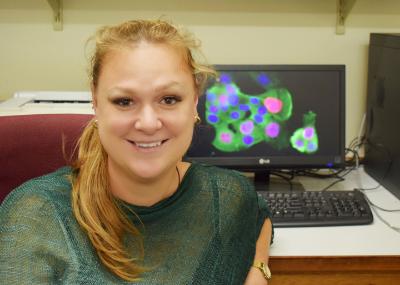
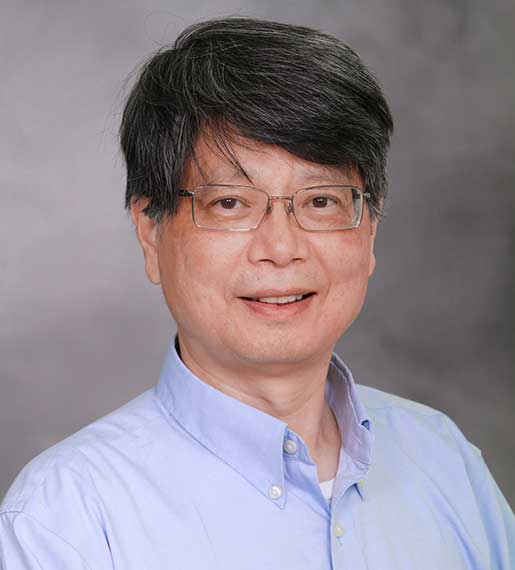
Dr. Nikolina Stojanović is a Research Associate at the Ruđer Bošković Institute , affiliated with the Division of Molecular Biology . Her work focuses on integrin-mediated drug resistance, cell adhesion, and cytoskeletal dynamics in melanoma, breast cancer, and prostate cancer.
Igor Weber is a Professor and Head of the Laboratory of Cell Dynamics at the Ruđer Bošković Institute's Division of Molecular Biology in Zagreb, Croatia. With a PhD in Biophysics from Technische Universität München (1995), an MSc in Biophysics from Zagreb University (1992), and a BSc in Physics from Zagreb University's Faculty of Natural Sciences and Mathematics (1988), Dr. Weber has established himself as a leading researcher in cell biology and biophysics. Dr. Weber's primary research focuses on cell motility, cytoskeleton dynamics, biophotonics and bioimaging, small GTPases, and cell signaling, using Dictyostelium discoideum as a model organism. His work has significantly advanced our understanding of how the actin cytoskeleton is regulated during cell migration and endocytosis. He has pioneered techniques for visualizing and quantifying GTPase activity in living cells, particularly focusing on Rac1 dynamics and its role in establishing cell polarity. Dr. Weber's laboratory has made groundbreaking contributions to understanding IQGAP-related proteins and their dual roles in regulating actin dynamics through both effector and sequestrator mechanisms with small GTPases. Analysis of Dr. Weber's recent publications reveals a strong focus on the molecular mechanisms of cell motility and endocytosis, with particular emphasis on the regulation of small GTPases like Rac1 and Ras. His work bridges biophysics, cell biology, and computational modeling, as evidenced by his studies on oscillatory dynamics of Rac1 activity and mathematical modeling of cell migration. The research spans from fundamental molecular mechanisms to potential biomedical applications, including studies on DNA damage response, cancer cell migration, and development of novel imaging probes. Dr. Weber has successfully secured multiple research grants including the current Croatian Science Foundation project (IP-2024-05) on dissecting Rac1 isoform redundancy in Dictyostelium , and the Croatian-Swiss Research Program (CSRP 2017-2023) on phagocytosis and macropinocytosis. As an educator, he teaches courses on Cytoskeleton and Cell Motility at the University of Zagreb, Cell Biophysics at the University of Split, and Advanced Light Microscopy at the University of Zagreb. Professional Leadership: President of Croatian Microscopy Society (2012-2016) Member of Executive Board, European Microscopy Society (2016-2025) President of Croatian Society for Theoretical and Mathematical Biology (2005-2006) Dr. Weber's laboratory serves as a hub for advanced microscopy techniques and cell dynamics research in Croatia. He has organized multiple international microscopy conferences including the Multinational Congress on Microscopy and European Light Microscopy Initiative meetings. His collaborative network spans internationally, with significant collaborations with Pierre Cosson at the University of Geneva and other European research groups.
Dr. Jo-Anne de la Mare is a Senior Lecturer in the Department of Biochemistry at Rhodes University. Her research focuses on triple negative breast cancer cell biology, drug discovery, phenotypic screening of novel compounds, and establishment of cervical cancer cell lines. PhD in Biochemistry (2012) M.Sc in Microbiology with Distinction (2009) B.Sc Hons. in Microbiology with Distinction (2006) B.Sc in Microbiology and Biochemistry with Distinction (2005) Her work spans biochemical pharmacology, molecular biology, and medicinal chemistry, with a strong emphasis on anti-cancer and antiparasitic compound development. Recent publications highlight studies on metal-based complexes (palladacycles, ruthenium, and ferrocenyl derivatives) and marine-derived compounds targeting tumor cells and parasitic diseases. Claude Leon post-doctoral fellowship (2016) NRF Innovations post-doctoral fellowship (2012-2014) Contact: j.delamare@ru.ac.za | Rm 235, Biological Sciences Building, Rhodes University
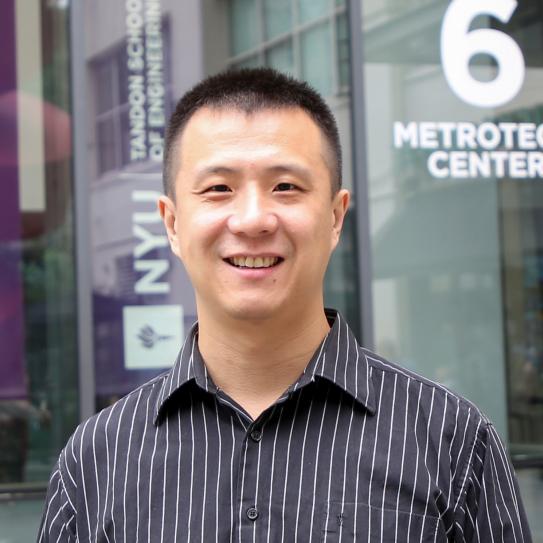
Dr. Xiao Ma serves as an Industry Assistant Professor of Biomedical Engineering at NYU Tandon School of Engineering since July 2019, conducting interdisciplinary research at the intersection of mechanobiology, computational biology, and nanotechnology. His work bridges molecular/cellular mechanics with micro/nanofabrication techniques to develop advanced biointerfaces and biosensors. His academic foundation includes: Bachelor of Science in Mechanical Engineering, Tsinghua University (2004) Master of Science in Mechanical Engineering, Tsinghua University (2007) Ph.D. in Mechanical Engineering, Iowa State University (2013) Dr. Ma's research centers on cellular morphodynamics, molecular biophysics, and cancer biology, with significant contributions to electro-responsive biointerface design. He employs machine learning for cellular image analysis and develops nanoscale platforms for controlled biomolecular binding/unbinding events, particularly focusing on thrombin-aptamer systems. His methodologies integrate atomic force microscopy, molecular dynamics simulations, and spatiotemporal spectrum decomposition to quantify cellular mechanics. Analysis of his 15 most recent publications reveals a cohesive research trajectory emphasizing force spectroscopy, computational modeling of cellular behavior, and electroactive biointerfaces. Key themes include real-time modulation of protein-DNA interactions through electrical stimuli, machine learning applications in morphodynamic profiling, and nanomechanical characterization of biosensor surfaces. His work consistently bridges theoretical computational models with experimental validation in biointerface engineering. His scientific recognition includes: Research Excellence Award, Iowa State University (2013) SES Conference Travel Awards for best graduate papers (2012, 2010) Teaching Excellence Award, Iowa State University (2009) While specific advising details aren't documented in available sources, his postdoctoral training at UT Southwestern Medical Center involved bioinformatics and cell biology research. Current laboratory infrastructure isn't explicitly described, but his publications indicate advanced capabilities in molecular dynamics simulation, atomic force microscopy, and microfabrication techniques for biointerface development.
Lisa-Marie Nisbett is an Assistant Professor in the Department of Microbiology at the College of Agriculture and Life Sciences (CALS), Cornell University. She earned her B.S. and M.S. in Biology from Long Island University's LIU Post Campus (2009 and 2012) and a Ph.D. in Biochemistry and Structural Biology from Stony Brook University (2018). Her postdoctoral work as an IRACDA NY-CAPS fellow at Stony Brook University focused on mycobacterial cell envelope biogenesis and lipid export pathways, particularly the role of the lipoprotein LprG in mycomembrane formation. Education: B.S. in Biology (2009), Long Island University - LIU Post Campus M.S. in Biology (2012), Long Island University - LIU Post Campus Ph.D. in Biochemistry and Structural Biology (2018), Stony Brook University The Nisbett Lab investigates the molecular mechanisms driving pathogenesis in nontuberculous mycobacteria (NTM), which are increasingly problematic clinical pathogens causing antibiotic-resistant pulmonary infections. Using Mycobacterium abscessus as a model, her team employs genetic, biochemical, and metabolite quantification approaches to study biofilm formation – a key factor in NTM persistence and treatment resistance. Her work explores how lipid transport systems like LprG contribute to mycomembrane integrity and whether these mechanisms can be targeted for novel anti-infective therapies. Research trends across her publications reveal a focus on bacterial signaling networks (e.g., c-di-GMP), NO/H-NOX pathways, and heme sensing mechanisms that regulate biofilm formation in diverse species including Shewanella oneidensis , Burkholderia thailandensis , and Mycobacterium smegmatis . These studies span molecular microbiology, structural biology, and chemical biology approaches to understanding microbial pathogenesis. Contact: lisa-marie.nisbett@cornell.edu | Wing Hall 113, Cornell University, Ithaca, NY 14853
Dr. Stuart Howes is an Assistant Professor in Structural Biochemistry at Utrecht University's Faculty of Science. He specializes in developing workflows for in situ structural biology, including correlative light and electron microscopy (CLEM), dual-beam sample preparation, and cryo-electron tomography. He also manages cryo-EM instruments and provides user training. Education: Ph.D. in Biophysics, University of California, Berkeley (2015) M.Sc. in Biomedical Engineering, Worcester Polytechnic Institute (2007) B.Sc. in Biomedical Engineering, Worcester Polytechnic Institute (2005) His research focuses on structural biochemistry, microtubule dynamics, and advanced microscopy techniques. Key themes include cryo-EM studies of protein-microtubule interactions, tubulin acetylation, and correlative microscopy workflows. Recent publications highlight his work in structural biology (3 articles, 2025), cellular imaging (2023), cryo-EM (2022), and virology (2021). Topics span mitochondrial RNA structures, microtubule lattice dynamics, SARS neutralization mechanisms, and tandem catalysis using bimodal nanoparticles. He contributes to teaching courses such as Applied Cryo-Electron Microscopy and Biophysical Methods & Structural Biology .
Scott N Mueller is a Professor and National Health and Medical Research Council Fellow in the Department of Microbiology and Immunology at the University of Melbourne, based at the Peter Doherty Institute for Infection and Immunity. His laboratory investigates fundamental mechanisms of immune responses with implications for infectious disease and vaccine development. He completed his PhD at the University of Melbourne followed by postdoctoral training at Emory University and the National Institutes of Health (NIH) before establishing his independent research group in Melbourne. His research program centers on: Tissue-resident memory T cell biology in barrier tissues Lymphatic vessel-immune cell interactions Stromal regulation of immune responses Host-pathogen dynamics in viral and parasitic infections Analysis of his 2017-2019 publications reveals consistent focus on molecular mechanisms controlling immune cell localization and function, particularly how chemokine networks and tissue microenvironments shape protective immunity against pathogens like HSV-1 and malaria. His work integrates advanced genomic, imaging, and in vivo infection models. His primary scientific recognition includes: National Health and Medical Research Council Fellowship As an NHMRC Fellow, Professor Mueller leads a multidisciplinary team investigating translational immunology questions, with research supported by competitive national grants. His laboratory maintains active collaborations with clinical researchers at the Doherty Institute and international partners. He serves as Specialty Chief Editor for Immunological Memory at Frontiers in Immunology, guiding editorial direction for the field. His research group operates within the state-of-the-art Peter Doherty Institute facilities, utilizing advanced microscopy, flow cytometry, and genomic platforms to dissect immune mechanisms in physiologically relevant models.
Dawei Dong, PhD, is a Research Professor specializing in Animal Biology. His work bridges computational and experimental approaches, with core research interests in bioinformatics, computational biology, evolutionary mechanisms, and genomics. Though institutional affiliations are unspecified in available sources, his publication record demonstrates leadership in interdisciplinary life science research. Dr. Dong's research integrates molecular biology, neuroscience, and disease mechanisms, with emphases on: Cytoskeletal dynamics (e.g., actin isoform functions in retinal physiology and cell migration) Post-translational modifications (particularly protein arginylation in neurodegeneration and signaling) Disease pathogenesis (including cancer metabolism and chronic wasting disease biomarkers) Evolutionary conservation of protein function Analysis of his 15 most recent publications (2018–2024) reveals dominant themes in cellular structure/function, neural processing, and molecular pathology. Over 60% focus on actin biology or arginylation pathways, primarily using knockout models and omics techniques. Earlier foundational work in visual processing and neural networks informs his current methodology.
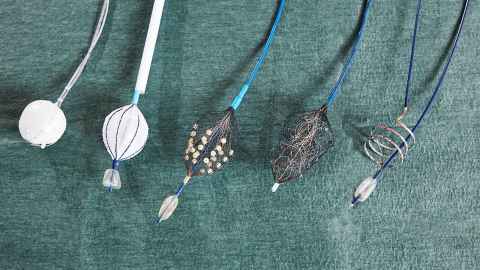
Dr. Tim Angeli-Gordon is a Senior Research Fellow at the University of Auckland , affiliated with both the Auckland Bioengineering Institute and the Department of Surgery . As director of the TARGET Lab , he specializes in in vivo measurement and modulation of gastrointestinal (GI) electrophysiology, focusing on diagnostic device development and therapeutic interventions for functional GI disorders. His work bridges biomedical engineering , medical physiology , and clinical translation .
Michael Lu, Ph.D., is an Associate Professor in the Department of Biomedical Science at the Charles E. Schmidt College of Medicine, Florida Atlantic University. He has served in this role since 2006 and previously held positions at Harvard Medical School and Brigham and Women's Hospital. Education: Ph.D. in Molecular and Cellular Biology (University of Massachusetts, 1988); B.V.M. (National Taiwan University, 1982) Research Interests: Dr. Lu's work centers on hormone-regulated signal transduction, tumor metastasis, and cell growth regulation. His research spans molecular biology, cancer biology, and neuroscience, with a focus on hormonal signaling in prostate cancer, kinases in neurodegenerative diseases, and biomaterials for cancer modeling. Publications: Recent articles highlight his contributions to neurodegenerative disease mechanisms, cancer modeling, and biomaterials. His work includes studies on PAK6 in LRRK2-related defects, SLC7A2 in Huntington's disease, and decellularized matrices for esophageal cancer. Additional Information: Dr. Lu has been affiliated with Florida Atlantic University since 2006. His publications demonstrate interdisciplinary research bridging molecular biology, cancer, and neuroscience.
Eric S. Witze is an Associate Professor of Cancer Biology at the Perelman School of Medicine, University of Pennsylvania, and an Assistant Investigator at the Abramson Family Cancer Research Institute. His research focuses on Wnt signaling, cell polarity, and protein palmitoylation in cancer progression. Education: B.A. in Biology (1994) and Ph.D. in Molecular, Cell & Developmental Biology (2003) from University of California, Santa Barbara Contact: 754 Biomedical Research Building II/III, 421 Curie Boulevard, Philadelphia, PA 19104-6160 Key research areas include: Non-canonical Wnt5a signaling in melanoma metastasis APT1-mediated depalmitoylation of MCAM DHHC20-regulated EGFR activation in cancer Lipid synthesis control of Wnt5a production Polarized calcium gradients in cell migration His recent publications highlight novel mechanisms connecting protein palmitoylation to cancer signaling and therapy resistance. The lab employs biochemical and live-cell imaging approaches to study these processes.
Dr. Leanid Laganenka serves as a Project Group Leader at the Max Planck Institute for Terrestrial Microbiology in Marburg, Germany, within the Department of Systems and Synthetic Microbiology. He established his independent research group in March 2025, focusing on bacterial communication mechanisms and their role in host-microbe interactions. His educational background includes: Diploma in Molecular Biology, Belarusian State University (2014) PhD in Biology, Philipps University Marburg (2018) Dr. Laganenka's research centers on bacterial interspecies signaling , particularly through the autoinducer-2 (AI-2) system. His work investigates how quorum sensing regulates bacterial behavior in Klebsiella pneumoniae , including interactions with host immune cells and environmental persistence. Using in vitro techniques (proteomics, flow cytometry, advanced imaging) and in vivo models (mouse gut colonization, pneumonia), his group aims to unravel the principles of bacterial communication in infection and ecology. His publication record (2016–2024) reveals a sustained focus on AI-2-mediated signaling interplays with chemotaxis and metabolism. Key themes include gut colonization dynamics, interspecies bacterial competition, biofilm regulation, and phage-bacteria interactions. His work bridges Microbiology , Molecular Biology , and Infectious Diseases , emphasizing ecological context and in vivo validation . Scientific awards: None documented in source materials. Dr. Laganenka leads a research team comprising Technical Assistant Melissa Kivoloka. His position as Project Group Leader indicates successful independent grant acquisition, though specific funding sources are unreported. The group operates within the SYNMIKRO framework at the institute. The Project Group Laganenka laboratory utilizes advanced methodologies including proteomics, flow cytometry, and murine infection models to dissect bacterial signaling networks in pathogenic and environmental contexts.
Cuncong Zhong, Ph.D. , is an Assistant Professor in the Department of Electrical Engineering and Computer Science at the University of Kansas , where he leads the Zhong Lab in computational biology and bioinformatics. His research focuses on developing accurate and efficient computational methods to tackle biological challenges, with emphasis on non-coding RNA structure and function, metagenomics, cancer genomics, and precision medicine. Education: Ph.D. in Computer Science, University of Central Florida M.S. in Computer Science, University of Central Florida B.S. in Computer Science and Biotechnology, Huazhong University of Science and Technology Research Interests: Dr. Zhong's research spans several key areas in computational biology: Computational Biology & Bioinformatics: Developing algorithms and data structures for biological data analysis Non-coding RNA: Investigating RNA structural motifs and their functional implications Metagenomics: Creating peptide-centric analysis tools for microbial community studies Cancer Genomics: Analyzing NGS data to identify cancer-related genetic variations Precision Medicine: Applying computational approaches to personalized medicine Scientific Awards: Best Paper Award - IEEE ICCABS 2012 (cover page story) Outstanding Thesis Award - University of Central Florida 2013 Traveling Fellowships - ISBRA 2015, IEEE ICCABS 2012 Teaching & Mentorship: Dr. Zhong teaches EECS730: Introduction to Bioinformatics , covering topics from sequence alignment to RNA structure prediction. His lab actively recruits motivated students with backgrounds in algorithms, programming, or biology. The lab's website explicitly mentions seeking new students to join their computational biology research efforts. Research Lab & Collaborations: The Zhong Lab at the University of Kansas focuses on developing computational tools for biological discovery. They collaborate with experimental biologists to understand fundamental life processes, particularly in areas of RNA biology and microbiome research. The lab has developed several software packages including GRASP, GRASPx, and RNAMotifScanX for various bioinformatics applications.
Minna Poukkula is a University Lecturer at the University of Helsinki's Faculty of Biological and Environmental Sciences, affiliated with the Molecular and Integrative Biosciences Research Programme. Her research spans genetics, developmental biology, and molecular biology with a focus on cytoskeletal dynamics, transcription regulation, and apoptosis. Key research areas include: Nuclear actin function in transcription during Drosophila oogenesis Role of transcription factors like Cabut in metabolic and circadian regulation Mechanisms of collective cell migration in border cells Regulation of apoptosis via c-FLIP and death receptors Publications highlight her work on actin dynamics, kinase signaling, and apoptosis across Drosophila and cancer models. No scientific awards or student advising details are listed in the provided texts.
Barbara Walzog is a Professor at the Biomedical Center Munich (BMC) within Ludwig Maximilian University of Munich . Her research focuses on molecular mechanisms of neutrophil activation and trafficking in inflammation, particularly through β2 integrin (CD11/CD18) and Syk kinase signaling pathways. Funding: TRR 332 - Neutrophils: origin, fate & function; SFB 914 - Trafficking of Immune Cells Contact: walzog@lrz.uni-muenchen.de Her work integrates molecular, cellular, and in vivo approaches to study spatial-temporal dynamics of neutrophil activation in (patho-) physiological contexts. Recent publications highlight roles of midkine, coronin-1A, and myosin-1F in inflammatory processes including myocarditis, thrombosis, and wound healing. The group employs live-cell imaging and animal models to identify therapeutic targets. Key collaborations include multiple cardiovascular immunology networks and the Sperandio group. Current research trends involve neutrophil-platelet interactions, integrin-mediated mechanotransduction, and metabolic regulation of inflammation.