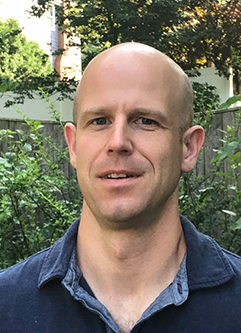
Kumar Somyajit is Associate Professor at the University of Southern Denmark's Department of Biochemistry and Molecular Biology. He leads research on DNA replication and genome surveillance mechanisms using mammalian cell models. Research focuses on: Metabolic regulation of DNA replication Replisome plasticity under stress Homology-directed repair mechanisms Chromatin dynamics in cancer Recipient of Lundbeck Foundation Fellowship (2021). Current projects investigate metabolic coupling to genome surveillance in cancer and development. Supervises PhD students in DNA repair and replication studies.
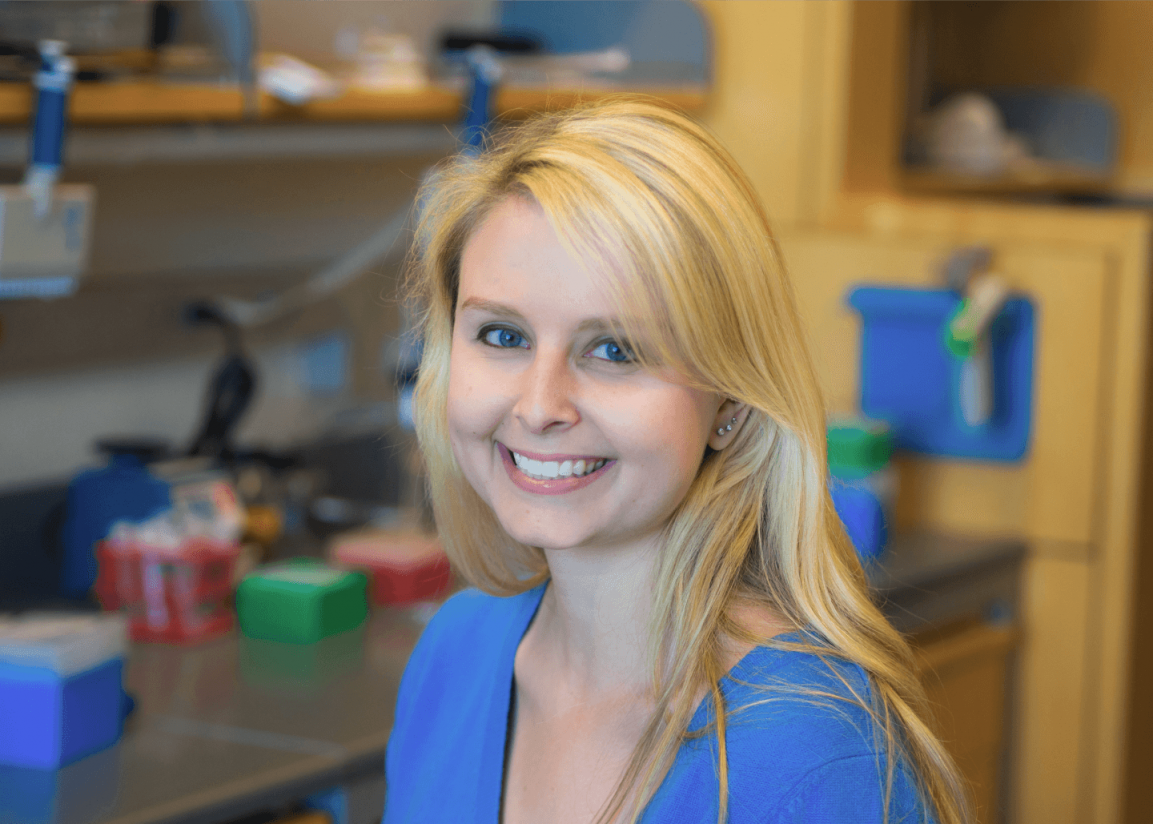
Dan Doyle is a Postdoctoral Fellow in the Child Study Center at Yale University’s School of Medicine, affiliated with the Pattabiraman and Sestan Labs. He holds a PhD in Neuroscience from the University of Michigan (2023) and a BS in Cell & Molecular Biology from Grand Valley State University (2016). His research focuses on epigenetic mechanisms underlying neural development, particularly chromatin remodeling in cortical neurons and subplate wiring. Key areas include histone variant dynamics, neurogenic-angiogenic coordination, and genetic regulation of neural circuits. Notable achievements include the Founders Award (2022) from the Michigan Chapter of the Society for Neuroscience and the Rackham Predoctoral Fellowship (2022). His work bridges developmental neurobiology and molecular genetics, with applications to understanding cortical connectivity disorders. Dr. Doyle’s lab affiliations and collaborations emphasize interdisciplinary approaches to studying neurodevelopment. He is based in New Haven, CT, at 100 College Street.
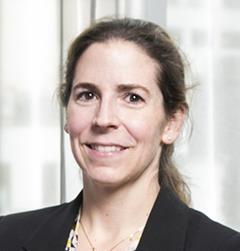
Kara McKinley is an Assistant Professor of Stem Cell and Regenerative Biology at Harvard University , joining the department in 2021. She is a Principal Faculty member at the Harvard Stem Cell Institute , an Associate member of the Broad Institute of MIT and Harvard , and a Freeman Hrabowski Scholar at the Howard Hughes Medical Institute . Her research focuses on the regenerative capacity of the human uterus , particularly the endometrium, which undergoes ~400 cycles of tissue remodeling, shedding, and repair during the reproductive lifespan. Using rodent models , genetic, molecular, and live microscopy tools, her lab investigates cellular and molecular mechanisms of regeneration, defects leading to diseases like endometriosis, and applications in regenerative medicine . Her work also explores cell division , centromere biology , and CRISPR genome engineering . Current research trends in her publications include epithelial zonation in the small intestine , mechanisms of endometrial regeneration , macropinocytosis in Hydra , and academic mentorship strategies . Her studies span cellular biomechanics , mitotic regulation , and translational approaches for tissue repair. NIH Director’s New Innovator Award (terminated in 2025 litigation with federal government) Freeman Hrabowski Scholar (Broad Institute) Kara mentors Harvard undergraduates, graduate students, and postdoctoral fellows through rotations and research opportunities. Her lab is based at Harvard’s Bauer 306 and advocates for gender equity in life sciences faculty via the Leading Edge initiative. Funding includes a now-terminated NIH New Innovator grant aimed at menstrual health research.
Prof. Dr. Kathrin Schumann is an Assistant Professor at the Technical University of Munich (TUM), leading the 'Engineering Immune Cells for Therapy' group within the TUM School of Medicine and Health. Her research focuses on CRISPR-based engineering of human immune cells to develop novel therapies for autoimmune and tumor diseases. She holds a doctorate from the Max Planck Institute of Biochemistry and has conducted postdoctoral research at the University of California, San Francisco, under Professors Alex Marson and Jeffrey Bluestone. Dr. Schumann’s academic career includes a Presidential Postdoc Fellowship at Novartis (Basel) and a tenure-track appointment at TUM since 2018. Her work emphasizes genomic editing of T cells to study gene function and improve cell therapy safety. Key research themes include CRISPR-mediated gene silencing, T cell receptor engineering, and HIV-host interaction studies. Education: Bachelor/Master in Biochemistry, University of Tübingen PhD, Max Planck Institute of Biochemistry (Martinsried) Postdoc, University of California, San Francisco (UCSF) Her research has yielded breakthroughs in CRISPR applications for T cell therapy, including PD-1 disruption to enhance anti-tumor efficacy and targeted editing of T cell receptors. Awards include a DFG research grant (2016). Notable achievements include the development of CRISPR ribonucleoprotein platforms for primary T cells and insights into metabolic checkpoints in T cell exhaustion. Her lab collaborates globally to translate CRISPR-based discoveries into clinical therapies.
Dr. Charlotte Kuperwasser is a distinguished Professor in the Department of Developmental, Molecular, and Chemical Biology at Tufts University School of Medicine . She directs the Tufts Convergence Laboratory and focuses on molecular mechanisms governing breast tissue development, cancer prevention, and organoid technologies. Her work integrates stem cell biology, epigenetics, and environmental influences such as endocrine disruptors. Education: Bachelor of Science (1997), University of Massachusetts Amherst PhD (2000), University of Massachusetts Amherst Jane Coffin Childs Postdoctoral Fellow (MIT/Whitehead Institute) Research Interests: Her lab develops 3D breast organoid models to study cancer initiation, microenvironmental interactions, and BRCA1-related mechanisms. Recent efforts include analyzing HPV-driven cancers via circulating tumor DNA and studying fibroblast signaling (e.g., DDR1) in tumor progression. Grants & Awards: Howard Hughes Fellowship, Merck Fellowship COG/Aventis Young Investigator Award Natalie V. Zucker Award NIH grants on V-ATPases and obesity-cancer links Professional Contributions: She chairs Tufts’ Sackler Convergence Laboratory and serves on AACR committees. Teaching includes courses on Molecular Cell Biology of Development and Cancer Genetics . Labs/Teams: Leads the Kuperwasser Lab, focusing on translational cancer research with cross-disciplinary collaborations in organoid engineering and clinical diagnostics.
Ueli Grossniklaus is an Ordinary Professor at the University of Zurich within the Faculty of Mathematical and Natural Sciences , affiliated with the Department of Plant and Microbiology . His work focuses on plant developmental biology, particularly epigenetic and genetic mechanisms governing reproduction and adaptation. Key Courses: Epigenetics, Plant Biology Workshop, Group Seminars on Current Research Laboratory Techniques: Advanced methods in plant cell mechanics, transcriptomics, and genome editing Research Interests span plant epigenetics, reproductive biology, and the interplay between environmental stress and genetic regulation. He investigates: Mechanistic control of gametogenesis and fertilization Epigenetic contributions to plant adaptation Evolutionary implications of asexual reproduction Biophysical forces in plant cell growth Publication Trends (2025–2018) reveal expertise in: Arabidopsis and fern model systems Epigenetic regulation (DNA methylation, histone dynamics) Apomixis and hybrid seed failure mechanisms Biomechanics of pollen tubes and carnivorous plants Genome editing tools (CRISPR) and long-read sequencing Scientific Collaborations include interdisciplinary projects on: Microfluidic devices for plant cell analysis Gene drive ecology and ethics 3D imaging of plant reproductive structures Advising and Grants focus on mentoring through research internships in developmental biology, genetics, and systems biology. His lab engages in: Epigenetic response to environmental stress Cell wall mechanics in reproduction Computational modeling of plant growth Laboratory Teams integrate plant biologists, bioengineers, and computational scientists to study: Mechanistic gene regulation Evolutionary developmental biology Microrobotics for cellular force measurement
Kai Mesa is an Assistant Professor in the Department of Molecular Biology at Princeton University, where he leads the Laboratory of Macrophage Dynamics. His research integrates immunology, stem cell biology, and advanced imaging to study macrophage behavior in tissue regeneration and aging, primarily using mouse skin models. Education: Ph.D., Yale University B.S., University of California, Berkeley Dr. Mesa's research focuses on understanding how macrophages establish niche-specific identities, influence wound healing outcomes, and contribute to age-related tissue dysfunction. By combining multiphoton intravital microscopy with spatial transcriptomics, his lab investigates the molecular and cellular dynamics governing immune cell integration, tissue regeneration, and aging. His work has significant implications for regenerative medicine and immunosenescence. The recent publications highlight a consistent trend in studying cellular dynamics in vivo, particularly in skin and immune systems. The research spans stem cell regulation, macrophage function, and immune-microenvironment interactions, with increasing focus on aging and spatial organization. Key methodologies include intravital imaging, lineage tracing, and single-cell spatial analysis. Scientific Awards: Charles H. Revson Senior Fellowship in Biomedical Science (2021) Jane Coffin Childs Postdoctoral Fellowship (2017) Carolyn Slayman Prize in Genetics, Yale University (2017) ASCB Beckman Coulter Distinguished Graduate Student Achievement Prize (2015) National Science Foundation Graduate Research Fellowship (2014) Dr. Mesa has been supported by competitive fellowships during his graduate and postdoctoral training. He mentors research in a dynamic lab environment and is actively recruiting new members. His advising focuses on interdisciplinary approaches combining imaging, molecular biology, and systems-level analysis of tissue-immune interactions. The Mesa Lab, also known as the Laboratory of Macrophage Dynamics, utilizes cutting-edge techniques such as multiphoton intravital microscopy and spatial transcriptomics to study macrophage behavior in living tissues. The lab explores fundamental questions about immune cell niche establishment, wound-induced immune dynamics, and age-related immune dysfunction in mammalian skin.
Miler T. Lee is an Associate Professor at the University of Pittsburgh , focusing on gene regulation during early embryonic development through high-throughput experimental and computational genomics. He earned his Ph.D. in Genomics and Computational Biology in 2009 from the University of Pennsylvania under Dr. Junhyong Kim, followed by postdoctoral work with Dr. Antonio Giraldez at Yale University. Joining the university in 2016, his research spans maternal-to-zygotic transition (MZT), RNA stability, pluripotency networks, and evolutionary developmental biology, utilizing model organisms like zebrafish, Xenopus, and Hydractinia symbiolongicarpus. Key Research Themes: Maternally inherited RNA dynamics during embryogenesis Mechanisms of RNA degradation and transcriptome remodeling Evolution of pluripotency networks in hybrid species Role of zinc signaling in fertilization barriers Computational tools for RNA regulation and sensing Scientific Awards: Pan-American Society for Evolutionary Developmental Biology Junior Faculty Award (2024) Outstanding New Investigator – International Xenopus Board (2023) Basil O'Connor Scholar – March of Dimes (2017-2019) Recent publications highlight his work on enhancer classification, RNA degradation mechanisms, and cross-species MZT comparisons. His lab develops innovative methods like RESA for regulatory sequence analysis and studies evolutionary divergence in RNA localization patterns. While the articles span computational and experimental approaches, they consistently address RNA's role in cellular identity, developmental timing, and evolutionary adaptation. Applications include understanding pluripotency, designing RNA biosensors, and elucidating fertilization barriers. Prospective Ph.D. students are encouraged to contact him for opportunities in gene regulation, development, evo-devo, and computational genomics.
Duana Fullwiley is a Professor of Anthropology at Stanford University, specializing in the intersection of social identities, health outcomes, and scientific narratives. Her work spans postcolonial genetic science, environmental resource scarcity, and migration studies. Research Areas: Genetics and Identity, Global Health Politics, Environmental Conflict, Race, Migration, and Creative Writing. Affiliation: Department of Anthropology, Stanford University. Research Interests focus on how genetic technologies shape understandings of race and ethnicity, the political economy of health, and the role of environmental scarcity in migration. She has conducted extensive fieldwork in Senegal, France, Spain, the U.S., and across the Atlantic and Mediterranean regions. Key Awards : 2024 Diana Forsythe Prize (American Anthropological Association) 2024 C. Wright Mills Award (Society for the Study of Social Problems) 2011 Amaury Talbot Prize (Royal Anthropological Institute) 2014 Robert B. Textor Prize (American Anthropological Association) Funding from the National Science Foundation, Robert Wood Johnson Foundation, Social Science Research Council, and other prestigious institutions supported her work.
Joel Blanchard, PhD, is an Associate Professor in the Departments of Neuroscience and Cell, Developmental & Regenerative Biology at the Icahn School of Medicine at Mount Sinai. He is also an Investigator at the Black Family Stem Cell Institute and the Ronald Loeb Center for Alzheimer’s Disease. His research focuses on developing human brain models using induced pluripotent stem cells to study and treat neurodegenerative diseases. Education: BS, St. Lawrence University MLA, Harvard University PhD, The Scripps Research Institute & MIT Research Interests: Dr. Blanchard’s lab is dedicated to understanding the genetic and environmental vulnerabilities that lead to neurodegeneration. His team develops cutting-edge 3D brain organoids and blood-brain barrier models to investigate diseases like Alzheimer’s, Parkinson’s, and ALS. A major focus is on the role of APOE4 in myelination, cholesterol metabolism, and vascular dysfunction. Scientific Awards: Friedman Brain Institute Scholar Award (2021) ISSCR Merit Award (2019) Glenn Foundation Postdoctoral Fellowship (2018) California Institute for Regenerative Medicine Pre-doctoral Fellowship (2011) Funding & Grants: Dr. Blanchard’s lab is currently funded by NASA, NIH, and the Cure Alzheimer’s Fund. Active projects include the development of miBrain (multicellular integrated brain tissue), blood-brain barrier modeling, and APOE4-mediated mechanisms of neurodegeneration. Lab & Team: The Blanchard Lab is a multidisciplinary team of postdocs, graduate students, and research associates. The lab is actively recruiting postdoctoral fellows and is known for its collaborative, innovative environment focused on translational neuroscience.
Prof. Dr. Sarah Dégallier Rochat is Head of the strategic thematic field 'Humane Digital Transformation' at Bern University of Applied Sciences (BFH). She holds a joint appointment as Professor at the School of Engineering and Computer Science and serves as co-leader of the Computer Perception and Virtual Reality Lab (cpvrLab) within the Institute for Human-Centered Engineering. Her educational background includes: Ph.D. in Robotics from École Polytechnique Fédérale de Lausanne (EPFL) Master's in Mathematics from EPFL Teaching Diploma in Mathematics from Haute École Pédagogique de Lausanne Psychology studies at University of Lausanne Her research focuses on human-centered technological development with emphasis on: Designing inclusive human-machine interfaces through participatory approaches Developing upskilling strategies for industrial workforce adaptation Examining how techno-narratives shape societal perceptions of technology Creating collaborative robotic systems for agile manufacturing (Cobotics) Exploring mixed reality interfaces for worker augmentation Her publications demonstrate strong interdisciplinary focus on robotics and human-centered AI, with recent works exploring human augmentation in industry, ethical AI implementation, and participatory robot programming. The trajectory shows increasing emphasis on socio-technical systems and workforce empowerment. Significant awards include: Industry 4.0 Shapers Award (2019) CHIRA Best Paper Award (2023) She leads multiple research projects funded by Innosuisse, SNF, and EU programs, including: CODIMAN (Cobotics and workplace humanization) Agile Robotics for High-Mix Low-Volume Production Upskill at Work (digital literacy initiatives) Augmented workers with mixed reality interfaces As founder of Auto-Mate Robotics, she develops flexible robotic cells for industrial applications. She co-leads the Computer Perception and VR Lab and serves on advisory boards including the Swiss Cobotics Competence Center and EUA Task Force on AI.
Rana K. Gupta, PhD , is the W. David and Sarah W. Stedman Distinguished Professor of Medicine and Cell Biology at Duke University School of Medicine and serves as Section Chair of Basic Sciences within the Duke Molecular Physiology Institute . Previously, he spent ten years on the faculty at the University of Texas Southwestern Medical Center. His laboratory investigates the developmental biology and molecular regulation of adipose tissue, with the goal of translating insights into therapies for obesity and metabolic diseases. Education & Training: PhD, University of Pennsylvania (2006) Research Fellow, Dana-Farber Cancer Institute, Cell Biology (2006–2012) Research Interests: Dr. Gupta’s work centers on two inter-related themes: (1) the transcriptional networks that establish and maintain white, brown, and beige adipocyte lineages, with a spotlight on the zinc-finger factor ZFP423 ; and (2) the heterogeneity and functional specialization of adipocyte progenitor cells during healthy versus pathological adipose-tissue expansion. Using single-cell multi-omics, lineage tracing, and metabolic phenotyping in mice and humans, his team deciphers how distinct progenitor pools orchestrate adipogenesis, angiogenesis, and immune remodeling in obesity. Key Publications: Across 78 peer-reviewed papers (2010-2025), Dr. Gupta has defined ZFP423 as a molecular brake on adipocyte thermogenesis, uncovered PDGFRβ+ progenitor subpopulations that drive hyperplastic adipose growth, and demonstrated that inducible Zfp423 deletion can convert white adipocytes into energy-burning beige cells to reverse diet-induced obesity. Recent single-cell atlases further reveal sex- and depot-dependent progenitor heterogeneity, providing a roadmap for targeted metabolic therapies. Scientific Awards & Honors: W. David and Sarah W. Stedman Distinguished Professorship Funding & Training Leadership: Principal Investigator on 13 active NIH, ADA, and foundation grants (2021-2029) Director, Endocrinology and Metabolism Training Program (NIDDK T32) Co-Investigator, Medical Scientist Training Program (NIGMS T32) Mentor to 6 postdocs, 4 graduate students, and numerous undergraduates and research technicians Lab Teams & Collaborations: The Gupta Lab at Duke is a multi-disciplinary team of postdoctoral fellows (Pablo Morales, Wenxin Tong), graduate students (Ashley Truong), instructors (Jessica Cannavino), and research analysts (Krissy Campbell, Lavanya Vishvanath) collaborating closely with the Duke Molecular Physiology Institute to integrate genomics, physiology, and translational medicine.
Prof. Alessandra Moretti is a Professor of Regenerative Medicine of Cardiovascular Diseases at the Technical University of Munich (TUM), School of Medicine and Health. She leads research in stem cell biology and cardiovascular development, with a focus on regenerative therapeutic approaches for heart diseases. Her educational background includes a degree in Chemistry and Pharmacy from the University of Padua, Italy, where she earned her doctorate in 1997. She completed four years of postdoctoral research at the University of California, San Diego, and Harvard Medical School's Massachusetts General Hospital. Prof. Moretti's research centers on cardiovascular progenitor cells, cellular plasticity, and human induced pluripotent stem cells for modeling cardiovascular diseases. Her work bridges fundamental developmental biology and clinical applications, targeting cardiac cell specification mechanisms and novel treatments for heart failure and muscular dystrophies through regenerative approaches. Her publication trajectory shows progression from foundational discoveries in cardiac progenitor cells (e.g., Isl1+ lineage studies) to translational applications like gene editing for Duchenne muscular dystrophy. The research consistently integrates molecular mechanisms of cardiomyocyte identity with disease modeling using patient-specific stem cells. She has received several prestigious awards, including: ERC Advanced Grant (2018) German University Medicine Innovation Award (2013) Biology Prize of the Göttingen Academy of Sciences (2012) Principal Investigator of the German Center for Cardiovascular Research (DZHK) (since 2011) Astra-Zeneca Prize for Cardiovascular Research (2006) Prof. Moretti leads a research group at Klinikum rechts der Isar focusing on stem cell-based cardiovascular regeneration. Her laboratory investigates molecular pathways in heart development and disease using advanced stem cell models, supported by major grants including the ERC Advanced Grant and DZHK funding. She continues to advance therapeutic strategies for cardiac repair through gene editing and stem cell engineering.
E. Jennifer Edelman, MD, MHS is a Professor of Medicine (General Internal Medicine) at Yale School of Medicine and an Associate Professor on Term in Social and Behavioral Sciences at Yale School of Public Health. She serves as an HIV provider at the Yale-New Haven Hospital Nathan Smith HIV Clinic and is the physician consultant in the Addiction Medicine Treatment Program. Dr. Edelman is certified as an internist, HIV specialist, and in Addiction Medicine, and holds multiple appointments across Yale's medical and public health institutions. Professor of Medicine, General Internal Medicine (Primary) Associate Professor on Term, Social and Behavioral Sciences (Secondary) Addiction Medicine Fellowship Program AIDS Care Program Internal Medicine Program in Addiction Medicine Yale Center for Clinical Investigation (co-Director of Education) Yale-Drug use, Addiction, and HIV prevention Research Scholars (DAHRS) Dr. Edelman's research focuses on optimizing HIV prevention and treatment in the context of substance use, including opioid, alcohol, and tobacco use. Applying a range of methodologies, she leads and collaborates on NIH-funded projects to evaluate novel and implement evidence-based addiction treatment in medical settings, especially HIV treatment settings. Her work has focused on understanding harms associated with opioid use among people with HIV and promoting HIV prevention, including use of pre-exposure prophylaxis (PrEP). She collaborates extensively with community-based and public health partners to advance these goals. Analysis of her recent publications (2024-2025) reveals a strong emphasis on integrated care models addressing substance use disorders within HIV treatment settings. Her research spans multiple methodologies including randomized controlled trials, implementation science, qualitative studies, and epidemiological analyses. Key themes include contingency management for alcohol use disorder among people with HIV, PrEP implementation among high-risk populations, and interventions for tobacco cessation in HIV clinics. Her work demonstrates a consistent focus on addressing health disparities and improving outcomes for vulnerable populations. Dr. Robert A. Savitt & Dr. George D. McCormack Award (2022) Lipkin Award Finalist, Society of General Internal Medicine National Annual Meeting (2021) Lipkin Award Finalist, Society of General Internal Medicine National Annual Meeting (2019) Veterans Affairs Locally-Initiated Project Funding Award New England Society of General Internal Medicine Award for Excellence in Clinical Investigation Society of General Internal Medicine Lawrence Linn Award Dr. Edelman actively mentors trainees including post-doctoral fellows and public health students, and serves as Associate Director of the Research on Addiction Medicine Scholars (RAMS) Program. She regularly serves on NIH grant review committees and is Associate Editor of Addiction Science and Clinical Practice. Her current research includes the EXHIT ENTRE trial (Exemplar Hospital Initiation Trial to Enhance Treatment Engagement), which focuses on addressing untreated alcohol use disorder in hospital settings. She has received substantial grant funding from the National Institutes of Health, National Institute on Alcohol Abuse and Alcoholism, and National Cancer Institute to support her work in addiction medicine and HIV care.
Irina Brass is a Professor of Science, Technology and Regulation at University College London’s Department of Science, Technology, Engineering and Public Policy (STEaPP). Her research focuses on anticipatory and adaptive regulatory frameworks for emerging technologies, particularly IoT, AI, and advanced biotherapeutics. She leads projects like the REG-MEDTECH initiative and collaborates with government agencies, standards bodies, and interdisciplinary teams. Current Role: Professor at UCL STEaPP Leadership: Chair of BSI’s IoT/1 Technical Committee (2017-2021), member of Standards Policy and Strategy Committee (2020–) Her research spans: Regulation of connected medical devices and cybersecurity Governance of AI and algorithmic systems Standardization challenges for IoT and biotherapeutics Adaptive policy frameworks for disruptive technologies She leads the MPA in Digital Technologies and Policy and teaches courses on digital technology dilemmas and risk governance. Her accolades include the BSI Standards-Makers Award (2019) and UCL Provost’s Education Award (2020) .