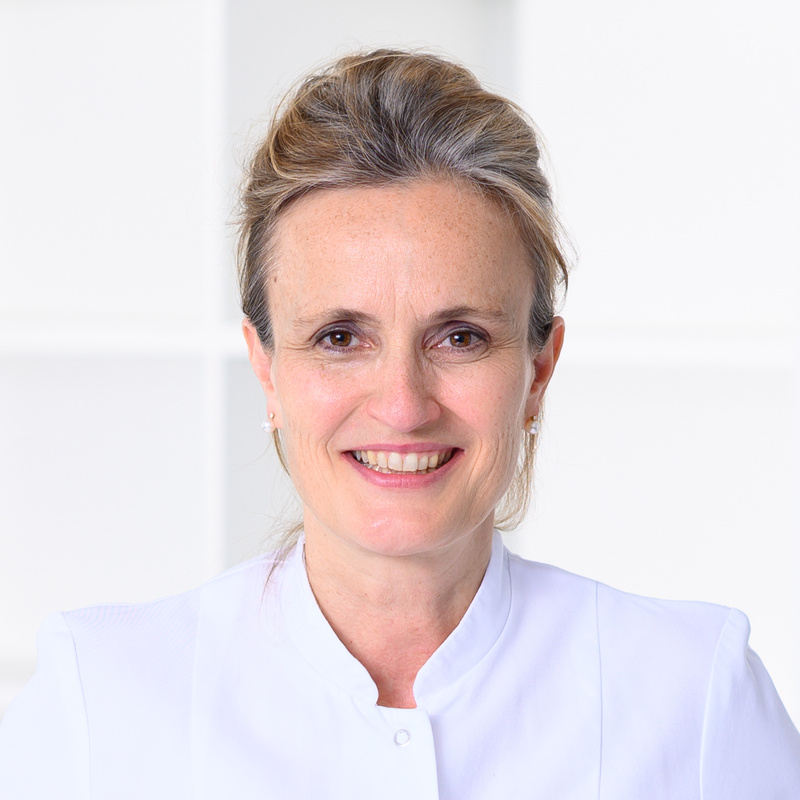
Prof. Waldemar Kolanus leads the Molecular Immunology and Cell Biology department at the University of Bonn's Life & Medical Sciences Institute (LIMES) . His research bridges immunoregulation , stem cell dynamics , and metabolic stress responses in immune cells. Unit 2 member at LIMES Principal investigator in SFB 704 and ImmunoSensation Cluster Leads a multidisciplinary lab with postdocs, PhD students, and technical staff His work focuses on intracellular signaling pathways connecting immune activation to tissue homeostasis, particularly through: Cytohesin proteins in integrin-mediated adhesion and migration TRIM71 in stem cell regulation and congenital hydrocephalus High-salt environments affecting macrophage function Publication trends show expertise in immune cell migration , genetic models , and chemical inhibition , with frequent use of mice and zebrafish for in vivo studies. Key articles explore: TRIM71's dual role in auditory development and germ cell maintenance Cytohesin family's Golgi regulation and insulin signaling Ruxolitinib's off-target migration inhibition of dendritic cells Contact details: Address: LIMES Institute, Carl-Troll-Straße 31, Bonn Email: kolanus.sekretariat@uni-bonn.de Phone: +49 228 73-62788
Konstantinos Anastassiadis is a Professor at the Center for Molecular and Cellular Bioengineering (CMCB) of Dresden University of Technology , leading the Stem Cell Engineering group at the Biotechnology Center (BIOTEC) . His research focuses on unraveling molecular pathways regulating stem cell self-renewal and lineage commitment, with a strong emphasis on genetic engineering tool development and epigenetic mechanisms during cellular reprogramming. The lab utilizes mouse and human embryonic stem cells, neural stem cells, mesenchymal stromal cells, and induced pluripotent stem cells (iPSCs) in their investigations. Core Research Areas: Molecular regulation of stem cell fate Epigenetic mechanisms (e.g., UTX/UTY histone demethylases) Genetic engineering tool development (Flp, Dre, Vika recombinases, CRISPR protocols) Conditional immortalization systems for rare cell expansion Publications highlight his contributions to understanding: Role of histone methyltransferases (MLL1, MLL2, Setd1b) in hematopoiesis and cancer Epigenetic regulation during mouse development and spermatogenesis Genetic tools for protein tagging, transposon-mediated BAC transgenesis Interactions between stem cells and niche microenvironments Transcriptional and mechanical markers during reprogramming Collaborations span immunology , developmental biology , and bioinformatics . The lab actively participates in teaching activities at CMCB and maintains a focus on translational applications of stem cell research.
Prof. Dr. Simon Schäfer leads the Schäfer Lab at the Technische Universität München , focusing on engineering advanced organoid systems to study human brain development, disease modeling, and repair mechanisms. His work bridges stem cell biology, gene editing, and bioengineering to develop personalized therapies for brain disorders. Stem Cell & Organoid Technology Neurodevelopmental Mechanisms Neurodegenerative Disease Models Gene Editing & Neuroimmune Interactions Translational Neuroscience Recent research emphasizes brain organoid development, microglia phenotypes, and neurodevelopmental timing anomalies in autism. His team’s work also explores zika virus interactions with glioblastoma stem cells and neuronal plasticity in psychiatric disorders. Scientific awards and funding include support from the Deutsche Forschungsgemeinschaft (DFG), Brain & Behavior Research Foundation (BBRF), and Munich Cluster for Systems Neurology (SyNergy). Collaborations span institutions like the TUM Center for Organoid Systems. Advises 6 students (2 PhD, 1 MSc, 3 associated) Labs include Schäfer Lab, COS@TranslaTUM Contact: simon.schafer@tum.de
Dr. Angelika Rambold is a Group Leader at the Max Planck Institute of Immunobiology and Epigenetics in Freiburg, Germany, heading the Laboratory for Metabolic Organelle Networks in Immunology within the Department of Developmental Immunology. Previously affiliated with the University of Münster's Center for Molecular Biology of Inflammation (ZMBE) and Institute of Medical Biochemistry until January 2025, she investigates how intracellular organelle networks regulate immune cell function during inflammation, infection, and metabolic stress. Her research centers on dynamic interactions between mitochondria, lysosomes, lipid droplets, and autophagosomes during cellular adaptation to nutrient deprivation and pathogen challenge. Key interests include organelle communication mechanisms in immune cell activation, metabolic reprogramming in T cells and macrophages, and how defects in organelle networks drive primary immunodeficiencies like Chediak-Higashi syndrome. She employs advanced live-cell microscopy, super-resolution imaging, metabolomics, and single-cell transcriptomics to dissect these processes in primary immune cells and human disease models. Analysis of her publication record reveals consistent focus on mitochondrial dynamics as a central regulator of immune cell metabolism and fate determination. Landmark studies demonstrate TFEB-mediated itaconate synthesis for bacterial control in macrophages and coordinated organelle network responses during starvation, establishing critical links between organelle communication, immunometabolism, and disease pathogenesis across multiple immune cell types. Dr. Rambold serves as a supervisor in the Cells in Motion International Max Planck Research School (CiM-IMPRS) Graduate Programme, mentoring PhD students in interdisciplinary research. Her laboratory maintains active collaboration with the Center for Chronic Immunodeficiency (CCI) at the University of Freiburg to translate basic findings on organelle-mediated immune defects into clinical insights for patient-oriented research.
Professor Sabine Eming is a Principal Investigator at the Department of Dermatology & FMNS at the University of Cologne, affiliated with the CMMC and collaborating with CECAD. Her research focuses on the molecular basis of age-related skin pathologies and regenerative responses. Investigates tissue regeneration, immunometabolism, and TOR signaling Develops therapeutic strategies for injured/aging tissues Uses cross-species models (mice, zebrafish, Drosophila, humans) Her work bridges basic science and clinical expertise to translate findings into therapeutic approaches, particularly examining: Metabolic reprogramming in wound healing Immune system's role in regeneration vs. scarring Lipid synthesis and filaggrin processing in skin barrier formation Scarless repair mechanisms in zebrafish vs. mammals She leads research into molecular control systems including: Cell death regulation (FADD-RIPK3 pathways) Nutrient-sensing TOR pathway in skin aging Glutamine metabolism in stem cell maintenance Her group develops genetically modified mouse models and collaborates on clinical trials for impaired healing conditions.
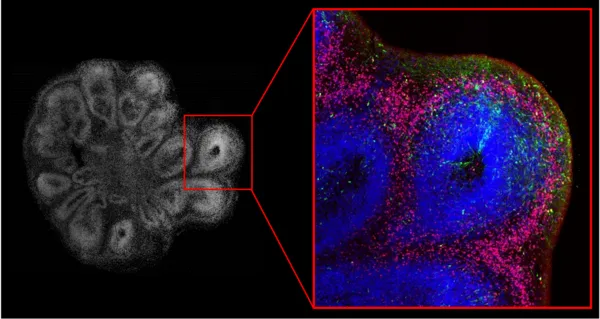
Dr. Gabriella Mosca is a Junior Group Leader at the Centre for Biochemistry (ZMBP) at the University of Tübingen, leading the Biomechanical Modeling of Morphogenesis (BM²) Lab within the Department of Genetics. Her research focuses on understanding the interplay between biomechanics and morphogenesis in plant systems, particularly using computational tools like MorphoMechanX . This software integrates finite element methods to model 3D tissue growth, cell wall mechanics, and genetic signaling in plant development. Her work bridges computational modeling with experimental data from partner labs, addressing questions such as how mechanical forces influence growth patterns and cell fate decisions. Key areas include explosive seed dispersal mechanics, leaf shape diversity, and ovule primordium development. She collaborates internationally on projects involving plant cell mechanics, tissue stiffness, and developmental constraints. Publications highlight contributions to understanding plant cell geometry, cytokinin signaling in roots, and the role of organ geometry in reproductive cell fate. Current projects emphasize developing customizable computational frameworks to simulate plant growth dynamics from confocal imaging data. The lab actively recruits students with backgrounds in physics, computer science, and mathematics to tackle interdisciplinary challenges in plant morphogenesis.
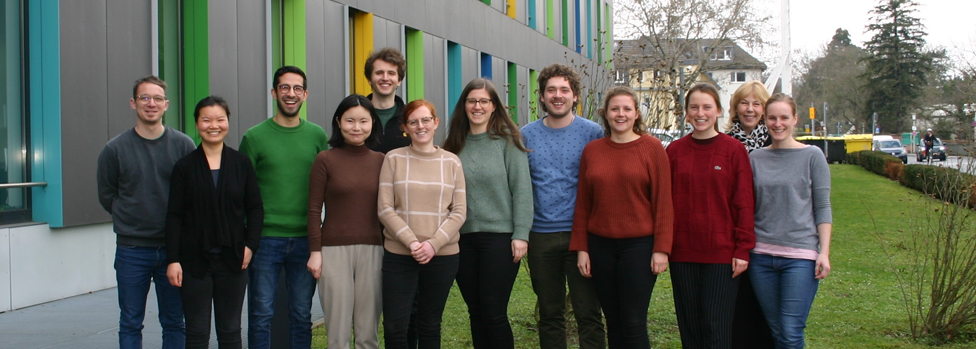
Prof. Dr. Jörn Walter serves as a Senior Professor for Genetics and Epigenetics at Saarland University's Faculty of Natural Sciences and Technology. His laboratory investigates epigenetic mechanisms across development and disease states, with particular emphasis on DNA methylation, chromatin dynamics, and epigenomic mapping of cell types. Member of the International Human Epigenome Consortium (IHEC) Coordinator of the German Epigenome Program Director of an in-house Sequencing Facility (HiSeq2500, Mi-Seq, Nextseq-500) Research focuses include: Epigenetic programming during cellular differentiation DNA methylation dynamics in disease contexts Stem cell epigenetics and reprogramming Evolution of epigenetic mechanisms Recent publications highlight interdisciplinary approaches combining next-generation sequencing , bioinformatic modeling , and clinical epigenetics , with particular attention to immune cell development , metabolic disease epigenetics , and computational epigenomics . The group maintains collaborations with the West German Sequencing Center and contributes to epigenetic data standardization efforts. Lab members include active researchers like Dr. Nina Gasparoni , Dr. Gilles Gasparoni , and M.Sc. Alea Leismann , alongside an extensive alumni network of former advisees who have advanced epigenetic research in various institutions.
Prof. Dr. Karsten Niehaus serves as Head of the Proteome and Metabolome Research Group at the Center for Biotechnology (CeBiTec) and Faculty of Biology, University of Bielefeld. His research focuses on proteomics and metabolomics applications in plant-microbe interactions, bacterial stress responses, and disease model systems. His laboratory employs advanced mass spectrometry imaging and cell phenotyping technologies to investigate molecular responses in crops like sugar beet and grapevines under abiotic stress conditions, as well as in cancer models where differentiation therapy impacts tumor malignancy. The group also explores microbial biotechnology through Xanthomonas campestris studies on xanthan production and stress adaptation. Selected publications highlight innovations in 3D microfluidics for biomarker detection and bioinformatics platforms like MetHoS for metabolomics data analysis. His work appears in journals covering Frontiers in Plant Science , Scientific Reports , and Journal of Experimental Botany . Contact: kniehaus@cebitec.uni-bielefeld.de | Office: UHG W7-117
Prof. Dr. Ludovic Vallier is a Max Planck Fellow and Research Group Leader at the Vallier Lab , affiliated with the Berlin Institute of Health at the Charité (BIH) and the Max Planck Institute for Molecular Genetics (MPIMG) . His lab, established as a satellite group at MPIMG in 2022, focuses on stem cell biology , liver regeneration , and organoid technology for clinical translation. University : Max Planck Institute for Molecular Genetics Department : Vallier Lab Academic Rank : Professor Research Interests : The Vallier Lab investigates human liver development , leveraging human induced pluripotent stem cells (hiPSCs) and primary organoids to model liver diseases and develop cell-based therapies. Their work bridges regenerative medicine , developmental biology , and tissue engineering to address clinical challenges in liver dysfunction. Publication Trends : His recent articles (2023–2025) emphasize organoid applications in liver and pancreatic research, stem cell differentiation , and metabolic or immunological mechanisms in disease contexts. Keywords span Stem Cell Biology , Developmental Biology , and Regenerative Medicine , with sub-fields like hepatic lineage specification , single-cell transcriptomics , and inflammatory reprogramming . Scientific Awards : Max Planck Fellow Lab and Collaborations : The Vallier Lab collaborates closely with MPIMG researchers, utilizing 3D organoid cultures and hiPSC-derived cells to study liver regeneration and disease. Their work aligns with BIH’s mission to translate basic research into clinical therapies for liver disorders.
Professor Andreas Schlitzer leads the Quantitative Systems Biology research group at the Life and Medical Sciences Institute (LIMES) , University of Bonn. His work focuses on myeloid cell development, particularly dendritic cells, monocytes, and macrophages, using single-cell sequencing and computational approaches. Institution: University of Bonn Research Unit: LIMES Institute, Unit 2 (Molecular Immune & Cell Biology) His research investigates how immune cells acquire tissue-specific adaptations and functional specialization through transcriptomic and functional studies. Recent projects include spatial-omics techniques for gastrointestinal analysis and understanding macrophage heterogeneity in inflammatory contexts. Key article trends highlight innate immunity , metabolic reprogramming , developmental cell biology , and computational immunology . Awards include the Postdoktorandenpreis der Robert-Koch-Stiftung . The lab employs cutting-edge flow cytometry , in vivo assays , and multiplexed tissue imaging to map myeloid cell systems.
Dr. Patrick Nell serves as Junior Group Leader of the Regulatory Networks of Stem Cell Differentiation research group at the Leibniz Research Centre for Working Environment and Human Factors (IfADo) at TU Dortmund University since 2022, operating within the Toxicology department under Department Head Prof. Dr. Jan G. Hengstler. His academic training includes a B.Sc. in Biology with medical specialization from Radboud University Nijmegen (2009-2014), an M.Sc. in Molecular and Developmental Stem Cell Biology from Ruhr University Bochum/Tongji University Shanghai (2014-2016), and a Ph.D. in Stem Cell Technology, Liver Physiology, and Transcriptional Regulatory Networks from IfADo (2016-2021). Nell's research centers on stem cell differentiation mechanisms, particularly using iPSC-derived hepatocyte-like cells to model liver development, toxicity, and disease. His work integrates transcriptomics, regulatory network analysis, and bile acid metabolism to develop advanced in vitro testing systems for toxicology, with emphasis on endocrine disruptors, cholestatic injury, and liver-intestine crosstalk. His 14 publications (2018-2025) reveal consistent focus on stem cell-based toxicology models, including studies on bisphenols, parabens, and bile acid transporters. Key contributions include biomarker discovery for hepatotoxicity, FXR-modulated hybrid cell states, and roadmaps for regulatory acceptance of stem cell testing methods. The Regulatory Networks of Stem Cell Differentiation group employs stem cell engineering, transcriptomics, and bioinformatics to advance predictive toxicology models and regenerative medicine applications, maintaining strong collaborations across international research networks.
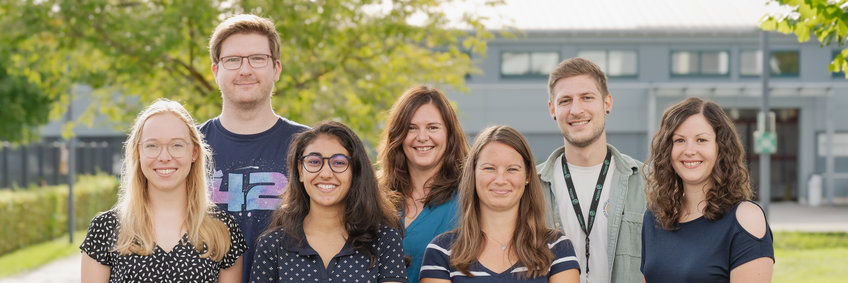
Andrea Rossi is a Research Group Leader at the Leibniz Institute for Environmental Medical Research (IUF) in Düsseldorf, Germany, where they lead the Environmental Adaptation and Cellular Resilience research group. Their work bridges environmental science and molecular biology, focusing on how pollutants influence cellular resilience and disease expression. The research group collaborates extensively with national and international institutions including Heinrich-Heine-Universität Düsseldorf, Leibniz Institute for Food Systems Biology, and ETH Zürich. Dr. Rossi's research interests center on understanding phenotypic plasticity in monogenic inherited diseases, particularly how environmental pollutants affect cellular resilience and trigger compensatory genetic mechanisms. Their work explores how cellular systems adapt under environmental stress with genetic mutations, develops advanced iPSC models for studying disease mechanisms, and employs whole-genome CRISPR screening to identify novel genetic modifiers. A significant aspect of their research investigates how cellular resilience mechanisms impaired during aging may contribute to age-related diseases. The research group's publications over the past five years demonstrate a strong focus on stem cell technology, genome editing, and environmental toxicology. Their work spans from basic molecular mechanisms to translational applications, with particular emphasis on developing precise genome editing techniques like Prime Editing and improving quality control standards for induced pluripotent stem cells. The research has important implications for understanding environmental influences on genetic diseases and developing new therapeutic approaches. Dr. Rossi's team includes postdocs Stephanie Binder and Jochen Dobner, scientific staff member Marianthi Papadopoulou, several master's students, and technical assistance from Vanessa Baltruschat. Their research is supported by multiple funding sources including the Leibniz Association, German Research Foundation (DFG), AFM Téléthon, and the European Union. The Environmental Adaptation and Cellular Resilience group operates several cutting-edge projects including modeling environmental pollution effects on taste perception using organoids, investigating genetic buffering mechanisms, improving Prime Editing efficiency, analyzing genome editing risks, studying epilepsy in mitochondrial diseases, and enhancing hiPSC quality control standards. These projects employ advanced techniques including iPSC modeling, CRISPR screening, and multi-omics approaches.
Dr. Alexandros Marios Sofias is head of the "Immune Cell Targeting and Imaging" Research Group at the Institute for Experimental Molecular Imaging (ExMI) of RWTH Aachen University, Germany, and Co-Chair of the Image-Guided Drug Delivery (IGDD) Study Group of the European Society for Molecular Imaging (ESMI). Education: PhD in Nanomedicine (2019) MSc in Pharmaceutical Sciences (2016) Diploma in Pharmacy (2014) Research Focus: His laboratory integrates in vivo multimodal imaging with advanced nanomedicine design to decode the fate of therapeutic nanoparticles and to develop nano-immunotherapeutics that reprogram the tumor immune microenvironment. Core themes include: Real-time tracking of nanoparticle biodistribution via intravital microscopy and PET/MRI. Leveraging immune cells (neutrophils, macrophages) as active carriers (“hitchhiking”) to enhance tumor targeting. Engineering 3-D vascularized tumor models for preclinical validation. Translational development of core-crosslinked polymeric micelles and lipid nanoparticles for image-guided drug delivery. Publication Trends: Across >25 high-impact papers since 2020, Sofias has consistently advanced the intersection of nanomedicine, molecular imaging, and cancer immunotherapy. His work has progressively shifted from passive EPR-based targeting to active immune-cell-mediated delivery, emphasizing real-time imaging feedback to optimize therapy. Grants & Collaborations: Although specific grant numbers are not listed, the extensive co-authorship network with Kiessling, Lammers, Storm, Mulder and others indicates substantial national (DFG, BMBF) and European (ERC, Horizon Europe) funding streams. The team participates in large consortia such as the ESMI IGDD study group. Labs & Teams: He leads the “Immune Cell Targeting and Imaging” group housed within the state-of-the-art ExMI building at RWTH Aachen, equipped with preclinical PET/MRI, high-resolution intravital microscopy, nanoformulation suites, and 3-D bioprinting facilities.
Holm Zaehres is a Senior Lecturer at the Max Planck Institute for Molecular Biomedicine in Münster, Germany, leading the Stem Cell Engineering Laboratory . His work focuses on reprogramming somatic cells to pluripotency using transcription factors like OCT4, SOX2, and KLF4, with significant contributions to induced pluripotent stem (iPS) cell generation from neural and hematopoietic progenitors. Key Research Areas: Stem cell engineering, iPS cell differentiation, genome editing, and disease modeling (including Frontotemporal Dementia and Duchenne Muscular Dystrophy). Publications: Authored 10+ seminal works in Nature , Cell , and Stem Cells , establishing methods for efficient cellular reprogramming and organoid-based disease studies. Collaborations: Partnered with institutions like University of Bonn, German Cancer Research Center (DKFZ), and academic hospitals in neurology and hematology.
Professor Kevin Thurley is a faculty member at the Institute of Experimental Oncology within the Medical Faculty of the University of Bonn. His research focuses on chronic inflammation , intercellular communication , and systems biology , with particular emphasis on deciphering the regulatory mechanisms behind immune tolerance and therapeutic interventions. Key Research Goals: Developing an interdisciplinary framework for analyzing cell communication networks and optimizing targeted immunotherapies Methodological Expertise: Mathematical modeling of biological systems, computational analysis of signaling pathways, and experimental validation Research Themes: Thurley’s work systematically investigates how complex cellular interactions drive chronic inflammatory processes. His team specializes in response-time distribution modeling , cytokine signaling networks , and stochastic intracellular signaling analysis. This research has direct implications for autoimmune diseases , cancer immunology , and targeted therapy development . Collaborative Networks: As a member of TRA Life and Health, he collaborates with transdisciplinary teams across medicine, computational sciences, and experimental oncology. His research integrates with broader initiatives like the European Research Council -funded projects and DFG collaborative research centers. Scientific Contributions: Thurley has authored significant publications in Cell Systems , Nature Immunology , and PLoS Biology , including works on actin network assembly in neutrophils , circadian metabolic regulation , and adaptive immune cell communication .