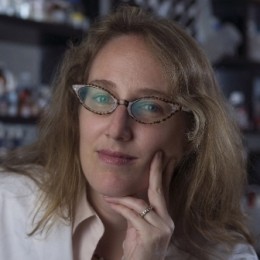
Dr. Barbara L. Hempstead is a Professor of Neuroscience and Medicine at Weill Cornell Medical College, where she has held positions since 2001 and 2002 respectively. Her research focuses on neurotrophin signaling mechanisms, particularly the roles of BDNF and its receptors in neuroinflammation, synaptic plasticity, and neurodegenerative diseases. She has made significant contributions to understanding proBDNF/proNGF signaling pathways in neuronal apoptosis and vascular biology. Education: M.D., Ph.D., Washington University School of Medicine (1982) B.A., Tufts University (1976) Dr. Hempstead's work bridges molecular neuroscience and cardiovascular biology, with a particular interest in receptor stoichiometry (p75NTR, TrkB), neurotrophin-induced synaptic remodeling, and therapeutic applications of neurotrophin modulators in Huntington's disease and post-seizure neuronal injury. Her lab investigates how genetic variants like BDNF Val66Met influence anxiety-related behaviors, social memory, and neurodegenerative disease progression through altered neurotrophin trafficking and signaling. Her recent publications highlight neuroinflammatory mechanisms (2023), immune-neurotrophin interactions (2022), and molecular pathways involving BDNF prodomain structure (2020) and SorCS2-mediated receptor trafficking (2017-2020). While no scientific awards are explicitly mentioned in the scraped text, her funded research (National Institute on Aging, NIMH) demonstrates sustained recognition of her work in neurotrophin biology. Dr. Hempstead's lab develops in vitro and in vivo models to study neurotrophin-receptor dynamics, including 3D culture systems for angiogenesis research and transgenic mouse models for Huntington's disease. Her interdisciplinary approach combines molecular neurobiology with vascular physiology to uncover novel therapeutic targets for neurological and cardiovascular conditions.