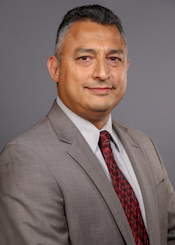
Federico Schena is a Full Professor at the Department of Neurosciences, Biomedicine and Movement (University of Verona). As Vice Director of the department and Director of the Interuniversity Research Center "Sport, Montagna e Salute", he leads multiple research groups across Verona and Rovereto. His academic activities span various degree programs including Sports Science, Preventive Exercise Science, and Medicine. Full Professor of Sport Training Methodology (M-EDF/02) Deputy Director, Dept of Neurosciences, Biomedicine & Movement Director, Interuniversity Research Center "Sport, Montagna e Salute" Chair of Movement Sciences Section Research Focus : Exercise physiology in hypoxia Vascular and metabolic adaptations Sports performance optimization Exercise for aging populations Biomechanics of locomotion Mountain sports physiology Academic Contributions : Author of >250 full publications Chief Editor, Sport Science for Health (Springer Nature) Leader of 4 sports performance labs President, Italian Society of Motor and Sports Sciences Teaching Activities span over 15 different modules across sport science, exercise physiology, and physical training methodology, both in person and through coordinated research teams.
Dr. Nazir Barekzi is an Associate Professor of Biology at the Department of Biology, College of Science, Engineering and Technology, Norfolk State University. His research focuses on bacteriophage discovery, genomics, microbiology, and innovative teaching methods in undergraduate education. He is actively involved in course-based undergraduate research experiences (CUREs) and inclusive pedagogy to enhance student outcomes in STEM fields. His research spans bacteriophage genomics, cancer cell biology, and plasma-based therapeutic applications. Notable contributions include studies on phage therapy for bacterial pathogens and the anti-tumor effects of plasma-activated media. He has also explored the efficacy of low-temperature plasma devices like the plasma pencil in cancer treatment. Barekzi’s publications reflect interdisciplinary work across microbiology, oncology, and biotechnology. His recent studies emphasize the impact of community-focused CUREs on student identity and career trajectories at Historically Black Colleges and Universities (HBCUs). He advises multiple graduate and undergraduate students, including Malikah Abdullah, Ashley Haines, and others. His work bridges basic science research with practical educational innovations, contributing to both academic and clinical advancements.
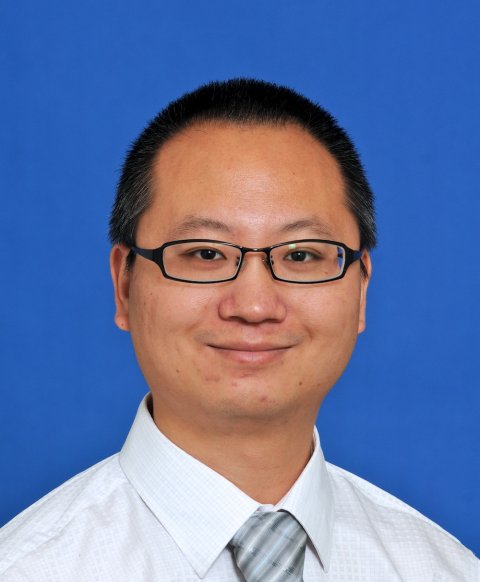
Xiaoyu Zhang is an Associate Professor in the Department of Mechanical & Aerospace Engineering at Old Dominion University (ODU), affiliated with the Batten College of Engineering and Technology. He holds a Ph.D. in Mechanical Engineering from the University of Connecticut and completed postdoctoral research at Idaho National Laboratory (INL) from 2010-2013. His research focuses on clean energy technologies including fuel cells (SOFC, PEMFC), photoelectrochemical water splitting, high-temperature electrolysis, and nuclear fuel materials. Education: Ph.D., Mechanical Engineering, University of Connecticut (2010) M.S., Engineering Mechanics, Nanjing University of Aeronautics & Astronautics (2005) B.S., Aerospace Engineering, Nanjing University of Aeronautics & Astronautics (2002) Research interests emphasize sustainable energy systems with notable work in: Hydrogen production via high-temperature electrolysis Advanced materials for fuel cells and nuclear applications Electrochemical reactor design for clean energy His grants include a $169,725 REU Site grant (2016-2019) training undergraduates in electrochemical technologies for clean fuels. Labs/Teams: Principal investigator for the Hydrogen Energy Laboratory at ODU, collaborating with Idaho National Laboratory on nuclear-hydrogen systems. Active in interdisciplinary research bridging materials science and energy engineering.
Laia Bosch Presegué is a Research Professor affiliated with the Universitat de Vic – Universitat Central de Catalunya (UVic-UCC) and the Institute for Research and Innovation in Health Sciences of Central Catalonia (IRIS-CC). Her primary role includes leading the Biomedicine Workshops program, which bridges secondary education and university research in biomedical sciences. She also serves as Principal Investigator at the Josep Carreras Leukemia Research Institute in Barcelona, focusing on epigenetic mechanisms and cancer biology. Her research interests span epigenetics, molecular biology, and biomedical applications, with a focus on heterochromatin regulation, sirtuin enzymes, and the interplay between histone variants and chromatin structure. Collaborations include projects on DCIS lesion progression and sexual health impacts, as well as studies on rhodopsin mutations linked to retinitis pigmentosa. Recent work highlights the functional interplay between HP1 isoforms and H2A.Z in heterochromatin regulation, SIRT1's role in DNA damage signaling, and SIRT6-dependent modifications in tumor suppression. Bosch Presegué's initiatives have engaged over 1,000 high school students in hands-on biosciences labs, fostering early STEM interest. Her contributions span academic research, clinical applications, and science education, emphasizing translational medicine and epigenetic therapeutics.
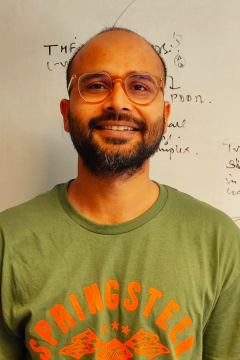
Nishant Singh is a Principal Investigator at the Institute of Advanced Materials (INAM) within Universitat Jaume I, Spain. He leads the CIDEGENT Research Group RG11 (Dynamic Materials and Self-assembling Systems) since receiving the CIDEGENT Grant in 2022. PhD in Catalytic Hydrogels (2016, Marie Curie Fellowship) Postdoc at University of Nottingham (EPSRC-funded Biomaterials Discovery) Postdoc at University of Strasbourg (Marie Curie Fellowship for Non-Equilibrium Systems) His research focuses on supramolecular and systems chemistry , particularly non-equilibrium self-assemblies and reaction cycles. Key contributions include chemically fueled hydrogel dynamics, programmable coacervates, and combinatorial approaches to drug delivery systems. Recent publications highlight his work on Life-like budding in reactive coacervates (2025) Polymorphic Fmoc-leucine self-assemblies (2024) Chemically fueled dynamic materials (2024) with applications in biomaterials and adaptive systems. Scientific recognition includes Marie Curie Fellowship (Extraordinary Prize) EPSRC Next Generation Biomaterials Discovery Grant Marie Curie Individual Fellowship CIDEGENT Grant (2022) His lab explores pathways to create soft materials with emergent properties through bottom-up self-assembly.
Arin B. Aurora, Ph.D., is an Associate Professor of Radiation Oncology at UT Southwestern Medical Center, with a joint appointment at the Children’s Medical Research Institute. Her career spans from a B.S. in biology at Cornell University to a Ph.D. in immunology from UCSF, followed by postdoctoral fellowships at Northwestern University and UT Southwestern. Education: B.S. in Biology – Cornell University Ph.D. in Immunology – University of California, San Francisco Postdoctoral Fellowship – Northwestern University Feinberg School of Medicine (American Cancer Society Fellow) Postdoctoral Fellowship – UT Southwestern Medical Center (with Dr. Eric Olson) Research Focus: Dr. Aurora’s research integrates immunology, cancer biology, and molecular therapeutics. Early work uncovered microRNA circuits governing cardiac repair and vascular remodeling. Since 2023, her group has led a multidisciplinary effort to evaluate novel anticancer small molecules, combining genetic screens, biochemistry, and medicinal chemistry to dissect on- and off-target effects that dictate efficacy and toxicity. Additional interests include metabolic reprogramming in metastatic melanoma, immune modulation of stem-cell-mediated regeneration, and the development of preclinical patient-derived cancer models. Publication Themes: Across 18 peer-reviewed papers, her work clusters into three dominant themes: (1) microRNA control of cardiovascular and renal fibrosis, (2) metabolic determinants of melanoma metastasis, and (3) translational development of small-molecule anticancer agents. These studies have appeared in high-impact journals including Nature , Journal of Clinical Investigation , Cell Stem Cell , and PNAS . Scientific Awards: While specific honors are not listed, she was an American Cancer Society Postdoctoral Fellow during her training at Northwestern University. Teams & Collaborations: Dr. Aurora collaborates with medicinal chemists, geneticists, and clinician-scientists across UT Southwestern, the Children’s Medical Research Institute, and the NCI Patient-Derived Models Consortium (PDMC) to accelerate preclinical evaluation of novel cancer therapeutics.
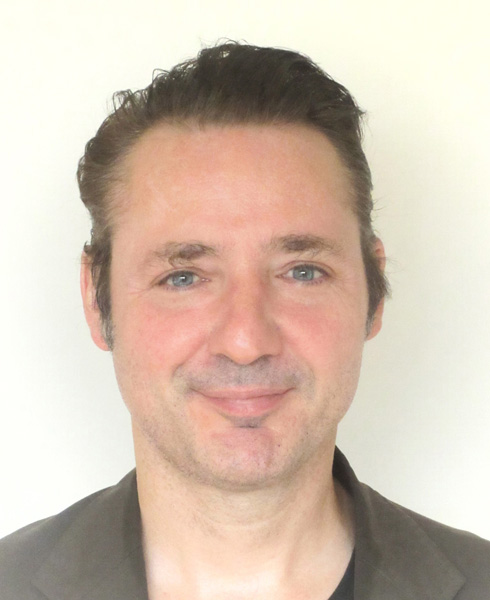
Axel Behrens is a prominent academic and researcher in the field of Biochemistry & Molecular Biology, currently holding the position of Senior Group Leader at The Francis Crick Institute in London, UK. He is also a Principal Fellow at King's College London and an Honorary Full Professor at University College London. Behrens is an EMBO member and has received an ERC Grant for his work. Education: Biological Sciences at Universities of Innsbruck and Vienna, Diploma and PhD from University of Vienna Academic: Honorary Full Professor at University College London, Senior Group Leader at The Francis Crick Institute Professional: Senior Scientist at Cancer Research UK, Principal Fellow at King's College London Behrens' research focuses on multiple areas including stem cells, ubiquitylation, transcription, DNA damage, and cancer biology. His work has particularly explored the role of the c-Jun protein in cellular processes, the function of Fbw7 in intestinal homeostasis and cancer, and the role of ATM signaling pathways in genomic stability. His recent publications (2011-2015) demonstrate a strong focus on molecular mechanisms in cancer development, particularly in intestinal and lung cancers, as well as the role of ubiquitin ligases and proteases in cell biology. These works explore areas such as: c-Jun phosphorylation and activation Ubiquitin-mediated protein degradation ATM signaling pathways Intestinal homeostasis and tumorigenesis Neuronal regeneration Pancreatic cell differentiation Axel Behrens has received several notable scientific awards including: EMBO Young Investigator Programme (2004) ERC Grant (2011) EMBO Membership (2012)
Dr. Christopher Hamilton is an Associate Professor in the School of Chemistry, Pharmacy and Pharmacology at the University of East Anglia. He holds a PhD from the University of Exeter (1997) and has held postdoctoral positions at the University of St Andrews, Dundee University, and Queen's University Belfast. His research focuses on the chemistry-biology interface, particularly the role of low molecular weight thiols in microbial systems. Key areas include bacillithiol biochemistry, garlic-derived organosulfur compounds, and enzymatic redox mechanisms. He has led over 19 research projects funded by organizations like the BBSRC, Wellcome Trust, and Marie Curie ITN. Notable collaborations include work with ECOspray Ltd. on biopesticide development and international teams studying bacillithiol's role in pathogens like Staphylococcus aureus. Hamilton is part of the Medicinal Chemistry Group and actively mentors researchers across synthetic chemistry, microbiology, and molecular biology disciplines. His recent work emphasizes bacillithiol's role in bacterial stress responses and antibiotic resistance mechanisms, as well as the antimicrobial properties of diallyl polysulfides from garlic. This interdisciplinary approach has led to advancements in redox biology and drug discovery strategies targeting pathogenic bacteria.
Leslie Cockerham, MD, MAS, is an Associate Professor in medicine (infectious diseases) at the Medical College of Wisconsin (MCW) and Chief Medical Officer at Vivent Health, overseeing ten clinics across six states. Her clinical focus includes HIV care, PrEP, and primary care. She earned her MD from Northwestern University's Feinberg School of Medicine, followed by residency, chief residency, and infectious disease fellowship at UCSF, where she also completed a Master’s in Clinical Research. Her research emphasizes HIV persistence mechanisms, immune responses, and biomarkers for virologic control. Dr. Cockerham’s work spans HIV/AIDS, antiretroviral therapy, and clinical trials. Her research highlights the circadian cycle of HIV RNA in treated patients, lymphoid fibrosis interventions, and elite controller mechanisms. She actively contributes to cure research and public health outcomes in HIV-positive populations. As CMO at Vivent Health, she leads clinical operations with a focus on underserved communities. Her academic and clinical roles reflect a commitment to advancing care for infectious diseases, particularly HIV/AIDS.
Jan Karlseder is the Vice President, Chief Science Officer, and Professor at the Salk Institute for Biological Studies, holding the Donald and Darlene Shiley Chair in the Molecular and Cell Biology Laboratory. His research focuses on telomeres, DNA repair mechanisms, and their roles in aging and cancer prevention. He leads a lab exploring telomere dynamics, genomic instability, and tumor suppression pathways. Key achievements include discovering autophagy's role in eliminating cells with dysfunctional telomeres and elucidating telomere-to-mitochondria signaling. Education: BS in Biology (University of Innsbruck, Austria), PhD in Molecular Biology (University of Vienna), and postdoctoral training at The Rockefeller University, NY. Research interests center on telomere biology, cellular senescence, and cancer initiation. His work reveals how telomere shortening triggers proliferative boundaries, inhibiting tumor development. Collaborative studies include high-resolution telomere sequencing and mechanisms linking telomeres to innate immunity. Scientific awards include the Glenn Award (2009) and Forbeck Scholar Award (2002). Over 150 publications span telomere regulation, replicative crisis, and autophagy's tumor-suppressive roles. His lab supports postdocs, graduate students, and technicians, emphasizing interdisciplinary approaches to aging and cancer biology.
Rajiv Asthana is a Professor in the Department of Engineering & Technology at the University of Wisconsin-Stout, part of the Robert F. Cervenka School of Engineering. He holds a Ph.D. in Materials Engineering from the University of Wisconsin-Milwaukee, an M.S. in Materials Science from the Indian Institute of Technology, and a B.S. in Metallurgical Engineering from the Indian Institute of Technology. His academic career focuses on advanced materials science and manufacturing processes, particularly in ceramic-metal joining technologies and high-temperature materials integration. Dr. Asthana’s research emphasizes diffusion bonding, active metal brazing, and interfacial characterization of ceramic-matrix composites with metallic systems. He explores applications in thermal management systems, solid oxide fuel cells, and aerospace components. His work addresses challenges in material compatibility, microstructural evolution, and mechanical performance under extreme conditions. His publications highlight advancements in joining techniques for silicon carbide, silicon nitride, and zirconia-based ceramics to metals like titanium, nickel alloys, and molybdenum-copper composites. He also investigates sustainable manufacturing practices and nanomaterials integration. As an editorial board member and reviewer, he contributes to peer review processes for materials science journals. Dr. Asthana’s research has led to innovations in brazing alloy design, interlayer optimization for ceramic-metal joints, and thermal cycling durability assessments. His work bridges materials science with engineering applications, aiming to enhance material performance in high-stress environments.
Robert A. Jacobs is an Associate Professor in the Department of Human Physiology & Nutrition at the University of Colorado Colorado Springs (UCCS), part of the Helen and Arthur E. Johnson Beth-El College of Nursing and Health Sciences. His research focuses on mitochondrial function in exercise physiology, high-altitude adaptations, and metabolic regulation in skeletal muscle. He is particularly known for studies on mitochondrial respiration in aging, diabetes, and endurance performance optimization. Key research interests include: Exercise-induced mitochondrial adaptations High-altitude effects on muscle and neuroendocrine systems Carbohydrate intake strategies for elite athletes Erythropoietin's role in mitochondrial health and cognition Methodological advancements in high-resolution respirometry His recent work (2020-2024) demonstrates a strong focus on mitochondrial biology, with studies linking metabolic flexibility to aging and disease, and developing predictive models for endurance performance. He has contributed to understanding how environmental stressors like heat and altitude impact human physiology. Publications consistently emphasize translational applications of mitochondrial research, including sports nutrition optimization and disease mechanisms related to mitochondrial dysfunction. His work bridges basic science with clinical and athletic performance contexts.
Heidi Hehnly is an Associate Professor in the Department of Biology at Syracuse University's College of Arts & Sciences. She serves as Associate Director of the BioInspired Institute and Director of the Blatt Imaging Center. Her research focuses on cellular mechanisms connecting cytoskeletal dynamics, membrane transport, and centrosome function to control essential cellular processes such as cell division, fate, and polarity. Education: Ph.D., Molecular Physiology and Biophysics, University of Iowa (2009) B.S., Biochemistry and Biophysics, University of Rochester (2003) Dr. Hehnly's laboratory investigates the interface between cytoskeletal dynamics and membrane transport, with particular focus on how these systems co-regulate one another during cellular processes. Her research program addresses the fundamental question: how are ciliated tissues assembled during tissue development? Using zebrafish, mammalian tissue culture, C. elegans, and murine models, her lab employs cell biology, biochemistry, live cell imaging, and high-resolution imaging techniques to study centrosome function, Rab GTPases, and their roles in cellular organization. A major focus is understanding how membrane trafficking events controlled by Rab11 interact with the centrosome to regulate cellular processes. Analysis of Dr. Hehnly's recent publications reveals a consistent focus on the relationship between membrane trafficking (particularly Rab GTPases) and centrosome function. Her work has increasingly incorporated advanced imaging techniques and expanded into studying cellular mechanics, particularly the role of vimentin intermediate filaments. Key themes include the coordination of lumen and cilia formation during development, mechanisms of centrosome positioning, and the role of pericentriolar matrix integrity in cell division. Scientific Awards: Renée Crown Professor in the Sciences & Mathematics, Syracuse University (2022-2025) Inaugural member of the Women in Leadership Cohort, Syracuse University (2022) James K. Dual-Agyeman Award for Outstanding faculty (2022) New Investigator Idea award, DOD (2020) Dr. Hehnly has mentored numerous graduate students, postdoctoral researchers, and undergraduate students, many of whom have gone on to prestigious medical and graduate programs. Her research is supported by multiple significant grants including an NSF NRT-URoL grant (2024-2029) as Co-PI, and several NIH grants as PI including 'Cell Cycle Dependent Mechanisms Triggering Lumen Formation in vivo' (2021-2025) and 'Four-Dimensional Prediction and Quantification of How Physical Forces Impact Organogenesis in Zebrafish' (2020-2025). She has also pioneered BioArt initiatives at Syracuse University, including the CHIMERA Art and Science Exhibition Programming. The Hehnly Laboratory, established in 2015, operates the Blatt Imaging Center at Syracuse University. The lab brings together researchers from diverse backgrounds to study cellular mechanisms using cutting-edge techniques including live cell imaging, optogenetics, and biosensor assays. The lab has developed novel methodologies for in vivo experimentation and maintains strong collaborative relationships with researchers across disciplines to gain novel perspectives on centrosome protein interactions during development.
Sally A. Kornbluth is the Jo Rae Wright University Distinguished Professor Emerita of Biology at Duke University's Trinity College of Arts & Sciences. She previously served as Duke's Provost from 2014 to 2023, becoming the university's first female chief academic officer. Her research focuses on cellular processes such as cell cycle regulation and apoptosis, particularly their roles in cancer and degenerative diseases. Kornbluth earned her Ph.D. in Biology from Rockefeller University in 1989. Key research areas include the molecular mechanisms of caspase activation, metabolic control of apoptosis, and chemoresistance in cancer. She has led groundbreaking studies on mitochondrial dynamics and the interplay between metabolism and cell death. Notable achievements include identifying TRAF proteins as caspase-2 activators and discovering metabolic pathways that regulate apoptosis in ovarian cancer. Her academic career includes roles as James B. Duke Professor and Vice Dean for Basic Sciences at Duke's School of Medicine. Kornbluth has been honored with the Academic Council Award (2022) and her named professorship. She transitioned to MIT as President in 2023, maintaining her husband Danny Lew's joint appointment there. Over 30 grants highlight her research impact, including studies on autophagy regulation in aged cells and the role of ubiquitin ligases in cancer resistance. Her lab closed in 2023 as she moved to MIT, but its legacy includes training numerous students and postdocs in cell biology and oncology.
Dr. Rachel Hazan is a Professor in the Department of Pathology at the Albert Einstein College of Medicine . Her research focuses on the molecular mechanisms underlying breast cancer metastasis, particularly the interplay between cell-cell adhesion proteins (e.g., N-cadherin, R-cadherin), receptor tyrosine kinases (e.g., FGFR), and redox signaling pathways (e.g., GPx2). Her lab investigates how these pathways drive epithelial-to-mesenchymal transitions (EMT), cancer stem cell formation, and metastatic spread. Research Highlights: Discovered that N-cadherin/FGFR signaling promotes EMT and metastasis viaSlug upregulation and Akt3 suppression. Identified GPx2 as a critical redox regulator suppressing metastasis by modulating hypoxia and metabolic reprogramming. Elucidated TCF1's role in activating FOXC2-p63 axis to drive partial EMT and stemness in basal-like breast cancer. Laboratory Team: Kimita Suyama, PhD (Senior Research Associate) Outhiriaradjou Benard, PhD Huizhi Liang, PhD (Post-doctoral Fellow) Viney Kumar, PhD (Post-doctoral Fellow) Key Findings: Uses single-cell RNA sequencing to uncover metastasis mechanisms, revealing novel therapeutic targets such as Akt3 isoforms and Wnt/TCF1 signaling pathways. Current work explores redox signaling's role in phenotypic/metabolic reprogramming of breast cancer cells.