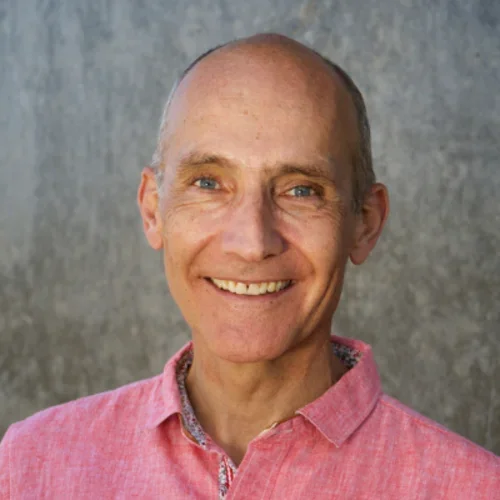
Felix E. Schweizer is a Professor in the Department of Neurobiology at the David Geffen School of Medicine, UCLA. He serves as Director of the Neurosciences Interdepartmental Program and Vice-Chair for Education in the Department of Neurobiology, with affiliations to the Neuroscience GPB Home Area, Vestibular Neuroscience Laboratory, Brain Research Institute, Cell & Developmental Biology GPB Home Area, and Molecular, Cellular & Integrative Physiology GPB Home Area. His research focuses on the molecular mechanisms of neuronal communication and synaptic regulation. PhD in Biochemistry, University of Basel (1989) Postdoctoral fellowships: Stanford University (1990–1994), Duke University (1994–1998) Dr. Schweizer’s laboratory investigates how protein ubiquitination modulates neuronal excitability and synaptic transmission, utilizing multiplexed SILAC with Dr. James Wohlschlegel to identify dynamically regulated synaptic proteins. Collaborations with Dr. David Krantz (Drosophila models) and Dr. Larry Hoffman (vestibular system studies) explore disease mechanisms and gravity-induced synaptic changes through electrophysiology, serial EM, and EM tomography. The lab employs cultured neurons, brain slices, and in vivo models to analyze neurotransmitter release dynamics. Current projects include defining the synaptic transfer function in the vestibular system and characterizing structural-physiological correlations under altered gravitational loads. His affiliations span multiple interdisciplinary programs and research institutes at UCLA, reflecting his integrative approach to neurobiology research.
Dr. Ernestina Schipani is the William Wikoff Smith Professor of Orthopedic Surgery at the University of Pennsylvania's Perelman School of Medicine, where she leads a productive research laboratory focused on skeletal development and disease mechanisms. Her groundbreaking work has established fundamental principles in hypoxia biology and G-protein coupled receptor signaling as they relate to skeletal formation and disease processes. Dr. Schipani's educational journey includes: M.D. and Ph.D. from St. Anna School of Advanced Studies-University of Pisa, Italy Her research has transformed our understanding of skeletal development, beginning with her seminal discovery that gain-of-function mutations of PTHR1 cause Jansen disease. She pioneered the concept that hypoxia-driven pathways control skeletal development, revealing how oxygen gradients serve as regulatory signals in tissue morphogenesis. Her laboratory employs genetically modified mouse models and cutting-edge techniques including single-cell RNA sequencing and metabolomics to investigate how hypoxia, mitochondrial metabolism, and metabolic reprogramming influence skeletal development and disease. Analysis of her recent publications shows a dominant focus on hypoxia-inducible factors (particularly HIF-1 and HIF-2) in bone development, metabolism, and disease. Her work spans molecular mechanisms of skeletal formation, therapeutic approaches for bone disorders, and the intersection of mitochondrial function with skeletal health, demonstrating sustained research excellence with continuous NIH funding since 1997. Dr. Schipani's significant contributions to bone research have been recognized through: ASBMR Paula Stern Achievement Award (2019) Continuous ASBMR membership since 1992 ASCI membership since 2005 She actively mentors the next generation of bone researchers, with her laboratory members regularly presenting at major scientific conferences including the Gordon Bone & Teeth Conference and ASBMR meetings. Her NIH-funded research program includes four major focus areas: HIF-1 in endochondral bone development and somitogenesis, HIF-2 in bone mass regulation, and HIFs in soft tissue tumors and cartilage regeneration. The laboratory recently secured an NIH R01 grant to study mitochondrial respiration and growth plate biology. The Schipani Laboratory at McKay Laboratories-University of Pennsylvania maintains an active research program investigating the fundamental biological processes of skeletal development, with particular emphasis on hypoxia signaling and metabolic regulation. Current projects examine how hypoxia-inducible factors regulate bone formation and disease processes, with significant translational potential for developing new therapies for skeletal disorders including osteoporosis and skeletal dysplasias.
Karen Casciotti is a Professor in the Department of Oceans and Professor of Earth System Science at Stanford University, where she has held a faculty position since 2011. She serves as Senior Fellow at the Stanford Woods Institute for the Environment and as Victoria and Roger Sant Director of the Earth Systems Program. PhD in Geosciences from Princeton University (2002) MS in Geosciences (Princeton) and Oceanography (UCSD) B.S. in Environmental Engineering Science from Caltech Her research focuses on marine nitrogen cycle biogeochemistry, particularly nitrate, nitrite, and nitrous oxide (N2O) cycling in ocean waters. She combines stable isotope geochemistry, microbiology, molecular biology, and geochemical modeling across scales from benchtop to global ocean systems. Recent work demonstrates urea utilization by diverse deep-sea microorganisms and its role in chemoautotrophy. Key publications (2023-2025) examine N2O dynamics in tropical oceans, nitrate assimilation pathways, urea metabolism in dark ocean communities, and isotopocule analysis methodologies. Her team developed the pyisotopomer software package for nitrous oxide isotopocule analysis. John Hayes Award (2020) Terman Fellow (2011) NRC Postdoctoral Fellow (2002) Harold W. Dodds Fellowship (2001) She advises doctoral students in oceanography and earth system science while serving as Co-Chair of the GEOTRACES Scientific Steering Committee and former Associate Editor for Marine Chemistry . Her lab investigates microbial nitrogen cycling, seawater chemistry, and climate-relevant trace gas production.
Bernardo Tellini is a Full Professor of Electrical and Electronic Measurements at the Department of Energy, Systems, Land, and Construction Engineering (DESTEC) at the University of Pisa, where he also serves as Vice-Rector for Doctoral Research. He has held this institutional role since 2020, overseeing doctoral program planning, accreditation, and admission procedures. Previously, he chaired the doctoral program in Energy, Electrical, and Thermal Engineering from 2012 to 2016 and served on the Leonardo da Vinci Doctoral School in Engineering from 2008 to 2016. Education: PhD in Electrical Engineering, University of Pisa (1999) Degree in Electrical Engineering, University of Pisa (1993) Postdoctoral research at Karlsruhe Research Center for Technology and Environment Industry experience at ABB Tellini's research focuses on electrical and magnetic measurement methodologies for high-power pulsed applications, characterization of electrical and magnetic properties of materials, aging processes in battery cells, and electromagnetic emissions from power circuits. His work spans from fundamental measurement theory to practical industrial applications, particularly in railway technologies where he represents the University on the Steering Committee of the District for Railway Technologies, High-Speed, and Network Safety in Tuscany. He has served as president of the European Pulsed Power Laboratories agreement and chaired major IEEE conferences including I2MTC 2015 and MELECON 2020. His recent publications reveal a strong emphasis on RFID-based localization systems , nanoparticle-enhanced optical sensors , and advanced battery characterization techniques . The research trajectory shows increasing integration of measurement science with emerging technologies like plasmonic sensing, microwire-based transducers, and smart systems for industrial monitoring. His team has developed innovative approaches for battery health monitoring under vibration stress, temperature sensing using magnetic materials, and precise localization methods using phase-based RFID systems. Professional Service: President of Italian Section of IEEE (2019-2021) Scientific director of Pisa research unit in Association of Electrical and Electronic Measurements (GMEE) Member of Certification Committee of Italcertifer SpA (since 2019) Representative on District for Railway Technologies Steering Committee (since 2013) Tellini has authored approximately 200 publications in international journals and conference proceedings. His leadership extends to academic governance through roles on the DESTEC Department Human Resources Committee and various university committees overseeing scientific qualifications and doctoral programs. His research bridges theoretical measurement principles with practical engineering solutions for energy systems, transportation infrastructure, and industrial monitoring applications.
Kathleen J. Green, PhD, is the Joseph L. Mayberry, Sr. Professor of Pathology and Toxicology and Professor of Dermatology at Northwestern University's Feinberg School of Medicine . She serves as Associate Director for Basic Sciences at the Robert H. Lurie Comprehensive Cancer Center and is affiliated with the Skin Biology and Diseases Resource-Based Center and Center for Genetic Medicine . Education: PhD in Cell and Developmental Biology (Washington University, 1982), Postdoctoral Training in Cell Biology (Northwestern, 1987) Green's research focuses on desmosomes —cell-cell adhesion structures—and their roles in epithelial tissue morphogenesis, cancer progression, and genetic skin diseases . Her work bridges basic science with translational applications , particularly for inflammatory skin diseases, melanoma, and heart disease . Recent publications highlight her lab's exploration of desmosome-mediated signaling pathways in skin stratification, melanoma growth, and inflammatory responses. Key themes include mechanotransduction, polarity regulation, and endosomal trafficking of adhesion proteins. Scientific Awards: Elected, German National Academy of Sciences (2016) Humboldt Research Award (2015) Tripartite Legacy Faculty Prize (2019) Feinberg Distinguished Woman in Medicine and Science (2011) Kligman Frost Leadership Award (2015) Green has mentored over 30 years, with former trainees now faculty at institutions like Emory, Yale, and Penn State. Her lab fosters collaborative, interdisciplinary research using human disease models, proteomics, and biophysical approaches to study epithelial mechanics.
Professor Gerhard Wolber leads the Molecular Drug Design research group at the Institute of Pharmacy , Freie Universitaet Berlin. His work focuses on computational approaches to drug discovery, with expertise in G-protein coupled receptors (GPCRs) , cytochrome P450 enzymes , Toll-like receptors , and viral protease inhibitors . He supervises a team of 13 PhD candidates 3 researchers 2 Master's students engaged in projects ranging from calcium channel blockers to CYP enzyme modulators for cancer therapy. Recent publications highlight his lab's contributions to pan-coronavirus drug discovery, TLR8 antagonism, and calcium channel inhibition. The team employs advanced methodologies including Molecular dynamics simulations Fragment-based de novo design Bayesian neural networks DFT calculations 3D pharmacophore modeling to bridge computational predictions with experimental validation. Notable projects include Virtual screening for TREM2-targeted glioblastoma therapeutics Allosteric communication path analysis via MDPath Immune checkpoint inhibitors for cancer immunotherapy Biased GPCR ligand development demonstrating a multidisciplinary approach to contemporary drug design challenges.
Alex Banks is an Assistant Professor at Harvard Medical School and Beth Israel Deaconess Medical Center (BIDMC), with a focus on metabolic disorders. As Director of the Energy Balance core facility at BIDMC, he employs indirect calorimetry to study energy expenditure, food intake, and thermogenesis in mice. His research bridges genetic, pharmacological, and environmental factors to enhance understanding of obesity and metabolic diseases, while developing open-source tools like CalR to standardize metabolic analysis for the broader scientific community. Role: Assistant Professor Affiliation: Harvard Medical School, BIDMC Facility: Energy Balance Core Director Research Interests: The Banks Lab investigates mechanisms of obesity and metabolic disorders, emphasizing energy balance regulation through: Indirect calorimetry and metabolic rate analysis Genetic and pharmacological modulation of PPARγ Gut microbiome interactions with host metabolism Neural circuits controlling thermogenesis and food-seeking behavior Development of computational tools (CalR) for metabolic data Scientific Trends: Recent work spans obesity-linked phosphorylation of PPARγ, thermogenesis regulation via thyroid hormone, microbiome-dependent metabolic control, and novel methods for calorimetry. Collaborative projects address translational applications in bariatric surgery and metabolic drug development. Collaborations: The lab serves as a hub for Harvard/Boston-area researchers and provides freely accessible analytical tools to maximize utility of animal and human studies in combating obesity.
Nao Nishida serves as Assistant Professor at Waseda University's Institute for Advanced Study since 2022, following appointments at Tokyo Medical University and Fred Hutchinson Cancer Center. Her research bridges cancer biology and cell-cell communication mechanisms within tumor microenvironments. Her educational background includes: PhD in Agriculture (2014) from Kyoto University Master's in Applied Life Sciences (2011) from Kyoto University Bachelor's in Applied Life Sciences (2009) from Kyoto University Nishida's research centers on extracellular vesicle-mediated tumor-stroma crosstalk, with particular focus on exosome-driven metastasis, tumor-associated macrophage reprogramming, and organotypic culture modeling. She investigates how lipid composition and serine metabolism in cancer-derived EVs regulate microenvironmental remodeling and therapeutic resistance. Her work integrates advanced lipidomics, real-time tissue imaging, and spatial EV distribution analysis to uncover metastatic mechanisms. Analysis of her 17 publications reveals dominant themes in exosome biology (71% of works), cancer microenvironment dynamics (63%), and therapeutic targeting strategies (41%). Recent work increasingly incorporates spatial tissue context (2022-2024) and clinical translation potential. Her awards include: ISEV2025 New Parents Scholarship Japan Society for Promotion of Science Outstanding Researcher Candidate (2021) ISEV2017 Junior Member Scholarship Young Researcher Excellent Presentation Award (2015) Nishida directs multiple active grants including JSPS KAKENHI projects on EV secretion mechanisms (2023-2026) and nutritional stress adaptation (2025-2028), plus Mitsubishi Foundation and Uehara Memorial Foundation awards. She mentors through Waseda's bioscience curriculum while developing organotypic slice platforms for drug screening. Her laboratory utilizes advanced tumor slice culture systems and spatial EV mapping techniques to dissect microenvironmental heterogeneity, with current work focusing on stromal contribution to therapeutic resistance and organ-specific metastatic niches.
Kathleen M. Caron is a Professor and Chair of the Department of Cell Biology and Physiology at the University of North Carolina (UNC) School of Medicine. Her research focuses on G protein-coupled receptor (GPCR) pathways, particularly adrenomedullin (AM) and calcitonin gene-related peptide (CGRP) signaling, in lymphatic vascular development and gastrointestinal biology. University: University of North Carolina at Chapel Hill School: UNC School of Medicine Department: Department of Cell Biology and Physiology Research Interests: Dr. Caron's work investigates GPCR systems in lymphatic endothelial cell function, lymphangiogenesis, and neurovascular-gastrointestinal crosstalk. Key areas include: AM-CLR-RAMP2 signaling in developmental lymphangiogenesis CGRP's role in lacteal permeability and lipid absorption Lymphatic-epithelial interactions in gastrointestinal disease Pharmacological targeting of GPCRs for vascular and metabolic disorders VE-cadherin interactome in cardiac lymphatic maintenance Neuroinflammatory mechanisms in migraine pathophysiology Scientific Contributions: Her lab discovered the first pharmacologically-tractable GPCR system (AM-CLR) in lymphatic development and identified its role in human hydrops fetalis mutations. Recent studies explore CGRP signaling in meningeal lymphatics and metabolic dysregulation in lacteal-null models. Affiliations: Member of the UNC Center for Gastrointestinal Biology and Disease (CGIBD) and contributor to interdisciplinary research at UNC.
Dr. C. Brooks Mobley is an Assistant Clinical Professor at the School of Kinesiology, Auburn University. He directs the TigerFit Health & Fitness Laboratory and serves as Associate Director of the Nutrabolt Applied and Molecular Physiology Lab. With a Ph.D. in Kinesiology from Auburn University and postdoctoral training at the University of Kentucky, he specializes in skeletal muscle physiology and sports nutrition research. B.S. in Animal & Dairy Sciences (Auburn University) M.Ed. in Exercise Physiology (Auburn University) Ph.D. in Kinesiology (Auburn University) Postdoctoral Fellowship at University of Kentucky's College of Medicine His research explores molecular mechanisms of muscle plasticity, focusing on: Cellular adaptations to exercise training Ergogenic effects of sports supplements Muscle atrophy prevention strategies Mechanisms of skeletal muscle hypertrophy Angiogenesis in recovery scenarios Muscle-bone interaction dynamics Recent publications demonstrate expertise in: Mitochondrial adaptations to resistance training Epigenetic regulation of muscle growth Microbiome-exercise interactions Proteomic responses to disuse atrophy Firefighting occupational physiology Supplement efficacy studies Laboratory Leadership: TigerFit Health & Fitness Laboratory Nutrabolt Applied and Molecular Physiology Lab
Arthur B Prindle is an Associate Professor in Biochemistry and Molecular Genetics and Microbiology-Immunology at Northwestern University's Feinberg School of Medicine, with a secondary appointment in McCormick School of Engineering. His research integrates synthetic biology and quantitative approaches to study collective behaviors in microbial communities. Education: PhD: University of California, San Diego (2014) Postdoctoral Fellow: University of California, San Diego, Molecular Biology (2016) Prindle's lab investigates molecular mechanisms of cell communication in biofilms using synthetic biology, microfluidics, and quantitative microscopy. Research focuses on engineering microbial communities for biomedical applications including inflammatory bowel disease detection, respiratory health improvement, and cancer biomarker discovery. The group develops "smart" biofilms capable of environmental detoxification and disease sensing through electrochemical signaling pathways. Recent publications (2021-2025) demonstrate interdisciplinary work spanning microbiome engineering, bacterial pathogenesis, and diagnostic tool development. Key themes include microbiome manipulation for therapeutic applications, multi-omics approaches to disease biomarkers, and fundamental studies of bacterial communication systems. Scientific Awards: NSF CAREER Award U.S. Army Research Office Early Career Award Pew Biomedical Scholar (2019) Packard Fellowship (2018, $875,000) Prindle leads an active research group supported by NSF, Army Research Office, and Packard Foundation grants. His lab recruits postdoctoral scholars, graduate students, and undergraduates for projects combining computational modeling with experimental synthetic biology. Current initiatives include developing engineered probiotics for human disease surveillance and exploring bacterial electrochemical signaling networks. The Prindle Lab operates within Northwestern's Simpson Querrey Institute for Epigenetics and collaborates with the Chemistry of Life Processes Institute and Robert H. Lurie Comprehensive Cancer Center. Located in the Simpson Querrey Research Building, the team utilizes custom microfluidic devices and advanced imaging to characterize metabolic and electrochemical dynamics in microbial communities.
Jessica D. Rosarda PhD is an Assistant Professor in the Department of Anatomy, Physiology and Genetics at the Uniformed Services University (USU) of the Health Sciences School of Medicine in Bethesda, MD. She leads a research laboratory focused on cellular stress mechanisms in military-relevant disorders. PhD in Chemical and Biological Sciences, The Scripps Research Institute (2023) MSc in Pharmacy, University of Florida (2013) BSc in Biology, Washington and Lee University (2010) Dr. Rosarda's research centers on cellular stress response pathways, particularly how cells respond to stress through signaling mechanisms that can either protect or damage tissues. Her work spans chemical biology, molecular medicine, neuroscience, and molecular/cell biology with a focus on proteostasis, unfolded protein response, and stress signaling dynamics in disease contexts. She investigates how imbalances in these pathways contribute to conditions ranging from retinal degeneration to traumatic brain injury, with particular relevance to military medicine. Analysis of Dr. Rosarda's publication record reveals a strong focus on stress response pathways, particularly the unfolded protein response and integrated stress response. Her work demonstrates how perturbations in proteostasis contribute to diverse pathologies including neurodegeneration, amyloidosis, and inflammatory conditions. She employs chemical biology approaches to develop therapeutic strategies targeting these pathways, with several publications on pharmacological modulators of stress responses. Dr. Rosarda maintains an active research program with numerous publications in high-impact journals including Nature Communications, Cell Chemical Biology, and ACS Chemical Biology. Her work frequently involves collaborations with the Wiseman laboratory and other researchers in the fields of proteostasis and stress response. Dr. Rosarda's laboratory at USU focuses on defining stress pathway signaling dynamics in military-relevant disorders, determining the metabolic factors that govern these stress responses, and identifying novel approaches for resolving toxic stress involved in both acute and chronic conditions.
Linda J. Richards serves as the Chair of the Department of Neuroscience and Edison Professor of Neuroscience at Washington University School of Medicine. Her career spans decades of groundbreaking research in brain development, particularly focusing on interhemispheric connections of the mammalian brain. She leads the Brain Development and Disorders Laboratory, which investigates both normal brain wiring and conditions where this wiring is altered. Professor Richards earned her Bachelor of Science (Honours) from The University of Melbourne in 1990, followed by her PhD from the same institution between 1991-1994. Her educational background laid the foundation for her pioneering work in developmental neurobiology. Her research interests center on the development, plasticity, and function of long-range connections in the cerebral cortex, with particular focus on the corpus callosum - the largest fiber tract connecting the brain's hemispheres. She investigates how cellular and molecular mechanisms regulate brain wiring during development and how these processes are altered in congenital corpus callosum dysgenesis (CCD), which occurs in approximately 1 in 4,000 people. Her work explores the underlying causes of CCD, the mechanisms of long-range axonal plasticity, and how structural changes in brain wiring impact cognition and behavior. Analysis of Professor Richards' recent publications reveals a consistent focus on corpus callosum development and disorders across multiple model systems. Her work spans from basic molecular mechanisms involving transcription factors like the Nuclear Factor I (NFI) family to human clinical studies of corpus callosum disorders. She employs diverse methodologies including genetic analysis, neuroimaging, behavioral assessments, and comparative studies across mammalian species. A notable trend is her increasing focus on translating basic science findings into understanding human conditions, particularly through genetic studies of CCD patients and their families. 2020: Cajal Club, Krieg Cortical Kudos Discoverer Award, Pinckney J Harman Memorial Lecture 2019: Appointed Officer (AO) of the Order of Australia for distinguished service to medical research and education in developmental neurobiology 2016: Elected Fellow of the Australian Academy of Health and Medical Sciences 2015: Elected Fellow of the Australian Academy of Science 2017-2018: President of the Australasian Neuroscience Society 2010: Nina Kondelos Prize from the Australasian Neuroscience Society 2004: Charles Judson Herrick Award from the American Association of Anatomists Professor Richards is deeply committed to neuroscience advocacy and mentorship. She has contributed significantly to establishing major international neuroscience initiatives including the International Brain Initiative, the Australian Brain Alliance, and the Australian Brain Bee Challenge. As a board member of the International Brain Bee and member of the Dana Alliance for Brain Initiatives, she actively promotes neuroscience education and public engagement. Her lab provides training opportunities for numerous graduate students, postdoctoral fellows, and research staff who contribute to her diverse research programs. Professor Richards leads the Brain Development and Disorders Laboratory, which focuses on three primary research areas: activity-dependent mechanisms of early brain wiring, cellular and molecular mechanisms of early brain wiring (particularly involving NFI transcription factors), and human corpus callosum disorders. Her lab employs innovative approaches including studies of the fat-tailed dunnart (a marsupial model with postnatal brain development), advanced imaging techniques, and partnerships with individuals who have corpus callosum disorders to understand how brain wiring impacts cognitive, social, and emotional function.
Oraly Sanchez Ferras is an Associate Professor in the Department of Biology at the University of Sherbrooke with secondary affiliation in the Department of Human Genetics at McGill University. Her research program investigates genetic mechanisms underlying kidney and urogenital system development and disease. Education: M.Sc. in Biochemistry (Immunology), University of Havana, 2009 Ph.D. in Biochemistry (Molecular Biology), Université du Québec à Montréal, 2015 Postdoctoral Fellow, Developmental Genetics of the Urogenital System, Rosalind and Morris Goodman Cancer Institute, McGill University, 2015-2021 Research Interests: Dr. Sanchez Ferras explores transcriptional control of cell specification during renal development, collective cell migration, congenital kidney/urinary tract anomalies (CAKUT), and cancer invasion. Her lab integrates genetically modified mouse models with single-cell genomics, spatial transcriptomics, and 3D embryo imaging to dissect genetic networks governing tissue formation and disease pathogenesis. Laboratory: The Sanchez-Ferras Laboratory studies how intermediate mesoderm-derived cells transform through pronephros, mesonephros, and metanephros stages to form adult kidneys, with emphasis on cellular communication, collective migration, and apoptosis mechanisms disrupted in CAKUT and cancer. Advising and Grants: Source material provides no details regarding student supervision, research grants, or funding sources.
Sergey Rosbakh is a Tenure Track Assistant Professor in the Department of Plant and Environmental Sciences at the University of Copenhagen, specializing in organismal biology. His research focuses on plant ecology, seed biology, and climate change adaptation across diverse ecosystems including alpine, Mediterranean, and freshwater habitats. Dr. Rosbakh's research interests encompass several critical areas in contemporary plant science: Seed ecology and germination strategies under climate change Plant adaptation to temperature stress and heat tolerance Functional trait analysis across plant communities Pollen temperature tolerance and reproductive biology Soil seed bank dynamics and persistence mechanisms Long-term vegetation changes in European ecosystems His recent publications demonstrate sophisticated analytical approaches combining field studies with large-scale meta-analyses. Through examining seed morphology, germination patterns, and plant responses across climatic gradients, Dr. Rosbakh contributes significantly to predicting how plant communities might respond to ongoing climate change. His work on the ReSurveyEurope database represents a major collaborative effort to document vegetation changes across the continent. Dr. Rosbakh actively collaborates with researchers across Europe and has published in leading ecological journals including Ecology and Evolution, Plant Cell and Environment, and Journal of Vegetation Science. His publications from 2024-2025 show an active research trajectory with multiple high-impact papers currently in press.