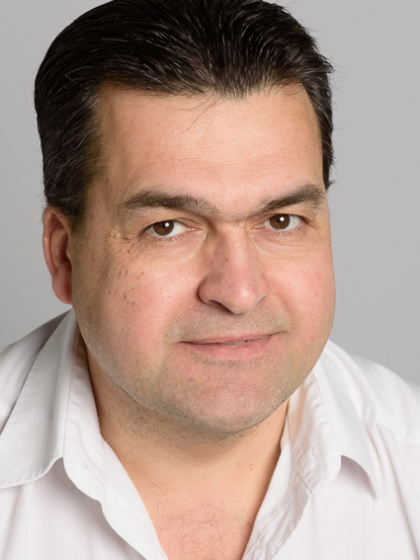
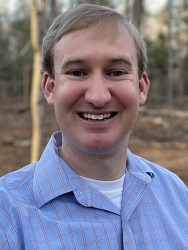
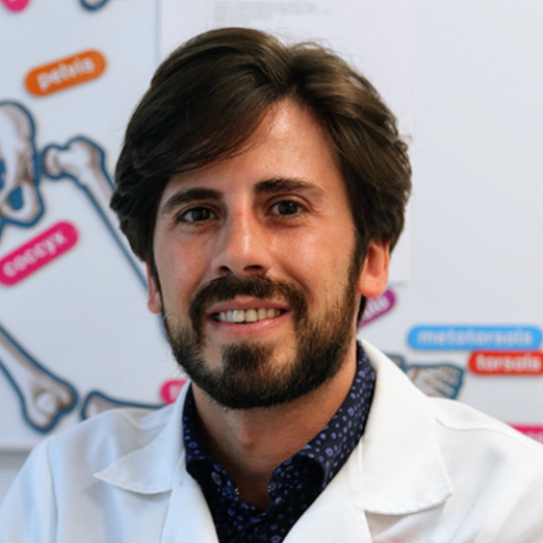
Xavier Fernández Busquets is a Research Professor and Head of the Nanomalaria Joint Unit at the Institute for Bioengineering of Catalonia (IBEC) and the Barcelona Institute for Global Health (ISGlobal). His work focuses on developing nanotechnology-based solutions for malaria treatment, particularly targeting Plasmodium-infected cells through advanced drug delivery systems. Education: PhD in Molecular Biology from Universitat Autònoma de Barcelona (1992), followed by postdoctoral training at institutions including the Friedrich Miescher Institut (Basel) and Woods Hole Marine Biological Laboratory (USA). Academic career includes a 5-year Ramón y Cajal position at Universitat de Barcelona and later senior roles at IBEC. Research Interests: Nanovectors for antimalarial drug delivery, cell adhesion mechanisms in parasitic infections, and overcoming challenges in nanomedicine scalability and ethical deployment in developing regions. Labs/Teams: Leads the Nanomalaria Joint Unit exploring targeted drug delivery systems, combining interdisciplinary approaches from bioengineering and global health.
Professor Lori Burrows is a distinguished microbiologist at McMaster University's Faculty of Health Sciences, Department of Biochemistry & Biomedical Sciences. She serves as the Associate Director (Partnerships and Outreach) of McMaster University's Michael G. DeGroote Institute for Infectious Diseases Research. As a Fellow of the American Academy of Microbiology, she is recognized as an international expert in bacterial pathogenesis, particularly in the study of type IV pili and their role in bacterial virulence. Dr. Burrows' primary research interests focus on the structure, function, and regulation of type IV pili (T4P), which are ubiquitous bacterial virulence factors used for adherence, DNA uptake, biofilm formation, and twitching motility. Her laboratory primarily uses the opportunistic pathogen Pseudomonas aeruginosa as a model system to investigate pilin repertoire (relevant to vaccine design), pilin glycosylation systems involved in bacteriophage defense, structure-function of the pilus assembly system, and the complex regulation underlying T4P function. Additionally, her group studies biofilm formation, particularly the stimulation of biofilm development by sub-inhibitory antibiotic concentrations and the exploitation of this stimulation phenotype to discover new antimicrobials for multidrug-resistant gram-negative bacteria. Dr. Burrows' research program is robustly funded by multiple prestigious sources including the Canadian Institutes of Health Research (CIHR), the Natural Sciences and Engineering Research Council of Canada, the Canadian Glycomics Network, the Ontario Research Fund, and industrial support. Her publication record is impressive, with over 120 peer-reviewed papers, reviews, and book chapters, and an h-index of 49. Her recent work demonstrates continued leadership in understanding bacterial pathogenesis mechanisms, antibiotic resistance, and novel approaches to antimicrobial development. Fellow of the American Academy of Microbiology Dr. Burrows serves on the Editorial Boards of the Journal of Bacteriology (ASM), the Journal of Biochemistry (ASBMB), and ACS Infectious Diseases, demonstrating her significant contributions to the scientific community. Her laboratory, the Burrows Lab, is affiliated with both the Michael G. DeGroote Institute for Infectious Disease Research and the David Braley Centre for Antibiotic Discovery at McMaster University, positioning her research at the forefront of infectious disease and antibiotic discovery.
Dr. Victoria Horrocks is a Research Associate at Imperial College London's Department of Life Sciences (Faculty of Natural Sciences). Her work focuses on microbiome dynamics, antibiotic resistance, and metabolomics, particularly in vaginal and gut ecosystems. She investigates how antibiotics reshape microbial communities and explores therapeutic strategies to counteract negative impacts. Her research employs advanced techniques like NMR metabolomics to study bacterial interactions and symbiosis. Her publications highlight antibiotic-driven shifts in microbial niches, nutrient competition, and the emergence of resistant pathogens. She also develops antimicrobial therapeutics targeting bacterial and mycobacterial pathogens. Dr. Horrocks is affiliated with the Sir Alexander Fleming Building and collaborates across disciplines to advance microbiome-related research. While no formal awards or grants are explicitly listed, her contributions to understanding microbiota ecology and antibiotic resistance mechanisms are significant. Her work aims to bridge fundamental research with clinical applications in microbial therapy and infection control.
Professor Ivan Minev is a Professor of 'Electronic Tissue Technologies' at the Else Kröner Fresenius Center for Digital Health, part of the Medical Faculty at Technische Universität Dresden since 2023. He also heads a research department at the Leibniz Institute for Polymer Research Dresden. Previously, he held a visiting professorship in Intelligent Healthcare Technologies at the Automatic Control and Systems Engineering Department, University of Sheffield (2019–2023). He earned his PhD in 'Soft Neural Interfaces' from the University of Cambridge in 2012. His research focuses on bioelectronic interfaces, combining 3D printing and soft conductive materials to create implantable, wearable, and cell culture devices. His work aims to record biopotentials from neural, muscular, and cellular systems, leveraging machine learning and signal processing to extract diagnostic biomarkers or control signals for neuroprostheses. Collaborations with Sheffield’s School of Electrical and Electronic Engineering (SoEEE) aim to analyze experimental datasets for advanced data interpretation. Research interests include multi-modal neuromodulation, bioelectronic implants, and the development of hydrogels and 3D printing technologies for biomedical applications. He leads the ERC-funded IntegraBrain project, exploring multi-modal sensor-actuator networks for neural communication and treatment of neuropsychiatric disorders. Key honors include the Volkswagen Foundation Freigeist Fellowship (2017–2021) and an ERC Starting Grant (2019–2024). His work bridges materials science, biomedical engineering, and clinical applications, with grants totaling over €2.4 million.
Sarah Siegrist is an Associate Professor of Biology at the University of Virginia, leading the Siegrist Lab in the Department of Biology. Her research focuses on understanding neural stem cell development, particularly how environmental factors like nutrients influence neuron production and diversity in Drosophila. She holds a B.S. from Miami University and a Ph.D. from the University of Oregon. Research Interests: Nutrient-dependent control of neural stem cells in their niche Intrinsic genetic programs and temporal identity factors regulating neuroblast proliferation timing and neuronal diversity Neural circuits involved in nutrient sensing and brain growth control Her lab is located in the Physical Life Sciences Building and collaborates with other developmental biology labs. Recent work emphasizes the interplay between metabolism and neurogenesis, with publications in PLOS Biology , Current Biology , and eLife . The lab actively promotes inclusivity and equitable practices in science. Lab Philosophy: 'We believe anyone can contribute to science and strive for an open, supportive environment informed by diverse perspectives.'
Professor David K. Smith is a Professor of Chemistry at the University of York, specializing in supramolecular chemistry and materials science. His research focuses on self-assembling nanomaterials, particularly supramolecular gels, with applications in drug delivery, environmental remediation, and tissue engineering. He advocates for LGBTQ+ inclusion in STEM and promotes work-life balance for fathers in academia. His work has been recognized with awards such as the Tilden Prize (2022) and the Science for Society Award (2022). Research themes include the design of smart gels for medical and industrial uses, such as gold-loaded gels for nanoelectronics and antibacterial silver gels. Collaborations with biologists and industrial partners (e.g., AstraZeneca, SABIC) drive applied innovations. He has secured over £5M in research funding, including EU and EPSRC grants. David is also a National Teaching Fellow (2013) and pioneered context-led teaching methods, including YouTube videos for chemistry education. Key contributions include developing self-healing gels for drug delivery, 3D-printed conductive materials, and hybrid hydrogels for stem cell growth. His advocacy work includes decolonizing chemistry curricula and supporting LGBTQ+ students. Current projects explore multi-component gels for spatial/temporal control in nanomedicine and sustainable catalysis.
Javier Diaz Alonso, PhD, is an Assistant Professor in the Department of Anatomy & Neurobiology at the University of California, Irvine School of Medicine. His research focuses on synaptic transmission, neurodevelopment, and the role of cannabinoid receptors in neural processes. He is involved in NIH-funded research (R01 MH117139) exploring mechanisms of synaptic plasticity, receptor signaling, and neurogenesis. His work integrates molecular biology, cellular neuroscience, and in vivo models to study neurological processes and disorders. Key research interests include the regulation of AMPA receptors, synaptic plasticity, and the impact of endocannabinoid systems on brain development and function. Recent studies have addressed the roles of CaMKII/NMDA receptor complexes and CB1/CB2 cannabinoid receptors in synaptic transmission and neurodevelopmental outcomes. Publications highlight contributions to understanding synaptic protein interactions (e.g., α2δ1-GluA1 complexes), myelination pathways (TACE/ADAM17), and the molecular mechanisms governing synaptic stability. Collaborative projects include investigations into phase separation of synaptic proteins and the functional implications of genetic variants in neurodevelopmental disorders. Funding and grants: NIH R01 MH117139 supports ongoing studies on neural signaling pathways. His work has implications for treating epilepsy, memory disorders, and neurodegenerative conditions through targeted modulation of synaptic and endocannabinoid systems.
Keith Baar is a Professor in the Department of Physiology and Membrane Biology at the University of California, Davis. His research focuses on skeletal muscle biology, tendon/ligament engineering, and the impact of nutrition on musculoskeletal health. He explores mechanisms of muscle protein synthesis, tendinopathy treatment, and the role of dietary interventions like ketogenic diets in aging populations. Key research interests include: Exercise-induced adaptations in muscle and connective tissues Collagen supplementation strategies for injury prevention Ketogenic diets' effects on mitochondrial function and healthspan extension Tissue engineering approaches for ligament regeneration His work bridges basic science and translational applications, with over 150 peer-reviewed publications. Recent studies investigate the interplay between mechanical loading, nutrition, and molecular signaling pathways in musculoskeletal health. Dr. Baar collaborates extensively on projects involving cellular agriculture and bioreactor optimization for cultivated meat production.
Professor George Palasantzas holds the position of Full Professor in Physics (Surface interactions and Nanostructures) at the University of Groningen, affiliated with the Faculty of Science and Engineering and the Zernike Institute for Advanced Materials. His research focuses on Casimir forces, nanomaterials, surface roughness, and their applications in nanoelectromechanical systems. He has received multiple teaching awards, including being named Teacher of the Year in Physics and Astronomy. Research interests include quantum vacuum interactions (Casimir effect), nanoscale surface phenomena, and functional materials for advanced technologies. Notable projects involve Casimir force control using phase-change materials, repulsive Casimir effects in topological insulators, and nanoparticle-based neuromorphic systems. Recent publications highlight advancements in biophysical systems (leukemic cell mechanics), neuromorphic nanoparticle networks, and Casimir force measurements in heterogeneous environments. He leads grants from NWO (Dutch Research Council) and collaborates internationally on interdisciplinary projects at the physics-materials interface. Academic contributions span over 270 publications, with active roles in supervising graduate students and teaching advanced physics courses. His work contributes to UN Sustainable Development Goals related to affordable clean energy and industry innovation.
University of North Carolina at Chapel HillUnited States
Adam D. Pfefferle, PhD, is an Assistant Professor in the Department of Genetics at the University of North Carolina at Chapel Hill and Director of the LCCC Translational Genomics Lab (TGL). He holds a PhD from UNC Chapel Hill and a Master of Engineering in Materials Science from NC State University. His research focuses on translational genomics, assay development, and cancer biology, particularly in triple-negative breast cancer and spatial transcriptomics. Pfefferle’s work bridges laboratory research with clinical applications, leveraging mouse models and genomic technologies to identify drug targets and improve diagnostic tools. Education PhD in Genetics, UNC Chapel Hill Master of Engineering in Materials Science, NC State University Research Interests Pfefferle’s research integrates molecular biology, bioinformatics, and engineering to develop diagnostic assays and understand tumor biology. Key areas include: Assay development for clinical diagnostics (e.g., microfluidic platforms) Genomic profiling of breast cancer subtypes (e.g., claudin-low, basal-like) Mechanisms of therapeutic resistance in metastatic cancers Spatial transcriptomics and single-cell sequencing for tumor heterogeneity analysis Lab & Translational Work As TGL Director, he oversees a facility providing genomic services for academic and clinical research, including NanoString assays, spatial transcriptomics, and NGS. The lab supports projects like UNCseq and The Cancer Genome Atlas (TCGA), having processed over 12,000 assays. Collaborations & Grants Pfefferle collaborates with researchers at UNC Lineberger Comprehensive Cancer Center and has contributed to studies on drug targets and metastasis mechanisms in breast cancer. His work has informed clinical trials and diagnostic technologies (e.g., Codetta Bio’s molecular diagnostics).
Prof. Dr. Marc Erhardt is a Full Professor of Molecular Microbiology at Humboldt-Universität zu Berlin, Germany, and a Max Planck Fellow at the Max Planck Unit for the Science of Pathogens. His academic career includes prior roles as Associate Professor (W2) at Humboldt-Universität and a Principal Investigator at the Helmholtz Centre for Infection Research. He holds a PhD from the University of Konstanz (summa cum laude) and completed postdoctoral work at Université de Fribourg and the University of Heidelberg. His research focuses on bacterial physiology, flagellar biology, and type III secretion systems, with notable contributions to understanding flagellar assembly mechanisms and bacterial motility. Erhardt has received prestigious awards including the ERC Consolidator Grant (2019) and the VAAM Forschungspreis (2018). His work spans structural biology, pathogen-host interactions, and synthetic biology tools for microbial systems. Education: PhD in Molecular Microbiology (2011), University of Konstanz Diploma in Biology (2006), University of Ulm, Konstanz, and University of Utah Research interests include the molecular mechanisms of flagellar assembly, bacterial motility regulation, and the interplay between bacterial physiology and pathogenicity. Key achievements include discoveries on flagellin incorporation mechanisms, anti-phage defense systems, and CRISPRi-mediated bacterial regulation. Erhardt's lab (AG Bacterial Physiology) employs advanced microscopy, structural biology, and synthetic biology approaches to explore bacterial nanomachines and infection strategies. His research has led to over 60 publications in journals like Cell , Nature Communications , and PLOS Biology . Awards & Grants: ERC Consolidator Grant (2019) Helmholtz Young Investigator Grant (2013–2017) Marie Curie International Fellowship (2012–2013) His research group develops novel tools for studying bacterial systems, including fluorescent markers for Gram-negative bacteria and regulatory systems for synthetic biology. Current projects address flagellar dynamics, microbiota interactions, and the structural basis of bacterial pathogenesis.
Henrik Ström is an Assistant Professor in Fluid Dynamics at Chalmers University of Technology, specializing in multiphase flow modeling, reactive flow analysis, and rarefied flow simulation. His research spans molecular to continuum levels, emphasizing interdisciplinary collaboration. He has contributed to over 160 publications, focusing on automotive catalysis, bubble dynamics, biomass conversion, and CFD-DEM modeling. Research Interests: Multiphase flow dynamics, computational fluid dynamics (CFD), reactive flow modeling, automotive exhaust systems, and biomass thermochemical processes. He explores phenomena such as lift forces on deformable bubbles, soot generation in gasifiers, and flow distribution optimization in catalytic converters. Projects include advanced modeling of catalytic converters, particle-fluid coupling in biomass conversion, and carbon capture technologies. He collaborates on automotive pollution control, heat exchanger design, and nanoscale catalytic systems. His work integrates experimental validation with high-resolution numerical simulations.
Giuseppe Maria de Peppo is an Industry Associate Professor at New York University Tandon School of Engineering's Department of Chemical and Biomolecular Engineering. He holds a PhD in Biomaterials from the University of Gothenburg (Sweden), where he explored bone tissue engineering using human pluripotent stem cells. His research focuses on biomaterials, medical devices, stem cells, tissue engineering, nanotechnology, and biosensing, with translational applications highlighted in media such as the Wall Street Journal and Nature. Education: PhD in Biomaterials from University of Gothenburg (Sweden); prior roles include Principal Investigator at the NYSTEM Research Institute and Director of Internal Research at Mirimus, a biotech startup. Research Interests: His work bridges biomaterial design, stem cell engineering, and nanotechnology. Key projects include developing biosensors for pathogen detection, creating bone-mimetic materials for implants, and advancing xeno-free stem cell cultivation techniques for clinical use. His lab (NanobioX) emphasizes translational research with potential for clinical and industrial applications. Articles: Recent work spans biosensing platforms (e.g., multiplexed pathogen detection chips), biomimetic bone matrices, and nanoscale lithography techniques. These studies address challenges in diagnostics, regenerative medicine, and implant functionality. Awards: Received the Best Prize at the Institute of Clinical Science (2011) for his multidisciplinary doctoral research. His achievements are further recognized through media coverage and industry collaborations. Teaching: Instructs courses in Biotechnology, Biomaterials, Immunology, and Biochemical Engineering. His educational focus aligns with NYU Tandon's emphasis on interdisciplinary innovation.
Constance J. Jeffery is an Associate Professor in the Department of Biological Sciences at the University of Illinois Chicago's College of Liberal Arts and Sciences. She holds a PhD from the University of California at Berkeley and a BS from the Massachusetts Institute of Technology. Her laboratory focuses on protein structure-function relationships using biophysical, biochemical, and bioinformatics approaches. Dr. Jeffery's research examines fundamental questions about how protein sequences determine structure and function, with specific interests in moonlighting proteins (proteins with multiple functions), enzyme mechanisms, and membrane protein expression. Her work has applications in drug discovery, cancer biology, and tuberculosis research. Analysis of her recent publications reveals a strong focus on moonlighting proteins, covering their mechanisms, database development, structural analysis, and implications across microbiology, cancer biology, and systems biology. Additional research themes include protein evolution, structural biology techniques, and bacterial membrane proteins. She leads significant educational initiatives including the UICHeart Undergraduate Research Experience and Mentoring Program, which provides cardiovascular research training and professional development for underrepresented students. Professional service includes editorial roles for the Journal of Building Physics and membership in ASHRAE technical committees.
Zhiliang Xu is a Professor in the Department of Applied and Computational Mathematics and Statistics at the University of Notre Dame's College of Science. His research focuses on computational physics, mathematical and computational biology, numerical methods for PDEs, and scientific computing. He holds a Ph.D. from the State University of New York at Stony Brook (2002) and an M.S. from Beijing University of Aerospace and Astronautics, China (1997). Dr. Xu's work emphasizes computational modeling of physical and biological systems, including fluid dynamics and complex fluids. His recent studies explore high-order numerical schemes for PDEs, biomechanical interactions in blood clotting, and cell behavior modeling. His articles span computational methods for interface problems, phase-field models, and neural network-based PDE solutions. While no awards or grants are explicitly listed, his extensive publications reflect contributions to computational and applied mathematics. His research often integrates experimental data with computational tools, such as 3D imaging analysis of fibrin networks. He maintains an active role in interdisciplinary collaborations, particularly in biomedical and fluid dynamics contexts.