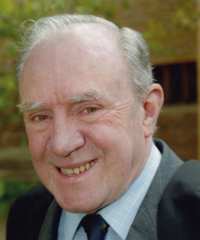
Mani S. Mahadevan, M.D. is a Professor of Pathology at the University of Virginia School of Medicine, where he directs a prominent research program focused on the molecular genetics of myotonic dystrophy (DM), the most common inherited neuromuscular disorder in adults. His work has established fundamental understanding of the disease mechanisms and continues to drive therapeutic development. Dr. Mahadevan received his medical degree from the University of Ottawa in 1986, followed by clinical training including an internship at Victoria Hospital in London, Ontario (1986-1987), residency at the University of Ottawa (1987-1991), and a research fellowship at the Children's Hospital of Eastern Ontario (1991-1995). This comprehensive background bridges clinical medicine with deep molecular investigation. His laboratory made seminal contributions to the field by cloning the DM gene and identifying the mutation as a CTG trinucleotide repeat expansion in the 3' untranslated region of the DMPK gene. Current research focuses on RNA-protein interactions, muscle regeneration in RNA toxicity models, and identifying therapeutic targets. His team has demonstrated that mutant DMPK 3'UTR mRNA forms distinct nuclear foci and inhibits normal muscle differentiation, establishing critical disease mechanisms. Analysis of Dr. Mahadevan's publication record reveals a consistent trajectory from fundamental gene discovery to sophisticated investigations of RNA toxicity mechanisms and therapeutic development. His recent work shows particular emphasis on muscle regeneration pathways, novel therapeutic targets like the TWEAK/Fn14 pathway, and the role of RNA-binding proteins in disease pathology. This evolution reflects both maturation of the field and strategic research direction. Dr. Mahadevan has established a productive research program that has generated significant insights into myotonic dystrophy pathogenesis. His laboratory has developed important cellular and animal models that serve as platforms for therapeutic testing. Through his mentorship and collaborative efforts, he has contributed to training researchers in neuromuscular disorders, with his work continuing to shape our understanding of molecular mechanisms underlying this complex disorder.