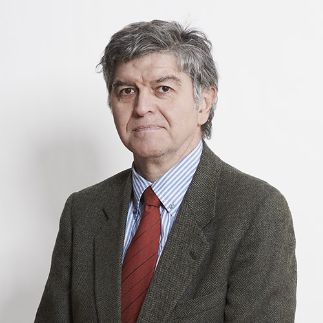
Giuseppe Banfi is a Professor of Clinical Biochemistry and Clinical Molecular Biology at Vita-Salute San Raffaele University, where he has held a full academic position since 2006. His career spans over three decades, combining clinical laboratory leadership with academic contributions in aging, musculoskeletal health, and nutritional biochemistry. Graduated Medicine (1984, University of Pavia) Specialized in Hygiene and Preventive Medicine (1988, University of Milan) His research focuses on clinical biochemistry applications in geriatrics, musculoskeletal disorders, and immuno-nutrition. Recent publications highlight innovations in laboratory medicine value-based models, sarcopenia tele-rehabilitation platforms, and aging-related fall prevention strategies. Journal collaborations span Clinical Chemistry and Laboratory Medicine and Endocrine Reviews . Current work involves multidisciplinary integration of oral health in orthopedic surgery, telemedicine effectiveness for musculoskeletal conditions, and vitamin D supplementation guidelines. His leadership in scientific research programs at Galeazzi Orthopedic Institute and San Donato Foundation Hospital Group demonstrates ongoing translational science engagement. Management roles include directorships at Fondazione Centro San Raffaele and Istituto Insubrico Ricerca per La Vita Foundation.
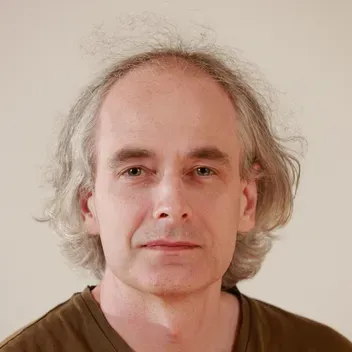
Simon Arthur is a Professor of Immune Signalling at the University of Dundee, School of Life Sciences, within the Department of Cell Signalling and Immunology. His research focuses on understanding inflammatory processes, particularly the role of innate immune cells in coordinating inflammation and resolving immune responses. He holds a PhD from the University of Oxford (1995) and a BSc from Durham University (1990). Arthur is a Fellow of the Royal Society of Biology (2015) and serves on the editorial board of the Journal of Biological Chemistry . His teaching includes courses on Genetics, Cell Signalling, Immunology, and advanced topics in immunology and cell signalling. He supervises PhD projects on microglial phenotypes in brain ageing and immunomodulatory factors in helminth-host interactions. Arthur leads research projects funded by the Medical Research Council and other agencies, including studies on liver fibrosis, bile acid diarrhoea, and pulmonary fibrosis. Key research themes include cytokine regulation, macrophage function, and the molecular mechanisms underlying chronic inflammation. His work spans from fundamental biology to translational research, aiming to develop therapies for autoimmune and inflammatory diseases. Arthur collaborates internationally and has over 180 publications in high-impact journals.
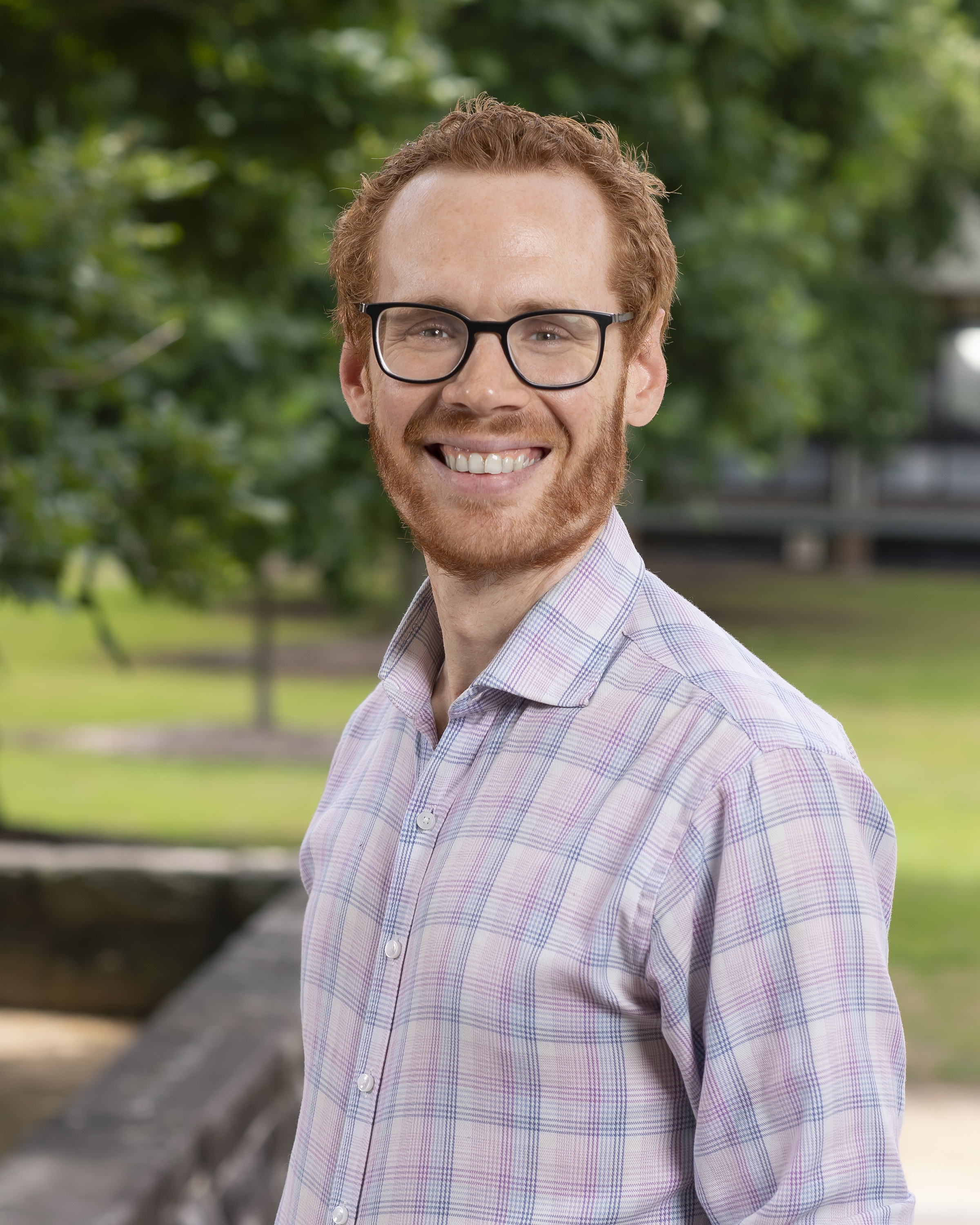
Dr. Michael Stevens is a Senior Lecturer at University of New South Wales (UNSW) Canberra , where he focuses on advanced manufacturing and biomedical device control systems . His work bridges digital manufacturing for SMEs with smart artificial heart technologies , emphasizing industry collaboration and translational research. Specializes in physiological control systems for rotary blood pumps Develops unobtrusive fall detection systems for dementia patients Leads international projects on total artificial heart development Education : B.Eng (Medical - First Class Honours), Queensland University of Technology (2010) PhD in Physiological Control for Biventricular Assist Devices, University of Queensland (2014) Research Trends show consistent focus on: Machine learning for biomedical diagnostics (2018–2025) mmWave radar and thermal sensors in patient monitoring (2021–2024) Computational fluid dynamics in artificial heart modeling (2016–2024) Physiological control algorithms for rotary blood pumps (2011–2025) Scientific Awards : UNSW Scientia Education Award (2021) for contextual teaching Heart Foundation Runner-up for "Smart Artificial Hearts" pitch (2021) ARC PGC Supervisor Award (2017) for mentoring Grants & Supervision : Holds over $6 million in competitive funding including MRFF and ARC grants. Currently supervises 4 PhD students while maintaining industry partnerships with VitalCare and BiVACOR. Labs & Facilities : Works across UNSW Engineering labs and Graduate School of Biomedical Engineering platforms, including mock circulation loops and high-performance computing clusters for CFD simulations.
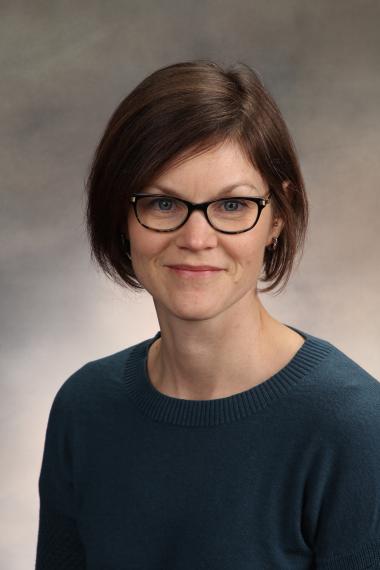
Sarah Alderman is an Assistant Professor in the Department of Integrative Biology at the University of Guelph, within the College of Biological Science. Her research focuses on comparative animal physiology, particularly examining how environmental stressors like temperature and pollutants affect physiological systems in aquatic organisms. She leads the Alderman Lab ( comparativephys.ca/aldermanlab ), which investigates stress physiology, endocrinology, and toxicology in species such as salmon, zebrafish, and reptiles. Her teaching includes courses like ZOO*3600 - Comparative Animal Physiology I (Fall 2024) and ZOO*3620 - Comparative Animal Physiology II (Winter 2025). Research themes emphasize the impacts of diluted bitumen exposure on fish development, cortisol regulation in stress responses, and proteomic adaptations to environmental challenges. Her work bridges basic physiology with applied conservation and environmental management. Dr. Alderman’s publications highlight interdisciplinary approaches, combining molecular biology, ecology, and toxicology. Key areas include latent toxicity of pollutants, stress signaling pathways in fish, and biomarkers of parasitism in aquatic species. Her lab’s findings contribute to understanding organismal resilience and ecosystem health under anthropogenic pressures.
Prof. Elisabeth Engel López leads the Biomaterials for Regenerative Therapies group at the Institute for Bioengineering of Catalonia (IBEC) and serves as a Professor at the Technical University of Catalonia. With over 80 publications in JCR journals, her work focuses on designing biomaterials and scaffolds for in vitro/in vivo regenerative medicine, emphasizing cellular response mechanisms and translational applications. Developing lactate-releasing systems for metabolic modulation Advancing 3D bioprinting for tissue-specific models Engineering angiogenic and osteogenic biomaterials Her research bridges fundamental studies with industrial partnerships, including pharmaceutical and biomedical device companies, and contributes to European collaborative projects. She received the Barcelona City Award for technological research and has delivered numerous invited lectures. Her group explores substrate stiffness, ion release, and microenvironmental cues to control cell behavior in cardiac, neural, and bone regeneration contexts.
Guanghao Qi is an Assistant Professor in the Department of Biostatistics at the University of Washington. His research focuses on developing statistical and machine learning methods for multi-omics approaches in genetic studies, particularly integrating single-cell RNA-seq, GWAS, and functional genomic data. Key areas include single-cell eQTL analysis, Mendelian randomization, and multi-trait genetic association analyses. Education: PhD in Biostatistics from Johns Hopkins Bloomberg School of Public Health (2020), BS in Mathematics from Fudan University (2015). Research interests emphasize high-dimensional data analysis, allele-specific expression in single cells, and causal inference using genetic variants. Notable achievements include a 2025 NIH K01 award for developing methods to integrate single-cell eQTL and GWAS data, and the development of the TWiST method for single-cell transcriptome-wide association studies. Recent work highlights advancements in computational tools like SURGE for context-specific genetic regulation analysis, and evaluations of Mendelian randomization methods in studies of type 2 diabetes and cardiovascular disease. His work often bridges computational biology and statistical theory to address challenges in interpreting large-scale genomic datasets. Awards: NIH K01 Award (2025) Key Contributions: TWiST method (2025), SURGE framework (2024), HIPO power optimization (2018) Labs/Teams: Active collaborations in genomic epidemiology and statistical genetics, with a focus on single-cell multi-omics integration and causal inference methodologies.
Doron Betel serves as an Assistant Professor at Weill Cornell Medicine's Graduate School of Medical Sciences, with affiliations in both the Physiology, Biophysics & Systems Biology and Computational Biology programs. He directs the Applied Bioinformatics Core (ABC), a central service group providing specialized computational and analytical support for biomedical research across multiple institutions. Dr. Betel's research focuses on developing computational genomic tools for studying human diseases and cellular development, with emphasis on integrative analyses of genomic and epigenomic data from high-throughput assays. His work addresses specific questions related to disease progression, treatment response, stem cell differentiation, and neurological processes through two closely interacting research groups: the Applied Bioinformatics Core and his independent research lab. The analysis of his recent publications reveals a strong emphasis on single-cell and spatial genomics, cross-species data integration, and machine learning applications in cancer immunology and neurodegenerative disease modeling. His research spans multiple high-impact areas including cancer immunotherapy, stem cell biology, diabetes research, and cardiovascular regeneration, with numerous publications in top journals like Nature, Cell, and Nature Immunology. Through the Applied Bioinformatics Core, Dr. Betel provides extensive analytical support across various genomic platforms including single-cell RNA-seq, spatial transcriptomics, ChIP-seq, ATAC-seq, and variant calling. The Core serves as a vital resource for researchers at Weill Cornell Medicine and the broader Tri-Institutional network, offering specialized analysis, computational pipelines, and training services. Dr. Betel maintains extensive collaborations with leading researchers including Lorenz Studer at MSKCC for stem cell and neurodegenerative disease research, Tuomas Tammela for cancer genomics, and multiple immunology researchers studying T cell function in autoimmunity and cancer. His work bridges computational methodology development with direct biomedical applications across multiple disease areas.
Katsuhito Yasuno is a Research Scientist in the Department of Neurosurgery at Yale School of Medicine. He works within the Gunel Lab, focusing on neurogenetic research related to brain disorders, vascular conditions, and tumors. His work involves genomic analyses and molecular studies to understand the genetic basis of various neurological conditions. Education: Postdoctoral Fellow, Japan Science and Technology Corporation (2008) Postdoctoral Fellow, Japan Biological Informatics Consortium (2006) Postdoctoral Fellow, Tokai University School of Medicine (2004) PhD in Theoretical Physics, Tokyo Institute of Technology (2002) MS in Theoretical Physics, Tokyo Institute of Technology (1999) BS in Physics, Tokyo Metropolitan University (1997) Dr. Yasuno's research spans multiple areas of neurogenetics and molecular neuroscience. His primary interests include epidemiologic factors and methods related to brain tumors (particularly glioblastoma and meningioma), intracranial aneurysms, nervous system diseases and malformations, and vascular diseases. His physics background contributes to sophisticated analytical approaches in genetic research. His publication record shows consistent contributions to understanding the genetic mechanisms underlying neurological disorders, with recent work focusing on meningioma genetics, brain malformations, and vascular disorders. The research demonstrates a progression from basic genetic discovery to translational applications, with particular emphasis on molecular pathways that could serve as therapeutic targets. Dr. Yasuno collaborates extensively with leading researchers in the field, most notably with Dr. Murat Günel (28 common publications) and Dr. Kaya Bilguvar (34 common publications). His work involves both computational analysis and laboratory validation of genetic findings. As part of the Gunel Lab, Dr. Yasuno contributes to the lab's three major research interests: developmental neurogenetic disorders, neurovascular disorders, and brain tumor biology. The lab utilizes advanced genomics techniques and bioinformatic analysis for gene discovery followed by functional studies.
Dr. Kibret Mequanint is a full Professor at Western University's Department of Chemical and Biochemical Engineering, with cross-appointments in Biomedical Engineering. Holding a PhD from University of Stellenbosch and postdoctoral experience at Technical University of Darmstadt and McMaster University, his research bridges polymer science, materials engineering, and life sciences with applications in Biomaterials , Tissue Engineering , and Regenerative Medicine . His work spans both fundamental and translational research in cell-material interactions , polymer biomaterial design , and therapeutic radiation dosimeters , with technologies transferred to commercial applications. Leading scholar and educator with awards from NSERC, CIHR, and Western University Fellow of: American Institute for Medical and Biological Engineering (AIMBE), Ethiopian Academy of Sciences, International Union of Societies for Biomaterials Science and Engineering, Canadian Academy of Engineering Extensive editorial and panel service for NSERC, CIHR, and international journals His research program has produced over 170 refereed publications, focusing on conductive hydrogels , bioadhesives , and vascular tissue engineering . Recent work on endoscopy-deliverable bioadhesives and snake venom-derived hemostatic gels has attracted global media attention. He has served in leadership roles at the Canadian Biomaterials Society and university governance bodies including Senate and Board of Governors.
Megan Laura McCain is a Professor of Biomedical Engineering at the University of Southern California (USC), with a secondary appointment in the Department of Stem Cell Biology and Regenerative Medicine at the Keck School of Medicine. She leads the McCain Lab, focused on developing microphysiological systems, particularly heart- and muscle-on-a-chip models, to study disease mechanisms and therapeutic responses. McCain holds affiliations with the Biomedical Engineering Society, American Society for Cell Biology, and American Heart Association. Her education includes a B.S. in Biomedical Engineering from Washington University in St. Louis (2006), a Ph.D. in Engineering and Applied Sciences from Harvard University (2012), and postdoctoral research at Harvard’s Wyss Institute. Notable awards include the American Heart Association Pre-doctoral Fellowship and Harvard’s Derek Bok Certificate of Distinction in Teaching. McCain’s research integrates tissue engineering, stem cell biology, and microfluidics to model complex biological systems. Her work emphasizes understanding how microenvironments influence cellular behavior in diseases like cardiovascular disorders and muscular dystrophy. Recent studies explore paracrine interactions in engineered tissues, sex-based proteomic differences in vascular cells, and hypoxia-induced signaling in cardiac fibroblasts. Her scientific contributions include advancements in 3D bioprinting, microfluidic platforms for disease modeling, and synthetic biology tools for cellular control. McCain’s lab collaborates widely to translate findings into clinical applications, such as personalized medicine and regenerative therapies.
Yibing Qyang is a Professor of Medicine (Cardiovascular Medicine) at Yale University School of Medicine (YSM), affiliated with the Department of Internal Medicine. He serves as Director of the Yale Stem Cell Research Forum since 2010. His expertise spans stem cell biology, cardiovascular disease modeling, and regenerative medicine. Qyang holds a B.S. from Nanjing University, an M.S. from Chinese Academy of Sciences, and a Ph.D. from the University of Texas M.D. Anderson Cancer Center. He completed postdoctoral training at UC San Diego and Harvard Medical School. Research Interests: The Qyang Lab focuses on engineering vascular tissues using induced pluripotent stem cells (iPSCs), elucidating cardiovascular disease mechanisms, and developing therapeutic strategies. Key areas include: Vascular tissue engineering for graft development Stem cell-derived models of diseases like supravalvular aortic stenosis Cardiac progenitor cell therapies for heart repair Biomechanical signaling in hypertrophic cardiomyopathy Preclinical porcine models for translational research Key Achievements: Developed immunocompatible 'universal donor' vascular grafts using CRISPR-engineered iPSCs Pioneered iPSC-derived vascular smooth muscle and endothelial cells for tissue engineering Identified elastin-based therapies for supravalvular aortic stenosis Grants & Awards: Connecticut Stem Cell Program Established Investigator Awards (2011, 2015) ISSCR Membership (2007–Present) Highlighted in Yale News for groundbreaking discoveries in heart disease and vascular grafts Lab Team & Collaborations: The lab includes researchers and students from institutions worldwide, with collaborations at Harvard, UCSD, and Yale’s Cardiovascular Research Center. Projects span iPSC differentiation, biomechanical modeling, and preclinical trials. Future Directions: Expanding studies on universal donor grafts, cardiac tissue engineering, and clinical translation of iPSC-derived therapies.
Nadya Dimitrova is an Assistant Professor in the Department of Molecular, Cellular, and Developmental Biology at Yale University, affiliated with the Yale School of Medicine. She holds secondary appointments in Genetics and is a member of multiple interdisciplinary centers, including the Center for RNA Science and Medicine. Her research focuses on long non-coding RNAs (lncRNAs) and their roles in cancer biology, particularly in tumor suppression and oncogenesis. Dimitrova earned her Sc.B. in Biochemistry from Brown University (2002), a Ph.D. from The Rockefeller University (2009), and completed postdoctoral training at MIT's Koch Institute. Notable awards include the HHMI Predoctoral Fellowship, Damon Runyon Postdoctoral Fellowship, and the 2023 Yale Cancer Center Class of '61 Award. Her lab explores lncRNA mechanisms using genomic and genetic tools, aiming to uncover their roles in cancer pathways. Recent work highlights lncRNAs' roles in metastasis, cardiac hypertrophy, and p53 signaling. Collaborations with researchers like Antariksh Tyagi and Clara Liao drive translational insights into RNA-based therapies. Education: Sc.B., Brown University (2002); Ph.D., The Rockefeller University (2009). Research interests include lncRNA regulation, cancer transcriptomics, and RNA-driven disease mechanisms. Her lab integrates systems biology approaches to dissect lncRNA functions in health and disease.
James Smith is an Associate Professor and scientific group leader at Norwich Medical School, University of East Anglia, UK, where he leads research in pluripotent stem cells and cardiovascular disease. He is a member of the Metabolic Health and Cardiovascular and Metabolic Health research groups. Education: PhD in Mesenchymal Stem Cells and Extracellular Matrix, University of Birmingham Post-doctoral training in automated manufacture of human pluripotent stem cells, University of Nottingham His research focuses on using CRISPR gene editing and human induced pluripotent stem cells (hiPSCs) to model and investigate cardiovascular diseases. Key areas include the role of snoRNAs in heart development and disease, cardiomyocyte maturation, and inflammatory responses following cardiac interventions. He established his independent research group at UEA in 2019. The recent publications reflect a strong trend in molecular and cellular cardiology, particularly in non-coding RNA biology, extracellular matrix interactions, and stem cell-based disease modeling. His work bridges basic science with clinical implications, especially in hypertrophic cardiomyopathy and post-intervention inflammation. Scientific Funding & Projects: Identifying novel SNORD116 targets and signalling pathways – Foundation for Prader-Willi Research (2025–2026) Do snoRNAs govern genotype-phenotype interactions in hypertrophic cardiomyopathy? – British Heart Foundation (2023–2027) Dupuytren’s Disease: Genetic variants and cellular phenotype – Action Arthritis (2026–2029) Investigating cardiomyocyte communication in hypertrophic cardiomyopathy – Academy of Medical Sciences (2020–2022) He advises graduate students and early-career researchers in his lab, though specific names are not listed. He has secured competitive grants from major funding bodies and maintains an active laboratory focused on translational cardiovascular research. His work contributes to the UN Sustainable Development Goal 3: Good Health and Well-being. He is based at the Bob Champion Research & Education Building and maintains a lab website at https://www.smithlabuea.com/ .
Quan Liu, M.D., Ph.D., is an Associate Professor at the School of Medicine, Southern University of Science and Technology (SUSTech), where he has been employed since August 2018. He also serves as Deputy Secretary of the Joint Party Committee of the School of Medicine, Chairman of the Joint Labor Union of the School of Medicine, and Vice Chairman of the Transplant Immunology Professional Committee of the Immunotherapy Engineering Branch of the Chinese Society of Biomedical Engineering. Additionally, he holds the position of Associate Chief Physician at the Second Affiliated Hospital of Harbin Medical University. Dr. Liu received his Medical Degree (M.D.) from Harbin Medical University in 2002, followed by surgical training at the Second Affiliated Hospital of Harbin Medical University from 2002 to 2008, specializing in cardiothoracic surgery. He pursued his Ph.D. at the University of Pittsburgh, where he spent over 8 years (2009-2017) at the Thomas E. Starzl Transplantation Institute studying transplantation immunobiology, inflammation regulation, and immunobiology of IL-33 and regulatory T cells (Treg) with Drs. Heth Turnquist and Adrian Morelli. Dr. Liu's research focuses on three primary areas: (1) Alloantigen presentation in transplantation, (2) Immunobiology of IL-33, Treg and ILC2 in settings of transplantation, inflammation regulation and tumor, and (3) Immunotherapy. His work has made significant contributions to the field of transplant immunology, particularly in elucidating the role of donor dendritic cell-derived exosomes in mediating the semi-direct pathway of alloantigen presentation, revealing the role of intra-allograft recipient-derived dendritic cells in maintaining transplant rejection, and investigating the role of IL-33 in tissue protection during acute lung injury and heart transplant rejection. His research findings have been included in the classic immunology textbook Janeway's Immunobiology (10th Ed, 2022). Dr. Liu's publications demonstrate a strong focus on immunology, particularly transplant immunology, with recurring themes of IL-33, regulatory T cells, and mechanisms of immune regulation in transplantation settings. His work spans from basic immunological mechanisms to potential clinical applications in transplantation and cancer. Provincial Science and Technology Progress Second Prize (2007) Provincial Science and Technology Progress Second Prize (2008) Young Scientist Award at the American Transplant Congress (2013) Distinguished Young Talents project of the Second Affiliated Hospital of Harbin Medical University (2017) Dr. Liu has successfully completed a National Natural Science Foundation of China Youth Fund project and is currently leading a National Natural Science Foundation of China General Project (2020-2023). He has supervised doctoral students and has been actively involved in teaching undergraduate courses in Biochemistry, Physiology, and Pathophysiology, as well as graduate courses in Immunology. His laboratory at SUSTech has developed advanced research capabilities including over 30 mouse strains (more than 10 developed independently), access to a Seahorse XFe96 cell energy metabolism analyzer, and a CyTOF Helios mass cytometer for advanced immunological studies. Dr. Liu leads a research group at SUSTech focused on tumor immunity and immunotherapy, neuro-immune-metabolic interactions, and transplant immunity. The laboratory has established significant experimental capabilities including over 30 mouse strains (more than 10 developed independently), access to a Seahorse XFe96 cell energy metabolism analyzer for immunometabolism research, and a CyTOF Helios mass cytometer for advanced immunological studies.
Xiaochen He serves as an Instructor in the Department of Physiology & Biophysics at the University of Mississippi Medical Center's School of Medicine, where he focuses on cardiovascular research and teaching within this foundational medical science department. His research program centers on the intersection of cardiac pathophysiology and immunometabolism, with core interests including: Mechanisms of immune-mediated cardiac inflammation in heart failure Role of T cell subsets (Th17, γδ T, CD8+) in pressure overload models Molecular regulation by IL-12 family cytokines and metabolic enzymes (TIGAR, SIRT3) Endothelial dysfunction in cardiac hypertrophy and failure progression Therapeutic interventions targeting inflammatory pathways Analysis of Dr. He's recent publications (2022-2025) reveals a concentrated research trajectory investigating how specific immune pathways drive heart failure progression. His work consistently employs genetic mouse models to demonstrate that IL-12β inhibition, TIGAR deficiency, and selenium supplementation attenuate cardiac inflammation and dysfunction, while CD8+ T cell metabolic reprogramming exacerbates disease. Key discoveries include GPR174's role in Th17 differentiation and NK1.1 signaling's contribution to cardiopulmonary inflammation, establishing critical immune-metabolic axes in heart failure pathogenesis. No scientific awards were documented in the available profile information. Current departmental records indicate no graduate students are formally listed under Dr. He's mentorship, and no research grants are specified in the public profile. Details regarding laboratory infrastructure, research teams, or collaborative networks were not provided in the available institutional documentation.