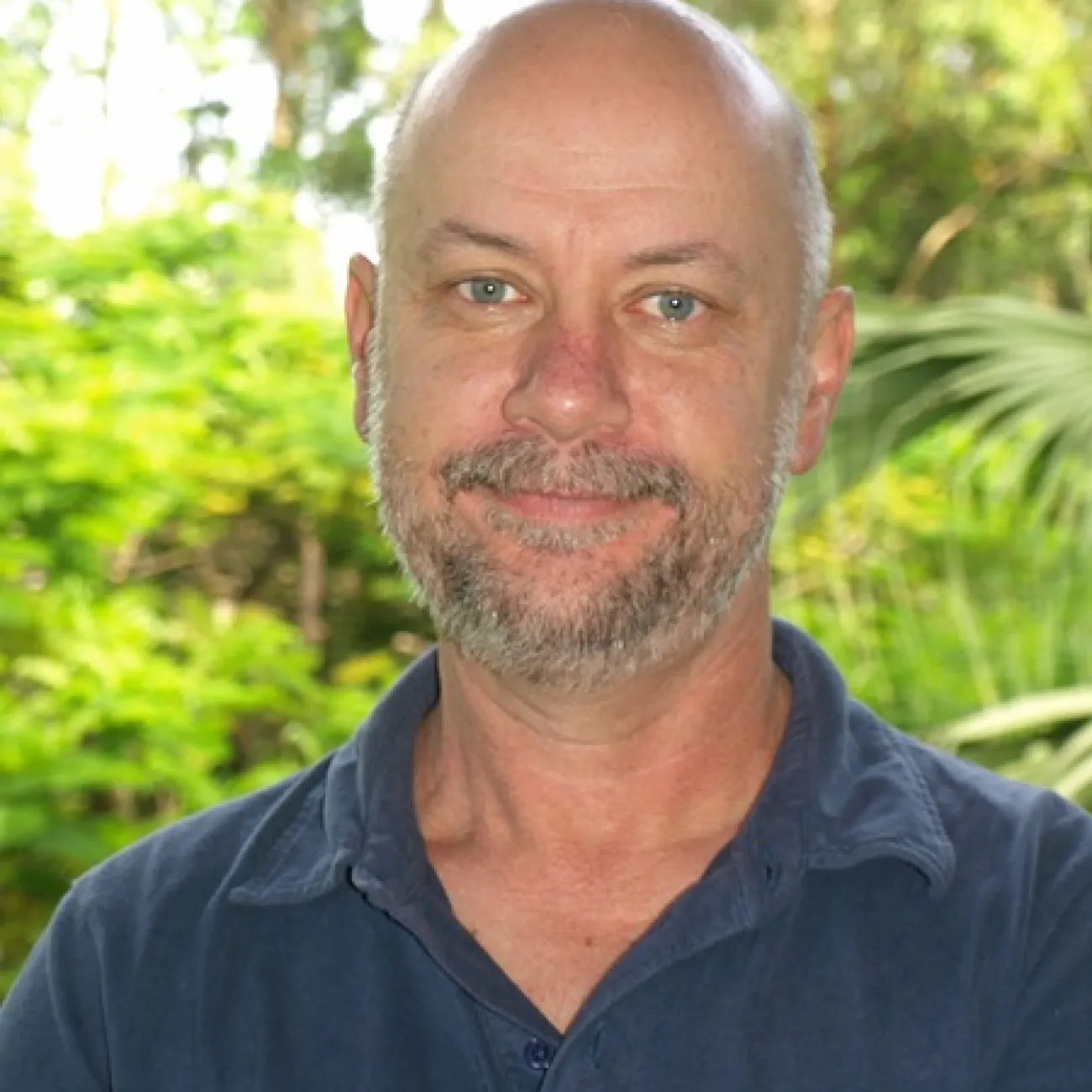
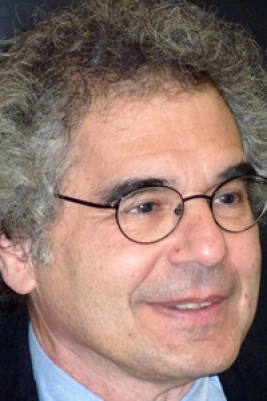
Joakim Palme is a Professor at the Department of Government, Faculty of Social Sciences, Uppsala University. His research focuses on welfare state policy, social investment, migration and social protection, and European Union welfare systems. Palme's work examines the intersection of social policy with contemporary challenges including migration, climate change, and the evolving nature of the Nordic welfare model. Palme's research interests center on the evolution of welfare states, particularly the Swedish model, and how social policies adapt to global challenges. His work explores how welfare institutions shape political attitudes toward migration, the potential for social insurance to build support for climate policies, and the development of child policies as part of broader social investment strategies. His research employs comparative methods across European welfare state regimes and addresses theoretical questions about social citizenship and universalism in social policy. Analysis of Palme's recent publications reveals consistent focus on the tension between EU free movement principles and national welfare systems, the development of social investment approaches, and the adaptation of welfare states to new challenges including migration and climate change. His work spans theoretical contributions to welfare state analysis and empirical studies of policy development across different institutional contexts. Palme has established significant research collaborations across Europe, working with scholars from multiple institutions on projects examining welfare state development, migration policy, and social investment strategies. His publications appear in leading journals including World Politics, Journal of European Public Policy, and Social Politics, reflecting his standing in the field of comparative social policy research.
Karin Nordström is a Professor at the Zurich University of Applied Sciences (ZHAW) , School of Health Sciences, Institute of Public Health. She leads the BSc Health Promotion and Prevention program and chairs the ZHAW Ethics Committee. Her work spans public health ethics, health promotion, and personalized nutrition frameworks. President, ZHAW Ethics Committee Head, BSc Health Promotion and Prevention Faculty Member, Swiss School of Public Health (SSPH+) Research Interests include ethical dimensions of health promotion, equity in personalized nutrition, and evidence-based policy design. She explores tensions in patient autonomy, professional ethics in elder care, and DRG system impacts on healthcare delivery. Article Trends focus on Swiss healthcare policy, community engagement, and ethical analysis of genetic-based nutrition. Recent works address dementia treatment pathways, youth health promotion, and professional identity development in health education. Projects involve collaborative capacity-building for health professionals, strategic communication frameworks, and HTA analyses for dementia medicines. She contributes to Swiss Public Health Society initiatives and international conferences.
Dr. Joy Klammer serves as a Senior Lecturer in the School of Business at the University of New South Wales (UNSW) Canberra, specializing in Industrial/Organizational Psychology. With over 20 years of service in the Canadian Armed Forces (CAF)—first as operational aircrew and later in human resources—she transitioned to academia after a distinguished career as a Defence Scientist with Canada's Department of National Defence, where she culminated as Research Director overseeing three teams focused on CAF recruitment, selection, and retention. Education: PhD in Psychology, Western University (2009) MSc in Psychology, University of Calgary (1997) BA in Psychology (Minor: English), Simon Fraser University (1990) Certificate in Liberal Arts, Simon Fraser University (1990) Leader Character Practitioner, Ivey School of Business (2022) Solution-focused coach, Erickson International (2022) Dr. Klammer's research centers on optimizing organizational personnel systems, with emphases on evidence-based selection, leadership development, and cultural transformation. She has pioneered character-based assessment for executive roles to drive inclusive military culture change and designed high-stakes selection systems—including Canada's astronaut recruitment processes. Her work bridges military and civilian contexts through the Five Eyes Technical Cooperation Programme (TTCP), where she chaired Human Resources Technical Panel 23. Recent publications demonstrate a consistent focus on integrating character assessment into military promotion systems, inclusive behavior frameworks, and validation of selection methodologies. Key Scientific Awards: Deputy Minister / Chief of Defence Staff Organizational Culture Award (2023, team) Chief of Defence Staff Commendation for executive selection systems (2022) Chief of Military Personnel Group Commendation for inclusive behaviors (2022, team) TTCP Letter of Commendation for leadership (2021) Public Service Award of Excellence for Astronaut Recruitment (2017, team) At UNSW, Dr. Klammer contributes to the Public Service Research Group, advising on public sector workforce capability while teaching courses spanning Organizational Behavior, Leadership, and Military Ethics. Her applied research approach—forged through decades of operational military experience—ensures practical implementation of evidence-based solutions in real-world defense and public sector contexts.
Dr Erman Örsan Yetiş is a UKRI (EU-MSCA) Research Fellow at the University of Sheffield 's Department of Politics and International Relations. His work focuses on criminology, gendered violence, and migration studies , with current projects like RAMPDOWN addressing domestic abuse by migrant perpetrators. Formerly at TED University and Middle East Technical University in Turkey, he has developed interdisciplinary courses on gender-aware design and violence prevention. Research Fellow, University of Sheffield (2023-ongoing) Postdoctoral Researcher, TÜBİTAK 2219 (2022-2023) Researcher, Friedrich Ebert Foundation (2021-2022) Research Interests span: Criminology Gender-based violence Migration studies Critical masculinity analysis Gender-sensitive design Slow violence mechanisms Publications (2024-2025) analyze authoritarian populism's impact on gender equality, diaspora political mobilization, and norm-critical design education. Recent work explores intersubjectivity in human-animal historical interactions and biopolitical dimensions of anti-gender policies. Public Engagement includes: Senior expert in EU-funded gender equality training Collaboration with Çankaya Municipality's Gender Quality Unit Advisory role in Gender Impact Analysis projects Neoliberal Academia Critique side project since 2020 investigates abuse and exploitation patterns in academic institutions through participatory action research.
John Schulz is a Professor of Digital Education at the University of Southampton, affiliated with the School of Education. He is a global authority on Video-Based Learning, having developed one of the university’s first fully online MSc programs in Education. Since 2023, he has served as Academic Lead for the strategic Southampton Online project, which supports schools and facilities in creating online courses. He established and directs the School of Education’s Digital Media Studio (since 2010), a state-of-the-art facility with multi-cam recording, podcasting, and live broadcasting capabilities. His collaborations span institutions like Kazan Federal University (Russia) and Universidade Federal de Minas Gerais (Brazil), focusing on e-learning innovation. Education: PhD from Griffith University (Australia), 2003 BA (Hons) in a relevant field with first-class honours Assoc Dip Bio (Associate Diploma in Biology?) His research bridges social psychology with digital education, emphasizing how individuals use platforms like YouTube for learning. He investigates video optimization for educational environments, blending theoretical and practical approaches to create scalable learning solutions. Recent Contributions: His work spans blended MOOC frameworks, video pedagogy evolution, critical thinking assessment in online forums, and regional educational policies. Earlier studies explore leisure theory in social psychology, video grammar for education, and metrics for online learning activity. Advising: He mentors PhD students such as Sana Abdul Ghani, Fawzeya Alkhamis, Karla Guedes, Jia Wang, and Dian Wahyuningsih. His outreach extends to global educational communities, disseminating research through high-impact YouTube series on research methods. Labs & Teams: The Digital Media Studio he founded supports online teaching and course development, reflecting his commitment to advancing educational technology infrastructure.
Daniel M. Hausman is the Herbert A. Simon and Hilldale Professor of Philosophy at the University of Wisconsin-Madison, where he has been teaching since 1988. His work bridges the disciplines of philosophy and economics, focusing on methodological, metaphysical, and ethical issues at their intersection. He is a co-founder of the influential journal Economics and Philosophy and has made significant contributions to the philosophy of economics, moral philosophy, and health ethics. Hausman received his academic training at several prestigious institutions: B.A. from Harvard College in 1969 M.A.T. from New York University in 1971 B.A. and M.A. from Cambridge University in 1973 and 1977 M.Phil and Ph.D. from Columbia University in 1975 and 1978 Hausman's research spans several interconnected areas at the boundary between economics and philosophy. His early work focused on economic methodology, examining the philosophical foundations of economic theory and practice. He has made significant contributions to understanding causal reasoning in economics, the nature of economic explanation, and the relationship between positive and normative economics. More recently, his research has increasingly focused on health ethics, particularly on questions of health inequality, the measurement of health states, and the ethical foundations of healthcare resource allocation. His work consistently demonstrates how philosophical analysis can illuminate economic concepts and practices while showing how economic reasoning can inform philosophical debates about value, welfare, and justice. Hausman's extensive publication record reveals several key trends. His work has evolved from foundational questions about economic methodology to increasingly applied questions at the intersection of economics, philosophy, and health policy. A consistent thread throughout his career has been examining how preferences relate to welfare, value, and choice - a theme that appears in both his methodological work on economics and his more recent work on health valuation. His recent publications show a growing focus on practical ethical questions in healthcare, particularly concerning how to measure health states, evaluate health inequalities, and make fair decisions about healthcare resource allocation. Hausman's significant contributions to scholarship have been recognized with numerous honors: Elected to the American Academy of Arts and Sciences (2009) Phi Beta Kappa Romanell Lecturer (2010-2011) Hilldale Professor at University of Wisconsin-Madison (2011) Wisconsin Alumni Research Foundation Named Professorship (2003) Kellett Mid-Career Award from Wisconsin Alumni Research Foundation (1992) Throughout his career, Hausman has been deeply engaged in academic service and mentorship. He co-founded and edited the journal Economics and Philosophy for its first ten years, helping to establish this important interdisciplinary field. His numerous invited lectures at institutions worldwide demonstrate his influence across disciplines. While specific grant information isn't detailed in the provided text, his sustained research output and prestigious named professorships suggest significant research support. His work has clearly shaped how philosophers understand economics and how economists approach philosophical questions about their discipline. Hausman has been a central figure in the philosophy of economics community, helping to establish it as a distinct field of inquiry. While the text doesn't specify particular research labs or teams he leads, his extensive collaborative work, particularly with Michael McPherson on multiple books, indicates a strong commitment to interdisciplinary collaboration. His work continues to influence both philosophical and economic approaches to understanding human welfare, decision-making, and justice.
Erik Gustavsson is a Lecturer at the Department of Education, Faculty of Social Sciences, Linnaeus University. His academic journey began as a doctoral student in pedagogy in 2015, transitioning to a teaching role while maintaining engagement in research. He holds qualifications as a subject teacher in social studies and religion. PhD in Pedagogy (Educational Policy & Philosophy) His research focuses on the pedagogical and philosophical dimensions of school choice policies, examining their social justice implications through frameworks like Rawls' liberalism, Nancy Fraser's recognition theory, and Amartya Sen's capability approach. He is affiliated with the Curriculum Theory and Didactics (SITE) research group, contributing to curriculum development and didactic theory. Erik's publications analyze Swedish school choice policies historically and discursively, emphasizing justice perspectives. His doctoral thesis (2022) systematically critiques the policy using liberal justice theories, while earlier works explore discursive shifts and value-based conflicts. As an educator, he teaches core pedagogy courses in teacher education programs and supervises student essays, integrating his policy research into practice. His work bridges philosophical inquiry with empirical educational challenges, aiming to problematize systemic inequities.
Sara Riggare is a researcher at Uppsala University, affiliated with the Department of Women's and Children's Health and the Center for Disability Research. Her work focuses on digital health, patient empowerment, and self-tracking in chronic disease management, particularly for Parkinson's disease. Academic Affiliation: Uppsala University Departments: Department of Women's and Children's Health, Center for Disability Research Emails: sara.riggare@uu.se , sara.riggare@cff.uu.se Academic Rank: Researcher Her research explores patient-centered approaches to healthcare innovation, including co-creation methodologies, the impact of digital health technologies, and patient-driven research models. She actively investigates how patients can contribute to medical knowledge through self-tracking and citizen science initiatives. Recent publications highlight her work on generative AI in clinical documentation, empowering capabilities of chronic disease patients through digital tools, and ethical dimensions of patient-initiated research. While no formal awards are listed, her contributions span collaborative studies on safety-netting strategies, user-led interventions, and democratization of healthcare decision-making. Sara's collaborations include studies on patient-clinician communication, Nordic health data policies, and global comparisons of patient engagement with medical records. She advocates for patient-driven innovations and plays a key role in conferences like PxP, which prioritize patient perspectives in research.
Nicola Meschede is a Professor of Natural Science Elementary and Primary Education at the Institute of General Studies Didactics, Faculty of Educational Sciences, University of Münster, a position she has held since January 2018. Previously, she served as a substitute professor for General Studies Didactics at the same institution from October 2017 to January 2018. Her academic journey includes significant research positions at Goethe-Universität Frankfurt and the Leibniz Institute for Science and Mathematics Education at Kiel University. Her educational background comprises a Doctorate in Natural Sciences (Dr. rer. nat.) from the University of Münster and the Leibniz Institute for Science and Mathematics Education (2009-2013), a Second State Examination for Primary School Teaching from Siegburg Teacher Training College (2013-2015), and a First State Examination for Primary, Secondary, and Comprehensive School Teaching with a focus on primary education from Siegen University and the University of Münster (2004). Professor Meschede's research centers on professional vision development in teachers, particularly how educators perceive and interpret learning-relevant classroom situations in science education. Her work examines the cognitive processes involved in recognizing significant teaching moments, with special attention to classroom management, learning support, and addressing student heterogeneity. She investigates how video-based learning environments can enhance teachers' professional perception skills during both initial and continuing teacher education. Analysis of her recent publications reveals a strong thematic focus on video-based teacher training methodologies, with particular emphasis on developing digital learning modules that foster multi-perspective professional vision. Her work consistently addresses how teachers process classroom situations, with increasing attention to language-sensitive approaches in science education and the relationship between teacher beliefs and professional vision development. The interdisciplinary nature of her research bridges educational psychology, science education, and teacher training methodologies. Professor Meschede leads several significant research projects including ViU:P (Video-based Instructional Analysis, Focus on Performance), which examines the causal chain of professional knowledge, teaching quality, and student achievement. She also directs the ProdiviS project developing digital, video-based self-learning modules for professional classroom perception training, the ComeMINT project focusing on professionalizing primary teachers in digital media use, and the ViFoNet project creating video-based training modules for digitally supported teaching. Her research methodology emphasizes video-based analysis of classroom situations, examining how teachers recognize and interpret learning-relevant events. She has developed specialized video portals like ViU: Early Science and ProVision that serve as both research tools and teacher training resources. Her work demonstrates how structured video analysis, particularly with modeling and prompting techniques, can enhance pre-service and in-service teachers' professional vision capabilities.
Nuno Reis Teixeira is a visiting professor at ISCTE-IUL and ISCTE Executive Education specializing in artificial intelligence, market research, and marketing trends. With over 25 years of professional experience, he bridges academic knowledge with practical business applications across multiple sectors including consulting, information technology, and advertising. His educational background includes: Degree in Business Organization and Management Postgraduate degree in Brand Management and Pharmaceutical Marketing Master's in Marketing from ISCTE-IUL Degree in Artificial Intelligence from MIT Multiple Microsoft Data Scientist and Business and Data Analytics certifications As an expert in applied intelligence, Professor Teixeira focuses on helping companies leverage data and AI to transform their business operations. His research interests span the practical implementation of artificial intelligence in marketing contexts, with particular emphasis on how data-driven approaches can create competitive advantages in business environments. His work demonstrates the convergence of technical AI capabilities with strategic marketing applications. Currently, he serves as a business partner at Data Tailors and sits on the advisory board of a Portuguese AI startup, maintaining strong connections between academia and industry. His multifaceted career enables him to effectively bridge rigorous analytical methodologies with pragmatic business solutions.
Helen Feilden serves as a Researcher at the Strathclyde Institute Of Pharmacy And Biomedical Sciences, University of Strathclyde, contributing to pharmaceutical research with expertise in engineering applications for medicine development. Her work spans multiple interdisciplinary domains at the intersection of chemical engineering and pharmaceutical sciences. Her research focuses on Product Quality Engineering, Particle Size Chemistry, and Crystallization processes within pharmaceutical development. She specializes in applying digital design methodologies to optimize medicine manufacturing, with significant contributions to Robust Design Engineering, Predictive Capability systems, and Data Source integration for pharmaceutical applications. Her work addresses critical challenges in controlling particle attributes and ensuring consistent product quality through advanced process design. Analysis of her publications reveals a strong trend toward integrating digital engineering principles with pharmaceutical manufacturing processes. Her research demonstrates how computational approaches can enhance control over crystallization and particle formation, leading to more reliable medicine production with improved sustainability profiles. This work has significant implications for accelerating drug development while maintaining rigorous quality standards. Feilden has contributed to major collaborative research initiatives including the EPSRC-funded SMSdrug.net project (2011-2015), which aligned synthesis, medicinal chemistry, and structural genomics to accelerate UK drug discovery. Her collaborative network spans multiple academic and research institutions, reflecting the interdisciplinary nature of modern pharmaceutical development.
Alex Edwin Bunker is an Adjunct Professor in the Department of Chemistry at the Faculty of Science, University of Helsinki. He also holds the Title of Docent in the Department of Chemistry and serves as a University Researcher in the Division of Pharmaceutical Biosciences Drug Research Program. Bunker is the Principal Investigator of the Pharmaceutical Biophysics group and supervises doctoral students in the Doctoral Programme in Chemistry and Molecular Sciences, the Doctoral Programme in Materials Research and Nanosciences, and the Doctoral Programme in Drug Research. Dr. Bunker shares leadership of the Pharmaceutical Biophysics group with Dr. Tapani Viitala. Their research combines computational methodologies with experimental approaches to develop a mechanistic understanding of interactions between lipid membranes, proteins, and polymers. They study the behavior of these elements in the bloodstream and work on designing safe and efficient drug delivery systems that interact effectively with biological membranes and cells. This collaborative approach leverages the experimental expertise of Dr. Viitala and the computational expertise of Dr. Bunker, creating synergistic insights into bionanovector systems. His research spans multiple disciplines including Pharmacy, Physical Sciences, Biological Sciences, Chemical Sciences, and Nano-technology. Key research areas include molecular dynamics simulations, drug delivery systems, polymer science, and computational biophysics. Dr. Bunker's work often focuses on applying advanced computational techniques to solve pharmaceutical challenges, particularly in understanding how different materials interact at the molecular level for drug delivery applications. Recent publications demonstrate a trend toward integrating machine learning with traditional molecular dynamics simulations to enhance predictive capabilities in drug delivery system design. Dr. Bunker has received the Innoopeli Prize in 2022, recognizing significant contributions to innovation in pharmaceutical research. This prestigious award was shared with a team of researchers for collaborative work that likely relates to his expertise in drug delivery and pharmaceutical biophysics. In terms of academic service, Dr. Bunker has been actively involved in peer review of manuscripts, with 27 instances of manuscript review documented. He has organized and participated in numerous conferences, workshops, and seminars (20 instances), delivered public talks (14 instances), and made academic visits to other institutions (8 instances). His supervisory roles include serving on doctoral thesis committees, acting as an opponent for doctoral dissertations, pre-examining theses, and directly supervising doctoral and Master's students. Dr. Bunker leads the Pharmaceutical Biophysics group, which operates at the intersection of computational and experimental pharmaceutical research. The group's work is highly collaborative, involving partnerships across multiple institutions and disciplines. Their research has practical applications in developing more effective drug delivery systems, with potential impact on pharmaceutical development and therapeutic efficacy.
Kristian Hoelscher serves as Research Director at the Peace Research Institute Oslo (PRIO), where he leads interdisciplinary research at the intersection of cities, markets, politics, conflict, and development in the Global South. His work spans Sub-Saharan Africa, South Asia, and Latin America, employing both quantitative and qualitative methodologies to examine urban political transformations and peacebuilding processes. Hoelscher earned his PhD in Political Science from the University of Oslo, complemented by an MSc in Population and Development Studies from the London School of Economics and Political Science, and dual undergraduate degrees (BA in Business and BSc Honors in Psychology) from the University of Queensland, Australia. His multilingual capabilities include fluency in English and Norwegian, with working knowledge of Portuguese and Spanish. His research agenda centers on understanding how urbanization shapes political change in the Global South, with particular focus on African cities. A distinctive thread throughout his work examines small and medium enterprises (SMEs) as critical actors in conflict-affected urban environments, exploring how businesses navigate insecurity while contributing to community resilience and peacebuilding. His approach integrates political science, urban studies, development economics, and peace and conflict studies to address complex urban challenges in rapidly transforming cities across the Global South. Analysis of Hoelscher's recent publications reveals three interconnected research streams: 1) Urban political transformations in Africa, examining how demographic shifts reshape state-society relations; 2) SME resilience in conflict zones, documenting business strategies for navigating polycrises in cities like Kampala and Beirut; and 3) Digital peacebuilding, critically assessing technology's role in conflict resolution. His work consistently emphasizes place-based approaches that account for local context while identifying broader patterns across regions. Hoelscher has secured significant research funding including: Young Researcher Talent Funding from the Research Council of Norway for the Political Change in African Cities (PACE) project Funding for The Crime-Reducing Effect of Education project (CREED) He leads multiple collaborative initiatives including Peace Positive Private Sector Development in Africa (P3A), Working Through Violence; SMEs and the SDGs in Fragile Urban Spaces, and Critical Perspectives on Digital Peacebuilding. These projects involve partnerships with researchers across Africa, Latin America, and Europe, reflecting his commitment to globally engaged scholarship that bridges academic research with practical peacebuilding applications.
Tracey Connolly is a Lecturer in the School of Education at University College Cork, serving as the Professional Master in Education (PME) Co-Ordinator of School Placement. She teaches History and Structure of Irish Education and team-teaches School Placement Support on the PME programme while supervising Ph.D. and M.Ed. students. As Lead Tutor for PME School Placement, she coordinates the Educational Disadvantage and Multiculturalism module for the Masters in Guidance and Counselling programme, demonstrating her multifaceted role in teacher education and research leadership. Her academic credentials include: Ph.D. (NUI) in History from University College Cork (1999) M.Ed. in Education from University College Cork (2005) M.A. in History from University College Cork (1995) B.A. in History and English from University College Cork (1992) Postgraduate Diploma in Teaching and Learning in Higher Education (2006) Postgraduate Certificate in Teaching and Learning in Higher Education (2005) Diploma in Community & Youth Work (2004) Tracey's research centers on curriculum development, teacher education, and educational disadvantage, with significant contributions to inclusive education models. Her work with schools from 2001-2010 established innovative approaches to educational inclusion through curriculum development, cited by the Higher Education Authority in 2006 as an exemplary model. She emphasizes the OECD's 'Teachers Matter' framework, focusing on reflective practice and research capabilities in initial teacher education. Her scholarship extends to qualitative research methods, Multiple Intelligences theory, educational management, and Irish demographic history. Analysis of her recent publications reveals a strategic progression from historical studies to contemporary educational challenges, with increasing focus on cross-border educational issues between Northern Ireland and the Republic of Ireland. Her work consistently bridges theory and practice, particularly in assessment methodologies and school-university partnerships, demonstrating both academic rigor and practical application in real-world educational settings. Her recognition includes: President's Award for Research on Innovative Forms of Teaching from University College Cork (2005) Tracey has successfully supervised numerous graduate students across diverse research areas including mobile computing for eLearning, historical analysis of Irish secondary schools, and formative assessment practices. She secured €5,682.00 in research funding for the SCOTENS-funded 'Assessment in Teacher Education North and South' project, demonstrating her ability to generate external research support. Her collaborative work with Geraldine Magennis and Alicia Curtin has produced significant contributions to the field through publications, conference presentations, and multimedia educational resources. Professionally active beyond UCC, she serves as an external examiner for an initial teacher education college in Ireland, a Board of Management Member for a Cork City primary school, and an assessor for history teaching with the Teaching Council of Ireland, contributing substantially to educational standards and policy development at national levels.
Kirstin Petersen is an Associate Professor in the Department of Information Science at Cornell University's Bowers College of Computing and Information Science. She leads the Collective Embodied Intelligence Lab, focusing on collective robotic systems that exhibit emergent intelligent behaviors through local interactions. Her research interests center on collective robotic construction, swarm robotics, soft robotics, and human-robot interaction. Petersen's work explores how groups of simple robots can collaborate to build complex structures, with applications ranging from construction to agriculture. She investigates the principles of embodied intelligence, where the physical form and environment of robots contribute to their capabilities, reducing the need for complex centralized control. Her publication trends show a consistent focus on distributed robotic systems, with recent work expanding into agricultural robotics, human-drone interaction, and novel actuation methods using phase-changing materials. Her research bridges theoretical principles of collective behavior with practical implementations in soft and modular robotic systems. Petersen has advised numerous graduate students who have become prominent researchers in robotics, including Steven Ceron, Nialah Wilson-Small, and Jiahe Chen. Her lab has secured funding for projects related to swarm construction, agricultural monitoring, and soft robotic systems. She leads the Collective Embodied Intelligence Lab at Cornell, which brings together researchers from computer science, mechanical engineering, and biology to develop novel approaches to collective robotic systems. The lab emphasizes both theoretical foundations and practical implementations, with projects ranging from tiny modular robots to agricultural drones.