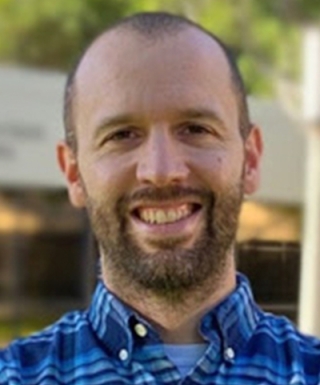
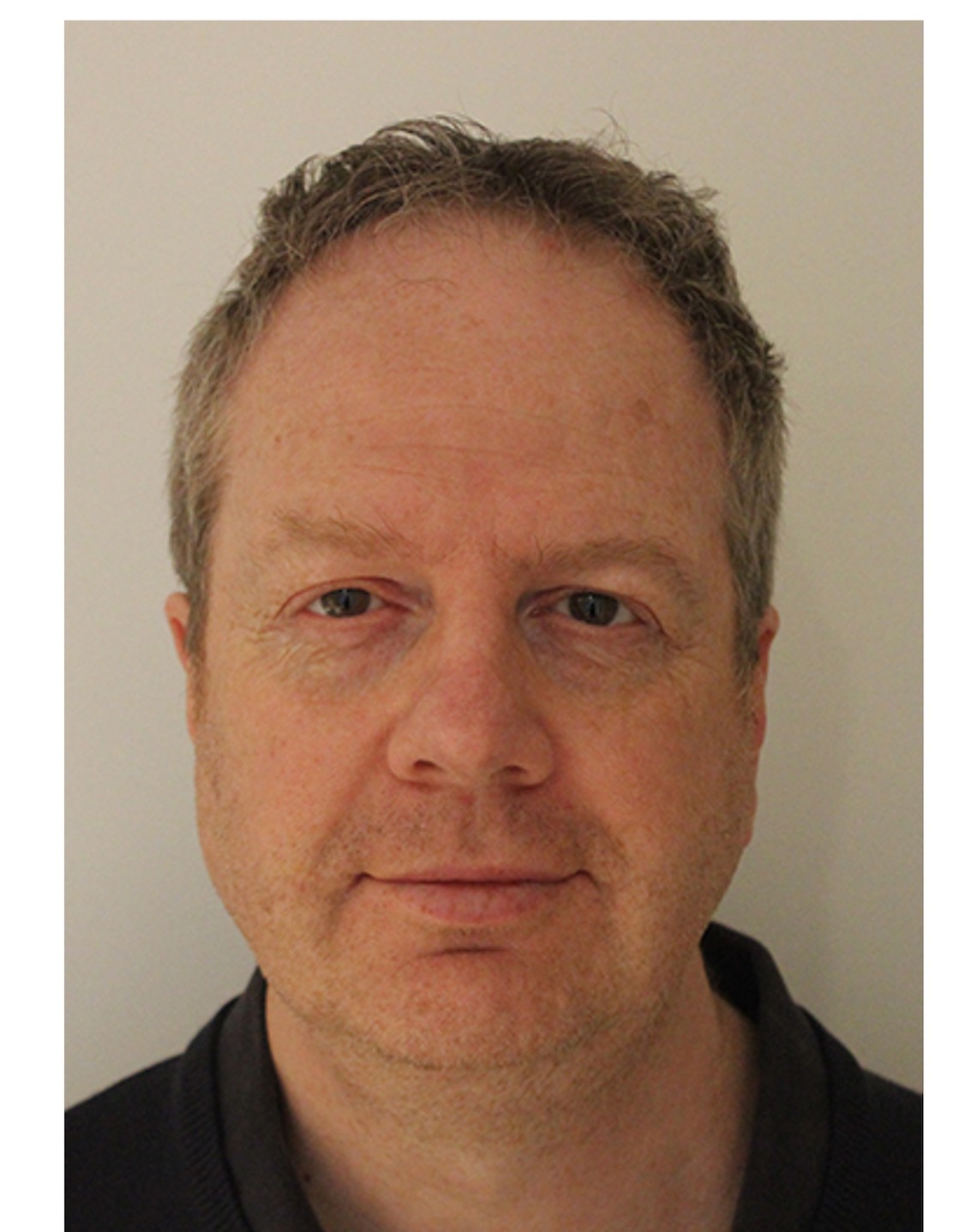
Jillian Nissen is an Associate Professor and Department Chair in Biological Sciences at the State University of New York at Old Westbury. Her research focuses on neuroscience, immunology, and medical research, particularly exploring microglial function in neurological disorders and the effects of pharmacological agents like cannabidiol (CBD). She has contributed to interdisciplinary education initiatives through micro-credentialing programs in STEM labs and developed inclusive models for undergraduate science education. Her work bridges basic science with translational research, addressing topics such as multiple sclerosis, epilepsy, and autoimmune encephalomyelitis. Her recent publications (2018–2024) highlight advancements in preclinical disease models, microglia modulation, and cannabinoid-based therapies. Nissen maintains an active laboratory focused on neuroimmunology and has pioneered experimental approaches to demyelination and remyelination processes.
Javier Diaz Alonso, PhD, is an Assistant Professor in the Department of Anatomy & Neurobiology at the University of California, Irvine School of Medicine. His research focuses on synaptic transmission, neurodevelopment, and the role of cannabinoid receptors in neural processes. He is involved in NIH-funded research (R01 MH117139) exploring mechanisms of synaptic plasticity, receptor signaling, and neurogenesis. His work integrates molecular biology, cellular neuroscience, and in vivo models to study neurological processes and disorders. Key research interests include the regulation of AMPA receptors, synaptic plasticity, and the impact of endocannabinoid systems on brain development and function. Recent studies have addressed the roles of CaMKII/NMDA receptor complexes and CB1/CB2 cannabinoid receptors in synaptic transmission and neurodevelopmental outcomes. Publications highlight contributions to understanding synaptic protein interactions (e.g., α2δ1-GluA1 complexes), myelination pathways (TACE/ADAM17), and the molecular mechanisms governing synaptic stability. Collaborative projects include investigations into phase separation of synaptic proteins and the functional implications of genetic variants in neurodevelopmental disorders. Funding and grants: NIH R01 MH117139 supports ongoing studies on neural signaling pathways. His work has implications for treating epilepsy, memory disorders, and neurodegenerative conditions through targeted modulation of synaptic and endocannabinoid systems.
Professor Gary Stephens is a Professor of Pharmacology at the University of Reading's School of Chemistry, Food and Pharmacy, Department of Pharmacy. He serves as Programme Director for the BSc Pharmacology program and holds editorial roles at the British Journal of Pharmacology and Pharmaceuticals journal. His research focuses on ion channel modulation, synaptic transmission, and the therapeutic potential of cannabinoids and psychedelics in pain, epilepsy, bipolar disorder, and ataxia. Notable projects include investigating presynaptic calcium channels and GPCRs in disease, psychedelic drug effects on pain, and plant-derived cannabinoid therapies. His research group employs patch clamp electrophysiology and brain slice studies, with a focus on molecular determinants of ion channel modulation. He is affiliated with the Calcium Channel Network, Ion Channels @ Reading, and the Centre for Neuroscience and Neurodynamics. He received the Fellowship of the British Pharmacological Society. His work spans drug discovery, natural product pharmacology, and translational neuroscience, with contributions to understanding cannabinoid and psychedelic mechanisms in neurological conditions. Key research themes include CACHD1 protein function, calcium channel targeting in pain, and psychedelic drug effects. His collaborative projects aim to bridge basic science and clinical applications, with studies on anticonvulsant cannabinoids and SUMOylation's role in neuroprotection. His publications span over three decades, emphasizing ion channel physiology, drug development, and neuropharmacology.
Stephen Waxman is the Bridget Flaherty Professor of Neurology, Neuroscience, and Pharmacology at Yale School of Medicine. He serves as Director of the Center for Neuroscience and Regeneration Research and previously chaired the Department of Neurology from 1986 to 2009. He has held faculty positions at Harvard, MIT, and Stanford prior to joining Yale. MD, Albert Einstein College of Medicine (1972) PhD, Albert Einstein College of Medicine (1970) Residency, Boston City Hospital (1975) Clinical Fellowship, Harvard Medical School (1975) Postdoctoral Fellowship, MIT (1975) Dr. Waxman’s research focuses on the molecular basis of nervous system disorders, particularly ion channel function in multiple sclerosis, spinal cord injury, and neuropathic pain. His pioneering work has elucidated how sodium channel plasticity contributes to recovery in demyelinated axons and has identified specific ion channel mutations underlying hereditary pain syndromes. He integrates molecular biology, genetics, electrophysiology, and computational modeling to develop novel therapies. His recent publications highlight advancements in automated electrophysiology, pharmacogenomics, and the discovery of new analgesic targets such as Nav1.8 and TRPM8. His work on non-addictive pain medications is currently being tested in Phase II clinical trials, and he has identified ion channels involved in osteoarthritis and pain resilience. Notable scientific awards include: Member, National Academy of Medicine Julius Axelrod Prize, Society for Neuroscience Mitchell Max Award, American Academy of Neurology Soriano Award, American Neurological Association British Physiological Society Annual Prize Dystel Prize, American Academy of Neurology Dr. Waxman has trained numerous scientists who now lead research teams worldwide. He has served on editorial boards of leading journals including Annals of Neurology , Brain , Journal of Physiology , and Nature Reviews Neurology , and is Editor of The Neuroscientist . His laboratory is actively involved in the PROPANE Neuropathy Genomics Project, CRS Injury and Repair, and the International Pain Genomics Consortium. He leads the Waxman Lab at the Center for Neuroscience and Regeneration Research, which employs state-of-the-art techniques in molecular imaging, stem cell models, and high-throughput electrophysiology to study nerve excitability and develop targeted therapies for neurological disorders.
Lauren M. Hablitz is an Assistant Professor in the Department of Neurology at the University of Rochester Medical Center , where she leads the Hablitz Lab at the Center for Translational Neuromedicine . Her research focuses on circadian synchrony , glymphatic system function , and chronotherapy in chronic neuropathic pain and stroke . Education: B.S. in Biology from Pennsylvania State University (2010) Ph.D. in Cell, Molecular, and Developmental Biology from University of Alabama at Birmingham (2015) Dr. Hablitz defined the endogenous circadian rhythm of the glymphatic system and discovered CSF distribution rhythms between brain and mandibular lymph nodes . Her work bridges circadian biology and neurovascular function , exploring how chronotherapy can improve outcomes in neurodegenerative diseases and pain disorders . Article trends show her team's focus on glymphatic system dysfunction in chronic pain models , Aquaporin-4 mechanisms , circadian disruption effects on neurovascular integrity , and peptidergic regulation via VIP/AVP signaling . Key technical approaches include in vivo imaging , confocal microscopy , and mass spectrometry . Scientific Awards: 2021 Outstanding Early Investigator Award 2020 Merit Award 2016 Tartar Trust Foundation Fellowship 2014 Trainee Award The Hablitz Lab collaborates with Dr. Maiken Nedergaard and includes Emma Waight (Technical Associate) and Eevalien Duyvesteyn (Research Assistant) . Projects span glymphatic dysfunction in chronic pain , circadian stroke rhythms , and lymphatic-glymphatic homology , using murine models and molecular manipulation .
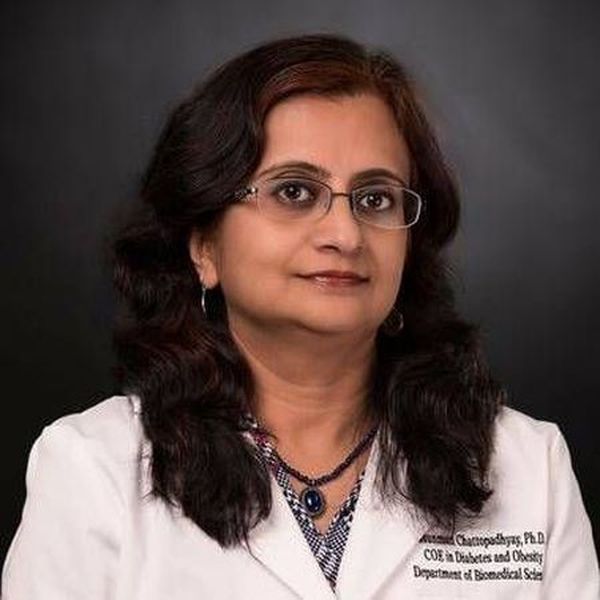
Munmun Chattopadhyay, M.Sc, Ph.D., is an Associate Professor in the Department of Molecular and Translational Medicine at Texas Tech University Health Sciences Center El Paso, where she also chairs the Institutional Animal Care and Use Committee. She earned her MS in Zoology and Ph.D. in Neurosciences from Jiwaji University, Gwalior, India, and completed postdoctoral work at the National Institute of Immunology (New Delhi) and the University of Pittsburgh (Department of Neurology). Her academic career includes junior faculty roles at the University of Michigan (2010) before joining TTUHSC El Paso in 2014. Research Focus: Inflammatory mediators in diabetic complications, epigenetic modulators in neuropathy/cardiac dysfunction/gastroparesis, natural compounds, and exercise interventions. Major Themes: 15 recent articles highlight work on diabetic neuropathy , HMGB1 signaling , epigenetic therapies , 3D bioprinting , neuroinflammation , and novel pain targets (e.g., σ(2)R/TMEM97, Ephrin-B2). Scientific Awards: Faculty Service Award (2020), TTUHSC El Paso Women Worth Watching in STEM (2022) Nominated for 3D Printing Industry Awards (2021) Dr. Chattopadhyay serves as Associate Editor and Grant Review Panelist (NIH, ADA, DoD, NSF, NIHR) and has published >43 articles and 2 book chapters, including work on stem cell delivery systems , space biology , and bioinformatics applications in translational research.
Dr. Sarah Reed is a researcher at the University of Queensland Centre for Clinical Research , where she leads the Mass Spectrometry Facility . Her work bridges proteomics, exosome biology, and inflammatory disease mechanisms. Specializes in mass spectrometry for clinical and agricultural research Key contributions to milk proteomics and reproductive biochemistry Develops exosomal biomarkers for metabolic disorders in dairy cows Her publications (2015–2023) span: Infectious disease proteomics (influenza, tuberculosis) Neurodegenerative disease metabolomics (ALS) Reproductive tissue signaling (prostaglandins in labor) Dairy cow fertility proteomics (exosome profiling) Current collaborations involve: UQ Centre for Extracellular Vesicle Nanomedicine ULTRA Clinical Trials Capability Society for Reproductive Investigation
John Irwin is an Adjunct Professor in the School of Pharmacy at the University of California, San Francisco , specializing in computational methods for drug discovery. His research focuses on molecular docking , virtual screening , and ligand discovery , with a strong emphasis on structure-based drug design and chemical informatics . Irwin's work includes developing and applying tools like ZINC Database and DOCK Blaster for large-scale compound screening. He has contributed to understanding protein-ligand interactions in targets such as opioid receptors, CFTR, and SARS-CoV-2 proteins, advancing non-covalent and covalent drug development . His publications (2025-2022) span Chemistry , Medical Informatics , and Computational Biology , with key subfields: GPCR Modulation , Neurodegenerative Disease Targets , Virtual Screening Libraries , Protein Structure Analysis , Pharmacology , and Drug Repurposing . Irwin collaborates extensively with researchers in Pharmaceutical Chemistry and Structural Biology , and his projects often involve NIH-funded grants (R01GM133836, R01GM071896).
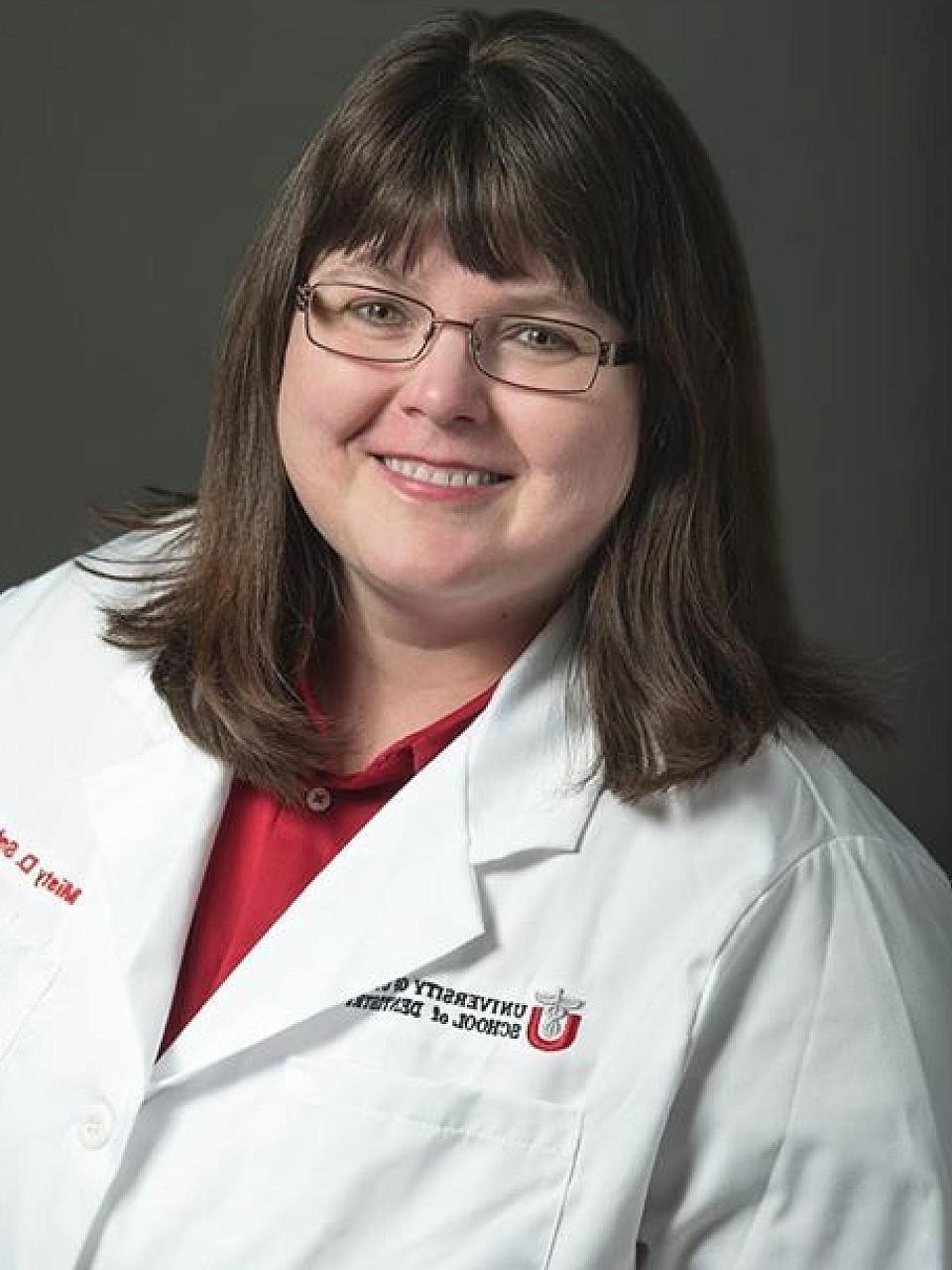
Misty D. Smith, PhD, is a Research Assistant Professor in the Department of Pharmacology & Toxicology at the University of Utah's College of Pharmacy, with a joint appointment as Research Associate Professor in the School of Dentistry's Oral Biology, Medicine, and Pathology Section. She serves as Co-Director of the Master of Science Program in Pharmacology and Toxicology and is a co-investigator in the NIH-sponsored Anticonvulsant Drug Development (ADD) Program. Dr. Smith holds a BS from Muskingum University and a PhD from the University of South Carolina School of Medicine. Her research focuses on novel therapeutic interventions for neurological disorders, with emphasis on: Pharmacotherapeutic applications of cannabidiol for epilepsy and comorbidities Drug interaction profiling of cannabinoids with conventional therapeutics Neuropeptide and endocannabinoid systems in chronic pain and substance abuse Behavioral pharmacology of neuropsychiatric conditions Her publications (2017-2022) demonstrate consistent focus on epilepsy mechanisms, antiseizure drug screening, and natural product pharmacology, utilizing rodent models to evaluate therapeutic efficacy across pain and seizure disorders. As MS Program Co-Director, she oversees graduate education in pharmacology/toxicology. She contributes to the ADD Program's $19.5M NIH-funded research on therapy-resistant epilepsy. Dr. Smith collaborates extensively within the ADD Program research team and directs laboratory investigations on glutamate transport and neuroreceptor modulation in epilepsy models.
Ziva D Cooper is a Professor-in-Residence in both the Department of Psychiatry and Biobehavioral Sciences and the Department of Anesthesiology at UCLA's David Geffen School of Medicine. She serves as Vice Chair for Research in Psychiatry and Director of the UCLA Center for Cannabis and Cannabinoids. Dr. Cooper holds a Ph.D. in Biopsychology from the University of Michigan (2007) and completed postdoctoral training in human behavioral pharmacology at Columbia University and the New York State Psychiatric Institute. Her research integrates controlled human studies, observational designs, and preclinical models to investigate therapeutic and adverse effects of psychoactive substances, with emphasis on: Cannabis and cannabinoid pharmacology Opioid-substance interactions Sex-dependent drug effects Substance use disorder mechanisms Clinical trial methodology Pain management alternatives Analysis of her 15 most recent publications reveals predominant themes: cannabis potency effects on mental health (psychosis risk, anxiety modulation), polydrug interactions (alcohol-cannabis co-use), therapeutic applications (pain, depression), public health impacts of legalization, and COVID-19-related behavioral changes. Her work consistently demonstrates methodological rigor through controlled drug-administration paradigms and large-scale epidemiological surveys. Dr. Cooper leads multiple NIH and state-funded projects, including: NIH R01DA057252: Age/sex-dependent THC pharmacodynamics CA DCC-93309: Cannabis concentrate toxicity study NIH R01AT010762: Terpene-THC interactions for pain CA DCC-93306: THC-CBD harm reduction strategies She directs the multidisciplinary UCLA Center for Cannabis and Cannabinoids and maintains active collaborations across neuroscience, public policy, and clinical disciplines.
Nat Milton is a Professor in Biomedical Science at the University of Chichester, appointed in 2024 to establish the Community Diagnostics Centre and develop new Biomedical Science courses. He holds a BSc in Biological Sciences (Zoology) from the University of Edinburgh and a PhD in Neuroendocrinology from the University of London. His international reputation spans Alzheimer’s Drug Discovery and Diagnostics, with expertise in Clinical Biochemistry, Neuroscience, and Entrepreneurship. Research Interests: Dr. Milton’s work focuses on amyloid proteins’ roles in neurodegenerative diseases, endogenous cannabinoid neuroprotection, and bioinformatics-driven drug discovery. Notable discoveries include the neuroprotective properties of anandamide against amyloid-β toxicity and the identification of kissorphin, a KiSS-1 derivative with therapeutic potential. His research also explores protein interactions in diseases like Alzheimer’s and diabetes, supported by patents on kissorphin applications. Publications & Awards: Over 60 peer-reviewed articles, including high-impact studies on amyloid-β mechanisms and cannabinoid interactions. Awards include Fellowships from the Royal Society of Biology, Institute of Biomedical Sciences, and Higher Education Academy. He has also contributed to patents on Alzheimer’s treatments and bioentrepreneurial ventures. Teaching & Leadership: Teaches Physiology, Pharmacology, and Entrepreneurship at undergraduate and postgraduate levels. Leads a research group investigating protein binding molecules and diagnostic tools. Actively supervising PhD candidates in protein interactions and neuroprotection mechanisms.
Diego Caprioglio is an Associate Professor in the Department of Pharmaceutical Sciences at the University of Eastern Piedmont Amedeo Avogadro. His research focuses on cannabinoid chemistry, phytocannabinoids, and their bioactivity, with applications in medicinal chemistry and drug discovery. He has contributed to studies on Alzheimer’s disease treatments, cancer therapeutics, and fluorescent probes for precision surgery. Key research interests include cannabinoid synthesis, natural product characterization, and the development of bioactive compounds targeting neurodegenerative and oncological disorders. His work spans from synthetic methodologies to in vivo/in vitro testing, with a strong emphasis on translational medicine. Notable projects include the development of fluorescent probes targeting gliomas and studies on cannabidiolic acids as enzyme inhibitors. He collaborates on initiatives funded by the Italian Ministry of Health, such as the 2023–2025 project on cancer stem cells and oncosurgery tools. His publications highlight advancements in cannabinoid pharmacology, including Δ8-THC’s neuroprotective effects and curcumin-based theranostics. He has also explored minor cannabinoids’ biomedical potential and optimized synthetic pathways for complex natural products like ophiopogonol.
László Hunyady is a Professor of Physiology and Head of the Department of Physiology at Semmelweis University's Faculty of Medicine, Budapest, Hungary. He has held roles including Vice-Rector for General Affairs at Semmelweis University (2012–present) and Research Professor at the Hungarian Academy of Sciences. His academic journey includes a D.Sc. (2000) from the Hungarian Academy of Sciences and a Habilitation (1997) from Semmelweis University. His research focuses on signal transduction mechanisms, particularly angiotensin II and cannabinoid receptor pathways, calcium signaling, and G protein-coupled receptor dynamics. Key areas include receptor internalization, paracrine signaling, and the interplay between endocannabinoid systems and angiotensin pathways. His work bridges molecular biology and physiological processes, with notable contributions to understanding cellular signaling in cardiovascular and endocrine systems. Hunyady has authored influential studies on receptor localization, endocannabinoid release modulation, and store-operated calcium entry mechanisms. His publications highlight advancements in bioluminescence resonance energy transfer (BRET) techniques and the role of STIM/Orai proteins. Awards: 2010: Member of the Hungarian Academy of Sciences 2007: Academy Award, Hungarian Academy of Sciences 2005: Gold Medal for Master Professors He serves on editorial boards of journals like Journal of Endocrinology and Molecular Endocrinology , and holds leadership roles in societies such as the Hungarian Physiological Society (President since 2010). His research group at Semmelweis University explores molecular mechanisms underlying physiological and pathogenic processes, with a focus on translational applications in personalized medicine.
Michael Hildebrand is a Professor in the Department of Neuroscience at Carleton University and an Affiliate Investigator at The Ottawa Hospital. He serves as Associate Vice-Provost (Graduate Student Affairs), overseeing graduate policies, student crisis mediation, and thesis defense processes across the university. His educational background includes a PhD in neurophysiology from the University of British Columbia (UBC), followed by an industrial R&D fellowship at NeuroMed Pharmaceuticals and an academic postdoctoral fellowship at Sick Kids Hospital. Hildebrand's research focuses on spinal mechanisms of pain processing using molecular, pharmacological, electrophysiological, and behavioral approaches. His lab bridges translational gaps between basic science and clinical needs by studying acute/chronic pain states in both rodent and human spinal cord models. Key interests include sexual dimorphism in pain pathways , T-type calcium channel functions , and NMDA receptor subunit contributions to identify novel pain treatment targets. Analysis of his 15 most recent publications reveals dominant trends in sex-specific pain mechanisms, human spinal cord translational models, and molecular targets like calcium channels and NMDA receptors. His work consistently integrates rodent and human tissue studies to address chronic pain's clinical challenges. Scientific recognition includes: Ronald Melzack, Canadian Journal of Pain Paper of the Year Award (2023) Hildebrand mentors undergraduate, graduate, and postdoctoral researchers while securing major funding from NSERC, CIHR, MITACS, and industry partners. His leadership extends to national roles including Chair of the Canadian Pain Society's Scientific Program Committee. The Hildebrand Lab operates within Carleton's Health Sciences Building, utilizing pioneering human spinal cord preclinical assays alongside animal models to investigate pain mechanisms and therapeutic interventions.
Malamati Kourti is an Assistant Professor in the Department of Life Sciences at the European University Cyprus, affiliated with the School of Sciences. She holds a PhD in Medicine, Pharmacy & Pharmaceutical Sciences from Cardiff University (2019), a Master of Sciences in Pharmacy from Aristotle University of Thessaloniki (2015), and a Bachelor of Sciences in Pharmacy from the same institution (2013). Her research focuses on pharmacology, cancer therapy, drug design, neurodegenerative diseases, and the development of antioxidant and anti-inflammatory agents. Key projects include combining carbon monoxide-releasing molecules (CORMs) with anti-VEGF therapies for triple-negative breast cancer and exploring the neuroprotective roles of cannabinoids and antioxidants in Alzheimer’s and Parkinson’s diseases. Publications Overview: Her work spans anti-angiogenic therapies, nanotechnology-based drug delivery, and oxidative stress modulation. Recent studies highlight advancements in multi-omics analysis of cancer immunology and targeted therapies using graphene-chitosan composites. Awards: Recognized with Cardiff University’s PhD scholarship (2015), a Rewarding Scholarship for Excellence (2010), and a Greek State Scholarship for Excellence (2009). Grants & Projects: Lead researcher on projects like ‘Combining CORM-3 with anti-VEGF therapy for breast cancer’ (2015–2018) and ‘Anti-dyslipidemic morpholines’ (2013–2015). Active in academic consulting and editorial roles.