Silvia Jiménez Fernández is an Associate Professor in the Department of Signal Theory and Communications at Universidad Autónoma de Madrid. Her research focuses on optimization algorithms, smart grids, renewable energy systems, telemedicine, and machine learning applications. She holds a Ph.D. from Universidad Politécnica de Madrid (2009), supervised by Dr. Francisco del Pozo Guerrero and Dr. Paula de Toledo Heras. Her work integrates interdisciplinary approaches, such as combining evolutionary algorithms with engineering challenges in energy systems and healthcare. Key contributions include advancements in coral reefs optimization algorithms for energy management, machine learning for battery health estimation, and telemedicine systems for chronic disease monitoring. Recent research trends emphasize hybrid learning models in education, multi-objective optimization in renewable energy systems, and risk analysis in smart grids with electric vehicles. She is affiliated with the GHEODE Research Group (Modern Heuristics and Network Design).
Dr. Kim O'Sullivan is a Senior Research Fellow and head of the Translational Kidney Therapies Group at the Centre for Inflammatory Diseases (CID), Monash Health Translational Precinct, affiliated with Monash University’s Faculty of Medicine, Nursing and Health Sciences. She holds a PhD in Immunology from Monash University and completed her undergraduate and Master’s studies in Anatomy and Structural Biology at the University of Otago, New Zealand. Her work is centered on developing novel therapies for autoimmune kidney diseases, particularly ANCA-associated vasculitis (AAV), glomerulonephritis, and lupus nephritis. Her research focuses on: Neutrophil Extracellular Traps (NETs) and their role in inflammation Gene therapy using adeno-associated viral vectors to deliver DNase I Therapeutic potential of bacterial exosomes Gut microbiome interactions, especially Muribaculaceae and SCFAs Immune tolerance and host defense preservation Her recent publications (2023–2024) reflect a strong trend in translational immunology, with emphasis on microbiome-immune crosstalk, novel biologics, and gene-based interventions. She has published in high-impact journals such as Frontiers in Immunology , International Journal of Molecular Sciences , and Journal of Immunology . Her scientific contributions have been recognized through several awards: Australian and New Zealand Society of Nephrology Young Investigator Award (Winner, 2016) ANZSN Basic Science Award (Finalist, 2020) Multiple ANZSN Travel Awards (2014, 2016, 2017) Kim O'Sullivan actively supervises Honours and PhD students and leads multiple research projects funded by NHMRC and MRFF. She serves on the ANZSN Scientific Programme and Awards Committee (SPARC), is a Review Editor for Frontiers in Immunology , and sits on the editorial boards of International Journal of Molecular Sciences and Journal of Integrated Medicine in Nephrology and Andrology . She is also a peer reviewer for top journals including Journal of Clinical Investigation and Kidney International . She leads the CID weekly seminar series and chaired the ImmuMON21 symposium. Her commitment to equity in STEM includes mentoring through BrainSTEM and past involvement in the ANZSN Equity, Diversity and Inclusion Committee.
Prof. Dr. Andreas Pichlmair is an Associate Professor at the Technical University of Munich (TUM) since 2017, leading the Immunopathology of Viral Infections group within the TUM School of Medicine and Health . His research focuses on understanding virus-host interactions, particularly the innate immune response to viral pathogens. He earned his DVM (2004) from the University of Freiburg and PhD (2008) from Cancer Research UK, followed by postdoctoral work at the Center for Molecular Medicine in Vienna (2008-2011) and a Max Planck Free Floater Program (2011-2017). Research Interests : His lab investigates viral sensing mechanisms, antiviral immunity, and systems-level proteomic approaches to dissect host-pathogen dynamics. Key areas include RIG-I signaling, IFIT protein function, and novel cell death pathways like oxeiptosis. His work integrates mass spectrometry, functional genomics, and in vivo models to identify host factors critical for viral replication and immune evasion. Awards : Loefler Frosch Prize (2013) Pontecorvo Prize (2008) Golden Badge of Honor (2006) Lab Team : Includes PhD students (e.g., Valter Bergant, Yiqi Huang) and postdocs (e.g., Pietro Scaturro, Alexey Stukalov). The group collaborates extensively on SARS-CoV-2 research and antiviral drug discovery.
John Albeck is a Professor in the Department of Molecular and Cellular Biology at the University of California, Davis, within the College of Biological Sciences. He leads the Albeck Lab, which is dedicated to understanding the dynamic behavior of signaling pathways such as ERK, Akt, AMPK, and mTOR in regulating cell growth, survival, and metabolism. His research combines live-cell imaging with computational modeling to decode how temporal signaling patterns determine cell fate decisions. He is affiliated with the Biochemistry, Molecular, Cellular and Developmental Biology (BMCDB) Graduate Group and actively mentors graduate students and postdoctoral researchers. Position: Professor Institution: University of California, Davis Department: Molecular and Cellular Biology Graduate Program: BMCDB Lab Website: albecklab.ucdavis.edu Education: B.A. in Biological Sciences, Cornell University, 2000 Ph.D. in Computational and Systems Biology, Massachusetts Institute of Technology, 2007 Dr. Albeck's research focuses on the information flow in signal transduction networks , particularly how dynamic activation patterns encode specificity in cellular responses. His lab uses genetically encoded fluorescent biosensors to track signaling events in real time across single cells, integrating this data with computational models to predict cellular behaviors. This approach addresses how a limited set of pathways can control diverse outcomes like proliferation, apoptosis, and autophagy. A major goal is to improve cancer therapies by predicting how cells respond to targeted inhibitors, especially in the context of heterogeneous and adaptive responses. His recent publications highlight work on ERK signaling dynamics , inflammatory responses in airway cells , and the development of biosensors for FGF and AMPK. These studies employ advanced techniques such as cyclic immunofluorescence (4i) , machine learning , and ordinary differential equation (ODE) modeling to infer signaling history from fixed-cell data. The lab also develops computational tools for data analysis, including automated cluster detection and spectral unmixing. Scientific Contributions and Trends: Deciphering how temporal patterns in ERK activity correlate with downstream gene expression (e.g., Fra-1, pRb, Egr-1) Modeling signaling dynamics to predict cell fate under therapeutic inhibition Investigating spatiotemporal signaling clusters in epithelial inflammation Developing Red-FRET biosensors for AMPK and ERK Exploring metabolic signaling and immune modulation by lactate Dr. Albeck advises a diverse group of graduate students and has trained several postdoctoral researchers who have gone on to careers in academia and biotechnology. His lab fosters a collaborative environment that bridges experimental biology and computational analysis. While no formal awards are listed in the provided text, his lab's recognition through publications in high-impact journals and integration into major research initiatives (e.g., UC Davis Lung Center T32 training) underscores his impact. The lab also supports research through internal grants and collaborative projects focused on cancer signaling and lung biology. Laboratory and Team: The Albeck Lab includes graduate students, postdoctoral researchers, and staff scientists working on projects ranging from biosensor development to single-cell data analysis. Current team members include Christi Abbate, Elijah Kofke, and Marion Hardy (graduate students), and staff such as Michael Pargett and Carolyn Teragawa. The lab emphasizes interdisciplinary training and open science, with code and methods shared via GitHub.
Emily Hobson is a Lecturer in Pharmacology at the School of Chemistry, Pharmacy and Pharmacology, University of East Anglia (UEA), where she also earned her BSc in Pharmacology and Drug Discovery in 2019. She completed her PhD in cancer biology at UEA's School of Pharmacy, focusing on the transcription factor Nrf2 in lung and melanoma cancers. She has held prior teaching positions as Lecturer in Cell Biology and Immunology at UEA before moving to her current role in 2024. Education: Bachelor of Science in Pharmacology and Drug Discovery, University of East Anglia (2019) Her primary research interests lie in cancer biology and inflammation , with a focus on identifying and validating novel drug targets and understanding dysregulated signaling pathways in cancer. She is also actively involved in pedagogical research , having achieved Fellowship of the Higher Education Academy in 2024, reflecting her commitment to teaching excellence. While no publications are listed in the provided text, her work appears to bridge translational pharmacology and cancer therapeutics, as evidenced by her research project on cancer medicines development. Her professional engagement suggests a strong interdisciplinary and educational focus. Scientific and Professional Affiliations: Chair, Early Career Pharmacologists Advisory Group (ECPAG), British Pharmacological Society (2022–2024) Member, Early Career Pharmacologists Advisory Group (ECPAG), British Pharmacological Society (2022–present) Early Career Representative, Norwich Cancer Research Network (2020–present) Emily serves as the Outreach and Engagement Officer for her School and is the module organiser for PHAP6015B. She led a research project funded by the British Pharmacological Society titled Cancer medicines: From the laboratory to the patient (Jan–Feb 2023), indicating active engagement in both research and public communication of science. She is involved in team-based cancer research networks and contributes to institutional and national initiatives supporting early-career pharmacologists. Her future work is likely to expand on targeted cancer therapies and innovative teaching methods in pharmacology.
Charles Brenner is the Alfred E. Mann Family Foundation Chair in Diabetes and Cancer Metabolism and Professor at the Department of Diabetes & Cancer Metabolism, Beckman Research Institute, City of Hope, Duarte, CA. He previously held leadership roles at the University of Iowa, Dartmouth Medical School, and Thomas Jefferson University. His research focuses on disturbances in nicotinamide adenine dinucleotide (NAD) in metabolic stress-related diseases, including diabetes, cancer, postpartum, coronavirus infection, and neurodegenerative conditions. He pioneered the discovery of nicotinamide riboside as a vitamin precursor of NAD and developed quantitative metabolomic technologies to study NAD system dysregulation. Education: Ph.D. in Cancer Biology, Stanford University (1988-1993) B.A. with honors in Biology, Wesleyan University (1979-1983) Key Research Areas: NAD Metabolomics, Systems Biology, Coronavirus Biology, Postpartum & Lactation, Diabesity, Cancer Targeting. His work spans translational applications of NAD precursors to address metabolic dysfunction in diverse pathological contexts. Scientific Awards: Fellow of the American Association for Advancement of Science (2012) ASBMB Award for Exemplary Contributions to Education (2016) Dartmouth Technology Transfer Innovation Award (2018) American Society of Nutrition Mary Swartz Rose Award (2020) Professional Leadership: He has chaired editorial boards (ASBMB Today), served on publications committees (ASBMB), and co-chaired FASEB conferences on NAD metabolism. His lab at City of Hope continues to explore NAD-based interventions for diseases like fatty liver, diabetes, and cancer.
Kaiyu Fu is an Assistant Professor in the Department of Chemistry and Biochemistry at the University of Notre Dame, where she leads a multidisciplinary research lab at the intersection of electrochemistry, nanoscience, and synthetic biology. Her work aims to develop ultrasensitive analytical platforms for biomedical applications, particularly in point-of-care diagnostics and chronic disease management. Education: Ph.D. in Chemistry, University of Notre Dame (2018) M.S. in Polymer Chemistry, Fudan University, China (2014) B.E. in Polymer Science & Engineering, Sichuan University, China (2011) Her research focuses on three core areas: (1) nanoscale electrochemistry enabling single-entity detection; (2) electrochemical biosensors for real-time, in vivo monitoring of therapeutic agents; and (3) nanobiotechnology, including DNA nanotechnology and directed evolution of nucleic acids for precise molecular recognition. Her lab develops innovative instrumentation and materials to overcome biofouling and enhance sensor performance. The recent publications highlight a strong trend toward implantable and miniaturized sensing systems, with applications in cancer therapeutics, drug delivery, and infectious disease diagnostics. These works span advanced materials, surface engineering, and hybrid electrophotonic systems. Scientific Awards: ACS Division of Analytical Chemistry Graduate Fellowship (2018) J. Peter Grace Fellowship, University of Notre Dame (2014–2015) Kaiyu Fu advises graduate students and postdoctoral researchers, and her lab actively recruits creative and dedicated individuals. She has secured research funding to support her innovative work in biosensor development and has contributed to significant advances in electrochemical detection mechanisms, including electron transfer acceleration in nanostructured electrodes and surface charge engineering for molecular discrimination. Her collaborative work with teams at Stanford and other institutions further strengthens her research impact. The Fu lab is engaged in developing next-generation diagnostic platforms, including implantable microelectrode arrays for intratumoral pharmacokinetic monitoring and hydrogel-based aptamer switches for real-time signaling molecule detection. These projects involve interdisciplinary teams working across chemistry, engineering, and biomedical sciences.
Jean-Claude Labbé is Full Professor in the Department of Pathology and Cell Biology, Faculty of Medicine, Université de Montréal, and Principal Investigator of the “Cell Division and Differentiation” research unit at the Institute for Research in Immunology and Cancer (IRIC). Recruited in 2005, he leads an internationally recognized program that exploits the nematode C. elegans to decipher the molecular logic governing stem cell division, polarity and tissue organization. Education & Training: PhD in Biochemistry, Université de Montréal (supervisors: Luis A. Rokeach & Siegfried Hekimi) Postdoctoral Fellow, Department of Biology, University of North Carolina at Chapel Hill, USA (with Bob Goldstein) Postdoctoral Fellow, Institute of Biochemistry, ETH Zurich, Switzerland (with Monica Gotta) Research Focus: His laboratory investigates how germline stem cells balance self-renewal and differentiation through oriented divisions that maintain contact with the distal tip cell niche, and how syncytial germline architecture is established, expanded and maintained. These studies integrate advanced live-cell imaging, quantitative image analysis, genetics and biochemistry, and provide fundamental insights relevant to mammalian development, tissue regeneration and cancer. Funding & Awards: Canada Research Chair in Cell Division and Differentiation (2006–2016) CIHR New Investigator Award (2005–2006) Ongoing operating grants from CIHR, NSERC and the Cancer Research Society Team & Mentorship: He currently mentors several graduate students (Mohamed Réda Zellag, Kimia Zarnani, Léa Lacroix) and research associates within a vibrant, collaborative environment at IRIC.
Eric F. Lock is an Associate Professor in the Division of Biostatistics & Health Data Science at the University of Minnesota's School of Public Health. He is also a Member of the Masonic Cancer Center (MCC) and has been at the University of Minnesota since 2014, after completing his PhD in Statistics from the University of North Carolina in 2012 and a postdoctoral fellowship in Statistical Genomics at Duke University in 2014. Lock's research focuses on developing methods for the analysis of multi-faceted high-dimensional data, particularly in "omics" fields such as genomics, metabolomics, and proteomics. His work emphasizes the integrated analysis of data from multiple sources (e.g., gene expression, metabolomics, imaging) or measured in multiple dimensions (e.g., multiple tissue types or body regions). He also specializes in exploratory factorization and clustering methods, and Bayesian nonparametric inference. His recent publications demonstrate significant contributions to tensor data imputation (BAMITA), matrix decomposition (EV-BIDIFAC), and methods for handling complex genomic data. His work bridges statistical theory with practical applications in molecular biology, addressing challenges in data integration across multiple biological measurement platforms. Delta Omega, Honorary Society in Public Health (2019) As an active researcher and educator, Lock serves on dissertation committees, including for Mykhaylo M. Malakhov who recently defended his PhD at the University of Minnesota School of Public Health. He is involved in organizing and participating in major conferences such as STATGEN 2025, demonstrating his leadership in the biostatistics community.
Elif Nur Fırat Karalar is an Associate Professor at the Department of Molecular Biology and Genetics in Koc University 's School of Engineering and Natural Sciences. She serves as Director of the Sponsored Research Office and leads the Cytoskeleton Research Laboratory (CytoLab) , focusing on centriolar satellites, cilia, and their roles in developmental disorders and ciliopathies. Her lab has pioneered studies on microtubule-associated proteins like CCDC66 and CCDC15. PhD, University of California, Berkeley (2010) BSc, Bilkent University (2004) Her research explores membrane-less organelles, cellular signaling, cytoskeletal networks, and mitotic control mechanisms. Recent work includes ERC-funded projects on centriolar satellite homeostasis and TÜBİTAK grants dissecting ciliopathy protein functions in cell migration. She employs advanced techniques like U-ExM expansion microscopy and Superresolution Imaging Core (KUSIM) . Scientific recognitions include: 2024 - EMBO Member 2023 - ERC Starting Grant (second award) 2021 - TUBITAK Incentive Award 2019 - EMBO Young Investigator 2015 - ERC Starting Grant Elif Nur Fırat Karalar has successfully mentored multiple graduate students including Melis Dilara Arslanhan (PhD 2023) , Dila Gulensoy (MSc 2023) , and Şevket Onur Taflan (MSc 2021) . Her lab has received substantial funding from TÜBİTAK , EMBO , Royal Society , and IBG Science Medal . CytoLab actively participates in international conferences like Cilia2024 and organizes workshops such as the Advanced Imaging in Life Sciences series.
Professor Margaret Ashcroft is a Principal Investigator at the University of Cambridge, Department of Medicine, and affiliated with the Cambridge Immunology Network. Her research focuses on hypoxia signaling, mitochondrial biology, and their roles in cancer, angiogenesis, ischemia, and metabolism. Institution: University of Cambridge Department: Department of Medicine Research Trends: Her recent work explores mitochondrial gene regulation (e.g., CHCHD4) in tumour growth, hypoxia-induced metabolic adaptations, and HIF signaling in both cancer and viral contexts. Studies include ischemic tolerance mechanisms and mitochondrial disulfide relay systems. Scientific Focus: Key subfields include tumour cell viability under hypoxia, epithelial-mesenchymal transition, and hypoxia's role in viral replication (e.g., HIV). Her publications emphasize translational immunology and metabolic homeostasis.
Dr. Virginia Pedicord is a Principal Investigator at the University of Cambridge's Department of Medicine and the Cambridge Institute of Therapeutic Immunology & Infectious Disease (CITIID). She leads the Pedicord Lab within the Cambridge Immunology Network as a Sir Henry Dale Fellow, a prestigious research fellowship jointly funded by the Royal Society and Wellcome Trust. Her research focuses on understanding the complex interactions between gut microbiota, host immunity, and disease pathogenesis. Dr. Pedicord received her PhD in Immunology and Microbial Pathogenesis from Cornell University under the supervision of Dr. James P. Allison at Memorial Sloan Kettering Cancer Center, where she studied CD8+ T cell biology. She completed her postdoctoral training at the Rockefeller University before joining the University of Cambridge in 2018. Her laboratory employs a multi-disciplinary approach combining functional metagenomics, in vivo models, cellular immunology, transcriptomics, and proteomics to investigate how commensal microbes influence host intestinal and systemic physiology. Research focuses on gut microbiota's role in immune responses and pathogen resistance Investigates how gut microbes and microbial metabolites affect resistance to infection Studies local and systemic T cell responses and gut-brain axis of neuronal function Uses functional metagenomics to identify cellular and molecular targets of microbiota-mediated immunity Dr. Pedicord's recent publications demonstrate a strong focus on how specific gut bacteria like Enterocloster clostridioformis protect against pathogens such as Salmonella, how microbial metabolites enhance cancer immunotherapy, and the role of the microbiome in various disease contexts including pancreatic cancer and inflammatory bowel disease. Her work bridges fundamental microbiome research with potential therapeutic applications. Scientific Recognition: Sir Henry Dale Fellow (2018) Dr. Pedicord's research program aims to provide mechanistic insights into host-microbiota interactions that will advance our understanding of infectious diseases, autoimmune disorders, and cancer, potentially enabling new therapeutic approaches. Her laboratory is situated at the Jeffrey Cheah Biomedical Centre on the Cambridge Biomedical Campus.
Professor Anne Ferguson-Smith is a leading mammalian developmental geneticist and epigeneticist at the University of Cambridge, holding the Arthur Balfour Professorship of Genetics. As Pro-Vice-Chancellor for Research, she oversees the university's research strategy while maintaining her laboratory's focus on genomic imprinting and epigenetic inheritance . Her work bridges experimental and computational approaches through affiliations with the Cambridge Stem Cell Institute, Cambridge Neuroscience, and the Centre for Trophoblast Research. Research in her lab investigates epigenetic mechanisms in developmental processes , particularly through the lens of Dlk1-Dio3 imprinted domain studies. Current themes include: Stem cell epigenetic programming Environmental modulation of epigenetic states Role of repetitive elements in genomic regulation Her group integrates mouse and zebrafish models with high-throughput genomics and mathematical modeling . Key collaborations include: Wellcome Trust UKRI Medical Research Council BBSRC NIH Scientific honors include: Elected EMBO Member (2006) Academy of Medical Sciences (2012) Fellow of the Royal Society (2017) Commander of the Order of the British Empire (CBE) The lab maintains family-friendly research practices and actively participates in interdisciplinary collaborations across Cambridge and internationally.
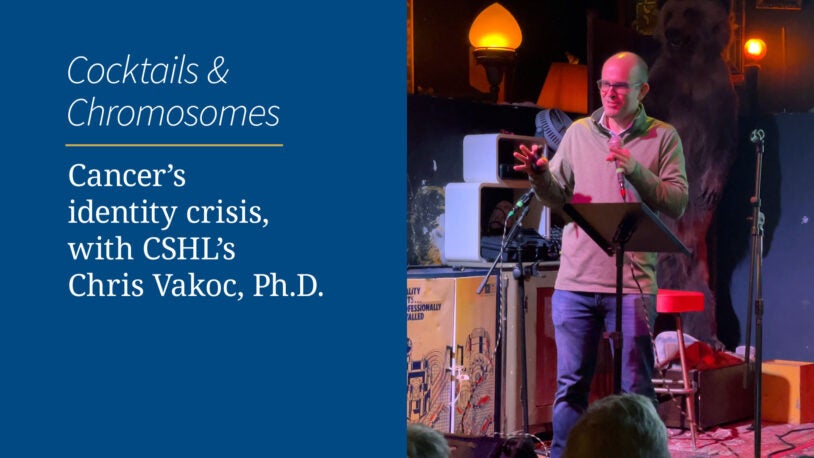
Christopher Vakoc is a Professor at Cold Spring Harbor Laboratory (CSHL), holding the Alan and Edith Seligson Professorship of Cancer Research and serving as Deputy Director of the Cancer Center. His work focuses on understanding how epigenetic dysregulation contributes to cancer pathogenesis, with particular emphasis on epigenetic dependencies and lineage plasticity. Dr. Vakoc's research investigates how transcription factors and chromatin regulators control gene expression in cancer cells. His lab employs high-throughput CRISPR-based genetic screens to identify critical epigenetic regulators in specific cancers. A significant finding from his work demonstrated that blood cancers are often vulnerable to targeting transcriptional coactivators like BRD4 and the SWI/SNF chromatin remodeling complex. His team showed that BRD4 inhibition has therapeutic effects in leukemia mouse models, leading to ongoing clinical trials. Analysis of Vakoc's recent publications reveals a strong focus on pancreatic cancer mechanisms, particularly basal-like identity and lineage plasticity. His work on the MED12-ΔNp63 interaction in pancreatic cancer represents a major breakthrough in understanding how cancer cells lose their original identity. Additionally, his research spans acute myeloid leukemia, sarcoma, lung cancer, and glioma, with consistent themes of epigenetic regulation and identification of novel therapeutic targets. Scientific awards recognizing his contributions include: Paul Marks Prize for Cancer Research AACR Outstanding Achievement in Cancer Research Award Pershing Square Sohn Prize Long Island Excellence in Healthcare Award (2023) Burroughs Welcome Fund Career Award for Medical Scientists Dr. Vakoc actively mentors numerous graduate students and postdoctoral fellows, with several former trainees now holding prominent positions in academia and industry. His research is supported by multiple grants including funding from the National Cancer Institute, Pershing Square Sohn Cancer Research Alliance, and National Institutes of Health. The Vakoc Laboratory serves as a hub for innovative cancer epigenetics research, employing cutting-edge CRISPR screening technologies to reveal new therapeutic opportunities across multiple cancer types.
Yulia Y Tyurina serves as a Research Professor in the Department of Environmental and Occupational Health at the University of Pittsburgh. Her research focuses on the fundamental role of phospholipids and their oxygenated species in cell death pathways including apoptosis, necroptosis, ferroptosis, and mitophagy. She discovered that cardiolipin oxygenated species are essential for apoptotic execution and serve as an 'eat-me' signal for mitochondrial quality control via mitophagy. Dr. Tyurina's educational background includes: 1988: Master of Biochemistry from Saint Petersburg State University, Saint Petersburg, Russia 1995: PhD in Biochemistry from the Institute of Evolutionary Physiology and Biochemistry, Russian Academy of Science, Saint Petersburg, Russia Her research program centers on redox lipid signaling mechanisms in cell death. She has demonstrated that phospholipid peroxidation drives ferroptosis through complex oxidation signatures and identified key roles for 15-lipoxygenase products. This work bridges basic biochemistry with translational applications in cancer, neurodegeneration, and inflammatory diseases, revealing how lipid oxidation products function as death signals across diverse biological contexts. Analysis of her 15 most recent publications (2020-2022) shows consistent focus on lipid peroxidation in ferroptosis across multiple disease models. Her work spans from cyanobacterial cell death to human pathologies including lung injury, SARS-CoV-2 complications, and cancer, with recurring mechanistic themes involving 15-lipoxygenase, cardiolipin oxidation, and mitochondrial dysfunction. Methodologies include advanced lipidomics, molecular imaging, and genetic models. Scientific awards were not mentioned in the provided information. Details about student advising and grant funding were not provided in the available text. Dr. Tyurina operates within a prominent redox biology research group led by Dr. Valerian E. Kagan at the University of Pittsburgh, maintaining extensive collaborations across departments and institutions as evidenced by her co-authorship network spanning immunology, oncology, and infectious disease research.