Norwegian University of Science and TechnologyNorway
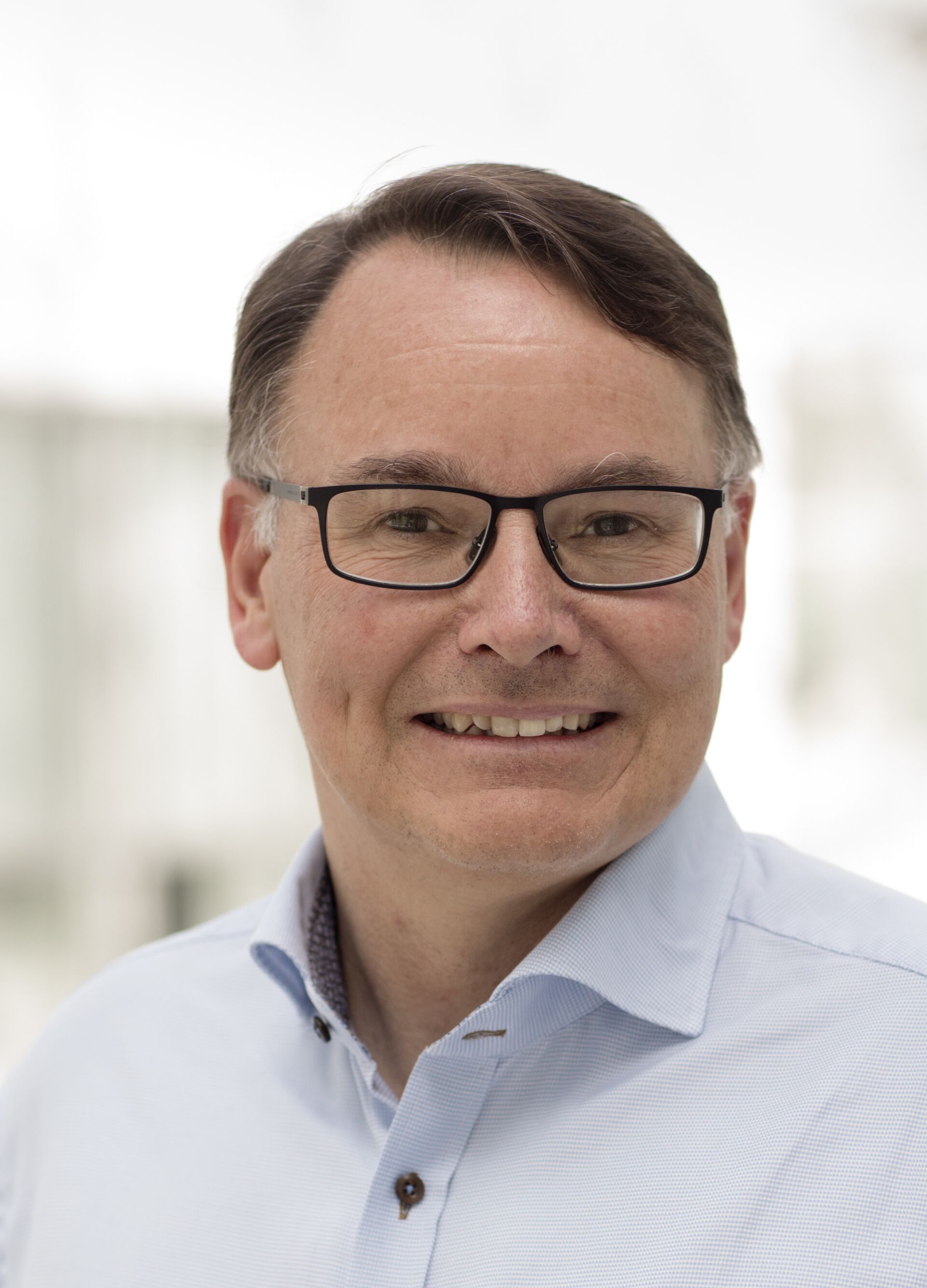
Terje Andreas Eikemo is a Professor at the Department of Sociology and Political Science , Norwegian University of Science and Technology (NTNU) , and Head of the CHAIN research center . His work focuses on the intersection of social inequality , public health , and global policy , emphasizing how socioeconomic factors like education , income , and welfare systems influence mortality , chronic diseases , and mental health . He combines theories from sociology , epidemiology , and medicine to address health disparities across diverse contexts, including pandemics , climate change , and migration . 2009: Prize for Young Researchers in the Humanities 2010: SINTEF Prize for Outstanding Research 2014: NTNU Star Program Eikemo has published extensively in top journals like The Lancet and BMJ Open , with research themes spanning social determinants of health , policy interventions , and global health equity . His work includes GBD studies , European Social Survey analyses , and refugee health assessments. He serves as Editor-in-Chief of the Scandinavian Journal of Public Health and collaborates with international bodies like WHO and UNESCO .
Kjetil Taskén is a full Professor at the Institute for Clinical Medicine, Faculty of Medicine, University of Oslo , and serves as the Director of the Institute for Cancer Research, Oslo University Hospital . He leads the OUS Center for Precision Medicine in Cancer (SEPREK) since 2021 and has held multiple leadership roles in molecular medicine initiatives, including Director of the Norwegian Centre for Molecular Medicine (NCMM) and co-founder of Bioteknologisenteret. Current affiliations: University of Oslo | Oslo University Hospital Education: Dr.med. (Molecular Cell Biology) | Cand.med. | Research Leadership Course Research interests include immunoregulation in cancer , precision oncology , cellular signal transduction in disease , and drug development targeting immune checkpoints . His work bridges translational immunology and molecular oncology , with a focus on regulatory T cell modulation for cancer therapy. Scientific contributions span high-impact publications on regulatory T cell inhibition , precision medicine implementation , and signal pathway drug targeting . Recent articles highlight collaborations across Europe (PCM4EU, PRIME-ROSE) and Norway (IMPRESS-Norway), with methodological advances in tumor microenvironment modeling and mutation timing analysis . Awards : King Olav V Cancer Research Prize | Anders Jahre Medical Prize | Faculty Medal (UiO) | Norwegian Academy of Science and Letters Leadership : Director of NCMM | Founder of Bioteknologisenteret | Head of multiple national cancer research initiatives Labs and teams include the Cancer Immunology Section at Oslo University Hospital and affiliations with the K. G. Jebsen Center for B-Cell Malignancies , where he co-leads research groups.
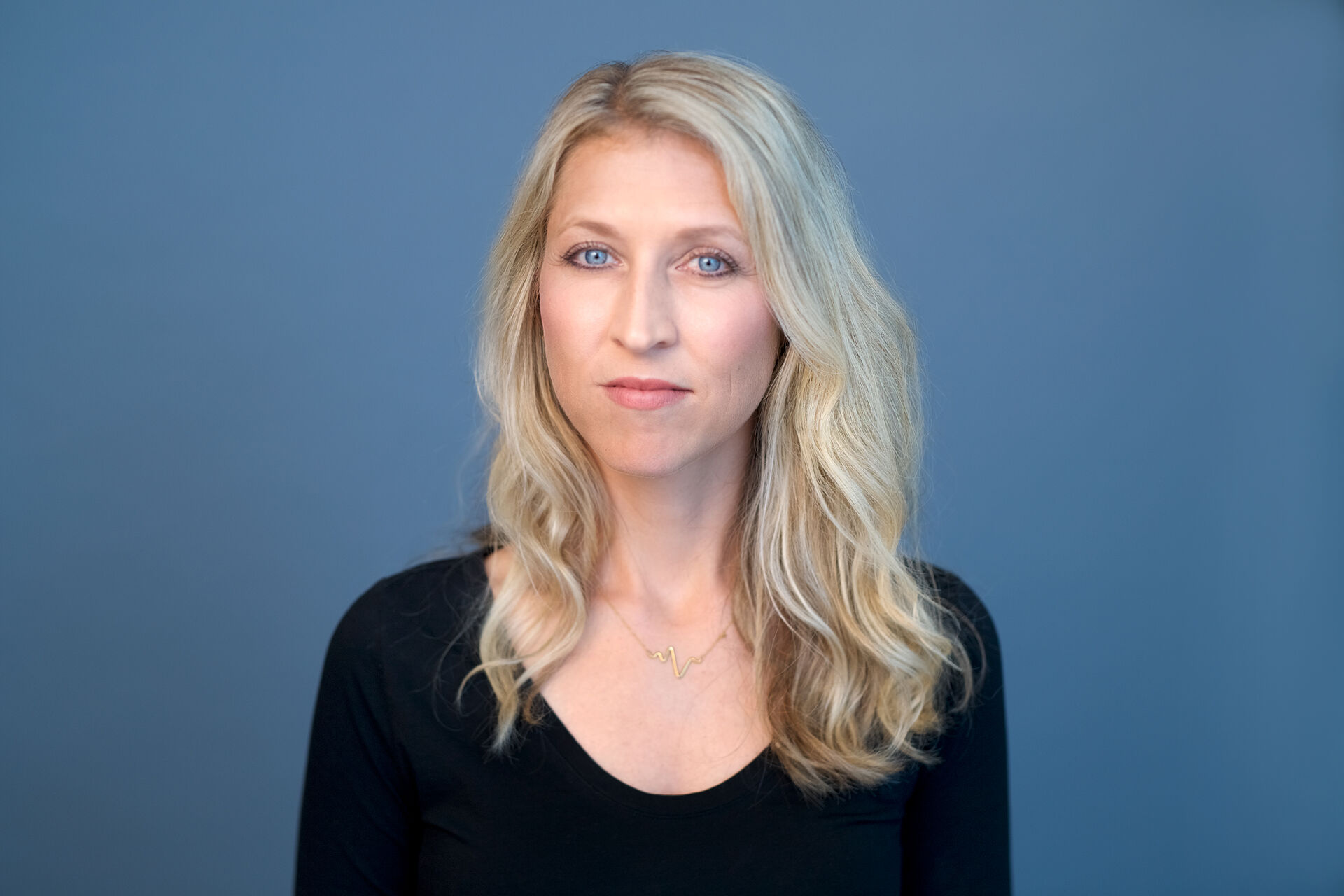
Silje Endresen Reme is a Professor of Health Psychology at the Department of Psychology, University of Oslo. She also serves as a clinical psychologist at the Department of Pain Management and Research, Oslo University Hospital (OUS). Her academic journey includes postdoctoral work at Harvard School of Public Health and visiting research roles at King’s College London. She holds a PhD in Psychology from the University of Bergen. Her research focuses on chronic pain mechanisms, stress and coping strategies, occupational rehabilitation, and the psychology of religion. Key grants include a 2023 Research Communication Prize, a 2018 Norwegian Cancer Society grant for breast cancer surgery interventions, and a 2013 Research Council of Norway grant for youth disability prevention. Reme has authored over 100 peer-reviewed articles. Recent work addresses postsurgical pain management, partner dynamics in chronic pain, and psychological interventions for medically unexplained symptoms. She leads projects on Individual Placement and Support (IPS) for patients with chronic pain and mental health conditions. Her awards highlight contributions to both clinical practice and academic rigor. Ongoing projects include evaluations of hypnotic interventions for brain injury rehabilitation and the role of perceived injustice in chronic pain recovery.
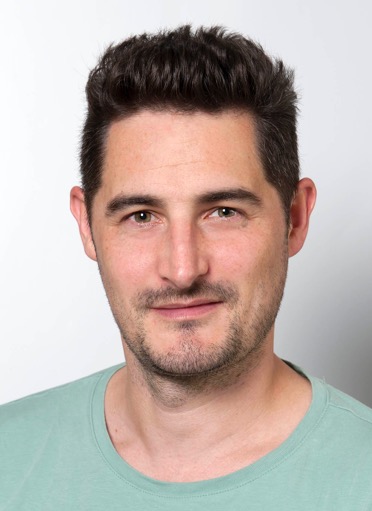
Alvaro Köhn-Luque is an Associate Professor at the Oslo Center for Biostatistics and Epidemiology, University of Oslo, and Group Leader at the Department of Medical Genetics, Oslo University Hospital. His work bridges mathematical modeling with clinical applications, particularly in cancer research. His academic background includes a PhD in Mathematical and Computational Biology from Complutense University of Madrid (2012), preceded by multiple Master's degrees in Mathematics and Physics from Spanish universities. Dr. Köhn-Luque's research focuses on mathematical oncology , developing computational models to understand cancer dynamics and improve treatment strategies. His work spans multiscale modeling of tumor growth, personalized cancer medicine through computer simulations, and biomarker discovery using machine learning approaches. He has made significant contributions to modeling breast cancer progression and treatment response, particularly in the context of endocrine therapy and CDK4/6 inhibition. His recent publications demonstrate a strong trend toward integrating mechanistic learning approaches that combine mathematical models with machine learning techniques. This hybrid methodology allows for more accurate prediction of treatment outcomes while maintaining biological interpretability. His work frequently involves collaboration with clinical researchers to ensure models are grounded in real patient data and have direct translational potential. Computational modeling of tumor heterogeneity and drug response Development of methods for phenotypic deconvolution in cancer cell populations Integration of multi-omics data for personalized treatment prediction Application of birth-death processes to model tumor evolution Creation of user-friendly computational tools for biomedical researchers Dr. Köhn-Luque has supervised multiple PhD students including Even M Myklebust, Salim Ghannoum, and Xiaoran Lai, and has secured funding for projects including RESCUE, BigInsight, and Integreat. His research demonstrates a consistent trajectory from theoretical mathematical biology toward increasingly clinically relevant applications in personalized cancer medicine.
Emily Annika Burger is a Professor at the Department of Health Management and Health Economics, University of Oslo, where she leads research on health economics and cancer prevention. She holds a PhD from the University of Oslo and maintains a joint appointment as Research Scientist at Harvard T.H. Chan School of Public Health. Her education includes an MPhil from the University of Oslo and a BS from the University of Denver. Her research applies mathematical modeling to evaluate health policies, with emphasis on HPV vaccination strategies, cervical cancer screening, and cost-effectiveness analyses in global health contexts. Primary interests include optimizing prevention programs, health technology assessment, and addressing healthcare disparities. Recent publications demonstrate a focus on modeling vaccination impacts during pandemics, health economic evaluations of cancer interventions, and innovative screening methodologies. Her work frequently employs microsimulation models to project long-term public health outcomes. Awards and Honors 2023 Cancer Society of Norway Young Researcher Award 2024 University of Oslo Award for Young Researchers She leads multiple international collaborations, including projects with the Cancer Registry of Norway and Harvard Chan School. Her research group focuses on economic evaluation methodologies for healthcare technologies.
Øyvind Kirkevold is a Professor at the Department of Health Sciences Gjøvik at the Norwegian University of Science and Technology (NTNU). He also holds research roles at the National Center for Aging and Health at Vestfold Hospital HF and the Department of Geriatric Psychiatry at Innlandet Hospital HF. Research interests include geriatric psychiatry, aging, dementia, physical performance in older adults, home care service interventions, and resource planning in healthcare. His work emphasizes qualitative methodologies, geriatric assessment, and improving care for frail elderly populations. Recent publications focus on meaning in life for dementia patients, physical performance in prostate cancer survivors, crisis prevention for frail individuals, geriatric assessment interventions, and resource planning using the Nursing Activities Score. These studies span geriatric psychiatry, oncology, and healthcare logistics. Scientific awards : 2012 - Andrus Viidik Prize 2004 - Leon Jarner Research Prize Projects include active initiatives like screening for delirium, assessing consent capacity, prostate surgery outcomes, and completed projects on minority elder care. He collaborates with institutions such as Innlandet Hospital HF, Oslo University Hospital, and the National Center for Aging and Health.
Lars Andreas Akslen is a Professor at the Department of Clinical Medicine, University of Bergen, and serves as the Centre Director of CCBIO (Centre for Cancer Biomarkers). He is based at Haukeland University Hospital and leads a major translational cancer research group focused on biomarker discovery and validation. Position: Professor, Centre Director of CCBIO Institution: University of Bergen Department: Department of Clinical Medicine Location: Haukeland University Hospital, Bergen, Norway Email: lars.akslen@uib.no His research is centered on translational oncology, with a strong emphasis on identifying and validating novel biomarkers for improved biological classification and grading of malignant tumors. His work spans breast cancer , malignant melanoma , prostate cancer , and gynecologic cancers . By integrating human tumor sample analysis with experimental cell and animal models, his team aims to enhance the clinical utility of biomarkers in predicting aggressive tumor behavior and guiding personalized treatment strategies. The recent publications highlight a consistent focus on tumor microenvironment, immune biomarkers, imaging mass cytometry, AI in diagnosis, and age-related phenotypes in cancer. There is a strong trend towards high-dimensional spatial profiling and integration of molecular and clinical data to refine prognostic and predictive models. Lars Andreas Akslen has no listed scientific awards in the provided text. He leads the Tumor Biology Research Group (established in 1995) and the CCBIO center, indicating significant mentorship and leadership in cancer research. While specific students are not listed, his extensive collaboration network suggests active supervision of PhD and postdoctoral researchers. No specific grants are mentioned, but leadership of a national research center implies substantial funding acquisition. He is affiliated with CCBIO and the Tumor Biology Research Group, both based at the Department of Clinical Medicine, University of Bergen, and operating from Haukeland University Hospital. These teams focus on translational cancer biomarker research using advanced molecular and imaging technologies.
Biljana Meshkovska is a Researcher at the Department of Nutritional Sciences at the University of Oslo, with a dual role as Assoc. Center Director at the Center for Global Health . Her expertise lies in implementation research for public health policies, particularly those targeting nutrition, physical activity, and sedentary behavior across educational settings. Projects: FRESKO (Cancer prevention through schools), KoloPrev (Colon screening lifestyle habits), and EU School Fruit/Vegetable Scheme research Collaborations: CO-CREATE project, Policy Evaluation Network, European research consortia Her work systematically examines barriers and facilitators to policy adoption using frameworks like CFIR and systems thinking. Recent publications analyze EU school nutrition programs, youth participation, and SSB tax implementation. Earlier research focused on human trafficking, particularly long-term reintegration of victims of sexual exploitation. Current studies emphasize cross-country policy comparisons, qualitative synthesis methods, and stakeholder engagement in low-/middle-income countries. She has contributed to Global Implementation Research and Applications , BMC Public Health , and European Journal of Public Health . Organizational affiliations include the Community Nutrition and Center for Global Health research groups. She has published extensively on implementation challenges in kindergartens, schools, and public health systems using mixed-method designs.
Bjørge Hermann Hansen is a postdoctoral researcher at the Department of Sport Medicine, Norwegian School of Sport Sciences (NIH), actively engaged in national physical activity surveillance and the International Children's Accelerometer Database (ICAD). His work bridges epidemiology, statistics, and device-based measurement to investigate activity patterns across diverse populations including children, cancer survivors, and clinical cohorts like Duchenne Muscular Dystrophy patients. Previously referenced in 2020-2023 materials as a University of Agder professor, NIH's December 2023 employee page confirms his current research role at Norway's premier sport science institution. Hansen's research focuses on physical activity epidemiology and measurement validity, specializing in accelerometer data analysis. He investigates intensity distribution, sedentary behavior, and their health associations across lifespan stages. His methodological expertise includes harmonizing multi-cohort data, validating self-report tools against objective measures, and developing protocols for reliable activity monitoring. Current projects address environmental determinants like family car ownership and school policies on screen time. Recent publications reveal a dominant trend: large-scale meta-analyses using pooled international data (ICAD) to establish dose-response relationships between activity patterns and mortality. He also examines secular trends in Norwegian youth activity, methodological challenges in measurement, and the impact of clinical conditions on movement behaviors. Key journals include The Lancet, British Journal of Sports Medicine, and PLOS ONE. Scientific awards: None explicitly mentioned in source materials. Hansen teaches Statistics, Epidemiology, and Scientific Methods at NIH, translating complex concepts through podcasts like Fysioformidlingen. While no specific grants or student advising records are provided, his leadership in national surveillance projects (e.g., Kan3 reports for Folkehelseinstituttet) indicates active grant-funded research. He advocates for evidence-based policies such as school mobile phone bans to increase recess activity. He collaborates with the ICAD consortium and Norwegian Institute of Public Health on population monitoring. His work with the Kan3 project involves nationwide data collection on adult physical activity and fitness. Recent Folkehelseinstituttet reports (2023-2024) demonstrate his role in national health surveillance systems.
Norwegian University of Science And TechnologyNorway
Gaston Courtade is an Associate Professor in Biopolymer Science at the Department of Biotechnology and Food Science, Faculty of Natural Sciences, Norwegian University of Science and Technology (NTNU). He leads research in protein dynamics and interactions between proteins and carbohydrates, focusing on lytic polysaccharide monooxygenases (LPMOs) and their structural-functional relationships. His research explores enzymatic mechanisms in biopolymer degradation, particularly through Characterization of LPMO activity on crystalline and non-crystalline substrates NMR and EPR spectroscopy for protein dynamics Role of carbohydrate-binding modules (CBMs) in enzyme efficiency Development of assays for plastic-degrading enzymes Redox chemistry in enzymatic catalysis His recent publications highlight trends in LPMO engineering , PET hydrolysis , protein expression systems , and oxidative stability of enzymes , with a strong emphasis on structural and functional analysis using advanced biophysical techniques.
Norwegian University of Science and TechnologyNorway
Denis Kaynov is a Professor at the Institute of Clinical and Molecular Medicine, NTNU, Norway. His research focuses on developing antiviral drug combinations targeting broad viral spectra and drug-resistant variants. He holds a PhD from the University of Helsinki (2005), followed by postdoctoral work at IGBMC (2005-2007) and CRP-Santé Luxembourg (2007-2009). His expertise spans virology, pharmacology, and immunology. Key research interests include antiviral drug synergy, host-virus interactions in enteric infections, and translational therapeutics. Recent work emphasizes organoid models for studying viral diseases and testing antiviral cocktails. His lab explores JAK inhibitors’ role in viral propagation and investigates macrophage-augmented intestinal organoids for therapeutic screening. Publications highlight drug combinations against enteroviruses, SARS-CoV-2 antibody responses, and repurposing FDA-approved drugs. He collaborates widely, mentoring students like Hilde Lysvand and Irene Trøen Frøysa. His work bridges basic research and clinical applications, addressing global viral threats with an emphasis on broad-spectrum solutions.
Professor Yuichi Mori is a leading academic at the University of Oslo , affiliated with the Faculty of Medicine and the Department of Health Management and Health Economics . He serves as a Consultant Gastroenterologist at Oslo University Hospital and a Visiting Lecturer at Showa University Northern Yokohama Hospital in Japan. His work focuses on the implementation of artificial intelligence in clinical gastroenterology , particularly in colonoscopy and colorectal cancer detection.
Mette Kalager is a Professor at the Department of Health Management and Health Economics within the Faculty of Medicine at the University of Oslo. Her research focuses on cancer epidemiology, colorectal cancer screening, and health economics, with extensive contributions to understanding overdiagnosis in cancer screening and optimizing colonoscopy practices. She maintains an active research program with numerous high-impact publications in leading medical journals. Her primary research interests center on cancer screening effectiveness, particularly in colorectal cancer prevention. Dr. Kalager's work explores the balance between benefits and harms of screening programs, with special attention to overdiagnosis and the development of risk prediction models. She has made significant contributions to understanding the relationship between adenoma detection rates and subsequent cancer risk, as well as the impact of artificial intelligence on colonoscopy quality. Her research portfolio demonstrates a consistent focus on evidence-based approaches to cancer prevention and healthcare decision making. Analysis of her recent publications reveals a strong emphasis on methodological approaches to evaluating cancer screening programs, with increasing integration of artificial intelligence applications in endoscopy. Her work spans epidemiological modeling, clinical trials, systematic reviews, and health policy analysis, consistently addressing critical questions about the effectiveness and efficiency of cancer prevention strategies. The research demonstrates a trajectory toward more personalized approaches to cancer screening based on individual risk assessment. Dr. Kalager leads or participates in multiple significant research projects including COLONIZE (focusing on Clostridioides difficile infection treatment), EPoS (European Polyp Surveillance), EndoBRAIN International, I-SCAN (Scandinavian study on IBD and cancer), NordICC (Nordic-European study on colorectal cancer prevention), and several others addressing gastrointestinal diseases, cancer risk, and healthcare interventions. Her collaborative approach is evident through extensive co-authorship with researchers across Europe and beyond.
Hanne Cathrine Lie is an Associate Professor at the Department of Behavioral Medicine, Faculty of Medicine, University of Oslo. Her work focuses on clinical communication, doctor-patient relationships, health literacy, and psychosocial aspects of somatic illness, particularly in cancer survivorship. She leads teaching initiatives and collaborates with institutions like the National Competence Service for Late Effects after Cancer Treatment and Radiumhospitalet. PhD in Psychology from the University of Western Australia (2009) Postdoctoral research in psychosocial oncology (2009-2013, 2013-2015) Her research spans psycho-oncology , health literacy , and chronic fatigue in cancer survivors , with recent studies on aerobic exercise interventions, transition care for adolescents, and non-pharmacological fatigue management. She investigates barriers to physical activity, work ability, and sexual health late effects in long-term survivors. Key trends in her 2022-2025 publications include: Systematic reviews of physician-patient communication strategies Nationwide cohort studies (NOR-CAYACS) on psychological symptoms Feasibility testing of multidisciplinary interventions Qualitative analyses of emotional concerns in follow-up consultations She contributes to guidelines like the International Late Effects of Childhood Cancer Guideline Harmonization Group and develops communication tools for survivorship care. Her work bridges interdisciplinary collaborations in clinical communication research.
Kjetil Tasken is a Professor of Medicine at the University of Oslo and serves as Head and Director of the Institute for Cancer Research (ICR) at Oslo University Hospital (OUH) since 2018. He also leads the OUH Centre for Precision Medicine in Cancer (CEPREC) since 2021. His research focuses on immune regulation, cancer immunology, precision oncology, and drug development. Tasken holds leadership roles in numerous national and international initiatives, including the K.G. Jebsen Centres for B Cell Malignancies and Cancer Immunotherapy. His academic career includes positions as Director of the Centre for Molecular Medicine Norway (NCMM) and the Biotechnology Centre, UiO. He has received prestigious awards such as the King Olav V’s Prize for Cancer Research (2016) and the Digitalis Purpurea Award (2018). Tasken’s work bridges basic science and clinical applications, emphasizing translational medicine and innovation. Leadership: Institute Head, ICR Director, CEPREC Director Research: Immune regulation, regulatory T cells, precision medicine Awards: King Olav V Prize, Faculty Medal, Honorary Membership in Norwegian Immunology Society Tasken chairs multiple scientific committees, including the Norwegian Cancer Society’s Scientific Council and the EU’s Innovative Medicines Initiative (IMI) Scientific Committee. He has published over 295 peer-reviewed articles, with an h-index of 63, and has given >300 international lectures.