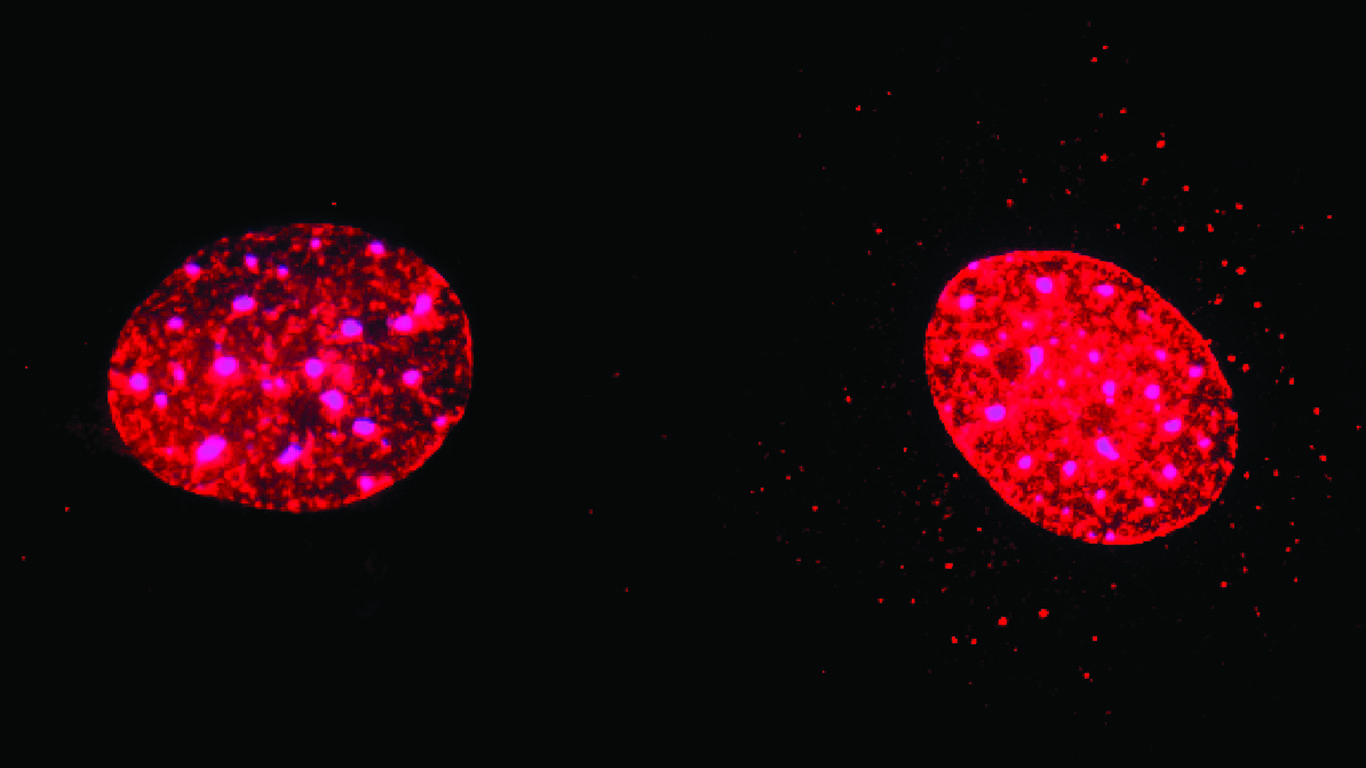
Dr. Carlos Molina is a Professor of Molecular Biology at Montclair State University’s College of Sciences and Mathematics. Previously, he served as an Assistant Professor at Rutgers Medical School’s Department of Obstetrics, Gynecology, and Women’s Health (1994–2006). He holds a B.S. in Biology from the University of Puerto Rico, M.S. and Ph.D. in Biochemistry from Purdue University, and postdoctoral training at the University of Louis Pasteur (France). His research focuses on cancer mechanisms involving tumor suppression proteins in skin cancer cells and ovarian-specific transgenic zebrafish models for ovulation studies. These efforts aim to develop therapeutic agents and reproductive technologies. Dr. Molina has secured grants from the National Institutes of Health, National Science Foundation, and American Association of Cancer Research. He served on NIH study sections for Heart/Lung/Blood Institute and Defense Department Ovarian/Prostate Cancer initiatives. Office hours are consistently held Tuesdays and Thursdays 3:30–5:00 PM via Zoom.
Olga Vitek is a Professor at Northeastern University's Khoury College of Computer Sciences, with affiliated faculty status in the Department of Chemistry and Chemical Biology. Her research bridges statistical science and machine learning with mass spectrometry-based proteomics and systems biology, focusing on developing open-source software tools like MSstats and Cardinal for quantitative proteomic analyses and imaging. Education: PhD in Statistics (Purdue University), Postdoc at the Ruedi Aebersold Lab (Institute for Systems Biology) Leadership: Director of the Barnett Institute for Chemical and Biological Analysis Her work emphasizes: Statistical experimental design Signal detection in complex mass spectrometry data Causal inference in biomolecular networks Reproducible computational infrastructure Recent publications highlight advancements in quantitative proteomics , mass spectrometry imaging , and causal modeling , with applications spanning cancer research, immunology, and clinical diagnostics. Notable trends include deep learning integration for image analysis and open-source tool development for scalable, transparent workflows. Scientific accolades: Elected Fellow of the American Statistical Association 2021 Gilbert S. Omenn Computational Proteomics Award NSF CAREER award Chan-Zuckerberg Essential Open-source Software award Senior Member, International Society for Computational Biology
Yibing Qyang is a Professor of Medicine (Cardiovascular Medicine) at Yale University School of Medicine (YSM), affiliated with the Department of Internal Medicine. He serves as Director of the Yale Stem Cell Research Forum since 2010. His expertise spans stem cell biology, cardiovascular disease modeling, and regenerative medicine. Qyang holds a B.S. from Nanjing University, an M.S. from Chinese Academy of Sciences, and a Ph.D. from the University of Texas M.D. Anderson Cancer Center. He completed postdoctoral training at UC San Diego and Harvard Medical School. Research Interests: The Qyang Lab focuses on engineering vascular tissues using induced pluripotent stem cells (iPSCs), elucidating cardiovascular disease mechanisms, and developing therapeutic strategies. Key areas include: Vascular tissue engineering for graft development Stem cell-derived models of diseases like supravalvular aortic stenosis Cardiac progenitor cell therapies for heart repair Biomechanical signaling in hypertrophic cardiomyopathy Preclinical porcine models for translational research Key Achievements: Developed immunocompatible 'universal donor' vascular grafts using CRISPR-engineered iPSCs Pioneered iPSC-derived vascular smooth muscle and endothelial cells for tissue engineering Identified elastin-based therapies for supravalvular aortic stenosis Grants & Awards: Connecticut Stem Cell Program Established Investigator Awards (2011, 2015) ISSCR Membership (2007–Present) Highlighted in Yale News for groundbreaking discoveries in heart disease and vascular grafts Lab Team & Collaborations: The lab includes researchers and students from institutions worldwide, with collaborations at Harvard, UCSD, and Yale’s Cardiovascular Research Center. Projects span iPSC differentiation, biomechanical modeling, and preclinical trials. Future Directions: Expanding studies on universal donor grafts, cardiac tissue engineering, and clinical translation of iPSC-derived therapies.
Nadya Dimitrova is an Assistant Professor in the Department of Molecular, Cellular, and Developmental Biology at Yale University, affiliated with the Yale School of Medicine. She holds secondary appointments in Genetics and is a member of multiple interdisciplinary centers, including the Center for RNA Science and Medicine. Her research focuses on long non-coding RNAs (lncRNAs) and their roles in cancer biology, particularly in tumor suppression and oncogenesis. Dimitrova earned her Sc.B. in Biochemistry from Brown University (2002), a Ph.D. from The Rockefeller University (2009), and completed postdoctoral training at MIT's Koch Institute. Notable awards include the HHMI Predoctoral Fellowship, Damon Runyon Postdoctoral Fellowship, and the 2023 Yale Cancer Center Class of '61 Award. Her lab explores lncRNA mechanisms using genomic and genetic tools, aiming to uncover their roles in cancer pathways. Recent work highlights lncRNAs' roles in metastasis, cardiac hypertrophy, and p53 signaling. Collaborations with researchers like Antariksh Tyagi and Clara Liao drive translational insights into RNA-based therapies. Education: Sc.B., Brown University (2002); Ph.D., The Rockefeller University (2009). Research interests include lncRNA regulation, cancer transcriptomics, and RNA-driven disease mechanisms. Her lab integrates systems biology approaches to dissect lncRNA functions in health and disease.
Annemie Bogaerts is a Full Professor at the University of Antwerp since 2014 and head of the PLASMANT research group , which she established independently after her supervisor's retirement. The group now has 37 members including 2 professors, 15 postdocs, 18 PhD students, and 2 technical coworkers. Academic Career: Lecturer (2004-2007), Senior Lecturer (2008-2011), Francqui Distinguished Research Professor (2013-2016), Full Professor (2012-now) Current Leadership Roles: Chair of Department of Chemistry, Head of PLASMANT group Research Focus : Computer modeling of plasmas, plasma-surface interactions, plasma catalysis for CO 2 conversion into value-added chemicals. Her work combines experimental and computational approaches to develop sustainable plasma-based chemical processes. Scientific Achievements : Over 400 peer-reviewed publications (H-index 52 in Web of Science, 64 in Google Scholar) 11,000+ citations (16,000+ in Google Scholar) 20+ major scientific awards including: Winter Plasma Award 2009 for laser ablation modeling Lester W. Strock Award 2008 for plasma/surface modeling Academia Europaea member since 2011 Koninklijke Vlaamse Academie member since 2012 Academic Service : Editor of Spectrochimica Acta Part B , guest editor for 10 special issues including 'Plasma & Cancer', Chair of International Symposium on Plasma Chemistry (2015), and active in university governance through multiple commissions.
Dr. Yi David Ju is a Senior Research Fellow at RMIT University's School of Science and an ARC DECRA Fellow at La Trobe University's School of Cancer Medicine. He leads the Nanomedicine and Gene Therapeutics Laboratory at the Olivia Newton-John Cancer Research Institute (ONJCRI) and holds Honorary Fellowships at the University of Melbourne's Department of Microbiology & Immunology and Chemical Engineering. PhD from University of Melbourne (2017, Frank Caruso) 2017–2021 : Research Fellow at University of Melbourne 2021 : Vice-Chancellor’s Postdoctoral Fellow at RMIT 2023 : Visiting Researcher at University of Manchester's Nanomedicine Lab His research focuses on Bio-Nano Interactions , particularly Nanoparticle-Immune System dynamics, Lipid Nanoparticle Engineering for mRNA Delivery , and Poly(ethylene glycol) Alternatives . Key contributions include stealth nanoparticles for prolonged circulation, anti-PEG antibody dynamics in vaccine development, and patient-specific targeting models for chronic lymphocytic leukemia . Recent publications analyze hybrid immuno-PET-MRI probes for inflammation monitoring, zwitterionic PEG nanoparticles for reduced immunogenicity, and RAFT polymer-based LNPs for enhanced gene delivery . His work also explores supramolecular DNA-polyphenol assemblies and metal-phenolic coatings for controlled drug release . Scientific Awards : 2023 ACIS ECR Lectureship Finalist, 2023 ACS Nano Impact Award 2022&2023 RMIT Enabling Capability Platform Funding 2021 CBNS Most Significant Publication Award 2020 CBNS Career Development Award 2019 Outstanding Postdoctoral Researcher Award 2019 Nanoscale Advances Oral Prize 2017 Reviewer Excellence Award for Chemistry of Materials 2014 Best Tutor Award Professional Roles : Associate Editor, Journal of Materials Science Committee Member, Royal Australian Chemical Institute (Victorian Branch) Active Member, Australasian Colloid and Interface Society
Catherine E. Costello is the William Fairfield Warren Distinguished Professor and Director of the Center for Biomedical Mass Spectrometry Education at Boston University School of Medicine. She holds a PhD and MS from Georgetown University. Her research focuses on biopolymer structural studies and mass spectrometry method development, particularly in glycobiology. Her lab is an NIH-funded Resource Center advancing glycan characterization and structural analysis. Key research interests include carbohydrate conjugate analysis, glycoproteomics, and applications in disease mechanisms like cancer, infection, and immune response. Collaborations span institutions globally, addressing complex biomolecules and their roles in health and disease. Recent publications highlight advancements in glycoproteomic characterization, ion mobility spectrometry, and glycan identification. Awards include the distinguished professor title. Lab members include postdoctoral associates, research staff, and visiting scientists from institutions like MGH and Nutricia Research.
Jonathan Huggins is an Assistant Professor at Boston University, affiliated with the Department of Mathematics & Statistics and the Faculty of Computing & Data Sciences. He holds a Ph.D. in Computer Science from MIT (2018) and a B.A. in Mathematics from Columbia University (2012). His research focuses on developing fast, trustworthy machine learning and Bayesian methods that balance computational efficiency and statistical optimality, with applications in ecological forecasting and genomic data analysis. Education: Ph.D. in Computer Science, Massachusetts Institute of Technology (2018) B.A. in Mathematics, Columbia University (2012) Research Interests: Large-scale machine learning and Bayesian computation Robust statistical inference Applications in genomics and ecological modeling Algorithmic development for scalable inference Key Projects: Stochastic Methods for Data Science: A book on stochastic processes and algorithms VIABEL: A Python package for variational inference and diagnostics ShorTeX: A LaTeX package for mathematical writing Recent Articles: Focus on scalable Bayesian methods, error bounds for iterative algorithms, and mutational signature discovery. His work emphasizes reproducibility and robustness in statistical inference. Awards: Blackwell–Rosenbluth Award (Outstanding Junior Bayesian Researcher) Grants & Funding: Supported by NIH, NSF, and the Department of Defense. Active in advising students across multiple BU programs. Labs/Teams: Affiliated with the BU URBAN Program, Program in Bioinformatics, and Department of Computer Science.
Debanjan Sarkar is an Associate Professor of Teaching and Director of Undergraduate Studies in the Department of Biomedical Engineering at the School of Engineering and Applied Sciences, University at Buffalo. He is also affiliated with the Jacob's School of Medicine and Biomedical Sciences, where his full profile can be found. His research focuses on biomaterials and regenerative therapeutics, particularly exploring how engineered materials interact with cells to regulate growth, differentiation, and repair processes. Debanjan holds a PhD and has conducted extensive research in cell-substrate interactions, stem cell fate control, and mechanomorphological guidance of colloidal gels. His work integrates polymer chemistry with biomedical applications, emphasizing biodegradable elastomers, hydrogels, and extracellular matrix mimics for regenerative medicine and tissue engineering. Key research themes include drug delivery systems using novel biomaterials, mechanobiology of endothelial cells, and the design of tunable materials to direct cell behavior. His studies span from fundamental material characterization to translational applications in dentistry and vascular repair. Debanjan leads the Biomaterials and Regenerative Therapeutics Lab, which develops innovative materials to address clinical challenges in tissue regeneration. While no formal advisees are listed, his educational role underscores his commitment to undergraduate training in biomedical engineering principles and practices.
Dr. Alessandro D. Santin is a Professor at the Yale School of Medicine within the Department of Obstetrics, Gynecology & Reproductive Sciences . He serves as Clinical Research Team Leader for Gynecologic Oncology at the Yale Cancer Center and co-chief of the Section of Gynecologic Oncology. Graduated magna cum laude from the University of Brescia, Italy Completed fellowships at the University of California, Irvine and University of Arkansas for Medical Sciences Dr. Santin's research bridges tumor immunology and translational oncology, focusing on: Immunotherapy for chemotherapy-resistant gynecologic cancers Therapeutic HPV vaccines for genital tumors Monoclonal antibody development Angiogenesis and radiation biology His recent publications highlight advancements in: VEGF/VEGFR2 system targeting for ovarian cancer Personalized medicine approaches with biomarkers Microsatellite instability in endometrial cancer immunotherapy Antibody-drug conjugates for uterine serous carcinoma NAC supplementation in post-COVID gynecologic patients Scientific Awards: American Association young investigator award Italian Society of Gynecologic Oncologists award for translational science Dr. Santin's lab (Laboratory for Surgery, Obstetrics & Gynecology) at Yale collaborates extensively, with 50+ postdoctoral fellows mentored. Current grants include NIH funding for Clostridium Perfringens Enterotoxin as a novel ovarian cancer therapy and leadership in multiple Gynecologic Oncology Group trials.
Ghassan Hamarneh is a Professor in the School of Computing Science at Simon Fraser University (SFU). His research focuses on medical image analysis, with expertise in super-resolution microscopy, explainable AI, and biomedical computing. He teaches courses in biomedical computing and scientific computing, emphasizing practical applications like signal processing and health informatics. Education: Ph.D. in Signal and Systems (Chalmers University, 2001), M.Sc. in Digital Communications (Chalmers, 1997), B.Sc. in Electrical Engineering (Jordan University, 1995). Research Interests include developing AI-driven tools for medical imaging, analyzing cellular structures using super-resolution techniques, and addressing ethical challenges in AI deployment. His work bridges computational methods with clinical applications, such as lesion segmentation, PET image analysis, and bias mitigation in medical algorithms. Recent publications highlight advancements in network analysis of molecular structures, debiasing AI models, and improving diagnostic accuracy through deep learning. His lab contributes to open-source software like SuperResNET and MCS-DETECT for super-resolution microscopy analysis. No scientific awards explicitly listed, but his extensive publication record reflects recognition in the field. Advising and grants information is not detailed in the provided texts. Active in teaching, including CMPT 340 (Biomedical Computing) and special research projects.
Douglas Shenson, MD, MPH, MA, MS is an Associate Professor Adjunct in Internal Medicine at Yale School of Medicine and Associate Clinical Professor at Yale School of Public Health's Chronic Disease Epidemiology department. He holds leadership roles as Deputy Leader of the Health Equity Thread in Yale School of Medicine's curriculum and Course Director for the 'Populations & Methods' course. His work focuses on expanding clinical preventive services through initiatives like SPARC (Sickness Prevention Achieved through Regional Collaboration) and the Vote & Vax program, which delivers influenza vaccinations at polling places. Shenson has led CDC-funded research on vaccination and cancer screening for older adults, and co-founded Doctors of the World USA and the Montefiore Medical Center Human Rights Clinic. Education: BA, History & Sociology of Science, University of Pennsylvania (1977) MD, Tulane University School of Medicine (1985) MPH, Tulane University School of Public Health (1985) MA, Human Sciences, Oxford University (1985) MS, Healthcare Management, Harvard School of Public Health (2001) Research Interests: Community-based preventive healthcare models, health equity, vaccination strategies, aging populations, and public health policy. His work bridges clinical care and community outreach to improve access to preventive services, particularly for vulnerable populations. Publications Trends: Recent work emphasizes medical education reforms for health equity, data bias in healthcare training, and integration of preventive services. Earlier publications focus on vaccination strategies, disparities in preventive care for older adults, and innovative public health programs like Vote & Vax. Awards: Includes CDC/AMA Immunization Excellence Award (2009), Aetna Susan B. Anthony Award (2005), and recognition for leadership in health and human rights. Grants/Initiatives: SPARC nonprofit, Vote & Vax national strategy, and collaborations with CDC Healthy Aging Program. Active in professional organizations like the National Quality Forum and American Public Health Association. Labs/Teams: Leads SPARC and Vote & Vax initiatives, collaborates with Yale's Health Equity Research Studios, and contributes to curriculum development in the Health Equity Thread.
Dr. Sophie Pettit is a Senior Lecturer in Psychology and Director of Student Experience at Queen Mary University of London. She is affiliated with the School of Biological and Behavioural Sciences and the Psychology department. Her research focuses on mental health service accessibility, particularly for older adults, and examines determinants like age, gender, and socioeconomic deprivation. She has also investigated coercive practices in secure mental health settings and the impact of cancer treatments on diabetes management. Current projects include improving psychological therapy access for older populations. Her teaching includes courses such as Essential Skills for Psychologists and Health Psychology . She has collaborated across disciplines, publishing in journals like British Journal of General Practice and PLOS MEDICINE . Her work often combines quantitative and qualitative methods to address systemic challenges in healthcare delivery. Key research themes include mental health service equity, patient outcomes in secure environments, and interdisciplinary approaches to public health. She contributes to policy discussions on optimizing mental health care delivery through evidence-based strategies.
Tania Fernández Villa is an Associate Professor in the Department of Biomedical Sciences at the Faculty of Veterinary Medicine, University of León. Her primary academic affiliation centers on preventive medicine and public health research within the GIIGAS (Interactions Gene-Environment-Health) research group. Her research spans nutritional epidemiology, gender studies in food systems, substance use disorders, and chronic disease prevention. Key focus areas include alcohol consumption patterns among university students (via the UniHcos cohort), sarcopenia in metabolic syndrome, breast cancer risk factors, and pandemic impacts on health behaviors. Her work integrates longitudinal cohort analysis, systematic reviews, and psychometric validation studies. Recent publications demonstrate strong trends in gender-disaggregated health research, pandemic-related behavioral shifts, and methodological innovations in dietary assessment. Her 2024-2025 output shows increasing emphasis on environmental sustainability of diets and multi-cancer risk prediction models. She serves on the editorial board of the Spanish Journal of Human Nutrition and Dietetics, contributing to strategic planning (2020-2026) and open science initiatives. Her PhD from Universidad de Granada focused on ICT usage patterns among university students. Current projects include the UniHcos longitudinal study tracking health behaviors in Spanish university students, with particular attention to alcohol use, sleep patterns, and nutritional status. Her research group actively investigates gene-environment interactions in public health contexts.
Pekka Martikainen is a leading researcher in population health and demography, affiliated with the Population Research Unit at the Faculty of Social Sciences, University of Helsinki . He is also actively involved with the MaxHel Center and the Laboratory of Population Health , contributing to major research initiatives such as the Monitoring Mortality Inequalities Consortium and studies on immigrant-native health disparities. His research focuses on social and economic determinants of health and mortality over the life course, using extensive Finnish register data. Key interests include fertility and family dynamics , health inequalities , migration and health , early-life determinants of health, and behavioral factors influencing mortality. His work often explores intergenerational linkages and the role of socioeconomic status in shaping health outcomes. The most recent publications reflect a strong emphasis on mental health , genetic and social interactions , educational and occupational influences on health , and disparities in cancer and reproductive health . Studies frequently employ longitudinal, register-based designs across Nordic and European populations, highlighting cross-national comparative insights. Behavioral Determinants of Health and Mortality Costs and Gains of Postponing Parenthood Immigrant-Native Health Disparities Over the Life Course Linked Lives: Family and Socioeconomic Attainment Medically Assisted Reproduction Mortality Disparities at Subnational Level His research has been published in top journals including The Lancet , Demography , Social Science and Medicine , and European Journal of Epidemiology . He collaborates extensively with researchers at the Max Planck Institute for Demographic Research and leads or contributes to multiple large-scale projects analyzing health and demographic trends in Finland and beyond. Martikainen’s work informs public health policy and contributes to understanding how social structures and individual behaviors interact to shape population health and longevity. He plays a central role in advancing register-based demographic research in Europe.