Sriram Subramaniam is a Professor in the Department of Biochemistry and Molecular Biology at the University of British Columbia (UBC) and holds the Gobind Khorana Canada Excellence Research Chair in Precision Cancer Drug Design. His research leverages cryo-electron microscopy (cryo-EM) to advance structural biology and drug design, focusing on protein dynamics and therapeutic target identification. Education: PhD in Physical Chemistry (1987) from Stanford University; MSc in Chemistry (1981) from Indian Institute of Technology, Kanpur. Subramaniam's interdisciplinary work combines cryo-EM with computational tools and molecular biology to study protein structures at atomic resolution. His lab has pioneered cryo-EM applications in precision medicine, including mapping small molecule drugs on patient-specific cancer mutants. Recent publications (2024-2022) highlight his contributions to understanding SARS-CoV-2 immune evasion, structural mechanisms of ATPases, and AI integration in structural biology. His research spans viral entry mechanisms, CRISPR systems, and neurodegenerative disease pathways. Scientific Awards: Gobind Khorana Canada Excellence Research Chair NIH Director’s Award for Scientific Excellence Fellow of the Biophysical Society Breakthrough Prize nomination Based at the Djavad Mowafaghian Center for Brain Health, Subramaniam leads the Program in Cryo-EM Guided Drug Design, contributing to over 177 peer-reviewed publications with a career h-index of 58 and citations exceeding 12,340.
Andre Levchenko is the John C. Malone Professor of Biomedical Engineering at Yale University, with secondary appointments in the Department of Neurosurgery and affiliations with the Cancer Signaling Networks, Immunology, and the Yale Program in Neurodevelopment and Regeneration. His research focuses on systems biology, signal transduction, and cell-cell communication, utilizing microfluidics and computational modeling to study cancer progression, stem cell behavior, and neurological disorders. PhD, Columbia University MEng, Moscow Institute of Physics and Technology Levchenko's work explores how cells process dynamic signals to make critical decisions, particularly in glioblastoma migration, organoid development, and cardiovascular tissue engineering. His lab develops innovative microfluidic platforms and mathematical models to dissect multicellular communication and signaling networks. Recent publications highlight his contributions to understanding YAP-driven cancer invasion , NOTCH signaling in angiogenesis , and metabolic regulation of hypoxia responses . He has pioneered methods for organoid modeling and single-cell analysis , advancing precision in biological signaling studies. Scientific Awards : Computational Molecular Biology Post-Doctoral Fellowship (Burroughs Wellcome Fund) National Academies Keck Futures Conference Invitee Distinguished Guest Lecturer, University of Virginia American Asthma Foundation Early Excellence Award Fellow, American Institute for Medical and Biological Engineering Levchenko leads the Levchenko Lab at the Yale Systems Biology Institute, collaborating with institutions like Mayo Clinic and Yale Cancer Center. His research has received recognition in Faculty of 1000 and multiple journal highlights.
Prof. Dr. Markus Schwarzländer leads the Arbeitsgruppe for Plant Energy Biology at the Institute for Plant Biology and Biotechnology (WWU Münster) . His research focuses on mitochondrial physiology, redox signaling, and biosensor development in Arabidopsis thaliana and other plant species, integrating molecular biology with systems-level analyses to understand energy regulation. Key Research Areas: Mitochondrial-NAD(P)H dynamics Redox-regulated signaling networks Organelle communication Stress-adaptive metabolism Recent work highlights Golgi-localized mitochondrial uncoupling proteins , chloroplast-mitochondria redox coupling , and mitochondrial calcium uniporter function . His group employs cutting-edge fluorescent biosensors and proteomic approaches to dissect energy physiology. Students benefit from hands-on training in bioimaging , metabolic modeling , and organelle biology through iMoPLANT and Life Sciences programs. Scientific Awards: DAAD Fellowship (2019) As an active member of the Faculty of Biology , he collaborates with international institutions including University of São Paulo , CEA France , and Siberian Institute of Plant Physiology , while maintaining a robust publication record in top journals like Plant Cell and Nature . His teaching emphasizes integrative plant sciences and advanced biosensing techniques for B.Sc. and M.Sc. students.
Dr. Xin Zhou is an Oxford-Bristol Myers Squibb Fellow at the Department of Computer Science, University of Oxford. Her research integrates computational modeling, clinical data, and experimental findings to investigate cardiac disease mechanisms and develop human-based simulations for drug evaluation. BSc and MSc in Life Sciences, Beijing Normal University DPhil in Computational Biology, University of Oxford Her work focuses on multi-scale cardiac modeling , particularly in ischemic heart disease and heart failure, exploring ionic currents, tissue conduction, and organ-level dynamics. She develops electromechanical simulations to study cardiac alternans and arrhythmic risks, translating these into clinical applications for patient stratification and pharmaceutical testing. Recent publications emphasize in silico clinical trials , sex-specific cardiometabolic analysis, and Purkinje network modeling. Collaborative efforts with clinicians and pharmaceutical partners highlight her translational approach to regulatory science. Model of the Year 2024, BioModels EPSRC Impact Acceleration Account Microsoft Research Project Award Recognition Award, University of Oxford She supervises PhD and MSc students in computational cardiology, while serving on the editorial board of Frontiers in Physiology . Her current projects involve digital twinning and predictive cardiac safety models to reduce animal testing reliance.
Professor Richard Wade-Martins is a leading academic in University of Oxford 's Department of Physiology, Anatomy and Genetics . He directs the Molecular Neurodegeneration Research Laboratory and the Oxford Parkinson’s Disease Centre (OPDC). With degrees from Cambridge (MA) and Oxford (DPhil), he has held prestigious fellowships including Wellcome Trust Research Career Development Fellowship and NIH reviewer roles. His research targets molecular mechanisms in Parkinson’s and Alzheimer’s diseases through iPSC models , transgenic mice , and lysosomal function studies . He pioneered work on SNCA , MAPT , and LRRK2 gene pathways. Current projects focus on gene therapy and mitochondrial dysfunction in neurodegeneration. Key publications (2019–2025) reveal trends in single-cell transcriptomics , calcium channel inhibition , and TFEB/TFE3 lysosome modulation . His awards include Wellcome Trust Fellowships and advisory roles for Parkinson's UK , Alzheimer's Research UK , and EU consortia like StemBANCC and EFACTS . He leads the UK Dementia Platform iPSC Initiative and serves on international boards in Luxembourg and Canada.
Prof. Stephan J. Sigrist is a Full Professor of Genetics at the Institute of Biology, Free University of Berlin. His lab focuses on synaptic active zone architecture, neuroplasticity, and aging-related neurodegeneration. He leads the Collaborative Research Center 958 on Membrane Scaffolding and co-directs NeuroCure, a DFG Cluster of Excellence at Charité. Education: PhD in Molecular Genetics (1997) and Habilitation (2005) from the University of Göttingen. Positions: Einstein Professor (2014–present), Spokesperson CRC 958 (2012–present), and Co-Director NeuroCure (2009–present). Research explores presynaptic mechanisms using Drosophila and mouse models, combined with STED microscopy. Key contributions include discoveries of Bruchpilot's role in active zones and spermidine's protective effects against age-related synapse decline. Grants: Over €6 million in funding, including DFG CRCs, Einstein Foundation, and ERC Advanced Grant (2025). Awards: Einstein Professorship, Best Habilitation Award, EMBO/HFSP Fellowships. Collaborations span structural biology (e.g., Stefan Hell), neurophysiology (David DiGregorio), and aging research (Frank Madeo).
Dr. Teresa Puthussery is an Associate Professor in the School of Optometry & Vision Science at the University of California, Berkeley. Her research focuses on retinal neurobiology and neurophysiology, investigating how visual signals are encoded in healthy retinas and disrupted during degeneration. She uses advanced techniques like patch-clamp electrophysiology, immunohistochemistry, and microscopy to study retinal circuits, neurotransmitter receptors, and ion channels. Dr. Puthussery teaches courses on vision science anatomy, physiology, and problem-based learning, including VISION SCIENCE 206B/C and 260C. Her research explores questions such as how retinal neurons extract motion/spatial details, how photoreceptor mutations cause degeneration, and how inner retinal circuits adapt post-photoreceptor loss. Recent work includes studies on ON-type direction-selective ganglion cells, optogenetic therapy for vision restoration, and calcium dynamics in foveal ganglion cells post-degeneration. She collaborates on projects involving primate and rodent models, contributing to understanding retinal disease mechanisms and therapeutic targets. Dr. Puthussery’s lab (retinalab.berkeley.edu) emphasizes translational research, bridging basic science and clinical applications. Her work has been published in journals like Nature and Cell Reports , with a focus on retinal degeneration, synaptic plasticity, and optogenetic interventions. She actively participates in training future vision scientists through Berkeley’s Optometry program and oversees GSI affairs as a faculty advisor.
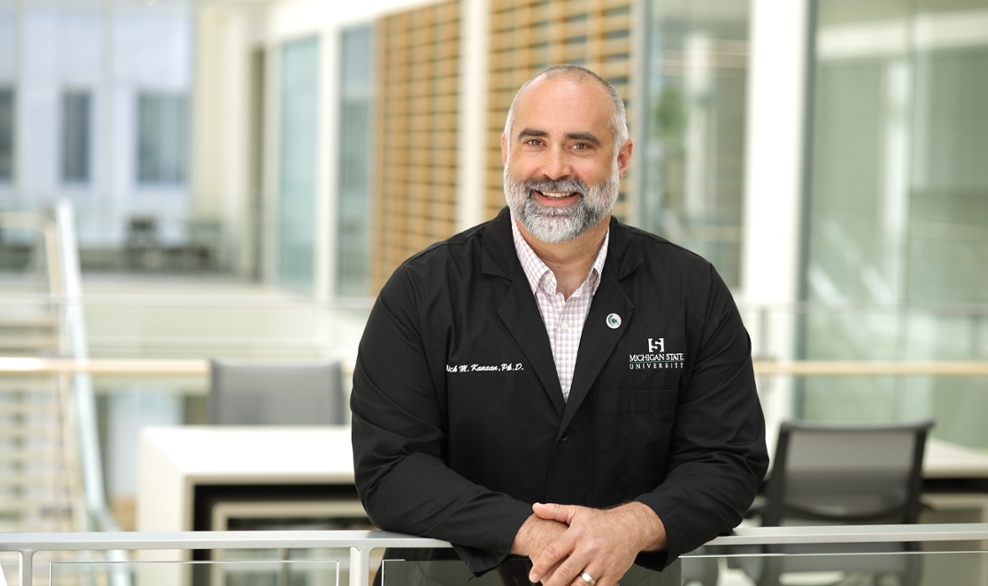
Nicholas M. Kanaan is a Professor of Translational Neuroscience and holds the Maibach Smiley Professorship of Alzheimer's Research at Michigan State University's College of Human Medicine. He serves as Director of Advanced Microscopy and is faculty in both the MSU Neuroscience Program and the MSU BioMolecular Science Gateway. His research is centered at the Grand Rapids Research Center where he leads the Kanaan Laboratory. Dr. Kanaan received his B.S. in Neuroscience, Psychology, and Sociology from Central Michigan University in 2001, followed by a Ph.D. in Neurological Sciences from Rush University Medical Center in 2007. He completed postdoctoral training at Northwestern University from 2007-2010 under Dr. Lester Binder. His research focuses on neurodegenerative diseases, particularly Alzheimer's disease (AD) and Parkinson's disease (PD), with emphasis on tau protein pathology. The Kanaan Lab investigates mechanisms underlying degenerative diseases using a combination of in vitro and in vivo model systems. A major focus is understanding how disease-related alterations in tau cause neuronal dysfunction through disruption of axonal transport. His lab has identified a phosphatase-activating domain (PAD) in tau that inhibits anterograde fast axonal transport. Analysis of Dr. Kanaan's publication record reveals a consistent focus on tau protein biology, with recent work emphasizing iPSC models, CRISPR screening, tau proteostasis, and therapeutic interventions targeting tau phosphorylation and oligomerization. His research spans basic molecular mechanisms to translational applications, with increasing use of primate models and advanced screening technologies in recent years. Scientific Awards and Recognition: Maibach Smiley Alzheimer's Research Professor Maibach Smiley Professor of Alzheimer's Research Dr. Kanaan mentors numerous students and postdoctoral fellows in his laboratory, with research supported by multiple grants focused on understanding and treating neurodegenerative diseases. His lab employs a wide range of technical expertise including recombinant protein purification, cell culture, monoclonal antibody production, various microscopy techniques, and behavioral testing in rodent models. Outside the lab, Dr. Kanaan enjoys photography, woodworking, and fishing.
Pia Vogel is a Professor in the Department of Biological Sciences at Southern Methodist University (SMU), where she leads research on nucleotide-binding proteins using Electron Spin Resonance spectroscopy and molecular modeling. Her work focuses on elucidating structural mechanisms in ATP synthase, multidrug resistance transporters, and calcium channels with biomedical applications in cancer therapy and neurodegenerative diseases. Education: Ph.D., University of Kaiserlautern Dr. Vogel's research program investigates three interconnected domains: the rotary mechanics of FoF1-ATP synthase (particularly the external stalk subunit b-dimer), the structural basis of multidrug resistance in P-glycoprotein and MRPs, and ATP-regulated calcium release via ryanodine receptors. Her laboratory employs site-specific spin labeling, ESR spectroscopy, and computational modeling to resolve protein dynamics and interactions at molecular resolution, contributing to understanding energy transduction in ATP synthase and mechanisms of drug resistance. Analysis of her 15 most recent publications (2020-2025) reveals a dominant focus on developing and characterizing P-glycoprotein and BCRP inhibitors to overcome chemotherapy resistance in cancer. These studies integrate computational screening, ATPase assays, and cell-based models to evaluate inhibitor efficacy, with emerging applications in Alzheimer's research through amyloid-β transport studies. The work demonstrates consistent methodological synergy between biophysical characterization and therapeutic development. Dr. Vogel maintains an active research group supported by sustained funding, evidenced by continuous publication output and laboratory infrastructure. Her team employs multidisciplinary approaches spanning biophysics, biochemistry, and computational biology to address fundamental questions in membrane protein function. Her laboratory facilities in DLSB 221 include specialized Electron Spin Resonance instrumentation and dual Linux computing clusters for molecular dynamics simulations. The research environment supports collaborative projects extending her work into cancer therapeutics and neurodegenerative disease mechanisms through partnerships with clinical and computational researchers.
Lailiang Cheng is a Professor in the Horticulture Section of Cornell University's School of Integrative Plant Science, specializing in the physiological processes of deciduous fruit crops (particularly apple). His research focuses on sugar/malate metabolism, mineral nutrition, and environmental stress responses to improve orchard productivity and fruit quality. He integrates physiological, biochemical, and molecular approaches to study sorbitol signaling and nutrient management in high-density orchards. Education: Doctorate, Oregon State University (1999) Master of Science, Shandong Agricultural University (1989) Bachelor of Science, Shandong Agricultural University (1984) Research Focus: Cheng's work investigates carbon partitioning, malate accumulation, and nutrient transport dynamics in apple trees under abiotic stresses. His extension program delivers nutrient management strategies to the apple industry, while his teaching emphasizes analytical techniques (PLSCI 6170) and crop nutrition principles (PLSCI 4551/6551). Publication Analysis: Recent articles (2021-2025) reveal dominant themes in molecular regulation of fruit acidity, transporter biology, stress-responsive transcription factors, and omics-assisted breeding. Over 70% of publications involve collaborative work on apple genomics, with consistent emphasis on translating basic research into orchard management solutions. Awards & Recognition: No scientific awards mentioned in source materials. Academic Contributions: Advises graduate students in Horticulture; research supported by Cornell University Agricultural Experiment Station. Collaborates extensively with pomology breeders, extension specialists, and molecular biologists globally.
Miler T. Lee is an Associate Professor at the University of Pittsburgh , focusing on gene regulation during early embryonic development through high-throughput experimental and computational genomics. He earned his Ph.D. in Genomics and Computational Biology in 2009 from the University of Pennsylvania under Dr. Junhyong Kim, followed by postdoctoral work with Dr. Antonio Giraldez at Yale University. Joining the university in 2016, his research spans maternal-to-zygotic transition (MZT), RNA stability, pluripotency networks, and evolutionary developmental biology, utilizing model organisms like zebrafish, Xenopus, and Hydractinia symbiolongicarpus. Key Research Themes: Maternally inherited RNA dynamics during embryogenesis Mechanisms of RNA degradation and transcriptome remodeling Evolution of pluripotency networks in hybrid species Role of zinc signaling in fertilization barriers Computational tools for RNA regulation and sensing Scientific Awards: Pan-American Society for Evolutionary Developmental Biology Junior Faculty Award (2024) Outstanding New Investigator – International Xenopus Board (2023) Basil O'Connor Scholar – March of Dimes (2017-2019) Recent publications highlight his work on enhancer classification, RNA degradation mechanisms, and cross-species MZT comparisons. His lab develops innovative methods like RESA for regulatory sequence analysis and studies evolutionary divergence in RNA localization patterns. While the articles span computational and experimental approaches, they consistently address RNA's role in cellular identity, developmental timing, and evolutionary adaptation. Applications include understanding pluripotency, designing RNA biosensors, and elucidating fertilization barriers. Prospective Ph.D. students are encouraged to contact him for opportunities in gene regulation, development, evo-devo, and computational genomics.
Kuo-Fen Lee, PhD is a Professor at the Salk Institute for Biological Studies, holding the prestigious Helen McLoraine Chair of Molecular Neurobiology. He leads the Clayton Foundation Laboratories for Peptide Biology, where his research focuses on nerve regeneration, spinal cord injury, and molecular mechanisms underlying neural development and neurodegenerative diseases. His work bridges basic neuroscience with potential therapeutic applications for conditions like ALS, paralysis, and Alzheimer's disease. Dr. Lee received his educational training from multiple prestigious institutions: a degree in Plant Pathology from National Taiwan University; an MS in Cancer Enzymology and Cell Differentiation from National Yang-Ming Medical College, Taiwan; a PhD in Endocrinology from Baylor College of Medicine, Houston; and completed his postdoctoral training at the Whitehead Institute for Biomedical Research. His primary research interests center on understanding why humans cannot regenerate damaged nerves while many other animals can. Dr. Lee has made significant discoveries regarding the p45 protein, which promotes nerve regrowth in mice but is absent in humans (who instead have p75, which inhibits nerve growth). His laboratory also studies neuregulin signaling, neuromuscular synapse formation, and the role of various proteins like nestin in neural development and maintenance. His work often employs mouse models to investigate spinal cord injury, pain pathways, and neurodegenerative conditions. Analysis of Dr. Lee's recent publications reveals a consistent focus on molecular neurobiology with particular emphasis on neural signaling pathways, synaptic maintenance, and nerve regeneration mechanisms. His research spans from basic molecular mechanisms to potential therapeutic applications, with increasing attention to pain pathways, Alzheimer's disease models, and the intersection of neuroscience with immunology and metabolism in recent years. As holder of the Helen McLoraine Chair of Molecular Neurobiology, Dr. Lee has received significant institutional recognition for his contributions to neuroscience. While specific awards aren't detailed in the provided text, his sustained funding and leadership position indicate substantial peer recognition in his field. Dr. Lee's research program involves extensive collaboration with other neuroscience laboratories, as evidenced by his numerous co-authored publications across various neuroscience subdisciplines. His work has been consistently funded, allowing for the maintenance of an active research laboratory focused on nerve regeneration and molecular neurobiology. The Clayton Foundation Laboratories for Peptide Biology serves as the primary research environment for Dr. Lee's team, where they investigate molecular mechanisms of nerve development, regeneration, and degeneration using advanced genetic, molecular, and cellular approaches. The laboratory maintains active research programs in multiple areas of neural signaling and development.
Thomas J. O’Dell is a Professor of Physiology and Associate Director of the Brain Research Institute at the University of California, Los Angeles (UCLA). His research focuses on synaptic plasticity mechanisms, particularly long-term potentiation (LTP) and depression (LTD), in the hippocampus. He investigates β-adrenergic signaling, NMDA receptor dynamics, and astrocyte calcium signaling in learning and memory processes. O’Dell’s work bridges molecular neurobiology with behavioral neuroscience, emphasizing how synaptic changes underlie cognitive functions. Research Interests: Neuronal plasticity mechanisms in hippocampal circuits Role of NMDA receptors in synaptic function and disease β-Adrenergic modulation of LTP Calcium signaling in astrocytes and its impact on synaptic transmission Grants & Funding: NIH R21MH115404 (Mechanisms of homeostatic plasticity) NIH R01NS060677 (Astrocyte calcium signaling in striatum) NIH R01MH060919 (NMDA receptor signaling in LTP) Labs/Teams: O’Dell leads a lab at the UCLA Brain Research Institute, collaborating on projects involving synaptic physiology, proteomics, and behavioral neuroscience.
Dr. Praveen Bhugra is a Senior Lecturer in Pharmacology at the University of Sunderland , where he has taught graduate courses including MPharm since 2006. His expertise spans cardiovascular, central nervous system, and autonomic pharmacology with a focus on receptor regulation in disease states. MSc (Pharmacology) from The Maharaja Sayajirao University of Baroda, India PhD (Medical Pharmacology) from Sardar Patel University, India His research integrates experimental pharmacology, molecular techniques (cell culture, calcium flux analysis), and biochemical approaches. Notably, he supervised PhD candidate Thomas Cherian (awarded 2014) on ureteral motility mechanisms. He authored the widely used textbook MCQs in Pharmacology (2000) and contributed to cardiovascular research during a 2000-2001 Visiting Scientist fellowship at the Institute of Cardiovascular Research, University of Manitoba, Canada. Recent publications (2015-2001) emphasize neurodegenerative pharmacology , hypertension mechanisms , and lipid mediator roles in cardiovascular disease . His work has been recognized with awards from the Indian Pharmacological Society and the International Society for Heart Research. Jaypur Prize (1985-86) C.L. Malhotra Research Prize (1994) Ahmedabad Branch Prizes (1996, 2001) National Academy of Medical Sciences Membership (2000) He has also contributed to public health research on probiotics in Clostridium difficile infection and participated in systematic reviews of substance abuse patterns in youth. Contact: praveen.bhugra@sunderland.ac.uk
Per Sigvald Bakke is a Professor at the University of Bergen's Faculty of Medicine, Department of Clinical Science, with extensive expertise in respiratory medicine. His research primarily focuses on Chronic Obstructive Pulmonary Disease (COPD), asthma, and related pulmonary conditions, with significant contributions to understanding disease mechanisms, clinical phenotyping, and epidemiology. Dr. Bakke's research interests span COPD phenotyping, asthma heterogeneity, genomics of respiratory diseases, pulmonary function testing, and clinical epidemiology. His work frequently involves large-scale cohort studies and international collaborations, particularly through the U-BIOPRED consortium. His research has significantly advanced understanding of COPD progression, exacerbation risk factors, and the relationship between respiratory diseases and systemic conditions like metabolic syndrome. His publication record demonstrates consistent contributions to respiratory medicine, with recent work focusing on multi-omics approaches to disease phenotyping, genetic determinants of lung function, and clinical management of COPD. His research often bridges basic science with clinical application, addressing critical questions in respiratory disease management and patient outcomes. Dr. Bakke has been instrumental in numerous international collaborative studies including the ECLIPSE cohort, U-BIOPRED, and various genome-wide association studies examining COPD and asthma. His work has contributed to clinical guidelines and improved understanding of respiratory disease mechanisms across diverse populations.