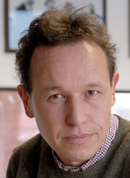
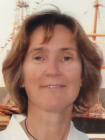
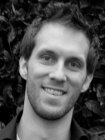
Gang-Qing Yao is a Senior Research Scientist in Endocrinology at Yale School of Medicine. He holds affiliations with the Department of Internal Medicine and the Insogna Lab. His research focuses on bone biology, parathyroid hormone (PTH) signaling, osteoclastogenesis, and molecular mechanisms regulating bone metabolism. Key areas include the role of CSF-1 isoforms, sphingosine kinase-2 (SK2), and RANKL mRNA stability in bone remodeling. Education: MD (Gannan Medical University, 1981), Postdoctoral Fellowship (Chinese Academy of Medical Sciences, 1987). Awards include the Featured Investigator Pilot Award (Yale SOM, 1999) and the Junior Investigator Award (Chinese Academy of Medical Sciences, 1988). His work spans over 30 peer-reviewed publications, with recent studies on PTH-dependent RANKL regulation and CSF production in mice. He has presented at ASBMR Annual Meetings and collaborates with experts like Karl Insogna and Steven Tommasini. Research highlights include discovering SK2’s role in bone anabolism and identifying critical cis-elements in SPHK1 gene regulation.
Andrew Prendergast is a Researcher and Scientific Director in the Department of Comparative Medicine at Yale School of Medicine. He holds a BA in Neuroscience from Knox College (2007) and a PhD in Neurobiology and Behavior from the University of Washington (2013). His research focuses on understanding neurovascular interactions, developmental genetics, and disease modeling using zebrafish as a primary organism. Key areas include host-pathogen interactions in the central nervous system, mechanisms of spinal locomotor control, and genetic bases of cardiovascular and neural disorders. Education: PhD in Neurobiology and Behavior, University of Washington (2013) BA in Neuroscience, Knox College (2007) His research interests span: - Zebrafish models of human diseases (e.g., aneurysms, infections) - Neuro-immune interactions during infections - Mechanosensory neuron function in spinal circuits - Developmental origins of cerebrovascular systems Recent publications highlight breakthroughs in identifying PPIL4’s role in brain angiogenesis and using zebrafish to study aortic aneurysms. His work bridges basic neuroscience with translational medicine, particularly in leveraging zebrafish genetics for disease modeling. Labs/Teams: Director of the Yale Zebrafish Phenotyping Core, collaborating with neuroscientists and geneticists to advance high-throughput disease screening.
Ho-Joon Lee is a Research Scientist in Genetics at Yale University's School of Medicine. He holds a PhD in Computational Biology from the Free University of Berlin and has conducted postdoctoral research at Harvard University and the Max Planck Institute. His work focuses on integrating artificial intelligence (AI), machine learning (ML), and systems biology to address complex biological and medical questions. Research Interests: AI/ML applications for stroke etiology classification and drug discovery Multi-omics data analysis (single-cell, proteomic, metabolomic) Network medicine and metabolic pathway modeling Cancer metabolism and immunology Key Projects: Developed StrokeClassifier for ischemic stroke diagnosis using EHR and MRI data (2 patents pending) Meta-modeling for ligand-protein binding affinity prediction Systems biology analysis of West Nile virus infection and pancreatic cancer Education: PhD, Free University of Berlin, Computational Biology (2008) MSc, Swansea University, Quantum Fields and Symmetry (1999) BSc, Yonsei University, Physics (1997) Grants & Collaborations: Recipient of a seed grant from the Northeast Big Data Innovation Hub. Collaborates with labs at Yale, Harvard, and the University of Michigan on interdisciplinary projects. Labs/Teams: Gerstein Lab (Yale) Lyssiotis Lab (University of Michigan) Spiegel Lab (Yale)
Claudia Francoise-Eve Kirsch is a Professor of Radiology and Biomedical Imaging at Yale University School of Medicine. She specializes in neuroradiology, with a focus on skull base and head and neck imaging, and is conducting a PhD at the University of Sheffield on viral pathologies using 7T MRI and AI. Her affiliations include the Center for Brain & Mind Health and Clinical Radiology Neuroradiology. Education: MD from University of New Mexico (Alpha Omega Alpha), BA in Neuroscience and Fine Arts from Amherst College. PhD candidate at University of Sheffield School of Clinical Dentistry and Icahn School of Medicine at Mount Sinai (2024). Research Interests: Skull base pathology (Idiopathic Intracranial Hypertension, HPV, EBV, SARS-CoV-2); AI-driven imaging analysis; clinical trials and grants in head and neck imaging, including a NIH-funded study on pseudotumor cerebri and a Phase III clinical trial for imaging assessment. Her TEDx talk explores cancer’s perineural invasion via skull base pathways. Publications: 80+ peer-reviewed articles focusing on MRI techniques, viral CNS effects, and AI applications. Recent work includes 7T MRI studies on perivascular spaces in COVID-19 patients and neuroimaging of SARS-CoV-2 orbital complications. Awards: Over 15 accolades including the Oldendorf Award, Radiology Editor’s Recognition, and teaching awards for innovative 3D anatomy software (Anatomy.tv). Recognized internationally for educational contributions and interdisciplinary research. Grants/Advising: Co-investigator in NIH-funded clinical trials; Principal Investigator for grants on skull base pathology. Mentored multiple residents and fellows through Yale’s academic programs. Labs/Teams: Collaborates with the Advanced Neuroimaging Research Program (ANRP) and Neopath.org, leveraging AI to analyze oral cavity and skull base pathologies. Active in跨-institutional teams at Yale, Sheffield, and Mount Sinai.
Michael Crair is the Vice Provost for Research at Yale University and holds the title of William Ziegler III Professor of Neuroscience and Professor of Ophthalmology & Visual Science at Yale School of Medicine. He leads research in neural circuit development, particularly focusing on how spontaneous activity shapes brain circuit formation. His work integrates advanced imaging techniques like mesoscopic calcium imaging and fMRI to study cortical networks. Crair has pioneered studies on retinal waves and their role in visual system development. Education: PhD in Physics from UC Berkeley (1991), postdoctoral training at Kyoto University, UCSF, and Baylor College of Medicine before joining Yale in 2007. He has served as Deputy Dean for Scientific Affairs and Director of Yale’s Vision Core Program. Research interests span neurodevelopment, synaptic plasticity, and neuroimaging. Key contributions include demonstrating the necessity of early neuronal activity in normal brain development and developing novel imaging tools for studying large-scale neural dynamics. Awards include the Klingenstein Fellowship, Sloan Research Fellowship, and NIH grants. His lab collaborates widely, with projects on Alzheimer’s disease models and PTEN mutation impacts. He advises on interdisciplinary research initiatives and chairs committees promoting scientific innovation. Labs/Teams: Crair Lab focuses on circuit development and neuroimaging. Collaborations include the Kavli Institute for Neuroscience and Wu Tsai Institute.
Zachary Gursky is a Research Fellow in Neuroscience at Yale School of Medicine, specializing in neurodevelopmental disorders and cerebrovascular pathophysiology. His work focuses on the impact of alcohol exposure on brain structures like the thalamic nucleus reuniens and glymphatic system function, with applications to Alzheimer’s disease and fetal alcohol spectrum disorders (FASD). He holds a PhD in Psychological & Brain Sciences from the University of Delaware (2018), an MS in Neuroscience, and a BS in Psychology. Research Interests: Gursky’s studies investigate how developmental alcohol exposure disrupts thalamic circuits, alters CSF flow, and impairs cognitive functions. Using rodent models, he explores mechanisms underlying neurodegeneration and potential therapeutic interventions like exercise-based rehabilitation. Key Contributions: His 2024 study on solute clearance in Alzheimer’s models and 2023 work on CPAP’s effects on glymphatic transport highlight his translational research. Over 20 peer-reviewed publications span FASD neurobiology, cerebrovascular imaging, and neuroplasticity mechanisms. Awards: Recipient of the President’s Young Investigator Award (2018) and multiple travel/fellowship grants from NIH and professional societies. His work bridges basic neuroscience with clinical applications in neurological disorders.
Dr. Nofrat Schwartz is an Assistant Professor at Yale School of Medicine in the Department of Surgery, specializing in Otology, Neurotology, and Skull Base Surgery. She holds affiliations with the Hearing & Balance Program and Skull Base Surgery Program. Dr. Schwartz earned her MD from The Hebrew University of Jerusalem and completed residency in Otolaryngology at Meir Medical Center (Israel), followed by a Neurotology fellowship at the University of North Carolina. Her clinical expertise includes cochlear implants, middle ear disorders, and skull base tumors. Research interests focus on hearing restoration, cochlear implant outcomes, cholesteatoma, and the role of hormones in laryngeal cancer. She has published over 20 peer-reviewed articles and presented at national/international conferences. Notable awards include the Israeli Society of Head and Neck Surgery Award for Best Research (2016) and Yale’s Best Mentor and Best Faculty Teacher awards (2024/2021). She is active in medical education, serving as Medical Student Clerkship Director in Surgery. Key surgical innovations include hydroxyapatite repair for skull base defects and virtual surgical planning for bone-anchored hearing systems. Grants and collaborations involve studies on over-the-counter hearing aids, CSF leaks, and vestibular schwannoma imaging.
Christian Haass is a Professor of Biochemistry and head of the Department of Metabolic Biochemistry at the Adolf-Butenandt Institute, Ludwig-Maximilians-University Munich. He leads the German Center for Neurodegenerative Disorders (DZNE) in Munich since 2009. His research focuses on neurodegenerative diseases, particularly Alzheimer's and frontotemporal lobar degeneration (FTLD), with emphasis on molecular mechanisms of protein aggregation, microglial biology, and amyloid-β processing. Haass holds numerous prestigious awards, including the Brain Prize (2018) and the Leibniz Award (2002). His work integrates biochemical, genetic, and translational approaches, with key contributions to understanding γ-secretase, progranulin, and TREM2 functions. He has pioneered studies on progranulin's role in FTLD and microglial dysfunction in Alzheimer's. Over 200+ peer-reviewed articles reflect his lab's output, emphasizing neurodegeneration biomarkers, immunotherapy, and disease mechanisms. Haass is an EMBO member, Academia Europaea fellow, and active in scientific governance (DFG Senate, Alzheimer's International). His team operates the Haass Lab, investigating neurodegenerative pathways with a focus on therapeutic targets and disease modeling.
Dr. Kavitha Kothur is an NHMRC Senior Research Fellow at the University of Sydney's Faculty of Medicine and Health, affiliated with the Brain and Mind Centre and Children's Hospital at Westmead. She is a paediatric neurologist specializing in genetic testing for refractory epilepsy, functional genomics, and improving outcomes after epilepsy surgery. Her research focuses on biomarkers, neuroinflammation, and personalized medicine in epilepsy. Member of the Brain and Mind Centre Clinical specialty: Neurology Research interests include genetic epilepsies, cerebrospinal fluid biomarkers, neuroinflammatory pathways, and the psychosocial impact of genetic testing. She leads projects on epilepsy in cerebral palsy and the clinical utility of genome sequencing in refractory epilepsy. Recent articles highlight biomarkers like neopterin and quinolinic acid in neuroinflammation, genetic variants in epilepsy syndromes (e.g., SETD1B, GABRA1), and functional neurological disorders linked to psychological stressors like the pandemic. Her work bridges molecular genetics, clinical neurology, and pediatric health. Scientific awards: NHMRC Investigator Grant, NHMRC Senior Research Fellowship Collaborations include A/Prof Bruce Bennett (molecular genetics), Prof Patrick Kwan (genomics), and Prof Mary Collins (GABA receptor research). She has contributed to over 30 peer-reviewed publications since 2012, with recent focus on precision medicine strategies in pediatric epilepsy.
Dr. Klary E Niezen-Koning is a Clinical Professor at the University of Groningen's Faculty of Medical Sciences, specializing in Metabolic Diseases. Her research focuses on genetic and metabolic disorders, including investigations into mitochondrial dysfunction, epigenetic mechanisms, and clinical applications of genetic testing. She leads projects on metabolic pathway analysis, genetic toxicology, and biomarker discovery for conditions like dystonia, Niemann-Pick disease, and cardiomyopathies. Affiliations: European Clinical Laboratory Geneticist, Biochemist, Ph.D., ErCLG certified Key Research Areas: Metabolic disorders, mitochondrial biology, neurogenetic conditions, and translational proteomics Education: Ph.D. in Clinical Genetics (details not explicitly stated) Research Interests: Her work spans clinical and molecular aspects of genetic diseases, with emphasis on metabolic pathway disruptions and their epigenetic regulation. Major themes include: Genetic basis of metabolic toxicities (e.g., DPYD variants in cancer therapy) Mitochondrial dysfunction in cardiomyopathy and myopathies Microbiome interactions in neurodegenerative disorders Development of diagnostic tools for undiagnosed metabolic conditions Publications: Over 65 peer-reviewed articles focusing on genetic disorders, metabolic pathways, and translational research. Recent work highlights include: 2024: Lethal Capecitabine Toxicity mechanisms in DPD-deficient patients 2023: Gut microbiome profiling in dystonia patients 2022: Mitochondrial epigenome's role in unexplained myopathies Advising & Grants: Leads multidisciplinary teams in metabolic disease research. Collaborates internationally on clinical genetics projects and diagnostic protocols. Labs/Teams: Active in translational research groups at the University Medical Center Groningen, focusing on clinical proteomics and genetic medicine.
Dr. Wayel Abdulahad is an Assistant Professor and Principal Investigator at the Faculty of Medical Sciences, University of Groningen, leading the Translational Immunology Groningen (TRIGR). He also heads the Flow Cytometry Core Facility. His research focuses on immunology and rheumatology, particularly autoimmune diseases such as Granulomatosis with Polyangiitis, polymyalgia rheumatica, and systemic lupus erythematosus. Key areas include immune cell regulation, cytokine signaling (e.g., IL-6, GM-CSF), and therapeutic targets like NF-κB and Kv1.3 channels. Recent publications (2024–2025) highlight work on B cell depletion therapy, T cell activation in cancer, and anesthetic impacts on NK cells. Research interests encompass clinical immunology, inflammation mechanisms, and molecular pathways in autoimmune conditions. He has contributed to over 190 publications, with 6 notable prizes. Collaborations include studies with colleagues like Rutgers and Heeringa on experimental and translational medicine. Advising and grants involve supervision of 11 works (Scopus data). His lab, TRIGR, integrates clinical and experimental research, while the Flow Cytometry Core Facility supports advanced cellular analysis.
Prof. dr. W.J.E. Tissing is a leading pediatric oncologist and Professor of Supportive Care in Childhood Oncology at the Faculty of Medical Sciences , University Medical Center Groningen (UMCG), while also serving as a pediatric oncologist at the Princess Maxima Center for Pediatric Oncology in Utrecht. His work integrates clinical care and translational research to address supportive care challenges in pediatric oncology. Chair of Department of Pediatric Oncology/Hematology and Immunology Chair of Supportive Care Group at Princess Maxima Center His research focuses on supportive care in childhood cancer, including: Gastrointestinal mucositis Infectious complications Nutritional management during treatment Long-term metabolic and endocrine consequences Psychosocial and lifestyle interventions Analysis of 15 recent articles reveals expertise in acute lymphoblastic leukemia (mucositis, sepsis scores), craniopharyngioma (BMI management), low-grade glioma (IGF-1), and childhood cancer survivorship (metabolic syndrome, hypothalamic obesity, cardio-oncology). Key methods include multicenter trials , epidemiological cohort studies , and clinical practice guidelines . Scientific awards include grants from: KIKA Dutch Children's Cancer Society Dutch Cancer Society (KWF) Stichting ODAS SKOG He has supervised 24 PhD students and led collaborative studies with institutions across the Netherlands and Europe. His work bridges translational research and clinical implementation through Clinical Practice Guidelines and digital tools like the 'HAPPYthalamus' app for obesity management.
Dr. Klaas J. Wardenaar is an Assistant Professor at the University of Groningen's Faculty of Behavioural and Social Sciences. His research focuses on psychopathology, mental health, and psychiatric epidemiology with a specialization in depression, anxiety disorders, and psychosis. He leads studies on clinical recovery, biomarker development, and treatment optimization for mood and anxiety conditions. Key affiliations include the Ortho department (GOK) focusing on child rights and behavioral sciences. His work integrates clinical practice with data-driven approaches, such as developing decision aids for depression treatment and exploring pharmacogenetic influences on antidepressant efficacy. Recent projects include investigating metabolic syndrome in psychiatric patients and examining gender differences in depression onset during adolescence. Wardenaar collaborates internationally on large-scale studies like the Netherlands Study of Depression and Anxiety (NESDA), contributing to longitudinal insights into mental health trajectories. He has authored over 118 publications, emphasizing methodological innovations in symptom assessment and network approaches to psychopathology. His research bridges clinical care improvement and translational neuroscience, aiming to enhance personalized mental healthcare strategies.
Clinical Associate Professor Manoj Menezes is affiliated with the Children's Hospital at Westmead Clinical School at the University of Sydney. His research focuses on neuromuscular diseases, neurophysiology, and pediatric neurological conditions, particularly Charcot-Marie-Tooth disease (CMT) and riboflavin transporter deficiency. He collaborates with the Sydney Southeast Asia Centre and leads the Neuropathy Research Group under the Neurosciences and Mental Health theme. His work emphasizes genetic and clinical aspects of inherited neuropathies, including molecular diagnostics, biomarker discovery (e.g., CSF neopterin), and translational therapies. Recent studies explore 3D-printed orthotic solutions for CMT patients and caregiver perspectives in Duchenne muscular dystrophy. Key contributions include clinical practice guidelines for pediatric CMT and validation of outcome measures like the Charcot-Marie-Tooth Disease Infant Scale. He has received grants from the Charcot-Marie-Tooth Association for the Inherited Neuropathy Consortium. Research teams: Neuropathy Research Group, Kids Neuroscience team.
Professor Robert Sanders is a leading academic in Sydney Medical School at the University of Sydney and holds the Nuffield Chair of Anaesthetics . He is a member of both the Brain and Mind Centre and the Charles Perkins Centre . His academic journey began with a BSc in Neuroscience (First Class Honours) and MBBS from Imperial College London, followed by specialist training in Anaesthetics and a PhD in Biological Sciences funded by the UK Medical Research Council. He completed postdoctoral work at University College London’s Institute of Cognitive Neuroscience and relocated to the University of Wisconsin as an Assistant Professor before joining Sydney Medical School in 2020. Education : BSc (First Class Hons), MBBS, PhD (Imperial College London) Training : Specialist Anaesthetics (London), Postdoctoral Fellow (Wellcome Department of Imaging Neuroscience, UCL) Prof Sanders’ research focuses on Neuropsychiatric Disorders , particularly delirium, dementia, and schizophrenia, with an emphasis on translational medicine. His laboratory investigates the Mechanisms of Consciousness and sensory disconnection under anaesthesia, employing novel disease models from theoretical neuroscience. Current projects include Mechanisms of Postoperative Delirium and Mechanisms of Sensory Disconnection Under Anaesthesia . His publications (2025–2022) span biomarker analysis in postoperative delirium, neural connectivity studies under anaesthetics, and clinical trials on drugs like dexmedetomidine and propofol. Key journals include Anesthesia and Analgesia , British Journal of Anaesthesia , and Nature Communications . His work consistently highlights brain structural changes, neuroinflammatory pathways, and anaesthetic impacts on cognition. Scientific Awards : 2019 Macintosh Professor, Royal College of Anaesthetists 2013 Rising Star Lecture, Royal College of Anaesthetists 2008 GSK Fellowship (Royal Society of Medicine) 2007 Royal Society of Medicine Anaesthesia Trainee Prize 2002 Goldberg–Schachmann Memorial Prize Prof Sanders contributes to teaching and supervision in anaesthesia, postoperative cognitive disorders, and consciousness mechanisms. He leads international collaborations on delirium and anaesthetic neurotoxicity, with significant NIH funding during his Wisconsin tenure. His research bridges clinical anaesthesia with theoretical neuroscience, aiming to disrupt stagnant therapeutic paradigms.