معرفی
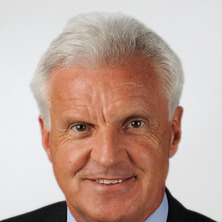
Professor Robert Sanders is a leading academic in Sydney Medical School at the University of Sydney and holds the Nuffield Chair of Anaesthetics. He is a member of both the Brain and Mind Centre and the Charles Perkins Centre. His academic journey began with a BSc in Neuroscience (First Class Honours) and MBBS from Imperial College London, followed by specialist training in Anaesthetics and a PhD in Biological Sciences funded by the UK Medical Research Council. He completed postdoctoral work at University College London’s Institute of Cognitive Neuroscience and relocated to the University of Wisconsin as an Assistant Professor before joining Sydney Medical School in 2020.
- Education: BSc (First Class Hons), MBBS, PhD (Imperial College London)
- Training: Specialist Anaesthetics (London), Postdoctoral Fellow (Wellcome Department of Imaging Neuroscience, UCL)
Prof Sanders’ research focuses on Neuropsychiatric Disorders, particularly delirium, dementia, and schizophrenia, with an emphasis on translational medicine. His laboratory investigates the Mechanisms of Consciousness and sensory disconnection under anaesthesia, employing novel disease models from theoretical neuroscience. Current projects include Mechanisms of Postoperative Delirium and Mechanisms of Sensory Disconnection Under Anaesthesia.
His publications (2025–2022) span biomarker analysis in postoperative delirium, neural connectivity studies under anaesthetics, and clinical trials on drugs like dexmedetomidine and propofol. Key journals include Anesthesia and Analgesia, British Journal of Anaesthesia, and Nature Communications. His work consistently highlights brain structural changes, neuroinflammatory pathways, and anaesthetic impacts on cognition.
Scientific Awards:
- 2019 Macintosh Professor, Royal College of Anaesthetists
- 2013 Rising Star Lecture, Royal College of Anaesthetists
- 2008 GSK Fellowship (Royal Society of Medicine)
- 2007 Royal Society of Medicine Anaesthesia Trainee Prize
- 2002 Goldberg–Schachmann Memorial Prize
Prof Sanders contributes to teaching and supervision in anaesthesia, postoperative cognitive disorders, and consciousness mechanisms. He leads international collaborations on delirium and anaesthetic neurotoxicity, with significant NIH funding during his Wisconsin tenure. His research bridges clinical anaesthesia with theoretical neuroscience, aiming to disrupt stagnant therapeutic paradigms.