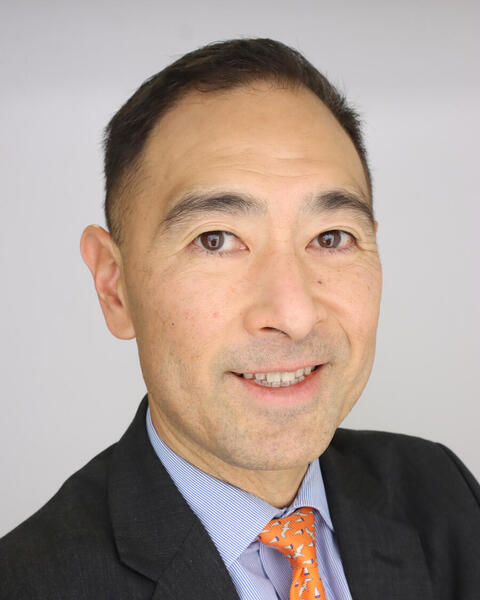
Professor Patrick Harter is a faculty member at the Institute of Neuropathology, Ludwig Maximilian University of Munich (LMU), where he leads research in neuro-oncology and molecular diagnostics of CNS tumors. His work focuses on glioblastoma, meningioma, and brain metastasis, with emphasis on epigenetic mechanisms like DNA methylation and metabolic adaptations in the tumor microenvironment. Research interests span: Molecular classification of brain tumors using DNA methylation profiling Therapeutic targeting of BRAF/MEK and PI3K/Akt/mTOR pathways Role of hypoxia and metabolic plasticity in treatment resistance Liquid biopsy development for non-invasive tumor monitoring His recent publications demonstrate a strong trend toward integrating epigenetic, metabolic, and immunotherapeutic approaches. Articles frequently explore: Novel biomarkers for tumor grading and prognosis Mechanisms of therapy resistance in gliomas Impact of tumor microenvironment on metastasis
Dr. Candemir ÖZCAN is an Assistant Professor at the Department of Clinical Sciences, Faculty of Veterinary Medicine, Kastamonu University. His academic career spans veterinary surgery, clinical diagnostics, and comparative medicine. Adnan Menderes University (BSc, Veterinary Medicine, 2013) Mehmet Akif Ersoy University (PhD, Veterinary Surgery, 2018) Burdur Mehmet Akif Ersoy University (PhD, Veterinary Surgery, 2022) Research focuses on veterinary ophthalmology, dental thermography, and hormonal impacts on clinical metrics. Key methodologies include thermal imaging, intraocular pressure analysis, and estradiol biomarkers. His 15 most recent publications highlight diagnostic imaging, anesthesiology, and periodontal disease dynamics. Scientific contributions include: 2022 Oral Presentation First Prize from Güven Plus Group A.Ş. 5 funded projects (2018-2025) addressing hoof diseases, neuro-ocular interactions, and imaging techniques Collaborations with researchers like Kürşad Yiğitarslan (13 co-publications) and Elif Doğan (5 co-publications)
Anru Zhang is the tenured Eugene Anson Stead, Jr. M.D. Associate Professor with joint appointments in Biostatistics & Bioinformatics, Computer Science, Electrical and Computer Engineering, and Statistical Science at Duke University. He holds a Ph.D. from the University of Pennsylvania (2015, advised by T. Tony Cai) and a B.S. in Mathematics from Peking University (2010). Current roles: Associate Professor at Duke (2024–present), previously Assistant Professor at UW-Madison (2018–2021) Research focus: Tensor learning, high-dimensional statistics, EHR analysis, and healthcare applications Mentorship: Supervises active research team including postdocs (Jianbin Tan, Qiuyi Wu) and PhD students (Runshi Tang, Yinrui Sun) Research Trends : His recent publications emphasize tensor methods in biomedical data (EHR, microbiome, Alzheimer’s), Riemannian optimization for high-dimensional problems, and hybrid statistical-computational approaches. Key themes include healthcare AI, EHR analysis, and non-convex optimization. Scientific Awards : COPSS Emerging Leader Award (2024) IMS Tweedie New Researcher Award (2022) ASA Gottfried E. Noether Junior Award (2021) NSF CAREER Award (2020) AMIA Data Science Outstanding Paper Award (2023) Advising & Grants : Mentored 16+ students/postdocs, including Yuetian Luo (IMS Lawrence D. Brown Award) and Yuchen Zhou (IMS Hannan Travel Award). Current grants include NIH-funded projects on sepsis detection, mental health AI, precision genetic testing, and telehealth interventions, plus NSF CAREER funding for statistical inference in high-dimensional structures. Labs & Teams : Leads a research group at Duke focusing on tensor learning, statistical theory, and healthcare AI applications. Collaborates with Duke’s AI Health initiative and serves as Associate Editor for leading journals like Annals of Statistics and JASA.
Dr. Richard H. Wiggins serves as Professor of Radiology and Imaging Sciences at the University of Utah School of Medicine, where he also holds the position of Associate Dean of Continuing Medical Education. He maintains adjunct professorships in Otolaryngology, Head and Neck Surgery, and Biomedical Informatics. His educational background includes a BA in Biochemistry from the University of Texas at Austin and an MD from the University of Texas at Houston Health Sciences Center, followed by specialized training at the University of Florida and University of Utah. Dr. Wiggins's research spans neuroradiology, biomedical informatics, and medical education innovation. His work explores advanced imaging techniques for head and neck pathologies, PET-CT applications in oncology, and the development of novel educational platforms like the RadDiscord community. He maintains particular expertise in temporal bone imaging, paragangliomas, and thyroid nodule classification systems. Analysis of his recent publications shows strong emphasis on: (1) optimizing oncologic imaging protocols, especially PET-CT applications across cancer types; (2) advancing head and neck radiology through volumetric analysis and radiomics; and (3) transforming radiology education via gamification and digital communities. His scientific honors include: Distinguished Teaching Award (Otolaryngology, University of Utah) Honored Educator Award (Radiological Society of North America) Inaugural Fellow, Academy of Health Science Educators 25th Fellow of the Society of Imaging Informatics in Medicine Fellow of the American College of Radiology He leads the Utah Head and Neck Imaging Center of Excellence, which includes an educational YouTube channel (@UHNICE). While specific grants aren't detailed, his extensive lecture record (600+ presentations) and leadership roles in professional societies like SIIM (Program Chair 2014-2020), ASHNR (Past President), and WNRS (Past President) demonstrate significant academic influence.
Professor Maria Eriksdotter is a leading academic in geriatrics and dementia research at the Karolinska Institutet , holding the Department of Neurobiology, Care Sciences and Society . She also serves as a Senior Consultant in Themes Inflammation and Ageing at Karolinska University Hospital Huddinge and previously as Dean of KI South (2019–2023). Her work spans translational research, clinical trials, and national registry development, with a focus on Alzheimer's disease, cholinergic therapies, and aging. Her research group pioneered NGF cell therapy for Alzheimer's patients, demonstrating safety and cognitive stabilization in clinical trials. She chairs the SveDem registry , tracking over 100,000 dementia patients to refine diagnostics and care. Studies from SveDem revealed mortality reduction with cholinesterase inhibitors and highlighted pandemic-era diagnostic delays. Recent publications analyze dementia subtypes , comorbidities , and precision medicine in neurodegeneration. Her work intersects neuroimaging , epidemiology , and public health policy , addressing ageism and improving geriatric care systems. Collaborations span Karolinska University Hospital , NSGene Inc , and international institutions.
David Naumann is Professor and Department Chair of Computer Science at Stevens Institute of Technology. His leadership in the department and active research program positions him as a key figure in programming languages and formal methods research. Naumann's research focuses on formal methods and software security, with particular emphasis on relational and hyperproperty verification , fine-grained confidentiality/integrity policies , and program analysis and verification . His work bridges theoretical foundations with practical applications in security-critical systems. He has developed novel program logics and verification techniques that enable precise reasoning about information flow and security properties. His recent publications (2022-2025) reveal a strong trend toward modular relational verification techniques with applications to pointer programs, distributed systems, and concurrent applications. The research spans theoretical foundations (algebraic structures for alignment) to practical tools (WhyRel prototype), demonstrating both depth and breadth in addressing verification challenges. Naumann has served as program committee co-chair for IEEE Computer Security Foundations Symposium (2021-2022) and has been active on committees for POPL, CCS, CSF, ECOOP, and other top venues. His editorial service includes ACM Transactions on Programming Languages and Systems, Formal Aspects of Computing, and Journal of Object Technology. He leads the Cypress research group at Stevens Institute of Technology and has secured significant funding from NSF, Microsoft Research, and Siemens. His mentoring extends to numerous PhD students who have gone on to successful careers in academia and industry.
Niklas Mattsson-Carlgren serves as an Associate Professor and Senior Lecturer at Lund University's Faculty of Medicine, Department of Clinical Sciences. He holds multiple significant roles including Deputy Research Team Manager and Principal Investigator for several major research projects. His affiliations extend to the Wallenberg Centre for Molecular Medicine (WCMM), LU Profile Area: Proactive Ageing, and MultiPark: Multidisciplinary Research Focused on Parkinson's Disease. Dr. Mattsson-Carlgren's research primarily focuses on Alzheimer's disease and other neurodegenerative conditions, with additional work on acute brain injuries such as those following cardiac arrest. His expertise spans neurochemistry, including the regulation of pain and sleep. He employs biochemical measurements, neuroimaging, and cognitive testing to study disease processes in vivo across the spectrum from preclinical disease to advanced dementia. His work aims to improve diagnostic and prognostic methods in clinical practice, enhance clinical trial design for novel therapies, and deepen understanding of disease mechanisms. His recent publications demonstrate a strong emphasis on plasma biomarkers for Alzheimer's disease detection and monitoring, with particular focus on tau and amyloid pathology. The research shows increasing integration of machine learning approaches with traditional biomarker analysis, reflecting a trend toward more sophisticated diagnostic tools that combine multiple data sources for improved accuracy in predicting disease progression. As Principal Investigator for multiple significant projects including 'Longitudinal plasma biomarkers, cognitive data and amyloid PET to improve early prevention of Alzheimer's disease' and 'Validation of an MTBR tau immunoassay for CSF and plasma,' he leads substantial research efforts funded by organizations including Familjen Rönströms stiftelse, Eli Lilly and Company, and the Knut and Alice Wallenberg Foundation. He also serves as supervisor for PhD students, notably for 'Studies of induced neuronal cells in Alzheimer's disease.' Dr. Mattsson-Carlgren is actively involved in the neuroscience community, serving on the program committee for Neuroscience Day 2025. His research contributes to UN Sustainable Development Goals related to health and wellbeing. His work has gained significant attention, with multiple papers being picked up by news outlets and referenced across social media platforms including X (Twitter) and Bluesky.
Masoud Majed is an Assistant Professor of Clinical Neurology at the University of Southern California , with expertise in neuroimmunology and autoimmune neurological disorders. His clinical and research focus centers on neuromyelitis optica spectrum disorder, multiple sclerosis, and the diagnostic utility of cerebrospinal fluid biomarkers. Email: mmajed@usc.edu Research Interests Majed's work explores: Neuroimmunological mechanisms in demyelinating diseases Role of MOG and AQP4 antibodies in diagnosis and prognosis Complement-mediated pathologies in neuroimmunological conditions Paraneoplastic syndromes linking cancer and neurological autoimmunity Global epidemiology of neuroinflammatory disorders Publication Trends His research output demonstrates a consistent focus on neuroimmunology since 2016, with increasing emphasis on: Cell-based assays for antibody detection Predictive modeling of disease progression Polypill interventions in cardiovascular comorbidities Interplay between autoimmune disorders and oncological conditions Standardization of neuroimmunological diagnostic criteria CSF biomarker validation across diverse populations
Andrew Solomon is a Professor of Clinical Psychology at Columbia University Medical Center and a prominent writer, lecturer, and activist. His work spans psychology, politics, and the arts, with a focus on mental health, LGBT rights, and global health equity. He holds a PhD in Psychology from the University of Cambridge (2012) and has authored influential books such as *Far from the Tree* (2012), *The Noonday Demon* (2001), and *Far & Away* (2016), winning prestigious awards including the National Book Award and National Book Critics Circle Award. His research explores multiple sclerosis (MS) diagnosis, differential diagnosis protocols, and the intersection of travel with global health. He has collaborated extensively with institutions like Yale and contributed to groundbreaking studies on MS pregnancy registries, neuroimaging techniques, and cross-cultural diagnostic challenges. Solomon’s activism includes leadership roles in PEN American Center and advocacy for mental health and LGBTQ+ rights. His work bridges academia, literature, and public health, emphasizing interdisciplinary approaches to complex societal issues. Research Interests: Multiple Sclerosis diagnosis, neuroimaging biomarkers, mental health advocacy, cultural diversity in family structures, and the societal impact of travel. His recent focus on MS includes refining diagnostic criteria (e.g., Central Vein Sign integration) and addressing disparities in underdiagnosis across populations. Articles Overview: Solomon’s 2020s research emphasizes MS pathophysiology, leveraging neuroimaging and multicenter studies to advance diagnostic accuracy. Earlier works, like *The Noonday Demon*, critically examine depression’s societal and psychological dimensions. His recent book *New Family Values* explores contemporary identity dynamics, reflecting his dual expertise in psychology and cultural analysis. Awards & Recognition: National Book Critics Circle Award (2012), National Book Award (2001), Wellcome Prize, and PEN American Center Awards. His film adaptation of *Far from the Tree* (2025) highlights his cross-disciplinary influence.
Markus Hovd is a Senior Lecturer at the Section for Pharmacology and Pharmaceutical Biosciences within the Department of Pharmacy at the University of Oslo's Faculty of Mathematics and Natural Sciences. He also maintains an affiliation with the Neurosurgical Department. His work focuses on pharmacokinetic research with applications in clinical practice and personalized medicine. Philosophiae Doctor (PhD), Department of Pharmacy, University of Oslo, 2024 Master of Pharmacy, Department of Pharmacy, University of Oslo, 2019 Hovd's primary research interest centers on the mechanisms behind pharmacokinetic inter-individual variability and the development of models to aid in personalization of medicine. His research methodology includes population- and physiology-based pharmacokinetic models, in vitro-in vivo extrapolation, and clinical trials. His work spans multiple therapeutic areas including kidney transplantation, obesity-related pharmacokinetics, and cerebrospinal fluid dynamics. Analysis of Hovd's publications reveals a strong focus on pharmacokinetic applications in specialized patient populations, particularly kidney transplant recipients and patients who have undergone bariatric surgery. His research demonstrates expertise in population pharmacokinetic modeling, drug transport mechanisms, and the impact of physiological changes on drug disposition. A significant portion of his work addresses the challenges of drug dosing in complex clinical scenarios where standard pharmacokinetic assumptions may not apply. Hovd serves as a representative for temporary teaching staff on both the Teaching Committee and the Department Board at the Department of Pharmacy. His teaching portfolio includes courses in Pharmaceutical Biochemistry, Pharmacotherapy, Pharmaceutical Microbiology, Research Preparation in Biology, and Applied Pharmacokinetics and Dosing in Clinical Practice. Hovd is actively involved in multiple research groups including Pharmacokinetics, Kidney Transplant Medicine, and the KG Jebsen Center for Cerebrospinal Fluid Research, where he contributes his pharmacokinetic expertise to interdisciplinary neuroscience research.
P. Murali Doraiswamy, MBBS, FRCP , is Professor of Psychiatry and Professor in Medicine at Duke University School of Medicine, Director of the Neurocognitive Disorders Program, Senior Fellow at the Duke Center for the Study of Aging and Human Development, and holds affiliate faculty appointments with the Duke Center for Applied Genomics & Precision Medicine, the Duke Microbiome Center, and the Duke Initiative for Science & Society. He is a Faculty Network Member of the Duke Institute for Brain Sciences and has advised major agencies including NIH, FDA, WHO, and the World Economic Forum. Research Focus Dr. Doraiswamy leads a multidisciplinary program that integrates advanced neuroimaging, multi-omics, digital therapeutics, and artificial intelligence to understand, predict, and prevent Alzheimer’s disease and related neurodegenerative disorders. His work spans: Development and validation of blood, CSF, imaging, and digital biomarkers for early detection and staging. Clinical trials of novel pharmacological, lifestyle, and digital interventions in mild cognitive impairment (MCI) and Alzheimer’s dementia. Systems-biology approaches combining genomics, metabolomics, lipidomics, and microbiome data to uncover mechanisms of resilience and risk. Policy translation and global mental health initiatives aimed at reducing disparities and improving brain health worldwide. Publications & Impact With more than 400 peer-reviewed publications and continuous federal and industry funding, his research has shaped current diagnostic algorithms and therapeutic pipelines. Recent work (2023-2025) demonstrates accelerated adoption of deep-learning MRI models for amyloid/tau staging, AI-guided companion robots to combat loneliness, and precision nutrition trials leveraging microbiome signatures. Scientific Leadership & Recognition He has chaired the World Economic Forum’s Global Agenda Council on Brain Research and co-chaired innovation advisory councils for large social-impact funds. His findings have been featured by BBC, The New York Times, Scientific American, TIME, NPR, CBS Evening News, Oprah, The Dr Oz Show , and acclaimed documentaries such as (Dis)Honesty: The Truth about Lies and Mysteries of the Brain . Advocacy & Societal Engagement Beyond the laboratory, Dr. Doraiswamy is a leading advocate for increased public and private investment in brain and behavioral research. He serves on multiple charitable boards and co-authored the popular book The Alzheimer’s Action Plan , translating cutting-edge science into practical guidance for patients and families.
Aslan Askarov is an Associate Professor in the Department of Computer Science at Aarhus University, where he leads research in computer security and programming languages. He is a member of the Logic and Semantics Group and maintains an active research program with several ongoing projects. Dr. Askarov's research interests span computer security and privacy, with a focus on foundations, information-flow, covert channels, metadata privacy, and formal methods for security. He also works extensively in programming languages, particularly in semantics, design, type systems, and program analysis. His work bridges theoretical foundations with practical security applications, particularly in web and mobile security contexts. His active projects include Troupe, a programming language for concurrent and distributed programming with dynamic information flow control, and DenIM, a protocol for secure instant messaging with metadata privacy. These projects reflect his commitment to developing practical security solutions grounded in formal methods. Dr. Askarov has published extensively in top security and programming languages venues, with recent work focusing on metadata privacy in instant messaging, separation logic for virtual machine security, and oblivious execution techniques for reactive programs. His research demonstrates a consistent pattern of addressing fundamental security challenges through formal methods and language-based approaches. CSF 2026 ESOP 2026 PLDI 2025 CSF 2025 CSF 2022 CSF 2021 CSF 2020 PriSC 2020 Nordsec 2019 (co-chair) POST 2019 Euro S&P 2018 PLAS 2017 FCS 2017 (co-chair) HotSpot 2017 FCS 2016 (co-chair) CSF 2016 ESSOS 2015 FCS-FCC 2014 ARES 2014 FCS 2013 ARES 2013 PLAS 2013 ARES 2012 PLAS 2011 (co-chair) ISARCS 2010 PLAS 2009 VODCA 2008 Dr. Askarov teaches advanced courses in computer science, including Compilers in Fall 2024 and Language-Based Security in Spring 2024. He is actively recruiting PhD students and postdocs to work in the areas of Programming Languages and Computer Security, demonstrating his ongoing commitment to mentoring the next generation of researchers.
Dr. Muhammad Azmat is a Lecturer and researcher at Aston University's School of Engineering and Applied Science, specializing in Engineering Systems & Supply Chain Management. He holds a PhD from Vienna University of Economics and Business, an MBA from Iqra University, and completed leadership programs at Oxford. His research focuses on disruptive technologies like autonomous vehicles, IoT, and their applications in supply chains and mobility. He has collaborated with organizations such as the Federal Procurement Agency of Austria and the Kühne Foundation, addressing challenges in logistics, urban mobility, and humanitarian aid. Education: PhD in Transport, Logistics & Supply Chain Management (Vienna University of Economics and Business, 2019) MSc in Supply Chain Management (Vienna University of Economics and Business, 2015) MBA in Supply Chain Management (Iqra University, 2013) Research Interests: Dr. Azmat explores innovation in mobility (autonomous/connected vehicles, shared platforms), logistics 4.0, and humanitarian supply chains. He examines how technologies like IoT and big data can enhance efficiency while addressing ethical and operational challenges. Recent work includes drone applications for disaster relief and blockchain for supply chain transparency. Publications Trends: His work spans urban logistics optimization, technological adoption barriers in SMEs, and cross-border humanitarian coordination. A common theme is leveraging emerging tech to solve real-world logistical and infrastructural problems. Awards: Best paper in Health and Environment (2019) PhD Distinction Award (2019) PhD Supervision & Collaboration: Actively supervises PhD candidates in mobility innovation and supply chain resilience. Leads industry-academia projects with highway authorities and tech firms, focusing on pilot testing autonomous vehicle infrastructure and IoT-based logistics solutions. Labs/Teams: Collaborates with Aston's Logistics Research Group and external networks like the Kühne Foundation to advance sustainable logistics systems and smart mobility frameworks.
Edward S. Ahn, M.D., is a Professor of Neurosurgery and Pediatrics at Mayo Clinic in Rochester, Minnesota. As a pediatric neurosurgeon, he specializes in minimally invasive techniques for craniosynostosis, fetal surgery for myelomeningocele, and management of pediatric neurovascular disorders like arteriovenous malformations and moyamoya disease. Education: B.A. in Biology and East Asian Studies, Harvard University (1999) M.D., New York University School of Medicine (2000) Internship in General Surgery, University of Maryland Medical Center (2001) Residency in Neurosurgery, University of Maryland Medical Center (2006) Fellowship in Pediatric Neurosurgery, Children’s Hospital (2007) Dr. Ahn’s research focuses on improving surgical outcomes for children with neurosurgical conditions, including craniosynostosis , hydrocephalus , and Chiari malformation . He pioneered image-based craniometric diagnostics for early craniosynostosis detection and explores telehealth applications for neonatal cranial screening. His recent work analyzes machine learning integration in surgical diagnostics. His publications span pediatric neurosurgical outcomes , fetal interventions , and vascular anomaly management . Dr. Ahn serves on editorial boards for Journal of Neurosurgery: Pediatrics and Child's Nervous System , and has received multiple Top Doctor recognitions since 2011. He also contributes to surgical education as Director of Neurosurgical Medical Student Education at Johns Hopkins University (2013–2014).
Javier Saez Valero is a Professor in the Department of Biochemistry and Molecular Biology at Miguel Hernandez University of Elche, where he also serves as Deputy Vice Rector for Research - Management of Research and Transfer. His academic roles include teaching Biochemistry I in the Bachelor's in Medicine program and courses in the Master's in Neuroscience and Master's in Translational Neuropsychopharmacology, while coordinating the Doctorate in Neuroscience program. His research focuses on neurochemical mechanisms in neurodegenerative disorders, particularly Alzheimer's disease biomarker discovery in cerebrospinal fluid and blood. Key areas include NMDA receptor dynamics, ACE2 fragments, apolipoprotein E interactions, and reelin signaling pathways. His work bridges molecular biochemistry with clinical neurology to develop diagnostic tools and understand disease pathogenesis. Analysis of his 15 most recent publications (2023-2025) reveals a dominant focus on Alzheimer's disease biomarkers, especially CSF protein alterations (nicastrin, ADAM10, ACE2). Significant themes include synaptic vs extrasynaptic receptor distributions, COVID-19 neurological impacts, and nanocarrier drug delivery limitations. His work consistently targets translational applications for early diagnosis and therapeutic development. No scientific awards were documented in the provided information. Professor Saez Valero provides academic guidance through tutorials and course coordination across undergraduate, master's, and doctoral programs. As Doctorate in Neuroscience coordinator, he oversees research training while managing institutional research transfer activities through the Vice Rectorate. His teaching spans biochemistry, neuropathology, and molecular neuroscience with laboratory components. He operates from Laboratory 241 at the Institute of Neurosciences (Campus de San Juan), a joint research center with CSIC. His work integrates with the university's Vice Rectorate for Research and Transfer, facilitating technology transfer and collaborative neuroscience research within the university's research infrastructure.