Tobias Stackeمشاهده پروفایل
پژوهشگر
- Earth System Modeling
- Climate Modeling
- Hydrology
- +۹ مورد دیگر
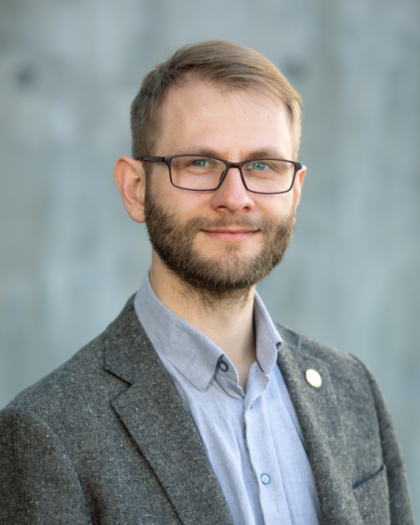
Tobias Stacke is a Scientist in the Department of Climate Dynamics at the Max Planck Institute for Meteorology (MPI-M) in Hamburg, Germany, working within the Climate-Biosphere Interactions group. His research focuses on Earth system modeling, particularly land surface hydrology in Arctic regions, including permafrost, soil hydrology, and wetlands. Research Interests: Dr. Stacke specializes in simulating the Earth's hydrological cycle, with emphasis on Arctic processes and their atmospheric interactions. He contributes to the development of the ICON-LAND model and the creation of sustainable, high-resolution model infrastructure for Arctic landscape representation. Publication Trends: His recent work (2021–2025) centers on permafrost dynamics, global hydrological modeling, climate feedbacks, and Earth system model evaluation. His publications frequently appear in high-impact journals such as Nature Communications , Geophysical Research Letters , and Geoscientific Model Development , often involving large international collaborations and model intercomparisons (e.g., CMIP, ISIMIP). Scientific Roles: Research Scientist, Scientific Programmer, Model Developer Model Development: HydroPy, ICON-LAND, ESMValTool contributions Advising and Grants: There is no public information indicating that Tobias Stacke has supervised students. His research has been supported through major projects such as CRESCENDO, MiKlip, Q-Arctic, and CMIP6 coordination activities at MPI-M, indicating involvement in significant funded initiatives, though specific grants are not listed. Labs and Teams: He is embedded in the Climate-Biosphere Interactions group at the Max Planck Institute for Meteorology, contributing to large collaborative modeling efforts including the development and evaluation of Earth system models. He has also been involved with the IMPRS-ESM (International Max Planck Research School for Earth System Modeling), suggesting engagement with academic training and research coordination.