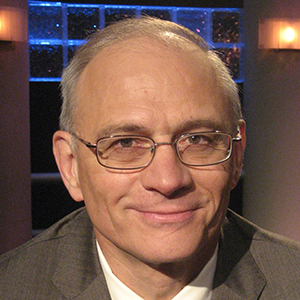
Prof. Waldemar Kolanus leads the Molecular Immunology and Cell Biology department at the University of Bonn's Life & Medical Sciences Institute (LIMES) . His research bridges immunoregulation , stem cell dynamics , and metabolic stress responses in immune cells. Unit 2 member at LIMES Principal investigator in SFB 704 and ImmunoSensation Cluster Leads a multidisciplinary lab with postdocs, PhD students, and technical staff His work focuses on intracellular signaling pathways connecting immune activation to tissue homeostasis, particularly through: Cytohesin proteins in integrin-mediated adhesion and migration TRIM71 in stem cell regulation and congenital hydrocephalus High-salt environments affecting macrophage function Publication trends show expertise in immune cell migration , genetic models , and chemical inhibition , with frequent use of mice and zebrafish for in vivo studies. Key articles explore: TRIM71's dual role in auditory development and germ cell maintenance Cytohesin family's Golgi regulation and insulin signaling Ruxolitinib's off-target migration inhibition of dendritic cells Contact details: Address: LIMES Institute, Carl-Troll-Straße 31, Bonn Email: kolanus.sekretariat@uni-bonn.de Phone: +49 228 73-62788
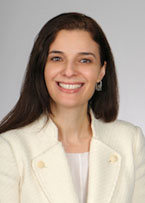
Xinxin Song, M.D., Ph.D., is an Assistant Professor in the Department of Surgery at the University of Texas Southwestern Medical Center. She holds a medical degree from Peking University Health Science Center and a Ph.D. from Peking Union Medical College. After post-doctoral training at the University of Pittsburgh, she became a Research Assistant Professor at Northwestern University's Feinberg School of Medicine before joining UT Southwestern in 2020. Her lab focuses on understanding mechanisms of cell death (apoptosis, ferroptosis, pH-dependent death, immunogenic cell death) and their interplay with drug resistance, tumor microenvironment, and cancer immunogenicity. Education: M.D., Health Science Center, Peking University Ph.D., Peking Union Medical College Post-doctoral Training, University of Pittsburgh School of Medicine Research Interests: Mechanisms of programmed cell death (apoptosis, ferroptosis) Drug resistance in cancer Tumor microenvironment dynamics Immunogenic cell death pathways Labs/Teams: Established her independent lab in the Department of Surgery at UT Southwestern in 2023
Dr. Thea Tlsty is a Professor at the University of California San Francisco (UCSF) School of Medicine, Department of Pathology. With over 25 years of experience in cancer biology, she leads multidisciplinary research on epithelial-stromal interactions, chronic inflammation, and cellular plasticity in carcinogenesis. Her lab developed the first biomarkers for ductal carcinoma in situ risk stratification and discovered rare pluripotent cells in normal tissues with implications for metaplastic cancers. Education: BS in Zoology (University of South Florida, 1973) PhD in Molecular Biology (Washington University, 1980) Predoctoral Fellow (Washington University, 1976-1980) Postdoctoral Fellow & Senior Research Associate (Stanford University, 1981-1985) Dr. Tlsty's research focuses on: Stromal-epithelial stress response mechanisms Chronic inflammation's role in cancer CD36 repression in high mammographic density Pluripotent cell biology Multi-investigator grant projects Her 15 most recent publications highlight trends in proteomics, spatial transcriptomics, and multi-omics integration to study tumor microenvironment dynamics, particularly in breast, esophageal, and colorectal cancers. Scientific Awards: Cancer Research UK Grand Challenge Grant (£20M) NCI Outstanding Investigator Award Blaffer Distinguished Lectures (MD Anderson) Nakahara Award (Princess Takamatsu Foundation) KOMEN Scholar & AVON Scholar Elected AAAS Fellow NCI Knudson Award Dr. Tlsty has received continuous NIH funding since 1987, including ongoing R35 grant (R35CA197694) for studying stress-associated cellular plasticity. Her lab's translational insights bridge basic discoveries with clinical applications for cancer prevention and therapy.
Prof. Dr. Verena Jendrossek is a full Professor and Chair of Cell Biology at the Institute of Cell Biology (Tumor Research), Faculty of Medicine, University of Duisburg-Essen. She also serves as Deputy Managing Director and leads research in molecular and experimental radiooncology. Her group is deeply integrated into the ZMB (Center for Medical Biotechnology) and participates in DFG Research Training Group 1739. Institution: University of Duisburg-Essen School: Faculty of Medicine Department: Institute of Cell Biology (Tumor Research) Leadership: Chair of Cell Biology, Deputy Managing Director Her research focuses on the molecular mechanisms of therapy-induced cell death, tumor resistance, radiation-induced immune changes, and normal tissue toxicity. Her work spans molecular cell biology, radiation biology, and experimental radiooncology , with emphasis on identifying biomarkers and developing novel therapeutic strategies. She investigates the PI3K pathway and microenvironmental influences on treatment response. The recent publications highlight a strong trend in radiation biology, cancer metabolism, autophagy regulation, and immunomodulation post-radiotherapy. Her team explores radiosensitization strategies , metabolic rewiring , and fibrosis mechanisms , often using preclinical models including in vitro , in ovo , and in vivo systems. Collaborative clinical studies in lung cancer are also prominent. Scientific awards are not listed in the provided text. Prof. Jendrossek supervises a large team of doctoral students across medical and scientific disciplines. She leads junior research groups and collaborates with clinical research teams for translational validation of therapeutic approaches. No specific grant information is mentioned, but her involvement in DFG Research Training Group 1739 indicates active funding. She supports a collaborative research environment with structured mentoring. The research group operates within the ZMB and includes junior group leaders such as Dr. Florian Wirsdörfer, PD Dr. Justine Rudner, Dr. Silvia Vega Rubin de Celis, PD Dr. Johann Matschke, and Dr. Farnoush Farahpour. The lab also hosts the Laboratory for Vascular Remodeling led by apl. Prof. Dr. Diana Klein. The team comprises multiple postdocs, doctoral students, and technical staff, indicating a highly active and multidisciplinary research environment.
Natasha Snider, PhD, is an Associate Professor and co-Director of Graduate Studies in the Department of Cell Biology and Physiology at the University of North Carolina at Chapel Hill School of Medicine. Her research focuses on post-translational modifications (PTMs) of disease-linked proteins, particularly in liver homeostasis, cancer, and pediatric neurodegenerative diseases such as Giant Axonal Neuropathy (GAN) and Alexander Disease (AxD). Her lab investigates CD73 in liver biology and glial intermediate filaments in neurological disorders. She holds NIH grants (K01, R03) and awards including the APS Research Recognition Award (2012). Education: BS (Michigan State, 2002), PhD (University of Michigan, 2009), Postdoctoral Fellowship (University of Michigan, 2011). Her work combines biochemical, cellular, and physiological approaches to study hepatocyte resilience, age/sex-dependent liver disease mechanisms, and scalable assays for IF protein aggregation using patient-derived cells. Current research emphasizes therapeutic strategies for cytoskeletal dysregulation in neurodegeneration and liver disease. Awards: NIH K01 (2011-2016), NIH R03 (2014-2016), Postdoctoral Translational Scholars Program Award (2009-2011). Grants include NIH-funded studies on CD73 and liver homeostasis. Lab activities span liver cell biology, neurogenetic disorders, and translational projects targeting disease mechanisms. Her publications (2020–2025) highlight roles of intermediate filaments in cancer metastasis, neurodegeneration, and metabolic reprogramming in alcoholic hepatitis.
Andreas Lundqvist is a Professor at the Department of Oncology-Pathology, Karolinska Institutet. His research focuses on understanding mechanisms of immune escape in solid tumors, particularly investigating NK and T cell regulation. He leads the Cell-based Immune Therapy for Cancer group, aiming to develop novel immunotherapies. Education & Roles: PhD in Immunology, Karolinska Institutet (2003) Professor since 2023; Associate Professor (2012–2023); Assistant Professor (2009–2012) Prior roles include Staff Scientist and Research Fellow at the National Institutes of Health (NIH) (2003–2008) Research Interests: Lundqvist's work targets immune evasion in cancer, with emphasis on NK and T cell dynamics. His group explores tumor microenvironment interactions, immune checkpoint modulation, and biomarker discovery. Recent studies focus on renal cell carcinoma, melanoma, and Hodgkin lymphoma. Grants & Funding: Swedish Childhood Cancer Fund (2024–2025) Swedish Research Council (2023–2026) Swedish Cancer Society (2022–2024) Advising & Labs: Lundqvist supervises a research group including PhD students and postdoctoral fellows. Notable alumni include Dhifaf Sarhan (Karolinska Institutet) and Erik Wennerberg (The Institute of Cancer Research).
Caius Radu, M.D., is a full Professor in the Departments of Molecular and Medical Pharmacology and Surgery at the University of California, Los Angeles (UCLA). He also serves as Vice-Chairman of the Department of Molecular and Medical Pharmacology and as Co-Director of the Cancer Molecular Imaging, Nanotechnology, and Theranostics Research Program (CMINT) within the Jonsson Comprehensive Cancer Center. Education: M.D., University of Medicine, Craiova, Romania Postdoctoral training in immunology and cancer biology, University of Texas Southwestern Medical Center (Dallas) Postdoctoral training at UCLA under the mentorship of Dr. Owen Witte Research Interests: Dr. Radu's laboratory investigates the intersection of metabolic signaling , nucleotide metabolism , and immune networks in cancer, with a translational focus on molecular imaging and theranostic applications. Key efforts include elucidating novel mechanisms regulating nucleotide metabolism in pancreatic and prostate cancers, identifying actionable co-dependencies, and developing non-invasive imaging probes that predict therapeutic response. The group integrates rigorous pre-clinical mouse models with cutting-edge PET imaging to accelerate bench-to-bedside translation. Current projects revolve around STING pathway activation , PSMA-targeted radioligand therapy , CD73 adenosine blockade , mutant KRAS inhibition , and mRNA cancer vaccines . These multi-pronged strategies aim to overcome tumor immune evasion, enhance cytotoxic therapies, and personalize treatment selection. Recent Publication Trends: From 2020-2025, the Radu group has published extensively on synergistic combination therapies that pair immune checkpoint modulation with targeted metabolic inhibition. A dominant theme is leveraging nucleoside analog PET tracers (e.g., 18F-FAC, 18F-CFA) to visualize immune activation and metabolic stress in real time. Parallel studies dissect resistance mechanisms to PSMA-targeted alpha therapy and explore STING agonism as a strategy to sensitize otherwise refractory pancreatic and prostate tumors. Scientific Awards & Honors: While the provided text does not enumerate specific awards, Dr. Radu’s leadership roles at UCLA and the Jonsson Comprehensive Cancer Center, along with continuous high-impact publications, attest to sustained recognition in cancer research. Advising & Team: Dr. Radu mentors an active bench-to-bedside team comprising: Graduate Students: Amanda Creech, Hailey Lee Postdoctoral Scholar: Khalid Rashid Staff Research Associate: Weihang Zhao Lab Manager: Nanping Wu Laboratory & Core Affiliations: The Radu laboratory operates within the CMINT program at the Jonsson Comprehensive Cancer Center, with ready access to UCLA’s preclinical imaging cores, flow cytometry facilities, and translational pathology resources. Collaborative ties span the departments of Molecular and Medical Pharmacology, Surgery, Radiological Sciences, and the Institute for Molecular Medicine.
Scott A. Gerber is an Associate Professor at the University of Rochester with joint appointments in the Department of Surgery , Department of Microbiology and Immunology , and Department of Radiation Oncology . He co-directs the Center for Tumor Immunology Research and is affiliated with the Wilmot Cancer Center . Ph.D. in Microbiology & Immunology (University of Rochester, 2005) Post-doctoral Training at Yale University (2005-2008) Research Interests focus on tumor immunology , enhancing radiation therapy through immunotherapy , and targeting the tumor microenvironment in pancreatic and rectal cancers . His work explores CD8+ T cell activation , immunosuppressive neutrophils , and CAR T cell migration . Recent publications highlight advancements in SBRT (Stereotactic Body Radiation Therapy) efficacy via immune modulation, PD-L1 and LIF inhibition , and IL-12 nanotechnology for pancreatic cancer. His lab has also pioneered terahertz imaging for tumor detection and shear wave elastography for radiation response stratification. Scientific Awards include grants from the National Cancer Institute , URMC Outstanding Teacher Award , Wilmot Cancer Institute Collaborative Award , and multiple pilot grants from Clinical and Translational Science Institute and UR/UB Genomics Collaborative . Education & Training : Ph.D., University of Rochester (2005) MS, University of Rochester (2001) BS, SUNY Fredonia (1997) Postdoctoral, Yale University (2005-2008) Lab Members include Jian Ye (Research Assistant Professor), Gary Hannon (Postdoctoral Associate), and graduate students Sarah Eckl and Maggie Lesch .
Prof. Dr. Christa Müller leads research at the Pharmazeutisches Institut, University of Bonn, focusing on medicinal chemistry and receptor pharmacology. Her work spans neuropharmacology, molecular imaging, and targeted drug development. Key research areas include purinergic signaling (P2X/P2Y receptors), CD73 inhibition for cancer immunotherapy, and antiviral agents against SARS-CoV-2. Recent publications highlight radiotracer design, GPCR antagonists, and structure-based drug discovery. Collaborative projects integrate structural biology, preclinical models, and clinical translation. Contributions to neurotechEU and TRA Life and Health align with interdisciplinary approaches to neurological and inflammatory disorders.
Professor Yan Cui is a tumor immunologist affiliated with Augusta University's Medical College of Georgia , where they hold appointments in the Department of Biochemistry and Molecular Biology , Georgia Cancer Center , and Department of Neuroscience and Regenerative Medicine . Their research focuses on tumor microenvironment dynamics, immunosuppressive mechanisms, and novel cancer immunotherapy strategies. Specialized in CD73-adenosinergic signaling as immune checkpoint Investigated p53 dysfunction in tumor-immune interactions Characterized cancer-associated fibroblasts' role in immunosuppression Research spans Head and Neck Squamous Cell Carcinoma and Colorectal Cancer , utilizing preclinical mouse models and clinical specimens with AI-assisted spatial analysis . Publications reveal expertise in immune checkpoint blockade, tumor progression mechanisms, and COX2-PGE2 axis regulation of T cell responses. Scientific awards include: AAI Laboratory Travel Grant (2011) Cancer Research Institute Fellowship (2000) Alberta Cancer Board Fellowship (1996) Active in NIH grant reviews and institutional committees including Georgia Cancer Center Flow Cytometry Core (2017–present) and AU Institutional Biosafety Committee (2020–2024).
Ludovic Tailleux is a Research Professor at the Pasteur Institute , specializing in host-pathogen interactions and tuberculosis immunology . His work focuses on the innate immune response against Mycobacterium tuberculosis, particularly in human dendritic cells and macrophages. He has identified DC-SIGN/CD209 as a critical host cell receptor for M. tuberculosis and collaborates with Laurent Barreiro (University of Montreal) on genetic determinants of immune variation. Education : Not explicitly detailed in the text, but inferred from research depth to include advanced training in immunology/microbiology. Tailleux's research spans innate immunity , antigen presentation , genetic architecture of immune response , and host-directed therapies . His projects include identifying host genetic factors affecting M. tuberculosis interplay and analyzing epigenetic changes in immune cells. The 15 most recent publications highlight trends in zinc toxicity mechanisms , nanocarrier drug delivery , microRNA regulation , and purinergic signaling in TB pathogenesis. He contributes to educational initiatives, including an upcoming MOOC on Tuberculosis (2025) at Pasteur Institute. Collaborative efforts with institutions like University of Montreal and technical teams at Pasteur are central to his work. Tailleux also investigates macrophage polarization , angiogenesis exploitation by TB , and innate immune reprogramming through DNA methylation studies.
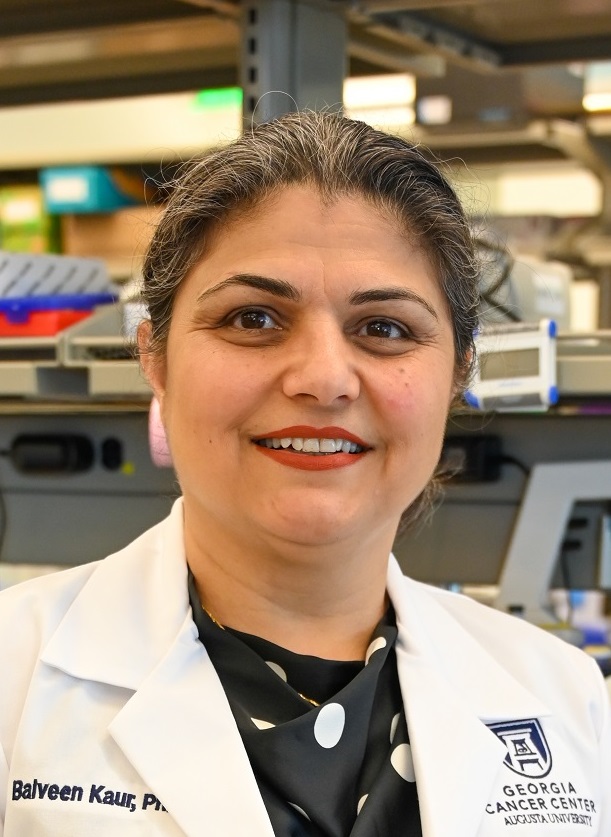
Balveen Kaur is Associate Director of Basic Science and Professor at the Medical College of Georgia , Augusta University. Her academic appointments span the Department of Pathology and Georgia Cancer Center , with a focus on oncolytic virotherapy and glioblastoma research. Ph.D. , Biomedical Sciences, Emory University (1999) B.S. , Biotechnology, University of Delhi (1990) Her research centers on oncolytic herpesvirus therapy , tumor-immune interactions, and signal transduction in glioblastoma multiforme and breast cancer brain metastasis . She investigates metabolic reprogramming, immunosuppressive pathway inhibition (e.g., IDO, IGF2-IGF1R), and the role of stromal cells in tumor progression. Her work often combines viral engineering with pharmacological and immunotherapeutic approaches to overcome treatment resistance. The 2025-2024 articles highlight her leadership in HSV-1 strain development , Notch and CD73 signaling , and multi-drug synergy for glioblastoma. Publications emphasize metabolic-immune crosstalk (reductive carboxylation, ferroptosis), bi-specific antibodies penetrating the blood-brain barrier, and targeted stromal modulation in pancreatic and ovarian cancers. These span disciplines like Virology , Cancer Biology , and Immunology , with subfields including tumor microenvironment engineering, epigenetic drug interactions, and neuro-immuno-oncology. Ande Leon and Dorothy Bloom Distinguished Chair in Cancer Research (2023) She chairs the GCC Research Retreat and MOI Career Development committee, and serves on the American Society for Cell and Gene Therapy meetings. Her work includes collaborations with UGA Cancer Center and translational applications in remote heart failure monitoring systems (TCC-HF).
Claudio Di Cristofano is an Associate Professor of Pathology at Sapienza University of Rome, Department of Medical-Surgical Sciences and Biotechnologies, Faculty of Pharmacy and Medicine. He serves as President of the Master's Degree in Medicine and Surgery at the Latina campus and as Vice President of School of Medicine E. His teaching responsibilities span multiple programs including Medicine and Surgery, Nursing and Midwifery Sciences, Dental Hygiene, and Physiotherapy. Dr. Di Cristofano completed his medical education at Sapienza University of Rome in 1994 and obtained his Board in Pathology from the University of Ferrara in 2001. His professional journey includes positions at Santa Chiara University Hospital of Pisa (2002-2007) and San Camillo-Forlanini Hospital in Rome (2001) before joining Sapienza University of Rome in 2008. His research focuses on molecular mechanisms of carcinogenesis and neoplastic progression, with particular emphasis on osteosarcoma, kidney pathology, breast cancer, and soft tissue tumors. He utilizes advanced molecular techniques including laser microdissection (LCM), fluorescence in situ hybridization (FISH), and tissue microarrays (TMA) to identify potential therapeutic targets in solid tumors. A significant research strand involves investigating nucleocytoplasmic trafficking of proteins through subcellular localization and immunohistochemical methods. Analysis of his recent publications reveals a strong focus on translational pathology, with research spanning cancer biomarkers, molecular diagnostics, obesity-related metabolic disorders, and NAFLD pathogenesis. His work demonstrates consistent integration of basic science with clinical applications across multiple organ systems. Dr. Di Cristofano maintains active membership in numerous professional societies including the International Academy of Pathology (IAP), United States Canadian Academy of Pathology (USCAP), European Society of Pathology, and several specialized Italian pathology groups focusing on molecular pathology, uropathology, dermatopathology, and hematopathology. He has received multiple research grants from Sapienza University since 2008, focusing on pancreatic cancer, osteosarcoma, breast cancer, and molecular pathology approaches. His academic output includes 64 international papers, 2 national papers, 4 scientific books, and 2 teaching books, with a total impact factor of 171,248 and an H-index of 22. Dr. Di Cristofano maintains research laboratory facilities at the ICOT Hospital in Latina, where he conducts his pathological research alongside his clinical and teaching responsibilities. His office hours are held in Latina on Wednesdays (9:00-11:00) and in Rome (Pathological Anatomy, ground floor) on Thursdays (14:00-16:00).
Dr. William A. Gahl is a Senior Investigator and Director of the NIH Undiagnosed Diseases Program at the National Human Genome Research Institute (NHGRI) within the National Institutes of Health (NIH). He established the Undiagnosed Diseases Program in 2008, which evolved into the Undiagnosed Diseases Network (UDN) with $145M funding through 2020. Dr. Gahl earned his B.S. in Biology from MIT (1972), M.D. from the University of Wisconsin (1976), and Ph.D. in Oncology from the McArdle Laboratories for Cancer Research (1981). His research focuses on rare genetic disorders, including cystinosis, Salla disease, alkaptonuria, Hermansky-Pudlak syndrome (HPS), and gray platelet syndrome, with emphasis on natural history studies, therapeutic development, and gene discovery. His work has led to FDA approval of cysteamine for nephropathic cystinosis and clinical trials for HPS, GNE myopathy, and Erdheim-Chester disease. He has trained over 42 biochemical geneticists and spearheaded the identification of genetic bases for multiple conditions, including HPS subtypes and arterial calcification due to CD73 deficiency. Scientific Awards: Dr. Nathan Davis Award for Outstanding Government Service (AMA) Service to America Medal in Science and the Environment Numerous other accolades The NIH Undiagnosed Diseases Program, under Dr. Gahl, has diagnosed 60+ patients with rare disorders and identified candidate genes for 50+ new diseases. His lab also developed technical advances like exome filtering programs and family-specific reference genomes.
Dr. Özlem Yilmaz (DDS, PhD) is a Professor at the Medical University of South Carolina (MUSC) in the College of Dental Medicine and Department of Oral Health Sciences . With over two decades of academic experience across MUSC and University of Florida, she holds joint appointments in Pharmacology and Immunology . Her research focuses on Porphyromonas gingivalis and its role in microbe-host interactions , linking periodontal disease to Alzheimer’s disease and orodigestive cancers . PhD in Oral Biology, University of Washington (2002) D.D.S., Istanbul University (2002) Her lab investigates molecular mechanisms enabling P. gingivalis to evade host defenses through autophagy subversion , ATP scavenging , and inflammasome modulation . Recent work connects this pathogen to mitophagy resistance in oral tumors and neurodegenerative disease . Dr. Yilmaz has received prestigious accolades including Fellow of Pierre Fauchard Academy (2023), Overseas Fellow, Royal Society of Medicine (2017), and University of Florida Research Foundation Professor (2014). She serves on multiple editorial boards including PLOS ONE and Frontiers in Cellular and Infection Microbiology . Her team has secured significant NIH F30/F31 grants for trainees like Jaden Lee and Bridgette Wellslager, with lab alumni now leading research at institutions like NIH, UCLA, and Kyungpook National University. The lab also explores Filifactor alocis and Fusobacterium nucleatum interactions through primary cell culture and transgenic models .