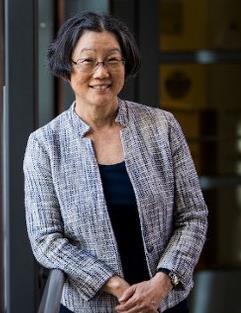
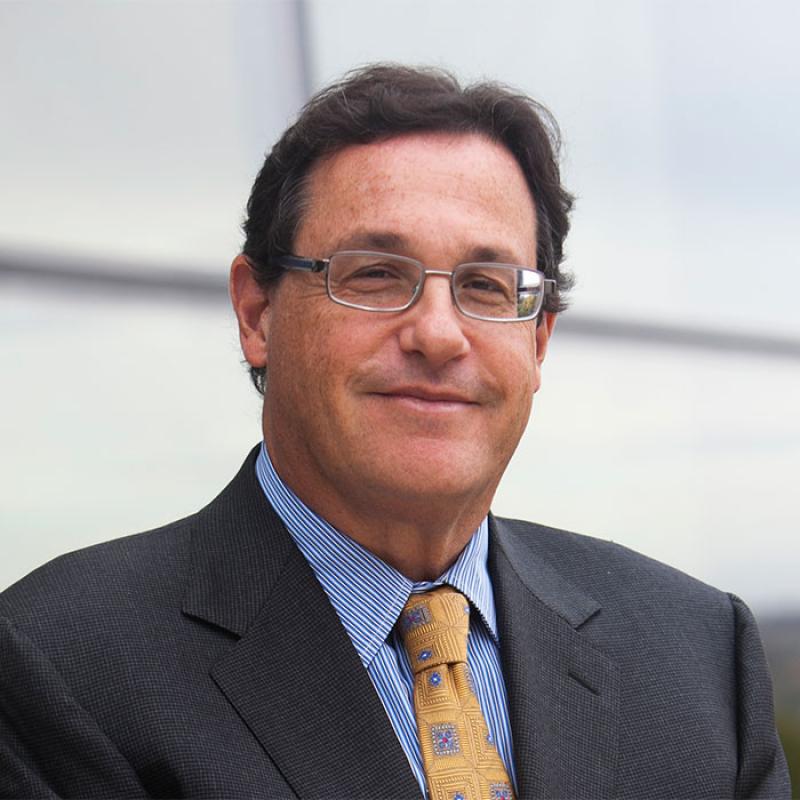
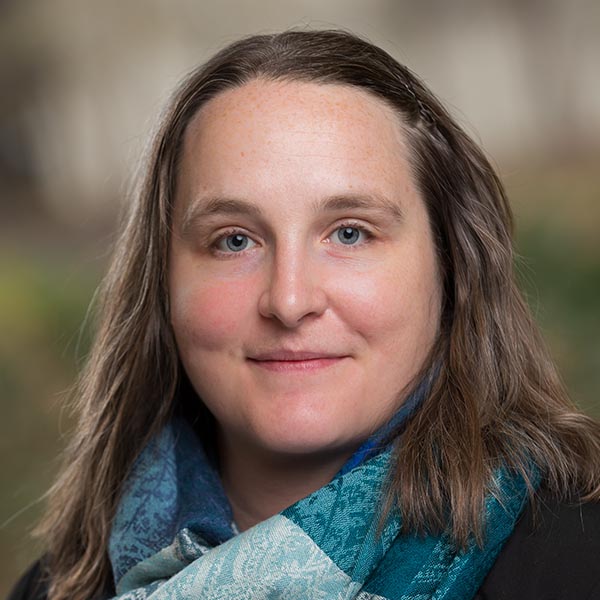
BÜLENT DURDU is an Associate Professor at Bezmialem Vakıf University Faculty of Medicine , specializing in the Department of Internal Medicine and Infectious Diseases and Clinical Microbiology . With over 125 publications in WoS and high H-indices across multiple databases, his work focuses on antimicrobial resistance , nosocomial infections , and COVID-19/HIV/viral hepatitis epidemiology and treatment strategies . He has contributed to colistin toxicity research, drug-related problems in pandemics , and surgical site infection surveillance. His research trends (2014–2025) emphasize antimicrobial resistance in Gram-negative pathogens , experimental sepsis models , and multidrug therapy efficacy. Key subfields include hospital-acquired infections , pharmaceutical care , and immune response variability in viral diseases . As Assistant Editor for Bezmialem Science and presenter at conferences like IDWeek and EKMUD , he advances infection control and clinical pharmacology . His funded projects (2024–2025) target early candidemia diagnosis in hospitalized patients.
Dr. Alexander Khoruts is a Professor in the Department of Medicine at the University of Minnesota , where he serves as Section Lead for Luminal GI MEC and Director of the UMN Microbiota Therapeutics Program . His academic roles focus on advancing microbiota-based therapies for gastrointestinal and systemic diseases. Primary Affiliation: Division of Gastroenterology, Hepatology and Nutrition Leadership: UMN Microbiota Therapeutics Program Dr. Khoruts’ research spans fecal microbiota transplantation (FMT) , microbial dysbiosis , and gut-liver axis interactions. His work examines how microbiome alterations impact conditions like inflammatory bowel disease (IBD) , hepatic encephalopathy , and post-transplant complications . Key themes include microbial engraftment dynamics, antibiotic resistance gene transfer, and metabolomic profiling. Recent publications highlight FMT applications in ulcerative colitis , cirrhosis , and autism , with technical innovations in metagenomic source tracking and microbial formulation development . He actively investigates microbiome contributions to acute myeloid leukemia and pulmonary arterial hypertension outcomes.
Richard A Martinello is a Professor of Medicine (Infectious Diseases) and Pediatrics at Yale School of Medicine, where he serves as the Chief Medical Officer of Yale Medicine. His primary appointments are in the Department of Internal Medicine's Infectious Diseases section, with secondary appointments in Pediatrics and affiliations with Molecular Virology, Pediatric Infectious Diseases, Virology Laboratories, Yale Institute for Global Health, Yale Medicine, and Yale Ventures. Dr. Martinello is an adult and pediatric infectious diseases clinician with a research focus on the prevention of healthcare-associated infections, vaccine preventable diseases, and respiratory viruses. His work encompasses the epidemiology and prevention of healthcare-associated infections, the use of germicidal ultraviolet light for disinfection, and the development of interventions to improve vaccine utilization. His research spans multiple areas including antimicrobial stewardship, hospital epidemiology, and infection control. His recent publications demonstrate a strong emphasis on healthcare-associated infections, with studies on bacterial recolonization of hospital sinks, needleless connector disinfection, and social mixing patterns of healthcare personnel. His research integrates human factors engineering, clinical decision support, and quality improvement methodologies to enhance infection prevention practices. Excellence in Health Care Award for Quality Improvement Champions (2022) from United Hospital Fund Fellow of the Infectious Diseases Society of America (2022) Dr. Martinello has been instrumental in developing interventions to improve healthcare safety, including work on ultraviolet light disinfection, vaccine implementation strategies, and infection prevention in specialized settings like the neonatal intensive care unit. His collaborations span multiple departments and institutions, reflecting the interdisciplinary nature of modern infection prevention research.
James Hadler is a Adjunct Professor at the Yale School of Public Health , Department of Epidemiology of Microbial Diseases. He holds concurrent appointments as a Clinical Professor of Epidemiology and serves as senior infectious disease consultant to the Connecticut Emerging Infections Program , Yale Emerging Infections Program , New York City Department of Health , and the Council of State and Territorial Epidemiologists . His career spans 25 years as Connecticut State Epidemiologist (1984–2008), where he led responses to HIV, multidrug-resistant tuberculosis, West Nile virus, anthrax, SARS, E. coli outbreaks, and MRSA. MD from Columbia University (1972) MPH from Yale University (1982) BS in Zoology and Chemistry from McGill University (1968) Dr. Hadler's research focuses on the epidemiology of infectious diseases and their socioeconomic determinants . He specializes in disease surveillance , vaccine impact evaluation , and health disparity analysis for conditions like HPV-related diseases, influenza, and bacterial infections. His work integrates population-based studies , case-control designs , and public health policy assessments . Recent publications demonstrate a thematic progression toward healthcare-associated infections and vaccine-preventable diseases , with methodological emphasis on longitudinal tracking and socioeconomic stratification . Articles span topics from Clostridioides difficile recurrence patterns to HPV type distribution and pneumococcal disease disparities . Scientific recognitions include: Charles C. Shepard Science Award (2004) for pneumococcal vaccine research Pump Handle Award (2007) for applied epidemiology APHA Paper of the Year (2014) on jail inmate self-harm 2014 Distinguished Student Mentor (Yale) He has mentored over 300 MPH/doctoral students through the Connecticut Emerging Infections Program , where he leads training initiatives. His current work continues to bridge infectious disease modeling and social determinant analysis through collaborations with CDC, Yale, and state health departments.
Prof. Dr. Abdulbaki AKSAKAL is a Professor at the Department of Pharmaceutical Microbiology, Faculty of Pharmacy, Adıyaman University. He holds a PhD in Veterinary Microbiology from Selçuk University (2003) and a Veterinary Medicine degree from Selçuk University (1991). His career includes roles at Van Yüzüncü Yıl University and Adıyaman University, where he has served as an Associate Professor (2011–2017) and Professor since 2017. He specializes in Microbiology, Infectious Diseases, Immunology, and Epidemiology with a focus on zoonotic pathogens and molecular diagnostics. Education: Bachelor's in Veterinary Medicine (1986–1991), Selçuk University PhD in Veterinary Microbiology (1996–2003), Selçuk University Health Sciences Institute Professional Experience: Research Assistant, Van Yüzüncü Yıl University (1993–1995) Associate Professor, Veterinary Microbiology (2004–2017) Professor, Pharmaceutical Microbiology (2017–present) His research emphasizes bacterial pathogens, antibiotic resistance, and diagnostic methodologies. Notable projects include studies on avian influenza, Brucella, and Staphylococcus species. He has authored over 20 peer-reviewed articles, contributed to international textbooks, and served in academic leadership roles such as Department Head and Dean’s Office at Adıyaman University. Publications span antimicrobial activity studies, molecular diagnostics, and zoonotic disease surveillance. He is a member of professional societies like the Turkish Microbiology Society and Ankara Microbiology Association, with English proficiency at C-level (UEMS/KPDS).
Carol Kumamoto is a Professor at Tufts University School of Medicine in the Department of Molecular Biology and Microbiology. Her research focuses on Candida albicans pathogenesis, host-fungal interactions, and gut microbiome dynamics. Doctor of Philosophy, University of California, 1980 Artium Baccalaureatus, University of California, 1975 Dr. Kumamoto investigates environmental cues triggering C. albicans filamentous growth, virulence mechanisms, and how host colonization impacts disease progression. Her work spans molecular biology, microbial ecology, and translational studies in immunocompromised populations. Recent publications highlight cross-kingdom interactions between Candida and gut bacteria, ethanol tolerance in fungi, and gut-brain axis modulation. Key journals include PLOS Pathogens , Cell Host & Microbe , and Gastroenterology . Elected Fellow, American Academy of Microbiology (2019) Elected Fellow, AAAS (2014) Outstanding Tufts Lecturer (2015-2017) She teaches Intro to Microbiology and has led NIH-funded projects on fungal virulence, probiotics, and enteric disease models. Grants include NIH R01 and U19 awards (2003-2022).
Bruno Dupuy is a Permanent Researcher and Principal Investigator at the Pasteur Institute in Paris, France, within the Department of Microbiology. He is a key member of the 'Biologie cellulaire de l’infection microbienne' unit, working under the leadership of Isabelle Martin-Verstraete. His primary research focus is on the pathogenesis of the anaerobic bacterium Clostridioides difficile , a major cause of nosocomial infections. His research interests center on understanding the fundamental mechanisms of C. difficile virulence. This includes studying the biology of anaerobic biofilms and their role in infection, the complex regulatory network controlling toxin synthesis and secretion, and the adaptive strategies the bacterium uses to survive host stresses like oxidative damage. His work also extends to evaluating novel therapeutic strategies, such as cationic copolypeptoids, for combating this pathogen. His recent publications highlight a strong trend in molecular microbiology, focusing on bacterial surface structures (like the S-layer), toxin function, and host-pathogen interactions using advanced techniques like RNAseq and monoclonal antibody characterization. Bruno Dupuy has an active research program, leading multiple projects funded by grants like ANR JCJC. He mentors a team of PhD students and post-doctoral fellows, contributing to the training of the next generation of scientists. He has also been involved in educational activities, such as co-organizing a workshop on Bacterial RNAseq.
Dr. Anthony Buckley is a Lecturer in the School of Medicine at the University of Leeds, affiliated with the Faculty of Medicine and Health. His research is centered on molecular microbiology, particularly Clostridium difficile and gastrointestinal pathogens. He is a member of the Healthcare-Associated Infection Research Group and the Leeds Institute of Medical Research at St James's. His research focuses on understanding the mechanisms of C. difficile pathogenicity, particularly the role of intestinal biofilms in recurrent infections and the interactions between gut microbes. He employs in vitro chemostat colonic models and in vivo infection models, complemented by molecular techniques, next-generation sequencing, and metabolite analysis. His work also investigates bacteriotherapies, including faecal microbiota transplants, to treat recurrent C. difficile infection. Dr. Buckley earned his PhD from the University of Birmingham in 2006, studying Salmonella Typhimurium efflux pumps, followed by postdoctoral research at the Institute for Animal Health on Campylobacter jejuni vaccines. He has been investigating C. difficile since 2010, first at the University of Glasgow and then at Leeds since 2015. He is a secondary supervisor for a PhD student researching biofilms in recurrent C. difficile infection and lectures on the Medical Bacteriology module. His professional memberships include the Society for Applied Microbiology and the Microbiology Society. He is actively involved in laboratory supervision, project leadership, and student mentorship. Although no scientific awards are listed, his research has industrial collaborations and uses predictive models to evaluate microbial therapies.
Dr. Walid F. Khayr serves as Professor of Medicine and Infectious Disease Fellowship Director at Rosalind Franklin University's Chicago Medical School. He concurrently holds leadership positions at the Lovell Federal Health Care Center (FHCC) including Infectious Disease Section Chief, Assistant Chief Medical Executive for Clinical Affairs, and interim ACME for Research. His educational background comprises a medical degree from the American University of Beirut (1985), internal medicine residency at the same institution, and infectious disease fellowship at the University of Illinois at Chicago (1988). MD: American University of Beirut, Lebanon (1985) Internal Medicine Residency: American University of Beirut Infectious Disease Fellowship: University of Illinois at Chicago (1988) Dr. Khayr's research centers on healthcare-associated infections and antibiotic resistance, with significant contributions to understanding resistant pathogen epidemiology in acute/long-term care settings. His work spans Clostridium difficile , MRSA, listeriosis, and fungal infections, emphasizing clinical virulence patterns and treatment efficacy. This focus aligns with his dual roles in medical education and federal healthcare administration. His publication record (1991-2000) reveals consistent investigation into nosocomial infection dynamics, particularly antimicrobial resistance mechanisms in hospital environments. Key themes include pathogen-specific epidemiology (MRSA, C. difficile , listeria), therapeutic challenges in immunocompromised populations, and infection control implications for healthcare facilities. He received the CMS Department of Medicine James B. Hammond Humanitarian Award in 2002. CMS Department of Medicine James B. Hammond Humanitarian Award (2002) As Infectious Disease Fellowship Director since 1996 and medical director of the physician assistant department, Dr. Khayr oversees clinical training programs. His research includes pharmaceutical industry-funded projects on resistant pathogens. At FHCC, he previously served as ACME for Academic Affairs before assuming current executive roles in clinical affairs and research administration. Dr. Khayr leads the Infectious Disease section at Lovell FHCC while directing fellowship training programs at Chicago Medical School, integrating clinical care, research administration, and medical education across both institutions.
Dr. Papanin Putsathit is a Post Doctoral Research Fellow at Edith Cowan University (ECU), affiliated with the School of Medical and Health Sciences. She collaborates with Professor Thomas Riley's Clostridium difficile research group at PathWest Laboratory Medicine, Queen Elizabeth II Medical Centre. Her research focuses on molecular epidemiology and antimicrobial susceptibility of Clostridium difficile in humans, livestock, and environmental sources, with an emphasis on developing novel antimicrobial strategies. Education Doctor of Philosophy (2017) – University of Western Australia Graduate Diploma of Education (Secondary) (2017) – Edith Cowan University Bachelor of Science with Honours (Microbiology) (2012) – University of Western Australia Bachelor of Science (Biomedical Science) (2011) – University of Western Australia Research Interests Dr. Putsathit’s work bridges molecular biology and clinical microbiology, addressing critical gaps in understanding pathogen transmission. Her studies explore: Epidemiological patterns of Clostridium difficile infections across human, animal, and environmental interfaces Mechanisms of antimicrobial resistance and their evolutionary trajectories Novel antimicrobial compounds targeting C. difficile biofilms and spores One Health approaches to mitigate multi-sectoral pathogen spread Grants & Awards ECU Early Career Researcher Grant (2019–2020): $26,604 for studying C. difficile carriage in Western Australian communities UWA International Research Fees Scholarship (2013–2017) Australian Society for Microbiology Vacation Scholarship (2010) Tuart College International Student Scholarship (2007) Lab & Collaborations Works within the Clostridium difficile research group at PathWest, collaborating with institutions like the University of Western Australia and international partners. Current projects include: Genomic analysis of C. difficile ribotypes in Australian healthcare settings Environmental reservoir studies linking hospital and community C. difficile strains Screening antimicrobial peptidomimetics for efficacy against biofilm-forming pathogens
Deirdre Collins is an Adjunct Research Fellow at the School of Biomedical Sciences, The University of Western Australia (UWA), and a member of the Marshall Centre. She holds an NHMRC Early Career Fellowship and works with Professor Thomas Riley's Clostridium difficile research group at PathWest Laboratory Medicine, QEII Medical Centre. Her roles include Epidemiologist for Food-borne disease surveillance at the Department of Health (WA) and Postdoctoral Research Fellow at Edith Cowan University. Education: PhD in Microbiology (UWA, 2012-2016), Master of Infectious Diseases (UWA, 2008-2010), BA (Moderator) in Human Genetics (Trinity College Dublin, 2003-2007). Research focuses on Clostridium difficile epidemiology, antibiotic resistance, and genomic analysis. Key topics include infection prevalence in Asia-Pacific regions, environmental contamination, and transmission dynamics. Her work aligns with UN Sustainable Development Goals related to health and well-being. Notable projects include a NHMRC-funded initiative on reducing C. difficile infections via One Health approaches and a study on ribotypes circulating in Asia. Awards include NHMRC Early Career Fellow status. Labs/Teams: Active in Prof. Riley's research group, PathWest laboratories, and collaborative networks in Vietnam and Cambodia.
Lothar Jänsch is a Professor and Research Group Leader at the Helmholtz Centre for Infection Research (HZI) , jointly appointed with the Technical University of Braunschweig . His work bridges proteomics and infection biology , focusing on pathogen-host interactomes and immune response regulation. Studied biology at the Free University of Berlin (diploma 1995), earned his doctorate in 1998 (IGF Berlin/University of Hanover) Postdoc at GBF (now HZI) since 2000, led projects on virulence factors (2003-2006), and established the Cellular Proteomics group in 2009 Appointed to the W2 professorship for Proteomics in Infectious Processes in 2011 Research emphasizes translational projects with academic, medical, and industrial partners, particularly on: Pathogen-host interactomes (e.g., Pseudomonas aeruginosa , Clostridioides difficile , Listeria monocytogenes ) Immune response control mechanisms in infection models (MAIT cells, NK cells, Tregs) Proteomic characterization of extracellular vesicles, biofilms, and subcellular structures Drug discovery targeting bacterial virulence factors (e.g., quinoxalinediones for α-hemolysin) Recent publications highlight interdisciplinary approaches combining mass spectrometry , kinome analysis , and phosphoproteomics to study: Bacterial virulence regulation (PqsE chaperone activity, NirS-DnaK-FliC complex) Lipid signaling (nSMase2, sphingomyelinase) Drug mechanisms (aminoratjadone, salinilactones) Stress response pathways (PerR mutation in C. difficile)
Jonathan S. Dordick serves as Institute Professor of Chemical and Biological Engineering at Rensselaer Polytechnic Institute (RPI), with joint appointments in Biomedical Engineering and Biological Sciences. He holds multiple leadership roles including Vice President for Strategic Alliances and Translation, Co-Director of the Rensselaer-Mount Sinai Center for Engineering and Precision Medicine, and Senior Advisor to the President for Strategic Initiatives. Dordick is a member of the National Academy of Engineering and National Academy of Inventors, reflecting his significant contributions to biochemical engineering. His educational background includes a B.A. in Biochemistry and Chemistry from Brandeis University (1980), followed by M.S. (1983) and Ph.D. (1986) degrees in Biochemical Engineering from MIT. Prior to joining RPI, he was Professor of Chemical and Biochemical Engineering at the University of Iowa, where he served as founding Associate Director of the Center for Biocatalysis and Bioprocessing. Institute Professor, Department of Chemical and Biological Engineering, RPI (2021-present) Co-Director, Rensselaer-Mount Sinai Center for Engineering and Precision Medicine (2022-present) Senior Advisor to the President for Strategic Initiatives, RPI (2018-present) Guest Faculty Investigator, Rockefeller University (2016-present) Director, Center for Biotechnology & Interdisciplinary Studies, RPI (2008-2012) Dordick's research has pioneered the development of enzymatic and chemoenzymatic methods for new materials synthesis, initiated the field of molecular bioprocessing, and expanded understanding of enzymatic catalysis in abiotic environments. His work bridges fundamental biochemical principles with clinical translation in infectious diseases, neurological disorders, and anticoagulant therapy. Recent publications reveal a strong focus on sulfated glycans as antiviral agents against SARS-CoV-2, HSV-1, and other pathogens, demonstrating his lab's consistent innovation in biomolecular engineering and therapeutic applications. His scientific achievements have been recognized with numerous prestigious awards: Election to National Academy of Engineering (2021) James E. Bailey Award (2022) Amgen Award in Biochemical and Molecular Engineering (2019) AIChE Food, Pharmaceutical and Bioengineering Award (2015) ACS-BIOT Marvin J. Johnson Award (2007) International Enzyme Engineering Award (2003) Dordick has cofounded multiple companies including EnzyMed, Solidus Biosciences, Redpin Therapeutics, SynAppBio, and Lavaage, Inc., translating research into commercial applications. His lab has developed innovative platforms for high-throughput drug screening, 3D tumor spheroid microarrays, and CRISPR-based biosensors. The Dordick Research Group, housed within RPI's Center for Biotechnology and Interdisciplinary Studies, brings together chemical engineers, bioengineers, biologists, and chemists to advance biomanufacturing, immune system engineering, neurotechnologies, and AI-driven drug discovery.
Professor Per Bullough is the Harrison Chair in Structural Biology at the University of Sheffield, School of Biosciences, and holds a professorial position in the Department of Molecular Biology and Biotechnology. His career spans over three decades, with roles including BBSRC Research Development Fellow (2002-2005) and Lecturer (1995-2001). He earned a PhD in Structural Biology from the University of Cambridge (1985-1988) and a B.Sc. in Physics and Biology from King's College London (1982-1985). Research Focus: Structural biology of cellular interfaces, electron cryomicroscopy, and X-ray crystallography. Key interests include pathogenic bacteria (e.g., Clostridium spp., Bacillus spp.), bacteriophage mechanisms, and spore architecture. His research employs cutting-edge techniques like Cryo-EM and crystallography to study bacterial cell walls, S-layers, and spore surfaces. Recent work includes molecular insights into C. difficile S-layer assembly and the structural basis of bacteriophage infection. Publications: Over 50 peer-reviewed articles, with recent contributions focusing on actin filament structures, spore surface architecture, and toxin mechanisms. Notable works include studies on Bacillus anthracis spore exosporium and Gram-positive cell wall dynamics. Teaching: Leads undergraduate courses on membrane protein structure (MBB309), physical methods for biological structure analysis (MBB302), and genetics (MBB162). Research Group: Active in mentoring PhD students and postdocs in structural microbiology and pathogen biology.
Gillian Tarr is an Associate Professor in the Division of Environmental Health Sciences at the University of Minnesota, specializing in infectious disease epidemiology with a focus on foodborne and enteric pathogens. Her work bridges public health practice and molecular research methodologies. Her academic credentials include: PhD in Epidemiology from the University of Washington (2017) MHS in Epidemiology from Johns Hopkins Bloomberg School of Public Health (2006) BA in Biology from Bard College (2004) Dr. Tarr's research centers on Shiga toxin-producing Escherichia coli (STEC) infections, examining their distribution, zoonotic transmission patterns, virulence mechanisms, and detection methodologies. She investigates attribution of enteric illnesses to specific pathogens including norovirus and C. difficile , while advancing diagnostic stewardship frameworks for enteric infections as integral components of antibiotic stewardship programs. Her methodological toolkit prominently features phylogenetic analysis and spatial epidemiology techniques to map transmission dynamics. Her scientific recognitions include: 2019-2021 Banting Postdoctoral Fellowship (CIHR, terminated early) 2019-2021 Alberta Innovates Postgraduate Fellowship (terminated early) 2017-2019 Eyes High Postdoctoral Fellowship (University of Calgary, terminated early) 2017-2018 NIH Predoctoral Ruth L. Kirschstein National Research Service Award (terminated early) Dr. Tarr maintains active professional engagement as a member of the Society for Epidemiologic Research (since 2016) and holds continuous certification as a Certified in Public Health (CPH) professional through the National Board of Public Health Examiners (since 2008, renewed biennially).