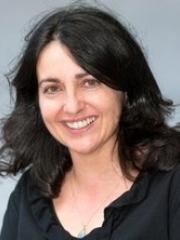
Dr Frederique Bracoud is a Senior Lecturer in the School of Economics at The University of Queensland (Australia), part of the Faculty of Business, Economics and Law. She holds a PhD from Facultés Universitaires Notre-Dame de la Paix (Belgium) and an MSC from Université Catholique de Louvain (Belgium). She is contactable at f.bracoud@uq.edu.au and based in Room 548, Colin Clark Building (#39). Education: PhD, Facultés Universitaires Notre-Dame de la Paix, Namur, Belgium MSC, Université Catholique de Louvain, Louvain-la-Neuve, Belgium Research Interests: Economics of Banking: Focus on competition models (Bertrand Competition), contract design in asymmetric information environments, credit rationing, and monetary policy implications. Scholarship of Teaching and Learning (SoTL): Investigates financial literacy among students, incentive mechanisms for learning engagement, and pedagogical strategies in economics education. Publications: Dr Bracoud's work includes studies on banking competition dynamics, contract theory under information asymmetry, and the application of game theory to financial markets. Her research bridges theoretical economic modeling with practical teaching innovations. Awards: Not explicitly listed in provided materials. Advising & Grants: Available for supervision but no listed advisees. No grant details provided. Labs/Teams: Not specified in current profile.
Associate Professor Jungsoo Kim holds a position in the School of Architecture, Design and Planning at the University of Sydney, specializing in Building Science. His research focuses on occupant-building interactions, particularly how environmental factors influence user behavior and energy demand. He teaches courses in architectural science and building performance. Key affiliations include membership in: NatHERS Technical Advisory Committee CSIRO's Thermostat Behavior Expert Group IEA-EBC Annexes 87, 69, and 66 NABERS Technical Working Group International Society of Indoor Air Quality and Climate Research interests span Indoor Environmental Quality (IEQ), occupant behavior modeling, building performance assessment, and translating research into building codes. Recent grants include studies on decarbonizing multi-residential buildings and work-from-home environments' impact on productivity. His lab, the IEQ Lab, explores acoustic comfort and thermal adaptation in workplaces and residential contexts. Notable work includes developing probabilistic behavioral models for HVAC usage and advancing adaptive thermal comfort theory.
Jeremi London is an Associate Professor of Mechanical Engineering and Assistant Provost of Academic Opportunity and Belonging at Vanderbilt University’s School of Engineering. She leads programs like the Posse Scholars Program and First-Generation initiatives, focusing on broadening undergraduate access to academic opportunities. Her expertise spans engineering education research, with a focus on diversity, equity, and inclusion (DEI). She has secured over $5.8M in grants and authored over 100 publications. London previously chaired the American Society for Engineering’s Diversity Commission and has held roles at the NSF, GE-Healthcare, and Anheuser-Busch. Education : Ph.D. Engineering Education, Purdue University (2014) M.S. Industrial Engineering, Purdue University (2013) B.S. Industrial Engineering, Purdue University (2008) Research Interests : London investigates the impact of STEM education through mixed methods, emphasizing DEI in engineering and authentic learning experiences. Her work addresses systemic barriers to participation, leveraging technologies like augmented reality (AR) to enhance educational outcomes. Recent focus areas include Black students’ experiences, faculty development programs, and institutional equity initiatives. Grants & Awards : NSF CAREER Grant Best Paper Awards Leadership in ASEE’s Year of Impact on Racial Equity Advising & Grants : London directs over $5.8M in grants, including the NSF-funded CAREER project. She advises on national DEI initiatives and graduate student support programs, emphasizing multicultural environments and faculty development. Labs & Teams : Her work integrates with Vanderbilt’s Office of Undergraduate Education and the Center for Equity in Engineering, fostering collaborations across academia and industry.
Károly Takács is Professor at Linköping University's Institute for Analytical Sociology. He holds a Ph.D. from University of Groningen and has held positions at Corvinus University of Budapest, Collegium Budapest, Netherlands Institute for Advanced Studies, and University of Brescia. He founded and led the Research Center for Educational and Network Studies at Hungarian Academy of Sciences. His research examines social networks in relation to cooperation, conflict, and reputation systems, with particular focus on gossip mechanisms and ethnic discrimination in educational contexts. He currently leads an ERC Consolidator Grant investigating how gossip influences reputation and cooperation across different social environments. Takács' publications develop theoretical frameworks for understanding reputation-centered cooperation and empirically test mechanisms through experiments, network analysis, and large-scale studies in educational settings. His work combines analytical modeling, experimental methods, and advanced network analysis techniques.
Christian Ehret is an Associate Professor in the UNC School of Education at the University of North Carolina at Chapel Hill. He holds dual affiliations in the Culture, Curriculum, and Teacher Education (CCTE) and Learning Sciences and Psychological Studies (LSPS) departments. His work focuses on the emotional dimensions of literacy, digital media, and learning in marginalized contexts such as children’s hospital schools and urban communities. Education Background: Ph.D. in Learning, Teaching, and Diversity (Vanderbilt University) M.A. in English Education (University of Georgia) B.A. in English and Comparative Literature (University of Georgia) Research Interests: Ehret investigates how digital technologies shape youth emotional well-being, community-building, and critical literacy practices. Key themes include: Affect theory in literacy education Algorithmic cultures and digital equity Design-based research for inclusive pedagogies Learning in non-traditional spaces like hospitals and youth centers His current projects examine esports communication, algorithmic literacy on social media, and hospital school educational equity. Research Trends: Recent work emphasizes postdigital play, affective geographies, and sociomaterial analyses of gaming environments. Over 12023-2024, studies increasingly focus on algorithmic awareness in TikTok (#BookTok) and narrative videogames’ pedagogical potential. Grants & Collaborations: Supported by the National Council of Teachers of English, Canada’s SSHRC, and the Fonds de Recherche du Québec. Co-editor of Reading Research Quarterly (2023-2026). Active in community partnerships with schools, libraries, and urban youth centers. Labs/Teams: Collaborates with interdisciplinary teams across education, psychology, and digital humanities. Leads research initiatives in hospital school education and post-pandemic youth methodologies.
David Pietz is a Professor of Chinese History in the Department of History at the University of Arizona and holds the UNESCO Chair in Environmental History. His research focuses on environmental history of modern China, supported by grants from leading institutions like the National Science Foundation, National Endowment for the Humanities, Mellon Foundation, and Guggenheim Foundation. He teaches courses including Modern East Asia, East Asian Environmental History, and Dimensions of Globalization. His research interests emphasize the intersection of environmental policy, water management, and socio-political development in China. Recent publications explore themes such as water resource governance, river engineering projects, and landscape transformations in East Asia. Awards: UNESCO Chair in Environmental History, Guggenheim Fellowship Dr. Pietz’s work bridges historical analysis with contemporary environmental challenges, leveraging interdisciplinary approaches to address issues like resource utilization and state-building through environmental lenses.
Dr. Sasha Tsenkova is a Professor at the University of Calgary’s School of Architecture Planning and Landscape (SAPL), specializing in social sustainability and urban innovation. With dual PhDs in Architecture and Geography, she has over 30 years of experience in research, teaching, and consulting across 25 countries, advising governments and international organizations like the United Nations and World Bank. Her work focuses on creating inclusive urban environments, affordable housing, and sustainable cities, with over 170 publications. She advocates for design excellence and planning innovation to address urbanization challenges and social justice. Education: MA in Architecture, MA in Urban Studies, PhD in Architecture, and PhD in Geography. Research interests include social urbanism, sustainable cities, affordable housing policy, planning innovation, and cultural heritage preservation. She emphasizes interdisciplinary approaches to urban challenges and has pioneered design thinking methodologies in planning education. Her global consulting experience informs her advocacy for equitable urban development. Her work bridges academia and practice, influencing policies in Canada and internationally. She collaborates with institutions like the University of Calgary’s Cities Research group and actively engages in initiatives promoting social housing resilience, energy efficiency, and community-centered urban planning. Labs/Teams: Part of the University of Calgary’s Cities Research Institute, contributing to interdisciplinary urban studies and policy development.
Professor Runming Yao is a leading academic in building and urban sustainability at the University of Reading's School of Construction Management and Engineering. He holds roles as Director of Design and Management of Sustainable Built Environments and Module Convenor for Sustainable Design and Management Principles. His research focuses on energy efficiency, urban microclimates, indoor environmental quality, and thermal comfort, with particular emphasis on UK and China contexts. Yao is an EPSRC College member and serves on editorial boards for journals like the Journal of Building Engineering and Renewable Energy . He has led numerous high-impact projects funded by bodies like the European Commission, EPSRC, and the Chinese government, addressing topics such as low-carbon cities, green building technologies, and climate-resilient urban design. His professional memberships include Fellowships of CIBSE, the Chartered Institute of Building, and FHEA. Yao’s work bridges engineering, policy, and environmental science, with contributions to international standards and guidelines for sustainable construction. Education and Qualifications: BSc, MSc, PhD Research Interests: Yao’s research integrates technical innovation with societal needs, exploring: - Energy-efficient building systems and urban-scale simulations, - Impact of climate change on building design, - Sensor technology for smart building management, - Health implications of indoor/outdoor environmental quality. His work emphasizes cross-disciplinary solutions for sustainable urban development and climate resilience. Projects and Grants: Recent initiatives include: - LoHCool (EPSRC-funded low-carbon heating/cooling of cities), - REELCOOP (EU-funded renewable energy cooperation), - Halton Foundation-funded studies on school ventilation. He has secured over £10M in research funding, spanning academic and industry partnerships. Awards and Recognition: While no formal awards are listed, Yao’s leadership in global sustainability networks and his role in shaping policy frameworks reflect his significant influence in the field. Labs and Collaborations: He leads the Energy and Environmental Research Group and collaborates internationally with institutions like Chongqing University, Cambridge University, and the China Green Building Council. His work frequently involves cross-border initiatives to address climate challenges in rapidly urbanizing regions.
David J. Connell is a Professor at the University of Northern British Columbia (UNBC), affiliated with the School of Environmental Planning. His work bridges environmental planning, agricultural policy, and community sustainability, with a strong emphasis on farmland protection, local food systems, and the conservation of British Columbia’s inland rainforest ecosystems. He has led national and provincial research initiatives and is recognized for excellence in both research and teaching. University: University of Northern British Columbia School: School of Environmental Planning Academic Rank: Professor Email: david.connell@unbc.ca Education and Professional Background: While specific educational credentials are not detailed in the provided texts, Dr. Connell’s extensive research, publications, and leadership in policy-oriented projects indicate a strong academic foundation in environmental planning, community development, and policy analysis. His professional experience includes work in business development, economic development, and nonprofit management, which he integrates into his teaching and research. Research Interests: Dr. Connell’s research centers on agricultural land use planning, farmland protection, and the socio-economic dynamics of local food systems. He investigates how legislative frameworks at local, regional, provincial, and federal levels influence farmland conservation. He also explores the role of farmers markets in community economic development and the non-timber values of ancient cedar ecosystems in BC’s inland rainforest. His interdisciplinary approach combines social science, policy analysis, and environmental studies to promote sustainable community development. Publication Trends: His recent publications focus on evaluating the strength of legislative frameworks for farmland protection across Canadian jurisdictions, analyzing federal policy roles, and assessing the quality of agricultural planning. He also contributes to understanding ecotourism, forest values, and the business models of farmers markets. His work is published in high-impact journals such as the Journal of Planning Education and Research , Canadian Planning and Policy , and Society and Natural Resources , reflecting a consistent scholarly trajectory in environmental and planning policy. Scientific Awards: UNBC Award of Excellence in Research (2017) UNBC Award of Excellence in Teaching (2014) Advising and Grants: Dr. Connell has supervised numerous graduate students in the Natural Resources and Environmental Studies program, focusing on topics such as farmland protection, food sovereignty, ecotourism, and beginner farming. His research has been supported by major funding bodies including SSHRC (Insight Grant), Agriculture and Agri-Food Canada, and the Investment Agriculture Foundation of British Columbia. He has led projects on farmland policy integration, farmers market impacts, and the conservation of ancient forests, demonstrating strong grant acquisition and project management capabilities. Labs and Research Teams: While no formal lab is mentioned, Dr. Connell leads a research program on Agricultural Land Use Planning and Farmland Protection, including collaborative work with the BC Association of Farmers Markets and government agencies. His work involves interdisciplinary teams and knowledge mobilization through workshops and policy briefs, contributing to practical outcomes in community planning and sustainability.
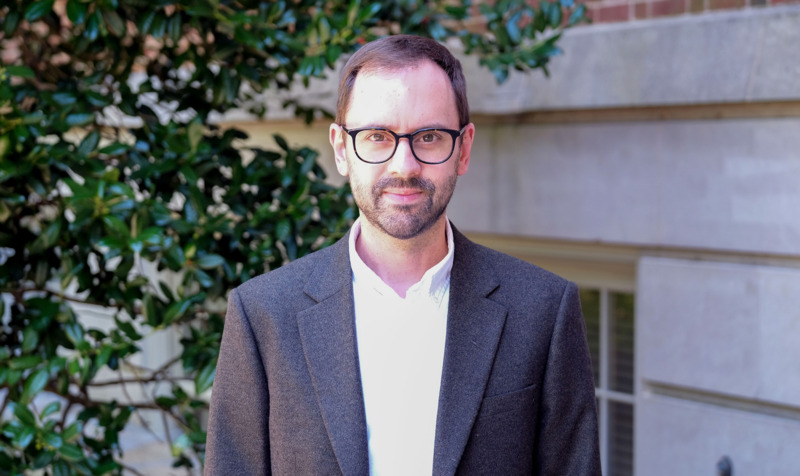
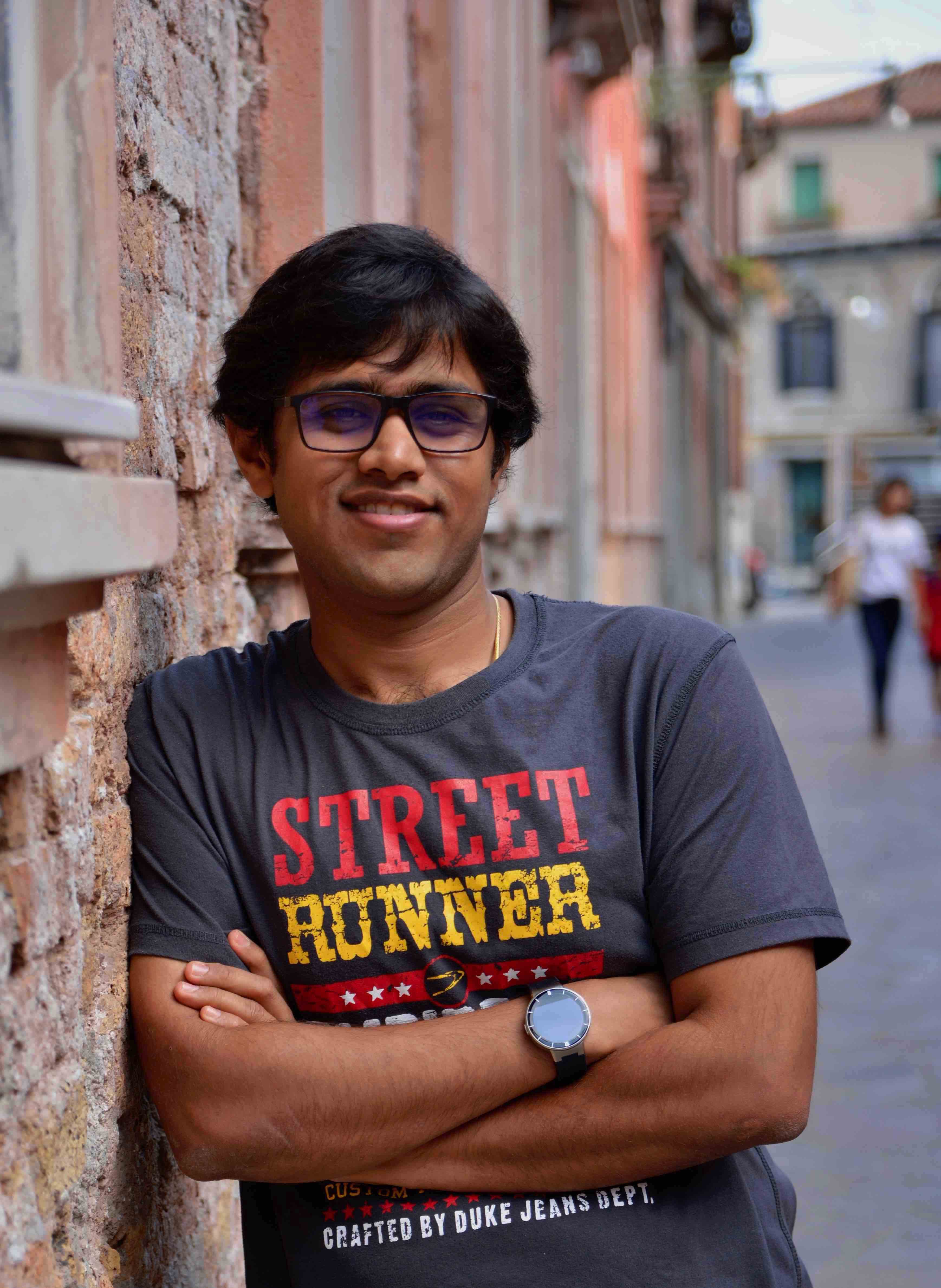
Arpan Gujarati is a Sessional Lecturer in the Department of Computer Science at the University of British Columbia (UBC), affiliated with the Systopia Lab. He teaches graduate and undergraduate courses such as CPSC 538G (Distributed Systems), CPSC 416 (Operating Systems), and CPEN 432 (Real-Time System Design). He holds a PhD from the Max Planck Institute for Software Systems and TU Kaiserslautern, where he was supervised by Björn B. Brandenburg. PhD: Max Planck Institute for Software Systems & TU Kaiserslautern (2020) Undergraduate: Birla Institute of Technology and Science (BITS Pilani) Postdoctoral Researcher: MPI-SWS Research Associate: UBC Software Development Engineer: Citrix R&D, India His research focuses on real-time and distributed systems, with applications in cyber-physical systems, fault tolerance, and machine learning reliability. He investigates scheduling algorithms, reliability analysis, and the integration of learning-enabled components into safety-critical systems. His work combines theoretical analysis with practical system implementations, often involving real-world testbeds and open-source tools. His recent publications span top-tier venues including RTSS, OSDI, ECRTS, DSN, and Middleware, with a strong emphasis on performance predictability, resilience of ML systems, and real-time communication. His work frequently addresses challenges in timing guarantees, fault tolerance, and system reliability in both cloud and embedded environments. SIGBED Paul Caspi Memorial Dissertation Award Best Paper Award at RTSS 2022 Distinguished Artifact Award at OSDI 2020 Best Student Paper Award at Middleware 2017 Outstanding Paper Award at RTCSA 2025 He advises several PhD students and undergraduate researchers at UBC, including Heng Zhao, Aida Aminian, Zainab Saeed Wattoo, and Philip Schowitz. He has led multiple research projects involving robotic arms, NVIDIA Holoscan, FreeRTOS, and distributed key-value stores. His lab work emphasizes reproducibility, open datasets, and practical system building. He has served on program committees for RTSS, RTAS, ECRTS, and Middleware, and contributes to journals such as Real-Time Systems and JSys.
Paul W Chan is a Professor of Design and Construction Management at TU Delft's Faculty of Architecture and the Built Environment since 2019. Previously, he led the Management of Projects Research Group at the University of Manchester. His expertise spans organizational change, construction productivity, and digital transformation in built environments. He holds a PhD from Heriot-Watt University and has authored over 80 peer-reviewed articles. Education: BSc (Hons) Construction Management (Heriot-Watt University, 2000) PhD in Construction Productivity (Heriot-Watt University, 2005) Postgraduate Certificate in Academic Learning (University of Northumbria, 2006) Fellow of the Higher Education Academy (2007) Research Interests: Focuses on human adaptation to technological and organizational shifts, circular economy in construction, digital twins, and AI applications. Active in UN Sustainable Development Goals through sustainable construction practices. Awards & Roles: Editor of Construction Management and Economics Past Chair of ARCOM (2016-2018) Recipient of EPSRC grants Grants & Projects: Coordinates the Stepping Out project (2020-2025) addressing sustainable port area development through transdisciplinary learning. Labs/Teams: Leads research groups in digital construction innovation and circular economy strategies at TU Delft.
Meredith L. Miller is an Associate Professor of Architecture and Director of the Master of Architecture program at the University of Michigan's Taubman College of Architecture and Urban Planning, where she joined as an A. Alfred Taubman Fellow in 2009-2010. She is a founding member of the award-winning architecture practice T+E+A+M, which has exhibited at the Venice Architecture Biennale, Chicago Architecture Biennial, and Museum of Contemporary Art Detroit. Miller holds a Master of Architecture from Princeton University and a Bachelor of Science in Architecture from the University of Virginia. Her research critically examines architecture's materiality in relation to global resource systems, climate change, and post-natural ecologies, with a focus on sustainable material innovation. This work directly informs her development of Post Rock—a composite building material utilizing waste plastics and aggregates—which received NSF funding in 2023. Her teaching emphasizes architectural design and sustainability across graduate and undergraduate studios. Scientific Awards: A. Alfred Taubman Fellow (2009-2010) NSF Partnerships for Innovation Technology Translation Grant for Post Rock (2023) Architect’s Newspaper Best of Practice Honorable Mention for T+E+A+M (2025) Miller directs the Master of Architecture program while mentoring students through advanced design courses. Her research has secured significant external funding including NSF grants and Taubman College Catalyst Grants focused on sustainability and justice. As co-founder of T+E+A+M, she leads a practice recognized for reimagining architectural materials and community-focused design, recently completing projects like Detroit's East Village community hub.
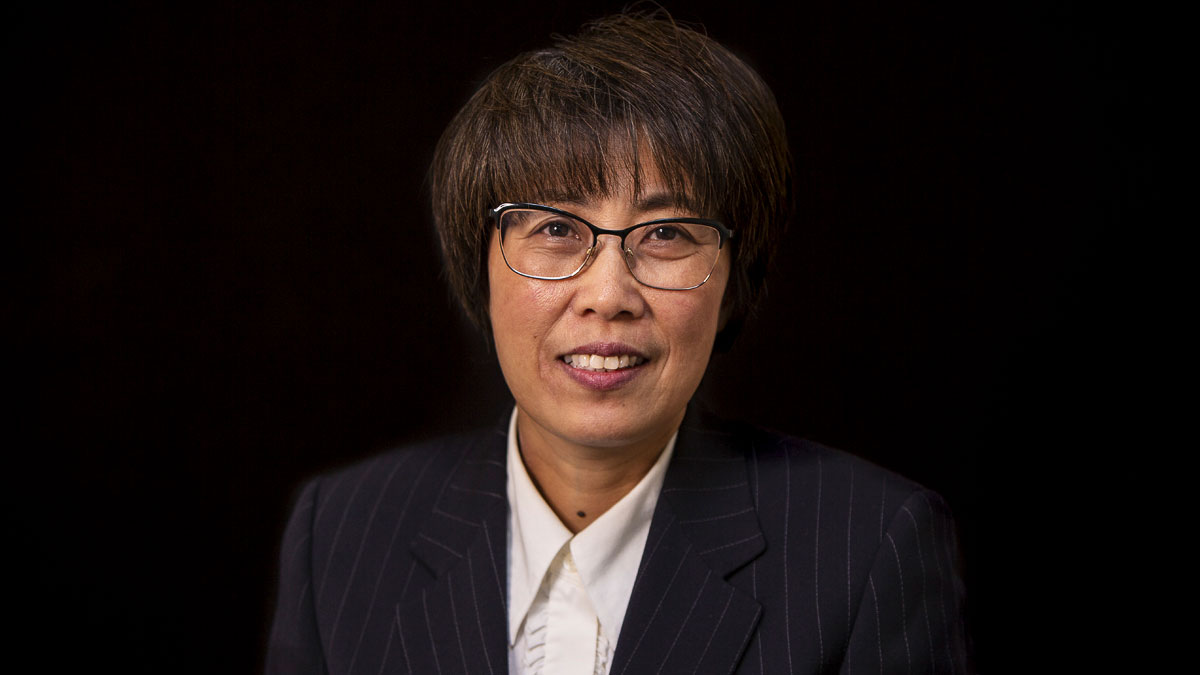
Catherine Bovill serves as Personal Chair of Student Engagement in Higher Education at the University of Edinburgh's Institute for Academic Development (IAD). As a member of the Learning and Teaching Team, she leads the Programme Design and Teaching Enhancement Team, which provides comprehensive support for designing programs and courses, enhancing teaching approaches, and administering the Principal's Teaching Award Scheme. Professor Bovill actively contributes to the University's strategic educational initiatives as a member of the Learning and Teaching Strategy Implementation sub-stream, Senate Quality Assurance Committee, Student Lifecycle Management Group, and Bristol Case Working Group. Her leadership extends to organizing the University's annual Learning and Teaching Conference and managing the influential Teaching Matters blog. Professor Bovill's research program centers on co-created curriculum and student-staff partnership in learning and teaching, establishing her as a globally recognized authority with nearly 100 keynote presentations across 15 countries. Her scholarship examines how students and staff can collaboratively design curriculum, assessment, and teaching approaches to create more democratic, inclusive, and effective educational experiences. She has developed influential frameworks for understanding different types and levels of co-creation in higher education settings, with particular attention to power dynamics, identity, and equity considerations within partnership models. Her work bridges theoretical foundations with practical implementation strategies, making significant contributions to transformative educational practices. Analysis of Professor Bovill's recent publications reveals an evolving research trajectory with increasing focus on practical applications of student-staff partnership, particularly in assessment design and implementation. Her scholarship consistently demonstrates attention to identity, power dynamics, and equity considerations within partnership frameworks. The pandemic period expanded her research into online and hybrid learning environments, examining how co-creation principles can be maintained during remote education. Her work increasingly addresses intersectional aspects of partnership, recognizing diverse student experiences and backgrounds, while maintaining her signature emphasis on practical tools and frameworks that educators can implement in their teaching contexts. National Teaching Fellow Principal Fellow of the Higher Education Academy Fellow of the Staff and Educational Development Association Member of the Society for Research in Higher Education Member of UK National Teaching Excellence Awards Panel Visiting Fellow at the University of Bergen, Norway Professor Bovill plays a significant role in academic development through her teaching on the PGCAP programme and mentoring staff undertaking the Edinburgh Teaching Award, the University's CPD framework for Advance HE recognition. She assesses colleagues seeking Advance HE recognition as part of this scheme, directly influencing teaching excellence across the institution. Her strategic leadership in educational development extends to supporting implementation of the University's Learning and Teaching Strategy and enabling colleagues to develop and enhance their teaching practice and expertise through various workshops and networks. Within the Institute for Academic Development, Professor Bovill leads the Programme Design and Teaching Enhancement Team, which serves as a central hub for educational innovation at the University of Edinburgh. This team not only provides direct support to academic staff but also organizes major institutional initiatives like the annual Learning and Teaching Conference. Her work connects with broader educational communities through her editorial roles, including previously serving as Associate Editor (Europe) of the International Journal for Academic Development and currently as a Review Board member for Higher Education.
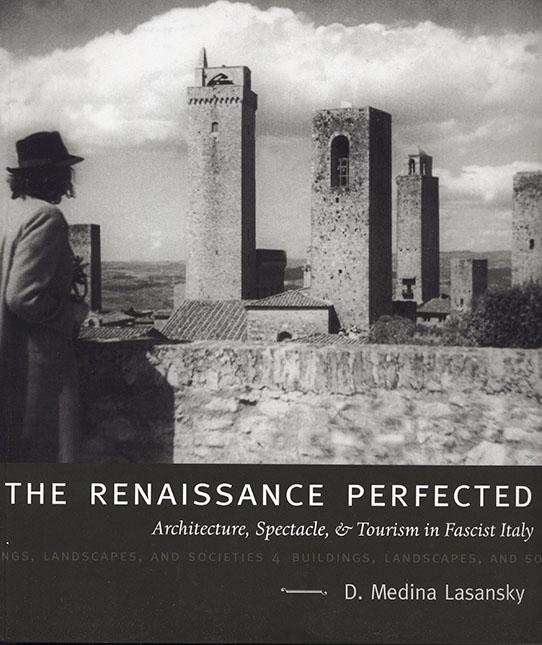
D. Medina Lasansky is a Professor in the Department of Architecture at Cornell University, within the College of Architecture, Art, and Planning. Her work bridges architectural history, theory, and popular culture, exploring how built environments reflect and shape political and social dynamics. Her research interests include architectural history, architectural theory, the politics of space, tourism, sensory experience in architecture, and the mediation of architecture through popular media. She has developed innovative courses such as Archi.Pop , Gastro-Porn , and Sensational Space , which challenge students to critically engage with everyday cultural forms as spatial practices. The publications and essays she has authored or edited, such as Playing Place and Renaissance Perfected , demonstrate a consistent focus on how architecture interacts with broader cultural narratives, from fascist Italy to contemporary board games. Her work often reveals hidden or overlooked histories embedded in both monumental and mundane environments. Her scientific awards and fellowships include the Provost's Award for Distinguished Scholarship, a Fulbright to Italy, and residencies at the Wolfsonian, the Canadian Centre for Architecture, and the Society for the Humanities at Cornell. Provost's Award for Distinguished Scholarship (2005) Fulbright to Italy Faculty Fellow, Society for the Humanities, Cornell (2003–04) Research Fellow, the Wolfsonian-FIU (2003) Research Fellow, University of Turin (2003) Visiting Scholar, Canadian Centre for Architecture (2004) Lasansky has advised and collaborated with numerous scholars and students, including Ph.D. candidates and alumni such as Chad Randl. She has received significant research grants that have supported archival work in Italy and interdisciplinary collaborations. Her editorial projects, such as Playing Place , involve wide networks of contributors from across disciplines and institutions, reflecting her commitment to engaged, public-facing scholarship. Though not explicitly affiliated with a named lab or research center, her work is closely tied to the intellectual life of Cornell’s architecture department and the Society for the Humanities. Her courses and publications foster collaborative, cross-disciplinary inquiry into the cultural dimensions of architecture.
Professor Tapas Mallick is a leading academic in renewable energy and solar technologies, serving as Professor and Chair of Clean Technologies and Renewable Energy at the University of Exeter’s Environment & Sustainability Institute. He also holds distinguished adjunct and visiting professorships at Imam Abdulrahman Bin Faisal University (Saudi Arabia) and the Indian Institute of Technology Madras (India), respectively. He is the Director and Scientific Advisor of BuildSolar Limited and actively leads the Solar Energy Research Group. University of Exeter, UK (2013–present) Imam Abdulrahman Bin Faisal University, Saudi Arabia (2024–present, Distinguished Adjunct Professor) Indian Institute of Technology Madras, India (2018–present, Visiting Professor) BuildSolar Limited (2018–present, Director and Scientific Advisor) His research focuses on applied solar energy, with emphasis on bridging the urban-rural energy divide through innovative solar integration in buildings, smart materials, and hybrid systems. Key interests include photovoltaic-thermal (PVT) systems, building-integrated photovoltaics (BIPV), phase change materials, solar desalination, and energy storage. His work combines engineering, materials science, and environmental sustainability to develop scalable, real-world solutions. The 15 most recent publications reflect a strong trend in hybrid solar technologies, smart materials for energy efficiency, rural electrification, and water-energy nexus solutions. Research spans photovoltaics, thermal engineering, materials innovation, and system integration, with applications in both urban and off-grid rural environments across ODA countries. His scientific accolades include: Fellow of the Royal Society of Chemistry Fellow of the World Society of Sustainable Energy Technologies British Indian Award for Services to Education (2016) Best Innovation for Sustainability Award (Cornwall, 2018) Professor Mallick has supervised 34 PhD students to completion and leads multiple high-impact funded projects, including UK-Egypt British Council initiatives, EPSRC-funded HIACT Hub, and the SUPERGEN solar consortium. He serves as Section Editor-in-Chief of the journal Energies and has strong international collaborations across India, the Middle East, and sub-Saharan Africa. His research is supported by RCUK, EU, and industrial funding, demonstrating significant translational impact. He leads the Solar Energy Research Group at Exeter and is deeply involved in innovation through BuildSolar Limited, focusing on commercializing solar technologies for sustainable development.